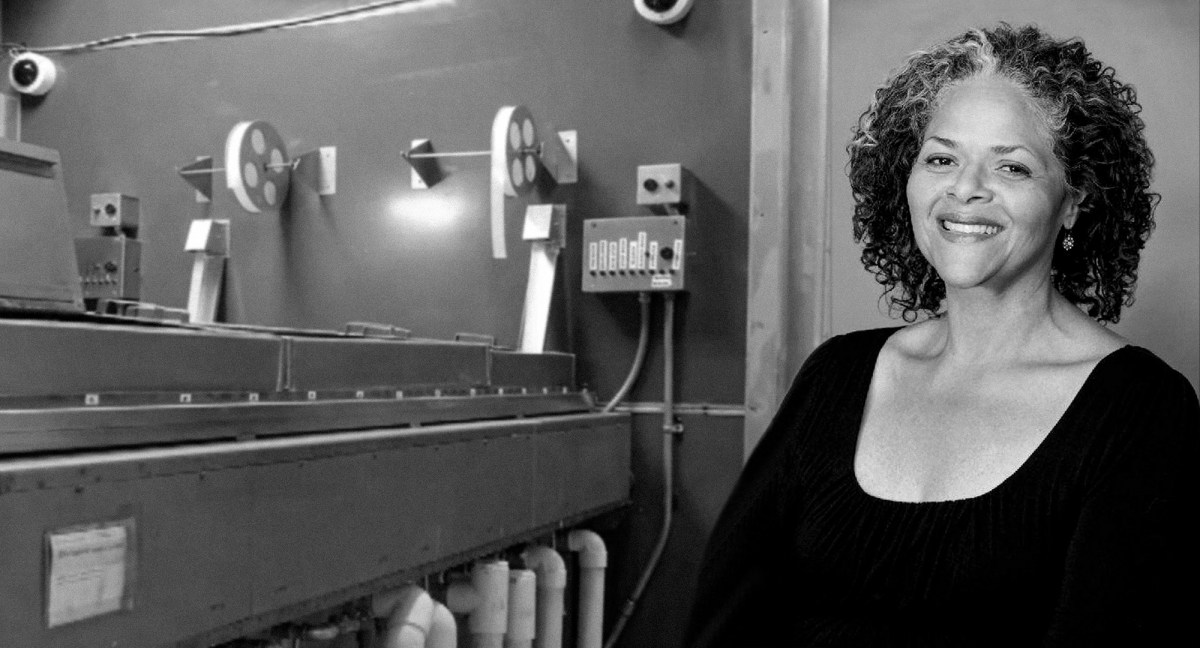
Beverly Wood, former VP of technical services at Deluxe, and the CCE process on Seven

Women in Film, Legacy Series: Beverly Wood Interview

Linda Feferman
April 23, 2013

Watch the 26:17 min. interview and documentary on vimeo

Team Deakins: Bev Wood, Journey from Film to Digital

Roger Deakins, James Deakins & Matt Wyman
May 3, 2020
Team Deakins

We speak with Beverly Wood, former Executive VP at Deluxe and Managing Director at eFilm. We discuss the transition in Hollywood from Film to Digital with one of the industries foremost experts on the science behind it all. We discuss how film emulsion actually works, color science, her work with Roger and James, and films like SkyFall, O Brother, Where Art Thou and more.

She’s been with us through our journey from film to digital and is a great source of information in general!

Listen to the podcast:

Team Deakins (libsyn)
Apple Podcasts

Beverly Wood. The Mad Scientist of Deluxe Labs

Bennett Moore
December 14, 2020

Soup du Jour

AC demystifies the special processing techniques offered by motion picture laboratories to enhance and manipulate imagery.

Christopher Probst
November 1998
American Cinematographer

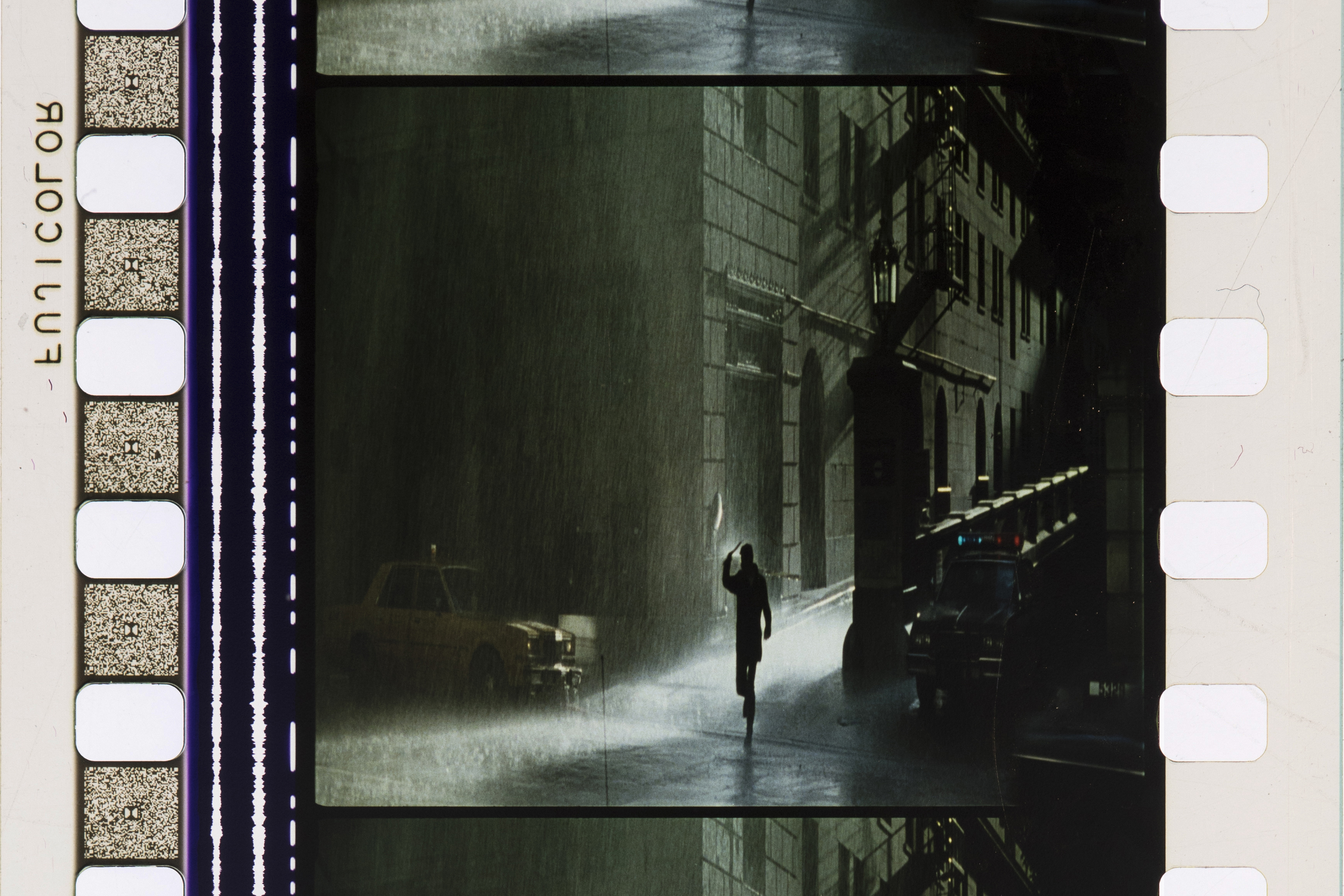
Although mainstream audiences may not be consciously aware of the use of special processes when they watch a film in a theater, they certainly felt the effect while watching David Fincher‘s horrific thriller Seven (AC Oct. ’95), which was photographed by Darius Khondji. A number of the film’s release prints were treated with Deluxe‘s Color Contrast Enhancement (CCE) process to heighten the film’s blacks and add a palpable texture and tonality.

Read the full article

Martin Scorsese Collection, George Eastman Museum, Rochester, NY.

Deluxe Color Contrast Enhancement

(CCE, Deluxe Adjustable Contrast Enhancement, ACE)

By Beverly Wood
FilmAtlas

Color Contrast Enhancement (CCE) was a silver retention process used at Deluxe Laboratories in the late 1990s that provided an extreme gritty look, with a muted color palette and increased contrast. Its companion process, Adjustable Contrast Enhancement (ACE), allowed for scalable control of contrast and black levels without impairing color saturation.

On David Fincher’s Se7en (1995), a small number of 35mm show prints were made for big city engagements using Deluxe’s Color Contrast Enhancement silver retention process. This enhanced the film’s noirish visual style with heightened contrast, desaturated colors and rich blacks.

Read the full article

Art of the Shot: Jeff Cronenweth, ASC on Tales from the Loop & How Story Drives the Visuals

Derek Stettler
April 27, 2020
Art of the Shot

Welcome to the Art of the Shot podcast! Join writer and filmmaker Derek Stettler for conversations with the artists behind the camera on strikingly-shot films, series, music videos and commercials. Discover how they made their careers happen, hear about their creative process, and learn how they make the shots that make us say: wait, how did they do that?

For the third episode, Derek speaks with none other than Jeff Cronenweth, ASC!

Jeff is the two-time Oscar-nominated cinematographer behind many of David Fincher’s films, including The Social Network, The Girl with the Dragon Tattoo, and their first film together–and Jeff’s first feature film–Fight Club.

(And if you’re worried, no, they don’t talk about Fight Club… much.)

Jeff has also shot numerous commercials and music videos for some of the biggest artists, including Madonna, David Bowie, Shakira, Taylor Swift and Katy Perry.

And this month marked the release of Jeff’s first foray into television, with the pilot to the Amazon Prime original series, Tales from the Loop: a sci-fi anthology adapted from the paintings of Swedish artist Simon Stålenhag.

What you may not know is that Jeff Cronenweth is the son of legendary cinematographer Jordan Cronenweth, the eye behind the era-defining look of Blade Runner. Enjoy this in-depth conversation about everything from how Jeff forged his own path while following in his father’s footsteps, and his approach to lighting based on story, to working with David Fincher, his work on Tales from the Loop (including how he achieved a never-before-seen lighting effect), and his trick for making sure eye lights look more natural.

Note, due to the COVID-19 pandemic, this conversation was recorded remotely, but all efforts were made to ensure quality audio.

The Art of the Shot podcast is brought to you by Evidence Cameras, an outstanding rental house in Echo Park specializing in high-end digital cinema camera packages, lenses, support, and accessories.

If you like what you hear, please subscribe to be notified of future episodes, and share this podcast with others to help grow the show!

Listen to the podcast:

Apple Podcasts
Spotify
Google Podcasts

Follow Art of the Shot: Instagram
Follow Derek Stettler: Instagram, Twitter

Tales from the Loop trailer audio copyright Amazon.com, Inc. Used with permission courtesy of Amazon Studios.

Follow Jeff Cronenweth, ASC Archives on Twitter

The Cinematography Podcast: Jeff Cronenweth

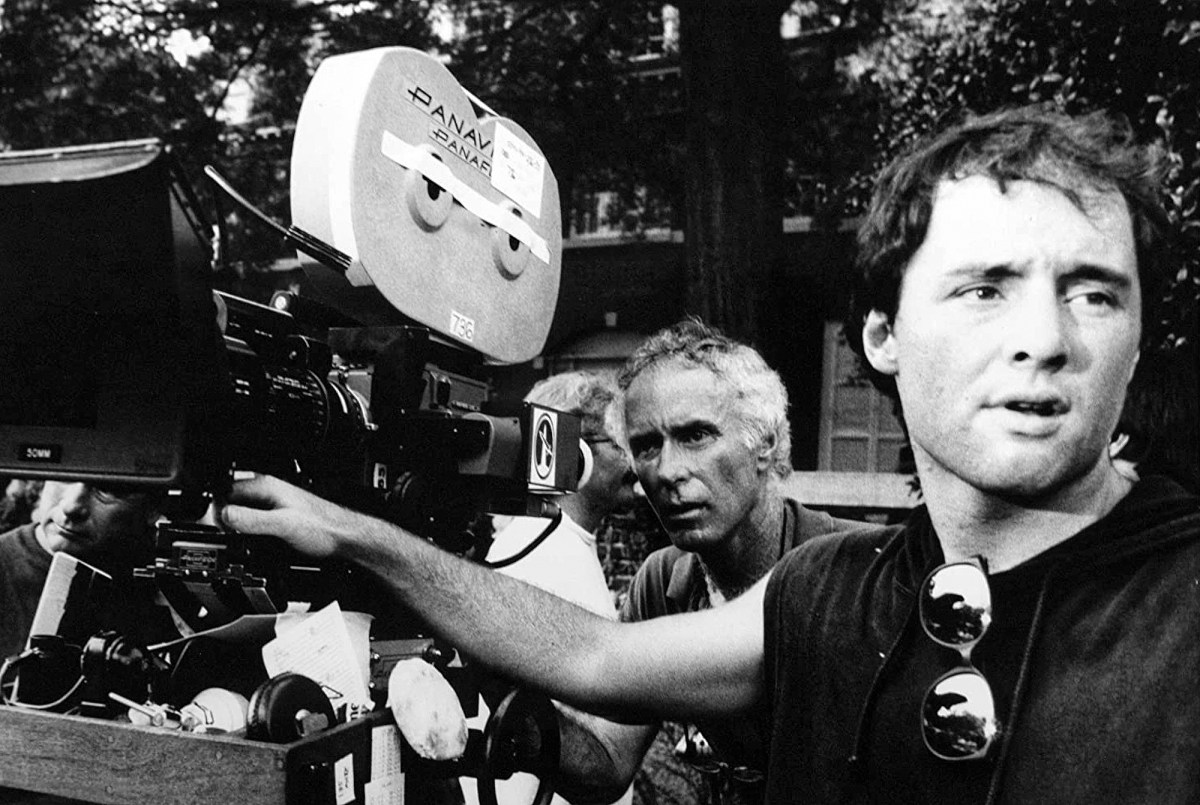
Jordan and Jeff Cronenweth on the set of Francis Ford Coppola‘s Gardens of Stone

Jeff Cronenweth, ASC on David Fincher, Fight Club, growing up in Hollywood, music videos, Mark Romanek, One Hour Photo, Gone Girl, The Social Network and the new Amazon series Tales from the Loop.

Ben Rock & Illya Friedman
April 22, 2020
The Cinematography Podcast (Cam Noir)

Jeff Cronenweth comes from three generations in the film business and followed his father, cinematographer Jordan Cronenweth (Blade Runner) into a career as a director of photography. Growing up on film sets and working alongside his father enabled Jeff to take a hands-on role in the camera department. He started as a loader and camera assistant, getting into the union while attending USC. He met David Fincher while working on the Madonna music video “Oh Father” as a camera assistant. Fincher gave Jeff his first opportunity to DP for the film Fight Club. Jeff’s collaboration with Fincher later earned him two Oscar nominations- one for The Social Network and one for The Girl with the Dragon Tattoo. He also began working with director Mark Romanek on music videos, such as EelsNovocaine for the Soul” and Nine Inch Nails’ “The Perfect Drug.” Jeff and Romanek also worked together on the feature film, One Hour Photo starring Robin Williams. The film presented many lighting challenges since the bulk of it takes place inside a store with flat white lights before the darker undertones of the movie are revealed.

Jeff also shot the pilot for Tales from the Loop with director Mark Romanek, streaming now on Amazon Prime.

Listen to the podcast:

Cam Noir
Apple Podcasts

LIKE AND FOLLOW US, send fan mail or suggestions!: Facebook, Instagram, Twitter

Podcast Credits:

Sponsored by Hot Rod Cameras (Instagram)
Editor in Chief: Illya Friedman (Instagram)
Ben Rock (Twitter, Instagram)
Producer: Alana Kode
Editor: Ben Katz
Composer: Kays Alatractchi

Follow Jeff Cronenweth, ASC Archives on Twitter

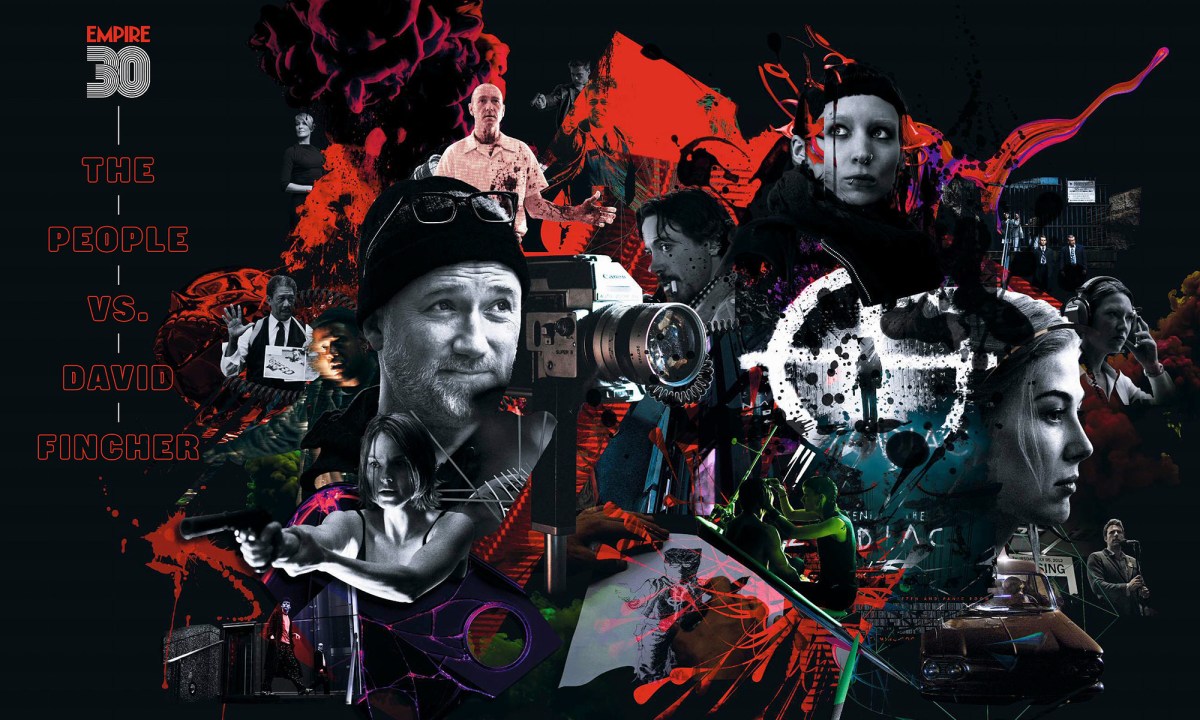
The People vs. David Fincher

Illustration by James Dawe.

From his love of music videos to his aversion to iPhones, the world’s most meticulous director answered your questions.

Nev Pierce
December 2019 (April 3, 2020)
Empire

From the 30th Anniversary Exclusive Subscriber Cover by Supertotto.

As part of our Empire 30 celebrations, we presented your reader questions to filmmaker David Fincher. Originally published in the December 2019 issue of Empire.

Read the full Q&A

Jeff Cronenweth Discusses the Unique Job of a Cinematographer

Joey Magidson
April 2, 2020
HollywoodNews.com

Cinematography is a true art form. To compose a memorable shot is something that one really does need a skill for. That doesn’t even take into account how a cinematographer must work well with a director, have an understanding of their camera, and an infinite number of other assets necessary to help make a movie succeed. Earlier this week, we got a chance to talk with two time Academy Award nominated cinematographer Jeff Cronenweth, who was able to detail just some of what goes into being a quality DP.

Cronenweth has been cited by the Academy twice. Both times, collaborations with director David Fincher (The Social Network, followed by The Girl with the Dragon Tattoo) received Oscar nominations in Best Cinematography. Tomorrow, he ventures into television for the first time, collaborating with filmmaker Mark Romanek on an episode of the new Amazon Prime science fiction series Tales from the Loop. Generously chatting on the phone for nearly a half hour, Cronenweth details not just working on the show, but with Fincher as well. He even tells us a few interesting stories about his father Jordan Cronenweth, a famous cinematographer in his own right. It’s an informative and loose interview, so we hope you enjoy it…

Listen to the podcast

Follow Jeff Cronenweth, ASC Archives on Twitter

Atticus Ross: “I’ve seen the first cut of ‘Mank’ and it was incredible”

And Trent Reznor explains why David Fincher is great to work with.

Reznor and Ross share some glimpses on their work with Fincher on Mank at the end of their interview about their score for HBO and Damon Lindelof‘s Watchmen.

Read the article:

Trent Reznor and Atticus Ross: Composing ‘Watchmen’ was ‘super rewarding, extremely difficult and fulfilling’ [EXCLUSIVE VIDEO INTERVIEW

Rob Licuria
March 31, 2020
Gold Derby

The prolific duo has also released two new Nine Inch Nails: Ghosts albums for free.

Netflix’s Mindhunter: Skywalker’s audio adds to David Fincher’s vision

Patrick Birk
March 26, 2020
postPerspective

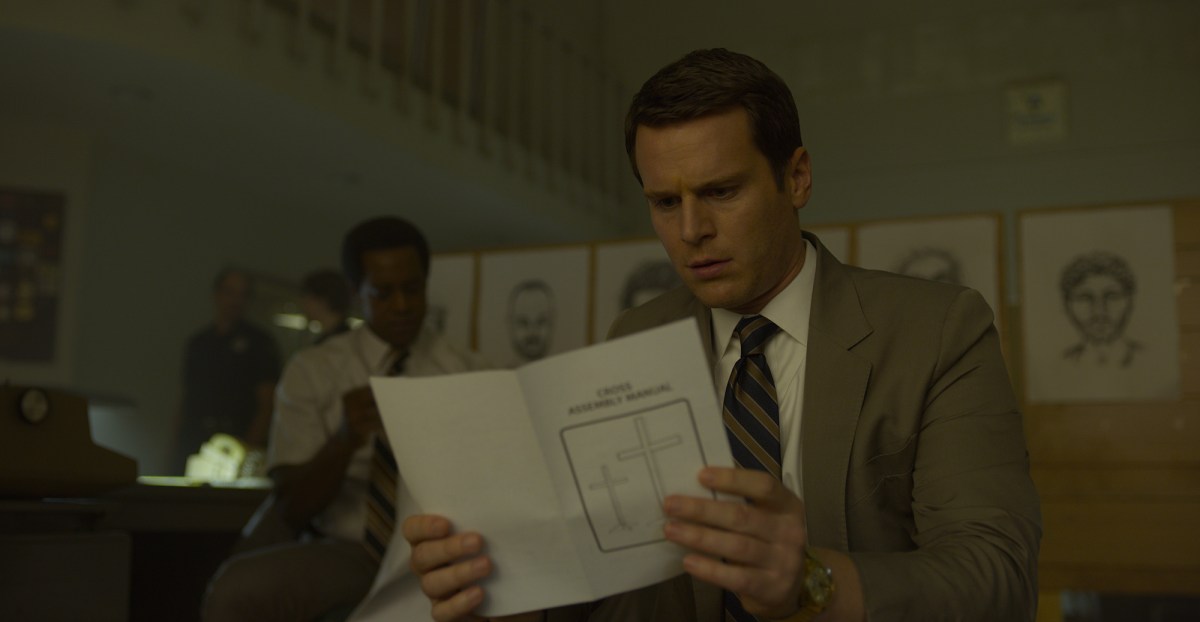
I was late in discovering David Fincher’s gripping series on serial killers, Mindhunter. But last summer, I noticed the Netflix original lurking in my suggested titles and decided to give it a whirl. I burned through both seasons within a week. The show is both thrilling and chilling, but the majority of these moments are not achieved through blazing guns, jump scares and pyrotechnics. It instead focuses on the inner lives of multiple murderers and the FBI agents whose job it is to understand them through subtle but detail-rich conversation.

Sound plays a crucial role in setting the tone of the series and heightening tension through each narrative arc. I recently spoke to rerecording mixers Scott Lewis and Stephen Urata as well as supervising sound editor Jeremy Molod — all from Skywalker Sound — about their process creating a haunting and detail-laden soundtrack. Let’s start with Lewis and Urata and then work our way to Molod.

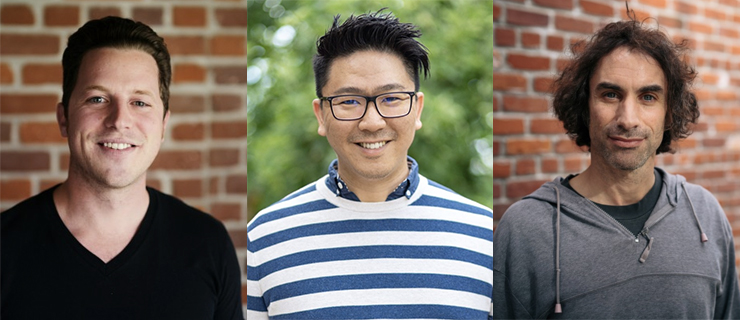
Scott Lewis, Stephen Urata, and Jeremy Molod

How is working with David Fincher? Does he have any directorial preferences when it comes to sound? I know he’s been big on loud backgrounds in crowded spaces since The Social Network.

Scott Lewis: David is extremely detail-oriented and knowledgeable about sound. So he would give us very indepth notes about the mix… down to the decibel.

Stephen Urata: That level of attention to detail is one of the more challenging parts of working on a show like Mindhunter.

Working with a director who is so involved in the audio, does that limit your freedom at all?

Lewis: No. It doesn’t curtail your freedom, because when a director has a really clear vision, it’s more about crafting the track to be what he’s looking for. Ultimately, it’s the director’s show, and he has a way of bringing the best work out of people. I’m sure you heard about how he does hundreds of takes with actors to get many options. He takes a similar approach with sound in that we might give him multiple options for a certain scene or give him many different flavors of something to choose from. And he’ll push us to deliver the goods. For example, you might deliver a technically perfect mix but he’ll dig in until it’s exactly what he wants it to be.

Urata: Exactly. It’s not that he’s curtailing or handcuffing us from doing something creative. This project has been one of my favorites because it was just the editorial team and sound design, and then it would come to the mix stage. That’s where it would be just Scott and me in a mix room just the two of us and we’d get a shot at our own aesthetic and our own choice. It was really a lot of fun trying to nail down what our favorite version of the mix would be, and David really gave us that opportunity. If he wanted something else he would have just said, “I want it like this and only do it like this.”

But at the same time, we would do something maybe completely different than he was expecting, and if he liked it, he would say, “I wasn’t thinking that, but if you’re going to go that direction, try this also.” So he wasn’t handcuffing us, he was pushing us.

Read the full interview

Fight Club Cinematographer Jeff Cronenweth, ASC

Jeff Cronenweth in the set of The Social Network (Merrick Morton, 2010)

Alan Schaller & Christopher Hooton
February 7, 2020
Candela: Photography & Cinematography masters

Fight Club cinematographer Jeff Cronenweth talks us through this iconic shot and many others in David Fincher‘s masterpiece. We also discuss how the relative naturalism of The Social Network was just as difficult to achieve, and whether something is lost with VFX even when it looks perfect.

Listen to the podcast

Follow Jeff Cronenweth, ASC Archives on Twitter

Fincher’s ‘Zodiac’: A Suspenseful and Thrilling Combination of Police Procedural and Newspaper Film That Masterfully Chronicles the Progression of Obsession

Zodiac poster by Barret Chapman

Koraljka Suton
January 24, 2020

If you asked David Fincher about the childhood years he spent in San Anselmo in Marin County during the 1960s, the topic that would undoubtedly pop up would be that of an infamous serial killer who, in the director’s eyes, was “the ultimate boogeyman.” For it was precisely that time and that general area that saw the rise of the Zodiac, a murderer who frequently wrote letters and sent coded messages to local newspapers, gleefully taking credit for the gruesome killing sprees that would inevitably trigger waves of paranoia across the West Coast. As Fincher recalls: “I remember coming home and saying the highway patrol had been following our school buses for a couple weeks now. And my dad, who worked from home, and who was very dry, not one to soft-pedal things, turned slowly in his chair and said: ‘Oh yeah. There’s a serial killer who has killed four or five people, who calls himself Zodiac, who’s threatened to take a high-powered rifle and shoot out the tires of a school bus, and then shoot the children as they come off the bus.’” Fincher’s fascination with the mystery man who wreaked havoc in Northern California during the late 60s and early 70s, claiming to have taken the lives of thirty-seven people (out of which only five were confirmed as being his victims), ultimately resulted in the director gladly accepting to work on Zodiac, a 2007 movie written by James Vanderbilt. The screenwriter had read a 1986 non-fiction book of the same name while he was still in high school, years before pursuing his eventual career. After getting into screenwriting, he had the chance to meet Zodiac author Robert Graysmith, a cartoonist who had been working for one of the newspapers the killer wrote to during the 1960s, and decided to make a screenplay based on the information-packed book. Having creative control over the material was of the utmost importance to Vanderbilt, given the fact that the endings of his previous scripts had been altered. Together with producers from Phoenix Pictures, Vanderbilt bought the rights to both Zodiac and its follow-up, entitled Zodiac Unmasked, after which the Seven director was asked to come on board.

Apart from having a personal attachment to the story of the notorious serial killer who was never brought to justice, what drew Fincher to work on the project was also the fact that the ending of Vanderbilt’s script was left unresolved, thereby staying true to real-life events. But Fincher’s perfectionism and his wish to depict the open case as accurately as possible led to him asking that the screenplay be rewritten, for the wanted to research the original police reports from scratch. He also decided that he, Vanderbilt and producer Bradley J. Fischer should personally interview the people who were involved in the case so that they could discern for themselves whether the testimonies were to be believed or not. The people they spent months interviewing were family members of suspects, the Zodiac killer’s two surviving victims, witnesses, investigators both current and retired, as well as the mayors of Vallejo and San Francisco. As Fincher elaborated: “Even when we did our own interviews, we would talk to two people. One would confirm some aspects of it and another would deny it. Plus, so much time had passed, memories are affected and the different telling of the stories would change perception. So when there was any doubt we always went with the police reports.” They also hired a forensic linguistics expert to analyze the killer’s letters, with the expert’s focus being on how the Zodiac spelled words and structured sentences, as opposed to the emphasis that was put on the Zodiac’s handwriting by document examiners in the 1970s.

Read the full article

Film stills by Merrick Morton (Paramount Pictures)

Other in-depth articles on films by David Fincher on Cinephilia & Beyond:

Alien3: “Take all of the responsibility, because you’re going to get all of the blame”

Se7en: A Rain-Drenched, Somber, Gut-Wrenching Thriller that Restored David Fincher’s Faith in Filmmaking

Downwards Is the Only Way Forwards: Welcome to David Fincher’s The Game

Fight Club’: David Fincher’s Stylish Exploration of Modern-Day Man’s Estrangement and Disillusionment

Fincher’s Zodiac As Easily One Of The Best Thrillers Of The Millennium So Far

From Facebook to ‘Fuck-You Flip-Flops’: How Aaron Sorkin and David Fincher Made ‘The Social Network’ a Fiery Word-Off

Trent Reznor and Atticus Ross will use period-authentic instrumentation for their “Mank” score

They’ll avoid many of their favorite toys for David Fincher’s next movie, which is set in the Forties.

Revolver Staff
December 23, 2019
Revolver

Director David Fincher — who first dragged Reznor and Ross into the film-scoring game by enlisting them for 2010’s The Social Network — is currently shooting the film Mank, a biopic about Herman J. Mankiewicz, the screenwriter of Orson Welles‘ Citizen Kane, played by Gary Oldman. As such, the movie is set in 1940. “We’re not gonna be using the modular synthesizer on that one,” Reznor revealed. “We think we’re gonna be period authentic, so it just creates a new set of challenges.”

Read the full article:

Nine Inch Nails: 9 Things We Learned from Our Visit to Trent Reznor’s Studio

Order the Dec/Jan Issue of Revolver, Featuring Nine Inch Nails