This week we welcome on the show Courtenay Miles, a WGA-nominated screenwriter and assistant director whose credits include Gone Girl, Mindhunter, and the upcoming The Further Mis-Adventures of Cliff Booth, starring Brad Pitt.
In today’s conversation, Courtenay shares the remarkable story of her transition from assistant director to screenwriter, reflects on her years-long collaboration with David Fincher, and takes us inside the meticulous research and writing process behind Mindhunter.
Courtenay’s latest feature, Evil Genius, directed by Courteney Cox, will have its world premiere at the Toronto International Film Festival this September.
Frame & Reference is a conversation between Cinematographers hosted by Kenny McMillan. Each episode dives into the respective DP’s current and past work, as well as what influences and inspires them. These discussions are an entertaining and informative look into the world of making films through the lens of the people who shoot them.
This week, we have the absolutely wonderful Pete Konczal, ASC, on the program to talk about his work on Black Rabbit, House of Cards, and more!
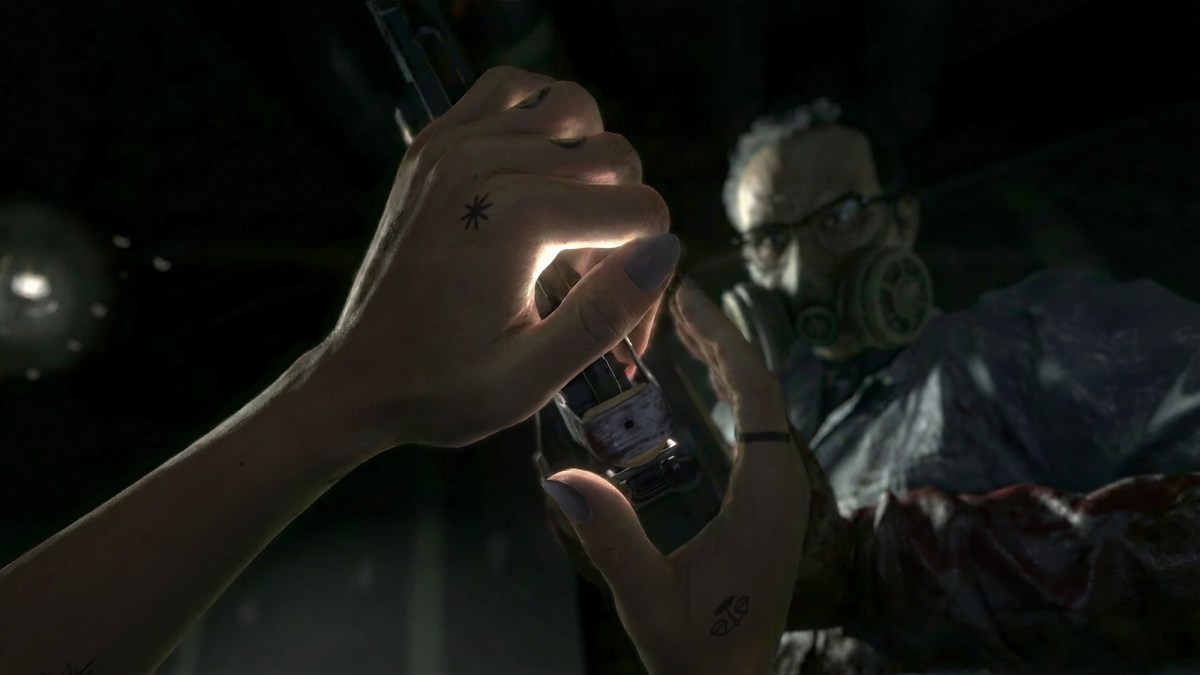
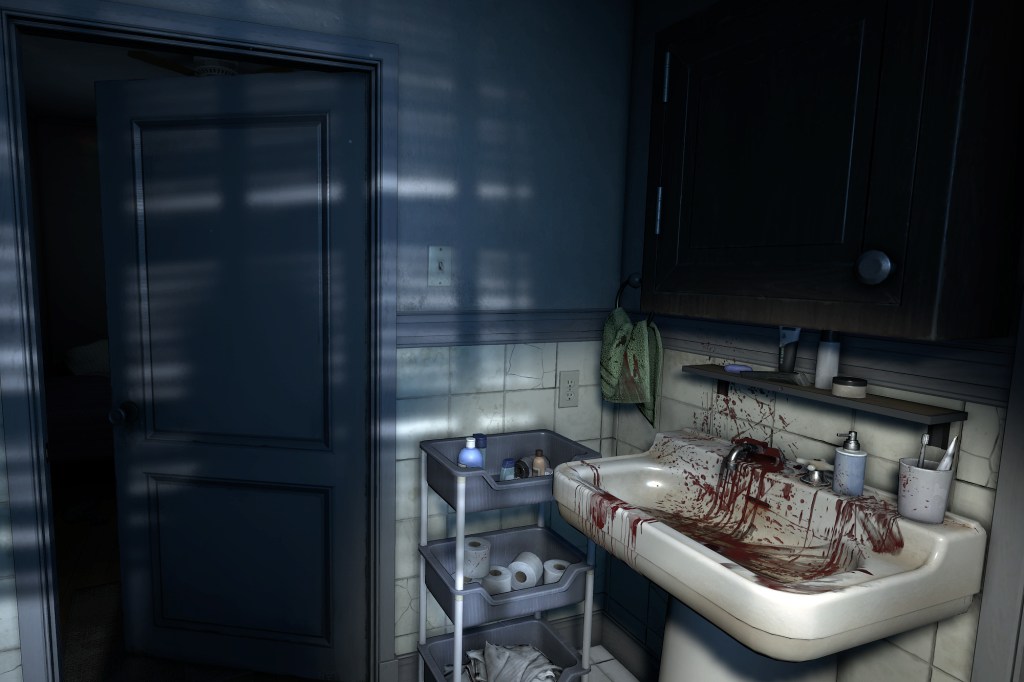
David Fincher, Weapons filmmaker Zach Cregger and Night School Studio want you to die while playing the new Netflix horror video game, Unhinged.
“At least once,” according to Sean Krankel, general manager of narrative games at Netflix and studio director at Night School.
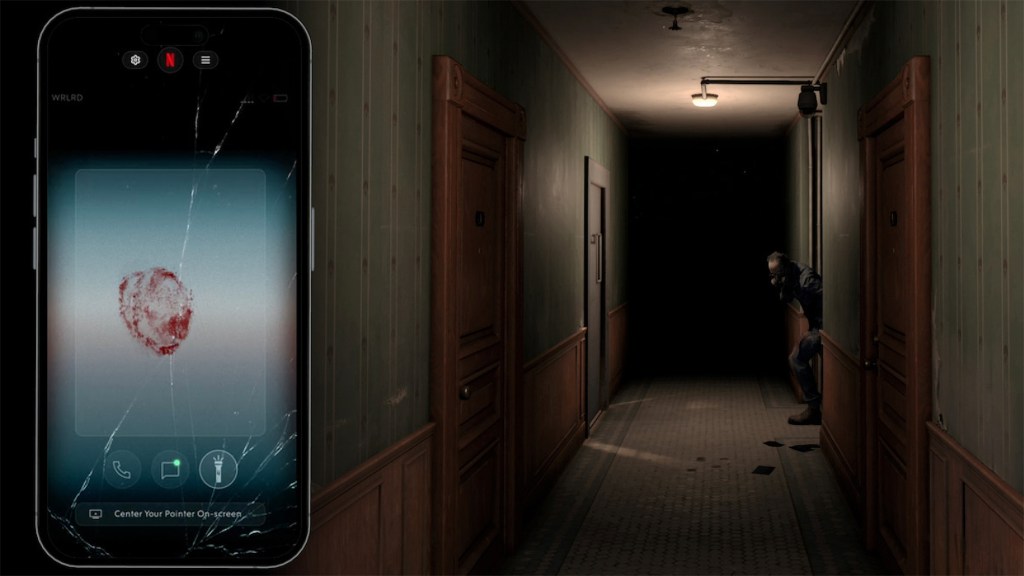
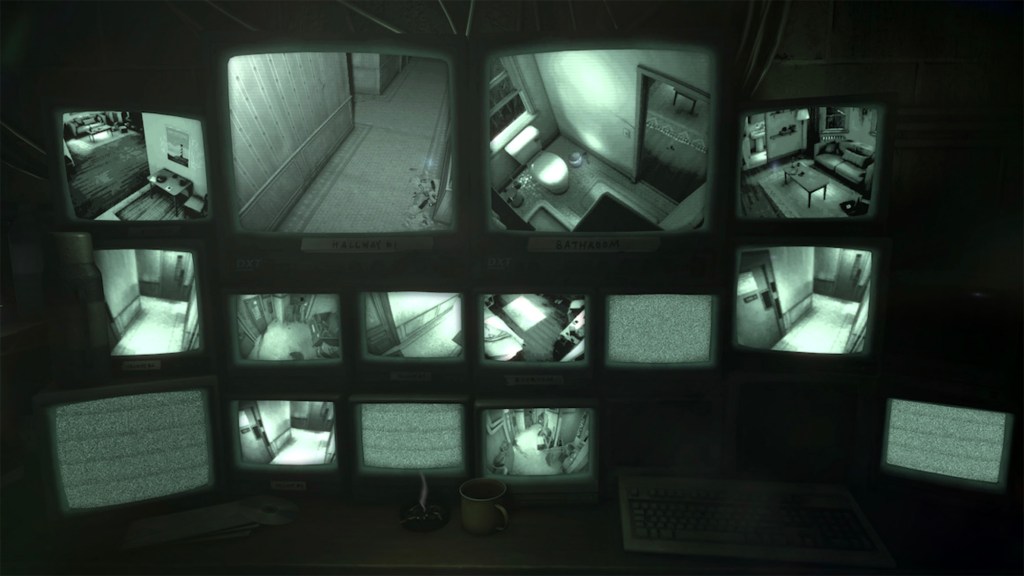
In Unhinged, players take on the role of Ava (voiced by Zoë Kravitz), a woman who wakes up during an intense storm that has knocked out her power. The game, which can be played on Netflixvia subscribers’ TVs or computers, has you use your real-life phone as your controller, which acts as your flashlight and way to call and text your best friend Claire (Sadie Sink) and building super Ben (Troy Baker), while also being the way you move around and make choices. And those choices become increasingly important as you discover a killer is afoot and coming for you and the other remaining building residents.
Developed by the Netflix-owned Night School Studio in secret collaboration with David Fincher and Zach Cregger (the two directors got a “Special Thanks” acknowledgment in the game’s credits when it was released Tuesday, but Netflix has not commented on their inclusion in the process beyond confirming their creative involvement to Variety), Unhinged is a survival game that includes “about 10 times” the player could die throughout the story, which will take you roughly more than 30 minutes to play.
Zoë Kravitz (The Batman, Kimi, Caught Stealing)as Ava Sadie Sink (Stranger Things, the Utopia series project) as Claire, Ava’s best friend Troy Baker (The Last of Us, Love, Death + Robots: Bad Travelling) as the apartment-building super, Ben
Jason Hill (Mindhunter, Love, Death + Robots: Bad Travelling): Music Ren Klyce (Every Work by Fincher): Sound Design
Mark your calendars, because director David Fincher’s latest film will be coming to IMAX theaters globally for an exclusive two-week run starting November 25, before debuting on Netflixon December 23.
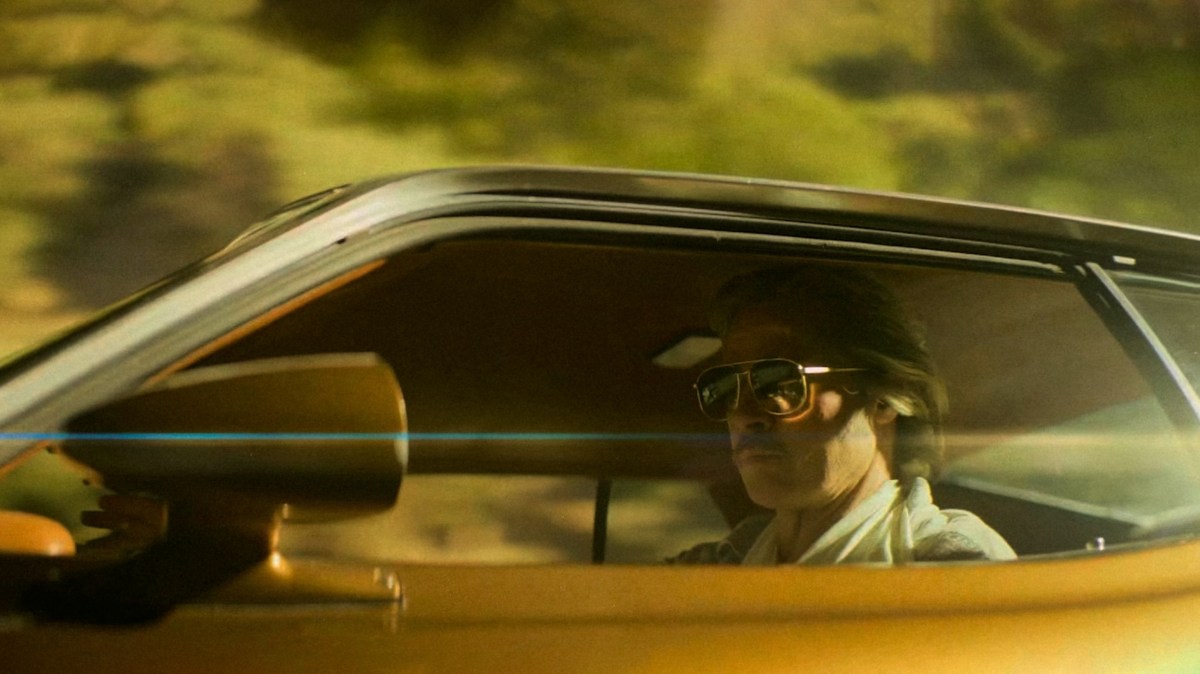
Brad Pitt returns to his Academy Award-winning role as Cliff Booth, only this time it’s 1977 and it’s a very different Hollywood. Directed by David Fincher from a screenplay by Quentin Tarantino, the film also stars Elizabeth Debicki, Scott Caan, Carla Gugino, Yahya Abdul-Mateen II, Peter Weller, Matt Groove, JB Tadena, Corey Fogelmanis, and Karren Karagulian, and will be produced by Pitt and Ceán Chaffin.
In addition to Pitt and Chaffin, the film’s creative team includes Fincher’s longtime collaborators, like Erik Messerschmidt, ASC, as director of photography, and Donald Graham Burt as production designer. It’s edited by Kirk Baxter, ACE, with casting by Laray Mayfield. Trish Summerville is costume designer, Ren Klyce is sound designer, and Dave Macomber is stunt coordinator.
Come back to Tudum for more information on the movie before it comes to screens later this year.
From sparring with Rupert Murdoch to gaining David Fincher’s respect, the behind-the-scenes battle to bring Fight Club to screen was as twisty as the movie’s plot.
When Bill Mechanic was the chairman and CEO of Fox Filmed Entertainment, he had one simple operating principle: Get in trouble.
Though his tenure as studio head from 1996 to 2000 was filled with hits, including blockbusters like Independence Day, Titanic, and Star Wars: Episode I – The Phantom Menace, Mechanic was also known for being one of the few who listened to his gut and greenlit material considered uncommercial.
On his watch, the studio released the gory best picture winner Braveheart, the Farrelly brothers‘ gross-out hit comedy There’s Something About Mary, and the now-beloved Office Space.
Taking risks on offbeat movies gained Mechanic respect around Hollywood, but it also ruffled feathers among his bosses.
At the time, Fox was owned by Rupert Murdoch’s News Corp., and Mechanic said the Australian-born billionaire was rarely a fan of what his studio was releasing.
“I always thought what Rupert wanted was Page Six,” Mechanic told Business Insider, comparing the mogul’s movie tastes to what showed up in the gossip column of the Murdoch-owned New York Post. “He didn’t think movies were there to challenge.”
Mechanic would famously test his boss’s patience when he gave the green light to adapt a book by a then-little-known author named Chuck Palahniuk. It was called Fight Club.
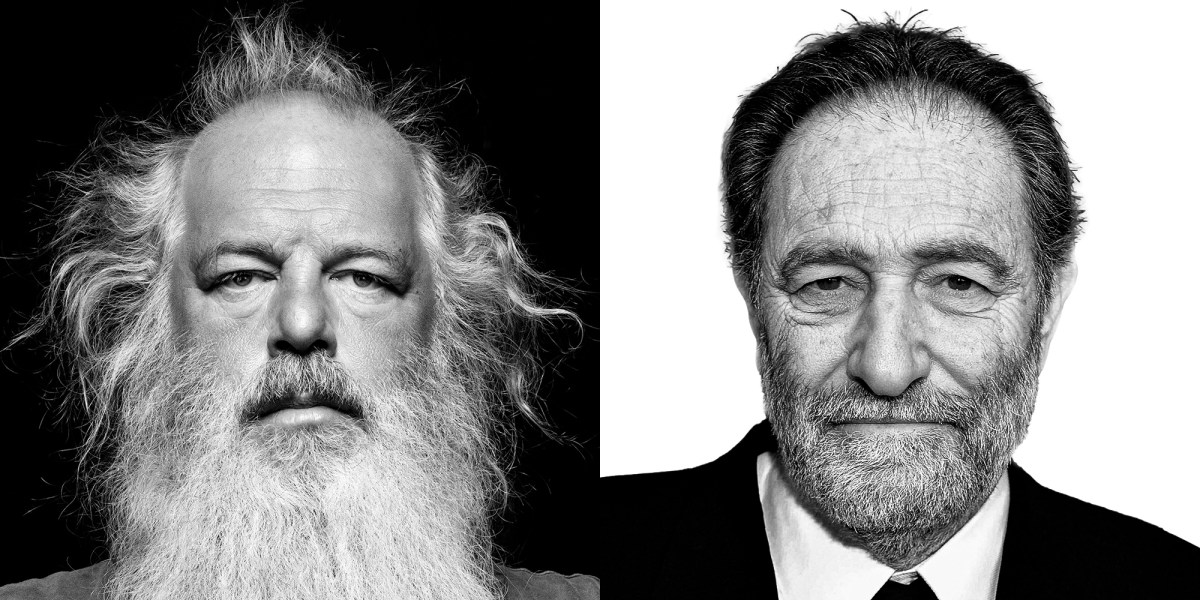
Eric Roth is an Academy Award-winning screenwriter best known for adapting Forrest Gump, for which he won the Oscar for Best Adapted Screenplay. He has received additional Academy Award nominations for The Curious Case of Benjamin Button, A Star Is Born, and Dune: Part One, and is widely regarded as one of Hollywood’s most sought-after writers. Roth co-wrote Killers of the Flower Moon with Martin Scorsese. He continues to work in films as both writer and executive producer. His latest project, the 2025 film The President’s Cake, is now playing in theaters.
A conversation about Kathryn Bigelow’s “A House of Dynamite” (and David Fincher’s “The Adventures of Cliff Booth”).
Kirk Baxter, ACE, has cut for David Fincher since The Curious Case of Benjamin Button (2008), picking up two Oscars (The Social Network, The Girl with the Dragon Tattoo) and a nomination () along the way. He’s also maintained a successful and sought-after commercials editing business the whole time.
Interestingly enough, it was editing her commercial that connected him to Kathryn Bigelow, director of his latest film, A House of Dynamite.
In this special issue of Cut/Daily Meets… you get to hear from the man himself, as I was fortunate enough to chat with him in person, in the middle of his work day on The Adventures of Cliff Booth, Fincher directing Tarantino’s script as a sequel/spin-off/connection to Once Upon a Time in Hollywood.
Introduction Kirk’s Location & Current Projects The Film’s Ending & Political Message What Did the Dailies Look Like? Split Screens vs. Found Footage Approach Editing the Missile Countdown Scenes The Three Acts & Secretary Baker’s Face Matching Audio Across Different Chapters Working with Score & Kathryn’s Initial Reaction The Composer Process & Volker Bertelmann How Do You Decide When Music Comes In? Creating the Chapter Title Cards What Was It Like Working with Kathryn Bigelow? How Do You Choose Your Projects? Cutting Commercials Between Films Evolution as an Editor & Avoiding Showiness Do Oscar Wins Change Imposter Syndrome? Editing Animation for Love, Death & Robots The IMDb Holiday Reunion Credit Future Projects & David Fincher’s Next Film
If you like deepening your knowledge about Post-Production, you’ll love Cut/Daily, my free weekly newsletter for Post Pros. Sign up for free at cut-daily.com.
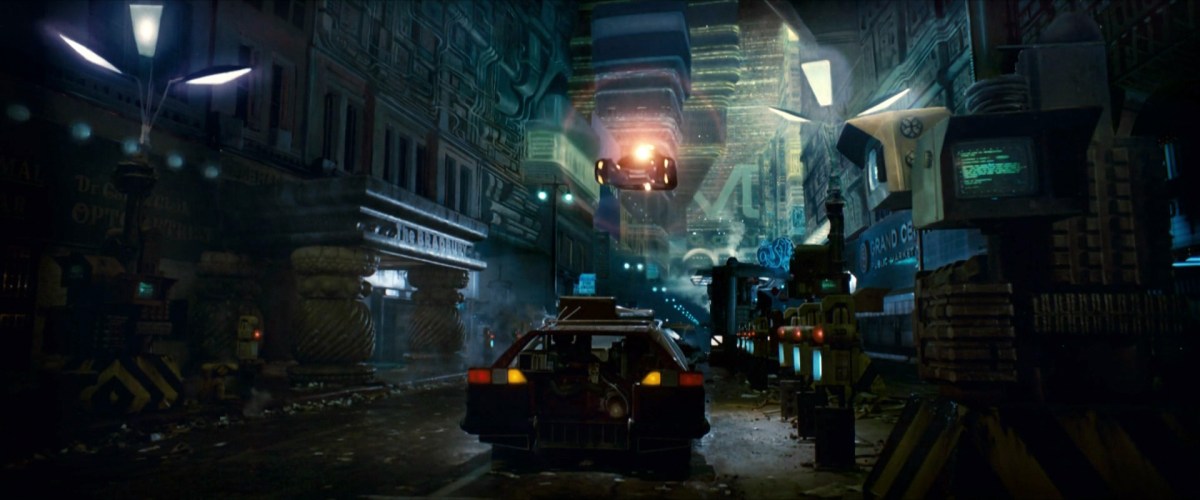
Cinematographer Jeff Cronenweth joins Movies We Like hosts Andy Nelson and Pete Wright to explore Ridley Scott’s groundbreaking 1982 film Blade Runner. As the son of the film’s original cinematographer, Jordan Cronenweth, Jeff brings a unique perspective on both the technical achievements and lasting influence of this sci-fi noir masterpiece. With his recent work on Tron: Ares hitting theaters, Cronenweth reflects on how Blade Runner continues to inspire filmmakers and cinematographers four decades later.
From early experiences on film sets with his father to becoming David Fincher’s go-to cinematographer on films like Fight Club, The Social Network, and The Girl with the Dragon Tattoo, Cronenweth has built a career focused on visual storytelling that serves character and narrative. He describes his approach as seeking human stories within any genre, whether period drama or science fiction. His transition from film to digital cinematography reflects broader industry changes, while maintaining his commitment to thoughtful, story-driven imagery.
The conversation explores how Blade Runner created its influential neo-noir aesthetic with remarkably limited technical resources, including just three xenon lights for its iconic beam effects and borrowed neon lights from Francis Ford Coppola’s One from the Heart set. Cronenweth shares insights into the film’s production challenges and creative solutions, from practical lighting techniques to Ridley Scott’s visionary production design. The discussion examines how the film balances its high-concept science fiction premise with intimate character moments, creating a template for genre storytelling that continues to resonate. Cronenweth also offers a perspective on the various cuts of the film and its 2017 sequel.
Through this engaging conversation, Cronenweth illuminates not just the technical mastery behind Blade Runner, but its enduring impact on cinema. His unique connection to the film through his father, combined with his own distinguished career, offers viewers fresh insights into this landmark work of science fiction and its continuing influence on visual storytelling.
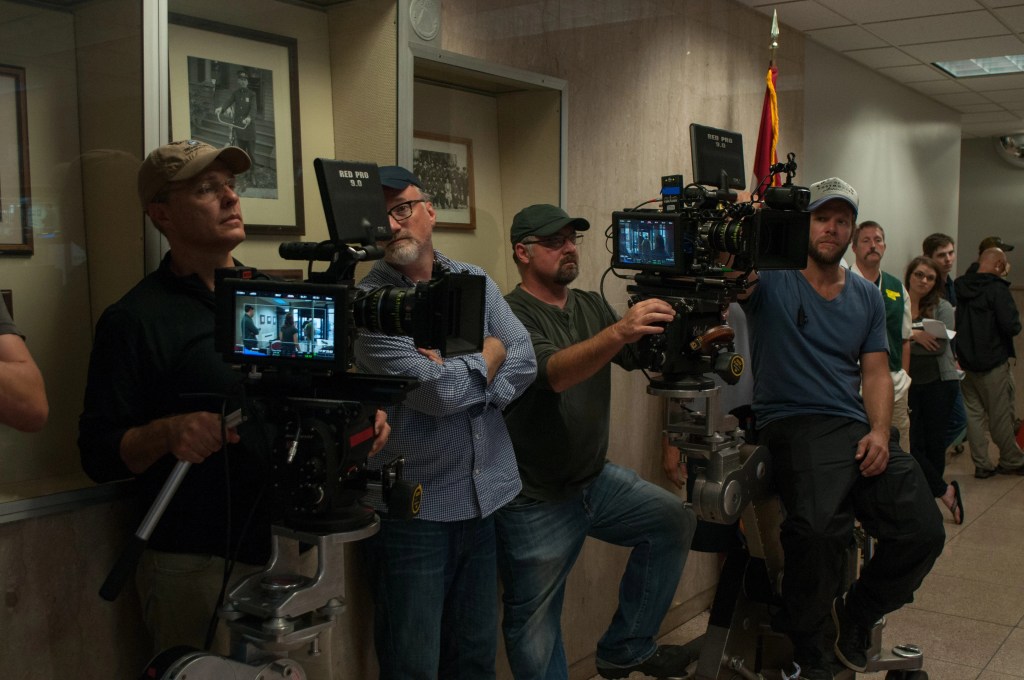
Peter Rosenfeld, SOC, is one of Hollywood’s most respected camera and Steadicam operators, with credits on The Social Network, Gone Girl, American Sniper, Memoirs of a Geisha, Spider-Man: No Way Home, and more. In this episode of CineTalk, we dive into his decades of experience working alongside filmmakers like David Fincher, Clint Eastwood, Kathryn Bigelow, Rob Marshall, and Aaron Sorkin.
Peter breaks down the craft of camera operating, problem-solving on set, collaborating with directors, and the mindset required for a long-lasting career. A must-watch for anyone serious about cinematography or pursuing camera department work.
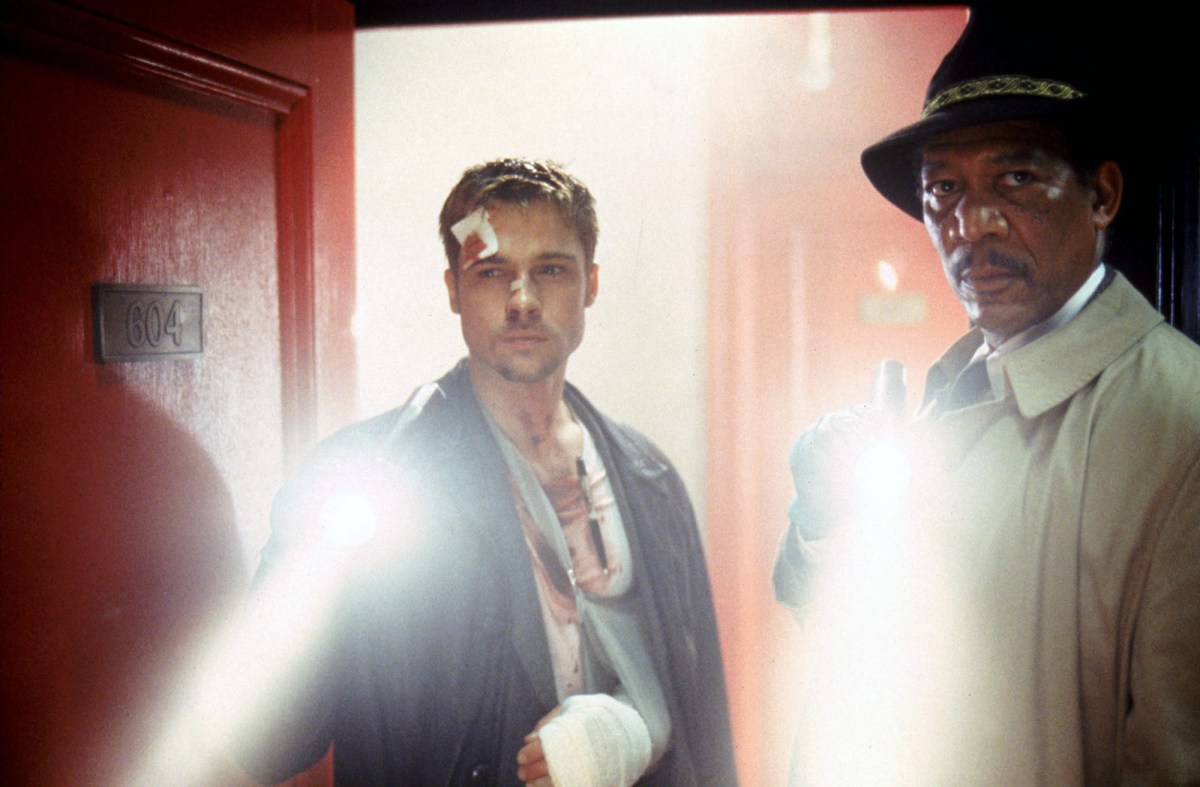
David Fincher’s gritty thriller commented on the urban blight and religious conservatism of the Reagan era. But it also predicted our obsession with true crime today.
Thirty years after its release, David Fincher‘s Seven is now celebrated as the zenith of neo-noir crime thrillers. It raked in a whopping $327m (£250m) at the box office on a $34m (£26m) budget and earned raves from most critics when it came out in 1995. Still, the persistent argument against the film is that it relies too heavily on shock-and-awe gruesomeness to distract from its paper-thin ideas and shopworn crime tropes. A Washington Postcritic lambastedSeven for disguising “formulaic writing” with gratuitous “bloodletting”, while a New York Times reviewer lamented that “not even bags of body parts… keep it from being dull”.
Three decades on, however, it’s clear that some critics missed a different layer to the film – namely, how it interpreted the US’s social crises of the 1980s. There was a worldwide recession at the start of the decade, and this coincided with high urban crime rates, a crack cocaine epidemic and the spread of Aids. The US’s new president, Ronald Reagan, responded to these issues with talk of being “tough on crime”, and his high-profile supporters included various influential Christian figures – leaders of what was known as the Christian right or the religious right – who preached the importance of traditional family values.
All of this fed into Seven. On one level, the film is an exquisitely well-made thriller about a psychopathic serial killer, but beneath its noir-style veneer lies a fascinating take on the way the US responded to some of its most divisive social issues.