Frame & Reference Podcast: “Black Rabbit” and “House of Cards” Cinematographer Peter Konczal, ASC

Kenny McMillan
July 2, 2026
Frame & Reference

Frame & Reference is a conversation between Cinematographers hosted by Kenny McMillan. Each episode dives into the respective DP’s current and past work, as well as what influences and inspires them. These discussions are an entertaining and informative look into the world of making films through the lens of the people who shoot them.

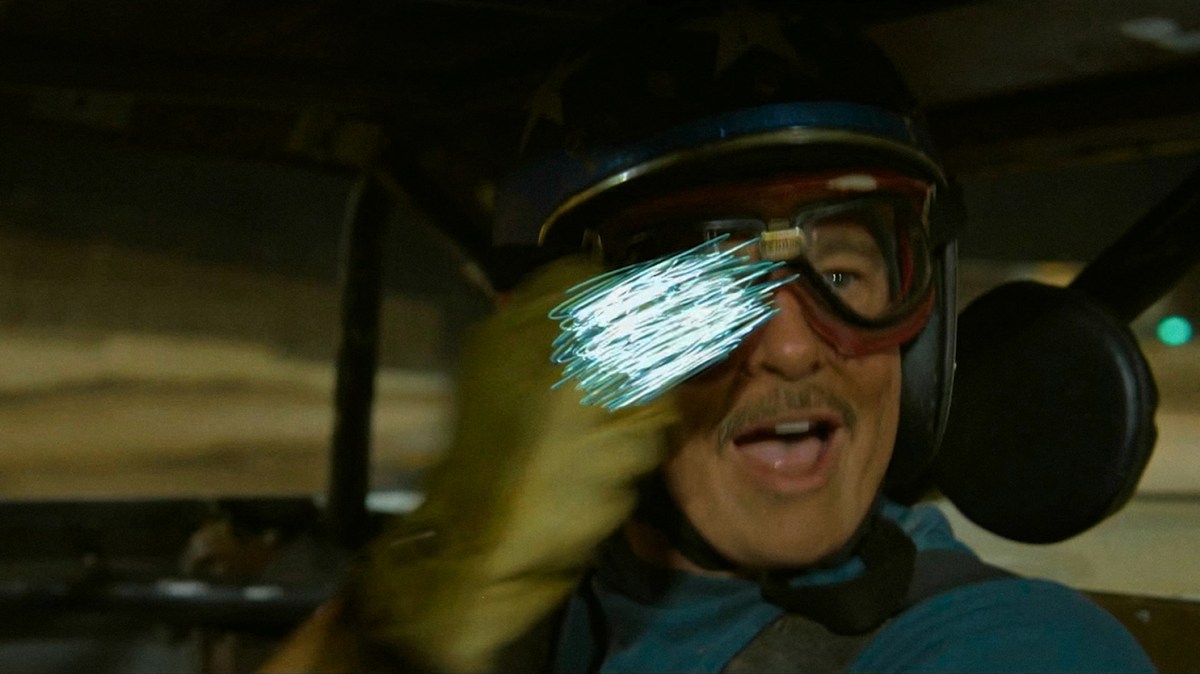
This week, we have the absolutely wonderful Pete Konczal, ASC, on the program to talk about his work on Black Rabbit, House of Cards, and more!

Listen to the podcast:

Apple Podcasts
Spotify
YouTube

Support the podcast on PatreonBuy Me a Coffee
Follow Frame & ReferenceTwitterInstagram
Follow Kenny McMillanInstagramOWL BOT

David Fincher’s Hidden System

June 29, 2026
StudioBinder (YouTube)

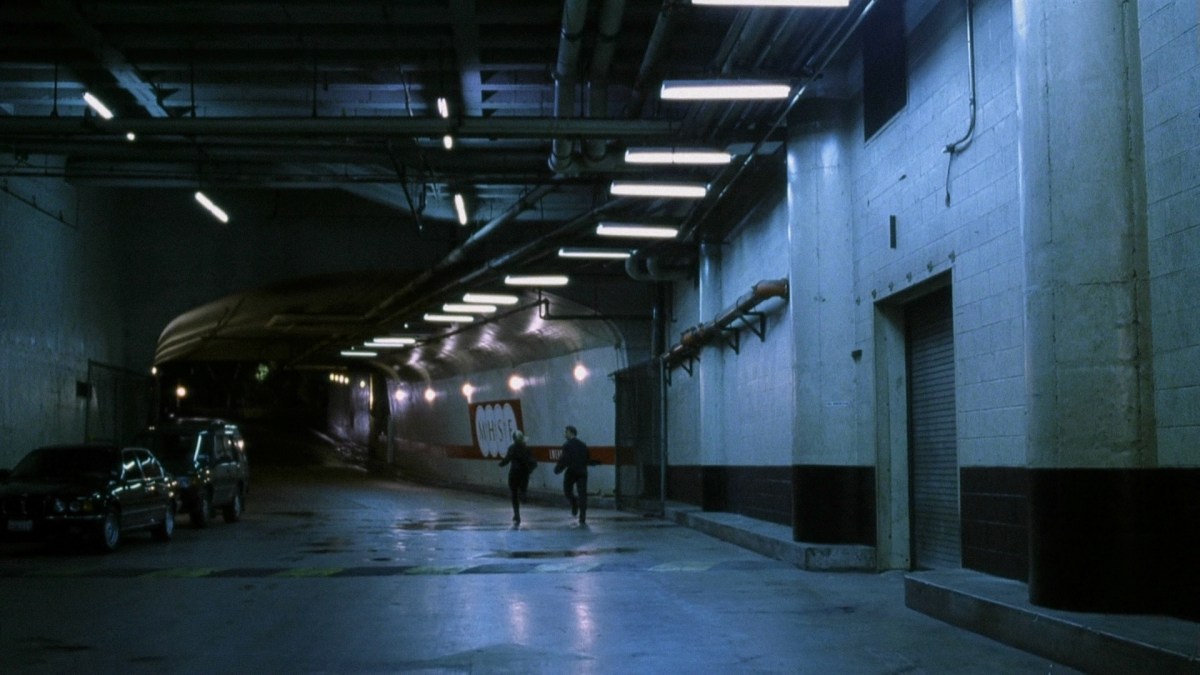
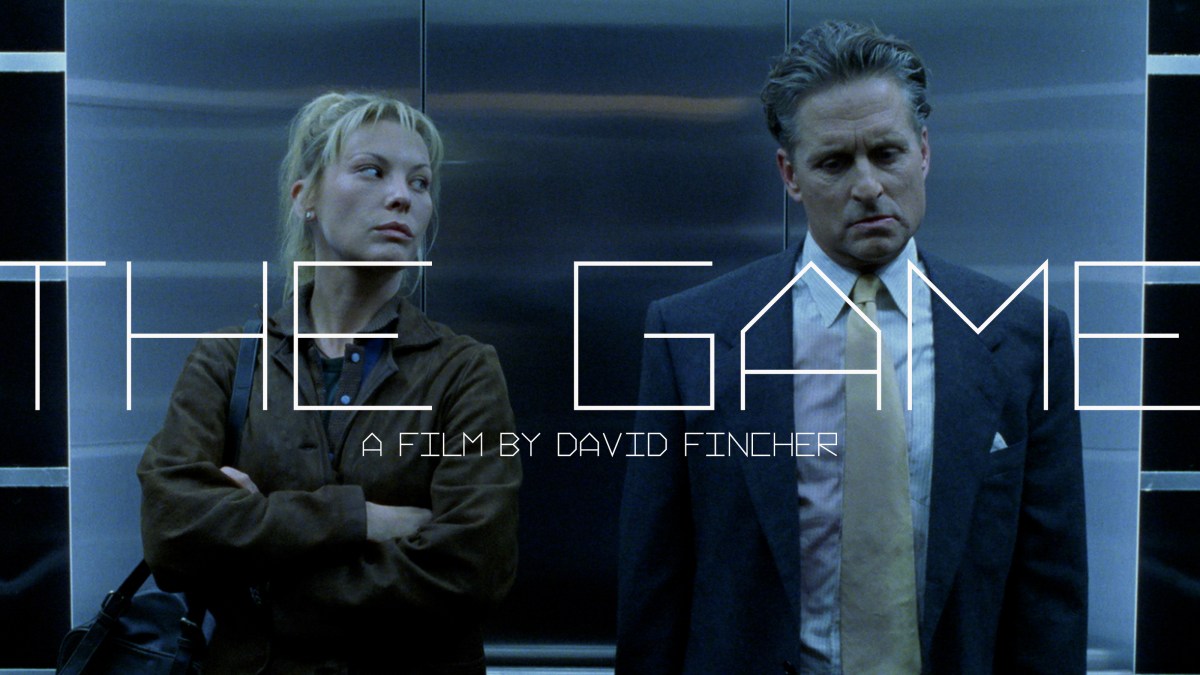
Most thrillers guide you with close-ups. David Fincher‘s approach to The Game (1997) goes the other direction — wide frames, a neutral camera grammar, nothing that triggers your editorial radar. In a film built entirely on manipulation, the film analysis only works if you never feel it happening.

Chapters:

00:00: How Fincher Controls Your Mind in The Game
01:19: The Game Recap
02:04: How Fincher’s Team Approached The Game
04:53: Leading Lines
06:35: Overhead Lighting
08:05: Emotional Manipulation
13:12: Takeaways

This is a cinematography breakdown of how Fincher and his collaborators — production designer Jeffrey Beecroft and cinematographer Harris Savides — built a visual system where every layer does covert work. Leading lines run through every corridor. Lighting spotlights without editorializing. An architecture of compressed versus open space communicates Van Orton‘s psychological state before a word of dialogue confirms it. From the fluorescent corridors of CRS to the hotel room ceiling pressing down, the production design in this film is doing David Fincher’s directing work silently.

What makes The Game remarkable is that Fincher runs the same operation on the audience that CRS runs on Van Orton. The wide frame withholds. The set design steers. The lighting points — without ever announcing itself as an editorial decision. None of it triggers your pattern-recognition the way a close-up would. You navigate the film exactly as Van Orton navigates the game. Once you see the system, you can’t unsee it.

If you’re drawn to production design, visual storytelling in film, or how directors control the audience without anyone realizing it — this breakdown is for you. Watch it, then try rewatching The Game.

♬ Songs used:

“Happy Birthday, Nicholas” – Howard Shore
“Consumer Recreation Services” – Howard Shore
“Harlequin Clown” – Howard Shore
“Congratulations on Choosing C.R.S.” – Howard Shore
“House of Pain” – Howard Shore
“Van Orton Mansion” – Howard Shore
“White Rabbit” – Jefferson Airplane
“Room 277” – Howard Shore
“Strange Connection” – Nobou
“Attempted Murder” – Howard Shore

Follow StudioBinder on: YouTube, Instagram, Facebook, Twitter

Looking for a project management platform for your filmmaking? StudioBinder is an intuitive project management solution for video creatives; create shooting schedules, breakdowns, production calendars, shot lists, storyboards, call sheets, and more. Try StudioBinder for FREE today.

The Criterion Channel: “The Game”

The Criterion Channel

Directed by David Fincher • 1997 • United States
Starring Michael Douglas, Sean Penn, Deborah Kara Unger

The enormously wealthy and emotionally remote investment banker Nicholas Van Orton (Michael Douglas) receives a strange gift from his ne’er-do-well younger brother (Sean Penn) on his forty-eighth birthday: a voucher for a game that, if he agrees to play it, will change his life. Thus begins a trip down the rabbit hole that is puzzling, terrifying, and exhilarating for Nicholas and viewers alike. This multilayered, noirish descent into one man’s personal hell is also a surreal, metacinematic journey that, two years after the phenomenon SE7EN, further demonstrated that director David Fincher was one of Hollywood’s true contemporary visionaries.

Watch our edition of The Game (1997), David Fincher’s multilayered, noirish descent into one man’s personal hell.

‘Zodiac’: David Fincher Won’t Deny The Obsessive Rap, Says It “Should Have Been Weirder” & Teases ‘Cliff Booth’ “Big Surprises”

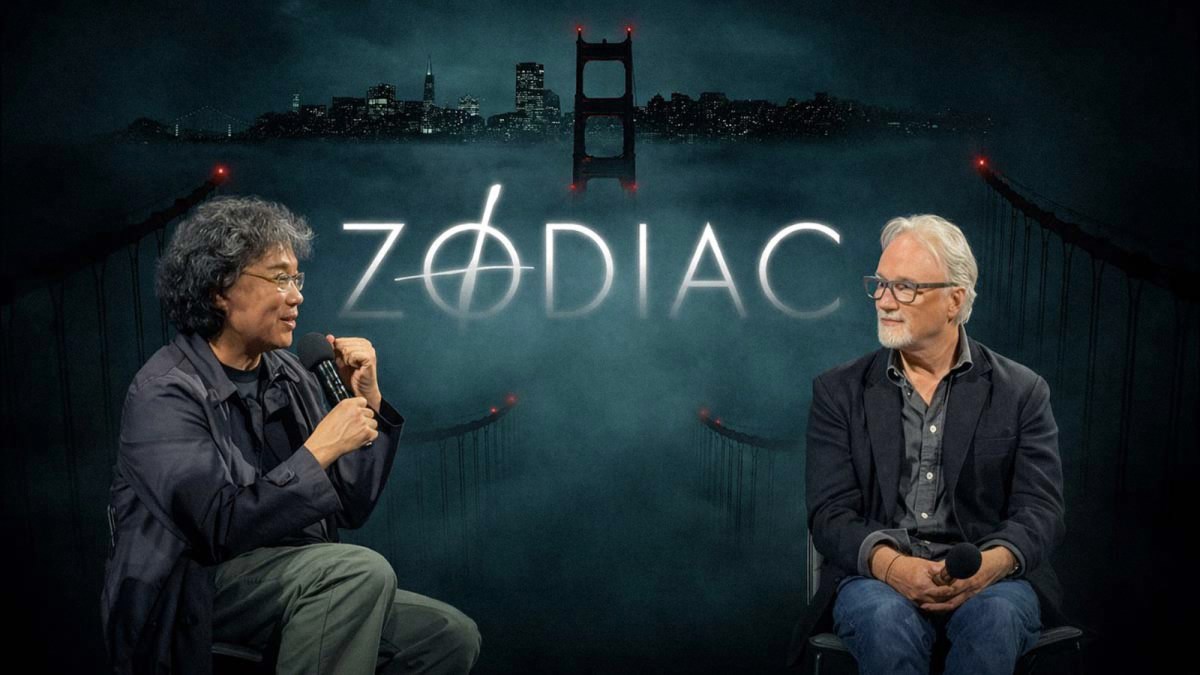
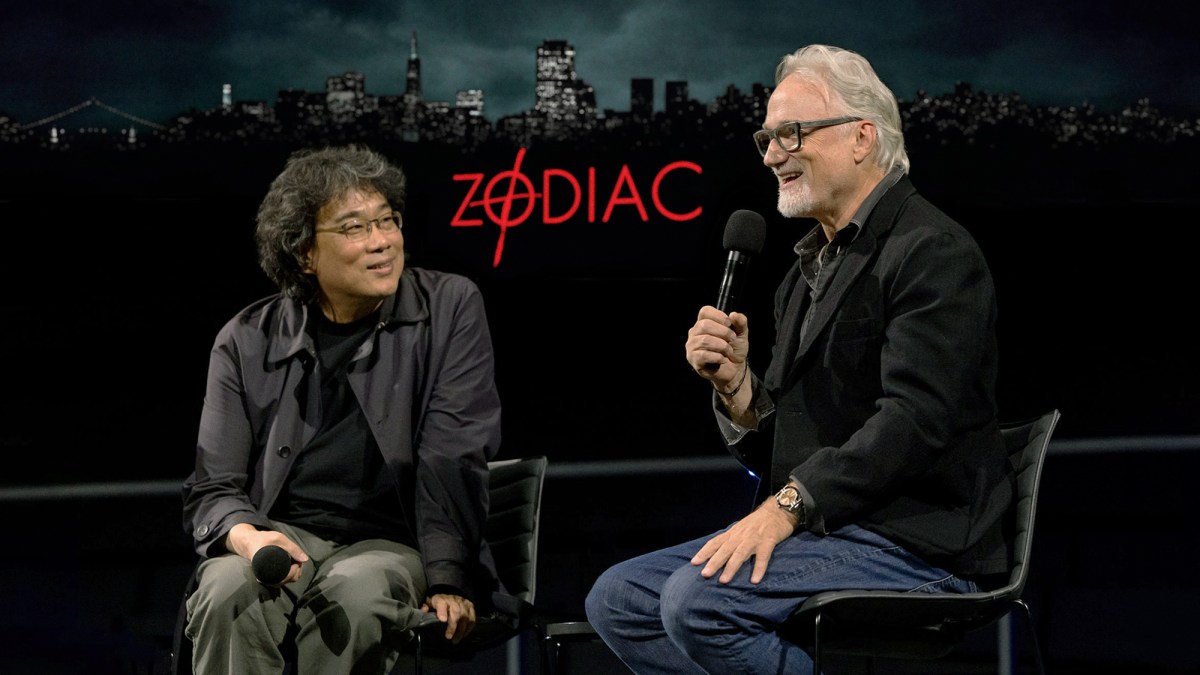
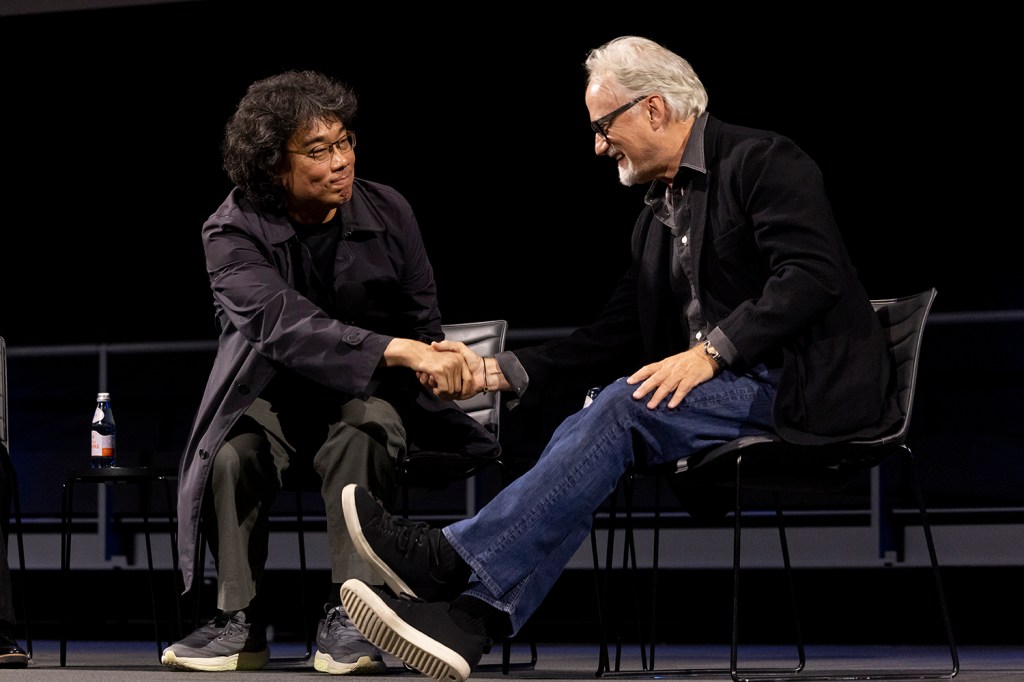
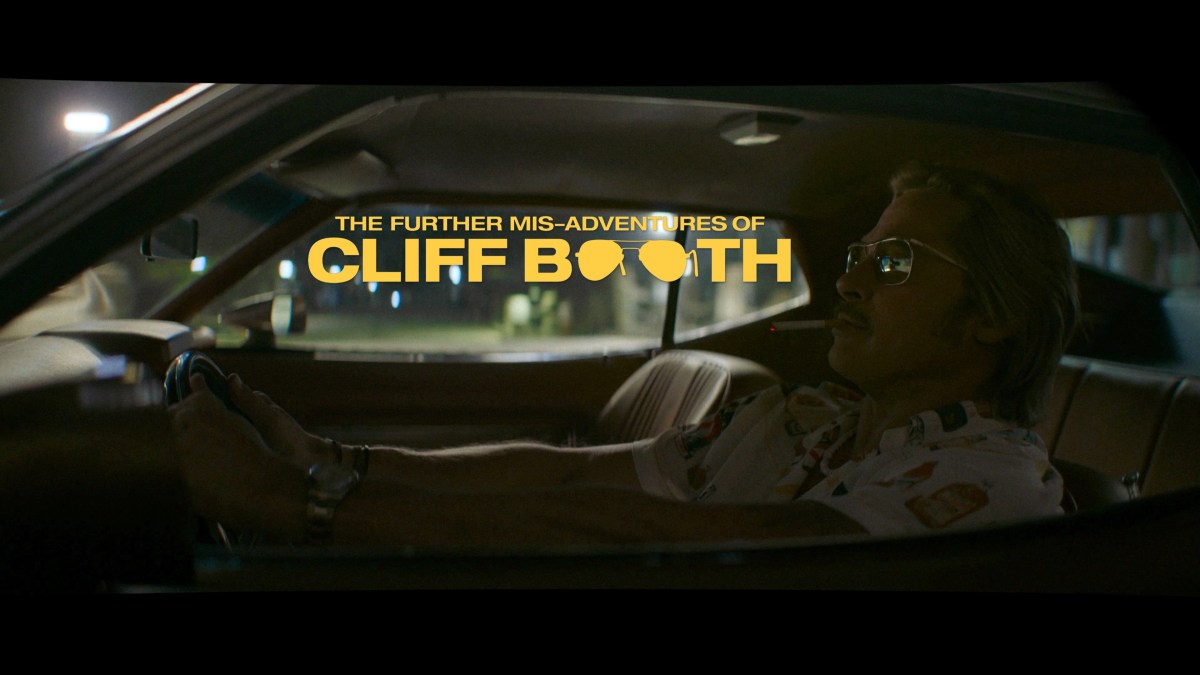
Bong Joon Ho’s Academy Museum conversation with David Fincher turned into a sharp look back at Zodiac and a brief but revealing update on Netflix’s Quentin Tarantino-written Cliff Booth film.

Rodrigo Perez
April 20, 2026
The Playlist

Very few crime movies get more revered with age. David Fincher’s 2007 thriller Zodiac, written by James Vanderbilt and following the way the Zodiac killer case pulls inspectors, reporters, and cartoonist Robert Graysmith into a years-long spiral of obsession, did. With Jake Gyllenhaal, Mark Ruffalo, and Robert Downey Jr. anchoring that descent, the film opened as a chilly, meticulous procedural and has kept growing in stature over the years, less because it offered closure than because it turned uncertainty, fixation, and spiritual erosion into the point. So it made perfect sense that Bong Joon Ho would be the filmmaker hosting a 4K screening at the Academy Museum of Motion Pictures and a post-film conversation with Fincher recently as part of the museum’s A Weekend With Bong Joon Ho series.

Bong Joon Ho made that admiration plain right away. After recalling how immaculate Fincher’s office was—even down to the colored pencils arranged by shade—he got to the question underneath that story: whether Fincher’s obsessiveness really matched its reputation. Fincher did not deny it. If anything, he leaned into it, saying, “No, I mean… Look, I feel like you should do everything in your power to be as clear in what you’re trying to communicate as you can possibly be.”

Read the full article

Watch the full conversation and read the transcript

A Weekend with Bong Joon Ho: “Zodiac” with David Fincher

April 11, 2026
Academy Museum of Motion Pictures

Since his feature debut in 2000, filmmaker Bong Joon Ho has become a crucial contributor to the tremendous growth of South Korean cinema and its globalization. Known for his inquisitive mind and meticulous eye for detail, Bong’s creations, which span both realistic and fantastical realms, continue to impact the evolving atmosphere of the South Korean film industry as well as art and culture around the world.

For one weekend in April 2026, Bong returned to the Academy Museum to create exhilarating memories on stage. On April 11, director David Fincher joined Bong for a conversation and screening of Fincher’s Zodiac (2007), a masterpiece thriller showcased via an original poster in the current exhibition, Director’s Inspiration: Bong Joon Ho.

Watch the full conversation and read the transcript

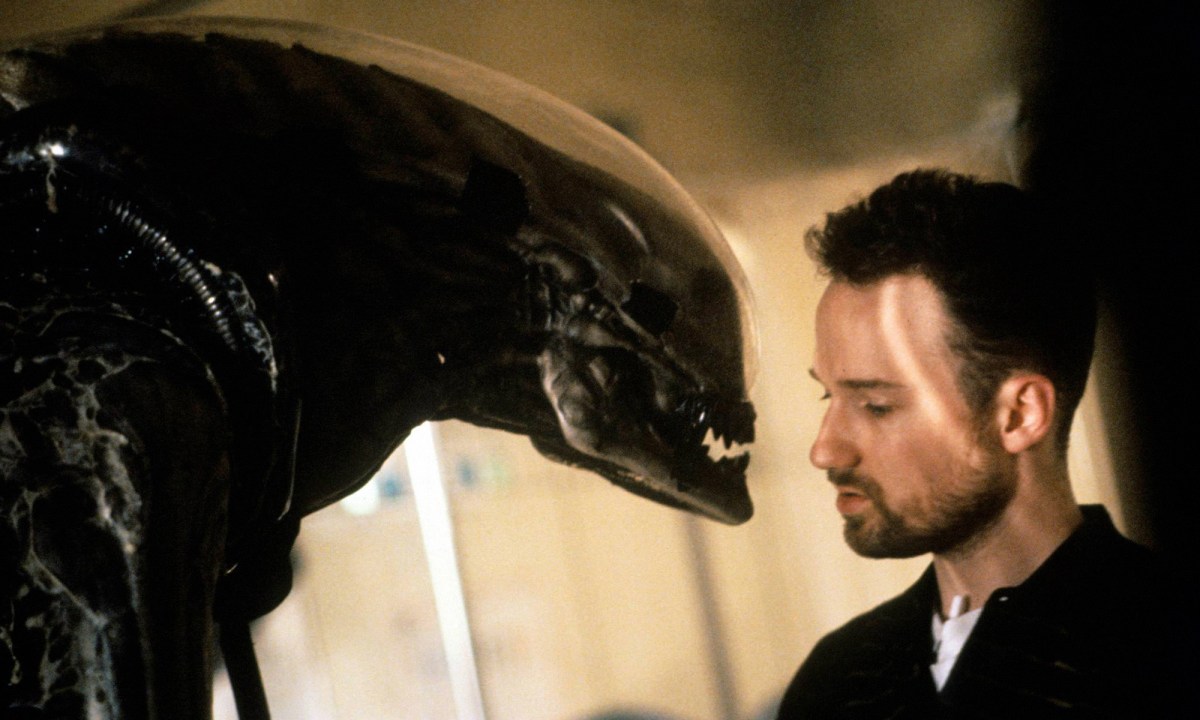
The Resurgence of Alien 3’s Assembly Cut

April 17, 2026
Alien Theory (YouTube)

Since its early April debut on HBO Max, people have been talking about the Alien3 Assembly Cut all over again. How has the conversation changed compared to when it was released in 2003?

Follow and support Alien Theory: Twitter, Facebook, Discord, Patreon, Paypal

Movies We Like: Cinematographer Jeff Cronenweth on Blade Runner

A Legacy of Light and Shadow

Andy Nelson and Pete Wright
October 27, 2025
Movies We Like (TruStory FM)

Cinematographer Jeff Cronenweth joins Movies We Like hosts Andy Nelson and Pete Wright to explore Ridley Scott’s groundbreaking 1982 film Blade Runner. As the son of the film’s original cinematographer, Jordan Cronenweth, Jeff brings a unique perspective on both the technical achievements and lasting influence of this sci-fi noir masterpiece. With his recent work on Tron: Ares hitting theaters, Cronenweth reflects on how Blade Runner continues to inspire filmmakers and cinematographers four decades later.

From early experiences on film sets with his father to becoming David Fincher’s go-to cinematographer on films like Fight Club, The Social Network, and The Girl with the Dragon Tattoo, Cronenweth has built a career focused on visual storytelling that serves character and narrative. He describes his approach as seeking human stories within any genre, whether period drama or science fiction. His transition from film to digital cinematography reflects broader industry changes, while maintaining his commitment to thoughtful, story-driven imagery.

The conversation explores how Blade Runner created its influential neo-noir aesthetic with remarkably limited technical resources, including just three xenon lights for its iconic beam effects and borrowed neon lights from Francis Ford Coppola’s One from the Heart set. Cronenweth shares insights into the film’s production challenges and creative solutions, from practical lighting techniques to Ridley Scott’s visionary production design. The discussion examines how the film balances its high-concept science fiction premise with intimate character moments, creating a template for genre storytelling that continues to resonate. Cronenweth also offers a perspective on the various cuts of the film and its 2017 sequel.

Through this engaging conversation, Cronenweth illuminates not just the technical mastery behind Blade Runner, but its enduring impact on cinema. His unique connection to the film through his father, combined with his own distinguished career, offers viewers fresh insights into this landmark work of science fiction and its continuing influence on visual storytelling.

Listen to the podcast:

Apple Podcasts
Spotify
YouTube (Audio Only)

Shot Talk: Weapons, with Director Zach Cregger and Editor Joe Murphy

Oren Soffer
December 5, 2025
Shotdeck

Cinematographer Oren Soffer sits down with director Zach Cregger and editor Joe Murphy for an in-depth conversation about Weapons. From Zach’s meticulous pre-planning with photoboards, to Joe’s work shaping the tone of Gladys in the edit, to the rare opportunity to receive feedback from David Fincher, the duo breaks down the creative process behind the acclaimed supernatural horror film.

Along with the interview, we’re also releasing a bunch of great shots from the film, so you can start adding them to your decks and getting inspired right away!

But before you dive in and watch the filmmaking mini-masterclass above… make sure to go check out Weapons, streaming now on HBO Max.

Sign up for an account at ShotDeck, the world’s first fully-searchable film image database. It’s an invaluable research and educational resource that makes life easier for anyone in Film, Media, Advertising, and Education.

If you are creative, Shotdeck is the place to get inspired and discover new films and talented artists through our meticulously tagged database of still images, all while saving you time.

Search by film title, keyword, location, color, or a dozen other criteria to quickly find the exact “shots” you need to communicate your vision for your next project.

Shotdeck also on: YouTube, Instagram, Twitter

When the Movie Looks Insane: Jeff Cronenweth, ASC

Patrick Tomasso
October 19, 2025
patrick 2masso (YouTube)

Go behind the visuals of TRON: ARES with cinematographer Jeff Cronenweth, ASC – the mind behind the camera for films like The Social Network, The Girl with the Dragon Tattoo, and Gone Girl. We talk about the look of the new TRON film, his collaboration with director Joachim Rønning, shooting digitally on RED cameras, and how his decades-long partnership with David Fincher shaped his approach to modern cinematography.

If you’re into camera tech, lighting, or just want to know why TRON: ARES looks so good, this one’s for you.

Special thanks to RED Digital Cinema for setting this up.

Follow Patrick Tomasso on:

YouTube 1, YouTube 2, Instagram, Threads, X, TikTok, Letterboxd, LinkedIn