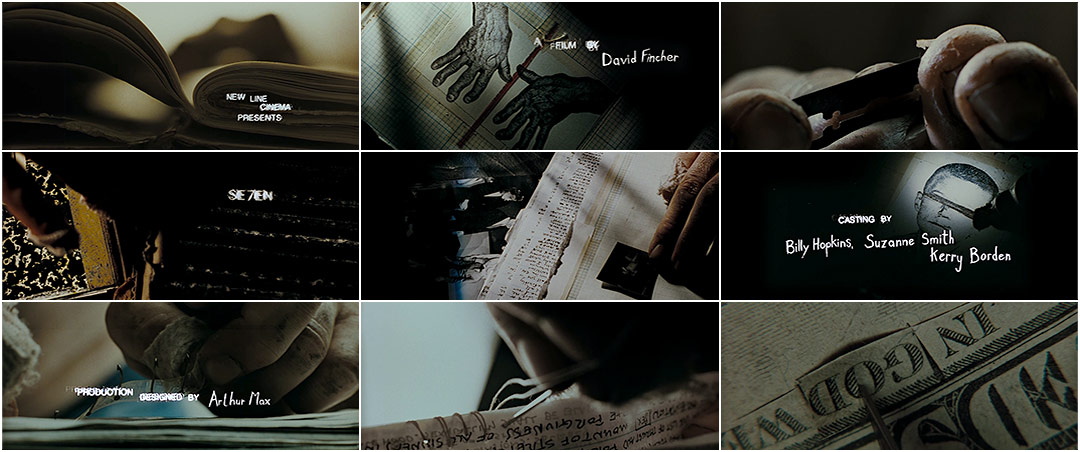
Not only do Title Sequences tell you the name of the film and the stars, they can also set the tone and mood and put you in the right frame of mind to experience the film or TV show to come. Explore the history of the title sequence and how they’ve evolved along with business of filmmaking over the past century.
Conor Bateman observes how analogue and digital, real and constructed, bleed into a paranoid, video-game vision of 1970s San Francisco in David Fincher’s classic crime procedural, Zodiac.
“Their positioning throughout the scene provides us with an understanding of how David Fincher uses space within the film, and in doing so, how he also maintains the architectural integrity of the film.”
Mehruss Jon Ahi and Armen Karaoghlanian
2012-01 Interiors
“The vastness of the desert around them emphasizes the fact that the handcuffed John Doe is captured; a lack of freedom despite the free space around him.”
Mehruss Jon Ahi and Armen Karaoghlanian
2013-01 Interiors
The very talented and charming Carrie Coon (don’t miss her superb performances on “The Leftovers” and the 3rd season of “Fargo) offers some insights into her experience working for the first time in a film. A David Fincher film.
Despite the dark and gruesome subject matters of True Detective and Se7en, the character arcs of the main characters tell a story of profound optimism.
ALIEN 3 celebrates its 25th anniversary this month, and to celebrate we present this gem from deep within the VHS vault–footage from the prep and rehearsals of the Bishop puppet shoot complete with direction from David Fincher. Despite the aged quality of the video, it’s still an interesting watch demonstrating the collaboration between director and effects crew on set.
As the 25th Anniversary of ALIEN 3 approaches, we could not ignore our contribution to the film’s title character: the Alien itself. Through the miracle of VHS and exclusive photographs, ADI takes you back to that year of hard work at Pinewood Studios. Enjoy the retrospective!
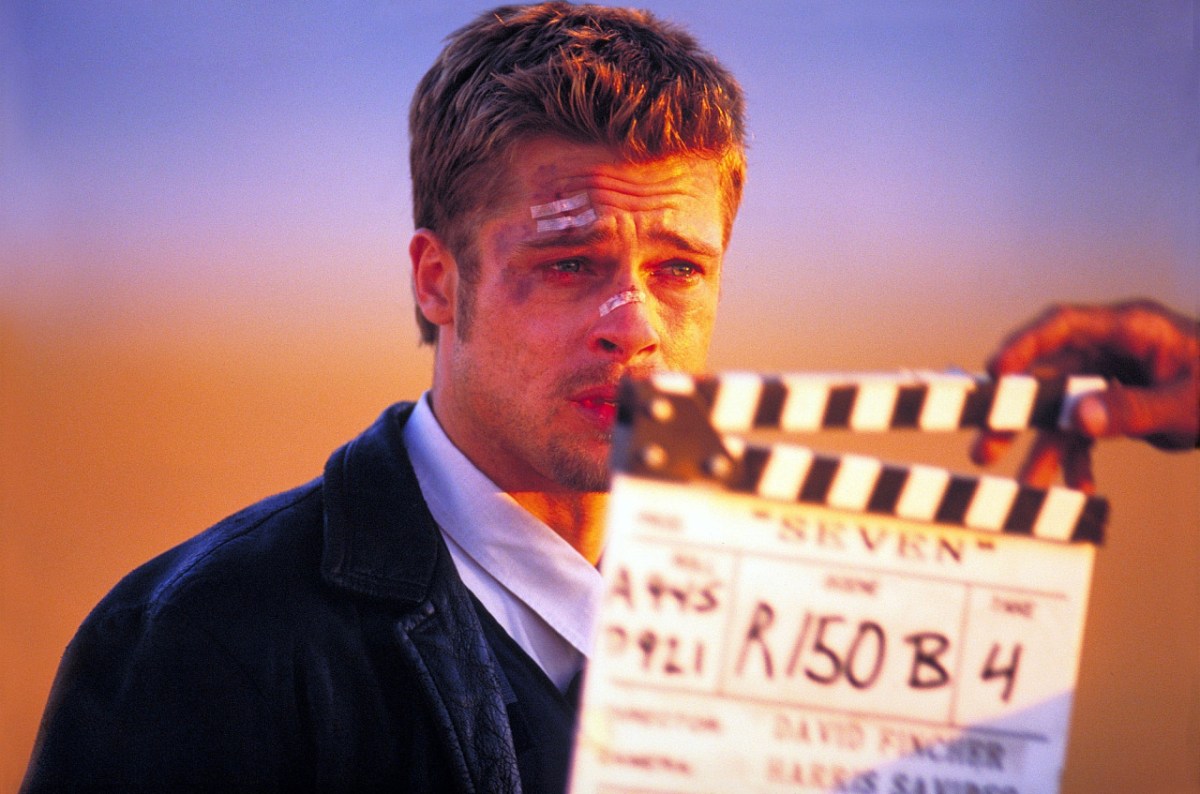
Slightly more than 22 years ago, David Fincher, a talented filmmaker who made music videos and commercials and was left by his directorial stint on his first feature Alien 3 so disillusioned and bitter he felt “he’d rather die of colon cancer than do another movie,” stumbled upon a script that would renew his faith in the filmmaking business. This particular piece was written by Andrew Kevin Walker, and was deemed too dark and bleak to succeed. The story was largely shaped by Walker’s experience of living in New York City for a couple of years, where he felt alienated, lonely and unhappy. Desperately trying to get his story made, Walker agreed to rewrite the screenplay on the demand of director Jeremiah Chechik (Christmas Vacation), and it was this altered version that should have ended up in Fincher’s hands. But the studio made a mistake, delivering Walker’s original piece to Fincher, who was immediately intrigued and, even when the mistake was explained, chose to insist on the utter darkness Walker envisioned. By mere happenstance, therefore, Se7en found its director and made the first, crucial step on its way to cinematic immortality. […]