BAFTA Guru
Published on Aug 4, 2017
YouTube
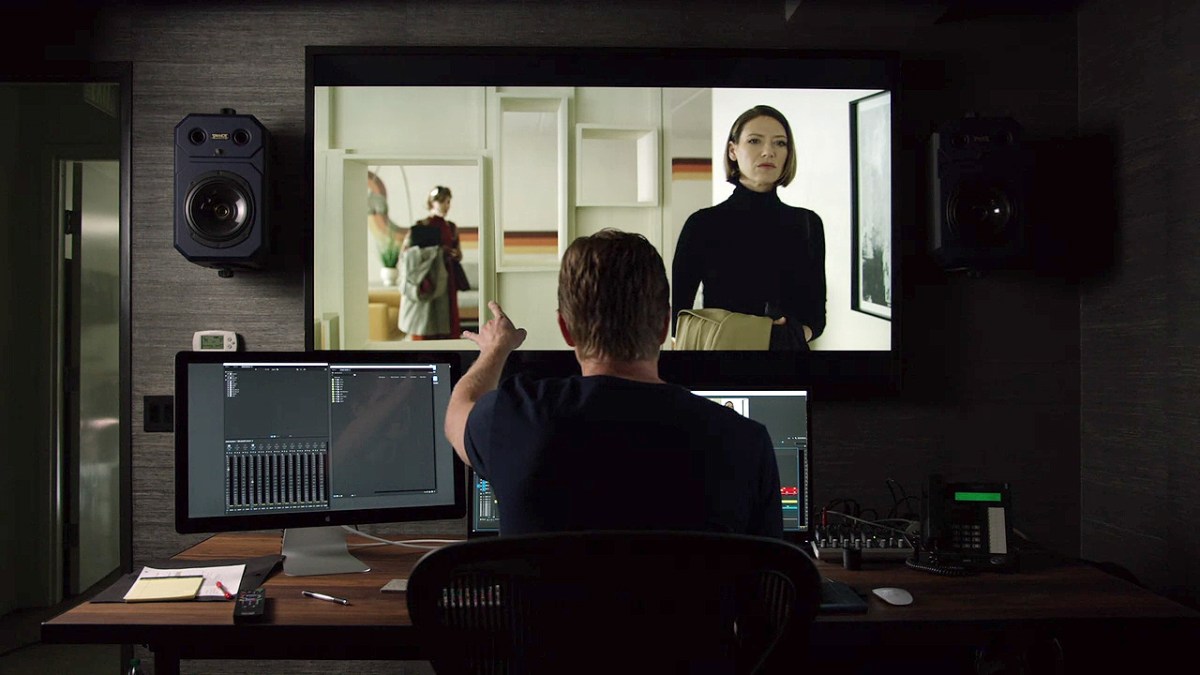
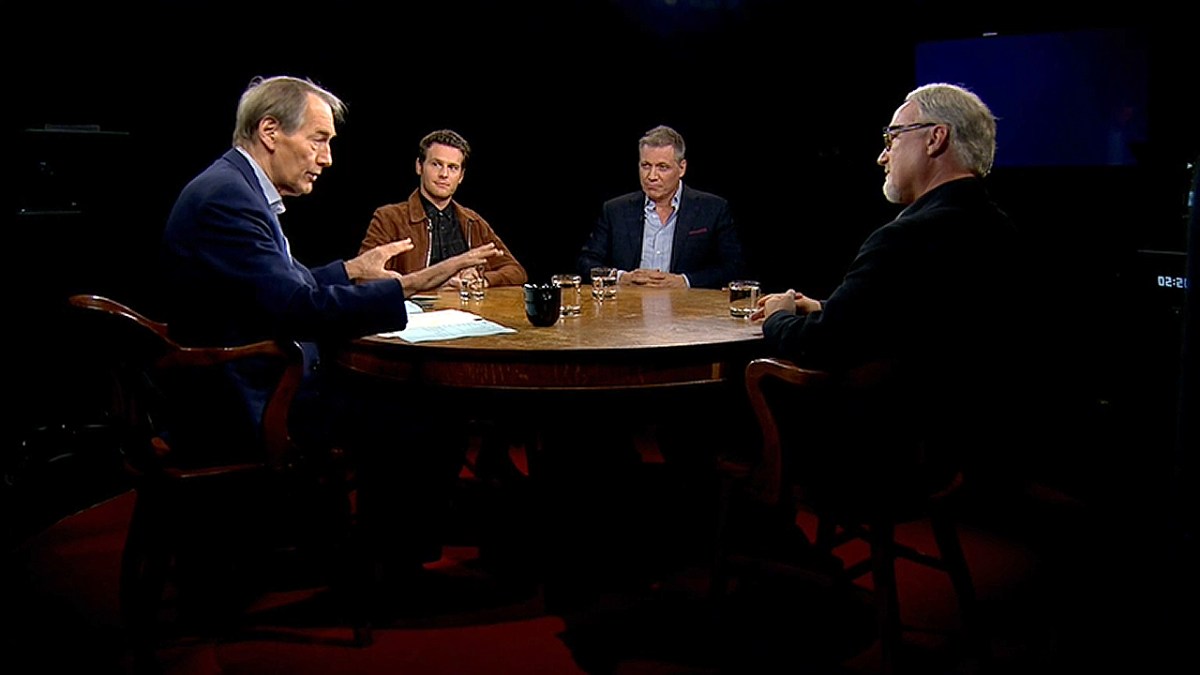
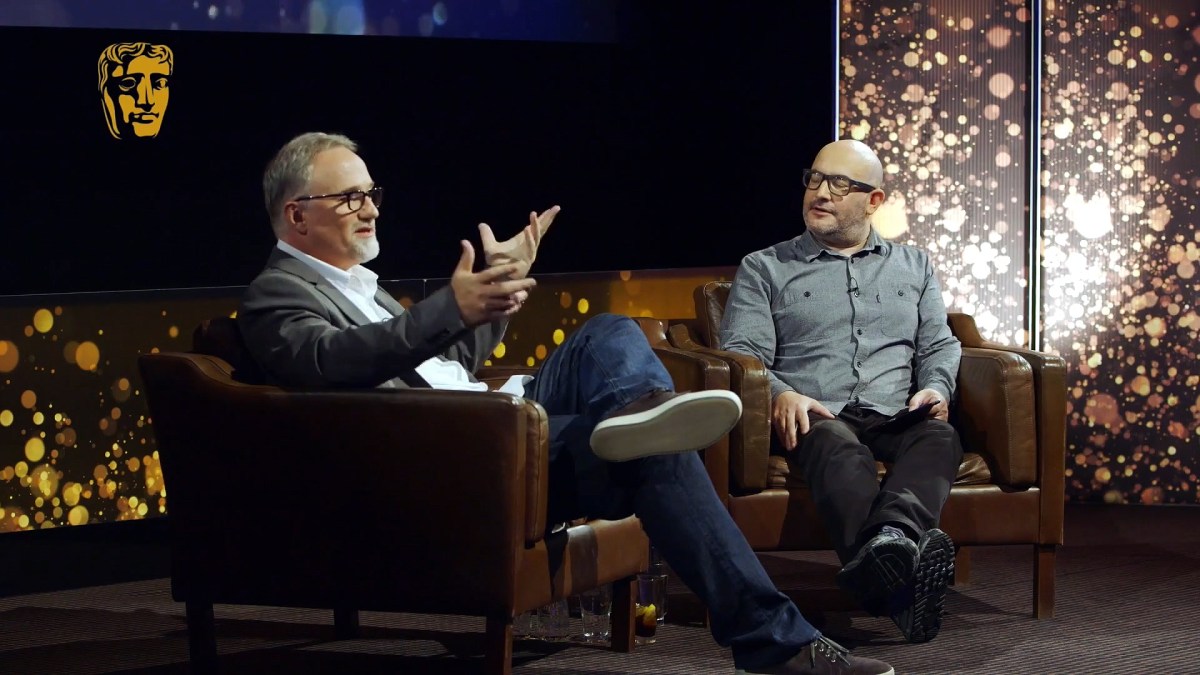
The BAFTA-winning director behind Gone Girl, The Social Network, Seven + Fight Club on his craft + career. From the BAFTA Archives.
BAFTA Guru
Published on Aug 4, 2017
YouTube
The BAFTA-winning director behind Gone Girl, The Social Network, Seven + Fight Club on his craft + career. From the BAFTA Archives.
ColliderVideos
Published on Jul 26, 2017
YouTube
Watch: Tim Miller Talks ‘The Goon’ Movie, Leaving ‘Deadpool 2’, and Goes Comic Book Shopping
By Adam Chitwood
July 26, 2017
Collider
In a new episode of Comic Book Shopping, we’re joined by Deadpool director and Blur Studios co-founder Tim Miller to talk comics, his career, leaving Deadpool 2, an encouraging update on The Goon movie, and his next project. If you like comics and celebrity interviews, this is your show. Each week we’re joined by a new guest, who hits up a local comic book shop with host Jon Schnepp and peruses the wares while also discussing their career, upcoming projects, and of course their favorite comic books.
In this week’s episode, Schnepp and Tim Miller venture to Miller’s local shop Comic Bug in Culver City, where they discuss how Miller got his career started, how he founded the visual effects, animation, and design company Blur Studios, and his early work creating unforgettable cut scenes for video games like DC Universe Online and Star Wars: The Old Republic. Miller also reveals how he landed the job of directing Deadpool, the long road to finally getting the movie made, and briefly touches on his exit from Deadpool 2.
During the conversation, Miller also gives a tantalizing update on The Goon movie that he’s been developing for years, saying there’s going to be an announcement soon and teasing their take on the movie (hint: it’s Goodfellas meets Army of Darkness). Miller also says he hopes to be shooting a new “big movie” next year, which may or may not be a new Terminator film.
Check out the full conversation in the video above, where Miller’s love for comics shines bright as he explains how he gets a pull list from Comic Bug each week. If you missed our previous episodes, check out the link: Comic Book Shopping (YouTube)
John P. Hess
July 30th, 2017
Filmmaker IQ
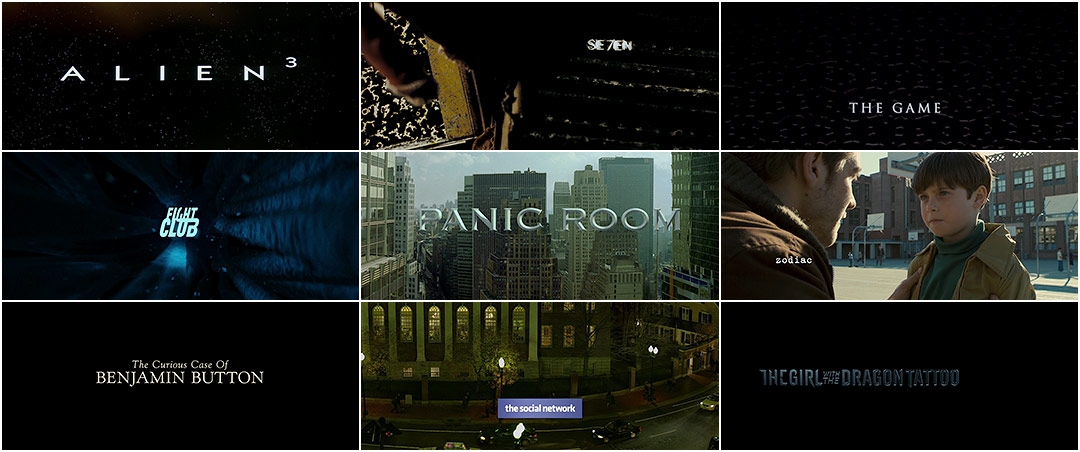
Not only do Title Sequences tell you the name of the film and the stars, they can also set the tone and mood and put you in the right frame of mind to experience the film or TV show to come. Explore the history of the title sequence and how they’ve evolved along with business of filmmaking over the past century.
A Video Essay by Conor Bateman
Conor Bateman observes how analogue and digital, real and constructed, bleed into a paranoid, video-game vision of 1970s San Francisco in David Fincher’s classic crime procedural, Zodiac.
Commissioned by Open City Inc, publisher of RealTime 2017, ©RealTime

Interiors is an online film and architecture journal, published by Mehruss Jon Ahi and Armen Karaoghlanian, that analyses and diagrams films in terms of space.
A Pair of Artists Use Architecture to Study Film
The founders of “Interiors,” a journal dedicated to film and architecture, diagram scenes from movies such as “Fight Club,” “Psycho,” and more.
Colin Warren-Hicks
January 30, 2014
Metropolis
If cinema is a matter of what’s in the frame, David Fincher is an artist who is very much concerned about all four corners of his canvas.
by INTERIORS Journal
June 3, 2013
ArchDaily
“Their positioning throughout the scene provides us with an understanding of how David Fincher uses space within the film, and in doing so, how he also maintains the architectural integrity of the film.”
Mehruss Jon Ahi and Armen Karaoghlanian
2012-01
Interiors
“The vastness of the desert around them emphasizes the fact that the handcuffed John Doe is captured; a lack of freedom despite the free space around him.”
Mehruss Jon Ahi and Armen Karaoghlanian
2013-01
Interiors
“David Fincher switches from a subjective perspective onto an objective perspective after the reveal has been made.”
Mehruss Jon Ahi and Armen Karaoghlanian
2014-01
Interiors
The very talented and charming Carrie Coon (don’t miss her superb performances on “The Leftovers” and the 3rd season of “Fargo) offers some insights into her experience working for the first time in a film. A David Fincher film.
From minute 28:28 to 33:52:
Conversations with Carrie Coon of FARGO
SAG-AFTRA Foundation
Published on May 12, 2017
YouTube
Q&A with Carrie Coon of FARGO. Moderated by Jarett Wieselman, BuzzFeed.
From minute 21:31 to 29:51:
Carrie Coon’s Amazing Five Years
Little Gold Men (Vanity Fair)
August 10, 2017
Overcast
Podcast: 53:57
Emmy-nominated actress Carrie Coon stops by to talk Leftovers, Fargo, and what’s next.
Lessons from the Screenplay
Published on Jun 15, 2017
YouTube
Despite the dark and gruesome subject matters of True Detective and Se7en, the character arcs of the main characters tell a story of profound optimism.
Amazon.com:
K.M. Weiland – Creating Character Arcs
The Masterful Author’s Guide to Uniting Story Structure, Plot, and Character Development
– Helping Writers Become Authors Book 7
– PenForASword Publishing (2016)
Every Frame a Painting (Tony Zhou) – David Fincher. And the Other Way is Wrong
Patrick (H) Willems – David Fincher & the Craft of Music Videos (video essay)
The Film Guy – How to Direct like David Fincher. Visual Style Breakdown
The Film Guy – Gone Girl – Painting a Murderer
De Filmkrant – What’s in the Box? David Fincher’s Fridges
Ludic Scribbler – Fincher’s Necrophilia
ScreenCrush – You Think You Know Movies. David Fincher
kaptainkristian – David Fincher. Invisible Details
CineFix – Se7en’s “Box Scene” – Art of the Scene
Lessons from the Screenplay – The Social Network. Sorkin, Structure, and Collaboration
Lessons from the Screenplay – Gone Girl. Don’t Underestimate the Screenwriter
More a full-on documentary series than an essay:
Raccord – The Directors Series. David Fincher [2.1]
Raccord – The Directors Series. David Fincher [2.2]
Raccord – The Directors Series. David Fincher [2.3]
Raccord – The Directors Series. David Fincher [2.4]
Raccord – The Directors Series. David Fincher [2.5]
And probably the best one:
Cameron Carpenter – WHY IS CINEMA, analyzing a master. David fincher and mouths (video essay)
Tell me in the comments if I’ve missed any so I can add them to the list.