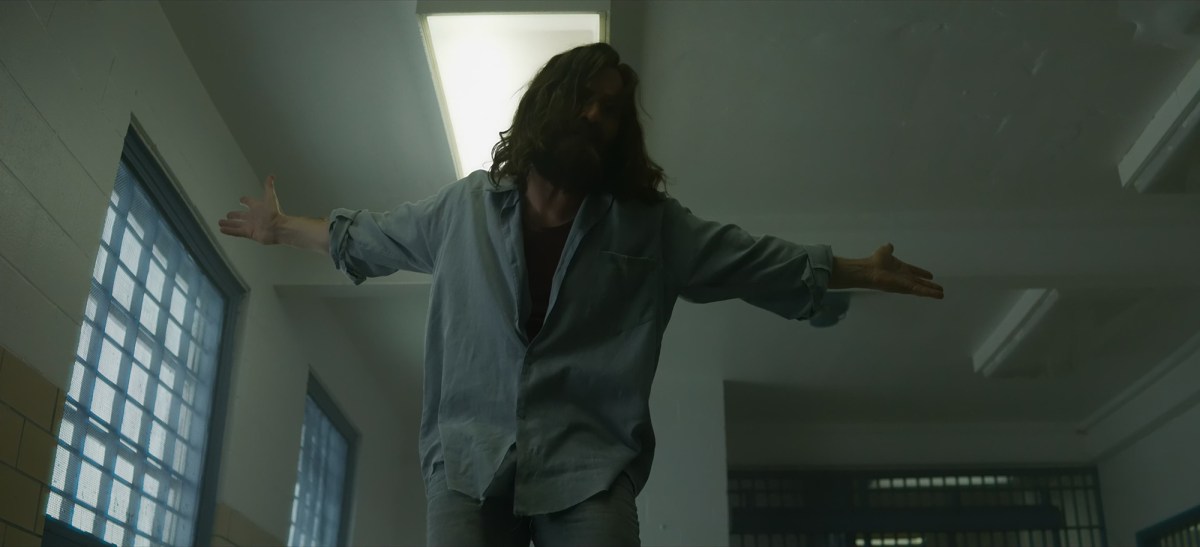
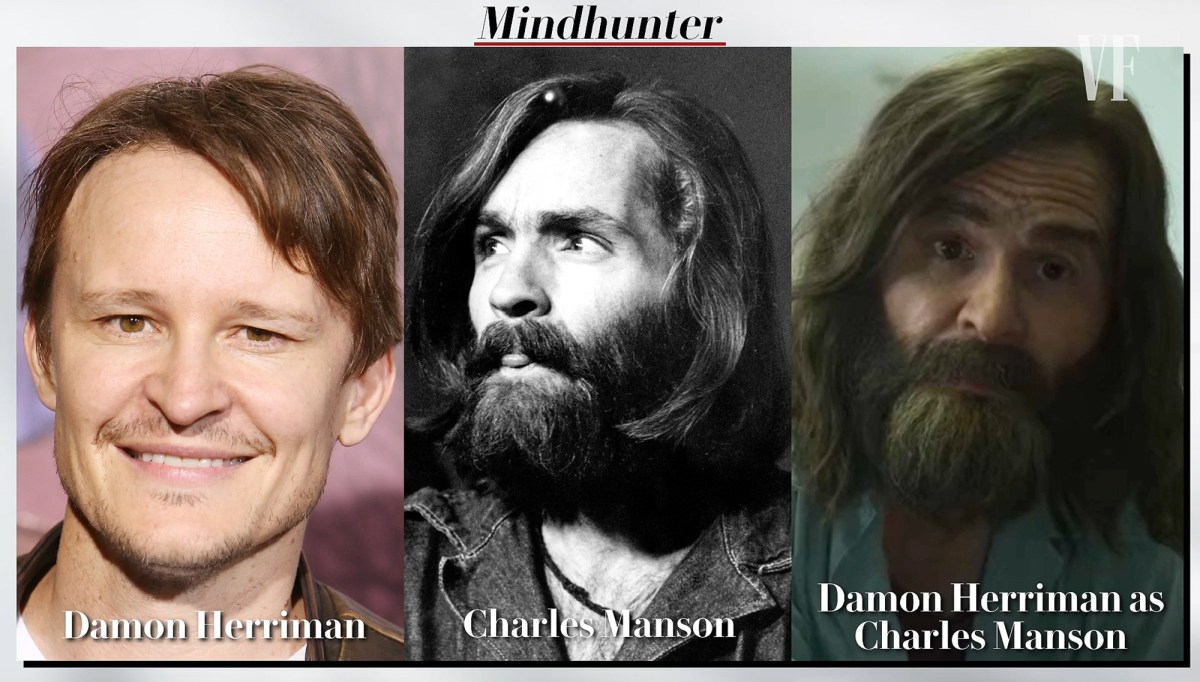
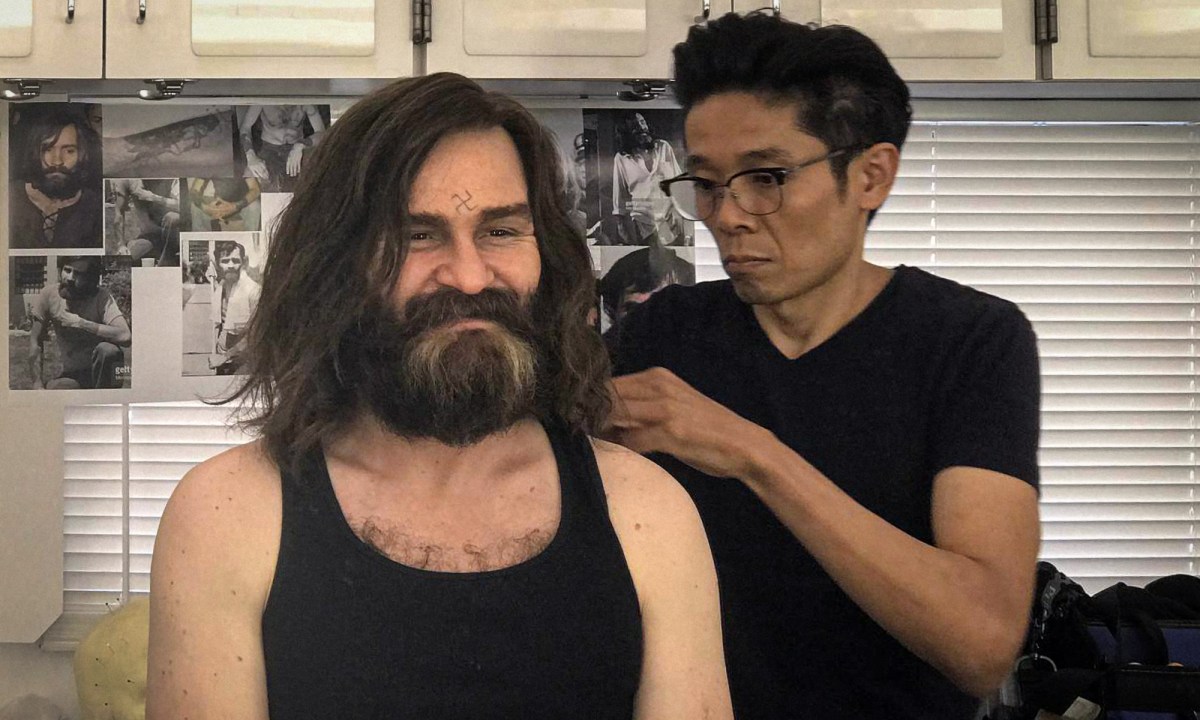
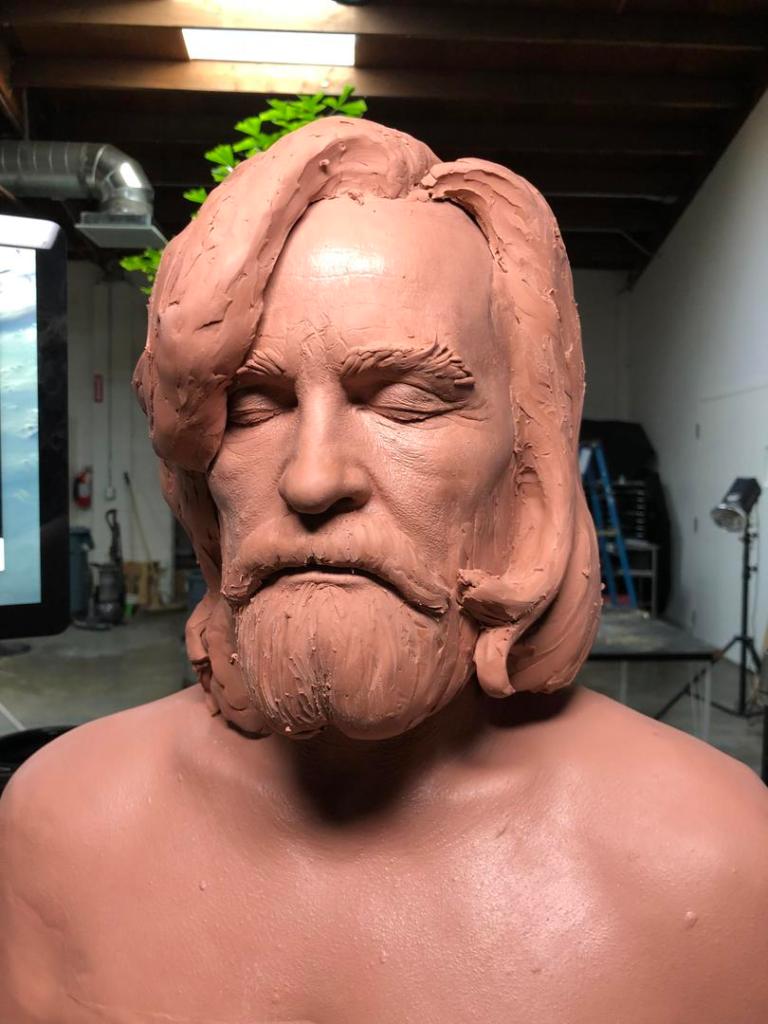
Actor Damon Herriman talks about tackling the role of Charles Manson (again) in Netflix‘s Emmy®-nominated series Mindhunter. Oscar®-winning makeup designer Kazu Hiro, meanwhile, details the actor’s physical transformation from mild-mannered Aussie to iconic cult leader.
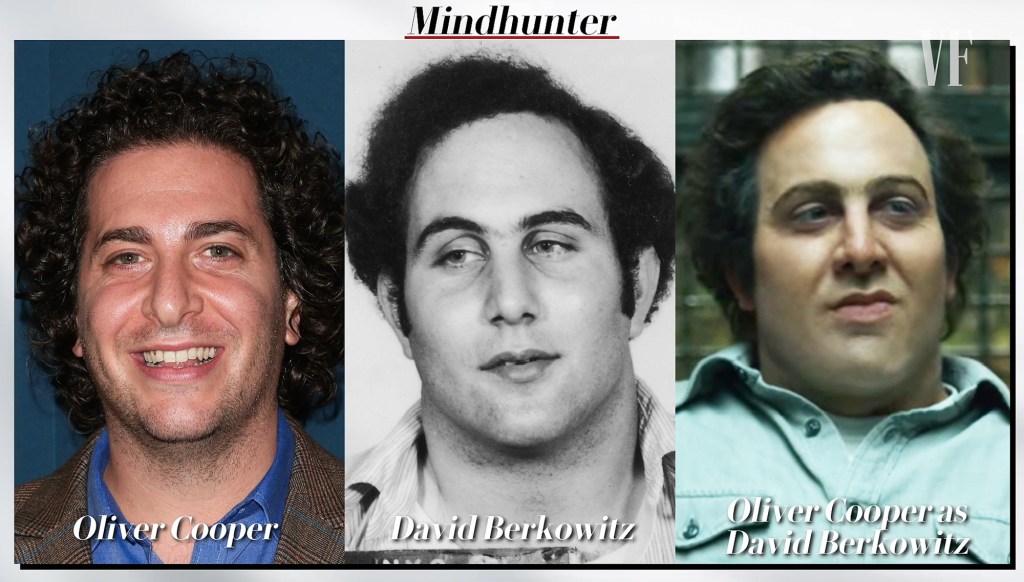
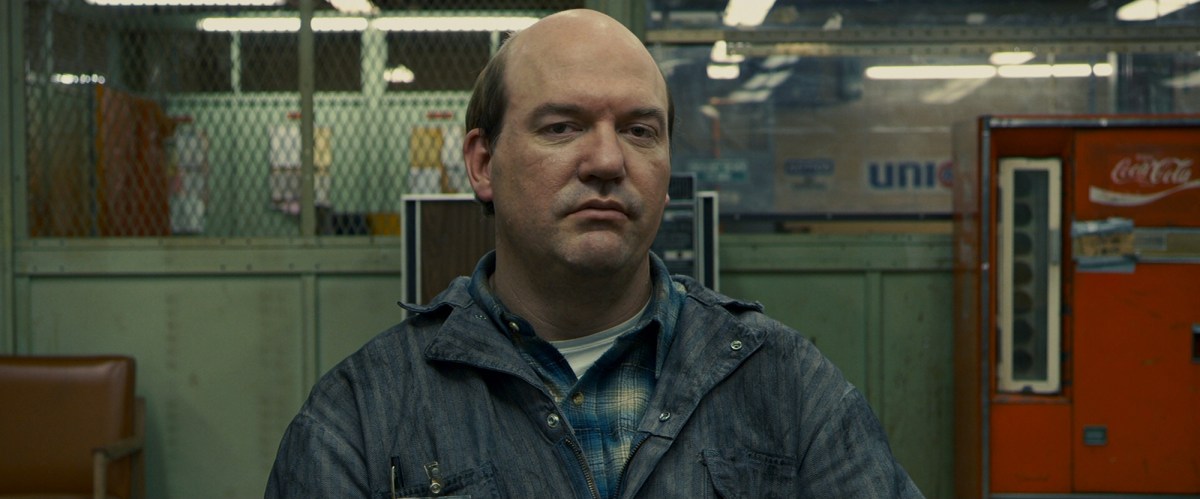
Kazu Hiro breaks down his process of using special effects to transform actors physical appearances. Kazu demonstrates the techniques he used to turn ‘Bombshell‘ cast Charlize Theron into Megyn Kelly, Nicole Kidman into Gretchen Carlson, and John Lithgow into Roger Ailes, ‘Darkest Hour‘ cast Gary Oldman into Winston Churchill, and ‘Mindhunter‘ cast Damon Herriman into Charles Manson, and Olive Cooper into David Berkowitz.
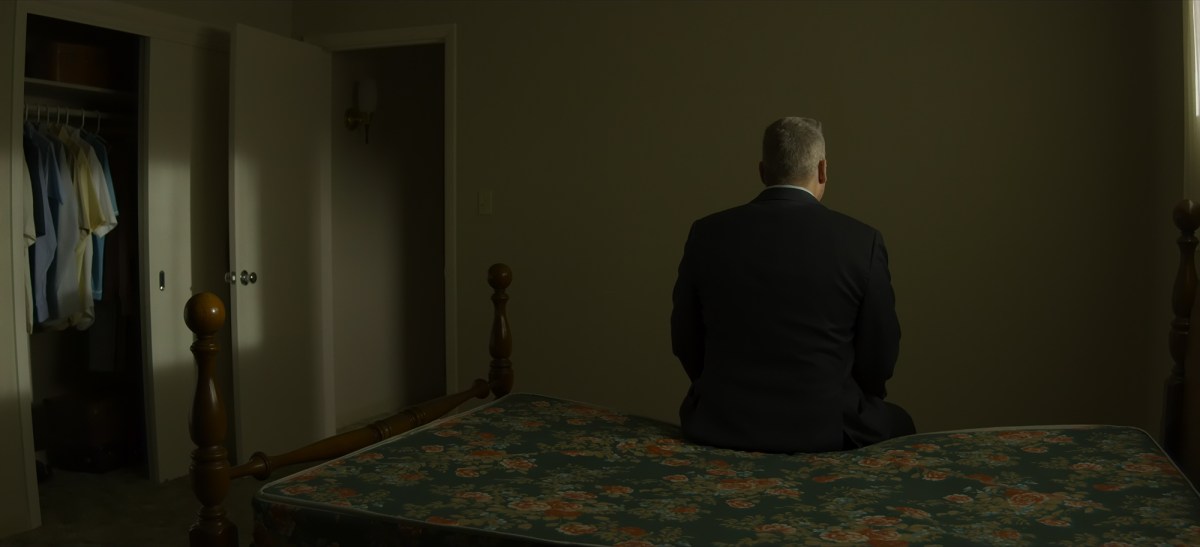
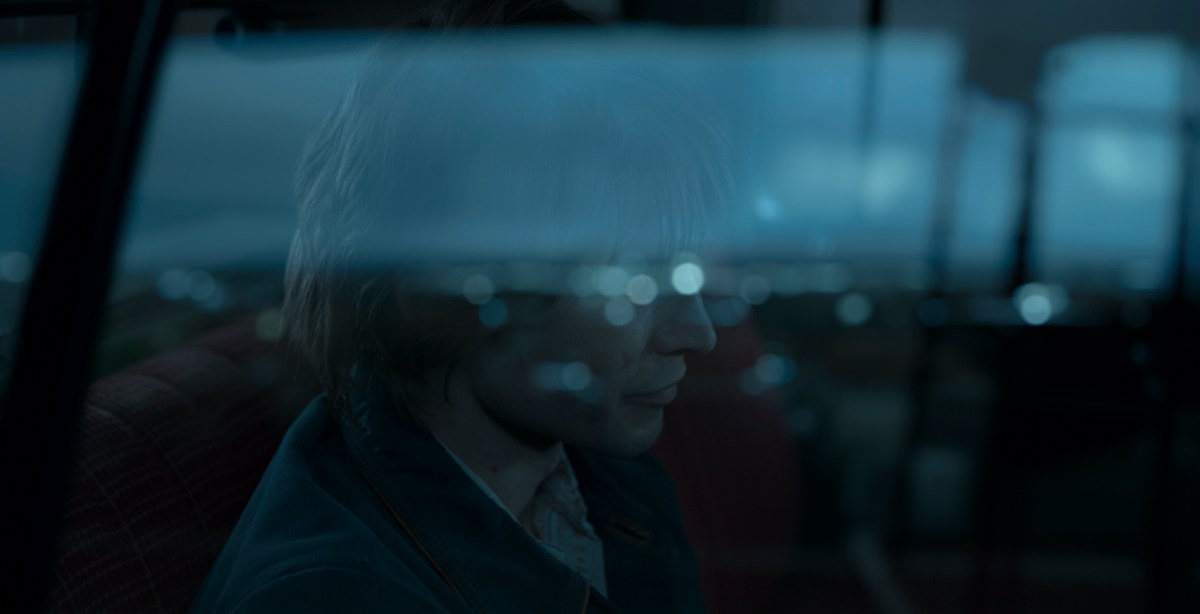
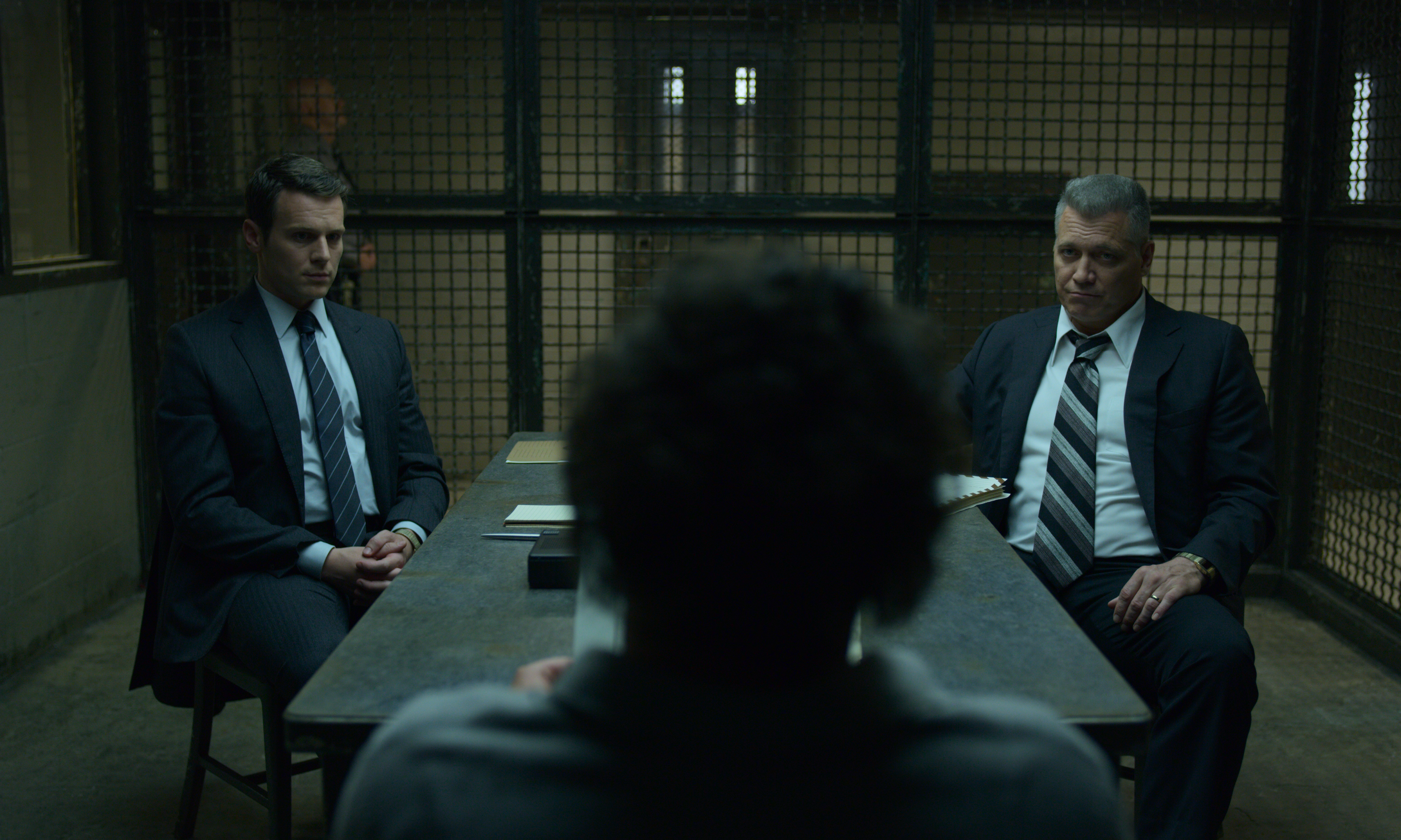
Netflix’s Mindhunter series is inspired by true events. Directed by David Fincher, the show focuses on FBI agents Holden Ford and Bill Tench, who try to understand the psyches of notorious serial killers. Mindhunter’s first season debuted in 2017, and the second season returned in the summer of 2019.
Season 2 stars Jonathan Groff, Holt McCallany, Anna Torv, Joe Tuttle, Albert Jones, Stacey Roca, Michael Cerveris, Lauren Glazier and Sierra McClain. While Fincher was the series’ primary director, Andrew Dominik and Carl Franklin also directed episodes.
SHOOTING
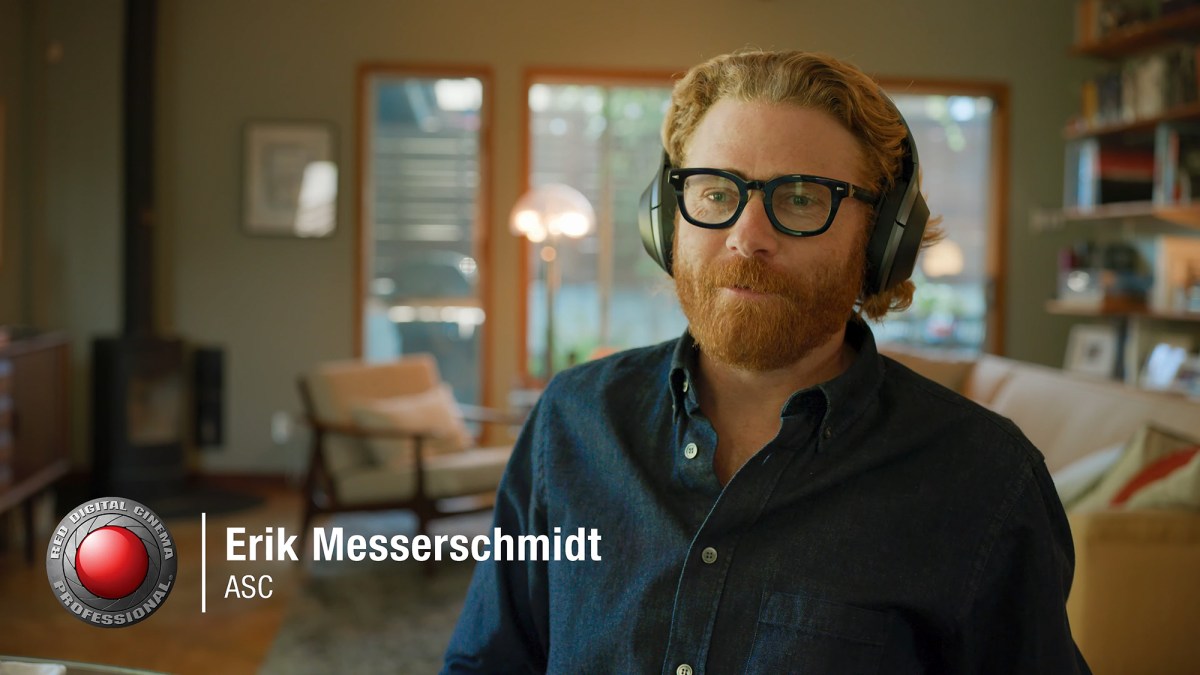
Cinematographer Erik Messerschmidt, ASC, had worked with Fincher in the past. He was a gaffer on the filmmaker’s Gone Girl, and was excited to receive a call, inviting him to come onboard to reshoot part of the pilot and second episode back in 2017. The show was already shooting with a Red camera for Season 1, and upgraded to the newer Hellium 8K sensor for Season 2.
EDITING
Kirk Baxter of Santa Monica’s Exile also has a long-standing relationship with David Fincher. He’s cut The Curious Case of Benjamin Button (2008), The Social Network (2010) and The Girl with the Dragon Tattoo (2011) — all of which won the Oscar for Best Editing, a credit he shared with Angus Wall. He also cut 2014’s Gone Girl (2014), and is currently working on an upcoming Netflix feature with the director titled Mank.
Last year, Australian actor Damon Herriman did his spot-on performance of Charles Manson not once, but twice: the teasing cameo in Quentin Tarantino’s “Once Upon a Time in Hollywood” and the riveting interview with FBI agents Ford (Jonathan Groff) and Tench (Holt McCallany) in Season 2 of David Fincher’s “Mindhunter.” Although they were shot within weeks of each other, the more demanding portrayal in the Netflix crime drama came first.
And, thanks to the deft physical transformation applied by the multiple Oscar-winning special effects makeup wiz Kazu Hiro (“Bombshell,” “Darkest Hour”) — who first worked with Fincher on “The Curious Case of Benjamin Button” — Herriman gave the definitive Manson portrayal for the streamer. But we’ve come to expect nothing less from Hiro, the master at reconstructing iconic historical figures. It’s all the more impressive when there’s no physical resemblance, which was the case here with Herriman nearly five inches taller than the diminutive Manson and possessing different facial traits.
The Netflix original drama series Mindhunter is one of the best shows on television. It’s compelling and challenging in the best way, as it traces the early days of the FBI’s Behavioral Science Unit through the eyes of a pair of ambitious yet troubled detectives who spend their time interviewing serial killers, looking for insight that could help them catch future killers. It’s also a wildly cinematic show, which should come as no surprise given that it hails from executive producer and director David Fincher.
Season 1 of the series was focused on the origins of the Behavioral Science Unit and found Jonathan Groff’s Holden Ford, Holt McCallany’s Bill Tench, and Anna Torv’s Wendy Carr working mostly out of Quantico and conversing in interrogation rooms. The tremendous second season of the series, however, saw Ford and Tench forced to move into the field as the FBI is called in to consult on the “Atlanta Child Murders” and help track down a serial killer in Georgia.
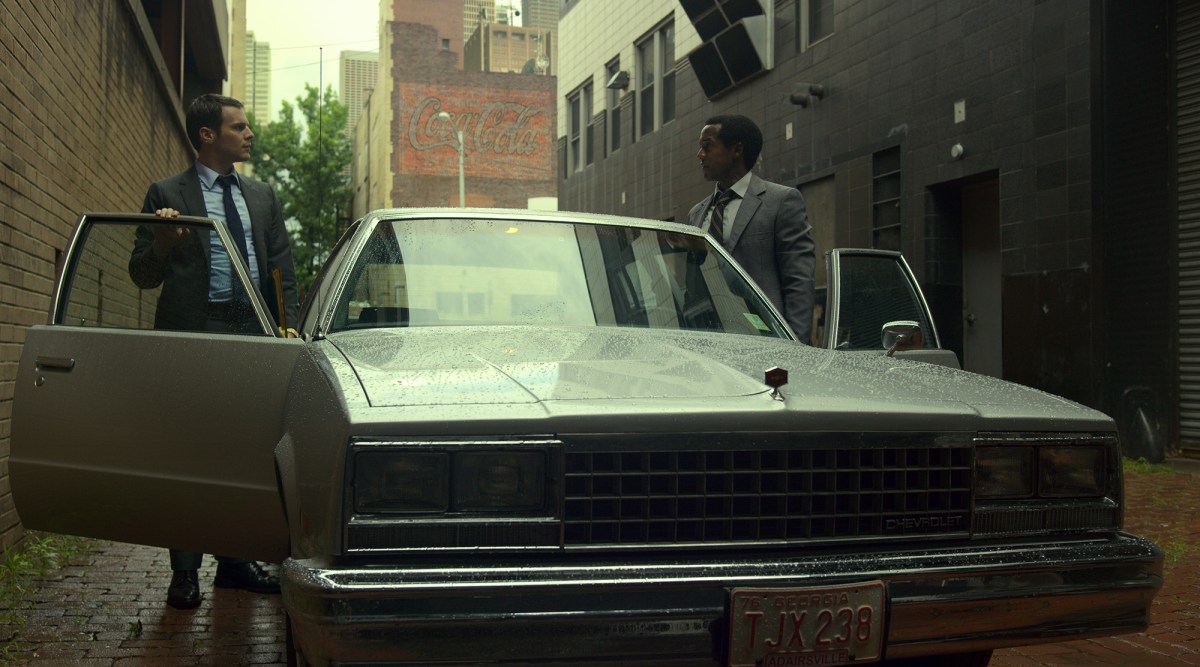
This posed unique challenges and wonderful opportunities for the Mindhunter production team, as cinematographer Erik Messerschmidt told me in an extended interview I conducted by phone back in April. Messerschmidt worked on Season 1 of the series and returned for Season 2, for which he served as director of photography on all nine episodes—a rarity in the television world. During our interview, Messerschmidt talked about why they decided he should be the cinematographer on every episode and offered tremendous insight into how this impeccably crafted show is made. He discussed the intense planning that he and Fincher went through to map out the visual language of Season 2, specifically speaking to how they crafted that incredible interrogation scene set entirely in a car. He also talked about the challenge of shooting a show like Mindhunter on location as the show expanded into the outside world of Atlanta, and what his role as the “visual constant” was like when working with directors Andrew Dominik and Carl Franklin on the season’s later episodes.
With reports having surfaced that a potential Mindhunter Season 3 is “on hold” for the moment while Fincher focuses on making a film, I also asked Messerschmidt about the likelihood of a third season happening. And since Messerschmidt served as Fincher’s cinematographer on his upcoming Netflix film Mank—which is presented in black-and-white and chronicles the making of Citizen Kane—I asked about his experience working on that highly anticipated feature film.
If you’re at all interested in how the Mindhunter team was able to achieve such a handsome, controlled aesthetic this interview offers invaluable insight into that process, and what a collaboration between Fincher and his DP looks like on a longform series. With any luck this excellent show will be rightly recognized by the Emmys folks come voting time…
RED is Behind the Look with Erik Messerschmidt, ASC who brings a gentle, elegant visual sensibility to the Netflix series MINDHUNTER. We screen and breakdown pivotal shots from Season Two of this crime thriller, and discuss what it’s like to collaborate with the legendary David Fincher.
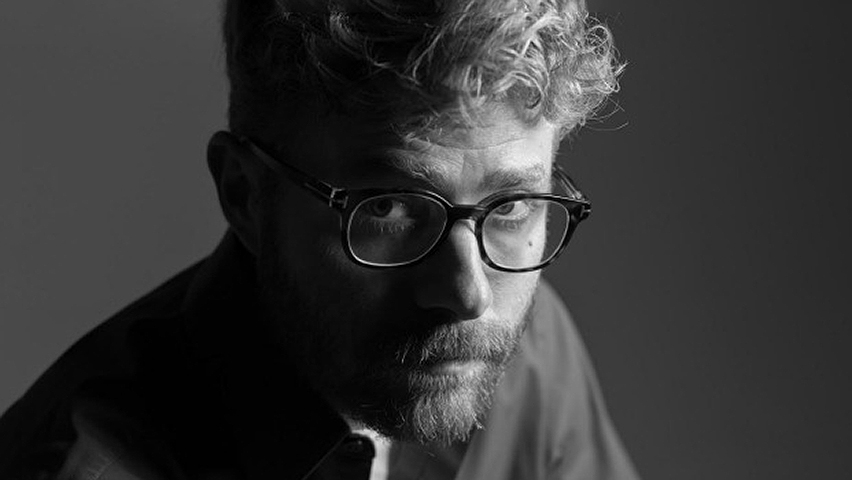
Erik Messerschmidt (Mindhunter) is an American cinematographer. Erik chats with Portbox about his transition into cinematography with Netflix Original Series: Mindhunter. Madhav inquires about how Erik studies human behavior, both professionally and personally. Erik highlights how working with great cinematographers and highly disciplined directors has informed his workflow and why director-cinematographer relationships work across different films. He also breaks down one of Madhav’s favorite scene from the second season of Mindhunter, while giving us details on his next project with David Fincher, Mank.
On Netflix‘s drama “Mindhunter,” FBI Agent Bill Tench keeps his emotions close to the vest, so actor Holt McCallany was “grateful to the writers and to David Fincher for deciding to allow the audience to get to know Bill a little bit more deeply, and obviously his domestic life is a big part of who he is.” So in season two of the series, which streamed in August 2019, Tench faced traumas both at work and on the home front. Watch our exclusive video interview with McCallany above.
Season two of “Mindhunter” explored the real-life Atlanta child murders that terrorized the city’s Black community from 1979 to 1981, with a death toll of at least 28 victims. But while Tench and his partner Holden Ford (Jonathan Groff) try to get to the bottom of that mystery, Tench’s young son is involved in the disturbing death of a toddler, a crisis that strains his marriage.
“Tench is really being pulled in two different directions,” McCallany explains, “because he wants to be a good husband and a good father, but at the same time he wants to be a good detective, and he wants to live up to his responsibilities as an FBI agent … but never really able to do it.”
Unfortunately, Netflix announced in January 2020 that a third season of “Mindhunter” was on indefinite hold, though not cancelled outright. But for McCallany, hope is not lost. “I’m still optimistic that there can be another season of ‘Mindhunter,’” he says. “I think it’s not too late for us to come back, so my hope is that we haven’t seen the last of Bill Tench and Holden Ford … I’m keeping my fingers crossed.”
It was amazing to sit down and chat with Writer/Director/Producer James Vanderbilt, whose credits include Sony‘s ‘The Amazing Spiderman‘, ‘White House Down‘ and David Fincher‘s masterpiece ‘Zodiac.’
In our conversation we talk about James’ early success selling his first script just days away from graduating at USC, his relationship with pitching films to studios, becoming a first-time director on ‘Truth‘ and much more.
Make sure to find and follow the podcast on Facebook.
Director David Fincher’s Mindhunter series on Netflix is as calculated as the serial killers it fictionalizes. Fincher locks down all the details on a nanoscopic level, including the sound. Here, Skywalker Sound supervising sound editor Jeremy Molod talks about his collaboration with Fincher and how they deliver a finely-crafted show.
Having spent so much time as a Foley editor in his early career, award-winning supervising sound editor Jeremy Molod, at Skywalker Sound, appreciates the value of that performance art, as does his long-time collaborator director David Fincher. So much so, that Fincher even requests samples of potential footstep sounds for his characters before the Foley is shot. With all the details that a director has to attend to, it’s rare that one allocates so much attention to sound — even down to the Foley footsteps.
In Season 2, Ep. 2 of Netflix’s Mindhunter series — which is up for Emmy consideration for sound editing and mixing — Fincher and Molod used Foley and sound design to communicate the nervousness and discomfort of BTK-survivor Kevin Bright (Andrew Yackel) as he recounts details of the attack to detectives Tench (Holt McCallany) and Drowatzky (Jeb Kreager). Kevin is in the backseat of Drowatzky’s truck, and because of the camera angle and depth-of-field, he’s not clearly seen by the audience. His movements are implied through Foley, and those increasingly agitated movements reflect Kevin’s emotional state.
Here, Molod discusses the sound team’s work on Mindhunter, focusing on several key scenes in Season 2, Ep. 2, and their use of Foley and loop group as a storytelling tool that adds unique detail to the soundtrack.
How has your experience of working on Mindhunter Season 1 impacted your approach to Season 2? Any lessons learned on that first season that sparked ideas for this new season?
Jeremy Molod (JM): Once we got through the first season, our crew had a rhythm down. That made things a lot easier for Season 2 just in terms of our workflow and how we do it.
We didn’t take a new approach to the second season. We treated Season 1 and Season 2 as one long, huge movie. We continued exactly what we were doing before. David [Fincher] would give us his spotting notes and we’d work on it and then he would give us notes on what he liked and didn’t like. We just proceeded that way.
Since you’ve worked with David Fincher before, did he just give you general notes and let you do your thing?
JM: No. He’s very hands-on, more so than any other director I’ve worked with. He cares about every little aspect. Before we start working on it, he’ll tell us what he has in mind sound-wise, but every single day he is chiming in with more information, more detailed notes, and more ideas of things he’d like us to try. It’s a back-and-forth all the time. I send things to David almost every day for him to listen to and make notes on. It’s a very collaborative effort.
Often directors are so busy handling everything else that they don’t have time for sound collaboration. It’s good to hear he’s very involved in that…
JM: Absolutely. It’s a rare thing for a director to be this involved in sound, but that’s one of the reasons his movies are so good. He cares about every little aspect of it.