Behind the Look: That Shot. DP Erik Messerschmidt, ASC

Naida Albright
June 30, 2020
RED Digital Cinema

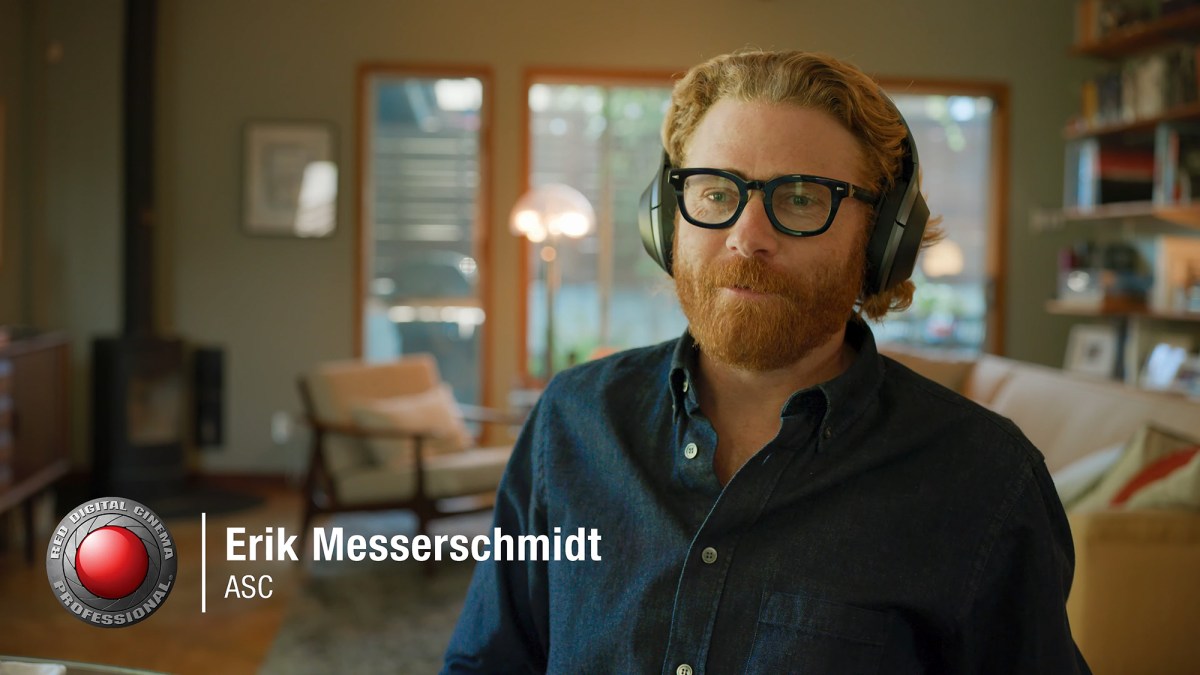
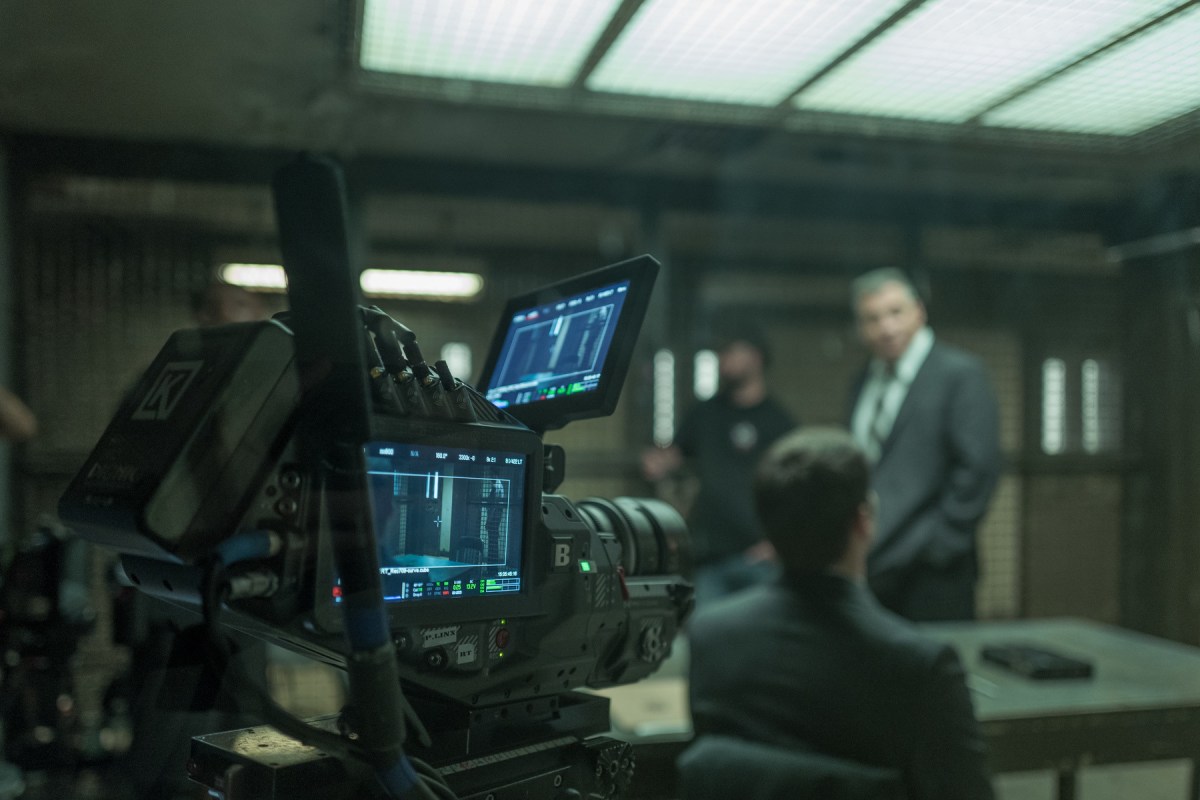
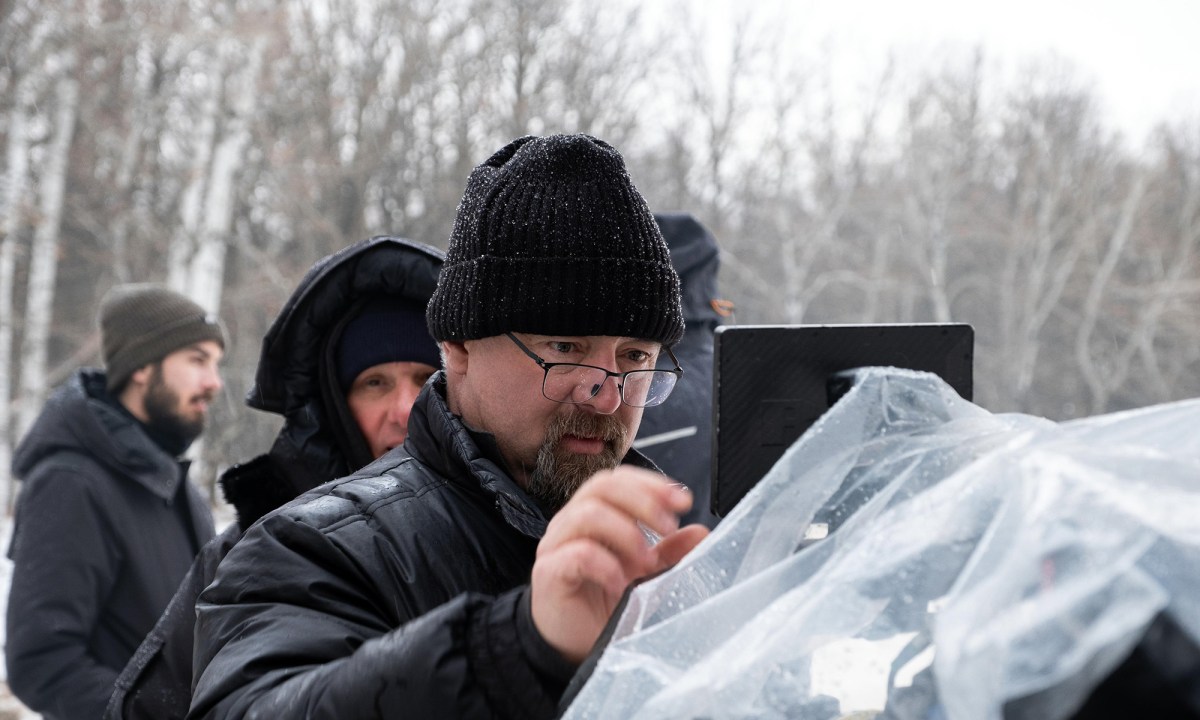
RED is Behind the Look with Erik Messerschmidt, ASC who brings a gentle, elegant visual sensibility to the Netflix series MINDHUNTER. We screen and breakdown pivotal shots from Season Two of this crime thriller, and discuss what it’s like to collaborate with the legendary David Fincher.

Portbox: The Desire to Go Noir With Erik Messerschmidt

Madhav Goyal
June 29, 2020
Portbox

Erik Messerschmidt (Mindhunter) is an American cinematographer. Erik chats with Portbox about his transition into cinematography with Netflix Original Series: Mindhunter. Madhav inquires about how Erik studies human behavior, both professionally and personally. Erik highlights how working with great cinematographers and highly disciplined directors has informed his workflow and why director-cinematographer relationships work across different films. He also breaks down one of Madhav’s favorite scene from the second season of Mindhunter, while giving us details on his next project with David Fincher, Mank.

Listen to the podcast on:

Portbox
Apple Podcasts
Spotify

Google Podcasts
Stitcher

How Crafts Amplified Berkowitz, Watson, & Manson Scenes in ‘Mindhunter’ Season 2

A look at the crafts behind the killer interrogations, including cinematography, sound editing, prosthetics, editing, and rerecording mixers.

Megan McLachlan
June 20, 2020
Awards Daily

Awards Daily’s Megan McLachlan and the technical team behind Netflix’s Mindhunter Season 2 (cinematography, sound editing, editing, prosthetics, and rerecording mixers) break down why each killer interview is completely different.

Mindhunter Season 2 starts with a “doozy” of a sequence.

“You’re not sure where you are,” said Mindhunter re-recording mixer Scott Lewis.

The opening sequence reacquaints us with the mind of a killer—in this case, specifically the BTK Killer (Sonny Valicenti), who we’ve been following in Season 1 through vignettes. BTK’s wife comes home to discover him tying himself up in the bathroom while wearing a mask. Lewis and his re-recording mixer partner Stephen Urata went back and forth about how the sound of the door, bumping from BTK’s aggression, was supposed to sound from down the hall.

“[Director] David [Fincher] gave some vague directions for that,” said Urata. “We tried to keep it really mysterious. We started with really dreamy, big reverb, did some fabbing, and [the wife] starts picking up on those knocking sounds. We took our liberties with it. The knocking sounds probably wouldn’t be that loud.”

It had to compete with Roxy Music’s “In Every Dream Home a Heartache,” something they had to find the right timing for with the knocks. When it came to editing the sequence with the music, editor Kirk Baxter felt like he was working on a music video.

“The track was predetermined, so I could plot everything to the music, when it was gonna hit,” said Baxter. “So much of the reaching, the hand, it was based around being stretched so the door opened at the exact beat I needed it to. To me, it was like a Christmas present. When you’ve got all of the angles and coverage, you can expand the tension and manipulate the hell out of it.”

The Crafts Behind the Madness of Mindhunter Season 2

It’s specific technical details like this that take Mindhunter to a new level of creepy with each episode. And though these elements are subtle, they add so much to each and every scene, especially when Holden (Jonathan Groff) and Tench (Holt McCallany) interview the killers.

While they might seem like they’re similar in format, each interrogation scene is completely different and tells you so much about the killer they’re questioning, with precise engineering and great care that goes into them. Let’s look at how Berkowitz, Tex Watson, and Manson are all completely different from each other.

Featured crafts:

Kirk Baxter, editing
Kazu Hiro, prosthetics
Scott Lewis & Stephen Urata, rerecording mixers
Erik Messerschmidt, cinematographer
Jeremy Molod, sound editor

Read the full profile

David Fincher’s Mindhunter Cinematography with Erik Messerschmidt ASC

Ben Consoli
May 5, 2020
Go Creative Show

The cinematographer of David Fincher’s hit Netflix series, Mindhunter, Erik Messerschmidt ASC takes us behind the scenes the show.

Erik and Go Creative Show host, Ben Consoli, discuss how he created the distinct look of Mindhunter, why David Fincher shoots so many takes, mastering good camera movement, how Erik preps for shoots, and more!

What you will learn in this episode:

  • Importance of film school and on-set experience (02:22)
  • What Erik is watching during COVID-19 (12:08)
  • Visual approach to MINDHUNTER (15:48)
  • Mastering good camera movement (20:08)
  • Camera and lens package (22:22)
  • Why David Fincher shoots so many takes (27:28)
  • Compositing multiple takes together (42:05)
  • Approach to lighting (44:57)
  • Shot diagrams and storyboarding (54:18)
  • Lighting the prison scenes (01:01:59)
  • Exposing for dark cinematography (01:04:25)
  • Color theory and how it affects the audience (01:05:21)

Listen to the audio or video podcast

Show Links:

The Go Creative Show is supported by:

MZed – Education for Creatives

“I Had to Figure Out the True Latitude, Speed and Color Science”

DP Jeff Cronenweth On The Social Network Ten Years Later and the Mysterium X Sensor.

Aaron Hunt
May 4, 2020
Filmmaker

Film stills by Merrick Morton

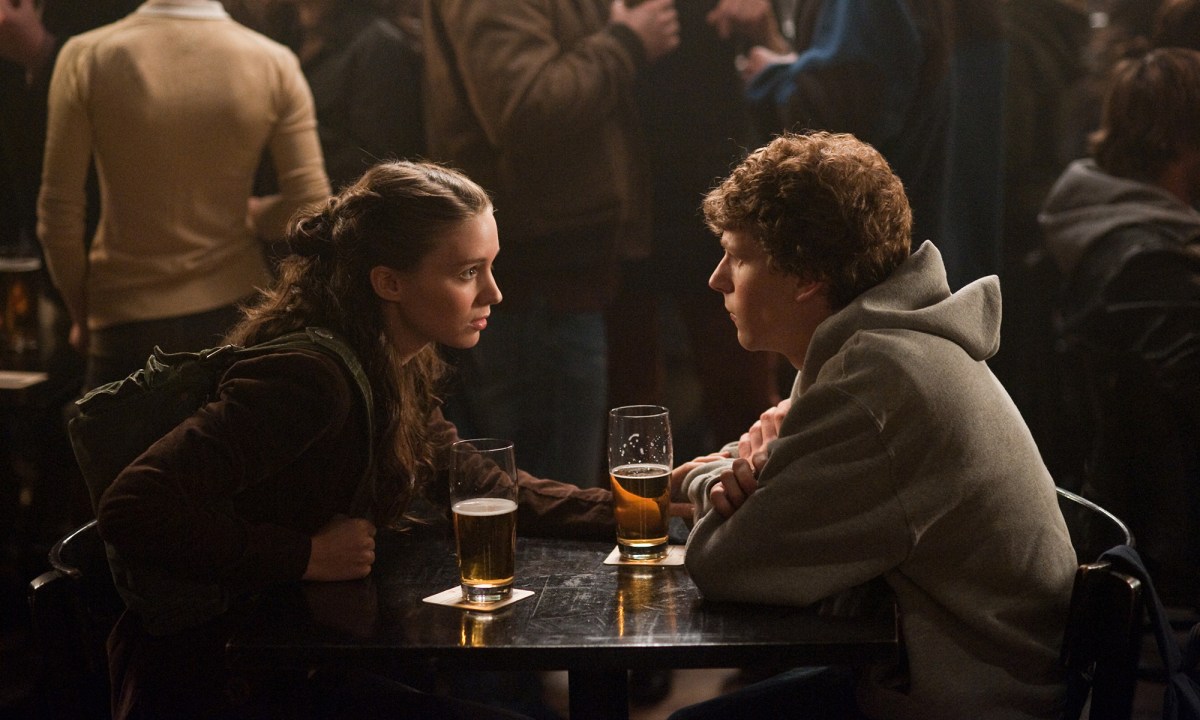
On October 1, The Social Network turns ten. The RED Mysterium X sensor (also turning ten) that rendered the film is now outmoded, but The Social Network thrives due to, not in spite of, the marks of its time. The limited latitude of the once cutting-edge camera sensor pushed David Fincher and DP Jeff Cronenweth—who also shot Fincher’s Fight Club, The Girl with The Dragon Tattoo and Gone Girl—into the darker bends of The Social Network’s imitation Harvard dorms. The camera struggled with highlights, so they avoided hot windows and sunny exteriors. It also strained to digest warm tones, so they chose a cooler palette that was easier for the RED to chew on. The sensor’s limitations had implicit limitations with the story of Facebook’s origin, the first of screenwriter Aaron Sorkin’s two tech mogul reprimands (Fincher’s Zuckerberg was follow by Danny Boyle’s Steve Jobs)—individuals he believes pioneered our doom out of spite, envy, inceldom.

When The Social Network initially released, an anecdote about Fincher hiring a mime to distract Harvard campus security was often iterated in the press. Fincher and Cronenweth stitched three shots captured by three REDs on a roof across the street and did a “pan and scan” in post to get a move they couldn’t have otherwise. But they needed light on some of the dark arches, so Fincher hired a mime to push a battery cart full of lights behind them, the impetus being that “by the time [security] got him out of there we would have already accomplished our shot.” Fincher adopted digital in its nascent stages to limit the compromises caused by the erratic nature of the film set. What remained to be compromised on he’d have more ways of fixing in post on digital than on film.


Filmmaker: What have you been watching?

Cronenweth: Eh, I don’t know. Mostly movies. I tried to do the Ozark series, which I like, but it starts to get redundant: same bad guys doing the same things. The only problem I find is that the first week we watched maybe 50 movies, so now we can’t separate the good scenes and shots from the others because we’ve watched so many in a row. That can be a handicap. I’m 58. This is the longest I’ve had off since I graduated from college. So, there are a lot of things I’ve been putting off for twenty years that have been good to get done with.

Filmmaker: Have you rewatched The Social Network recently?

Cronenweth: No, I tend not to. You see them so many times when you’re making them, in the edit, the color correct and the screenings. I would like to, though. It’s such a cleverly written script and Fincher did such a great job at bringing Aaron’s dialogue across. Everytime I watch it, regardless of how tied into it I was, it always amuses me how quickly it feels like it went by. You never have a chance to get off the rollercoaster, which is one of [Fincher’s] mottos. But by the end you go “Really? That’s the whole movie?” It feels like it just started.

Filmmaker: You guys were the first feature film to use RED’s Mysterium X sensor.

Cronenweth: It was my first experience shooting something long form with a digital camera. I had shot music videos and commercials on an array of different formats and cameras. Obviously Fincher had done Zodiac and Benjamin Button digitally. I can’t remember what they shot that on?

Filmmaker: I think they were both shot on the Viper. [Benjamin was a combination of the Viper, Sony F23 and some 35mm on the Arriflex 435]

Read the full interview

Follow Jeff Cronenweth, ASC Archives on Twitter

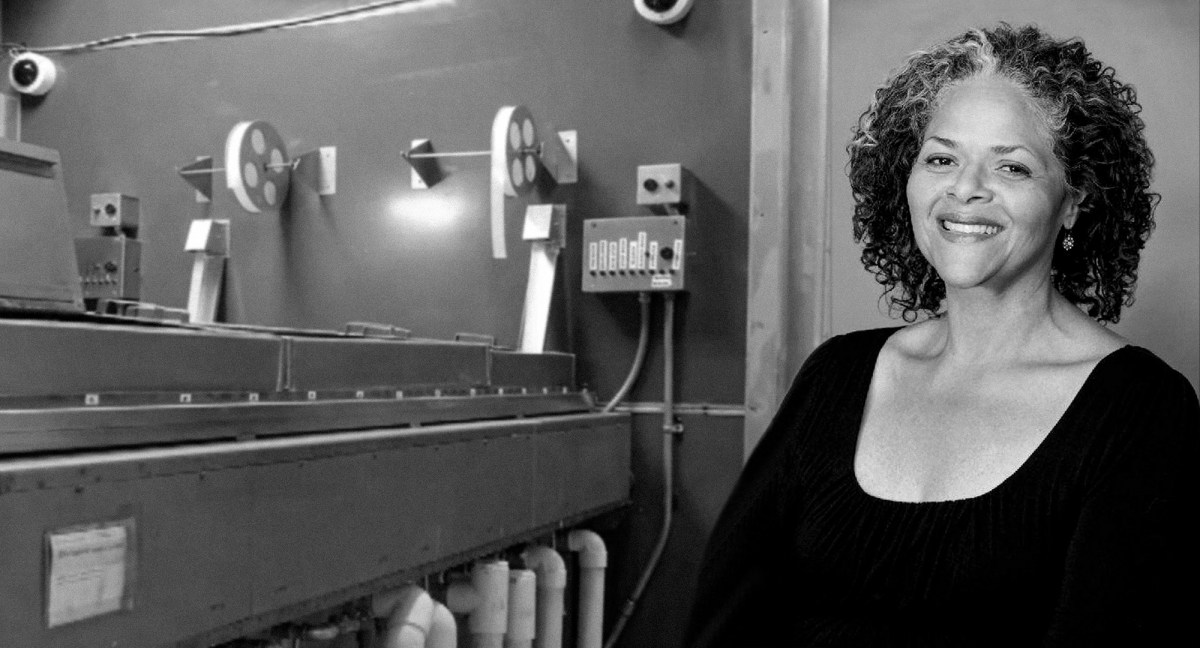
Beverly Wood, former VP of technical services at Deluxe, and the CCE process on Seven

Women in Film, Legacy Series: Beverly Wood Interview

Linda Feferman
April 23, 2013

Watch the 26:17 min. interview and documentary on vimeo

Team Deakins: Bev Wood, Journey from Film to Digital

Roger Deakins, James Deakins & Matt Wyman
May 3, 2020
Team Deakins

We speak with Beverly Wood, former Executive VP at Deluxe and Managing Director at eFilm. We discuss the transition in Hollywood from Film to Digital with one of the industries foremost experts on the science behind it all. We discuss how film emulsion actually works, color science, her work with Roger and James, and films like SkyFall, O Brother, Where Art Thou and more.

She’s been with us through our journey from film to digital and is a great source of information in general!

Listen to the podcast:

Team Deakins (libsyn)
Apple Podcasts

Beverly Wood. The Mad Scientist of Deluxe Labs

Bennett Moore
December 14, 2020

Soup du Jour

AC demystifies the special processing techniques offered by motion picture laboratories to enhance and manipulate imagery.

Christopher Probst
November 1998
American Cinematographer

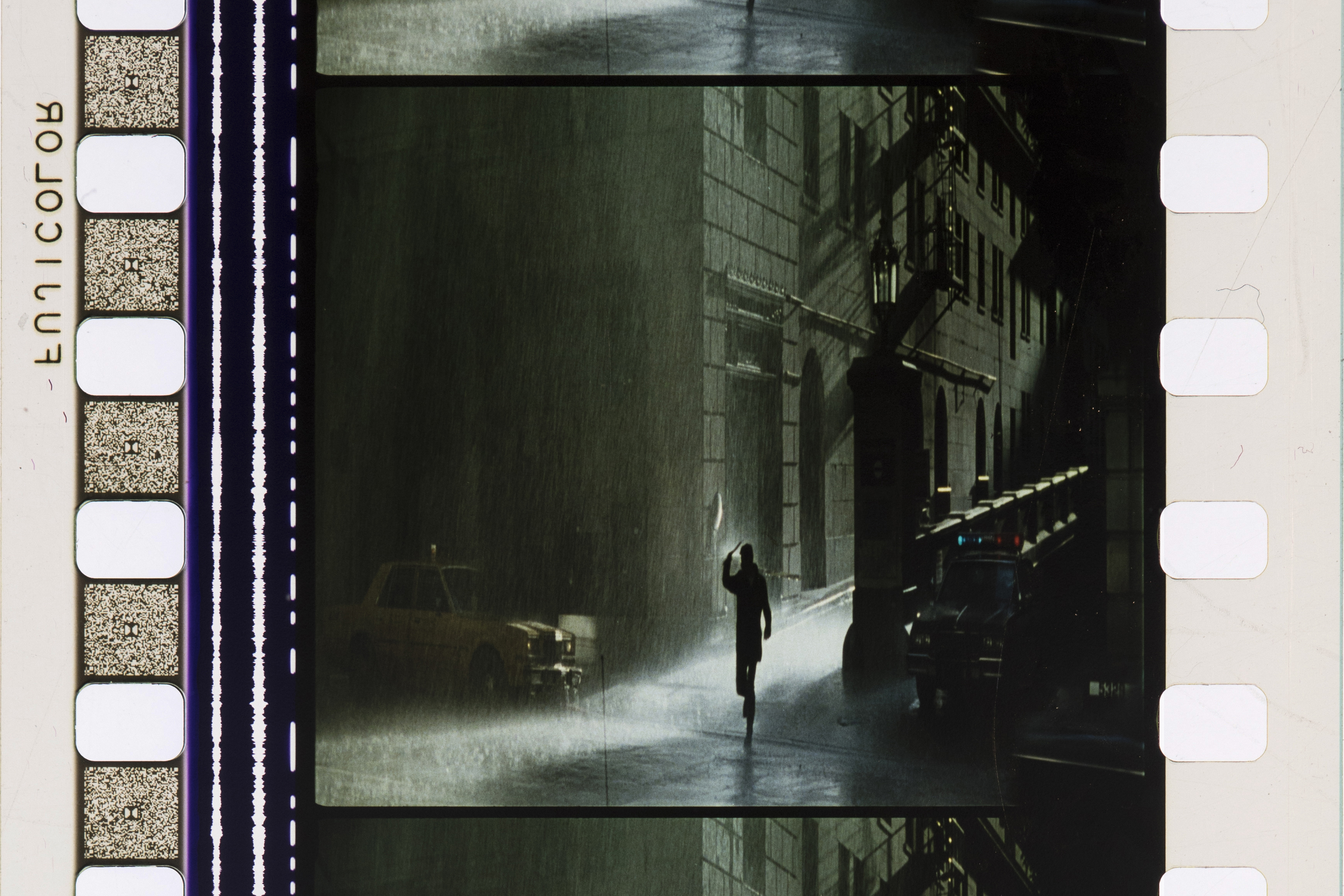
Although mainstream audiences may not be consciously aware of the use of special processes when they watch a film in a theater, they certainly felt the effect while watching David Fincher‘s horrific thriller Seven (AC Oct. ’95), which was photographed by Darius Khondji. A number of the film’s release prints were treated with Deluxe‘s Color Contrast Enhancement (CCE) process to heighten the film’s blacks and add a palpable texture and tonality.

Read the full article

Martin Scorsese Collection, George Eastman Museum, Rochester, NY.

Deluxe Color Contrast Enhancement

(CCE, Deluxe Adjustable Contrast Enhancement, ACE)

By Beverly Wood
FilmAtlas

Color Contrast Enhancement (CCE) was a silver retention process used at Deluxe Laboratories in the late 1990s that provided an extreme gritty look, with a muted color palette and increased contrast. Its companion process, Adjustable Contrast Enhancement (ACE), allowed for scalable control of contrast and black levels without impairing color saturation.

On David Fincher’s Se7en (1995), a small number of 35mm show prints were made for big city engagements using Deluxe’s Color Contrast Enhancement silver retention process. This enhanced the film’s noirish visual style with heightened contrast, desaturated colors and rich blacks.

Read the full article

Art of the Shot: Jeff Cronenweth, ASC on Tales from the Loop & How Story Drives the Visuals

Derek Stettler
April 27, 2020
Art of the Shot

Welcome to the Art of the Shot podcast! Join writer and filmmaker Derek Stettler for conversations with the artists behind the camera on strikingly-shot films, series, music videos and commercials. Discover how they made their careers happen, hear about their creative process, and learn how they make the shots that make us say: wait, how did they do that?

For the third episode, Derek speaks with none other than Jeff Cronenweth, ASC!

Jeff is the two-time Oscar-nominated cinematographer behind many of David Fincher’s films, including The Social Network, The Girl with the Dragon Tattoo, and their first film together–and Jeff’s first feature film–Fight Club.

(And if you’re worried, no, they don’t talk about Fight Club… much.)

Jeff has also shot numerous commercials and music videos for some of the biggest artists, including Madonna, David Bowie, Shakira, Taylor Swift and Katy Perry.

And this month marked the release of Jeff’s first foray into television, with the pilot to the Amazon Prime original series, Tales from the Loop: a sci-fi anthology adapted from the paintings of Swedish artist Simon Stålenhag.

What you may not know is that Jeff Cronenweth is the son of legendary cinematographer Jordan Cronenweth, the eye behind the era-defining look of Blade Runner. Enjoy this in-depth conversation about everything from how Jeff forged his own path while following in his father’s footsteps, and his approach to lighting based on story, to working with David Fincher, his work on Tales from the Loop (including how he achieved a never-before-seen lighting effect), and his trick for making sure eye lights look more natural.

Note, due to the COVID-19 pandemic, this conversation was recorded remotely, but all efforts were made to ensure quality audio.

The Art of the Shot podcast is brought to you by Evidence Cameras, an outstanding rental house in Echo Park specializing in high-end digital cinema camera packages, lenses, support, and accessories.

If you like what you hear, please subscribe to be notified of future episodes, and share this podcast with others to help grow the show!

Listen to the podcast:

Apple Podcasts
Spotify
Google Podcasts

Follow Art of the Shot: Instagram
Follow Derek Stettler: Instagram, Twitter

Tales from the Loop trailer audio copyright Amazon.com, Inc. Used with permission courtesy of Amazon Studios.

Follow Jeff Cronenweth, ASC Archives on Twitter

LiteGear Live: Mindhunter Erik Messerschmidt and Danny Gonzalez

Mike Bauman & Paul Royalty
April 24, 2020
LiteGear

Welcome to LiteGear Live, our community outreach portal where we host panel discussions, educate, and discuss all things related to Set Lighting. Join us for weekly conversations with Cinematographers, Gaffers, Rigging Gaffers, Fixtures Technicians, Programmers, and many more. We’ll be sharing behind-the-scenes photographs, production stills, and clips, all while chatting in real-time with the filmmakers who made it happen.

Our second edition of LiteGear Live presents a conversation with Cinematographer Erik Messerschmidt, Chief Lighting Technician Danny Gonzalez, and Rigging Gaffer Bobby Dechellis, discussing their most recent work on the popular Netflix series Mindhunter.

Hosted by Co-Founder of LiteGear Mike Bauman and Vice President of Sales at LiteGear, Paul Royalty, they delve into a wide range of questions for each guest intended to dig deep into the style choices and challenges faced on the show. The group also shares some behind-the-scenes photographs, production stills, and clips from Mindhunter.

Watch Mindhunter exclusively on Netflix.

Thank you to Netflix for allowing the use of Mindhunter stills and clips.

The Cinematography Podcast: Jeff Cronenweth

Jordan and Jeff Cronenweth on the set of Francis Ford Coppola‘s Gardens of Stone

Jeff Cronenweth, ASC on David Fincher, Fight Club, growing up in Hollywood, music videos, Mark Romanek, One Hour Photo, Gone Girl, The Social Network and the new Amazon series Tales from the Loop.

Ben Rock & Illya Friedman
April 22, 2020
The Cinematography Podcast (Cam Noir)

Jeff Cronenweth comes from three generations in the film business and followed his father, cinematographer Jordan Cronenweth (Blade Runner) into a career as a director of photography. Growing up on film sets and working alongside his father enabled Jeff to take a hands-on role in the camera department. He started as a loader and camera assistant, getting into the union while attending USC. He met David Fincher while working on the Madonna music video “Oh Father” as a camera assistant. Fincher gave Jeff his first opportunity to DP for the film Fight Club. Jeff’s collaboration with Fincher later earned him two Oscar nominations- one for The Social Network and one for The Girl with the Dragon Tattoo. He also began working with director Mark Romanek on music videos, such as EelsNovocaine for the Soul” and Nine Inch Nails’ “The Perfect Drug.” Jeff and Romanek also worked together on the feature film, One Hour Photo starring Robin Williams. The film presented many lighting challenges since the bulk of it takes place inside a store with flat white lights before the darker undertones of the movie are revealed.

Jeff also shot the pilot for Tales from the Loop with director Mark Romanek, streaming now on Amazon Prime.

Listen to the podcast:

Cam Noir
Apple Podcasts

LIKE AND FOLLOW US, send fan mail or suggestions!: Facebook, Instagram, Twitter

Podcast Credits:

Sponsored by Hot Rod Cameras (Instagram)
Editor in Chief: Illya Friedman (Instagram)
Ben Rock (Twitter, Instagram)
Producer: Alana Kode
Editor: Ben Katz
Composer: Kays Alatractchi

Follow Jeff Cronenweth, ASC Archives on Twitter

The Case for 8K Production and How to Manage That Monster Data

There’s no escaping the fact that 8K is four times as many pixels as 4K… but recording 8K is easier and less expensive than you think.

Adrian Pennington
April 13, 2020
Creative Planet

For many, the idea of recording 8K video understandably conjures up images of unmanageable files sizes, long transfer times, huge piles of hard drives, and slow proxy workflows… not to mention a black hole in the budget.

Leaving aside for one moment the fact that HDR and HFR are far more valuable than resolution to the consumer’s eye, there are benefits to an 8K production which an increasing number of projects are taking advantage of.

Mank, directed by David Fincher and lensed by Erik Messerschmidt, ASC, was acquired 8K using the RED Monstro in monochrome (above); and Money Heist, the Netflix drama which in season 4 is shot at 7K to accommodate HDR in a 4K deliverable, are just two of the most recent.

You can’t sell productions made in less than 4K to Netflix and other streaming services now. One day soon, some will mandate 8K to begin with and Netflix will have its fair share in the bank.

Even if the final output is only going to be 4K/UHD, shooting in 8K gives you many options in post that you do not have when starting in 4K. These include downscaling, cut/crop (pan/scan) or headroom for VFX.

“Before making the decision to capture a project in 8K, producers and cinematographers need to consider the project’s long-term goals,” says Bryce Button, director of product marketing, AJA Video Systems. For instance, capturing in 8K makes a lot of sense if there will be future use for the material.

Read the full article