From Madonna to Mank: Why David Fincher’s Greatest Film is an Erotic Pop Music Video

The Gone Girl director is known for the psychological depth, visual symbolism and pulpy thrills of his films but all roads lead back to his tempestuous – and mysterious – collaborations with Madge.

Adam White
November 6, 2020
Independent

It was in the winter of 1993 that David Fincher murdered Madonna. The crime scene: a music video for one of the latter’s greatest singles, “Bad Girl”, and what would be the last of the pair’s four collaborations. In its wake, Fincher would become one of cinema’s most revered directors, the prickly genius behind Se7en (1995), The Social Network (2010), Gone Girl (2014) and the forthcoming Mank. But it’s “Bad Girl” that remains Fincher’s most important venture. It is a short, stylish erotic thriller that begins and ends with Madonna’s lifeless corpse; a video that nods toward the filmmaker Fincher would become, and a final act of artistic symbiosis between two titans of pop culture.

Back in the Nineties, Fincher was coming to the end of a luminous eight years as a music video visionary. The likes of Aerosmith’s “Janie’s Got a Gun” and George Michael’s supermodel-filled “Freedom ‘90” were gorgeous exercises in style and short-form storytelling. Little was more thrilling, though, than his work with Madonna – from the grandiose myth-making of “Vogue” and “Express Yourself” to the richly personal “Oh Father”. They both recognised the cinematic potential of the form, even if it came at a cost – all of their collaborations rank among the most expensive videos ever made.

That trilogy of music videos – which came before “Bad Girl” and were shot over the course of 10 months between 1989 and 1990 – would reflect a fruitful creative tussle between the pair. Despite Fincher’s relative lack of clout in the industry at the time, and especially compared to Madonna’s cultural ubiquity, they would approach their work as somewhat begrudging – and almost flirtatious – equals.

In interviews, Fincher recalled expressing mock outrage when Madonna asked him if he had heard of Metropolis, the landmark sci-fi film she wanted to replicate for “Express Yourself”. Madonna sneered at his idea to have her crawl across the floor, lick milk from a bowl, and then pour it over herself in the same video, assuming it might look like a student film. It turned out to be one of the video’s most memorable set pieces. The visual for “Oh Father”, meanwhile, a psychological wormhole into Madonna’s childhood and the emotional toll of her mother’s death, only came about at Fincher’s insistence. Madonna had been unsure it would even work as a single. Fincher, though, saw it as ripe for visual accompaniment, and captured her vulnerability like no other.
Read the full article

Premiere: Pourquoi David Fincher n’a pas tourné de film depuis six ans ?

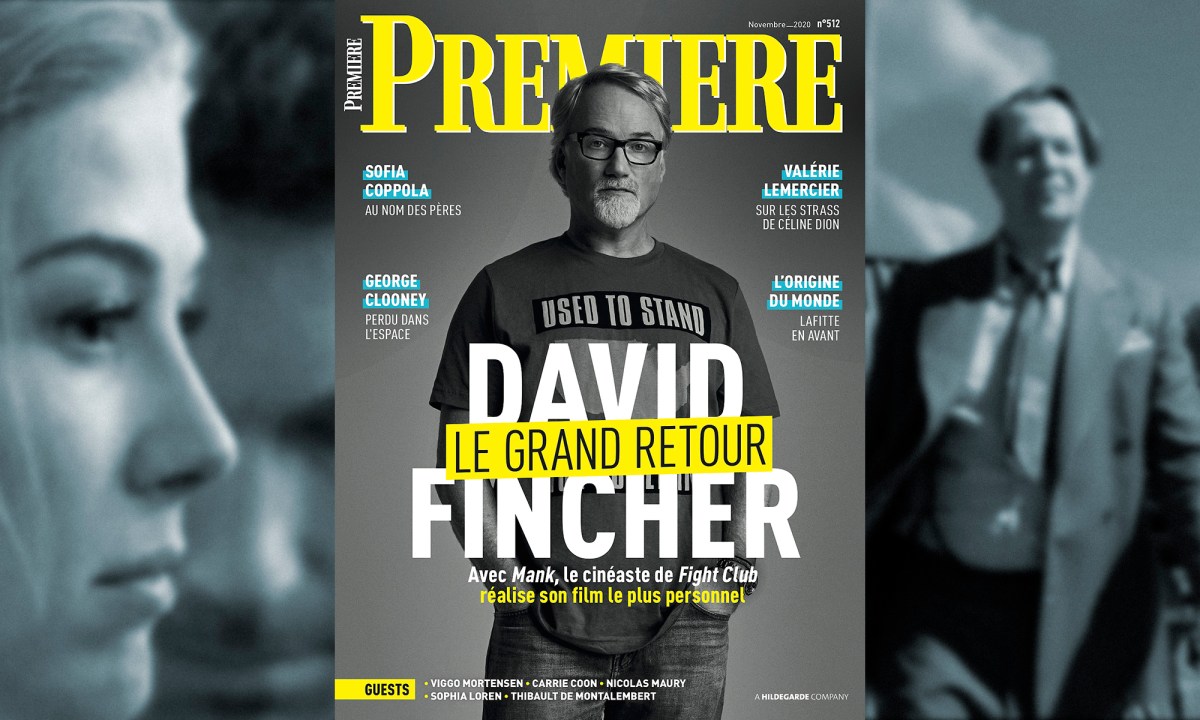
“Que voulez-vous, je suis lent”, répond le réalisateur avec humour dans Première.

Léonard Haddad
Octobre 28, 2020
Premiere

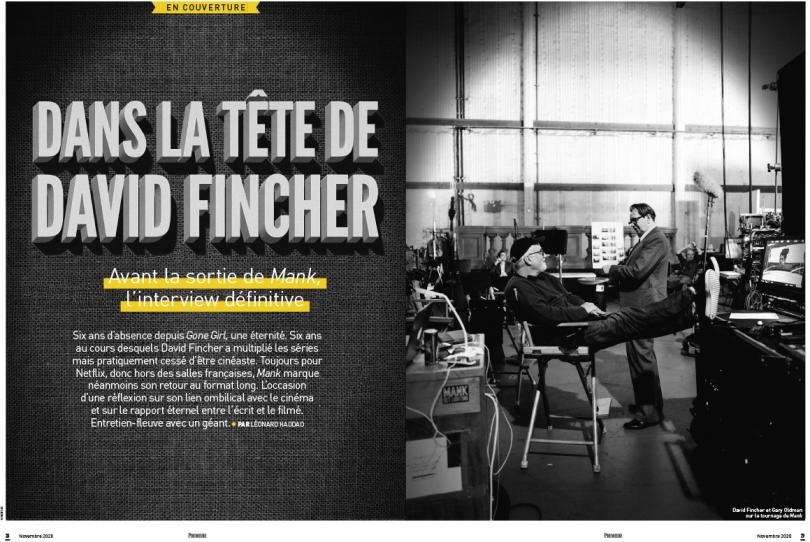
Mank, le prochain film de David Fincher sortira le 4 décembre sur Netflix. Au cours d’un long entretien, le réalisateur détaille dans le nouveau numéro de Première (n°512 – novembre 2020) la création de ce film en noir et blanc qui plonge les spectateurs dans le Hollywood des années 1930, plus précisément au coeur de la fabrication de Citizen Kane, le premier film d’Orson Welles réalisé à partir d’un scénario de Herman J. Mankiewicz.

Gone Girl, le dernier film de David Fincher, était sorti en France le 8 octobre 2014. Six ans se sont donc écoulés depuis cette adaptation du thriller de Gillian Flynn avec Rosamund Pike et Ben Affleck. Soit la plus longue pause de la carrière de David Fincher, un an de plus que la période déjà interminable qui avait séparé Panic Room (2002) de Zodiac (2007). Le cinéaste n’a pas bullé pour autant, travaillant sur une série sur les serial killers pour NetflixMindhunter, et produisant, toujours pour la plateforme, l’anthologie animée de Tim MillerLove, Death + Robots. Il voulait aussi tourner la suite de World War Z avec Brad Pitt, son acteur de Seven (1995), Fight Club (1999) et L’Etrange histoire de Benjamin Button (2008), mais ce projet a fini par tomber à l’eau. Dans Première, le réalisateur détaille pourquoi son retour à la mise en scène d’un long métrage a mis autant de temps.

Extrait:

Première : Gone Girl date de 2014, ça commençait à faire long, non ?

David Fincher : J’ai fait les deux saisons de Mindhunter et… Au départ, je devais juste aider à mettre la série sur des rails, il n’était pas prévu que je sois showrunner. Et puis, par défaut, je le suis devenu, avec deux autres personnes. Et disons qu’il est possible que ce ne soit pas mon point fort, finalement. Je dois être trop obsessionnel et tatillon pour tenir ce rôle

Au final, ça fait quand même très peu de films signés David Fincher…

Que voulez-vous, je suis lent. Quand j’ai le sentiment qu’un truc est prêt à être tourné, ça peut aller très vite. The Social Network, tout était en place, on n’avait plus qu’à choisir les acteurs. Mais ces situations-là sont rares, les cas où tu lis un script et où tu dis : « OK, les gars, écartez-vous, on s’y met. » Vers 2007-2008 puis 2010-2011, j’ai enchaîné relativement vite, en tout cas selon mes standards habituels : Zodiac et Benjamin Button puis The Social Network et Millénium. Mais je ne suis pas certain que cela ait été une si bonne chose que ça au final. En tout cas, j’avais besoin de recharger mes batteries. Maintenant, si j’ai signé ce deal Netflix, c’est aussi parce que j’aimerais travailler comme Picasso peignait, essayer des choses très différentes, tenter de briser la forme ou de changer de mode de fonctionnement. J’aime l’idée d’avoir une « œuvre ». Eh oui, j’admets que ça me fait bizarre, après quarante ans dans ce métier, de n’avoir que dix films à mon actif. Enfin onze, mais dix dont je peux dire qu’ils sont à moi. Oui, objectivement, c’est un constat assez terrifiant

Propos recueillis par Léonard Haddad

L’interview complète de David Fincher est à retrouver dans le nouveau numéro de Première. Voici son sommaire:

Mank : David Fincher a un contrat d’exclusivité de 4 ans avec Netflix

François Léger
Novembre 11, 2020
Premiere

The David Fincher You Meet in His Movies

To celebrate the 25th anniversary of Se7en and the 10th anniversary of The Social NetworkThe Ringer hereby dubs September 21-25 David Fincher Week. Join us all throughout the week as we celebrate and examine the man, the myth, and his impeccable body of work.

The protagonists of everything from ‘Fight Club’ to ‘Zodiac’ to ‘Gone Girl’ have something in common: they’re all cut from the same cloth as their director

Adam Nayman
September 23, 2020
The Ringer

No filmmaker has ever put himself into his work like Alfred Hitchcock. In movie after movie, the director made blink-or-miss-them appearances located at the edge of the frame—crossing a street walking a dog; appearing in a photo for a weight loss clinic—that prompted audiences to play a game of spot-the-auteur. These slyly miniaturized acts of showmanship were simultaneously sight gags and wry reminders of who was really in charge: The so-called “master of suspense” mixed in among the actors he infamously referred to as “cattle.”

David Fincher has not appeared in any of his own films: the closest thing to a cameo comes in 2014’s Gone Girl, a positively Hitchcockian thriller right down to its shower scene featuring a bloody blond. Midway through the film, suspected wife killer Nick Dunne (Ben Affleck) is being coached on an upcoming television appearance by his high-priced lawyer Tanner Bolt (Tyler Perry), who’s determined that his client makes just the right impression. During their dressing room prep session, the attorney pelts Nick with gummy bears to sharpen his posture and line readings. Perry supposedly didn’t know who Fincher was before being cast in the part, but that doesn’t preclude the fact that in this scene, he’s doing an indirect impression of his director—a control freak who once said there are only two ways to shoot any given scene, and that one of them is always wrong.

Read the full article

David Fincher’s Longtime DP Jeff Cronenweth Has Advice, Insight, and Stories

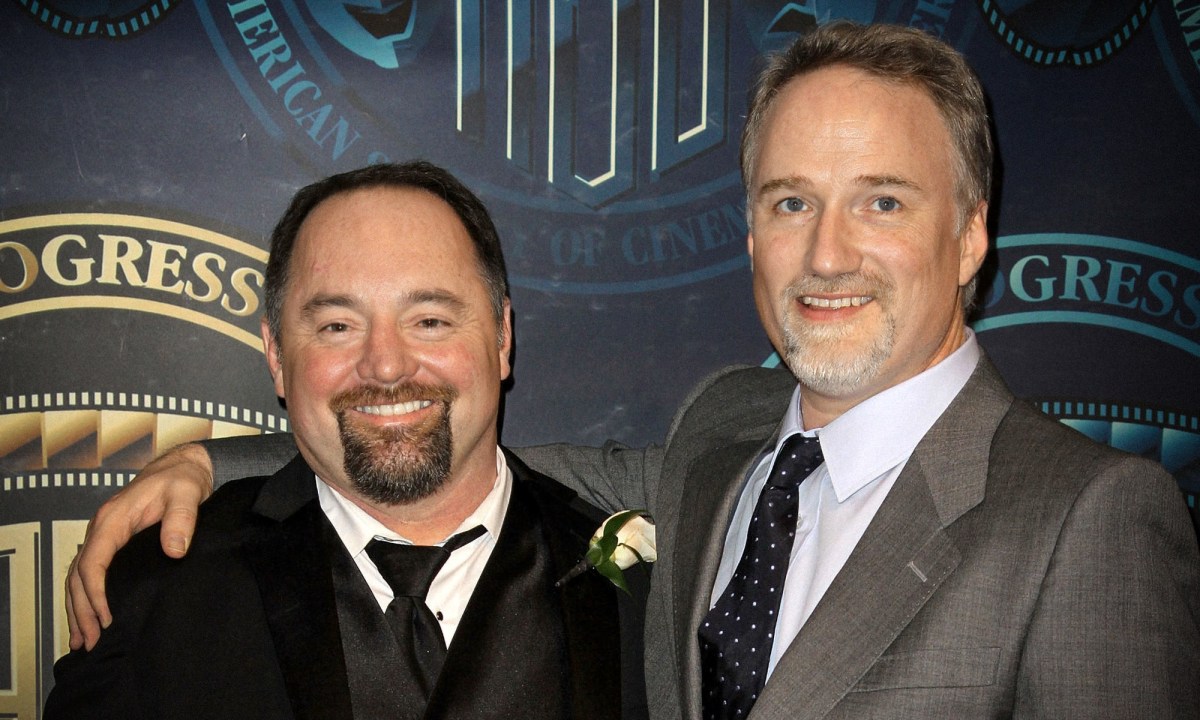
25th Annual American Society Of Cinematographers (ASC) Awards (2011)

A podcast about how to build a career in filmmaking. No Film School shares the latest opportunities and trends for anyone working in film and TV. We break news on cameras, lighting, and apps. We interview leaders in screenwriting, directing, cinematography, editing, and producing. And we answer your questions! We are dedicated to sharing knowledge with filmmakers around the globe, “no film school” required.

Jeffrey Reeser
August 28, 2020
No Film School

Oscar-nominated camera wizard Jeff Cronenweth sat down with us to talk about his origins in the film industry.

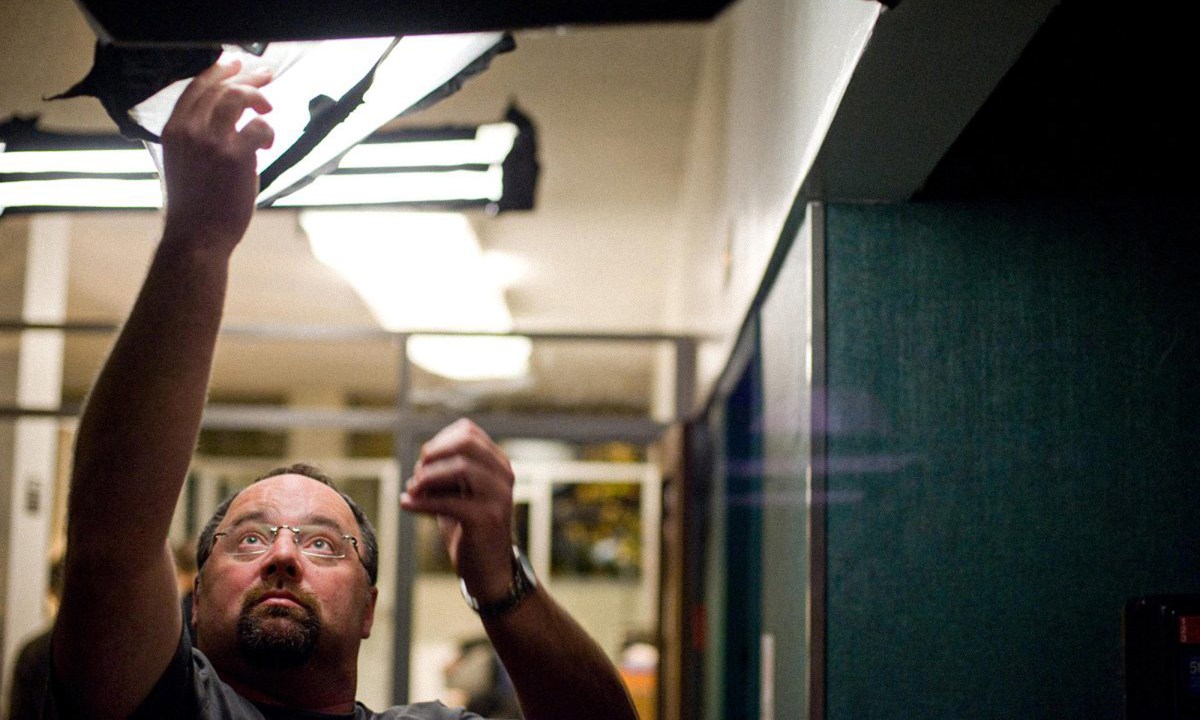
As a young man, Cronenweth spent time on the set of Blade Runner as his father, Jordan Cronenweth shot it. He walks us through the next chapter of his career, starting out as an AC for legendary DP Sven Nykvist and how his longtime working relationship with David Fincher began when shooting pickups for a Madonna music video.

We discuss his experiences crafting the look of Fight Club, The Social Network, and Gone Girl, among other great films. Now in 2020, he is up for an Emmy for his work on the Amazon series Tales From The Loop.

Listen to the podcast:

No Film School
Apple Podcasts

Follow Jeff Cronenweth, ASC Archives on Twitter

DP/30: Trent Reznor & Atticus Ross. “Watchmen”, “Mank”

“All in ‘Mank’ is orchestra or big band. There’s no one synth or one note played by us on the whole score.”

David Poland
August 10, 2020
DP/30: The Oral History Of Hollywood (YouTube)

They both took different roads to film scoring, which they have mostly (and most famously) done together. From 9 Inch Nails to Fincher to Watchmen, they have a unique one-off approach to every project. They took some time to chat with David Poland to chat about their work on The Social Network, Watchmen, Mank, and Pixar‘s Soul.

Shot via Zoom, August 2020.

Earlier DP/30 with Trent Reznor: Gone Girl

Through The Frame: Re-Animating Camera Moves For Live Action

Jesse Korosi
May 7, 2020
Through The Frame (HPA)

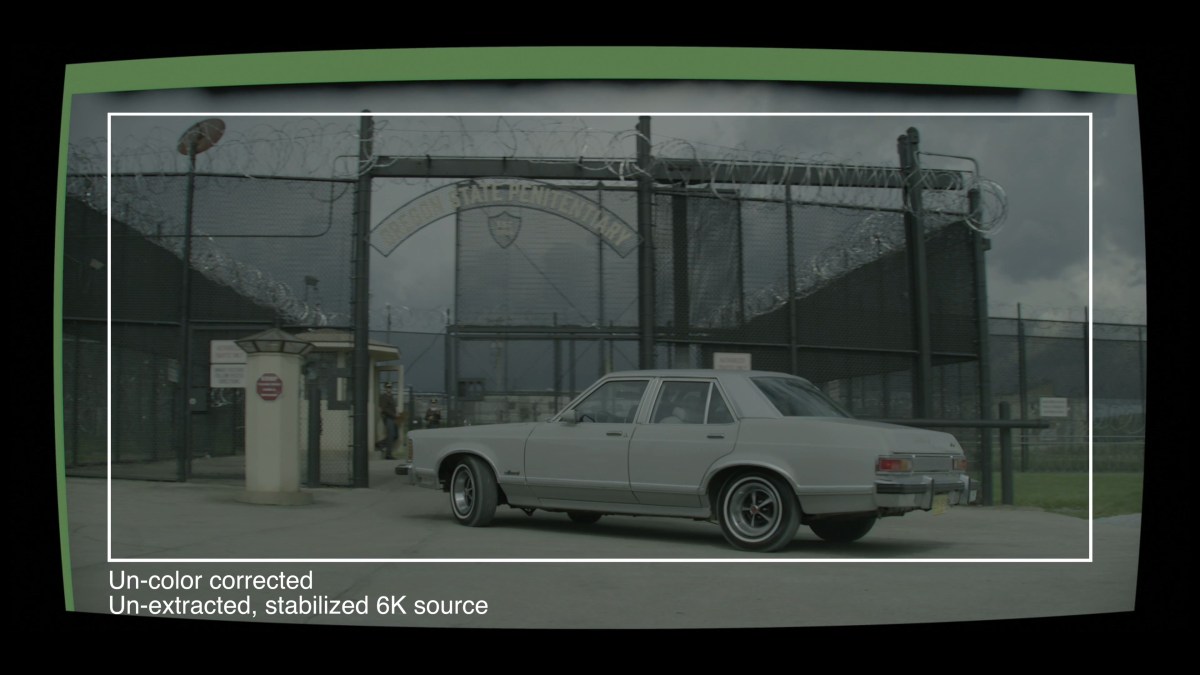
Learn how the new movement toward reanimating camera movement, stabilizing, and reframing shots in post is taking shape! Chad Peter and Tai Logsdon have been on the forefront of this change and will discuss how it all began and how it’s being done today, with lots of details and examples from Mind Hunter, Bird Man, Homecoming & Mr. Robot.

Writer / Director (DGA) / VFX Supervisor originally from Colorado – Chad Peter has worked as VFX supervisor & additional director (inserts) on the final season of “Mr. Robot”, as well as VFX Super on Amazon’s “Homecoming” season 1.  Previously, Chad had served as an in-house VFX on “Mindhunter” s1 & s2, “House of Cards” s2 thru s4, “Gone Girl” and more.

Tai Logsdon grew up in the Central Valley of California, graduated from Chapman University in 2006, and has worked as in-House VFX Manager for shows such as Amazon’s “Homecoming” and USA’s “Mr.Robot” (the final season).

Listen to the podcast

Master Class with David Fincher / Master Class de David Fincher

Carlos Reviriego
September 15, 2014 (May 8, 2020)
TAI Escuela Universitaria de Artes

Interview with David Fincher at the TAI University School of Arts (Madrid), hosted by Carlos Reviriego.

In English, with Spanish subtitles.

Questions:

0:00:33 – What did the book ‘Gone Girl‘ is based on had that made you want to film a movie about it?
0:02:33 – Talk about your first years in the movie industry.
0:06:38 – You once said ‘No one hates Alien3 more than me’. Can you talk about it?
0:09:31 – David Lynch was here last year, and he said that the most important advice was to always fight for the final cut of your film. Do you think the same?
0:15:03 – Some critics think that ‘Fight Club‘ and movies on your filmography celebrate violence and anarchy. What do you have to say about it?
0:18:39 – Do you see yourself as a perfectionist?
0:22:17 – What’s more important, talent or hard work?
0:25:40 – What changes with digital cinema?
0:28:09 – How do you work with the Cinematographer and the Art Department?
0:34:31 – Can you talk about your work for TV and House of Cards?
0:36:37 – How do you feel about Amy’s character in Gone Girl?
0:37:53 – Do you get involved in the writing process?
0:39:08 – Why do you tend to use green and yellow colours in your cinema?
0:41:12 – Do you see a certain similarity between Brad Pitt’s character in ‘Twelve Monkeys‘ and ‘Seven‘?
0:43:02 – What do you look for in an actor?
0:48:38 – Is it more complicated to do fiction or documentary?


Encuentro con David Fincher en la Escuela Universitaria de Artes TAI (Madrid), conducido por Carlos Reviriego.

En inglés, con subtítulos en español.

Preguntas:

0:00:33 – ¿Qué te atrajo de la obra literaria en la que se inspira ‘Gone Girl‘?
0:02:33 – Háblanos de tus comienzos
0:06:38 – Una vez dijiste que nadie odió Alien3 más que tu. ¿Puedes hablar sobre ello?
0:09:31 – David Lynch estuvo aquí el año pasado y dijo que lo más importante era tener el corte final de la película. ¿Opinas lo mismo?
0:15:03 – Algunos críticos opinan que ‘Fight Club‘ y otras de tus películas ensalzan la violencia y el caos. ¿Qué tienes que decir al respecto?
0:18:39 – ¿Te consideras un perfeccionista?
0:22:17 – ¿Qué es más importante, el talento o el trabajo duro?
0:25:40 – ¿Qué añade la conversión al digital del cine a tu obra?
0:28:09 – Tu estética tiene una firma o un sello personal. ¿Cómo trabajas con el Director de Fotografía?
0:34:31 – ¿Puedes hablar sobre tu participación en televisión y en House of Cards?
0:36:37 – ¿Qué piensas del personaje de Amy en Gone Girl?
0:37:53 – ¿Cómo te involucras en el proceso de escritura del guión?
0:39:08 – ¿Por qué tu cine tiene cierta tendencia a usar verdes y amarillos?
0:41:12 – ¿Crees que hay cierta similitud entre la forma de actuar del personaje de Brad Pitt en ‘Twelve Monkeys‘ y ‘Seven‘, que fueron rodadas en la misma época?
0:43:02 – ¿Qué buscas de un actor a la hora de trabajar con él?
0:48:38 – ¿Es más complicado rodar ficción o documental?

Magaly Briand / TAI (2014)

“I Had to Figure Out the True Latitude, Speed and Color Science”

DP Jeff Cronenweth On The Social Network Ten Years Later and the Mysterium X Sensor.

Aaron Hunt
May 4, 2020
Filmmaker

Film stills by Merrick Morton

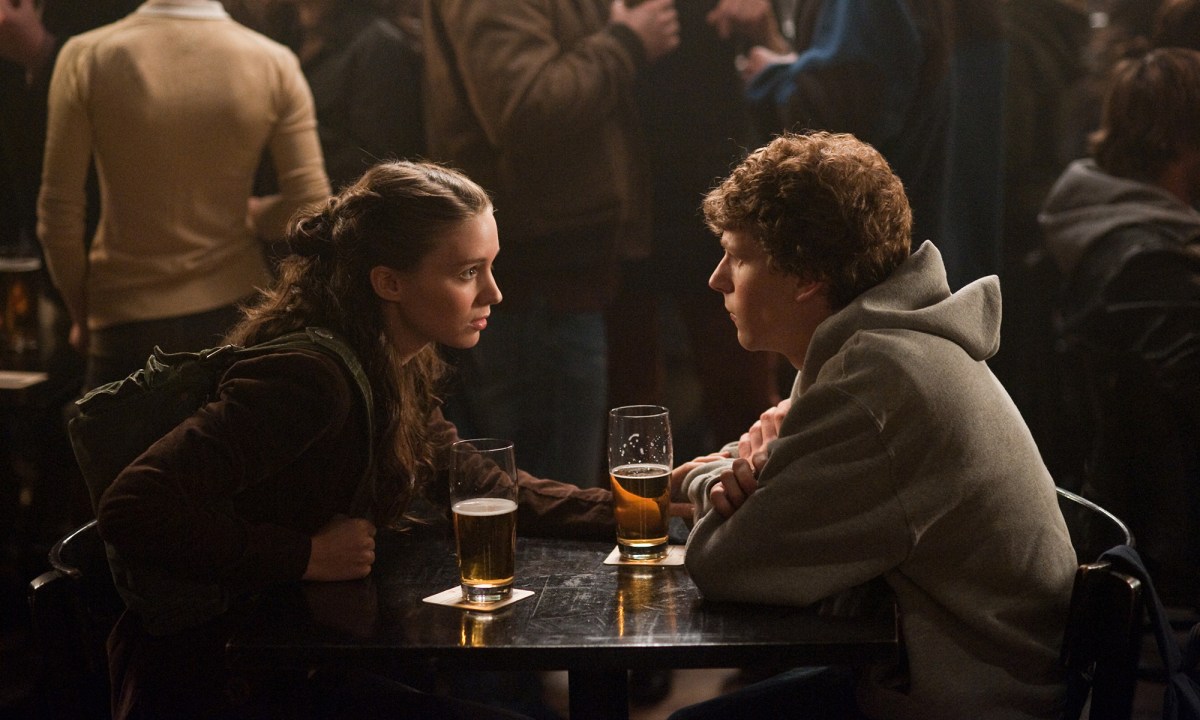
On October 1, The Social Network turns ten. The RED Mysterium X sensor (also turning ten) that rendered the film is now outmoded, but The Social Network thrives due to, not in spite of, the marks of its time. The limited latitude of the once cutting-edge camera sensor pushed David Fincher and DP Jeff Cronenweth—who also shot Fincher’s Fight Club, The Girl with The Dragon Tattoo and Gone Girl—into the darker bends of The Social Network’s imitation Harvard dorms. The camera struggled with highlights, so they avoided hot windows and sunny exteriors. It also strained to digest warm tones, so they chose a cooler palette that was easier for the RED to chew on. The sensor’s limitations had implicit limitations with the story of Facebook’s origin, the first of screenwriter Aaron Sorkin’s two tech mogul reprimands (Fincher’s Zuckerberg was follow by Danny Boyle’s Steve Jobs)—individuals he believes pioneered our doom out of spite, envy, inceldom.

When The Social Network initially released, an anecdote about Fincher hiring a mime to distract Harvard campus security was often iterated in the press. Fincher and Cronenweth stitched three shots captured by three REDs on a roof across the street and did a “pan and scan” in post to get a move they couldn’t have otherwise. But they needed light on some of the dark arches, so Fincher hired a mime to push a battery cart full of lights behind them, the impetus being that “by the time [security] got him out of there we would have already accomplished our shot.” Fincher adopted digital in its nascent stages to limit the compromises caused by the erratic nature of the film set. What remained to be compromised on he’d have more ways of fixing in post on digital than on film.


Filmmaker: What have you been watching?

Cronenweth: Eh, I don’t know. Mostly movies. I tried to do the Ozark series, which I like, but it starts to get redundant: same bad guys doing the same things. The only problem I find is that the first week we watched maybe 50 movies, so now we can’t separate the good scenes and shots from the others because we’ve watched so many in a row. That can be a handicap. I’m 58. This is the longest I’ve had off since I graduated from college. So, there are a lot of things I’ve been putting off for twenty years that have been good to get done with.

Filmmaker: Have you rewatched The Social Network recently?

Cronenweth: No, I tend not to. You see them so many times when you’re making them, in the edit, the color correct and the screenings. I would like to, though. It’s such a cleverly written script and Fincher did such a great job at bringing Aaron’s dialogue across. Everytime I watch it, regardless of how tied into it I was, it always amuses me how quickly it feels like it went by. You never have a chance to get off the rollercoaster, which is one of [Fincher’s] mottos. But by the end you go “Really? That’s the whole movie?” It feels like it just started.

Filmmaker: You guys were the first feature film to use RED’s Mysterium X sensor.

Cronenweth: It was my first experience shooting something long form with a digital camera. I had shot music videos and commercials on an array of different formats and cameras. Obviously Fincher had done Zodiac and Benjamin Button digitally. I can’t remember what they shot that on?

Filmmaker: I think they were both shot on the Viper. [Benjamin was a combination of the Viper, Sony F23 and some 35mm on the Arriflex 435]

Read the full interview

Follow Jeff Cronenweth, ASC Archives on Twitter

Fight Club Cinematographer Jeff Cronenweth, ASC

Jeff Cronenweth in the set of The Social Network (Merrick Morton, 2010)

Alan Schaller & Christopher Hooton
February 7, 2020
Candela: Photography & Cinematography masters

Fight Club cinematographer Jeff Cronenweth talks us through this iconic shot and many others in David Fincher‘s masterpiece. We also discuss how the relative naturalism of The Social Network was just as difficult to achieve, and whether something is lost with VFX even when it looks perfect.

Listen to the podcast

Follow Jeff Cronenweth, ASC Archives on Twitter

ASC Welcomes Erik Messerschmidt as a New Active Member

Samantha Dillard
February 5, 2020
ASC (American Society of Cinematographers)

Erik Messerschmidt, ASC had a childhood dream of becoming a cinematographer, which he began pursuing at Emerson College, where he studied film production. While in school, he hit the ground running, working on film sets as an electrician, which then led to work as a gaffer in features, television and commercials. Before he graduated, he was able to join the IATSE Local 481 in Boston. During this time, he also served as a lighting technician and lighting director for many well-known photographers, including Gregory Crewdson, Mike and Doug Starn and Larry Sulton.

Following graduation, Messerschmidt relocated to Los Angeles to further his career in the industry. Shortly thereafter, he met Mark Doering-Powell, ASC and Mark Weingartner, ASC, who served as early mentors. Doering-Powell hired Messerschmidt on several smaller feature projects as a grip and later gaffer, which allowed him to join Local 728 as a gaffer. He developed relationships with numerous ASC members, including Claudio MirandaJeff Cronenweth and Tami Reiker, who Messerschmidt calls his “closest mentors.”

Gordon Lonsdale, ASC hired Messerschmidt as his gaffer on the television series Bones, and the two worked together for six seasons. During this time, Messerschmidt also gained experience as a director of photography, shooting several commercials, short films and documentaries.

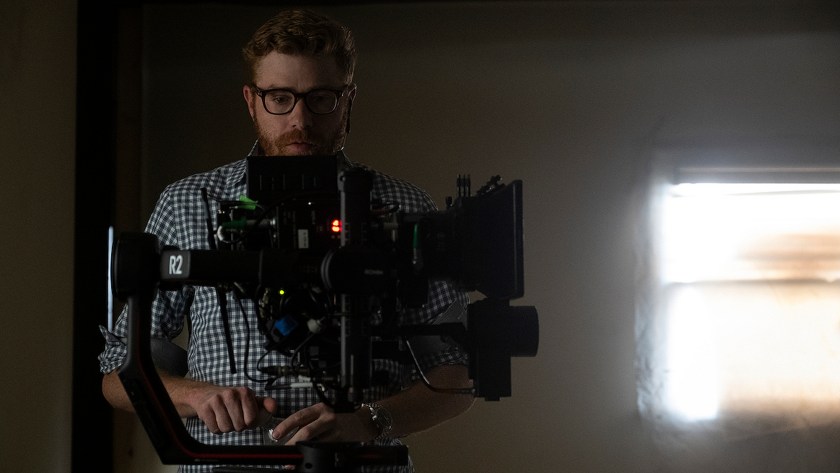
Erik Messerschmidt, ASC on the set of the Netflix series Mindhunter.

Cronenweth hired Messerschmidt as his gaffer on David Fincher’s Gone Girl, and subsequently encouraged the director to hire Messerschmidt to photograph his next project, the Netflix series Mindhunter. Since then, the cinematographer has shot the bulk of episodes on both seasons. (See story here.)

Messerschmidt has also photographed several episodes of the television series Legion as well as second-unit work on the feature Sicario: Day of the Soldado, shot by Dariusz Wolski, ASC. On the recommendation of Wolski, Messerschmidt was hired to photograph the HBO Max series Raised by Wolves.

His upcoming credits include Fincher’s latest feature, Mank, depicting the life of screenwriter Herman J. Mankiewicz and the writing of the script to Citizen Kane.

Original post