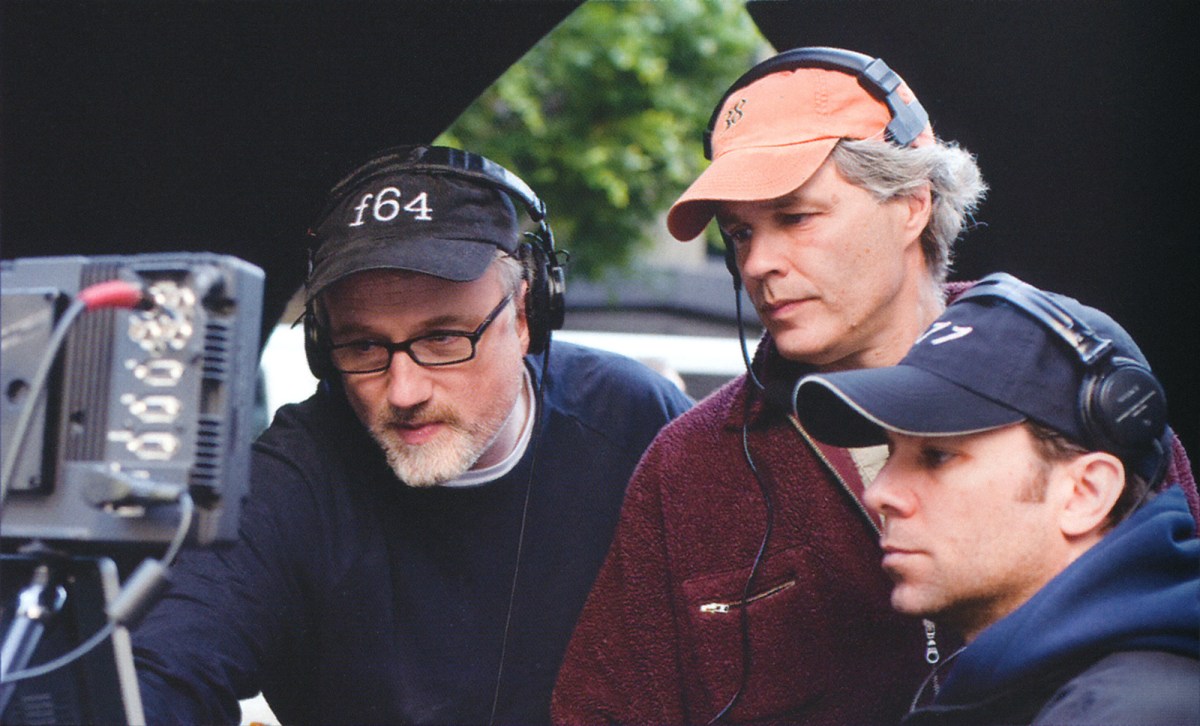
Cut/Daily Meets… Editor Kirk Baxter, ACE

How he cut A House of Dynamite for Kathryn Bigelow and what it’s like to work with a new Director.

Jonny Elwyn
February 3, 2026
Cut/Daily

A conversation about Kathryn Bigelow’s “A House of Dynamite” (and David Fincher’s “The Adventures of Cliff Booth”).

Kirk Baxter, ACE, has cut for David Fincher since The Curious Case of Benjamin Button (2008), picking up two Oscars (The Social Network, The Girl with the Dragon Tattoo) and a nomination () along the way. He’s also maintained a successful and sought-after commercials editing business the whole time.

Interestingly enough, it was editing her commercial that connected him to Kathryn Bigelow, director of his latest film, A House of Dynamite.

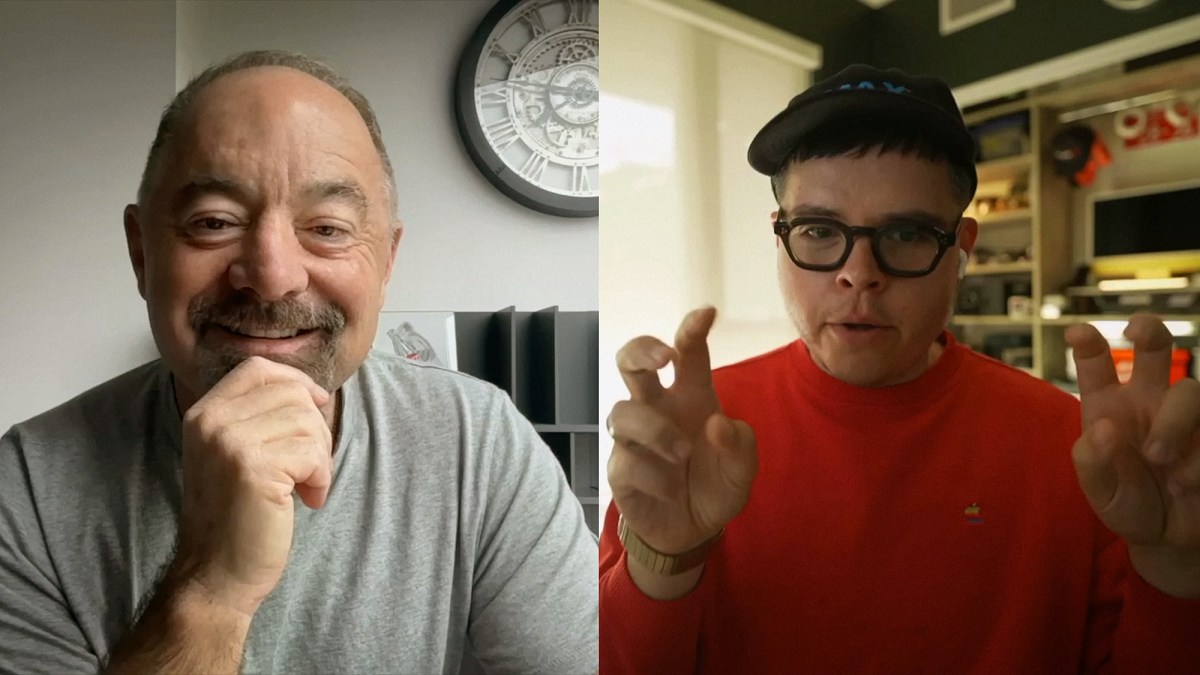
In this special issue of Cut/Daily Meets… you get to hear from the man himself, as I was fortunate enough to chat with him in person, in the middle of his work day on The Adventures of Cliff Booth, Fincher directing Tarantino’s script as a sequel/spin-off/connection to Once Upon a Time in Hollywood.

Listen to the full conversation when you subscribe for free, plus you’ll get a free issue of Cut/Daily in your inbox every Friday.

Highlights from Kirk’s interview:

Introduction
Kirk’s Location & Current Projects
The Film’s Ending & Political Message
What Did the Dailies Look Like?
Split Screens vs. Found Footage Approach
Editing the Missile Countdown Scenes
The Three Acts & Secretary Baker’s Face
Matching Audio Across Different Chapters
Working with Score & Kathryn’s Initial Reaction
The Composer Process & Volker Bertelmann
How Do You Decide When Music Comes In?
Creating the Chapter Title Cards
What Was It Like Working with Kathryn Bigelow?
How Do You Choose Your Projects?
Cutting Commercials Between Films
Evolution as an Editor & Avoiding Showiness
Do Oscar Wins Change Imposter Syndrome?
Editing Animation for Love, Death & Robots
The IMDb Holiday Reunion Credit
Future Projects & David Fincher’s Next Film

If you like deepening your knowledge about Post-Production, you’ll love Cut/Daily, my free weekly newsletter for Post Pros. Sign up for free at cut-daily.com.

Follow me on: Ex-Twitter, Facebook, LinkedIn
Movies We Like: Cinematographer Jeff Cronenweth on Blade Runner

A Legacy of Light and Shadow

Andy Nelson and Pete Wright
October 27, 2025
Movies We Like (TruStory FM)

Cinematographer Jeff Cronenweth joins Movies We Like hosts Andy Nelson and Pete Wright to explore Ridley Scott’s groundbreaking 1982 film Blade Runner. As the son of the film’s original cinematographer, Jordan Cronenweth, Jeff brings a unique perspective on both the technical achievements and lasting influence of this sci-fi noir masterpiece. With his recent work on Tron: Ares hitting theaters, Cronenweth reflects on how Blade Runner continues to inspire filmmakers and cinematographers four decades later.

From early experiences on film sets with his father to becoming David Fincher’s go-to cinematographer on films like Fight Club, The Social Network, and The Girl with the Dragon Tattoo, Cronenweth has built a career focused on visual storytelling that serves character and narrative. He describes his approach as seeking human stories within any genre, whether period drama or science fiction. His transition from film to digital cinematography reflects broader industry changes, while maintaining his commitment to thoughtful, story-driven imagery.

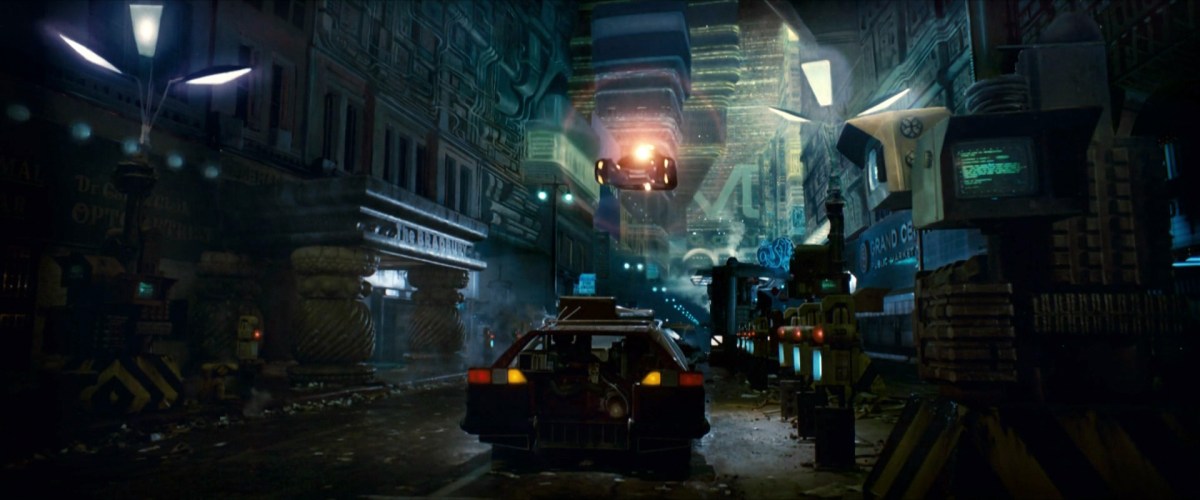
The conversation explores how Blade Runner created its influential neo-noir aesthetic with remarkably limited technical resources, including just three xenon lights for its iconic beam effects and borrowed neon lights from Francis Ford Coppola’s One from the Heart set. Cronenweth shares insights into the film’s production challenges and creative solutions, from practical lighting techniques to Ridley Scott’s visionary production design. The discussion examines how the film balances its high-concept science fiction premise with intimate character moments, creating a template for genre storytelling that continues to resonate. Cronenweth also offers a perspective on the various cuts of the film and its 2017 sequel.

Through this engaging conversation, Cronenweth illuminates not just the technical mastery behind Blade Runner, but its enduring impact on cinema. His unique connection to the film through his father, combined with his own distinguished career, offers viewers fresh insights into this landmark work of science fiction and its continuing influence on visual storytelling.

Listen to the podcast:

Apple Podcasts
Spotify
YouTube (Audio Only)

CineTalk: Peter Rosenfeld SOC, Camera Operator

Hugo Will
November 25, 2025
CinePro

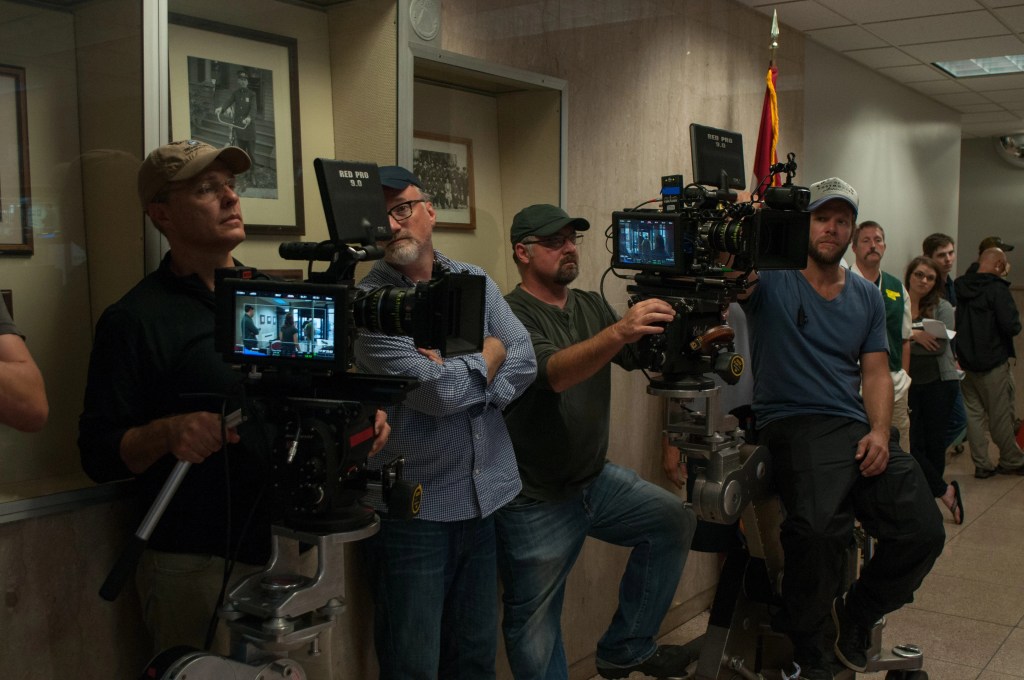
Peter Rosenfeld, SOC, is one of Hollywood’s most respected camera and Steadicam operators, with credits on The Social Network, Gone Girl, American Sniper, Memoirs of a Geisha, Spider-Man: No Way Home, and more. In this episode of CineTalk, we dive into his decades of experience working alongside filmmakers like David Fincher, Clint Eastwood, Kathryn Bigelow, Rob Marshall, and Aaron Sorkin.

Peter breaks down the craft of camera operating, problem-solving on set, collaborating with directors, and the mindset required for a long-lasting career. A must-watch for anyone serious about cinematography or pursuing camera department work.

Watch the full episode on CinePro Academy

Leonardo DiCaprio and David Fincher Once Tested a RED Camera Using Just a Single Match

Matt Growcoot
October 23, 2025
PetaPixel

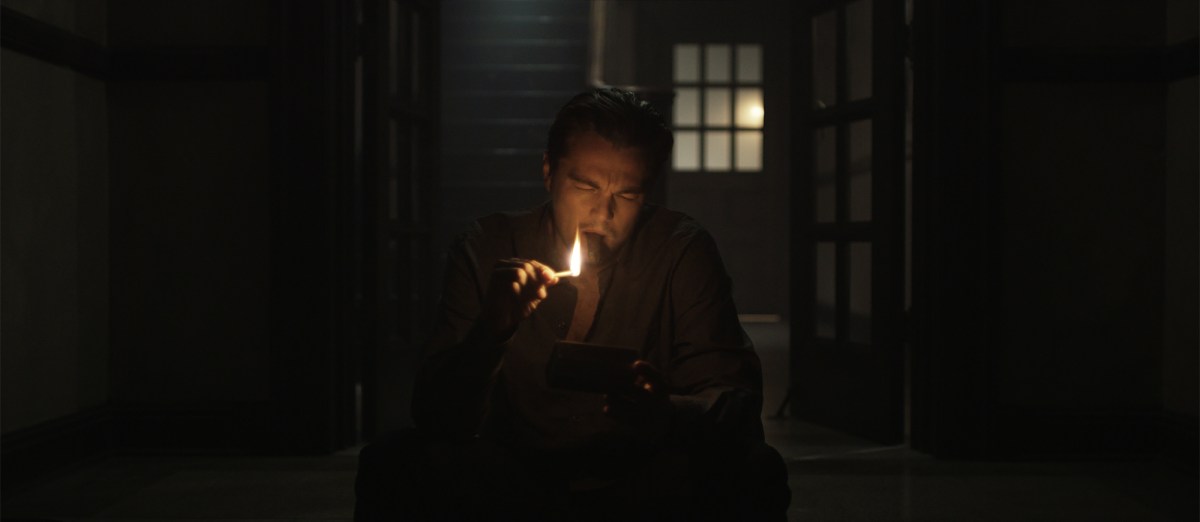
Leonardo DiCaprio and director David Fincher are movie titans of the modern age; therefore it is surprising that the two have never worked together. Unless you count the time the pair tested a RED camera together in 2010 for a clip called The Match.

At the time, Fincher was directing The Social Network and DiCaprio also happened to be in Boston as he was finishing Shutter Island. In fact, the same hallway where The Match was filmed briefly appears in The Social Network.

The 36-second clip was done as a favor for RED’s founder Jim Jannard, who posted the video on the Reduser forum in 2010, according to The Fincher Analyst website.

Read the full article

“Fight Club” Cinematographer Jeff Cronenweth ASC on his Career, Working with David Fincher, Shooting “Tron: Ares,” & More

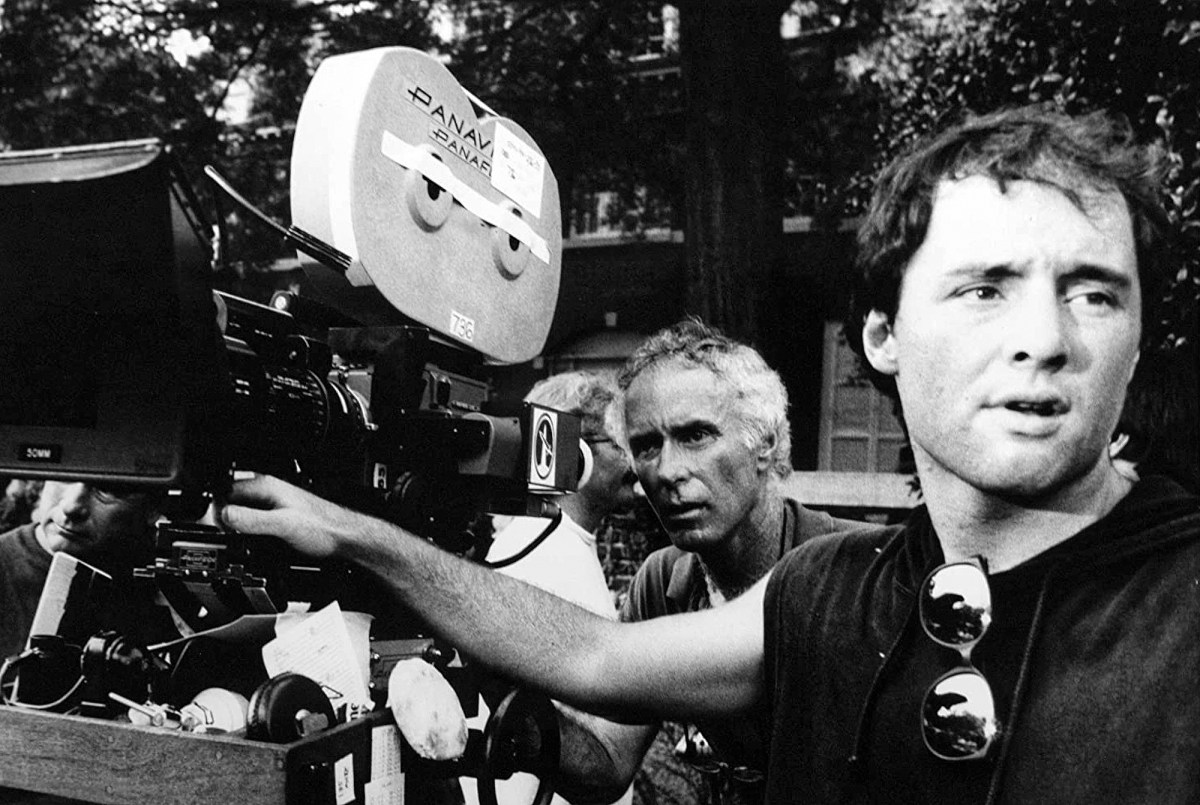
Jordan and Jeff Cronenweth on the set of Francis Ford Coppola‘s Gardens of Stone

Mike Valinsky
October 25, 2025
The Making Of

In this episode, we welcome two-time Oscar-nominated cinematographer Jeff Cronenweth, ASC. Jeff has shot films including Fight ClubOne Hour PhotoThe Social NetworkThe Girl with the Dragon TattooHitchcockGone GirlBeing the Ricardos, and Tron: Ares. In our chat, Jeff shares his origin story, experiences working with David Fincher — and all about his latest movie, Tron: Ares. He also offers extensive insights and recommendations for today’s cinematographers and filmmakers.

Listen to the podcast:

The Making Of (Substack)
Apple Podcasts

Spotify

Follow The Making Of: Instagram, Ex-Twitter

Follow Mike Valinsky: Instagram, Ex-Twitter

When the Movie Looks Insane: Jeff Cronenweth, ASC

Patrick Tomasso
October 19, 2025
patrick 2masso (YouTube)

Go behind the visuals of TRON: ARES with cinematographer Jeff Cronenweth, ASC – the mind behind the camera for films like The Social Network, The Girl with the Dragon Tattoo, and Gone Girl. We talk about the look of the new TRON film, his collaboration with director Joachim Rønning, shooting digitally on RED cameras, and how his decades-long partnership with David Fincher shaped his approach to modern cinematography.

If you’re into camera tech, lighting, or just want to know why TRON: ARES looks so good, this one’s for you.

Special thanks to RED Digital Cinema for setting this up.

Follow Patrick Tomasso on:

YouTube 1, YouTube 2, Instagram, Threads, X, TikTok, Letterboxd, LinkedIn

How Trent Reznor and Nine Inch Nails Changed the Sound of Movies

After Reznor brought industrial grind into the mainstream, he became an in-demand film composer—and from Natural Born Killers to Tron: Ares, he’s done some of his best, most adventurous work for the screen. A definitive guide to Nine Inch Nails on film.

By Laura Wynne
Photograph by Danielle Levitt
October 17, 2025
GQ

Nine Inch Nails founder Trent Reznor can’t have known how different a line like “I don’t believe in your institutions” would sound decades later. Nine Inch Nails have been inducted into the Rock and Roll Hall of Fame; Reznor and his composing partner Atticus Ross have an Emmy, a Bafta, two Grammies, three Golden Globes, two Oscars (they’re just a Tony away from an EGOT), and a Country Music Award. In some ways Reznor is now the kind of establishment figure he always despised, a respected elder statesman to goths and queers everywhere. With Nine Inch Nails, he married industrial aesthetics to pop instincts; Prince and Bowie were always more important to the recipe than Skinny Puppy. Reznor and Ross won their second Oscar for a Disney movie, and might win for another one at next year’s ceremony. The institutions believe in them.

It makes a lot of sense that someone whose audience is wide enough to include every strain of angry queer teen and the staff of Pixar would embrace these contradictions as he got older, got sober, had children, and became close friends with the people he grew up admiring (BowieDavid LynchJohn Carpenter). There is something in Reznor’s voice that speaks to millions of people, something indefinable that has nothing to do with hooks or record-label muscle behind him. The subject matter has always been lacerating and bleak. On his albums, Reznor was a one-man band plus hired hands until around 2016, where he officially made Atticus Ross a full member. Contradictorily, when he was inducted into the Hall of Fame he submitted every single touring musician as a band member and was forced to negotiate down to 7.

The Tron: Ares soundtrack, released a few weeks ago in advance of the Jared Leto-led threequel, is the first Nine Inch Nails album in five years credited to the band (as opposed to Reznor and Ross) and the first NIN release with sung vocals since 2018’s excellent but brief Bad Witch. It comes on the heels of a tour that everyone you know and admire went to, featuring startling production and the seamless incorporation of acoustic pianos and new collaborator Boys Noize. The pair have announced upcoming projects ranging from a new Naughty Dog video game to starting a production company that wants to branch into film production and fashion. Tron Ares, out today, isn’t even the only movie with a Reznor/Ross soundtrack in theaters right now—they also scored Luca Guadagnino‘s After The Hunt.

Read the full article

Frame & Reference Podcast Extras: David Fincher’s Directors of Photography

Kenny McMillan
August 12, 2025
Frame & Reference

Frame & Reference is a conversation between Cinematographers hosted by Kenny McMillan. Each episode dives into the respective DP’s current and past work, as well as what influences and inspires them. These discussions are an entertaining and informative look into the world of making films through the lens of the people who shoot them.

This is a compilation of selections from past interviews with David Fincher‘s Directors of Photography, discussing their experiences working with him: Erik Messerschmidt, ASC (2022), Erik Messerschmidt, ASC (2024), Eigil Bryld (2023), Tim Ives, ASC (2021), Igor Martinovic and Vanja Černjul (2024), Jeff Cronenweth, ASC (2022).

Listen to the podcast:

Apple Podcasts
Spotify
YouTube

Support and follow the podcast: Patreon
Follow Frame & ReferenceYouTubeTwitterInstagram
Follow OWL BOTInstagram
Follow Kenny McMillanInstagram

Awards Chatter Podcast: Jesse Eisenberg on “A Real Pain,” Acting vs. Writing, and “The Social Network”

The Oscar-nominated writer (he’s a finalist for his semi-autobiographical original screenplay about a transformative trip to Poland) and actor (2010’s The Social Network) talks to THR about his life and career.

Scott Feinberg
January 28, 2025
The Hollywood Reporter

Jesse Eisenberg is the guest on the latest episode of The Hollywood ReporterAwards Chatter podcast. The 41-year-old actor, writer and director is best known for his portrayal of Facebook founder Mark Zuckerberg in David Fincher’s 2010 masterpiece The Social Network. Fourteen years after receiving an best actor Oscar nomination for that performance, the former child actor is an Oscar nominee again, this time for the original screenplay that he wrote for a 2024 film that he also directed and stars in, A Real Pain.

The semi-autobiographical drama is about two very different cousins — one “successful” but anxious, played by him, the other struggling but charming, played by Kieran Culkin — who travel together to Poland to pay tribute to their beloved late grandmother. It premiered at the 2024 Sundance Film Festival, where Eisenberg was recognized with the Waldo Salt Screenwriting Award, and at which its U.S. distribution rights were acquired for $10 million by Searchlight, which released it on Nov. 1, 2024. It has since garnered rave reviews — it’s at 96% on Rotten Tomatoes — and has grossed $16.4 million worldwide.

Over the course of a conversation at the Los Angeles offices of The Hollywood Reporter, Eisenberg reflected on how a shy and socially-awkward kid wound up on the stage and the screen in the first place, in films such as 2002’s Roger Dodger, 2005’s The Squid and the Whale and 2009’s Adventureland; what led him to begin writing, even as his acting career took off thanks to the commercial success of 2009’s Zombieland and 2010’s The Social Network, and why he shifted from penning scripts in the mold of Adam Sandler comedies to more personal material; how A Real Pain — the second feature that he wrote and directed, after 2022’s When You Finish Saving the World — essentially brings together ideas he first explored in other pieces that he wrote years ago; plus much more.

Listen to the podcast

David Fincher on SE7EN 4K Restoration, Post-‘Alien 3’ Redemption and Casting Ned Beatty as John Doe

The making of a masterpiece.

Todd Gilchrist
January 3, 2025
Variety

David Fincher bristles at being labeled a perfectionist.

He makes an unconvincing case in the shadow of his filmography, which includes “Fight Club,” “Zodiac” and “The Social Network” among several other films marked by a meticulous and unerring technical precision. But Fincher’s objections ring especially hollow when it comes in the midst of an explanation — involving corrections to emulsion caused by the device that perforated the original celluloid — why a new 4K version of “SE7EN” took a year to complete. Yet even if one were inclined to describe his approach merely as a “passionate attention to detail,” that attention has nevertheless resulted in some of the most unforgettable cinematic images of the last 30 years — and now, one of the most beautiful restorations produced in the high-definition era.

Perhaps ironically, “SE7EN,” the film that marked his Hollywood breakthrough, was by his description inspired by “movies with dirt under their fingernails.” Following its premiere at the 2024 TCM Film Festival, the upgraded transfer will be released in theaters (including IMAX) Jan. 3, to be followed on 4K UHD Jan. 7. Fincher recently spoke with Variety about the film, describing his approach to the project after the critical and commercial underperformance of his debut feature, “Alien 3;” revealing details about key casting and creative choices in bringing to life the story of a serial killer inspired by the seven deadly sins; and reflecting on its legacy as a film that both inspired countless imitators and defined his reputation — be it as a perfectionist or just a filmmaker who learned to ask for forgiveness instead of permission.

David Fincher:

I bristle at that idea of perfectionism because if you look at an image and you can see that there’s something going on on the left side of it, I’ll admit it was a big problem for me when I moved to high definition because now I could finally see all of the background actors looky-looing and counting, and you go, “Wow, what is this behavior that’s in the background?” So the more you see, the more I feel it’s my responsibility to make sure that the only thing that’s documented is the stuff that focuses your attention on what you need to walk away with. 

Read the full interview

David Fincher Says He Met With Warner Bros. to Direct ‘Harry Potter’ and Told the Studio ‘I Want It to Be Kind of Creepy’

Todd Gilchrist
January 2, 2025
Variety