Movies We Like: Cinematographer Jeff Cronenweth on Blade Runner

A Legacy of Light and Shadow

Andy Nelson and Pete Wright
October 27, 2025
Movies We Like (TruStory FM)

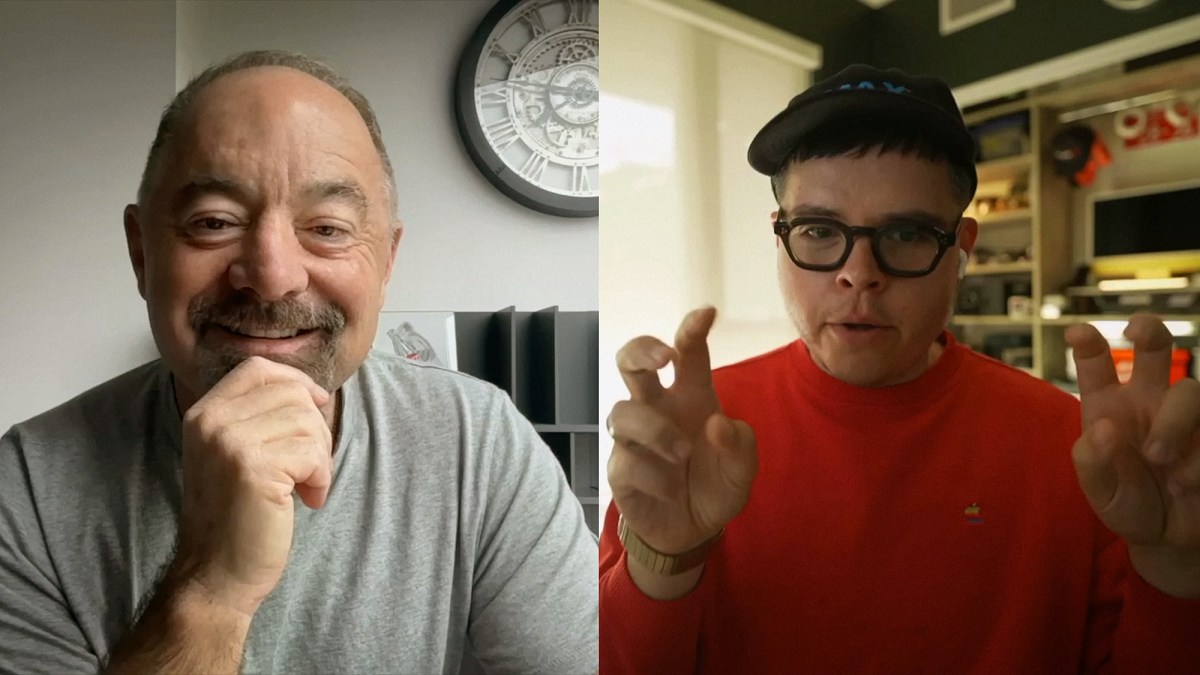
Cinematographer Jeff Cronenweth joins Movies We Like hosts Andy Nelson and Pete Wright to explore Ridley Scott’s groundbreaking 1982 film Blade Runner. As the son of the film’s original cinematographer, Jordan Cronenweth, Jeff brings a unique perspective on both the technical achievements and lasting influence of this sci-fi noir masterpiece. With his recent work on Tron: Ares hitting theaters, Cronenweth reflects on how Blade Runner continues to inspire filmmakers and cinematographers four decades later.

From early experiences on film sets with his father to becoming David Fincher’s go-to cinematographer on films like Fight Club, The Social Network, and The Girl with the Dragon Tattoo, Cronenweth has built a career focused on visual storytelling that serves character and narrative. He describes his approach as seeking human stories within any genre, whether period drama or science fiction. His transition from film to digital cinematography reflects broader industry changes, while maintaining his commitment to thoughtful, story-driven imagery.

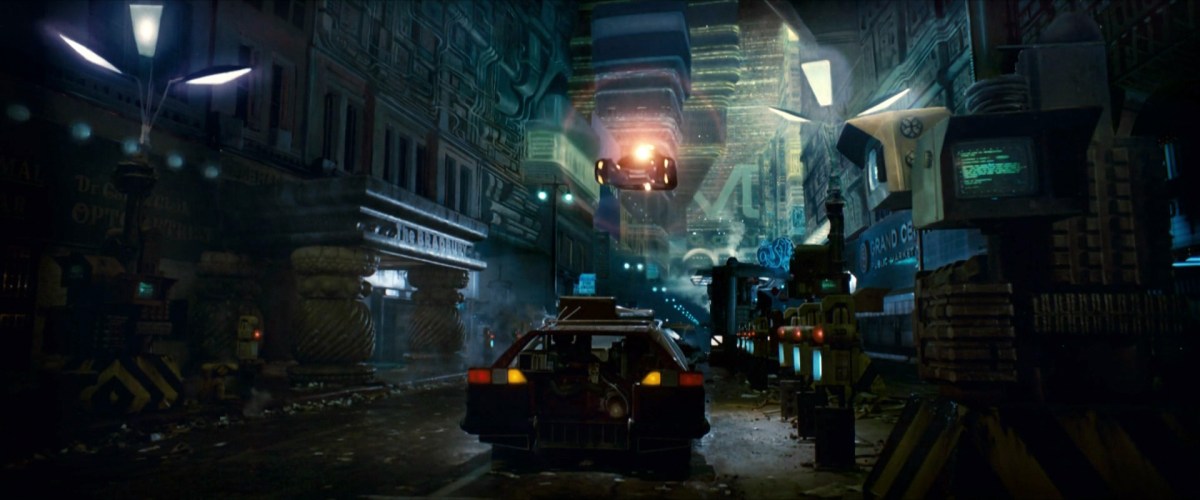
The conversation explores how Blade Runner created its influential neo-noir aesthetic with remarkably limited technical resources, including just three xenon lights for its iconic beam effects and borrowed neon lights from Francis Ford Coppola’s One from the Heart set. Cronenweth shares insights into the film’s production challenges and creative solutions, from practical lighting techniques to Ridley Scott’s visionary production design. The discussion examines how the film balances its high-concept science fiction premise with intimate character moments, creating a template for genre storytelling that continues to resonate. Cronenweth also offers a perspective on the various cuts of the film and its 2017 sequel.

Through this engaging conversation, Cronenweth illuminates not just the technical mastery behind Blade Runner, but its enduring impact on cinema. His unique connection to the film through his father, combined with his own distinguished career, offers viewers fresh insights into this landmark work of science fiction and its continuing influence on visual storytelling.

Listen to the podcast:

Apple Podcasts
Spotify
YouTube (Audio Only)

“Fight Club” Cinematographer Jeff Cronenweth ASC on his Career, Working with David Fincher, Shooting “Tron: Ares,” & More

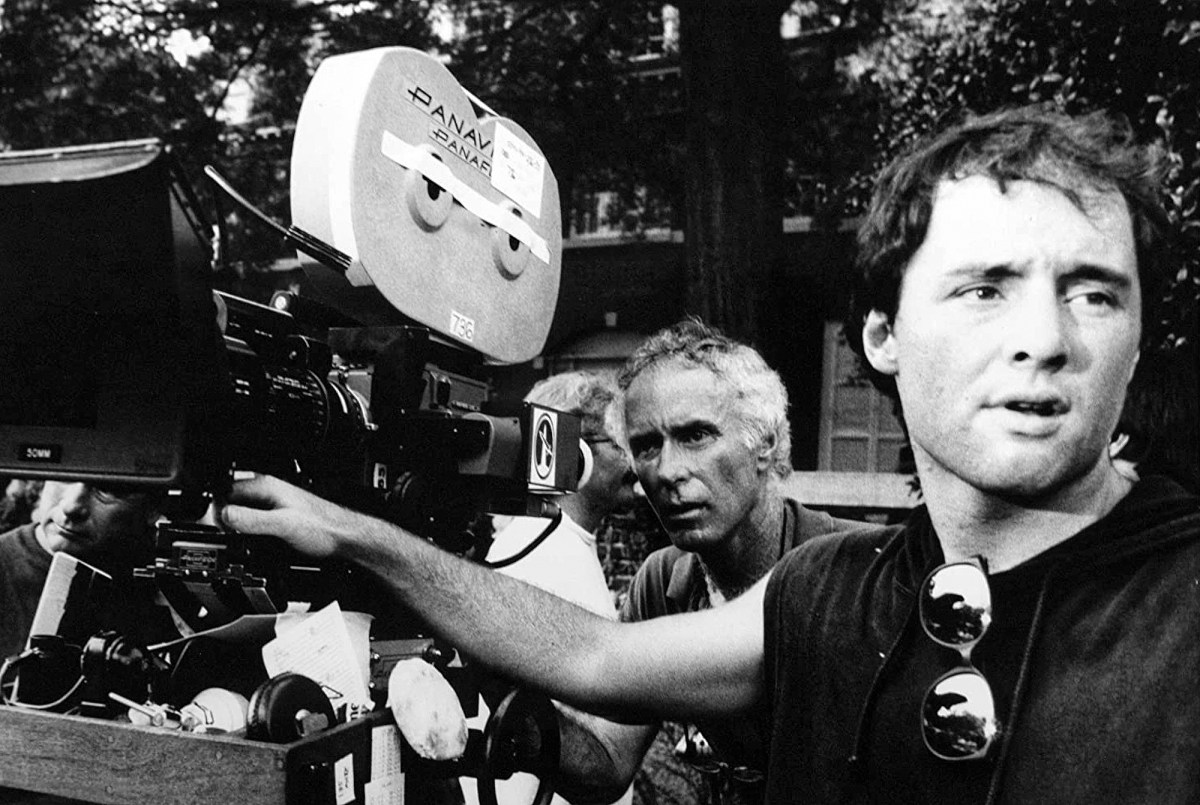
Jordan and Jeff Cronenweth on the set of Francis Ford Coppola‘s Gardens of Stone

Mike Valinsky
October 25, 2025
The Making Of

In this episode, we welcome two-time Oscar-nominated cinematographer Jeff Cronenweth, ASC. Jeff has shot films including Fight ClubOne Hour PhotoThe Social NetworkThe Girl with the Dragon TattooHitchcockGone GirlBeing the Ricardos, and Tron: Ares. In our chat, Jeff shares his origin story, experiences working with David Fincher — and all about his latest movie, Tron: Ares. He also offers extensive insights and recommendations for today’s cinematographers and filmmakers.

Listen to the podcast:

The Making Of (Substack)
Apple Podcasts

Spotify

Follow The Making Of: Instagram, Ex-Twitter

Follow Mike Valinsky: Instagram, Ex-Twitter

When the Movie Looks Insane: Jeff Cronenweth, ASC

Patrick Tomasso
October 19, 2025
patrick 2masso (YouTube)

Go behind the visuals of TRON: ARES with cinematographer Jeff Cronenweth, ASC – the mind behind the camera for films like The Social Network, The Girl with the Dragon Tattoo, and Gone Girl. We talk about the look of the new TRON film, his collaboration with director Joachim Rønning, shooting digitally on RED cameras, and how his decades-long partnership with David Fincher shaped his approach to modern cinematography.

If you’re into camera tech, lighting, or just want to know why TRON: ARES looks so good, this one’s for you.

Special thanks to RED Digital Cinema for setting this up.

Follow Patrick Tomasso on:

YouTube 1, YouTube 2, Instagram, Threads, X, TikTok, Letterboxd, LinkedIn

A Year To The Day

Remembering Aubrey Day (who would have rolled his eyes at this headline)

Nev Pierce
October 2 2025
The Fall Will Probably Kill You (Substack)

This is a story about my friend Aubrey, who died. It is also, inevitably, about me. This is possibly – definitely – self-involved, but the loss of someone is not abstract, or simply about someone’s inherent human worth, it is also about how stricken we are not to have them around, about what they meant to us, the part they played in our story.

Aubrey Day died a year ago, October 2, 2024. We had known each other 20 years, having met when I joined Total Film magazine, at Future Publishing. He was overseeing a few publications, but his passion was clearly movies and TV. He was a few years older than me, which in your 20s feels like a generation, and seemed debonair and certain, insanely confident and very, very clever. A few colleagues disliked him, not least because as well as being the smartest guy in the room, he was never especially shy about letting you know he was the smartest guy in the room. I just felt I had a lot to learn. And he was more than happy to teach. Not that he had a curriculum, or talked down to you (well, he didn’t always talk down to you), but he would present a problem and push you to solve it. It was a little sink or swim – he’d worked a bit in tabloids and had a tougher approach than the pally magazine world I was used to – but if he believed you could swim, that belief would buoy you.

Read the full article

The Fall Will Probably Kill You is a reader-supported publication. To receive new posts and support Nev Pierce‘s work, consider becoming a free or paid subscriber.

Watch the shorts by Nev Pierce, including Bricks, an Edgar Allan Poe adaptation starring Jason Flemyng and Blake Ritson, which David Fincher said about: “A morbid yet classy take on a morbid classic.”

Frame & Reference Podcast Extras: David Fincher’s Directors of Photography

Kenny McMillan
August 12, 2025
Frame & Reference

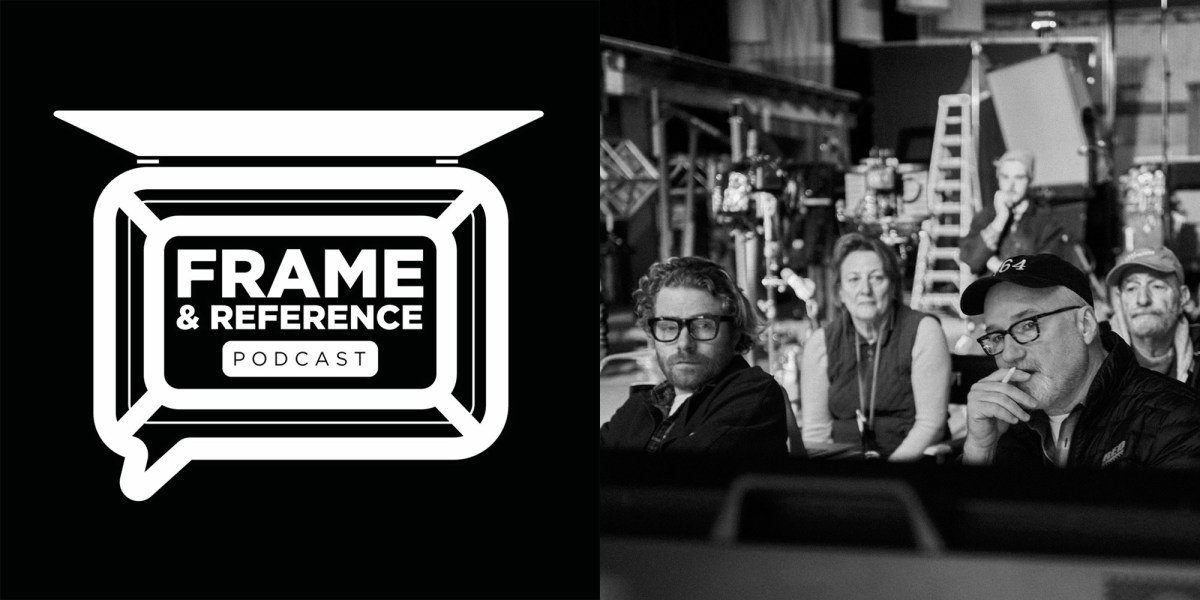
Frame & Reference is a conversation between Cinematographers hosted by Kenny McMillan. Each episode dives into the respective DP’s current and past work, as well as what influences and inspires them. These discussions are an entertaining and informative look into the world of making films through the lens of the people who shoot them.

This is a compilation of selections from past interviews with David Fincher‘s Directors of Photography, discussing their experiences working with him: Erik Messerschmidt, ASC (2022), Erik Messerschmidt, ASC (2024), Eigil Bryld (2023), Tim Ives, ASC (2021), Igor Martinovic and Vanja Černjul (2024), Jeff Cronenweth, ASC (2022).

Listen to the podcast:

Apple Podcasts
Spotify
YouTube

Support and follow the podcast: Patreon
Follow Frame & ReferenceYouTubeTwitterInstagram
Follow OWL BOTInstagram
Follow Kenny McMillanInstagram

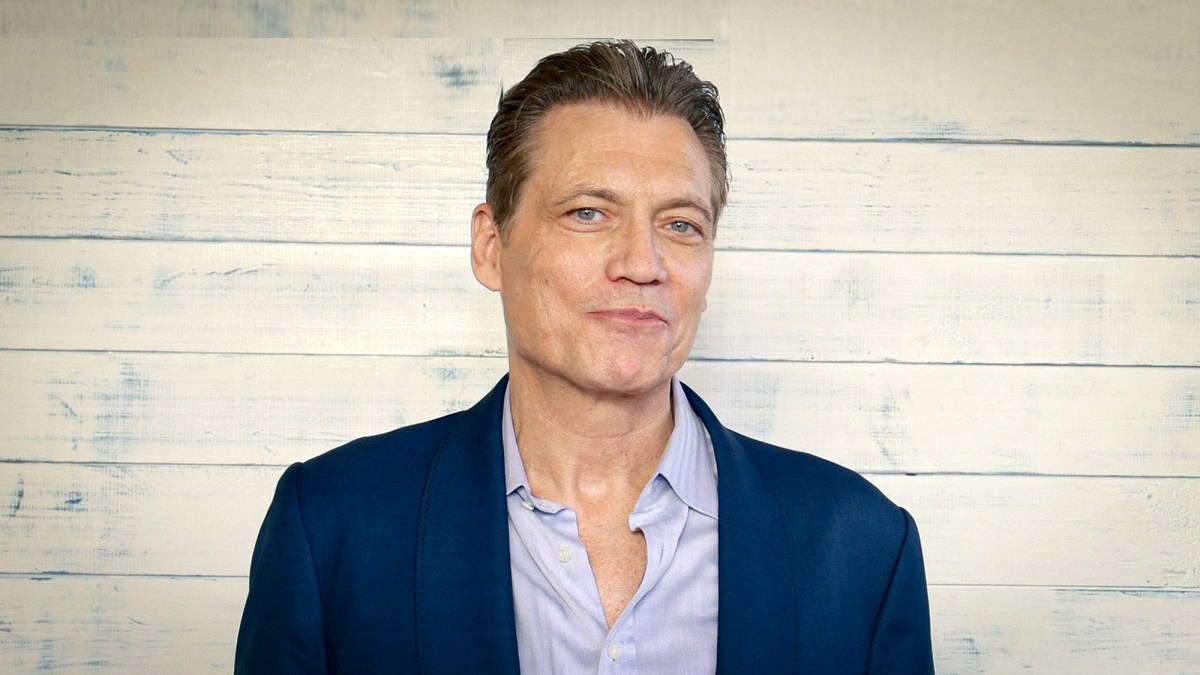
Holt McCallany on MINDHUNTER, David Fincher, and masculinity

With the critical success of MINDHUNTER, the Irish-born actor graduated from supporting tough guy parts in films like Fight Club to leading his own shows. As he prepares for the release of The Waterfront, he speaks to Annabel Nugent about his traditional parents, how he almost turned down Alien3 – and why for him, ‘chivalry is not dead’.

Annabel Nugent
June 19, 2025
The Independent

To hear Holt McCallany reel off his childhood heroes is to understand him a little better. “Steve McQueen, Burt Lancaster, Bob Mitchum, Gene Hackman, Jack Palance,” the actor says. “I loved Jack Palance. Lee Marvin. Charles Bronson.” He recites each name with cinematic gravitas and through semi-pursed lips as though he’s balancing an invisible cigarette out the corner of his mouth. “Those guys, they had this classic American… masculinity.”

The same can and has been said of McCallany, who at 61 has carved a career out of that same strong, silent archetype. He’s played parts on both sides of the law, including one tough guy unironically named Bullet. Bit parts in early David Fincher films like Alien3 and Fight Club introduced him as an excellent character actor, “that guy!” audiences are always happy to see, even if they may not know his name.

Fincher not only had his name, he had McCallany’s number, believing from the get-go that he was destined for bigger things, and eventually casting him as a lead in MINDHUNTER – the critically acclaimed Netflix neo-noir series about the FBI and serial killers. His performance as the straight-shooting, flat-top agent Bill Tench was so lauded, it inspired a think piece in Vulture titled: “Why MINDHUNTER’s Bill Tench Is So Lovable.” That article got to the crux also of what makes McCallany so, if not lovable, then watchable, because hand-in-hand with that stone-cold hardiness is an unexpected sensitivity. Flashes of openness where you’d expected a door slammed shut.

But McCallany downplays his part in the show’s success, attributing it instead to “the creative genius” behind the camera. He compares his role to that of a guest at a lavish dinner party: “There’s gorgeous tablecloths, beautiful crystal glasses, and delicious food. You just have to not spill food down your shirt and everybody goes, bravo!” It may sound like false humility, but in truth, there is a steely confidence to McCallany’s words: give him a good part, and he’ll do the rest.

Read the full profile

Sinnin’ Ain’t Easy: David Fincher on The Lasting Legacy of SE7EN’s Pervasive Horror

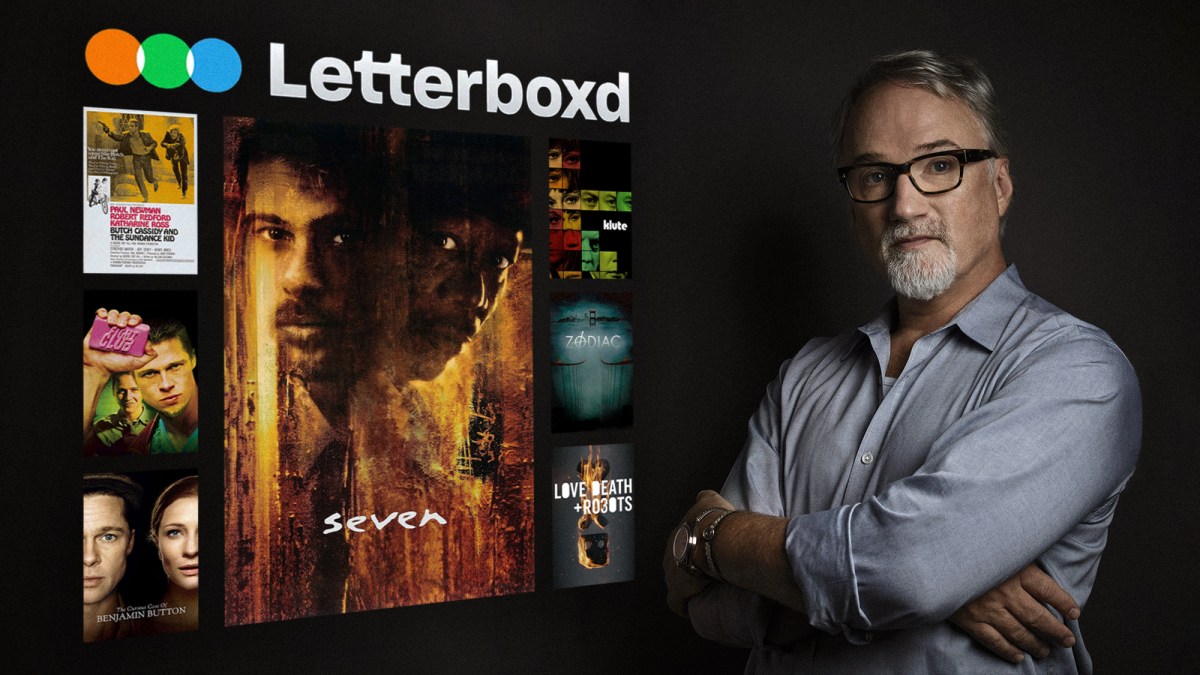
As SE7EN receives an anniversary release in IMAX theaters and on 4K UHD Blu-ray, David Fincher tells Mitchell Beaupre about the film’s enduring impact, Brad Pitt’s basketball ties, John Doe’s memorable entrance and more, including his personal favorite opening credit sequences.

Mitchell Beaupre
January 3, 2025
Letterboxd

Plenty of films want to sell us on the idea that sinning is fun. SE7EN is not that film. Drenched in the cold city rain, grime coming out from the sewers and onto the streets, cockroaches scattering behind furniture and paint peeling off the walls, in the world of Se7en there’s not much fun about life at all. And yet, since its release thirty years ago, David Fincher’s neo-noir-tinged detective thriller/serial killer horror has been a fan favorite, pulling in more than $327 million worldwide and firmly cementing a place on the Letterboxd Top 250 with a whopping 4.3 average rating. Not bad for a movie that makes you want to take a shower the minute you finish watching.

Beneath all of the shocking moments of grotesquerie as Detectives Mills (Brad Pitt) and Somerset (Morgan Freeman) track the meticulously orchestrated slaughters executed by John Doe (Kevin Spacey), SE7EN’s resonance comes from how it invites us to question the futility of feeling good about anything in this life. It’s the ultimate glass half full or half empty story, as these men see some of the worst that humankind is capable of every day, and Mills somehow retains a positive outlook while Somerset has lost all hope for society. Over the course of a week, these two develop a natural bond while their worldviews continuously clash. Director Jim Cummings writes in a Letterboxd review of SE7EN that “outside of the incredible craftsmanship displayed in its filmmaking, it’s an incredible character study with perfect fusion of character-comedy and detective-pornography.”

Cummings is one of many filmmakers who adore Fincher’s sophomore feature, which laid the foundation in 1995 for essentially every gnarly detective thriller that would come in the years to follow. “Easy to forget that this became the template for the genre it reinvented, but beyond that it’s a spectacular piece of provocation and confidence,” Matt writes, which Dirk echoes by saying, “The true star here is David Fincher. He has created an aesthetic that has been copied so many times, but has never really been equaled.” Dirk also opens his review by pondering, “It is always difficult to determine when you are ‘allowed’ to call a film a classic or a masterpiece,” then three paragraphs later ending with the declaration that SE7EN is, indeed, both.

So that settles that. Here’s my conversation with David Fincher.

Read the full interview

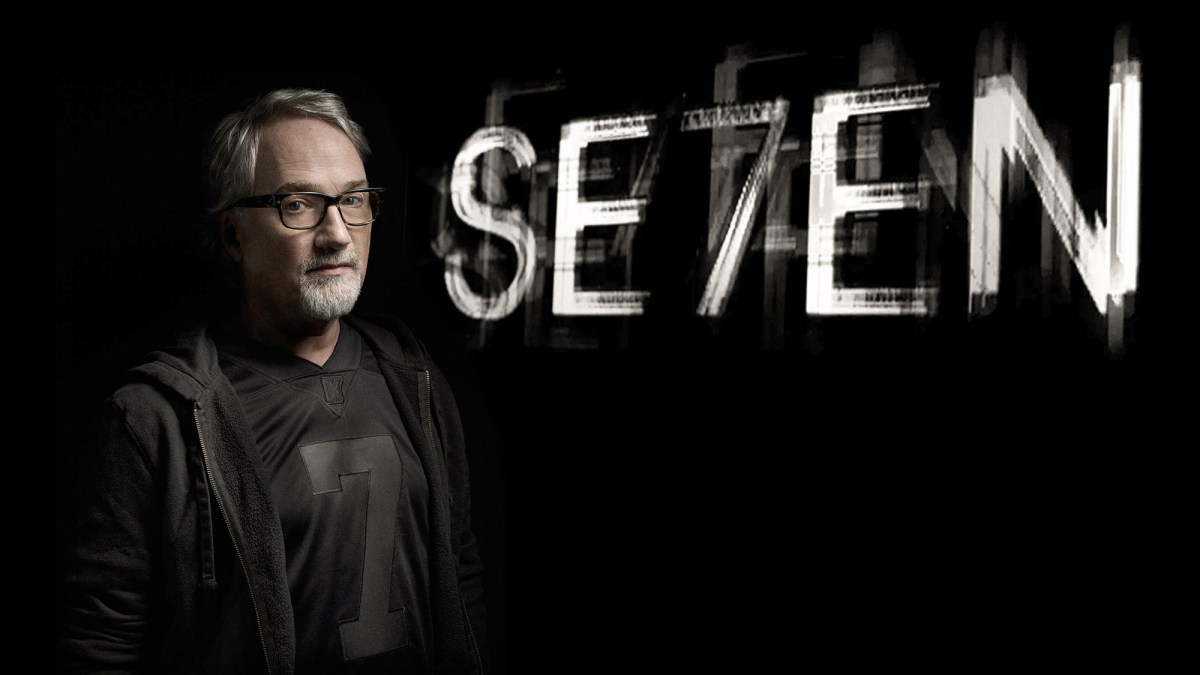
“The Most Thrillingly Stupid Fix in the World”: David Fincher Tells Us How He Restored SE7EN in 4K

Perri Nemiroff
January 2, 2025
Collider

It’s officially 2025, and that makes it the year of SE7EN’s 30th anniversary. Released in theaters on September 22, 1995, David Fincher’s second feature film enjoyed a successful run at the box office, scored an Academy Award nomination for Best Film Editing, a BAFTA nomination for Best Original Screenplay, and is still revered as top-tier cinema to this day.

The movie stars Morgan Freeman and Brad Pitt as detectives. Freeman’s William Somerset is a respected veteran on the verge of retirement, while Pitt’s David Mills is a recently transferred detective with loads of confidence, but lots to learn from Somerset. The pair is assigned to investigate a string of elaborate and ruthless murders, each one connected to one of the seven deadly sins.

In celebration of SE7EN’s release on 4K UHD on January 7, and also its first-ever IMAX release on January 3, I got the opportunity to get a peek behind the curtain of the restoration process courtesy of Fincher himself. He broke down the factors he must consider when choosing which of his films to restore, where he draws the line when making changes to the original film during this restoration process, how he used AI to pull off “the most thrillingly stupid fix in the world,” and loads more. You can read about all of that and his thoughts on his Netflix projects getting physical releases in the interview below.

Read the full interview

‘Fight Club’ Sound Designer Ren Klyce Revisits A Classic

Jack Giroux
October 29, 2024
Immersive Media

Fight Club is a cinematic time machine. The film captured the essence of 1999, and, 25 years later, filmmaker David Fincher‘s vision for Chuck Palahniuk‘s novel continues to resonate, cranking up its unsettling relevance in a commercialized and violent world.

The movie hits just as hard today as it did back then.

Fight Club remains as overwhelming as the narrator’s life. The sound is relentless; the world almost never quiets down. It’s a controlled yet unrelenting experience for the eyes and ears. Much of the credit goes to sound designer Ren Klyce, who is once again working on the film, remastering it with Fincher & Co. Before attending MPSE PresentsFight Club 25th Anniversary Screening, Klyce spoke with Immersive Media about his past and present experiences with Fight Club.

Read the full interview

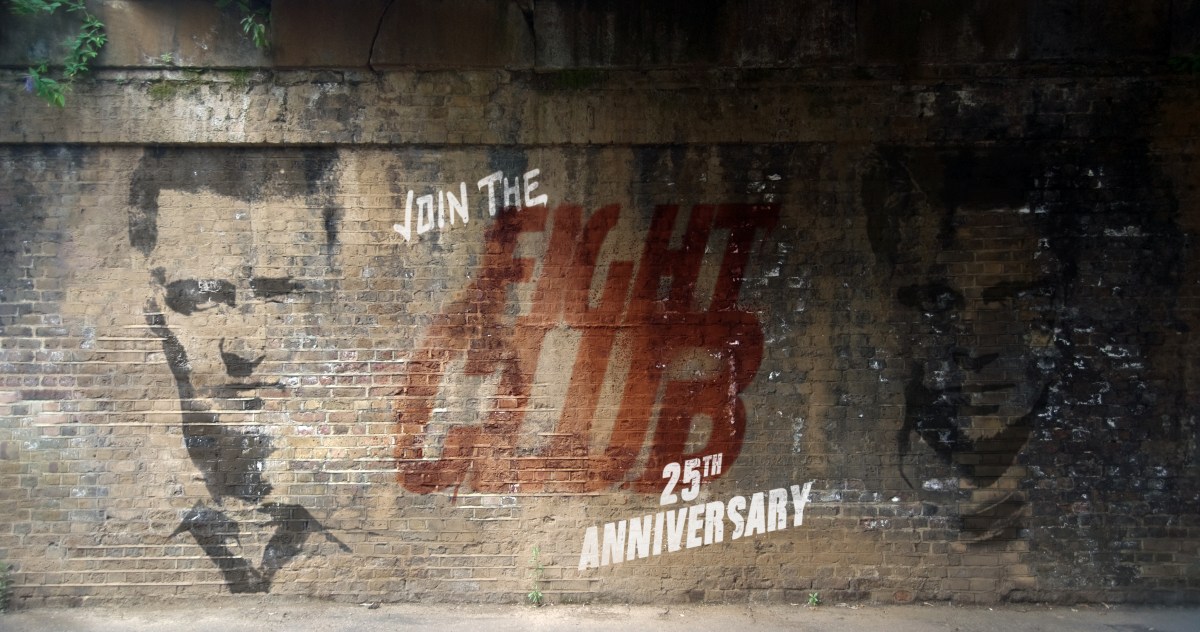
“Fight Club” Celebrates its 25th Anniversary with a 4K Remaster and an Art Book

“WELL, MAYBE IT’S TIME TO TALK ABOUT… 👊”

Or so says the mysterious account that discreetly appeared on Instagram on October 15, the 25th Anniversary of Fight Club.

Now, New Regency and 20th Century Studios have officially announced that the subversive film, based on Chuck Palahniuk’s satirical novel, has been “meticulously remastered” in 4K under the supervision of David Fincher, “offering audiences the chance to experience the film with sharper detail than ever before.”

We will be able to experience the new remaster in 2025, in a theatrical re-release and 4K UHD HDR Streaming and Blu-ray releases.

Insight Editions, in partnership with New Regency, is releasing a companion art book (announced on THE FINCHER ANALYST last year), “a collector’s piece, that includes new interviews, unearthed visuals, original artwork, and rare behind-the-scenes material, offering fans the deepest look yet into the making of the film and its enduring legacy.”

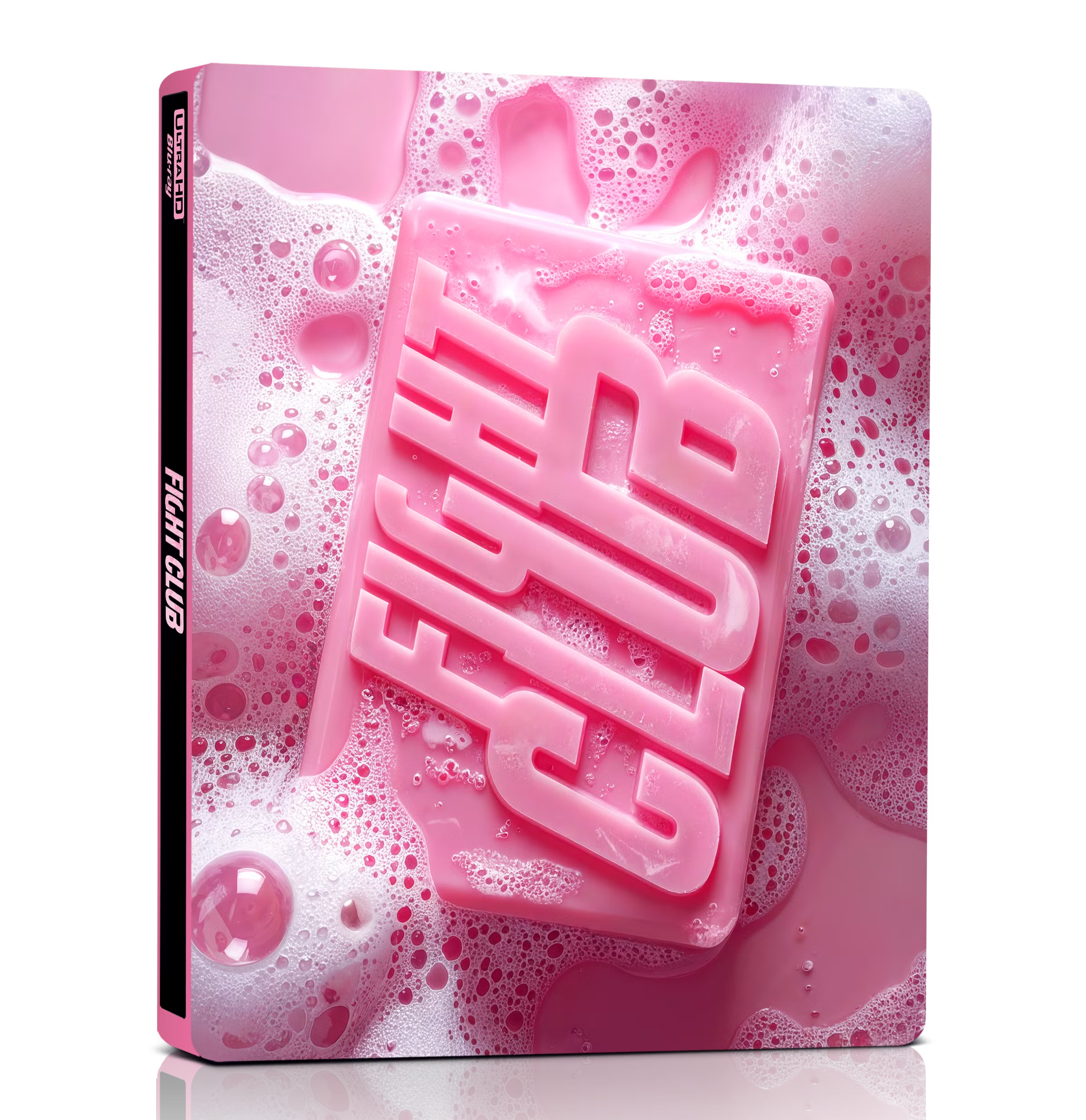
Fight Club is an enduring symbol of cinematic innovation, with its exploration of identity, masculinity, and consumerism continuing to resonate with audiences.”