Sinnin’ Ain’t Easy: David Fincher on The Lasting Legacy of SE7EN’s Pervasive Horror

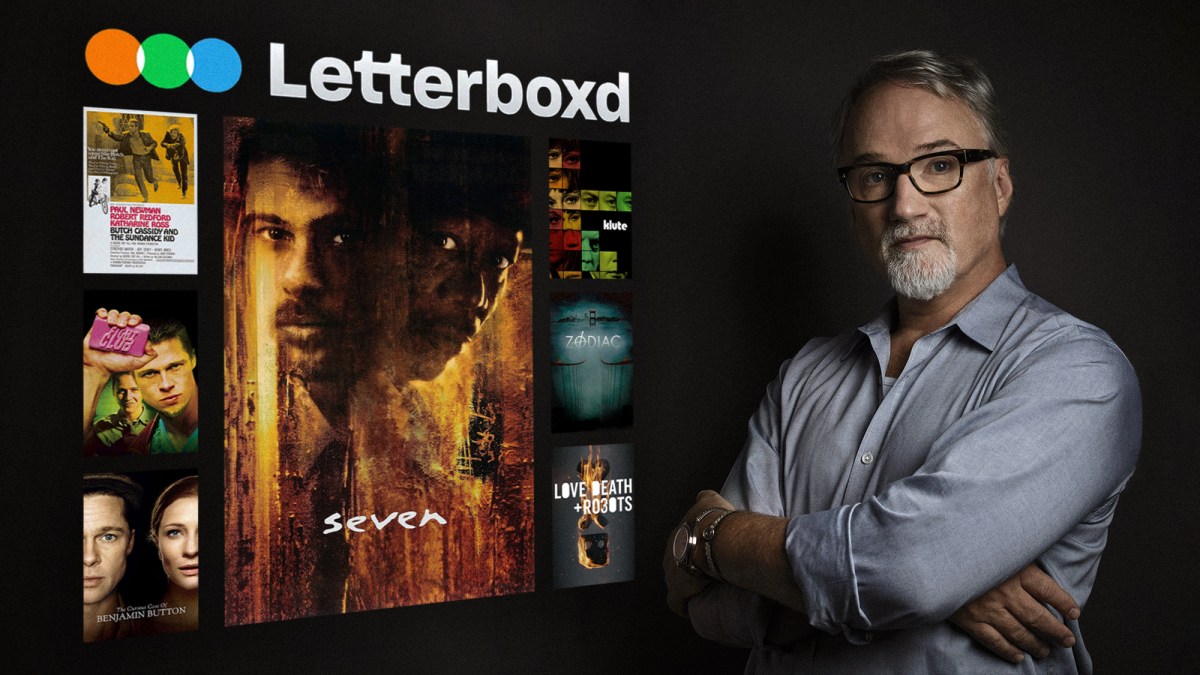
As SE7EN receives an anniversary release in IMAX theaters and on 4K UHD Blu-ray, David Fincher tells Mitchell Beaupre about the film’s enduring impact, Brad Pitt’s basketball ties, John Doe’s memorable entrance and more, including his personal favorite opening credit sequences.

Mitchell Beaupre
January 3, 2025
Letterboxd

Plenty of films want to sell us on the idea that sinning is fun. SE7EN is not that film. Drenched in the cold city rain, grime coming out from the sewers and onto the streets, cockroaches scattering behind furniture and paint peeling off the walls, in the world of Se7en there’s not much fun about life at all. And yet, since its release thirty years ago, David Fincher’s neo-noir-tinged detective thriller/serial killer horror has been a fan favorite, pulling in more than $327 million worldwide and firmly cementing a place on the Letterboxd Top 250 with a whopping 4.3 average rating. Not bad for a movie that makes you want to take a shower the minute you finish watching.

Beneath all of the shocking moments of grotesquerie as Detectives Mills (Brad Pitt) and Somerset (Morgan Freeman) track the meticulously orchestrated slaughters executed by John Doe (Kevin Spacey), SE7EN’s resonance comes from how it invites us to question the futility of feeling good about anything in this life. It’s the ultimate glass half full or half empty story, as these men see some of the worst that humankind is capable of every day, and Mills somehow retains a positive outlook while Somerset has lost all hope for society. Over the course of a week, these two develop a natural bond while their worldviews continuously clash. Director Jim Cummings writes in a Letterboxd review of SE7EN that “outside of the incredible craftsmanship displayed in its filmmaking, it’s an incredible character study with perfect fusion of character-comedy and detective-pornography.”

Cummings is one of many filmmakers who adore Fincher’s sophomore feature, which laid the foundation in 1995 for essentially every gnarly detective thriller that would come in the years to follow. “Easy to forget that this became the template for the genre it reinvented, but beyond that it’s a spectacular piece of provocation and confidence,” Matt writes, which Dirk echoes by saying, “The true star here is David Fincher. He has created an aesthetic that has been copied so many times, but has never really been equaled.” Dirk also opens his review by pondering, “It is always difficult to determine when you are ‘allowed’ to call a film a classic or a masterpiece,” then three paragraphs later ending with the declaration that SE7EN is, indeed, both.

So that settles that. Here’s my conversation with David Fincher.

Read the full interview

“The Most Thrillingly Stupid Fix in the World”: David Fincher Tells Us How He Restored SE7EN in 4K

Perri Nemiroff
January 2, 2025
Collider

It’s officially 2025, and that makes it the year of SE7EN’s 30th anniversary. Released in theaters on September 22, 1995, David Fincher’s second feature film enjoyed a successful run at the box office, scored an Academy Award nomination for Best Film Editing, a BAFTA nomination for Best Original Screenplay, and is still revered as top-tier cinema to this day.

The movie stars Morgan Freeman and Brad Pitt as detectives. Freeman’s William Somerset is a respected veteran on the verge of retirement, while Pitt’s David Mills is a recently transferred detective with loads of confidence, but lots to learn from Somerset. The pair is assigned to investigate a string of elaborate and ruthless murders, each one connected to one of the seven deadly sins.

In celebration of SE7EN’s release on 4K UHD on January 7, and also its first-ever IMAX release on January 3, I got the opportunity to get a peek behind the curtain of the restoration process courtesy of Fincher himself. He broke down the factors he must consider when choosing which of his films to restore, where he draws the line when making changes to the original film during this restoration process, how he used AI to pull off “the most thrillingly stupid fix in the world,” and loads more. You can read about all of that and his thoughts on his Netflix projects getting physical releases in the interview below.

Read the full interview

‘Fight Club’ Sound Designer Ren Klyce Revisits A Classic

Jack Giroux
October 29, 2024
Immersive Media

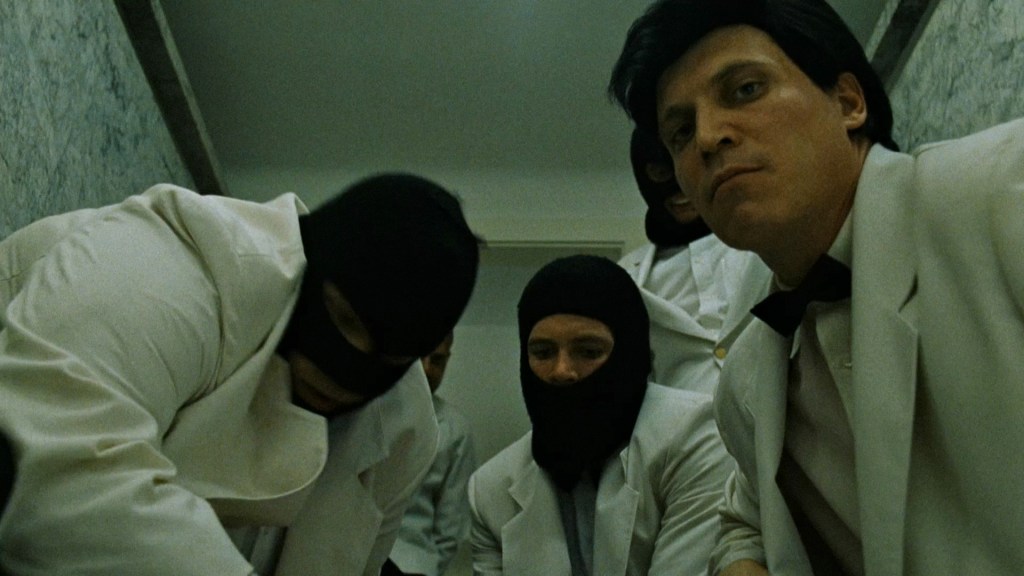
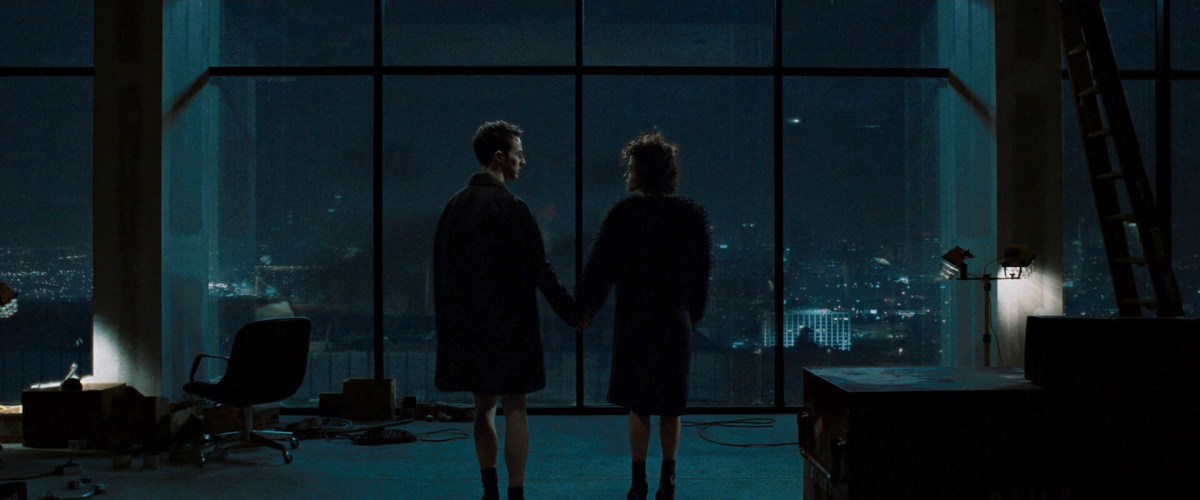
Fight Club is a cinematic time machine. The film captured the essence of 1999, and, 25 years later, filmmaker David Fincher‘s vision for Chuck Palahniuk‘s novel continues to resonate, cranking up its unsettling relevance in a commercialized and violent world.

The movie hits just as hard today as it did back then.

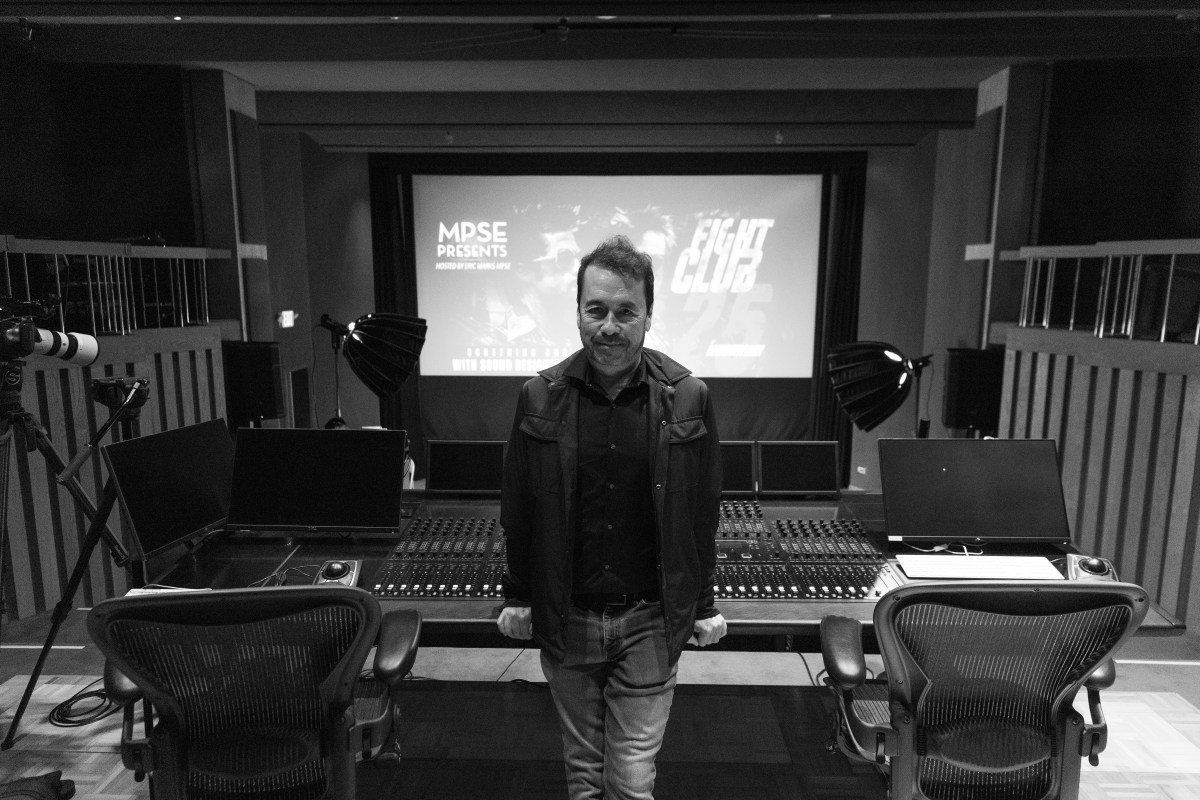
Fight Club remains as overwhelming as the narrator’s life. The sound is relentless; the world almost never quiets down. It’s a controlled yet unrelenting experience for the eyes and ears. Much of the credit goes to sound designer Ren Klyce, who is once again working on the film, remastering it with Fincher & Co. Before attending MPSE PresentsFight Club 25th Anniversary Screening, Klyce spoke with Immersive Media about his past and present experiences with Fight Club.

Read the full interview

“Fight Club” Celebrates its 25th Anniversary with a 4K Remaster and an Art Book

“WELL, MAYBE IT’S TIME TO TALK ABOUT… 👊”

Or so says the mysterious account that discreetly appeared on Instagram on October 15, the 25th Anniversary of Fight Club.

Now, New Regency and 20th Century Studios have officially announced that the subversive film, based on Chuck Palahniuk’s satirical novel, has been “meticulously remastered” in 4K under the supervision of David Fincher, “offering audiences the chance to experience the film with sharper detail than ever before.”

We will be able to experience the new remaster in 2025, in a theatrical re-release and 4K UHD HDR Streaming and Blu-ray releases.

Insight Editions, in partnership with New Regency, is releasing a companion art book (announced on THE FINCHER ANALYST last year), “a collector’s piece, that includes new interviews, unearthed visuals, original artwork, and rare behind-the-scenes material, offering fans the deepest look yet into the making of the film and its enduring legacy.”

Fight Club is an enduring symbol of cinematic innovation, with its exploration of identity, masculinity, and consumerism continuing to resonate with audiences.”

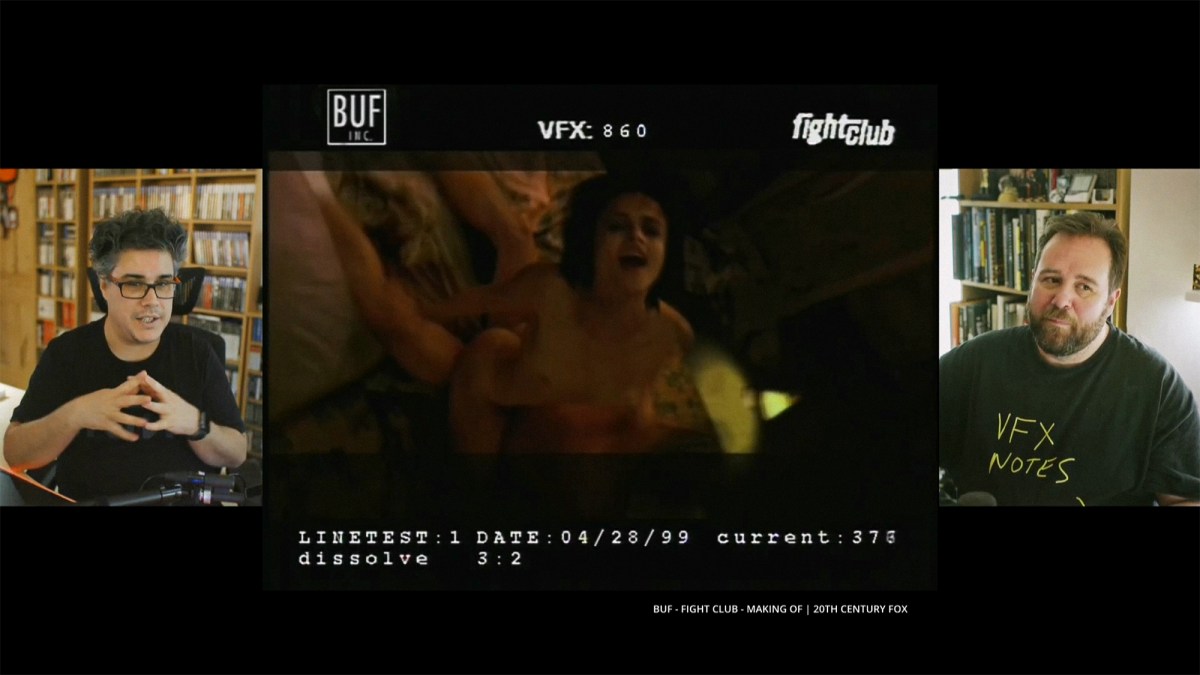
VFX Notes: Fight Club 25th Anniversary. CGI, photogrammetry, fat suits and soap

Hugo Guerra & Ian Failes
October 15, 2022
Hugo’s Desk / befores & afters

David Fincher’s glorious, mysterious, spectacular Fight Club has just turned 25! A new VFX Notes episode with Hugo Guerra and Ian Failes looks back at the film, and breaks down the incredible, invisible visual effects work.

We dive deep into the photogrammetry side of things from BUF, and look at the variety of work from Digital Domain, the penguin from Blue Sky (!), plus VFX from other vendors. It was an extraordinary achievement from visual effects designer Kevin Tod Haug to oversee this work.

Check out the video below which includes a whole range of behind the scenes and VFX breakdowns.

Chapters:
00:00:00: Intro
00:00:40: A word from our sponsors
00:01:50: The podcast begins
00:04:52: Our first viewing of FIGHT CLUB
00:11:56: The DVD is like film school
00:28:47: Jeff Cronenweth and the visual style
00:37:23: The manny takes of Fincher
00:41:27: Kevin Tod Haug’s amazing work
00:43:20: It would be nominated if it was today
00:45:24: Shaders and radiosity
00:48:03: Photogrammetry and BUF
00:53:07: Previz
00:57:08: The virtual camera moves like the kitchen scenes
01:00:45: BUF VFX and the sex shots
01:06:19: The age of CG tests
01:09:48: The plane crash
01:13:48: High rise collapse
01:21:49: Having fewer artists for a longer time
01:23:49: Peter Ramnsey’s animatics
01:24:23: The cave animal
01:27:08: One of the first behind the scenes featuring HDR spheres and grey balls
01:31:03: The Titanic breath leftovers
01:33:15: The gunshot
01:37:14: The Furni shot
01:39:44: The opening credits
01:45:43: Meat Loaf’s Fat Suit
01:50:00: Members and Patreon credits

Watch the “age-restricted” Fight Club VFX breakdown by BUF:
YouTube
BUF.com

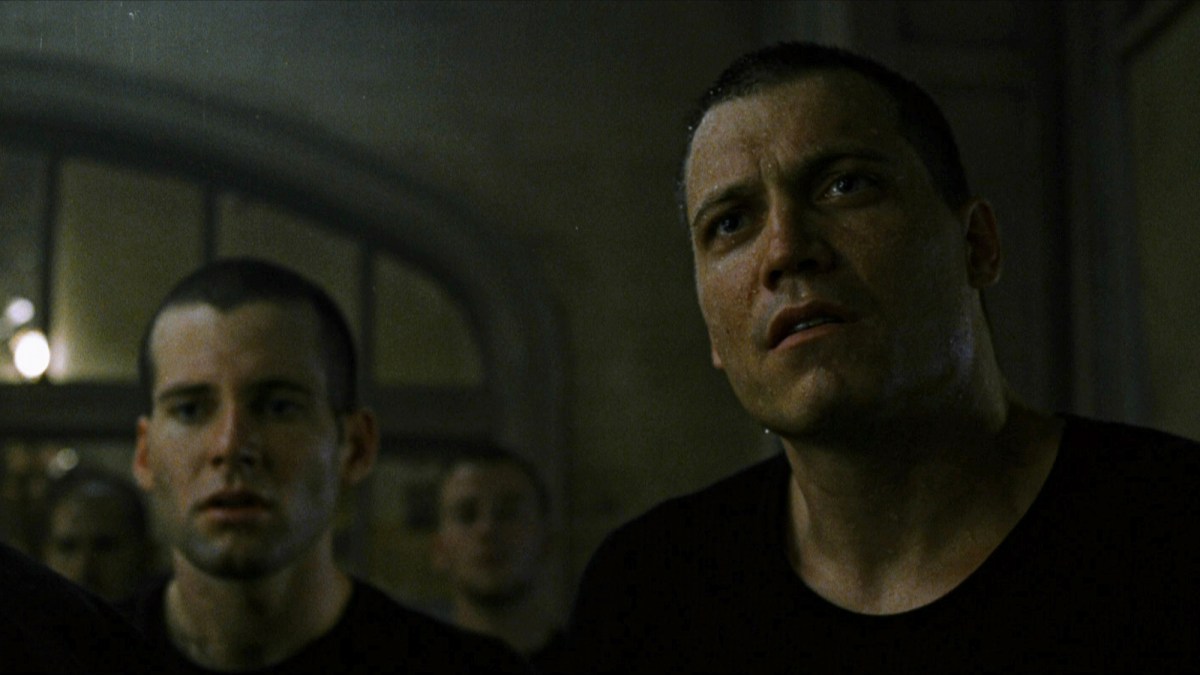
Holt McCallany Answers Every Question We Have About “Fight Club”

By Roxana Hadadi, a Vulture TV critic who also covers film and pop culture
October 16, 2024
Vulture

Holt McCallany can talk for a long time about filmmaker David Fincher, with whom he’s worked three times. On the beloved crime-thriller series Mindhunter, which was unexpectedly canceled by Netflix after its second season. On Alien 3, the prison-planet sequel that was Fincher’s directorial debut and so plagued with interference from 20th Century Fox that Fincher wouldn’t talk about the movie for years. And on Fight Club, the cult classic that has been misinterpreted in bad faith since it came out 25 years ago. McCallany can mimic Fincher’s tone and jokingly recites his advice from years on set together. And he can just as vividly recall a grudge he’s harbored since the movie’s release.

“I remember sitting in a dentist’s office, and the TV happened to be The Rosie O’Donnell ShowShe’s talking about Fight Club and she says, ‘Whatever you do, don’t see Fight Club. It’s demented, it’s depraved. I don’t think I’ve ever hated a movie more.’ I’m thinking, Gee, Rosie. Do we go on TV and bad-mouth your show? Is this really necessary, this kind of abuse?” McCallany says. “It angered me. I won’t pretend otherwise, because we were very proud of the film, we had worked very hard on the film, and we were very loyal to David.”

In Fincher’s adaptation of Chuck Palahniuk’s novel, McCallany plays The Mechanic, a devoted follower of anarchist philosopher Tyler Durden (Brad Pitt) whose unflinching glare and menacing physicality are always in service of Durden’s anti-consumerist ideas. McCallany exudes such certainty of self that once you notice the Mechanic cheering in the background of fight scenes, doing chores in The Narrator (Edward Norton) and Durden’s dilapidated mansion, or threatening to “take” a police commissioner’s testicles with a knife, you’ll keep looking for him, wondering what those wild eyes and set jaw are getting up to. The Mechanic tightened McCallany’s relationship with Fincher (who had previously wanted him for a small role in Se7en), and his melancholy-yet-adamant delivery of the film’s iconic mantra — “His name was Robert Paulson” — indicated how fully he could inhabit heavies with a heart.

Read the full interview

With Your Feet in the Air and Your Head on the Ground

I am Travis’ Essay on Love, Sex, Masculinity, and Fight Club

Travis Woods
March 2024
Bright Wall/Dark Room: Issue 129: 1999


A dark room. Two bodies in the center, colliding beneath the amber haze of a single hanging light bulb.

The first rule of watching Fight Club is: the film is not misogyny-pumped propaganda for incels.

All you can hear are flat, hard packing sounds over yelling.

The second rule of watching Fight Club is: the film is NOT misogyny-pumped propaganda for incels.

Muscles ripple. Lips pull back from teeth like swollen window shades. 

Third rule of watching Fight Club: it’s not an anti-capitalist tract; it’s not really a consumer critique.

The wet choke of a gasp. Snorting bull-breath plumes of carbon dioxide exhale from one face into another.

Fourth rule: it’s not even an indictment of white-collar workplace drudgery at the end of the 20th century.

An arm wraps around a neck from behind, the crude approximation of a desperate headlock.

Fifth rule: it’s not a movie in support of anarchism, fascism, terrorism, or any other –ism.

That arm slips upward from all the sweat and the momentum, catching the other’s lip, hard.

Sixth rule: of all things, it’s a film about taking responsibility.

That lip bursts. An arc of spit, braided with a little bit of blood, sprays out into the darkness in a bubbly pink froth. For some reason, they both think of soap when they see this. And smile.

Seventh rule: it’s about a boy terrified of a girl, and of what she might mean for him. Mean to him.

The two bodies fall back down onto the sweat-softened mattress as one. This rawboned man, this bedraggled woman. She pretzels her legs around his hips, his laughing mouth is pulled to hers.

And the eighth and final rule of watching Fight Club: this is a fucking love story.

Read the full essay

Dave Macomber, Stunt Coordinator: Visualising a Fight for David Fincher, Unreal Engine & VFX

Hollywood Stunt Coordinator & VFX Artist Dave Macomber discusses pre-visualizing the fight sequence for David Fincher’s The Killer and his new Unreal Engine project.

Jamie Bakewell
April 11, 2024
The VFX Process (Bigtooth Studios)

Dave Macomber is an award-winning stunt/fight coordinator and second-unit director in the film industry. With a passion for Visual Effects (VFX), Dave seamlessly incorporates VFX elements into his stunt visualizations, providing a comprehensive template for directors and the rest of the crew.

Having worked on iconic blockbusters like Transformers, HBO‘s Watchmen, and numerous Marvel Cinematic Universe films, Dave’s expertise shines through. Just a glance at his IMDB page showcases his impressive portfolio.

In his latest project for David Fincher‘s The Killer, Dave coordinated a gripping 6-minute fight sequence shot mostly in darkness. Join him as he shares insights into working with David Fincher, revealing that Fincher is an extremely collaborative director, and how his background as a VFX artist dictates his approach to photographing sequences in his movies.

‘Killer vs Brute’ exemplifies Dave’s mastery in delivering high-impact action sequences. Even though the scene turned out to be a success, Dave states that it was “the most intimidating thing I’ve ever done in my career.”

Venturing into Unreal Engine filmmaking during his spare time, Dave’s creativity knows no bounds. Last year, he unveiled The Ronin, his first Unreal Engine short film, showcasing a fight scene performed entirely by himself, using Rokoko Motion Capture technology. Now, with The Widow: Assassins Highway, Dave enlists a team of Marvel stunt performers to help him capture the stunts and elevate the action.

This episode offers a captivating glimpse into the VFX pipeline, the Hollywood stunt process, and Unreal Engine filmmaking.

Listen to the extended version of the conversation as a podcast:

Apple Podcasts
Spotify

Follow The VFX Process (Bigtooth Studios): Website, YouTube, Instagram, Ex-Twitter, Discord, Linkedin

Follow Dave Macomber: Instagram, YouTube, Twitter

How Laray Mayfield Became Director David Fincher’s Go-to Casting Director

Neil Turitz
March 1, 2024
Casting Networks

Laray Mayfield got into casting the way a lot of other professionals got into it, by accident.

She was doing another job and someone said, “Hey, you should do this,” and once she did, it stuck. That’s not an unusual story. What makes this unusual is that the person who told her is arguably the best American filmmaker working today, David Fincher, with whom she’s been working for nearly 40 years.

Mayfield has since built an impressive career, with an Emmy award for the first season of House of Cards and two Artios awards —the highest honor the Casting Society offers— to her name. Her latest collaboration with Fincher, The Killer, is streaming on Netflix. She spoke with us from her home in Nashville.

Read the full interview

Why “Shot On iPhone” Commercials Look So Good! Ft. Claudio Miranda

Gene Nagata
February 5, 2024
Potato Jet

Huge Shoutout to Claudio Miranda & the Crew.

Claudio Miranda, Director of Photography, ASC ACC: Instagram
Josh Davis, Gaffer
Yong Ok Lee, Production Designer
Robert Smathers, 1st AC
Angie Su, Director

Phone rigged by TILTA Khronos (still in development) but will be available publicly soon.