Frame & Reference is a conversation between Cinematographers hosted by Kenny McMillan. Each episode dives into the respective DP’s current and past work, as well as what influences and inspires them. These discussions are an entertaining and informative look into the world of making films through the lens of the people who shoot them.
Miles Perkins, Industry Manager, Epic Games July 28, 2025 Unreal Engine
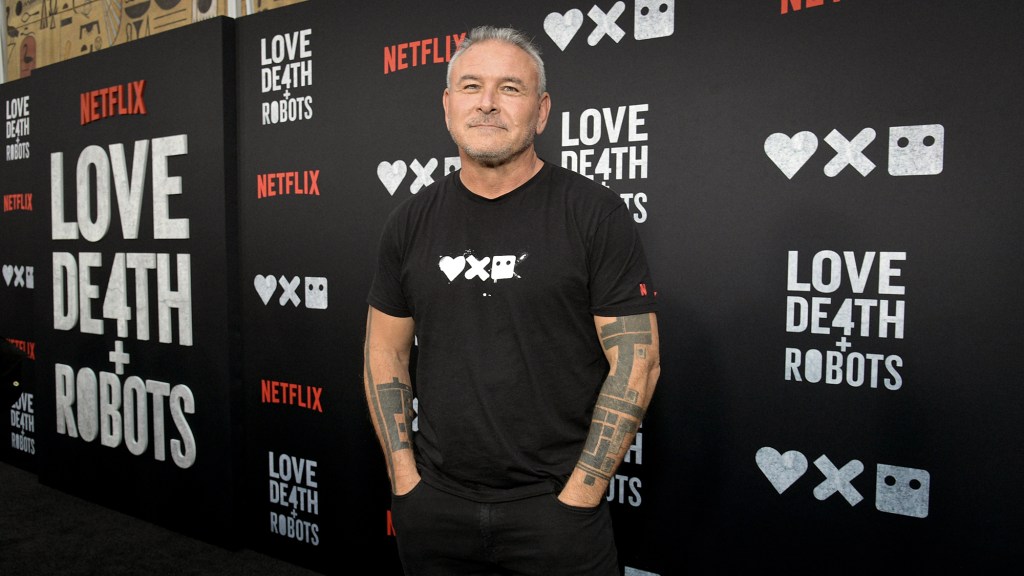
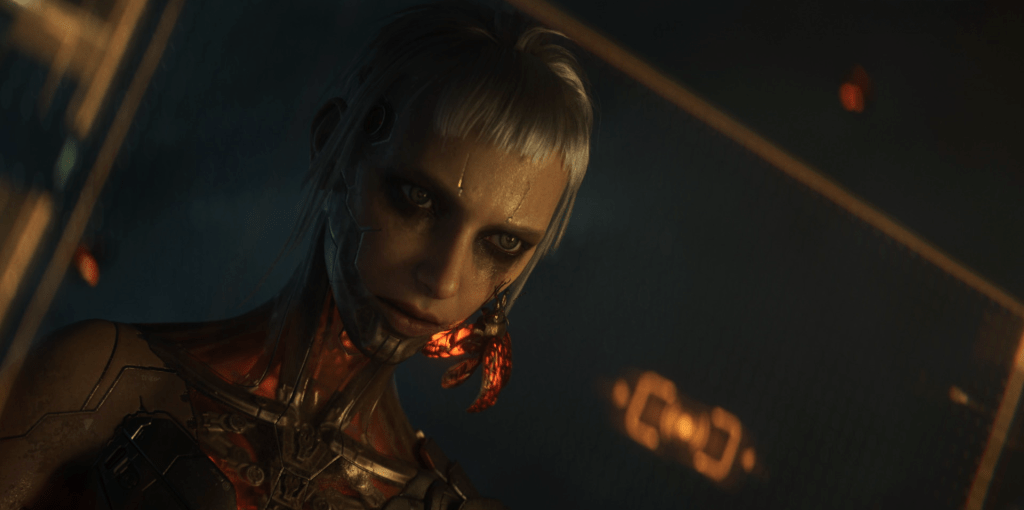
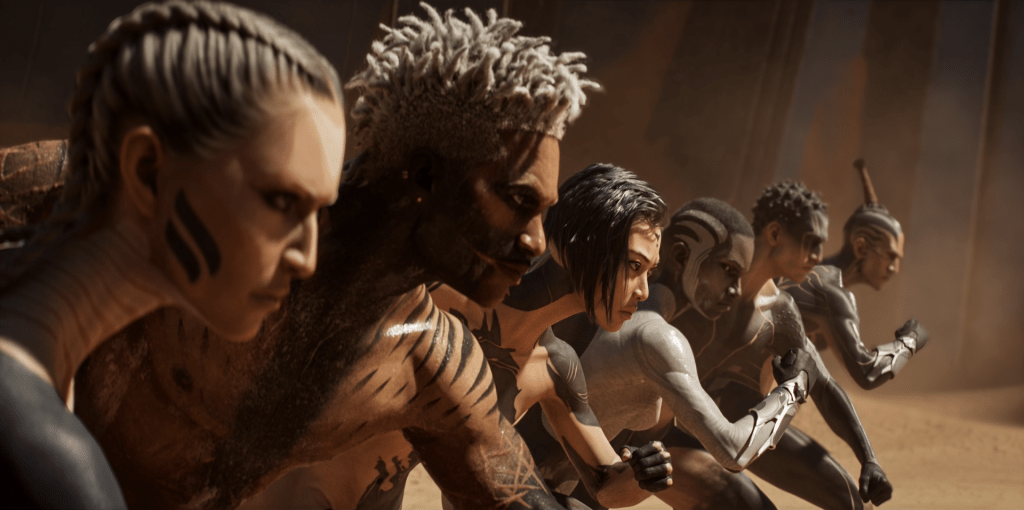
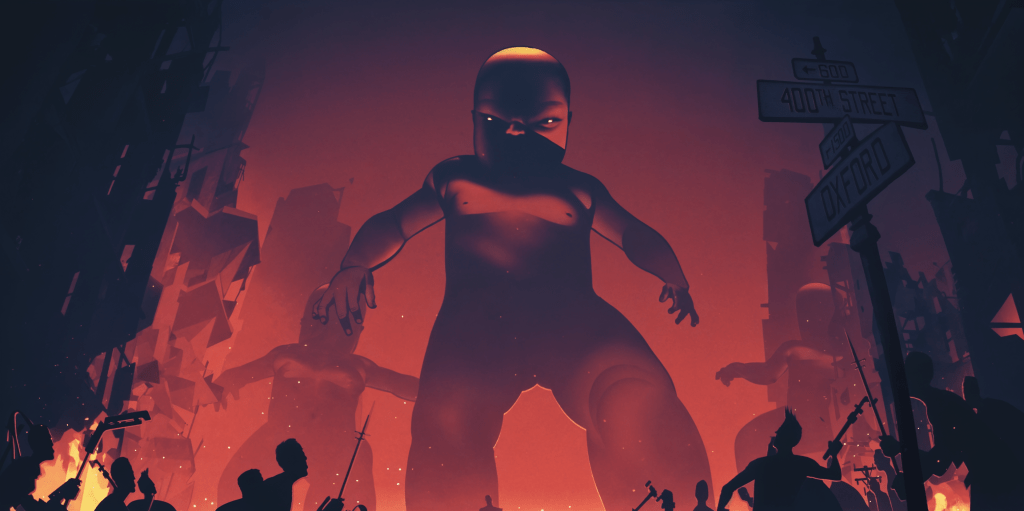
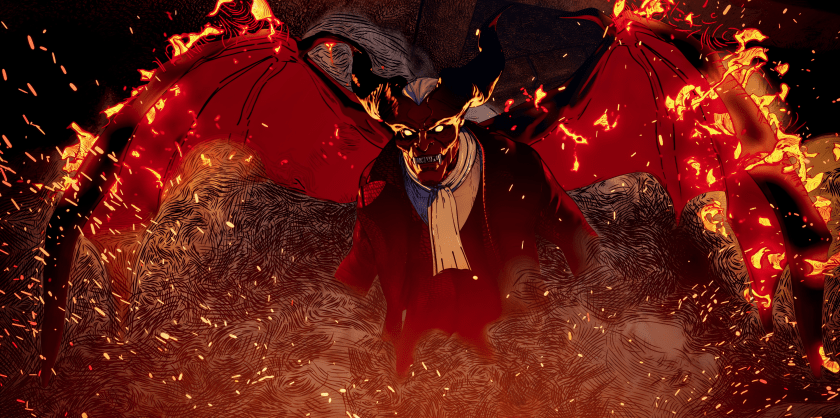
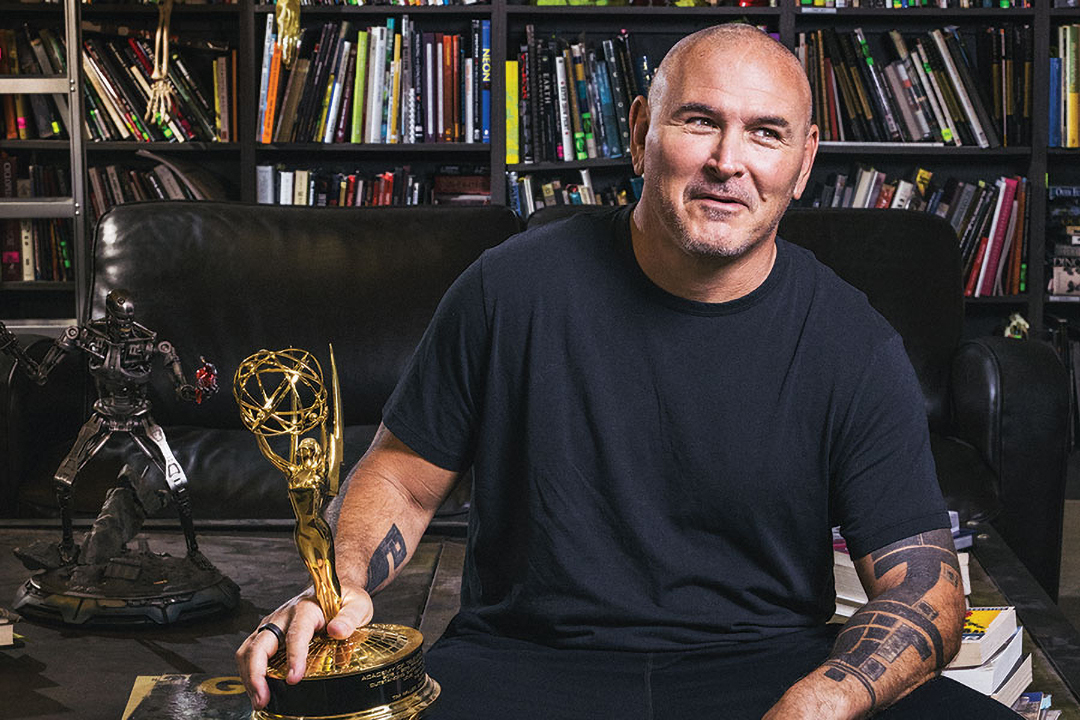
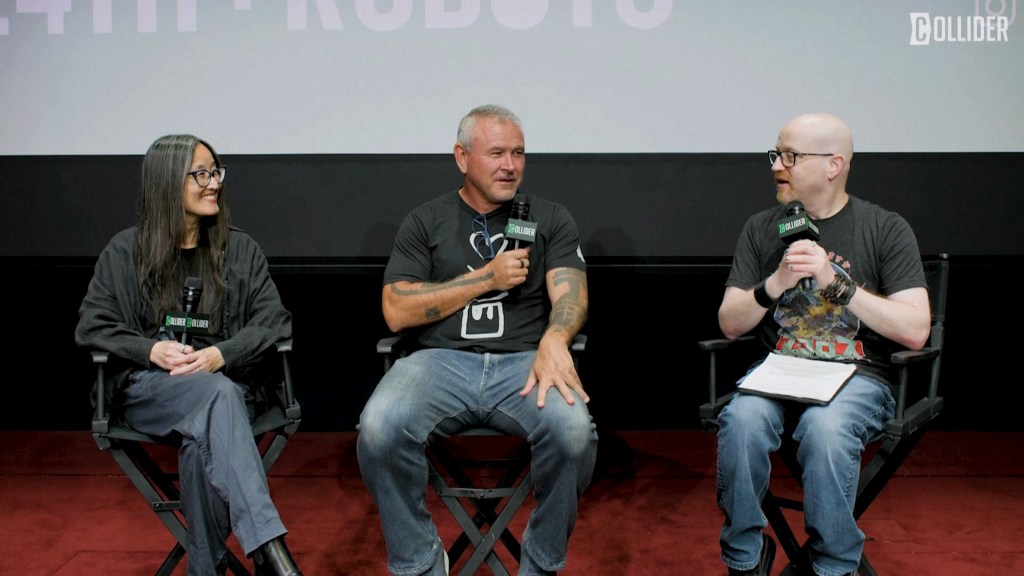
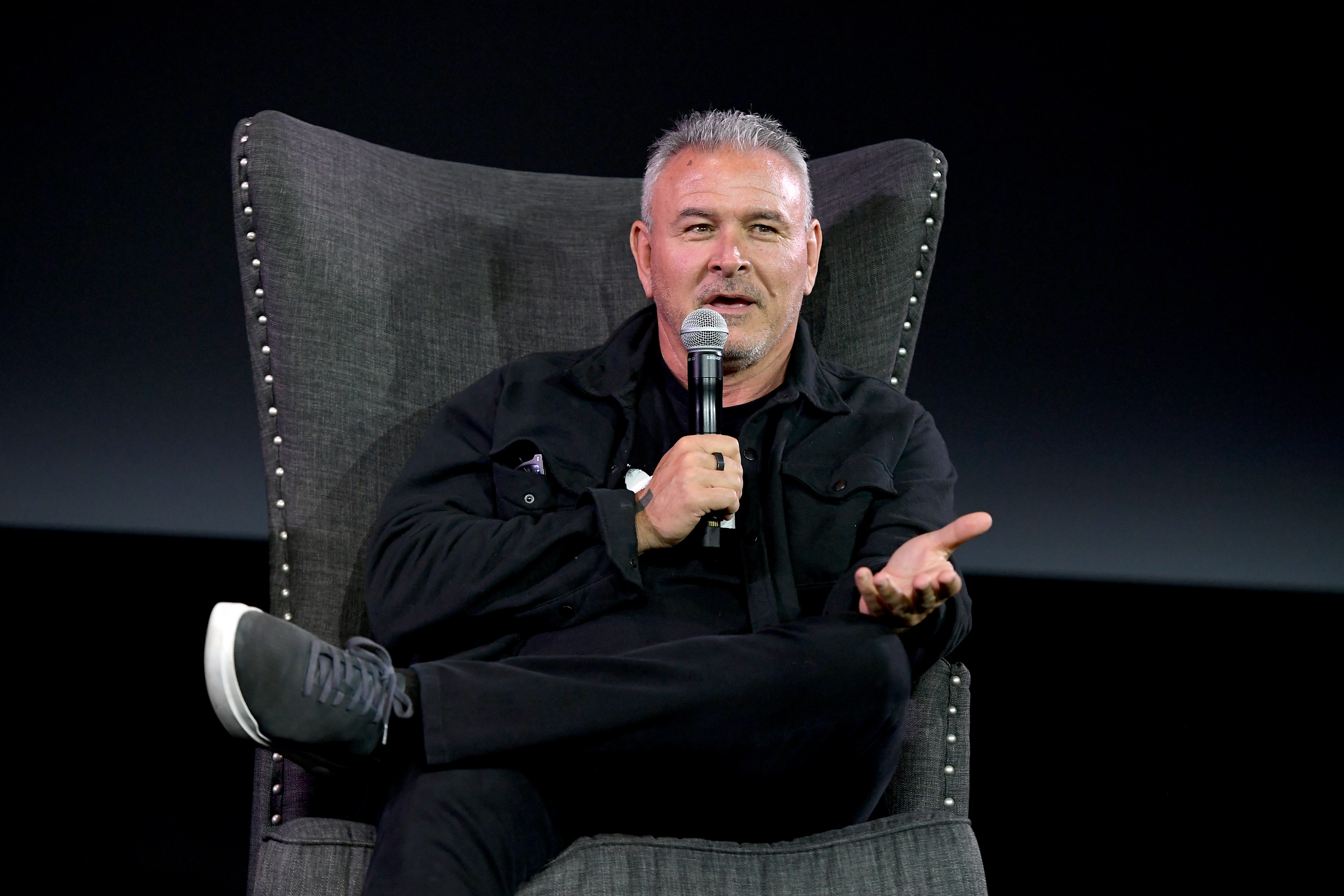
Join Tim Miller, co-founder of Blur Studio and winner of multiple Emmy Awards, for a candid chat on his origins as an animator and visual effects artist, his “story first” philosophy, and his views on creativity. Tim’s curiosity and drive has led him to branch out from traditional visual effects to direct live-action features and explore real-time animation with Blur’s Secret Level series and the LOVE DEATH & ROBOTS anthology series.
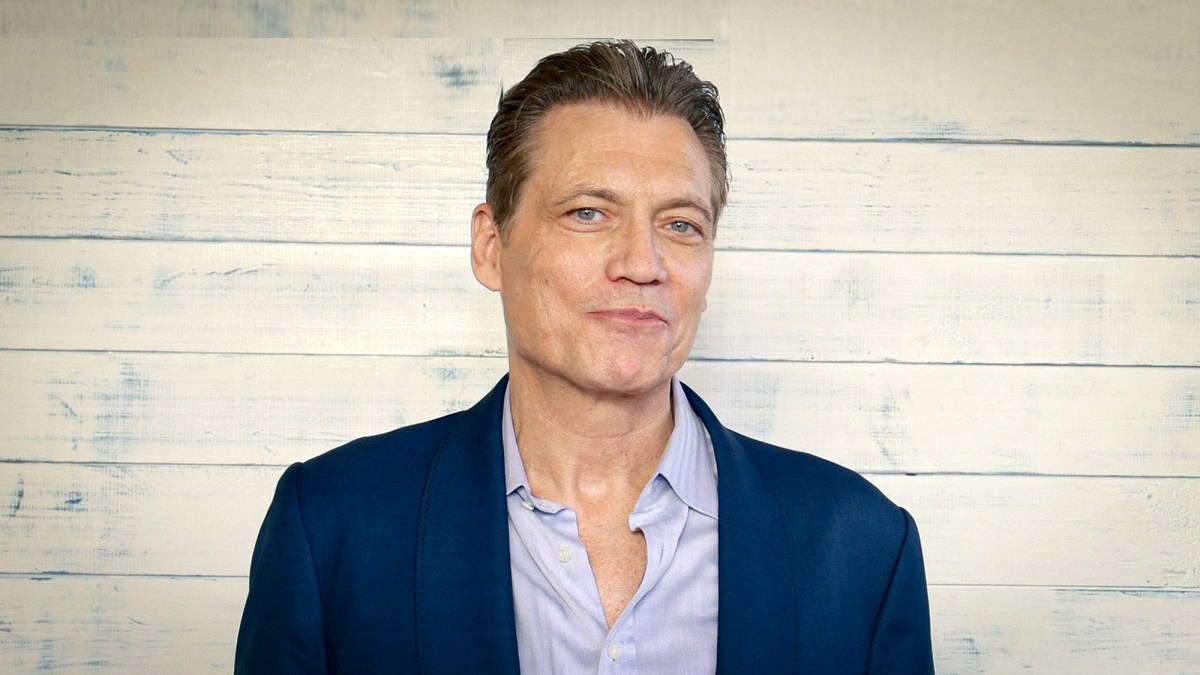
With the critical success of MINDHUNTER, the Irish-born actor graduated from supporting tough guy parts in films like Fight Club to leading his own shows. As he prepares for the release of The Waterfront, he speaks to Annabel Nugent about his traditional parents, how he almost turned down Alien3 – and why for him, ‘chivalry is not dead’.
To hear Holt McCallany reel off his childhood heroes is to understand him a little better. “Steve McQueen, Burt Lancaster, Bob Mitchum, Gene Hackman, Jack Palance,” the actor says. “I loved Jack Palance. Lee Marvin. Charles Bronson.” He recites each name with cinematic gravitas and through semi-pursed lips as though he’s balancing an invisible cigarette out the corner of his mouth. “Those guys, they had this classic American… masculinity.”
The same can and has been said of McCallany, who at 61 has carved a career out of that same strong, silent archetype. He’s played parts on both sides of the law, including one tough guy unironically named Bullet. Bit parts in early David Fincher films like Alien3 and Fight Club introduced him as an excellent character actor, “that guy!” audiences are always happy to see, even if they may not know his name.
Fincher not only had his name, he had McCallany’s number, believing from the get-go that he was destined for bigger things, and eventually casting him as a lead in MINDHUNTER – the critically acclaimed Netflix neo-noir series about the FBI and serial killers. His performance as the straight-shooting, flat-top agent Bill Tench was so lauded, it inspired a think piece in Vulture titled: “Why MINDHUNTER’s Bill Tench Is So Lovable.” That article got to the crux also of what makes McCallany so, if not lovable, then watchable, because hand-in-hand with that stone-cold hardiness is an unexpected sensitivity. Flashes of openness where you’d expected a door slammed shut.
But McCallany downplays his part in the show’s success, attributing it instead to “the creative genius” behind the camera. He compares his role to that of a guest at a lavish dinner party: “There’s gorgeous tablecloths, beautiful crystal glasses, and delicious food. You just have to not spill food down your shirt and everybody goes, bravo!” It may sound like false humility, but in truth, there is a steely confidence to McCallany’s words: give him a good part, and he’ll do the rest.
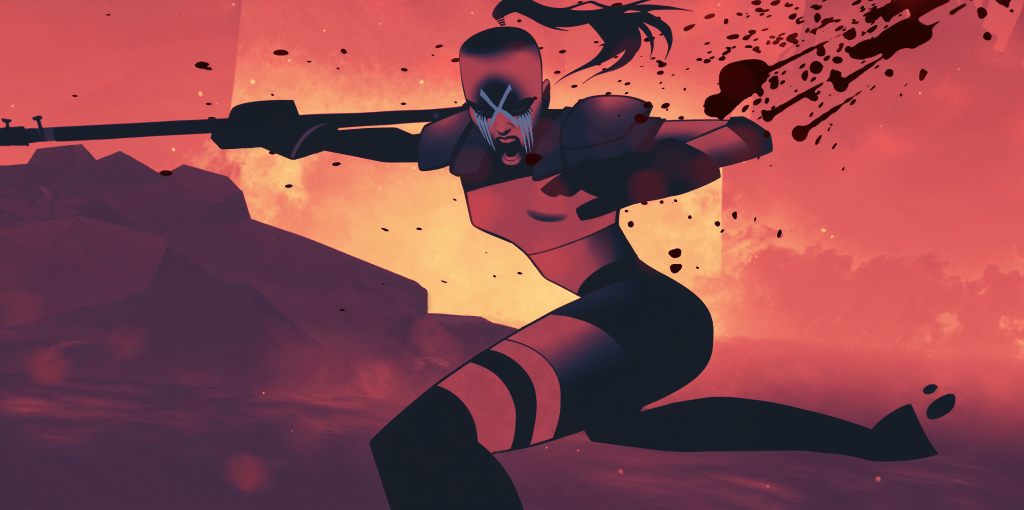
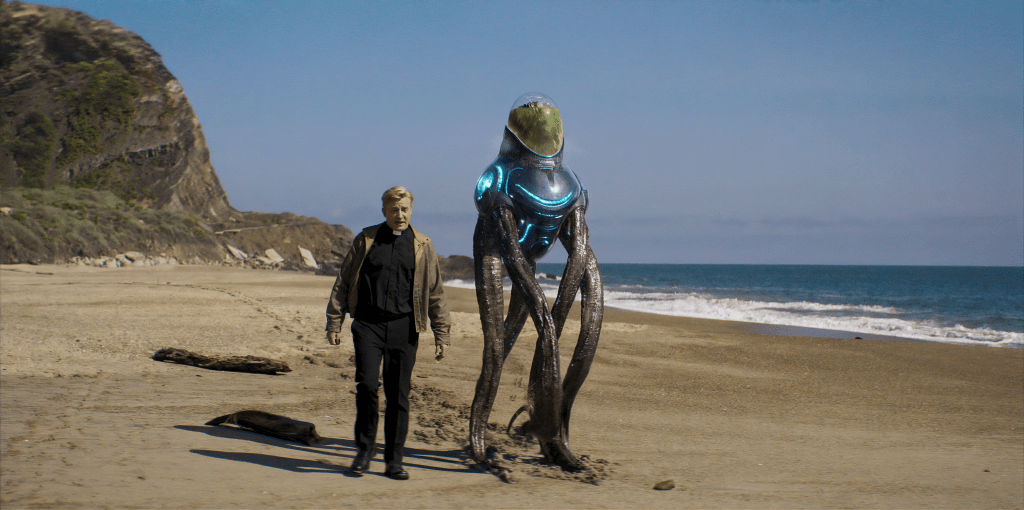
Fearless anthology series LOVE DEATH + ROBOTS returns with a unique blend of styles, stories, and heroes you didn’t know you needed — from scheming felines to a traumatized toilet. “I try and get a mix of horror, sci-fi, and fantasy,” says creator and executive producer Tim Miller. “And we work with some really fucking fantastic artists.” Miller is a voracious reader, and the source material for the series is largely short stories he has enjoyed over decades, though Volume 4 has a first: a concert film … from none other than David Fincher.
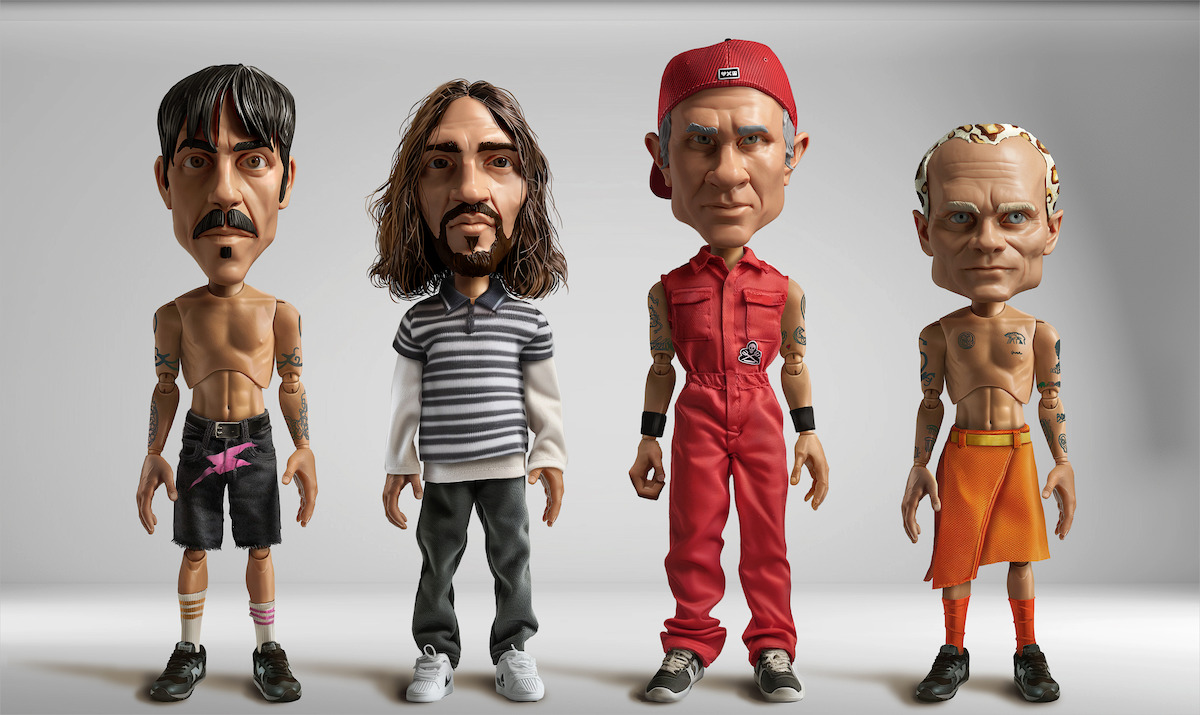
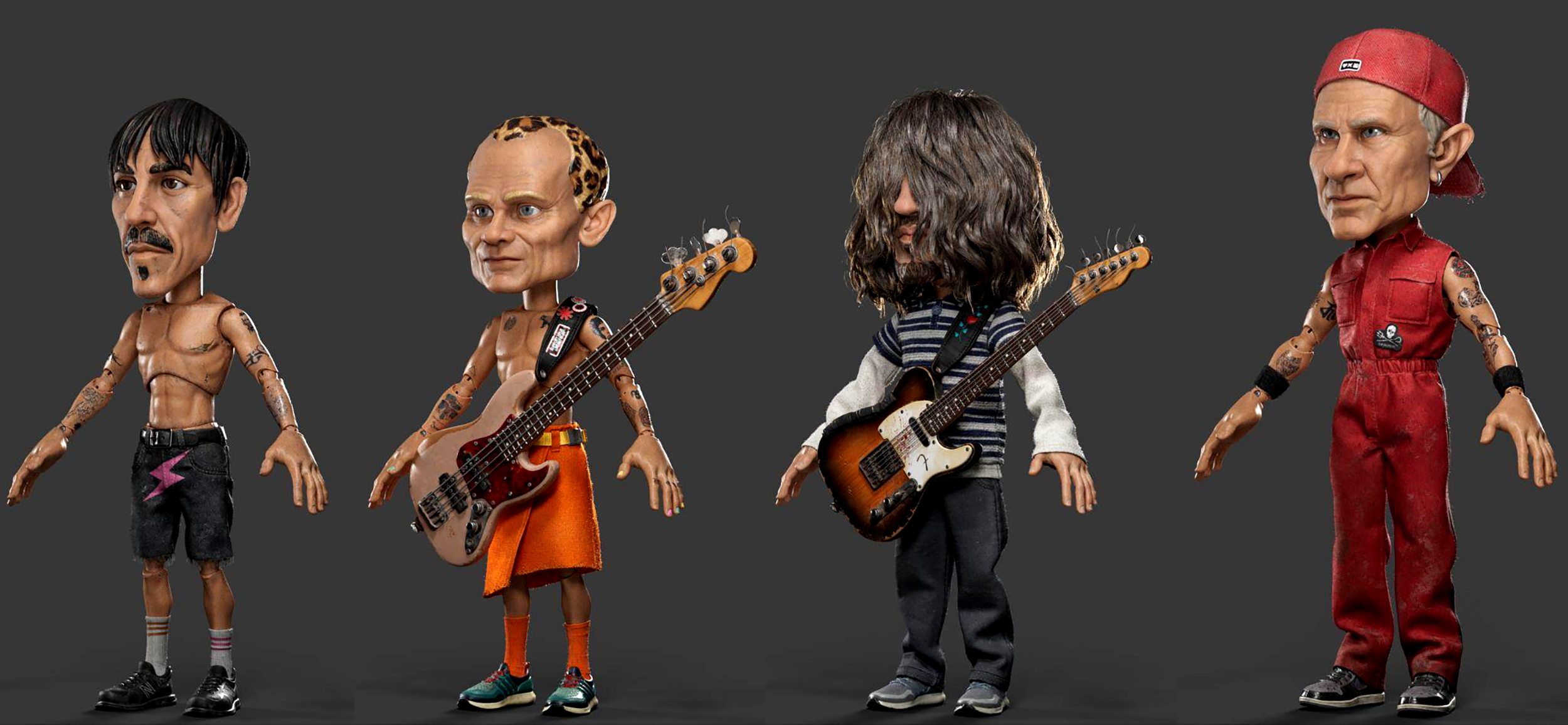
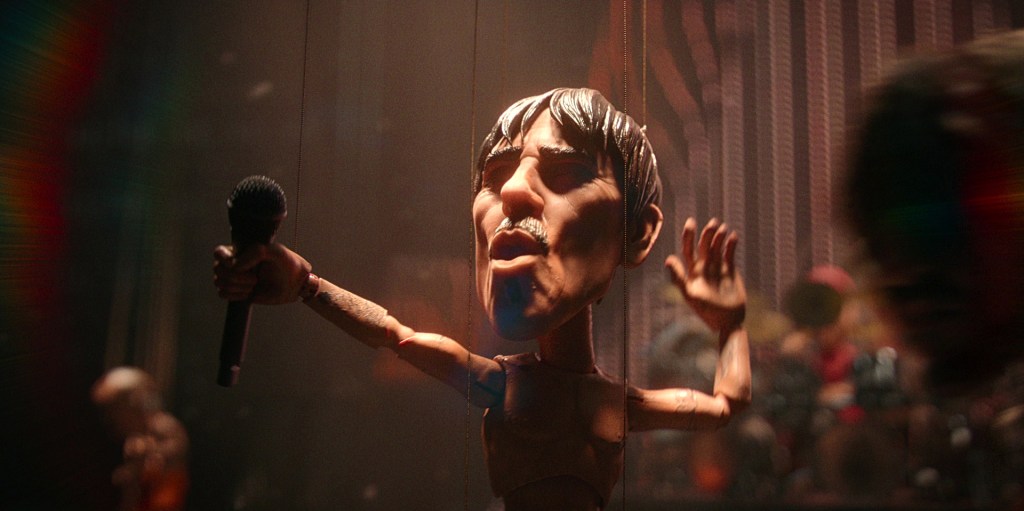
Fincher may now be best known for films such as Fight Club and The Killer, but he first rose to prominence directing music videos. The episode Can’t Stop calls on a long-cherished idea of animating a band as puppets; in this case, the Red Hot Chili Peppers. “This was a chance to exercise some old muscles, stretch — and it’s something I’ve always wanted to see,” says Fincher, who also executive produces the series. Each episode comes from a different team, and his was produced by Blur Studio, the VFX and production company co-founded by Miller. “I think Blur know that when I’m passionate about something, it’s going to be weird, and it’s going to be a lot of work,” says Fincher. “But who knows, it might be fun. It certainly will be challenging.” Creative risk and independent spirit are part of what’s led to the show’s 13 Emmy wins so far. But for the team, it’s really just the beginning of a long commitment to variety and invention. Says Fincher, “Hopefully by the time we get to Volume 20, there’s going to be something in here for everyone.”
Chad Smith remembers the night in 2003 when the Red Hot Chili Peppers played for an audience of 80,000 or so amid the rolling hills of the Irish countryside.
After a somewhat fallow period in the mid-’90s, the veteran Los Angeles alt-rock band resurged with 1999’s eight-times-platinum Californication and its 2002 follow-up, By the Way, which spawned the chart-topping single Can’t Stop. To mark the moment, the Chili Peppers brought a crew to document their performance at Slane Castle, where they headlined a full day of music that also included sets by Foo Fighters and Queens of the Stone Age, for an eventual concert movie.
Twenty-two years later, the Chili Peppers are bringing that 2003 gig to screens again — only this time they’re string puppets.
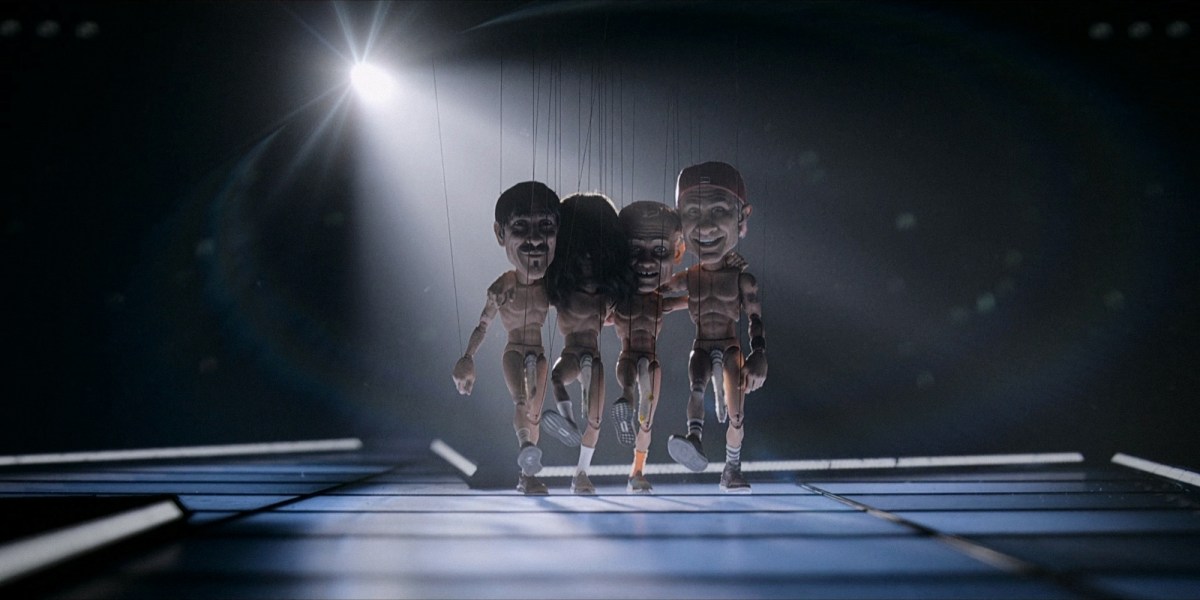
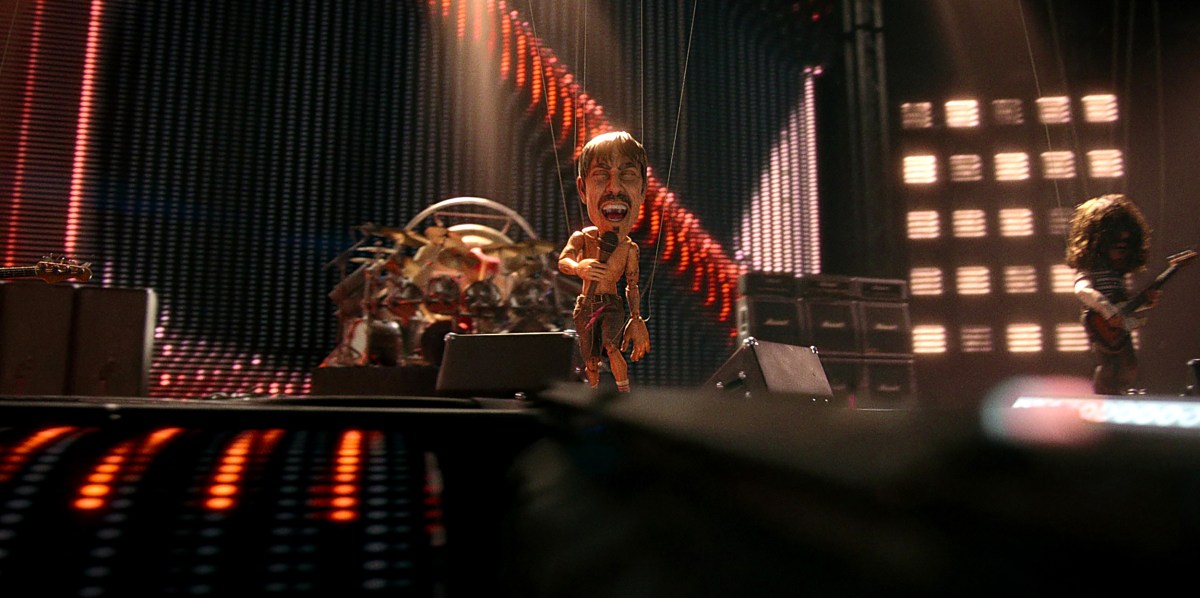
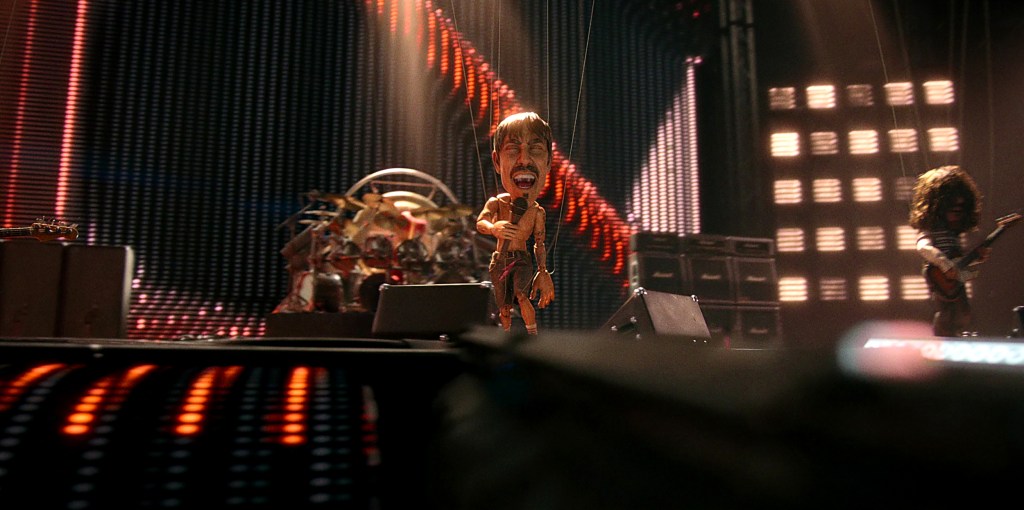
Can’t Stop is director David Fincher’s re-creation of the band’s rendition of that tune at Slane Castle. Part of the just-released fourth season of the Emmy-winning Netflix anthology series “Love, Death + Robots,” the animated short film depicts the Chili Peppers — Smith, Flea, singer Anthony Kiedis and guitarist John Frusciante — as dangling marionettes onstage before a veritable sea of the same. As the band rides the song’s slinky punk-funk groove, we see Flea bust out some of his signature moves and Kiedis swipe a fan’s cellphone for a selfie; at one point, a group of women in the crowd even flash their breasts at the frontman.
The puppets aren’t real — the entire six-minute episode was computer-generated. But the way they move looks astoundingly lifelike, not least when one fan’s lighter accidentally sets another fan’s wires on fire.
So why did Fincher, the A-list filmmaker behind Fight Club and The Social Network, put his considerable resources to work to make Can’t Stop?
“A perfectly reasonable inquiry,” the director, who executive produces LOVE DEATH + ROBOTS, said with a laugh.
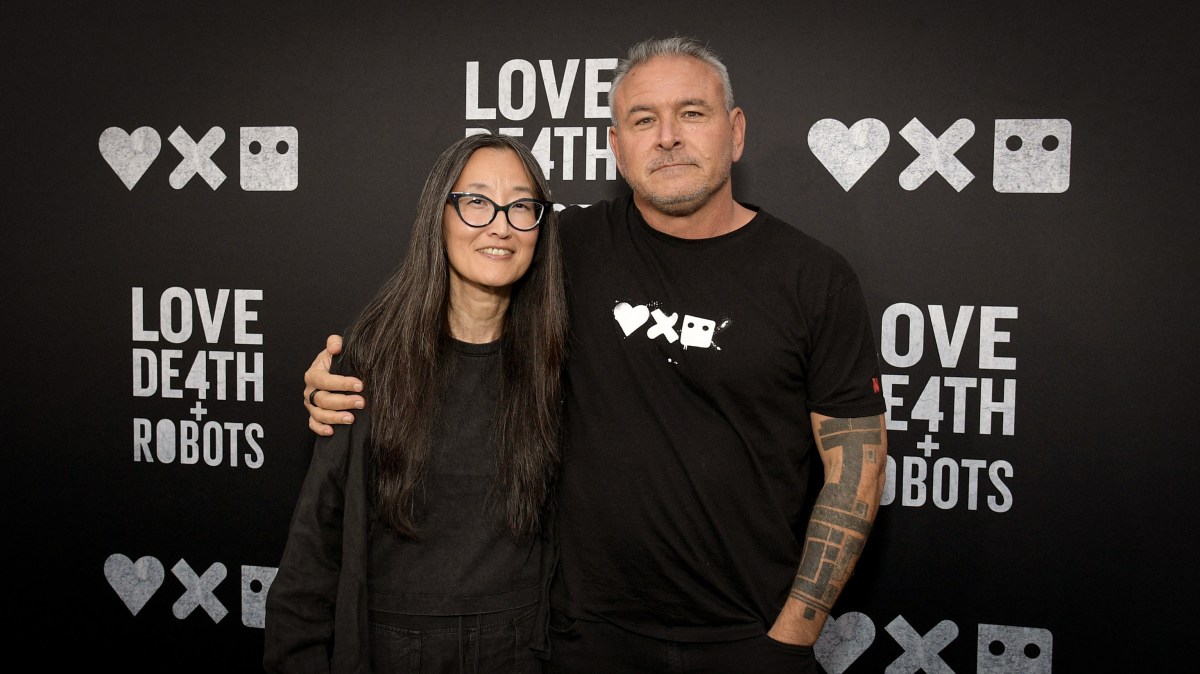
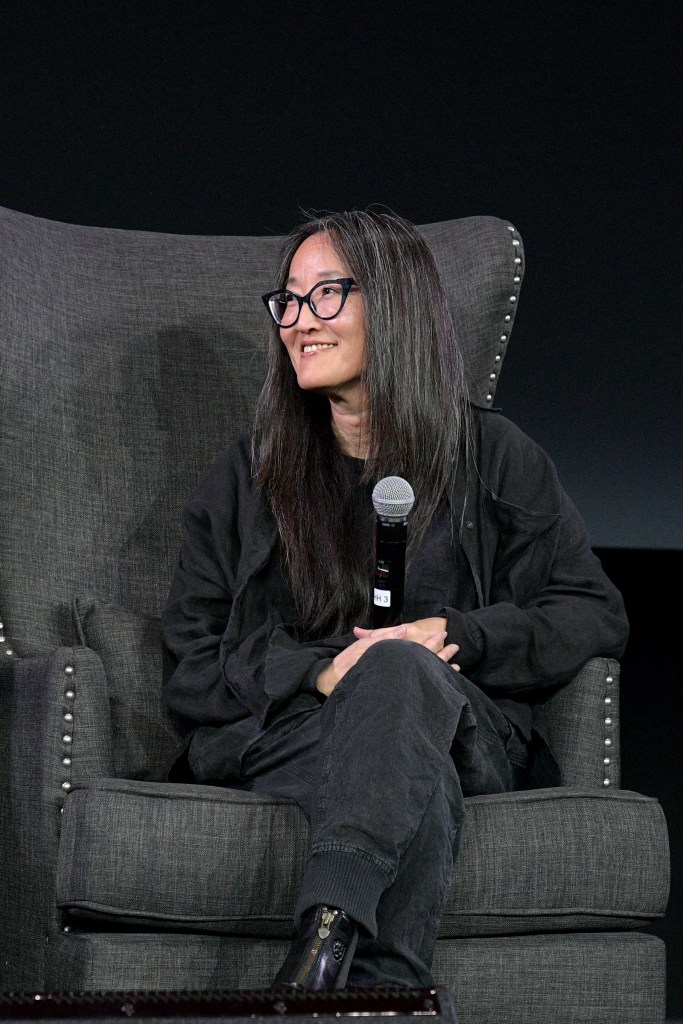
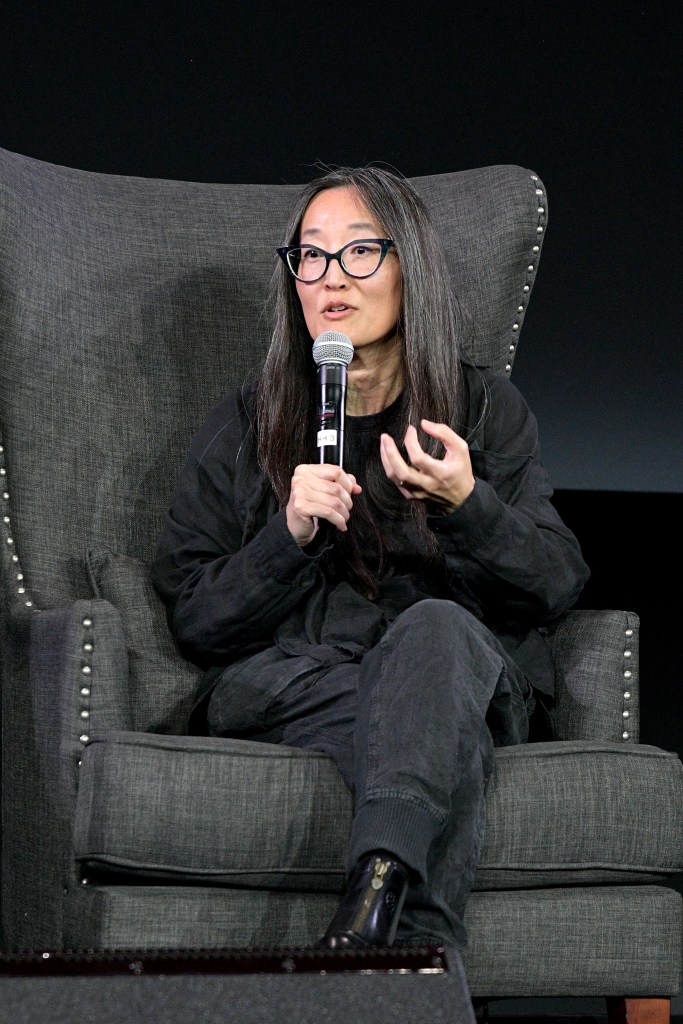
Creator Tim Miller, supervising director Jennifer Yuh Nelson, and designer/director Robert Valley discuss the latest edition of Netflix’s Emmy Award-winning animated short film anthology series that once again delivers a wide selection of funny, frightening, and thoroughly provocative works.
Director Jennifer Yuh Nelson tells IndieWire about being drawn to a grieving cyborg and her alien companion, who knows how to be adorable as a defense mechanism.
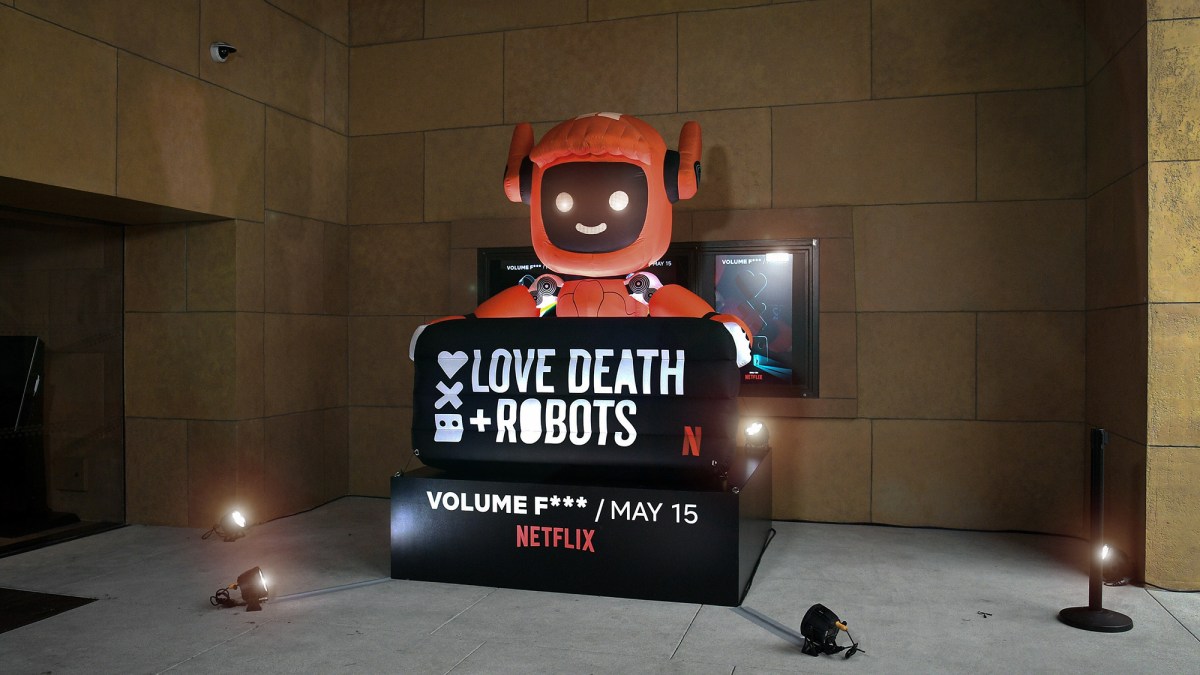
“For my money, it’s like LOVE DEATH + ROBOTS should be anything. Anything that you can’t figure out where else it goes,” legendary filmmaker David Fincher mused about the unconventional, sci-fi/cyberpunk-flavored Netflix (mostly) animated anthology series. It’s as apt a description as any for the ambitious, experimental, and genre-bending project, now launching its fourth season.
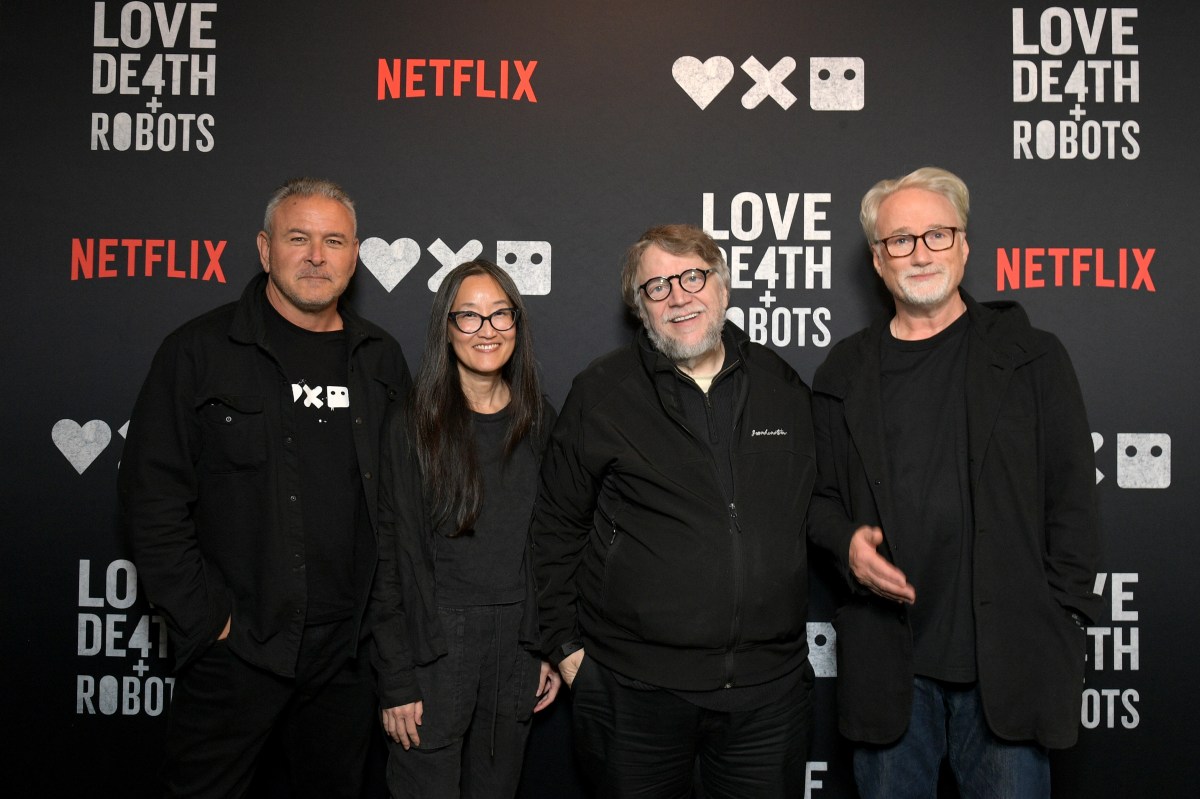
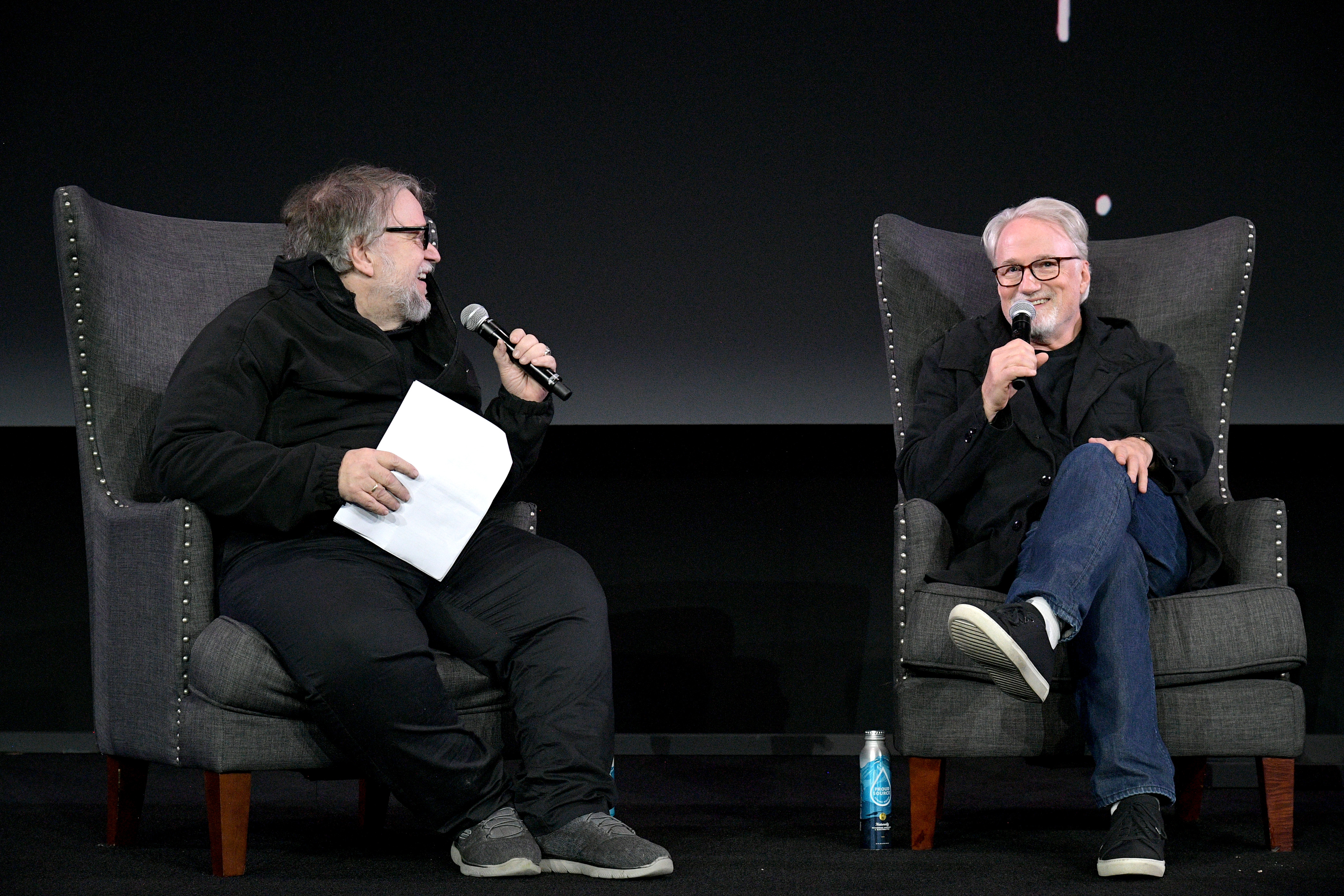
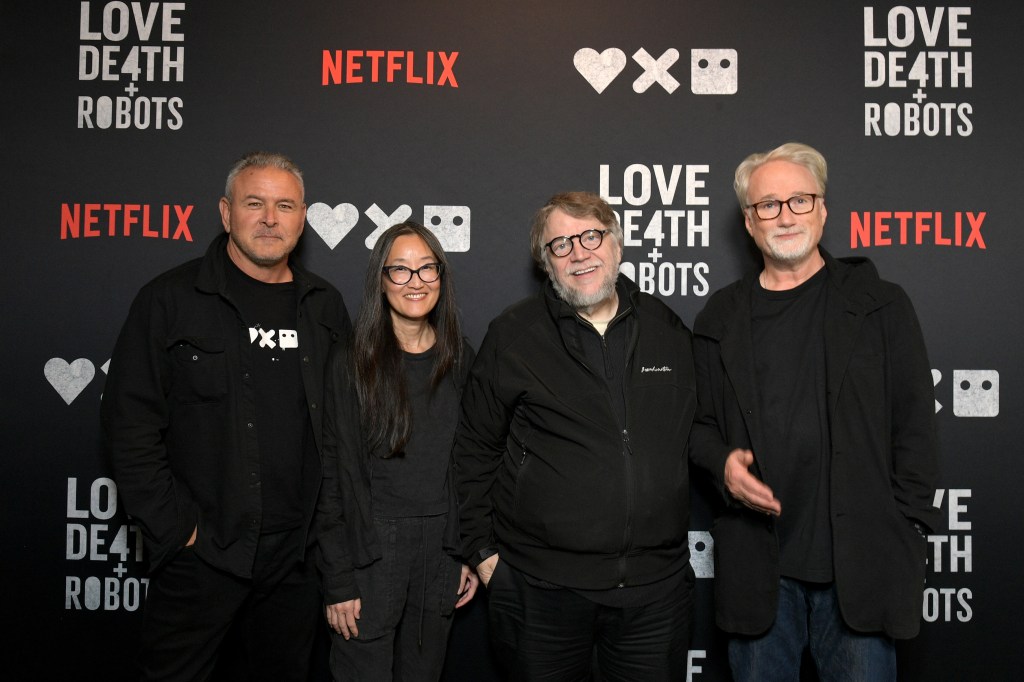
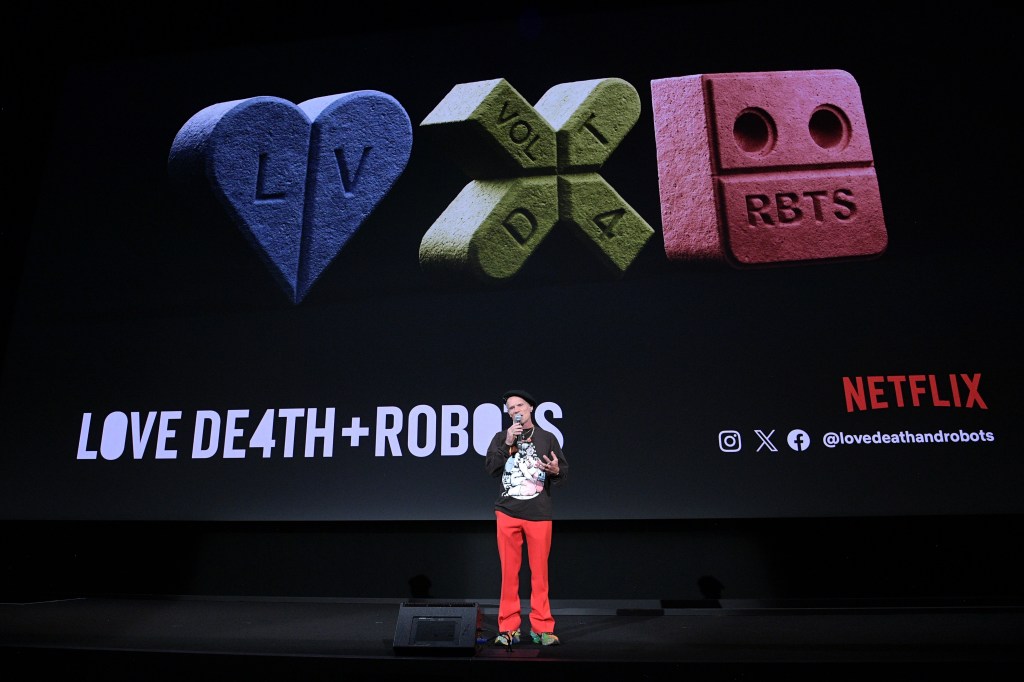
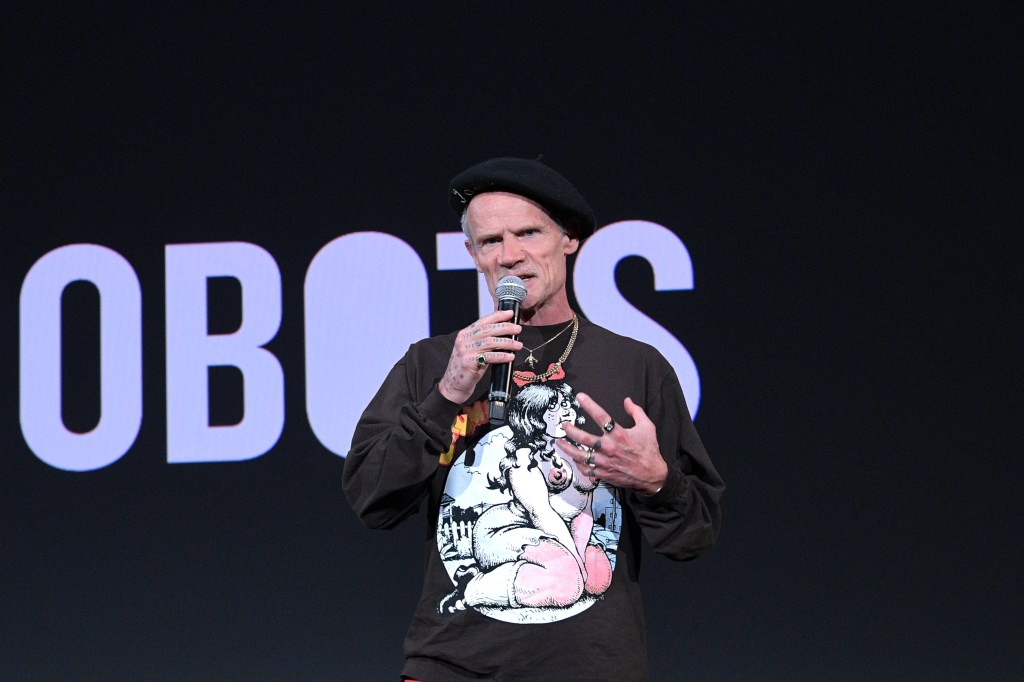
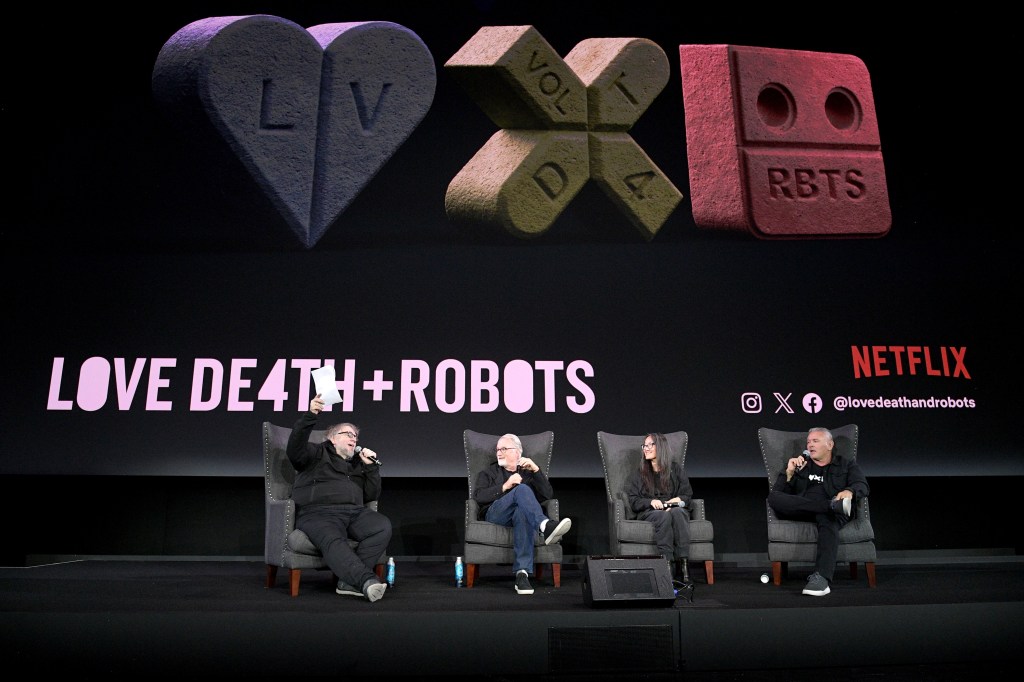
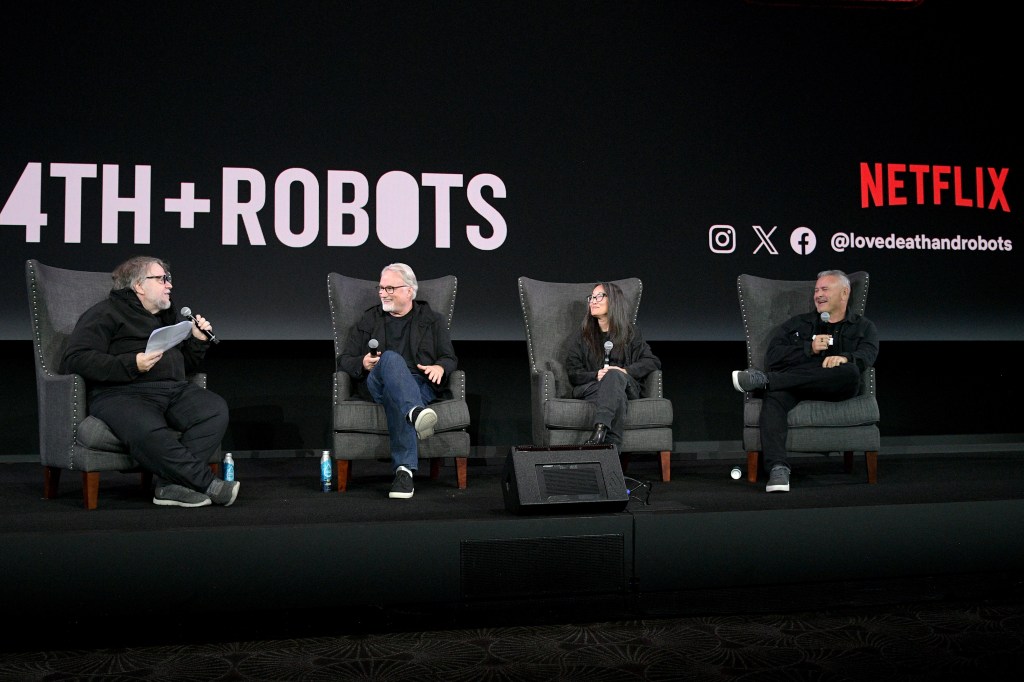
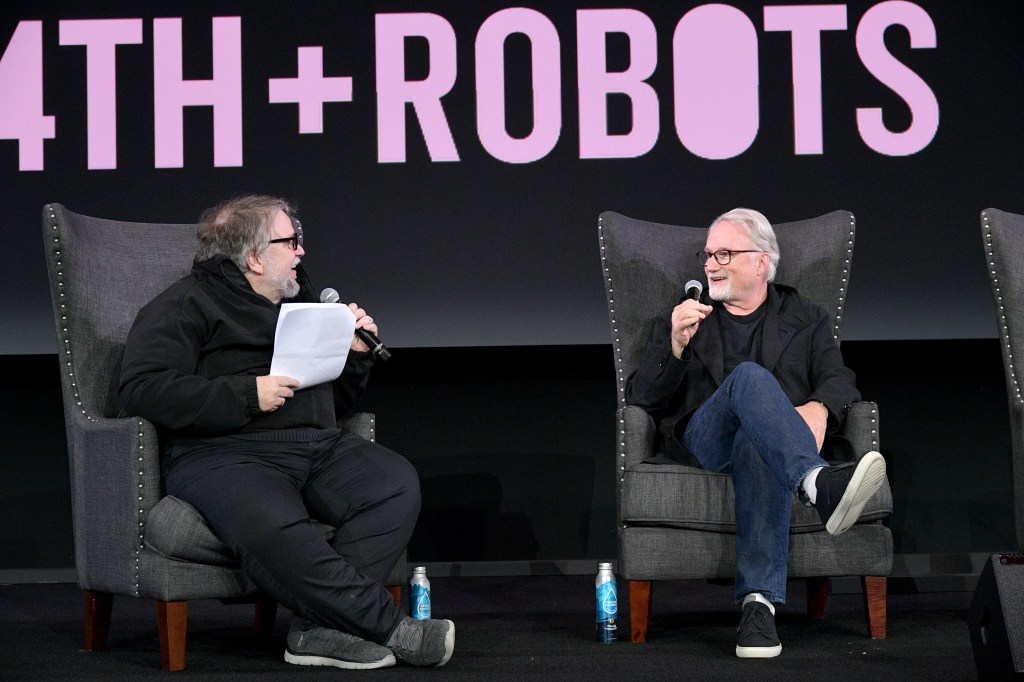
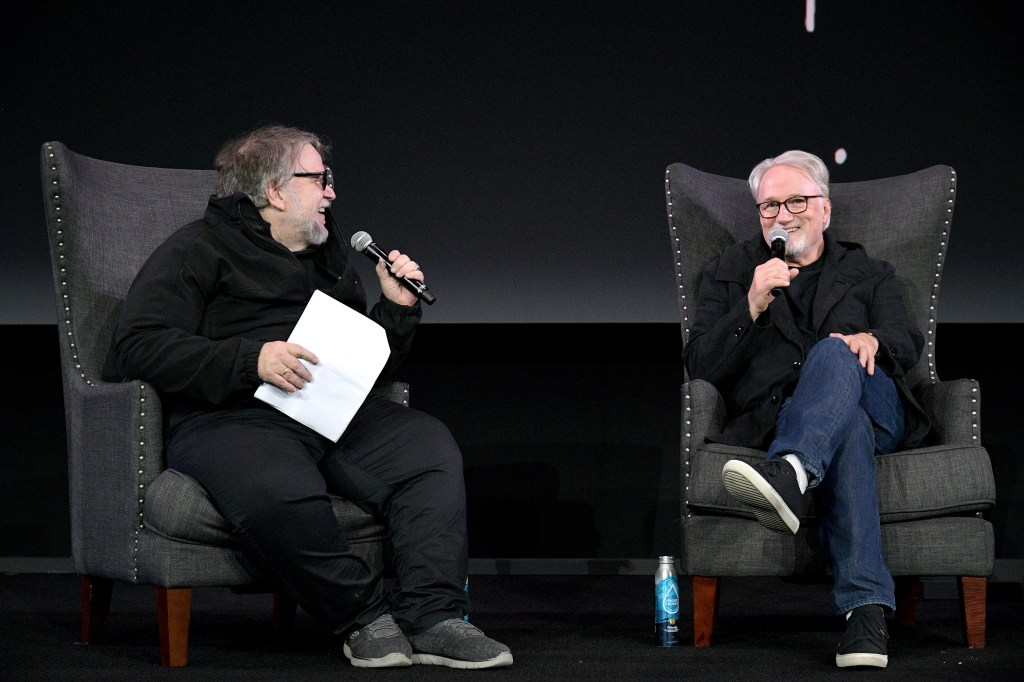
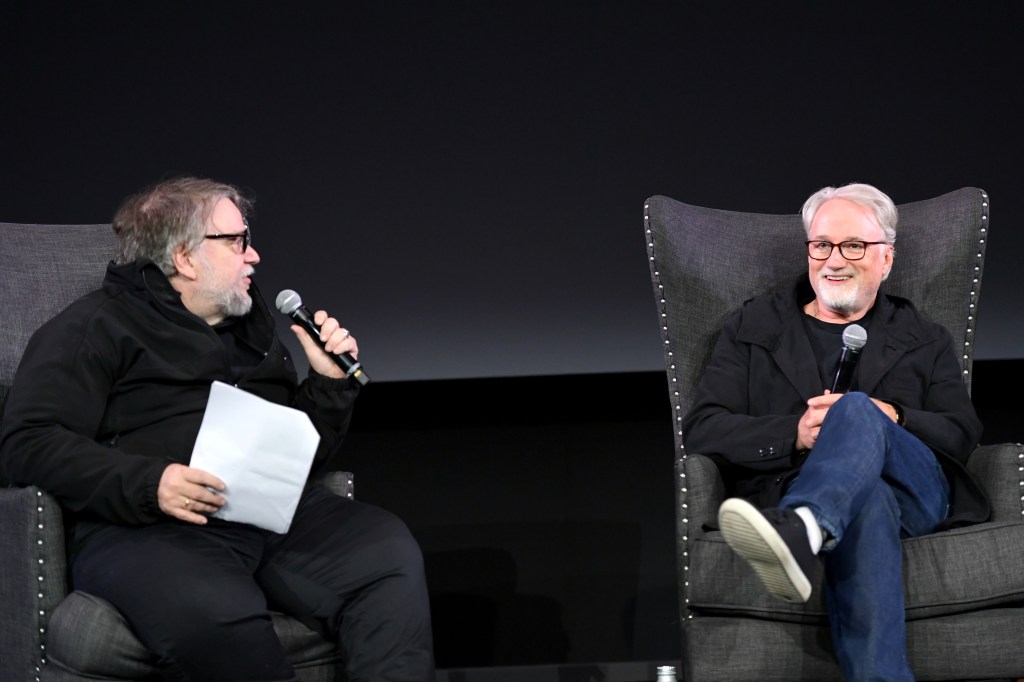
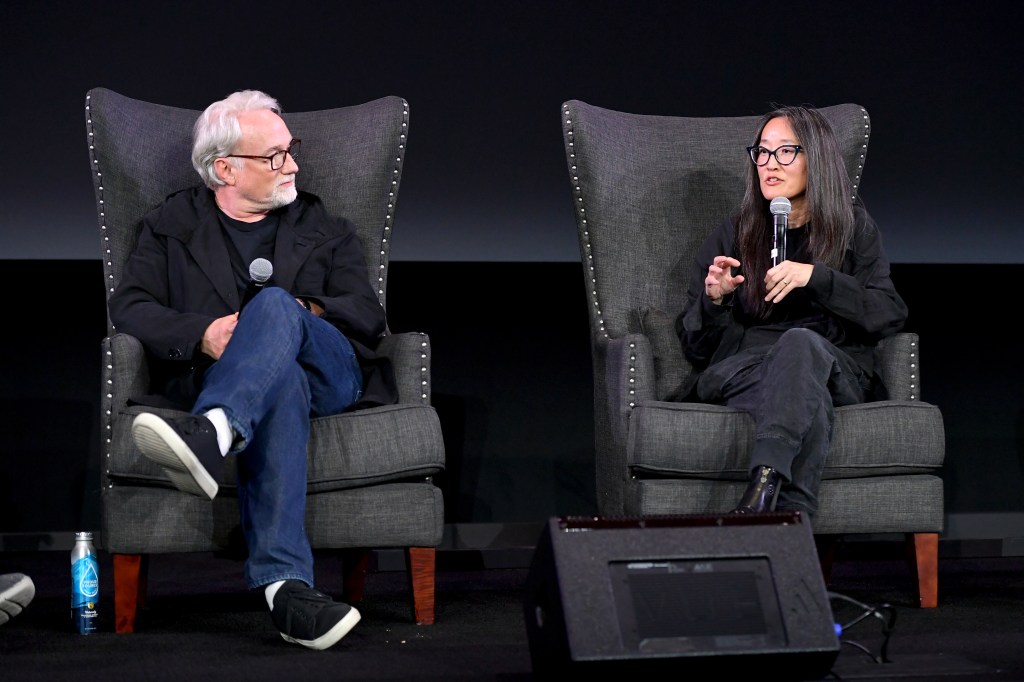
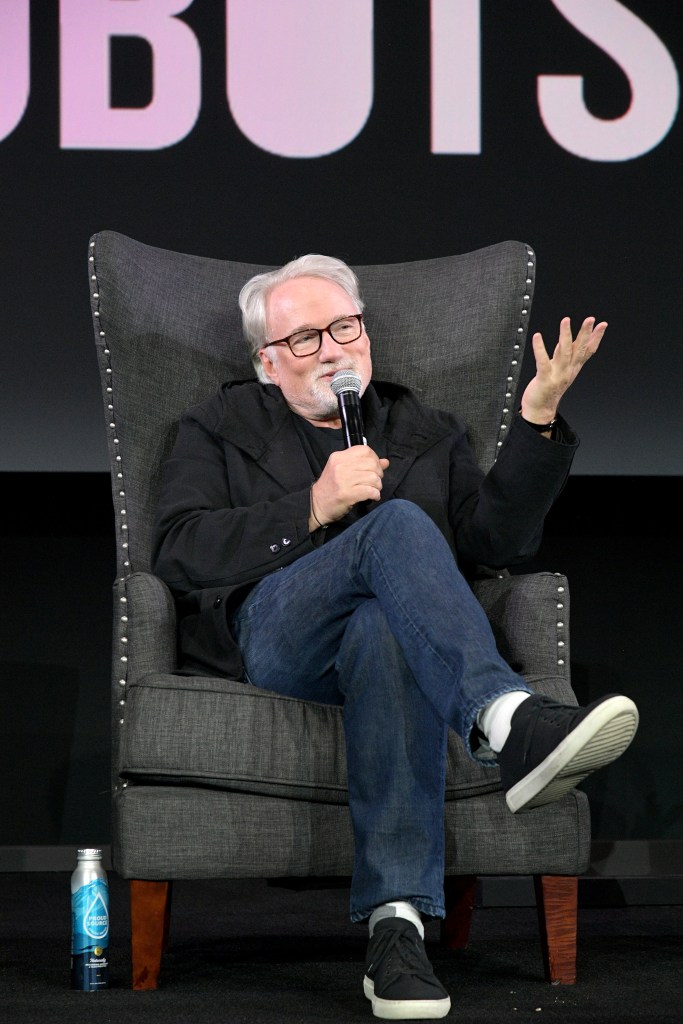
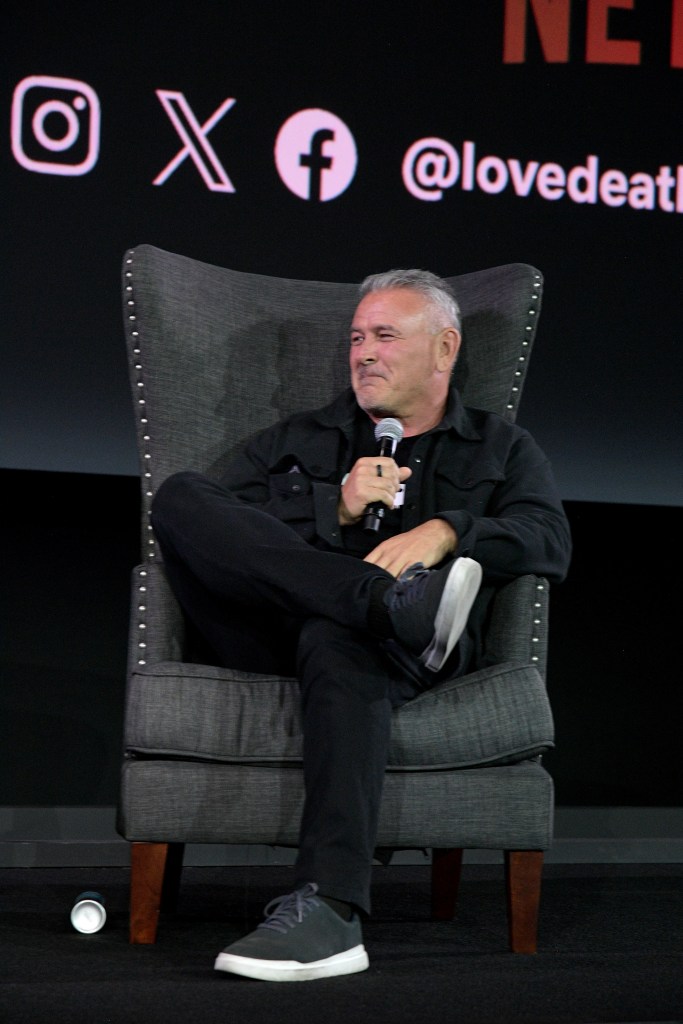
“Creativity happens on the fringe,” said Fincher — the director behind boundary-pushing cinematic classics like Seven, Fight Club, The Social Network, Gone Girl, and Zodiac. Speaking on stage at the LOVE DEATH + ROBOTS season premiere at the Egyptian Theatre in Hollywood, he was joined by fellow executive producer Tim Miller (Deadpool) and supervising producer Jennifer Yuh Nelson (Kung Fu Panda 2 & 3), and the host, director Guillermo del Toro. “It always does, and it always takes somebody — it has to be these weird flyers out there — to inform where the industry is going to go. So we’re just going to be out there.”
“Out there” also aptly describes Fincher’s contribution to the new season as a director. Having launched his career as an in-demand music video director for top artists in the ’80s and ’90s — including Madonna, Michael Jackson, the Rolling Stones, Sting, George Michael, Aerosmith, Nine Inch Nails, and Paula Abdul — Fincher returned to those roots to helm Can’t Stop. The dynamic, fully CGI-animated short features theRed Hot Chili Peppers performing their 2002 hit at an Irish castle—as marionettes on strings.
Featuring Directors Till Miller, Jennifer Yuh Nelson, Patrick Osborne, Emily Dean, Robert Bisi & Andy Lyon, and Voice Actors Emily O’Brien, and Sumalee Montano.
LOVE, DEATH + ROBOTS Vol. 4 Red Carpet Interview The Movie Couple
LOVE, DEATH + ROBOTS VOLUME IV Premiere! Tim Miller, Emily O’Brien, Sumalee Montano, and more! Temple of Geek
LOVE, DEATH + ROBOTS Vol. 4 Premiere: MR. BEAST’s Episode (Snyder Connection & Sonic 4)! Mama’s Geeky
LOVE, DEATH + ROBOTS Season 4 Cast and Creatives on AI & How They’d Expand the Title The Direct Extras
LOVE, DEATH + ROBOTS: Tim Miller & Cast Break Down Epic Volume 4 Episodes Screen Rant Plus
When Netflix launched as a DVD rental service in 1998, that was its most effective pitch to potential customers — an unmistakable reference to the thing that people hated the most about Blockbuster. With more than 9,000 locations, Blockbuster was the biggest video rental chain in the world, but it was alienating members because its profits came from charging hefty fines for movies that weren’t returned on time.
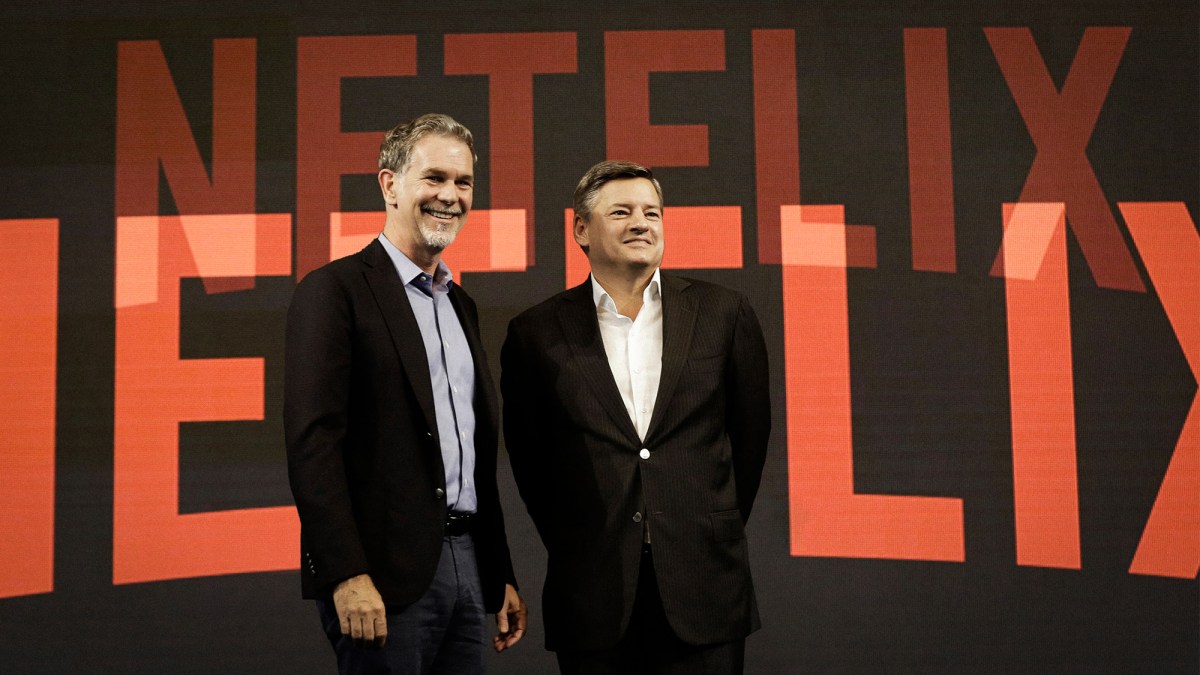
“It was an obvious sore spot,” Reed Hastings, Netflix’s co-founder, says. “People loved renting movies and watching them at home, but the late fee became the symbol of everything painful about that model. So we decided to create something different.”
Netflix didn’t just do away with late fees by allowing customers to keep movies for as long as they wanted. It offered subscribers unlimited rentals for a monthly flat fee. As a bonus, it delivered DVDs directly to customers’ homes, eliminating the hassle of having to drive to the local Blockbuster to scour aisle after aisle of movies in search of something to watch.
That gamble paid off. Twenty-eight years after it debuted with little fanfare, Netflix, now under the leadership of Hastings’ successors, Ted Sarandos and Greg Peters, dominates Hollywood. Its market cap of $392.68 billion surpasses those of Disney, Warner Bros., Discovery, Paramount Global, and Comcast combined.
Reed Hastings on Ted Sarandos committing to spending $100 million on House of Cards, picking the show up for an unheard-of two seasons, before a pilot had even been shot, and agreeing not to give David Fincher any notes and guaranteeing him full creative control:
“I wasn’t comfortable with it. It seemed perilously aggressive to me, just on the edge of reckless. We’d been working together for a decade, so I’d come to trust Ted’s instincts. But they were definitely not my instincts.”
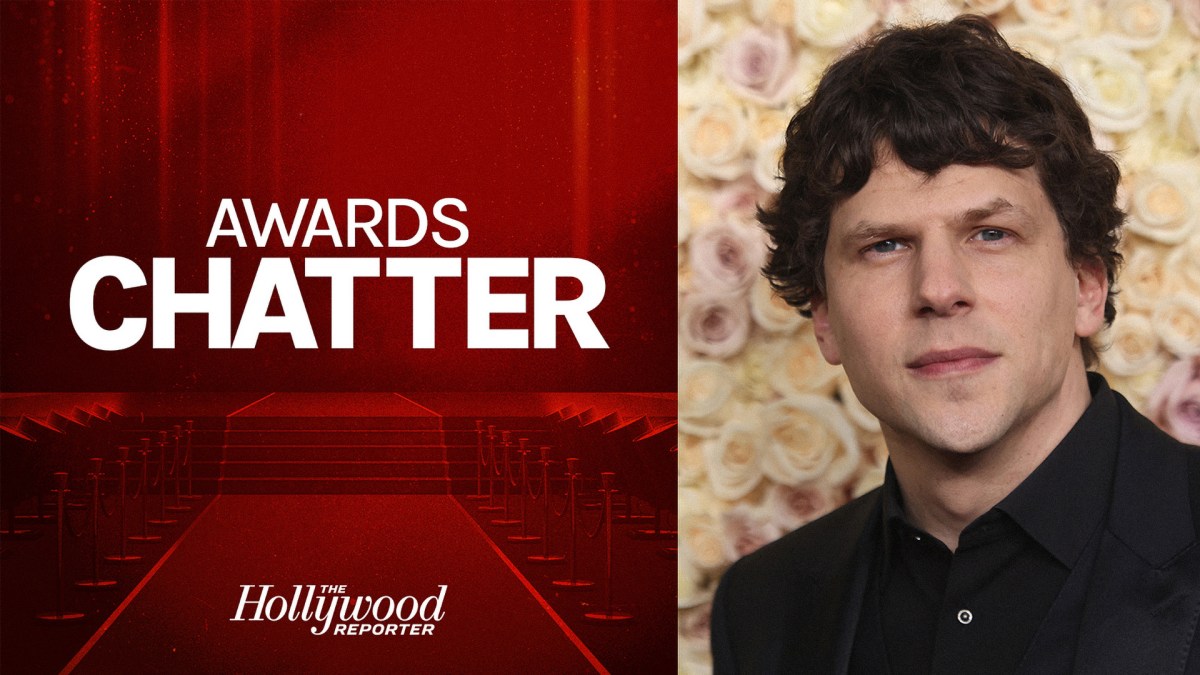
The Oscar-nominated writer (he’s a finalist for his semi-autobiographical original screenplay about a transformative trip to Poland) and actor (2010’s The Social Network) talks to THR about his life and career.
Jesse Eisenberg is the guest on the latest episode of The Hollywood Reporters Awards Chatter podcast. The 41-year-old actor, writer and director is best known for his portrayal of Facebook founder Mark Zuckerberg in David Fincher’s 2010 masterpiece The Social Network. Fourteen years after receiving an best actor Oscar nomination for that performance, the former child actor is an Oscar nominee again, this time for the original screenplay that he wrote for a 2024 film that he also directed and stars in, A Real Pain.
The semi-autobiographical drama is about two very different cousins — one “successful” but anxious, played by him, the other struggling but charming, played by Kieran Culkin — who travel together to Poland to pay tribute to their beloved late grandmother. It premiered at the 2024 Sundance Film Festival, where Eisenberg was recognized with the Waldo Salt Screenwriting Award, and at which its U.S. distribution rights were acquired for $10 million by Searchlight, which released it on Nov. 1, 2024. It has since garnered rave reviews — it’s at 96% on Rotten Tomatoes — and has grossed $16.4 million worldwide.
Over the course of a conversation at the Los Angeles offices of The Hollywood Reporter, Eisenberg reflected on how a shy and socially-awkward kid wound up on the stage and the screen in the first place, in films such as 2002’s Roger Dodger, 2005’s The Squid and the Whale and 2009’s Adventureland; what led him to begin writing, even as his acting career took off thanks to the commercial success of 2009’s Zombieland and 2010’s The Social Network, and why he shifted from penning scripts in the mold of Adam Sandler comedies to more personal material; how A Real Pain — the second feature that he wrote and directed, after 2022’s When You Finish Saving the World — essentially brings together ideas he first explored in other pieces that he wrote years ago; plus much more.



 The Fincher Analyst