“The Most Thrillingly Stupid Fix in the World”: David Fincher Tells Us How He Restored SE7EN in 4K

Perri Nemiroff
January 2, 2025
Collider

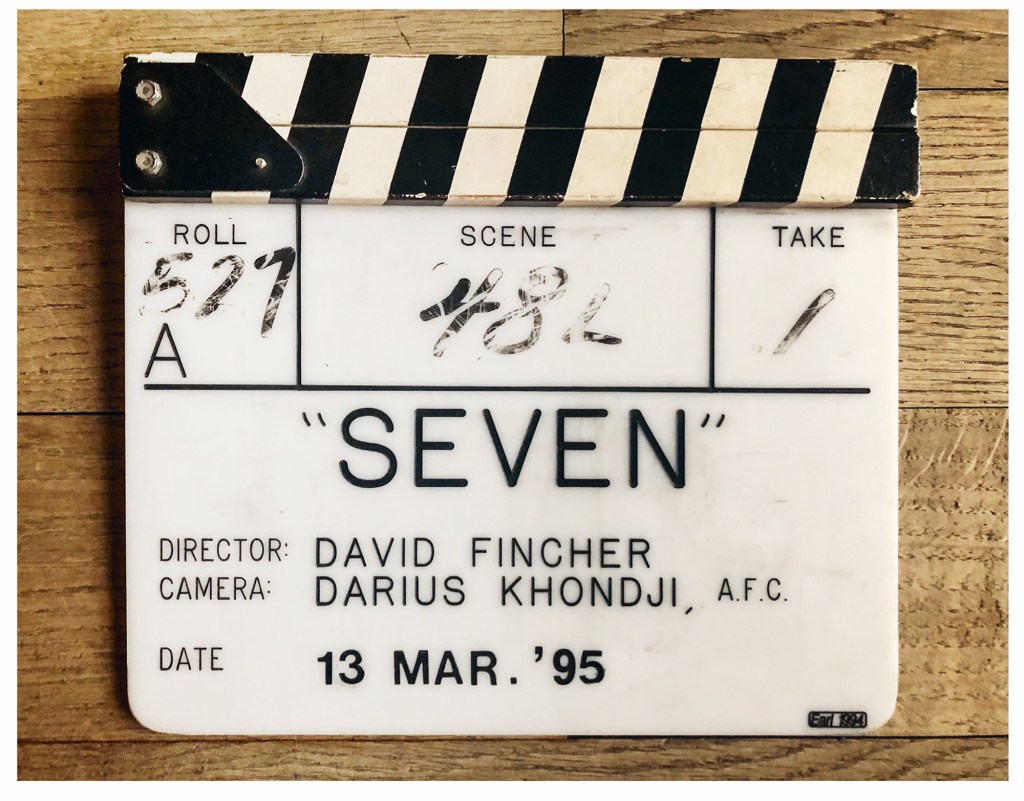
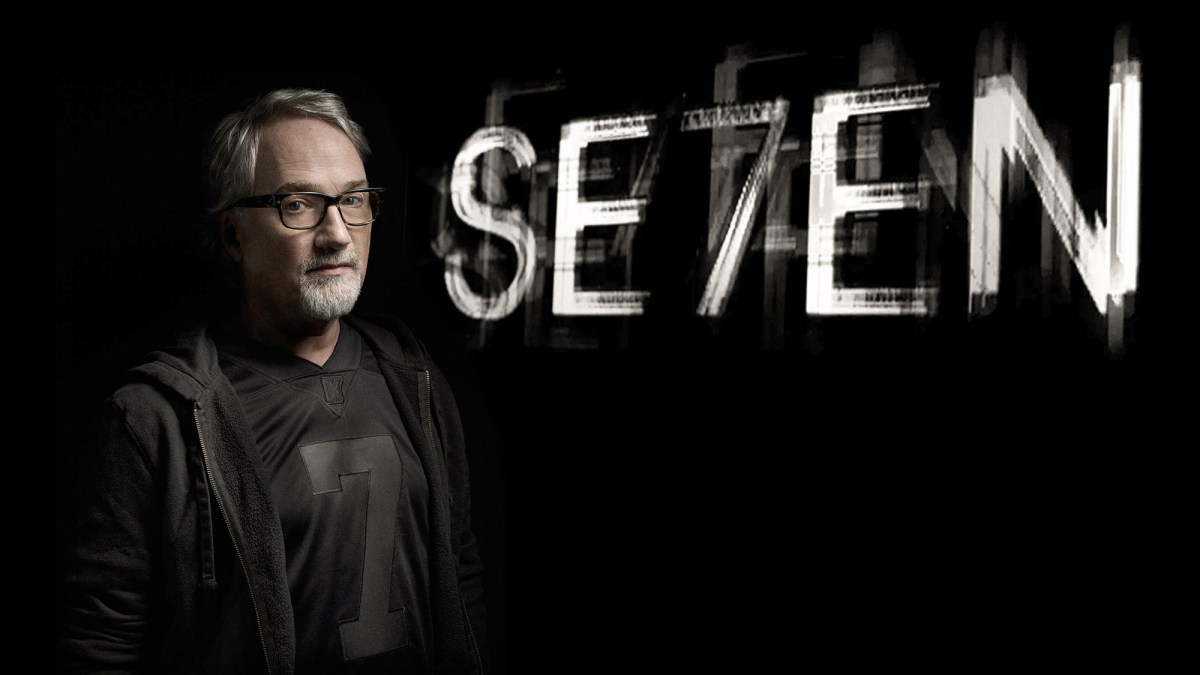
It’s officially 2025, and that makes it the year of SE7EN’s 30th anniversary. Released in theaters on September 22, 1995, David Fincher’s second feature film enjoyed a successful run at the box office, scored an Academy Award nomination for Best Film Editing, a BAFTA nomination for Best Original Screenplay, and is still revered as top-tier cinema to this day.

The movie stars Morgan Freeman and Brad Pitt as detectives. Freeman’s William Somerset is a respected veteran on the verge of retirement, while Pitt’s David Mills is a recently transferred detective with loads of confidence, but lots to learn from Somerset. The pair is assigned to investigate a string of elaborate and ruthless murders, each one connected to one of the seven deadly sins.

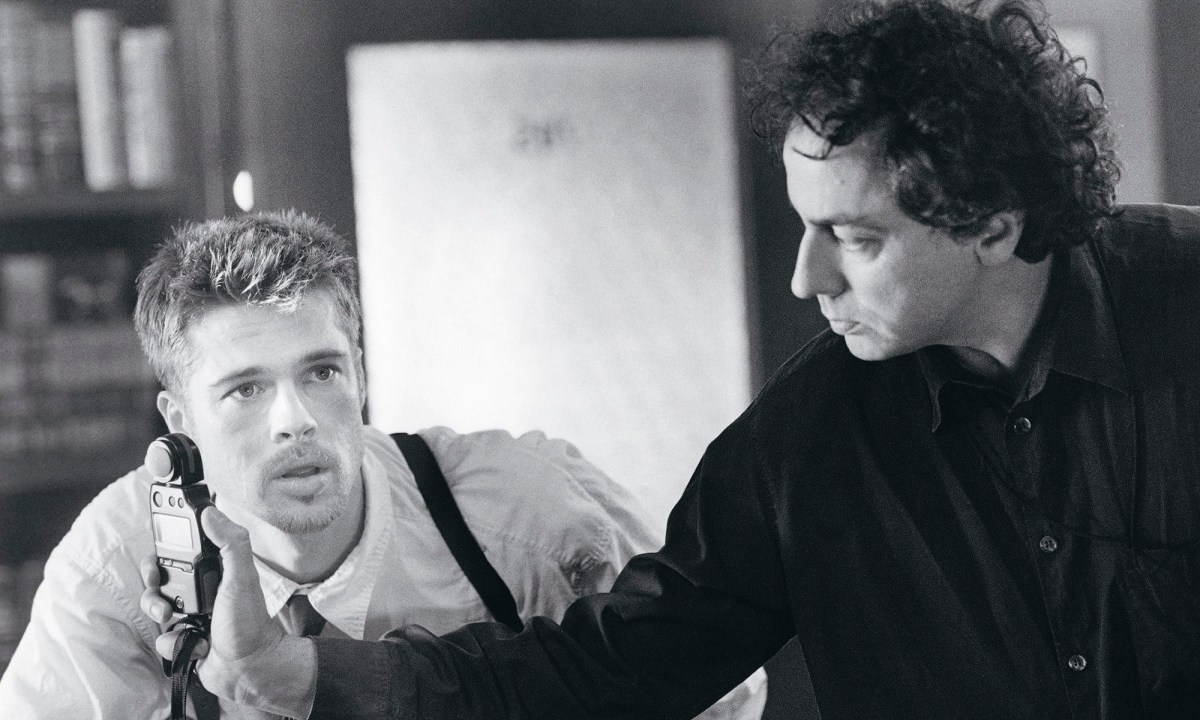
In celebration of SE7EN’s release on 4K UHD on January 7, and also its first-ever IMAX release on January 3, I got the opportunity to get a peek behind the curtain of the restoration process courtesy of Fincher himself. He broke down the factors he must consider when choosing which of his films to restore, where he draws the line when making changes to the original film during this restoration process, how he used AI to pull off “the most thrillingly stupid fix in the world,” and loads more. You can read about all of that and his thoughts on his Netflix projects getting physical releases in the interview below.

Read the full interview

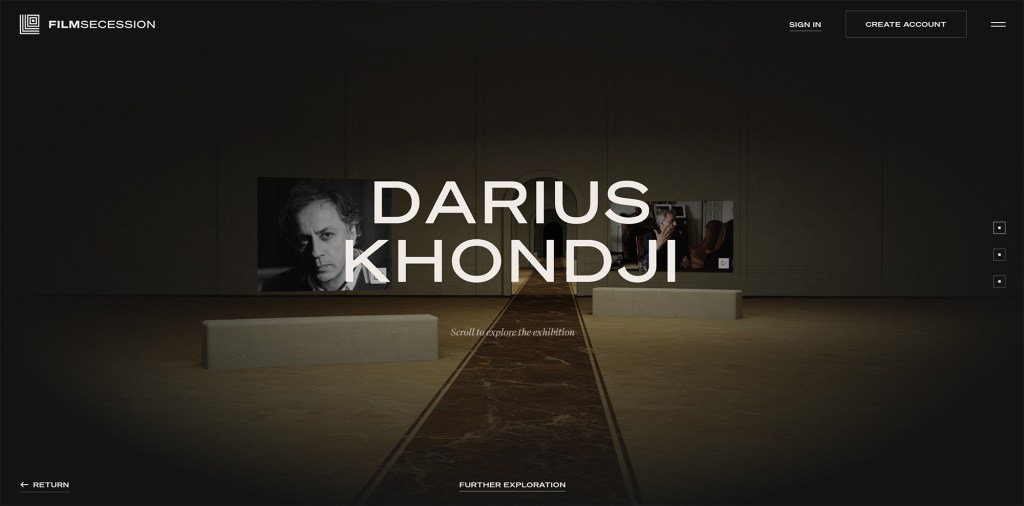
Film Secession: Darius Khondji Exhibition

Richard I. Suchenski
February 2024
Film Secession

The singularity of cinema lies in its unprecedented capacity to transform the energies of the other arts into an integrated audiovisual experience. This synthesis makes cinema particularly engaging, immersive, and resonant, although, precisely because the constituent elements are organically fused together, it can easily be taken for granted. Film Secession creates new ways of exploring the ideas and artistic currents that have shaped different filmmakers, periods, and art forms. Subscribers will discover nonlinear pathways through the histories of the arts, be able to watch rare films provided by the world’s preeminent studios, production companies, and archives, and have special access to events held worldwide.

The Vienna Secession is a key inspiration. Created at the very moment of cinema’s emergence (1897-1905), its motto was, “To every age its art, to every art its freedom.” By fostering deeper understanding of our cinematic heritage and revitalizing our shared creative legacies, Film Secession will similarly provide opportunities to reimagine the future.

Join and support Film Secession

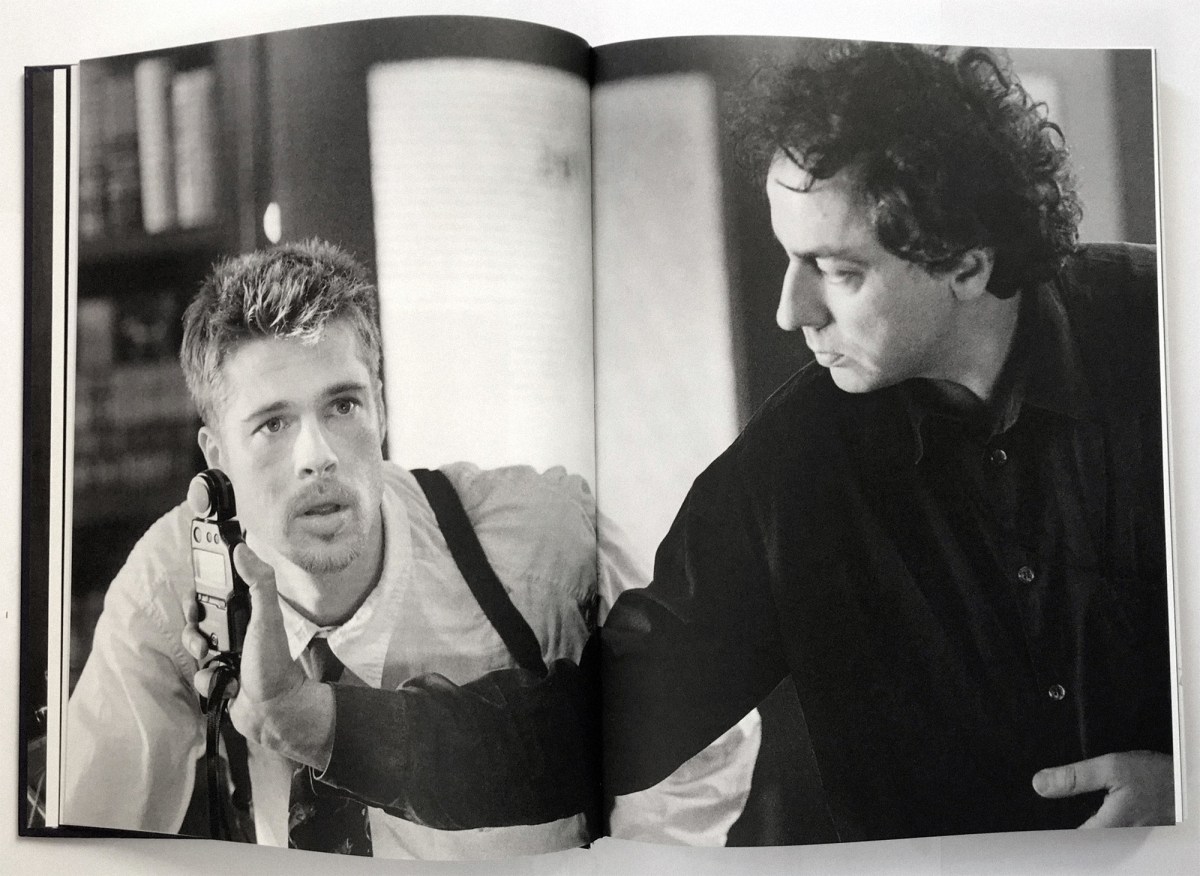
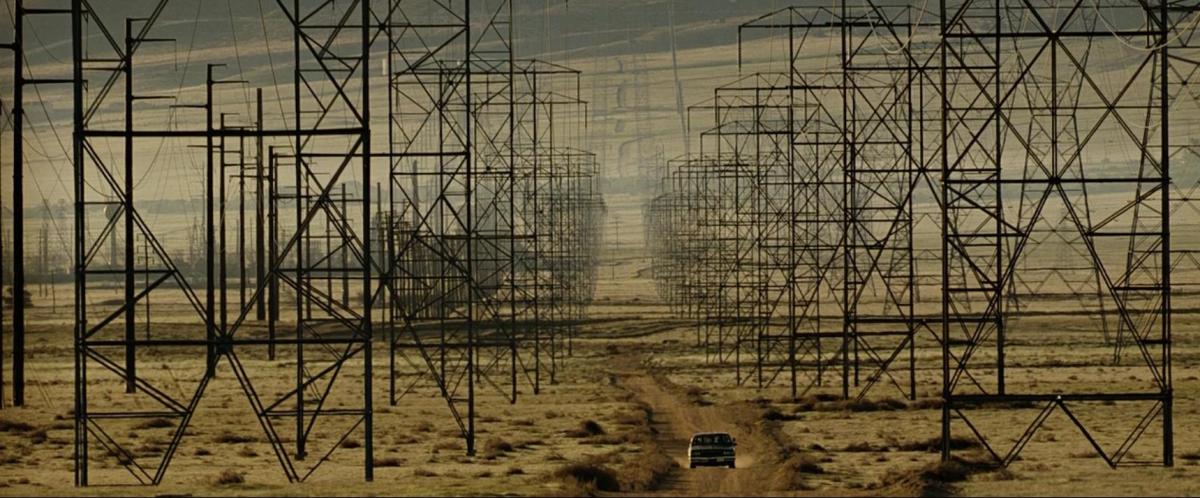
Darius Khondji is one of the most acclaimed and influential cinematographers working today. This exhibition explores Khondji’s work – especially his approach to light, color, space, and framing – and the larger question of the role of the cinematographer as a shaping agent in the overall style of a film.

Explore the Darius Khondji virtual exhibition

Innovative Lives: Beverly Wood

March 8, 2023
The Lemelson Center

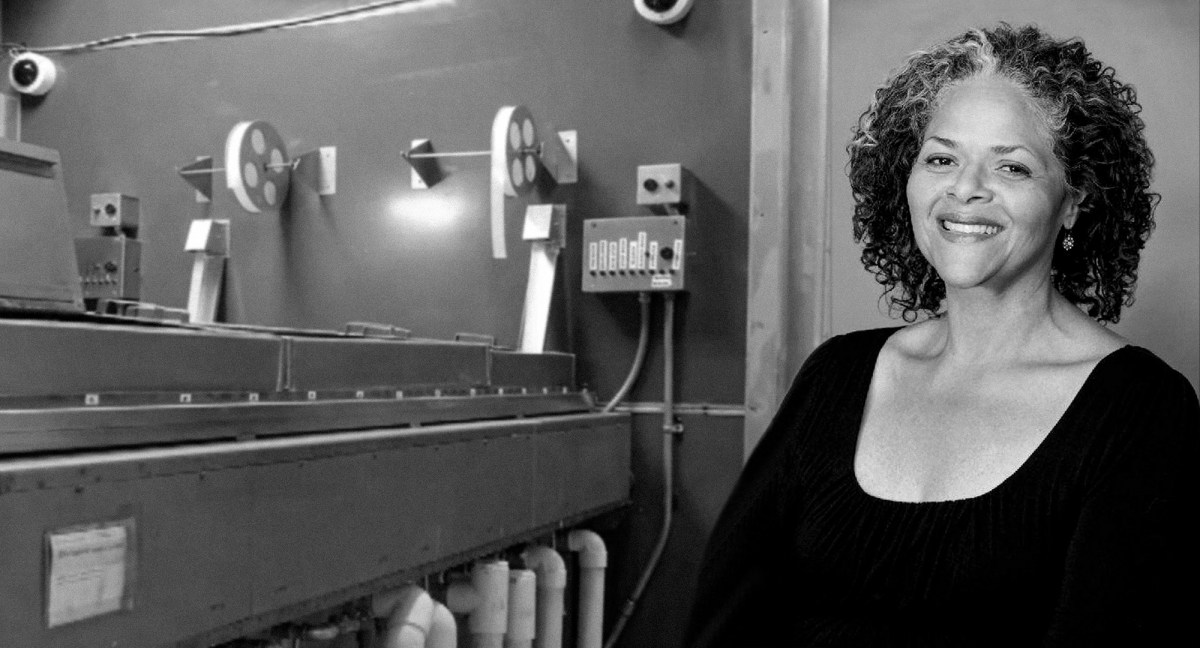
Meet Beverly Wood, an innovator in color technologies for major motion pictures. She began working as an analytical chemist in the early 1980s before moving from the east coast of the U.S. to the west coast—a move which greatly influenced the trajectory her work. Her specialized knowledge of chemistry, engineering, and filmmaking led to her award-winning contributions to the creation and development of Color Contrast Enhancement (CCE) and Adjustable Contrast Enhancement (ACE) motion picture processes.

During this live online interview, you will be inspired by the story of Wood’s career, helping cinematographers, like Darius Khondji and Roger Deakins, to achieve their visual goals, and guiding them through the transition from chemical to digital technology, which changed how we see films today.

Learn more about Beverly Wood and the CCE process on Seven

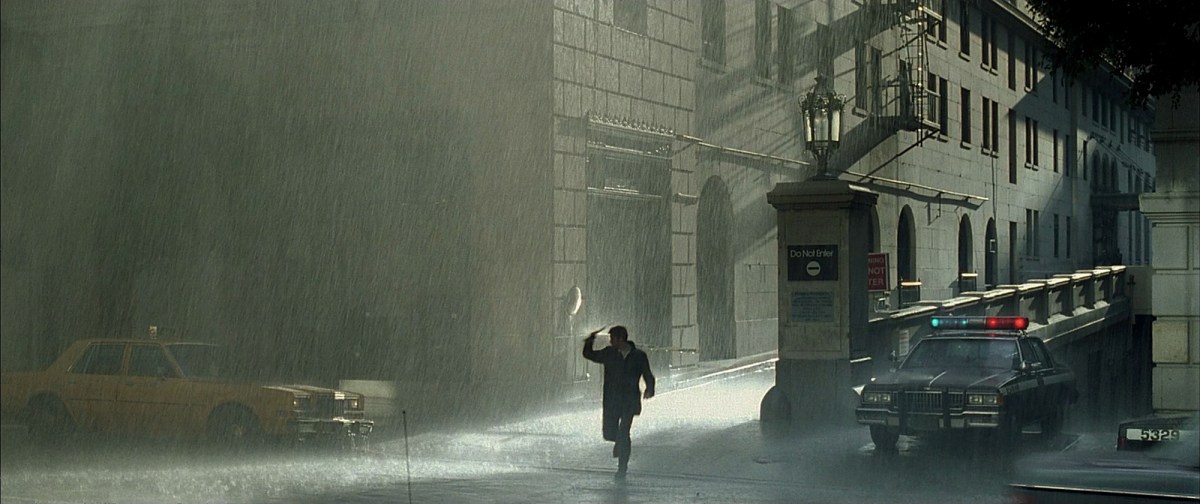
Why Does It Always Rain In David Fincher’s Films?

Gray Kotzé (Director of Photography)
November 7, 2021
In Depth Cine

After watching a few David Fincher films I realised that one way he presents a cinematic world which is an exaggerated version of real life is through the weather.

0:00: Introduction
0:50: Seven
4:08: Sponsored Message
5:06: The Girl With The Dragon Tattoo
7:48: The Social Network
9:00: Conclusion

Music:
Rhythm Scott‘Tribal Splash’
Dear Gravity‘Finish Remember Begin Again’
Doug Kauffman‘The River Brethren’
We Dream Of Eden‘After the Storm’
Ottom‘Quiet Street’

The first 1,000 people to use this link will get a 1 month free trial of Skillshare.

In Depth Cine: Official IDC Merch, Patreon, YouTube, Instagram, Discord, Facebook

Gear I use: YouTube GearEditing SoftwareMusic, Stock Footage, Cinematography Gear

DISCLAIMER: Some links in this description are affiliate links. If you purchase a product or service with these links I may receive a small commission without an additional charge to you. Thank you for supporting my channel so I can continue to provide you with free videos!

Cinematography Style: Darius Khondji

Gray Kotzé (Director of Photography)
May 16, 2021
In Depth Cine

Darius Khondji is a cinematographer who is able to adapt images into almost any form to mimic the style of whichever director he works with, while subtly mixing in some of his own photographic traits. In this episode of cinematography style, I’ll break down the work of Khondji by examining his philosophy on photography as well as some of the gear which he uses to execute these ideas.

0:00: Introduction
1:23: Background
2:26: Philosophy
5:09: Gear
9:01: Conclusion

Music:
Liquid Memoirs‘Shimmer’
Eill‘The Horizon’
Isben Producer ‘Dream’
The Cliff‘Terms Of Motion’
Norvik ‘Walking The Universe’
Lalinea‘Will You Dance With Me’

Sources:
Conversations with Darius Khondji (American Cinematographer, November 2018)
Bedazzled (British Cinematographer, April 2020)

In Depth Cine: Official IDC MerchPatreonYouTubeInstagramDiscord, Facebook

Gear I use: YouTube GearEditing SoftwareMusicStock Footage, Cinematography Gear

DISCLAIMER: Some links in this description are affiliate links. If you purchase a product or service with these links I may receive a small commission without an additional charge to you. Thank you for supporting my channel so I can continue to provide you with free videos!

David Fincher’s Impossible Eye

David Fincher by Jack Davison

With ‘Mank,’ America’s most famously exacting director tackles the movie he’s been waiting his entire career to make.

Jonah Weiner
November 19, 2020
The New York Times

Six years ago, after I contacted David Fincher and told him I wanted to write an article about how he makes movies, he invited me to his office to present my case in person and, while I was there, watch him get some work done. On an April afternoon, I arrived at the Hollywood Art Deco building that has long served as Fincher’s base of operations, where he was about to look at footage from his 10th feature film, Gone Girl,” then in postproduction. We headed upstairs and found the editor Kirk Baxter assembling a scene. Fincher watched it once through, then asked Baxter to replay a five-second stretch. It was a seemingly simple tracking shot, the camera traveling alongside Ben Affleck as he entered a living room in violent disarray: overturned ottoman, shattered glass. The camera moved at the same speed as Affleck, gliding with unvarying smoothness, which is exactly how Fincher likes his shots to behave. Except that three seconds in, something was off. “There’s a bump,” he said.

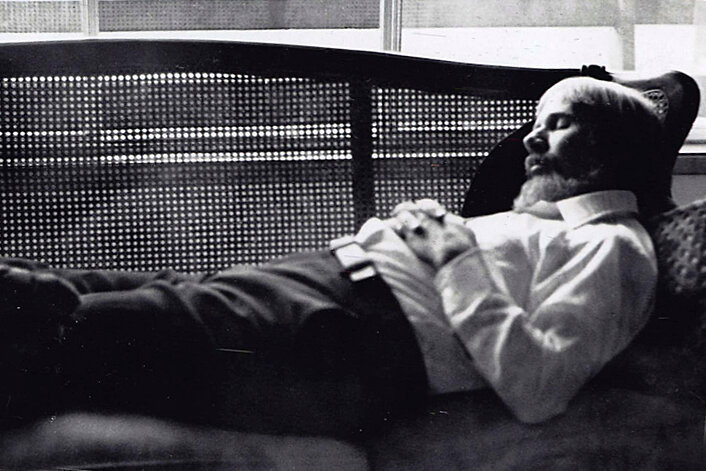
Jack Fincher photographed by David Fincher in 1976, when he was 14.
“That’s why it’s out of focus”.

No living director surpasses Fincher’s reputation for exactitude. Any account of his methods invariably mentions how many takes he likes to shoot, which can annoy him, not because this is inaccurate but because it abets a vision of him as a dictatorially fussy artiste. Fincher, who is 58, argues that this caricature misses the point: If you want to build worlds as engrossing as those he seeks to construct, then you need actors to push their performances into zones of fecund uncertainty, to shed all traces of what he calls “presentation.” And then you need them to give you options, all while hitting the exact same marks (which goes for the camera operators too) to ensure there will be no continuity errors when you cut the scene together. Getting all these stars to align before, say, Take No. 9 is possible but unlikely. “I get, He’s a perfectionist,” Fincher volunteered. “No. There’s just a difference between mediocre and acceptable.”

Read the full profile

Beverly Wood, former VP of technical services at Deluxe, and the CCE process on Seven

Women in Film, Legacy Series: Beverly Wood Interview

Linda Feferman
April 23, 2013

Watch the 26:17 min. interview and documentary on vimeo

Team Deakins: Bev Wood, Journey from Film to Digital

Roger Deakins, James Deakins & Matt Wyman
May 3, 2020
Team Deakins

We speak with Beverly Wood, former Executive VP at Deluxe and Managing Director at eFilm. We discuss the transition in Hollywood from Film to Digital with one of the industries foremost experts on the science behind it all. We discuss how film emulsion actually works, color science, her work with Roger and James, and films like SkyFall, O Brother, Where Art Thou and more.

She’s been with us through our journey from film to digital and is a great source of information in general!

Listen to the podcast:

Team Deakins (libsyn)
Apple Podcasts

Beverly Wood. The Mad Scientist of Deluxe Labs

Bennett Moore
December 14, 2020

Soup du Jour

AC demystifies the special processing techniques offered by motion picture laboratories to enhance and manipulate imagery.

Christopher Probst
November 1998
American Cinematographer

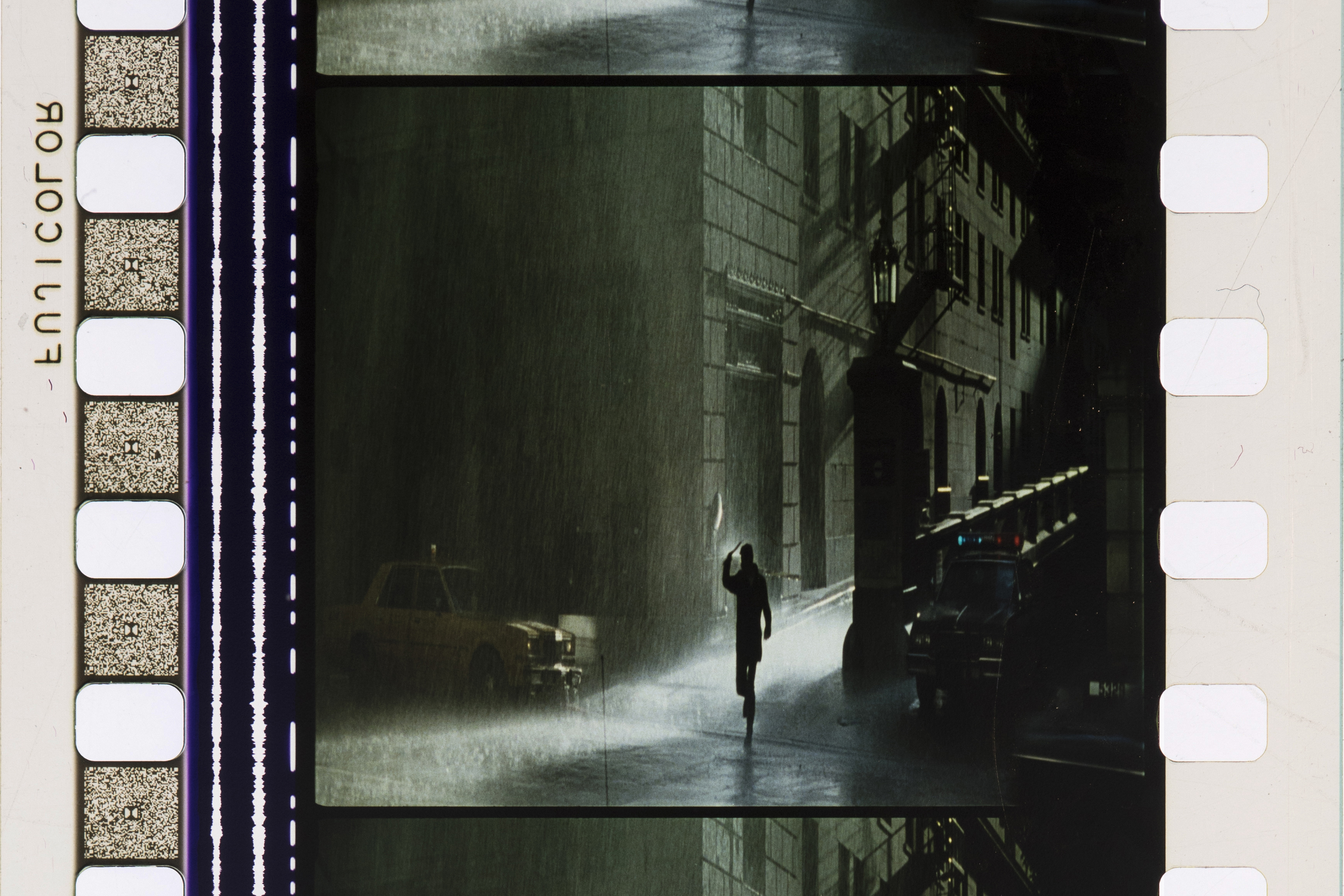
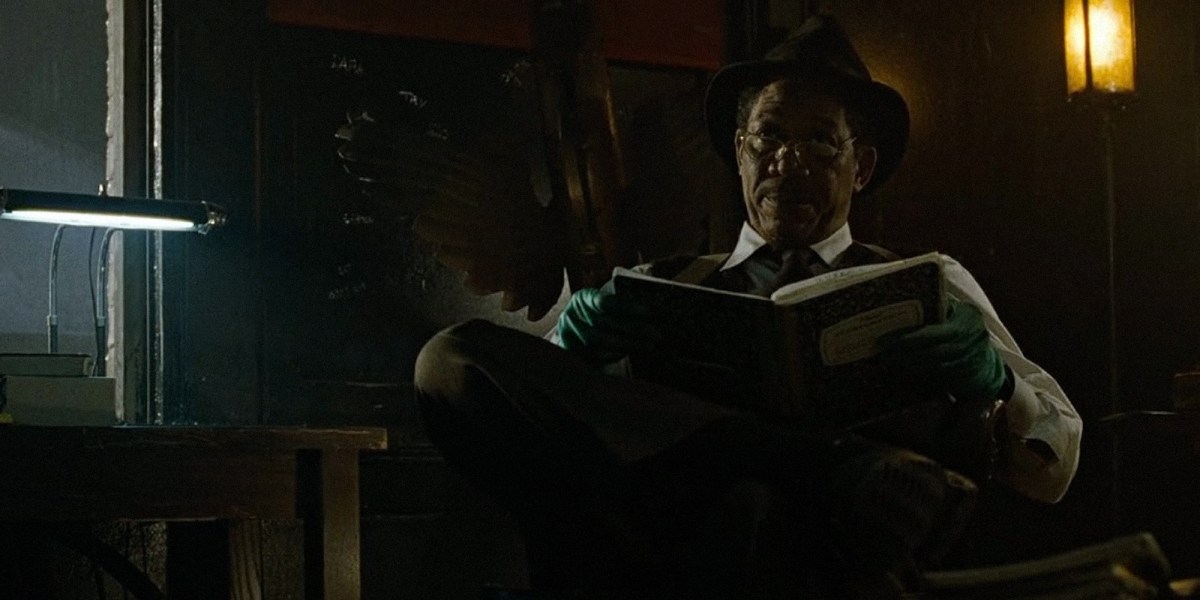
Although mainstream audiences may not be consciously aware of the use of special processes when they watch a film in a theater, they certainly felt the effect while watching David Fincher‘s horrific thriller Seven (AC Oct. ’95), which was photographed by Darius Khondji. A number of the film’s release prints were treated with Deluxe‘s Color Contrast Enhancement (CCE) process to heighten the film’s blacks and add a palpable texture and tonality.

Read the full article

Martin Scorsese Collection, George Eastman Museum, Rochester, NY.

Deluxe Color Contrast Enhancement

(CCE, Deluxe Adjustable Contrast Enhancement, ACE)

By Beverly Wood
FilmAtlas

Color Contrast Enhancement (CCE) was a silver retention process used at Deluxe Laboratories in the late 1990s that provided an extreme gritty look, with a muted color palette and increased contrast. Its companion process, Adjustable Contrast Enhancement (ACE), allowed for scalable control of contrast and black levels without impairing color saturation.

On David Fincher’s Se7en (1995), a small number of 35mm show prints were made for big city engagements using Deluxe’s Color Contrast Enhancement silver retention process. This enhanced the film’s noirish visual style with heightened contrast, desaturated colors and rich blacks.

Read the full article

Conversations with Darius Khondji

Visit with Darius Khondji, ASC, AFC

Darius Khondji, ASC, AFC (Marianne Chemetov / American Cinematographer)

Benjamin B
February 11 & 22, 2019
American Cinematographer (Blogs), The Film Book

When I visit Darius Khondji, ASC, AFC, in his home in Paris recently for coffee, tea and talk about his art and craft, we speak in his dark living room, with a small pool of light from a lamp on a nearby table, and soft daylight coming through French windows that give on to a snowy courtyard.

Darius’ wife, photographer Marianne Chemetov, kindly agrees to shoot a still of her husband for me near a window. They discuss the lighting. Darius asks to be in silhouette, and, afterwards he darkens Marianne’s photo on his iPhone even further. I ask him about this, and he says: “I like the radical quality of this chiaroscuro.”

Part 1: Book, Dimming, Colors, Direction

Part 2: Sources, Exposure, Contradictions, Directors

Book Excerpt: Conversations with Darius Khondji

The esteemed ASC member reflects on his breakthrough feature Se7en, which helped change the face of Hollywood horror and suspense features and remains a cinematic touchstone.

November 05, 2018
American Cinematographer

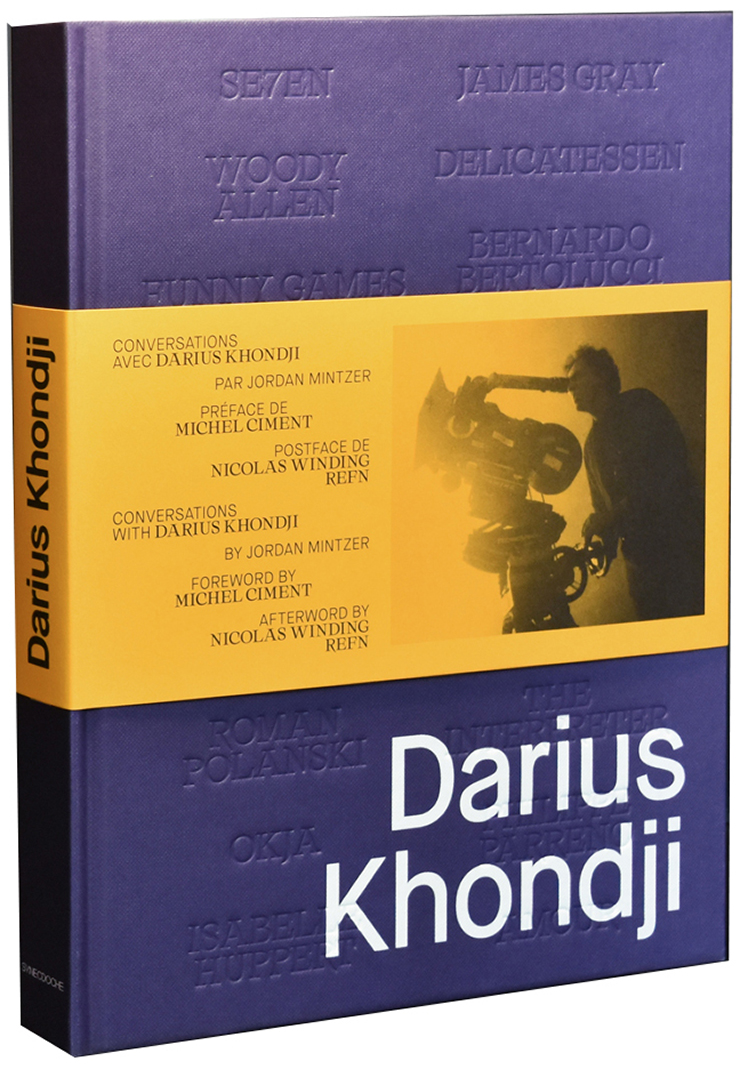
The following is an excerpt from the new book Conversations with Darius Khondji, written by The Hollywood Reporter film critic Jordan Mintzer and published in a French-English bilingual edition by Synecdoche in Paris. The excerpt is taken from the chapter “Out of the Shadows,” which begins with Khondji describing his work on David Fincher’s Se7en (1995) — the first feature he shot in Hollywood.

Read the excerpt

Order the beautiful limited-edition hardcover book: Conversations with Darius Khondji, by Jordan Mintzer (Synecdoche, Paris). HIGHLY RECOMMENDED!

ASC List of 100 Milestone Films in Cinematography of the 20th Century includes “Seven”

January 08, 2019
The American Society of Cinematographers (ASC)

Throughout 2019, the Society will honor the best-photographed films of the 20th century, as voted on by ASC members.

Founded on January 8, 1919, the American Society of Cinematographers celebrates its 100th anniversary today.

As part of the centennial festivities, the Society released their members’ list of the 100 milestone films in the art and craft of cinematography of the 20th century. Organized by Steven Fierberg, ASC (The Affair, Good Girls Revolt, Entourage) and voted on by ASC members, the list is the first of its kind to showcase the best of cinematography as selected by professional directors of photography. […]

The 100 films list will serve as a library of influential, key titles that all cinematographers should see as well as an educational tool for students, teachers and film lovers to better understand and appreciate the importance of cinematography. “It is our hope that the list will help cinematography to be better understood by the public — the audience — [and to showcase] each of us as an artist who is an essential contributor to the magic of cinema,” offers Fierberg.

The list represents a range of styles, eras and visual artistry, but, most importantly, it commemorates films that are inspirational or influential to ASC members and have exhibited enduring influence to generations of filmmakers.

The list culminates in a Top 10 by number of votes, while the other 90 titles are unranked.“We are trying to call attention to the most significant achievements of the cinematographer’s art,” Fierberg assures. “We do not presume to call one masterful achievement ‘better’ than another.”

Members chose to frame this list around the 20th century to ensure that enough time has passed for the titles and work to reasonably exhibit enduring influence.

The process of cultivating the 100 films began with ASC members each submitting 10 to 25 titles that were personally inspirational or perhaps changed the way they approached their craft. “I asked them — as cinematographers, members of the ASC, artists, filmmakers and people who love film and whose lives were shaped by films — to list the films that were most influential,” Fierberg explains. A master list was then complied, and members voted on what they considered to be the most essential 100 titles. […]

Detailed essays and historical information on each title will be published over the coming months, celebrating the diverse, global art form of cinematography throughout the ASC’s Centennial year. […]

  • Seven (1995), shot by Darius Khondji, ASC, AFC

See the full list

Seven: The Violence of a Cinematic Hellscape

Posted by David Shreve | Aug 29, 2017
Audiences Everywhere

There are less than 20 gunshots fired in David Fincher’s 1995 film Seven, each exchanged between David Mills and John Doe. If you don’t count Detective Somerset’s late face slap, there is only one wounding act of violence committed onscreen. It’s an oft-shared description offered by cinephiles and aspiring screenwriters and critics: Seven is, in the most basic sense, a non-violent film, even as watching it feels like a very violent viewing experience. For most of its run-time, Seven, which this week celebrates its 20th anniversary, is a noir- serial killer thriller built around already murdered corpses rather than murderous acts. Yet, this basic quantifiable description feels misleading to anyone watching or re-watching the film, anyone caught within or recently escaped from the spiraling trap of the film’s increasingly unsettling, malicious scenes.

Seven is widely credited for displaying influence from prior detective films and inspiring several films of comparable serial killer concern, but few films in either comparative line have less character violence and yet even fewer give as distinct an impression of having witnessed something truly violent.

Read the full article