Meet Beverly Wood, an innovator in color technologies for major motion pictures. She began working as an analytical chemist in the early 1980s before moving from the east coast of the U.S. to the west coast—a move which greatly influenced the trajectory her work. Her specialized knowledge of chemistry, engineering, and filmmaking led to her award-winning contributions to the creation and development of Color Contrast Enhancement (CCE) and Adjustable Contrast Enhancement (ACE) motion picture processes.
During this live online interview, you will be inspired by the story of Wood’s career, helping cinematographers, like Darius Khondji and Roger Deakins, to achieve their visual goals, and guiding them through the transition from chemical to digital technology, which changed how we see films today.
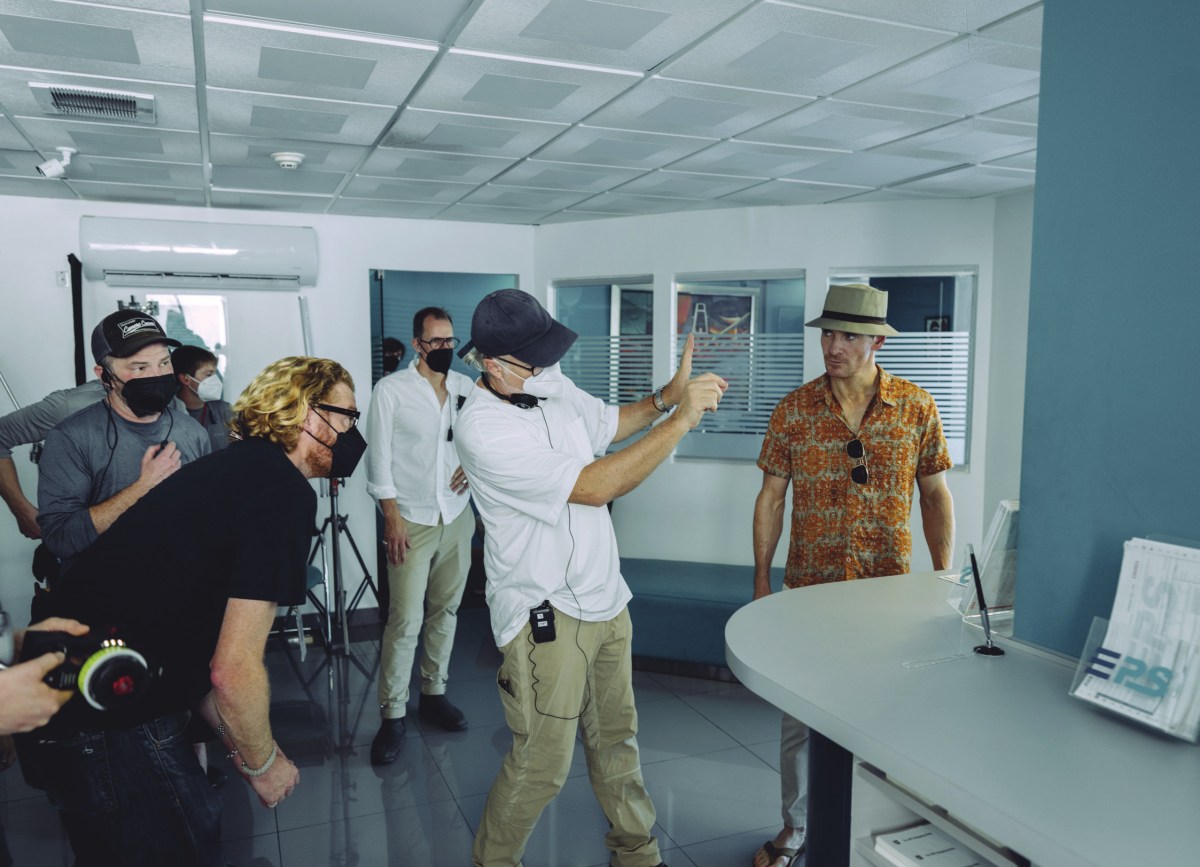
A pair of films shot by Erik Messerschmidt, ASC premiered at the Venice International Film Festival last August, and both were collaborations with leading directors: David Fincher’s The Killer and Michael Mann’s Ferrari. Messerschmidt recently spoke with AC from Spain about his work on each production.
The Killer | A Devil of a Job
Fincher and Messerschmidt didn’t discuss the look of The Killer as much as its tempo and structure.
Adapted from a graphic-novel series, the film follows a methodical, nameless assassin (played by Michael Fassbender) whose life spirals out of control after a job goes horribly wrong in Paris. He tries to restore a sense of order by punishing those responsible.
Messerschmidt won an Academy Award for Fincher’s Mank (AC Feb.’21), and his collaborations with the director span the Netflix series Mindhunter and the feature Gone Girl — with Messerschmidt serving as gaffer for Jeff Cronenweth, ASC (AC Nov. ’14) on the latter.
“David is fastidious,” he says. “He is very prepared, but very collaborative and considerate of what it is everyone’s bringing to the project. He shares his goals for the film with you, and he shares the techniques that he wants to use in a really elegant way. So, you begin to understand quite quickly what he’s looking to achieve on a given shot, a given scene or even on a given film.
“On this film, David was particularly interested in exploring The Killer’s state of mind through the camera’s perspective,” recalls Messerschmidt. “The Killer in his natural state is very much in control of his environment — nothing surprises him, and we wanted the audience to immediately connect to his confidence.”
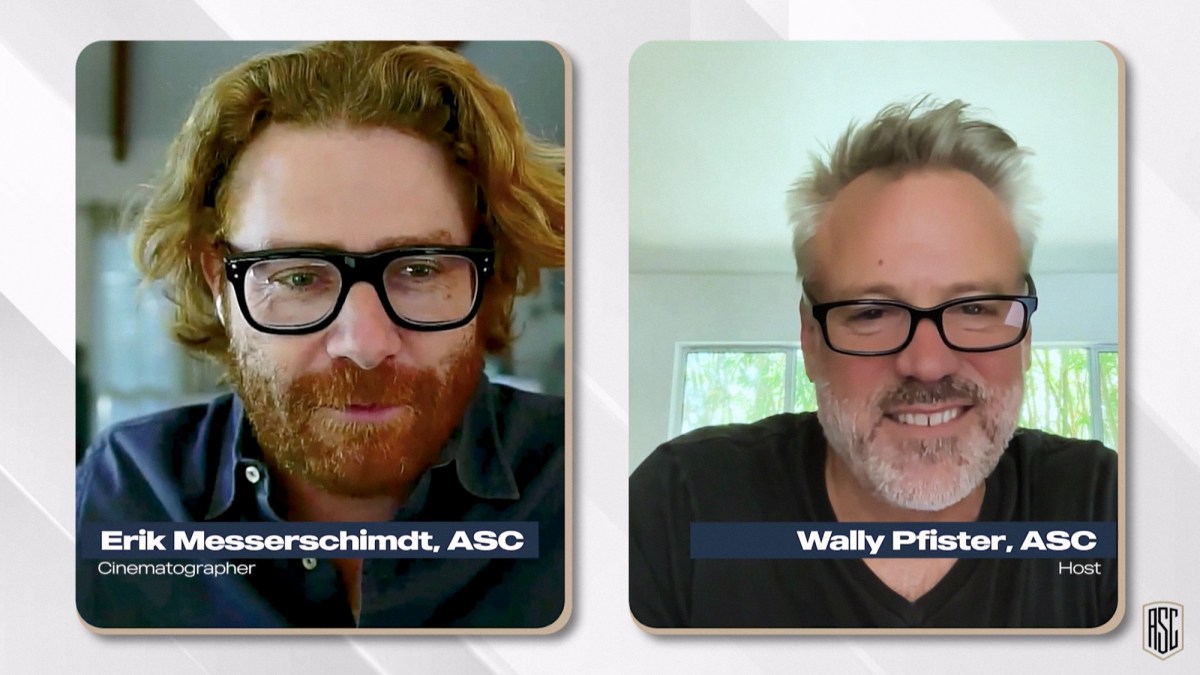
In this episode, cinematographer Erik Messerschmidt, ASC is joined by interviewer Wally Pfister, ASC to discuss his work on The Killer — the neo-noir thriller from director David Fincher that follows an assassin on the run after a botched hit job.
In The Killer, the titular antihero misses one of his intended targets for the first time in his career, and is forced to flee and survive the inevitable consequences. The film marks the second Fincher-directed feature shot by Messerschmidt, following the 2020 film Mank, for which he won an Academy Award for Best Cinematography.
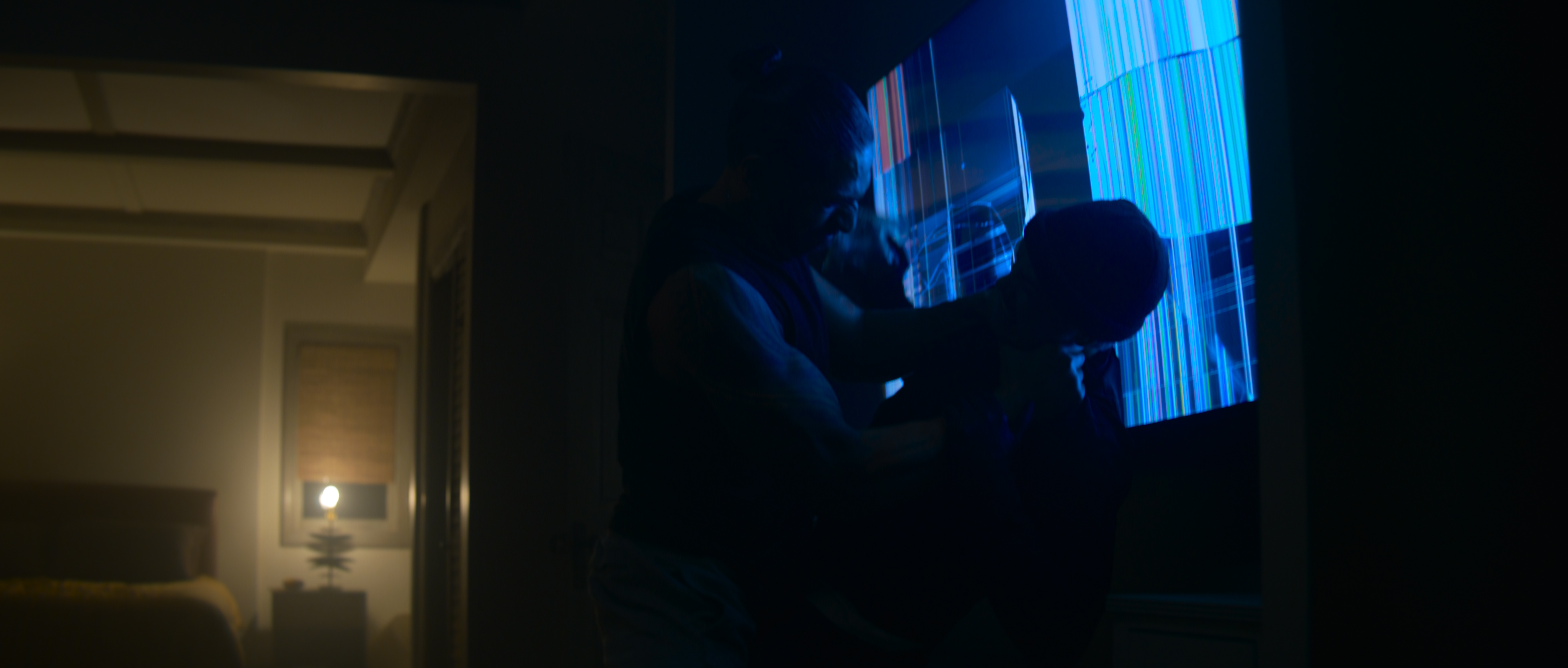
In this interview, Messerschmidt discusses the film’s Paris-inspired color palette; how he shot scenes “loosely” or “rigidly,” based on the main character’s degrees of control over varying situations; how he approached the lighting for a complex fight scene; how he incorporated planned postproduction decisions for lighting, flares and camera destabilization into his workflow; and what he learned about what an audience sees versus what it hears.
Erik Messerschmidt, ASC first emerged as a filmmaker when he was hired by Society member and mentor Mark Doering-Powell on several features as a grip and later gaffer. After Messerschmidt served as Society member Jeff Cronenweth‘s gaffer on the David Fincher-directed Gone Girl (2014), Cronenweth encouraged Fincher to hire Messerschmidt to photograph the Netflix series Mindhunter. Messerschmidt would reunite with Fincher for their 2020 feature Mank, which earned him an Academy Award for Best Cinematography.
Wally Pfister, ASC is a filmmaker whose cinematography credits include the Christopher Nolan features Batman Begins (2005), The Prestige (2006), The Dark Knight (2008) and Inception (2010). He was nominated for an Oscar for Best Cinematography for all of these works, winning one for Inception in 2011.
In this episode, cinematographer Anastas Michos, ASC, GSC is joined by interviewer Phedon Papamichael, ASC, GSC to discuss his work on Guillermo del Toro’s Cabinet of Curiosities— the Netflix horror-anthology series featuring eight macabre stories guest-directed by notable genre filmmakers.
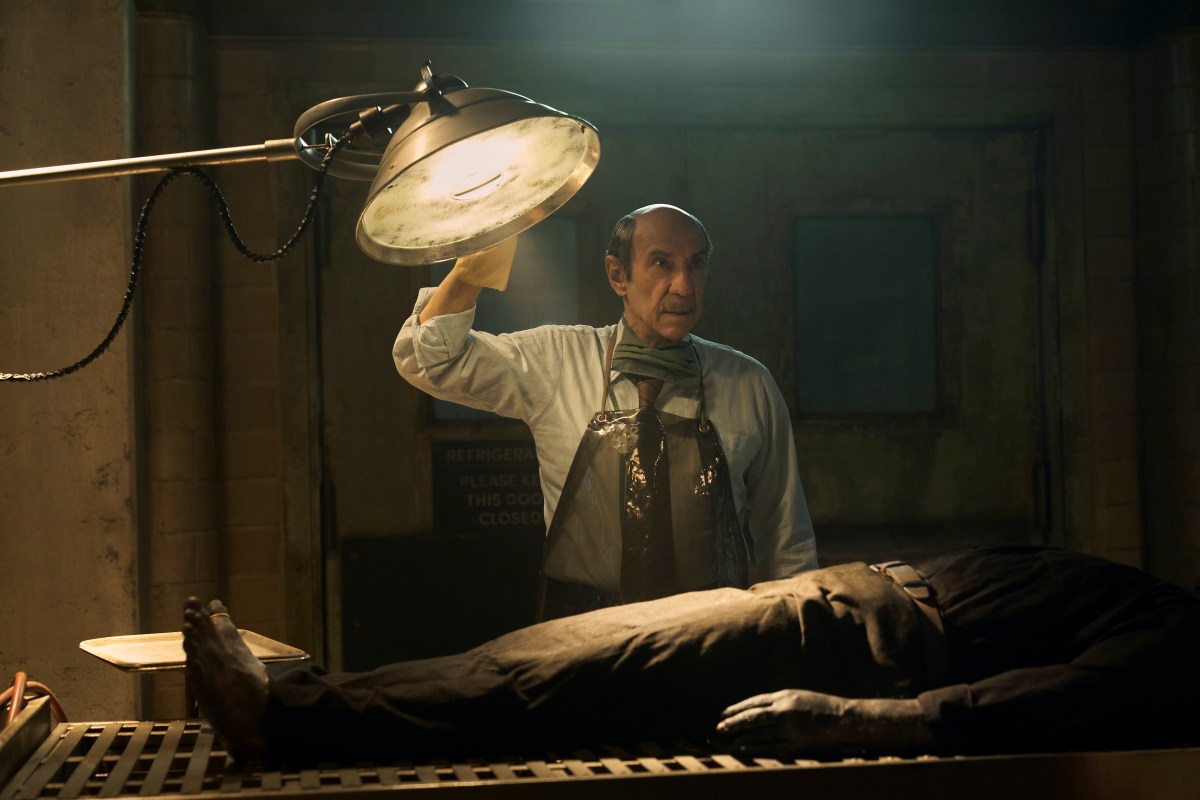
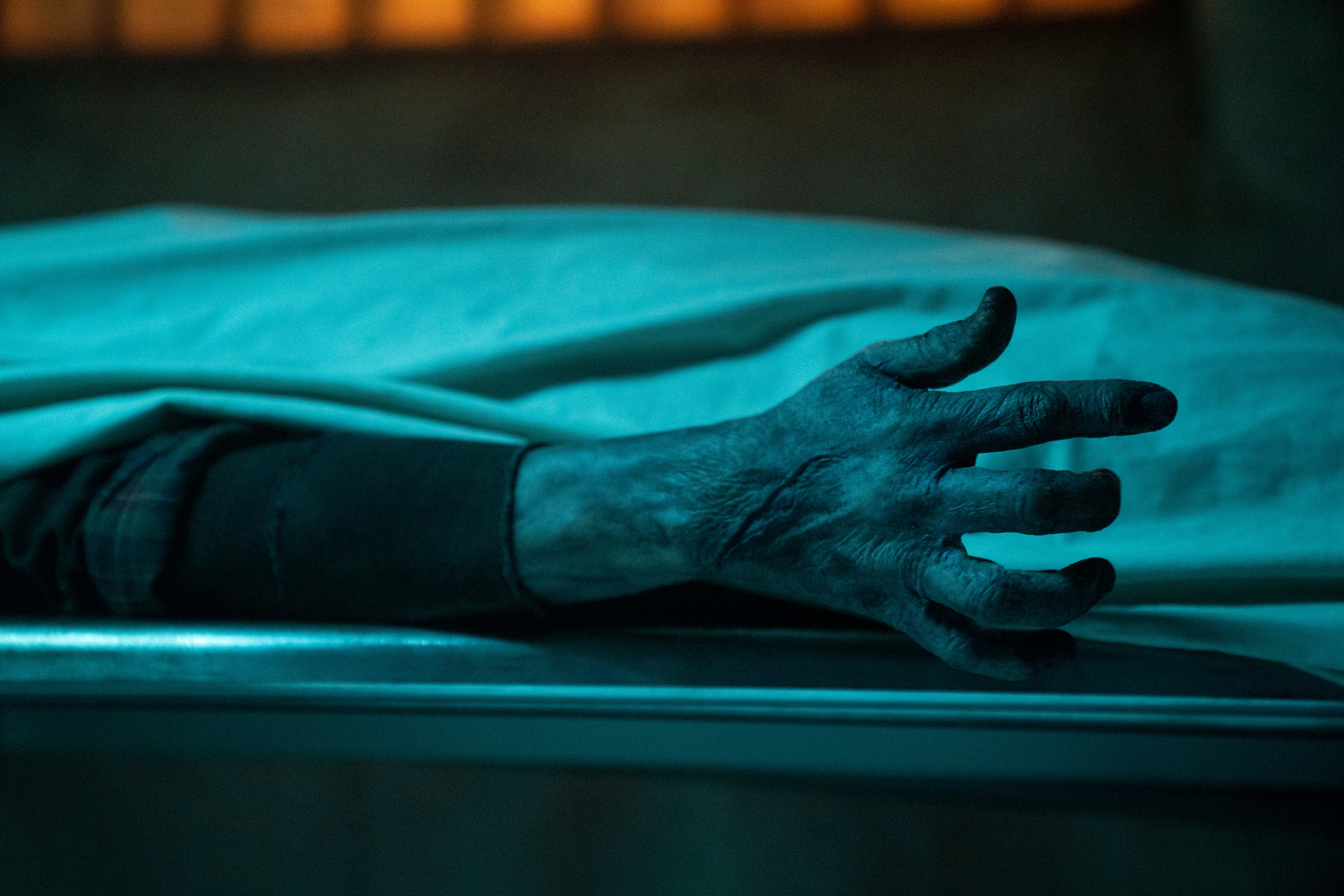
Presented and “personally curated” by Guillermo del Toro, Cabinet of Curiosities offers an assortment of modern horror fare rooted in the traditions of gothic and grand-guignol storytelling. The series’ guest directors include Ana Lily Amirpour, Panos Cosmatos, Catherine Hardwicke, Guillermo Navarro, David Prior, Vincenzo Natali, and Keith Thomas. Michos shot Episode 3 — “The Autopsy,” directed by Prior — and earned ASC Award and Emmy Award nominations this year for his work on the installment.
In this interview, Michos discusses his approach to shooting his episode with minimal lighting; the importance of amping up contrast between colors to strengthen and maintain his palette’s intended effects; his personal philosophy on color association; and why cinematographers must follow their own instincts when making decisions on camera operating and movement.
Anastas Michos, ASC, GSC is a cinematographer whose credits include the features The Kissing Booth (2018), The First Purge (2018), The Empty Man (2020) and Vanquish (2021).
Phedon Papamichael, ASC, GSC first began working as photojournalist in New York, and has since served as director of photography on over 40 features, including Sideways (2004), Walk the Line (2005), The Descendants (2011) and Ford v Ferrari(2019). He is a two-time Academy Award nominee for his cinematography on Nebraska (2013) and The Trial of the Chicago 7(2020).
Directors who have worked with Jeff Cronenweth, ASC observe that he is quiet, centered, and possesses a very dry sense of humor. Working in an eclectic mix of genres and styles, he quickly zeroes in on central concepts, often exceeding expectations with the results. His career as a feature cinematographer began auspiciously with David Fincher’s eye-popping Fight Club (AC Nov. ’99), and his filmography since then includes The Social Network (AC Oct. ’10), Gone Girl (AC Nov. ’14), One Hour Photo (AC Aug. ’02) and the Amazon miniseries Tales From the Loop (AC April ’20). Cronenweth has also shot stylistically bold, groundbreaking music videos for David Bowie, Taylor Swift, Janet Jackson, Nine Inch Nails and many other top artists.
Jeff with his father, Jordan Cronenweth, ASC.
It wouldn’t be at all hyperbolic to say Cronenweth was born into filmmaking. His great-grandfather owned and operated a photographic-equipment store in Wilkinsburg, Pa.; his grandfather Edward worked as a portrait photographer for Hollywood studios during the peak of that unique specialty, earning an Academy Award for his work; his grandmother Rosita was a Busby Berkeley dancer; and his father, renowned ASC member Jordan Cronenweth, served as director of photography on Blade Runner (AC July ’82), Peggy Sue Got Married (AC April ’87), Altered States (AC March ’81), Gardens of Stone (AC May ’87), and many classic music videos for leading artists of the 1980s and ’90s.
Taking this lineage a step further, Jeff Cronenweth has also collaborated with his brother Tim, a successful commercial director, on more than 500 spots.
“A storyteller doesn’t want to tell the same story over and over, and I don’t want to, either. I always want to find something new and challenging to work on.” — Jeff Cronenweth, ASC
Mank, Two of Us, The Truffle Hunters, The Mandalorian, Motherland: Fort Salem, The Crown and The Queen’s Gambit take top honors in this year’s ceremony.
Hosted by Turner Classic Movie’s Ben Mankiewicz, this year’s ASC Awards for Outstanding Achievement in Cinematography celebrated spectacular imagery, masters of the craft, and the ways in which the industry has adapted in the wake of Covid-19.
One such way that was recognized, celebrated and even employed to produce the awards show was virtual production. Cinematography’s biggest night, which typically takes place in the Ray Dolby Ballroom at the Hollywood & Highland complex, was instead held in the virtual space on Sunday, April 18, with special live moments captured at the historic ASC Clubhouse. This marked the first time in the show’s history that it was livestreamed to a global audience.
The event kicked off with a performance from the show’s live orchestra while a reel played, showcasing the indelible cinematography captured by ASC members — as well as some of this year’s honorees and nominees. Mankiewicz and ASC Awards Chair Dana Gonzales, ASC then welcomed nominees, guests, sponsors and audience members.
[…]
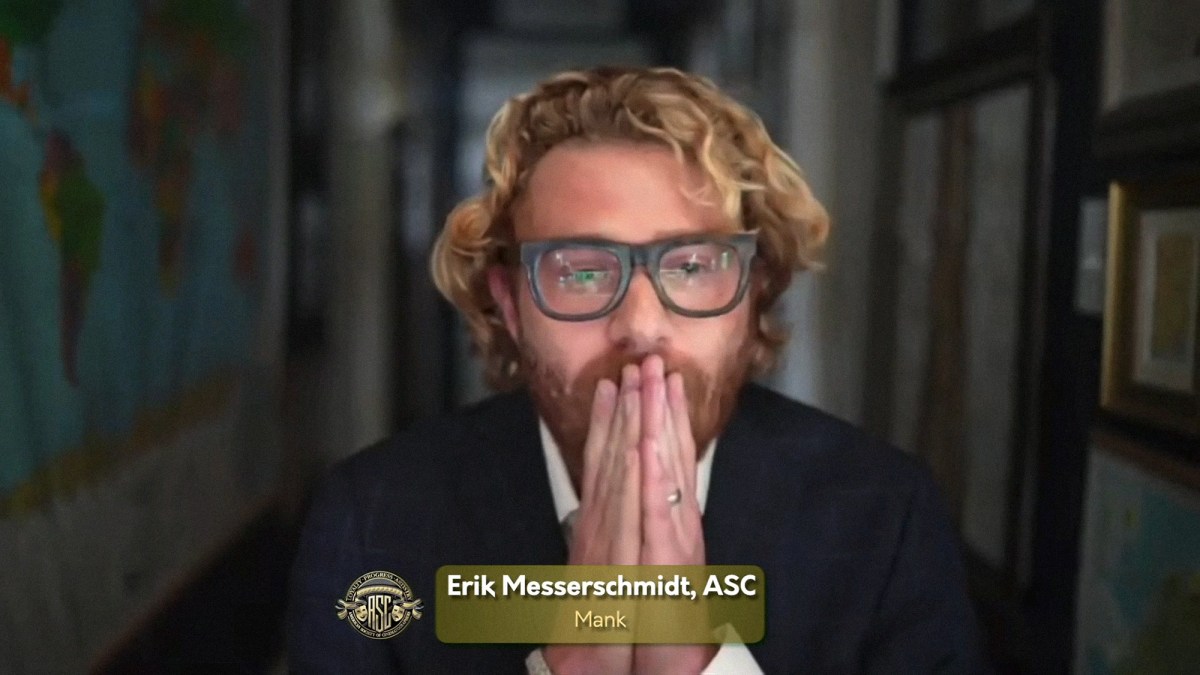
The final award of the day — in the Feature Film category — was presented by filmmakers Roger Deakins, ASC, BSC and James Deakins to Erik Messerschmidt, ASC for his work on Mank. This category was sponsored by Keslow Camera. This is Messerschmidt’s first ASC nomination and win.
In a new series of in-depth interviews with Society members, ASC Insights provides the cinematographer’s perspective on today’s most pertinent topics. The first two episodes cover High Dynamic Range (HDR) from the director of photography’s view.
Episode One discusses the implementation of HDR in postproduction as a deliverable and features the insights from Markus Förderer, ASC, BVK; Polly Morgan, ASC, BSC; and associate member and colorist Dave Cole. The episode examines scenes from Independence Day: Resurgence, the F/X series Legion and the short film Mandy.
Episode Two examines the implementation of HDR throughout the entire workflow from set to post and features thoughts from Erik Messerschmidt, ASC; Marshall Adams, ASC; and colorist Dave Cole. The members discuss scenes from Netflix’s Mindhunterand El Camino: The Breaking Bad Movie.
For both episodes, ASC associate member and American Cinematographer contributing editor Jay Holben discusses the ins and outs of HDR, the benefits and pitfalls and how important it is for the cinematographer to be involved in the postproduction implementation of HDR. The key to the format is in expanding the palette of creative intention for the filmmakers, not in merely delivering a brighter picture.
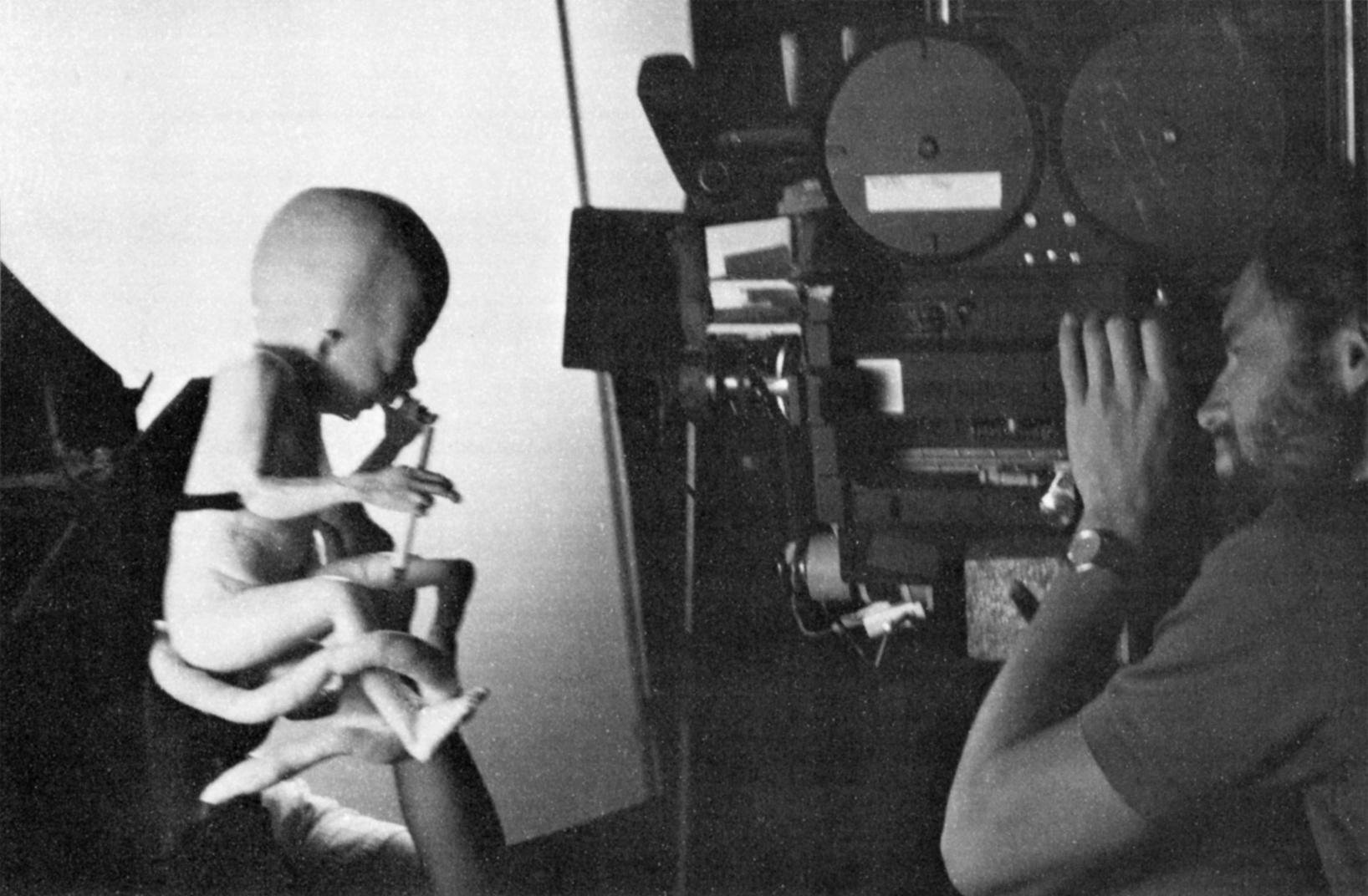
Tony McVey sets up his sculpture in front of the motion-control camera.
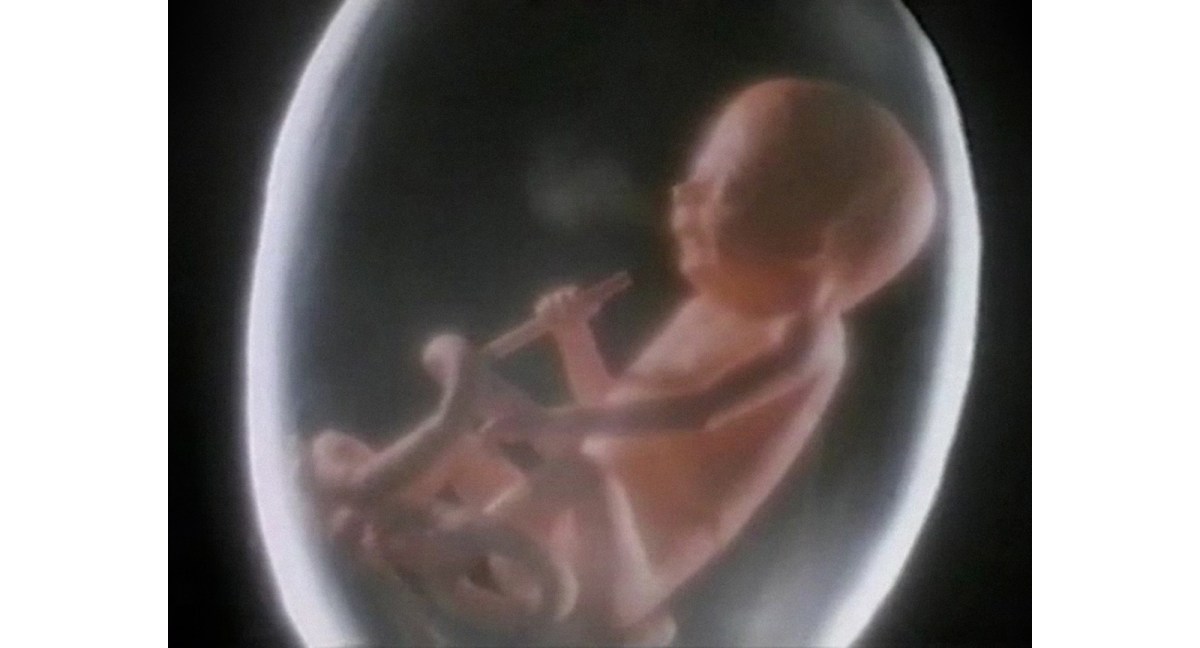
The sound of a heartbeat is heard. A human fetus fades up on the television screen in close-up and a voiceover begins: “Would you give a cigarette to your unborn child?” The camera pans and dollies back to reveal an entire fetus existing serenely in the womb of its mother. “You do every time you smoke when you’re pregnant.” At this point, the fetus slowly brings a lit cigarette to its lips and takes a puff, exhaling the smoke into the glowing placenta it lives in. And the voiceover finishes: “Pregnant mothers, please don’t smoke.”
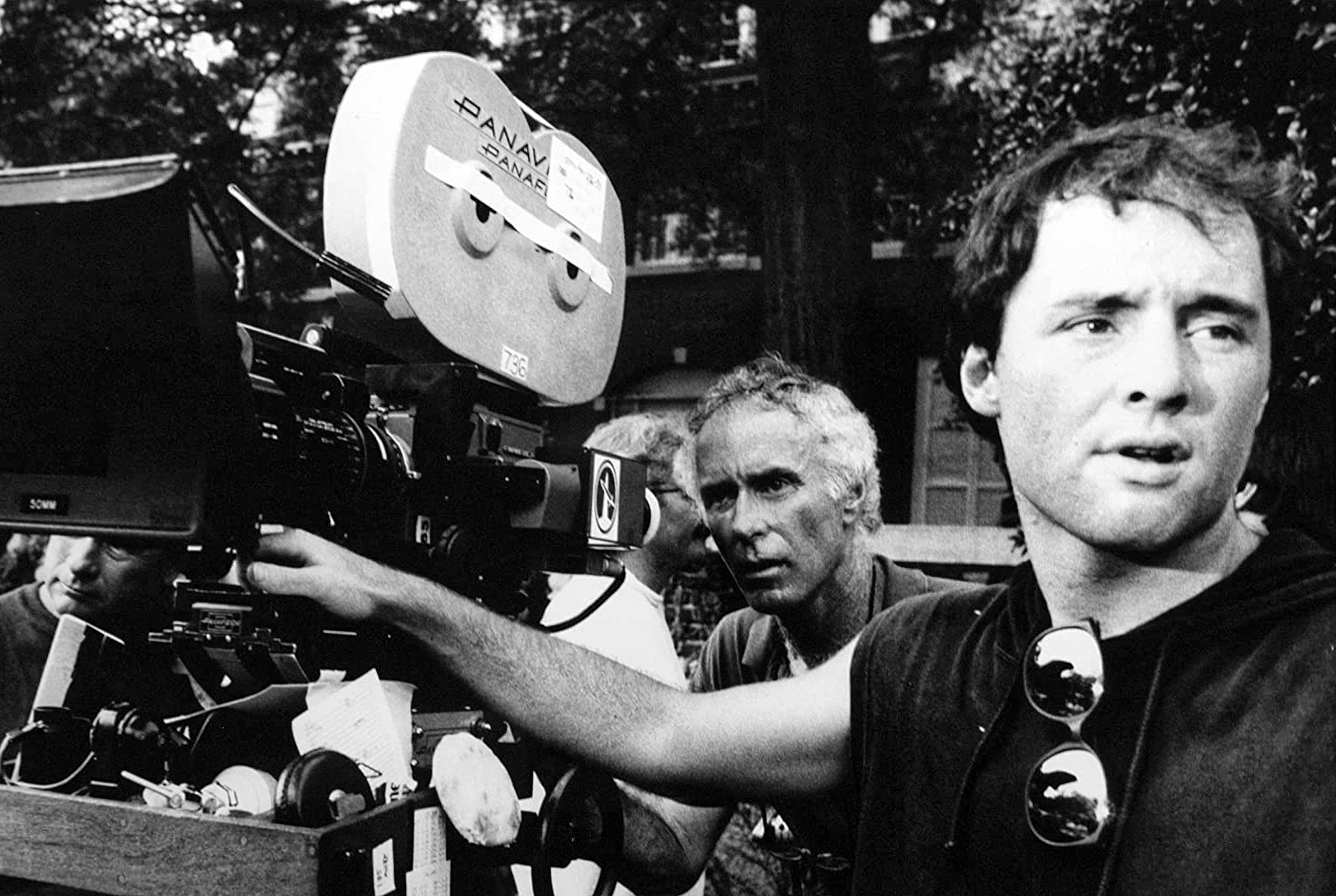
The 30-second spot was produced for the American Cancer Society by a talented and relatively untapped group of San Francisco Bay area filmmakers, modelmakers, and computer specialists brought together by producer Joseph Vogt (Rick Springfield’s “Bop ’Till You Drop”). With a film and conceptual design education behind him, Vogt organized the majority of his film crew from the ranks of Industrial Light and Magic. It was with the abundant talents of these production people — director David Fincher, Midland Productions, and Monaco Labs — that Vogt brought life to a most creative and technically challenging public service announcement.
Director of photography Michael Owens at the Mitchell GC ready to shoot the prepped sculpture.
Jerry Angert, director of broadcasting with the American Cancer Society, described the ad as “one of the most powerful we have done… We considered the fact that it would be controversial and the networks might not show it, but counted on the local stations to take it.” And that’s exactly what transpired. NBC and CBS chose not to air the graphic spot while CNN (Turner Broadcasting), ABC and its affiliates and affiliates of NBC and CBS elected to show it.
CBS and NBC claim the spot is too graphic. An NBC spokeswoman cited “general taste considerations” as a deterrent to airing the spot. “It was the sight of the fetus that was especially shocking and we felt it was potentially offensive to our viewers,” she was quoted as saying. A CBS spokesman said the network agreed with the “importance of the intent of the message,” but said that the spot was “far too graphic for broadcast on CBS.” An ABC spokesman, however, said the message put forth by the spot was “important for pregnant mothers to understand.” The network felt that. while it was “different visually” from the usual fare viewed on TV, it contained no material that warranted its ban from the airwaves.
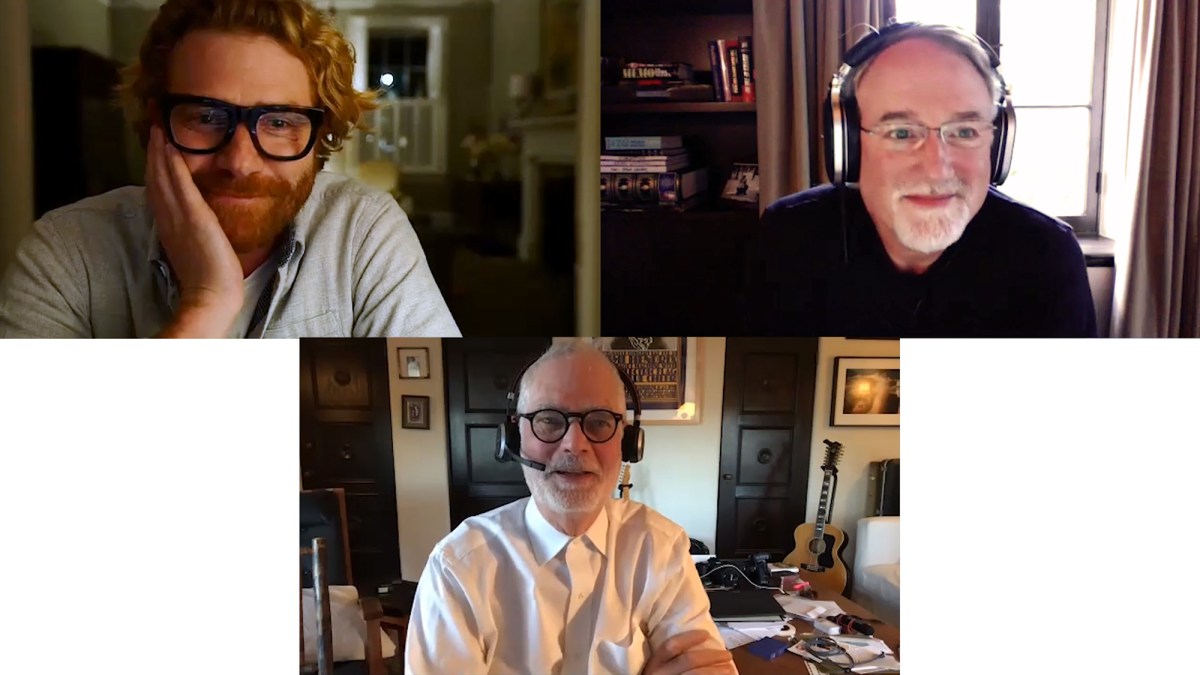
In this 85-minute episode, interviewer Caleb Deschanel, ASC talks to cinematographer Erik Messerschmidt, ASC and director David Fincher about their stylish black-and-white period drama.
Written by Fincher’s father, Jack,Mankdepicts the turbulent life and career of self-destructive Hollywood screenwriter Herman J. Mankiewicz (played by Gary Oldman) — focusing on his writing of the script for the iconic 1941 drama Citizen Kane. He and director Orson Welles shared an Academy Award for Best Original Screenplay.
While the filmmakers sought a period look and feel contemporary to their story — in part inspired by Gregg Toland, ASC’s Oscar-nominated camerawork in Citizen Kane and The Grapes of Wrath — they embraced every modern tool to accomplish their creative goal, shooting with Red Ranger monochrome Helium cameras and Leitz Summilux-C lenses while employing virtual production techniques to facilitate recreating a vintage Los Angeles and other locations.






 The Fincher Analyst