The Unmaking Of Movies. In-depth accounts of the ‘Greatest Movies Never Made’, Prominent ‘what ifs?’. Behind the scenes looks at canceled movies, lost projects, and the reasons why some projects went down in flames of development hell… Superman, Batman, Iron Man, Spider-Man, He-Man, Aliens, Hellboy, Robocop,and many more!
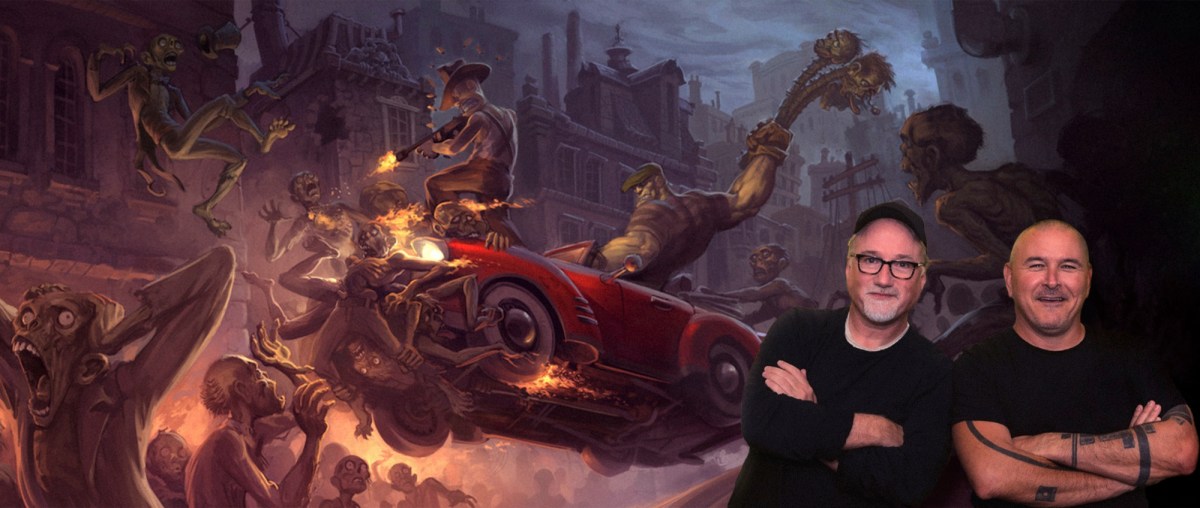
David Fincher has long been signed to produce a movie adaptation of Eric Powell‘s cult comic book: The Goon, published by Dark Horse, to be co-directed by Tim Miller and Jeff Fowler of Blur Studios with an original screenplay by Powell.
Video contains test animation for the David Fincher / Blur Studios / Dark Horse Entertainment produced film The Goon. Based on the Dark Horse Comic series by Eric Powell. Clancy Brown and Paul Giamatti provided the voices for this test. All artwork & footage belongs to its respective creators.
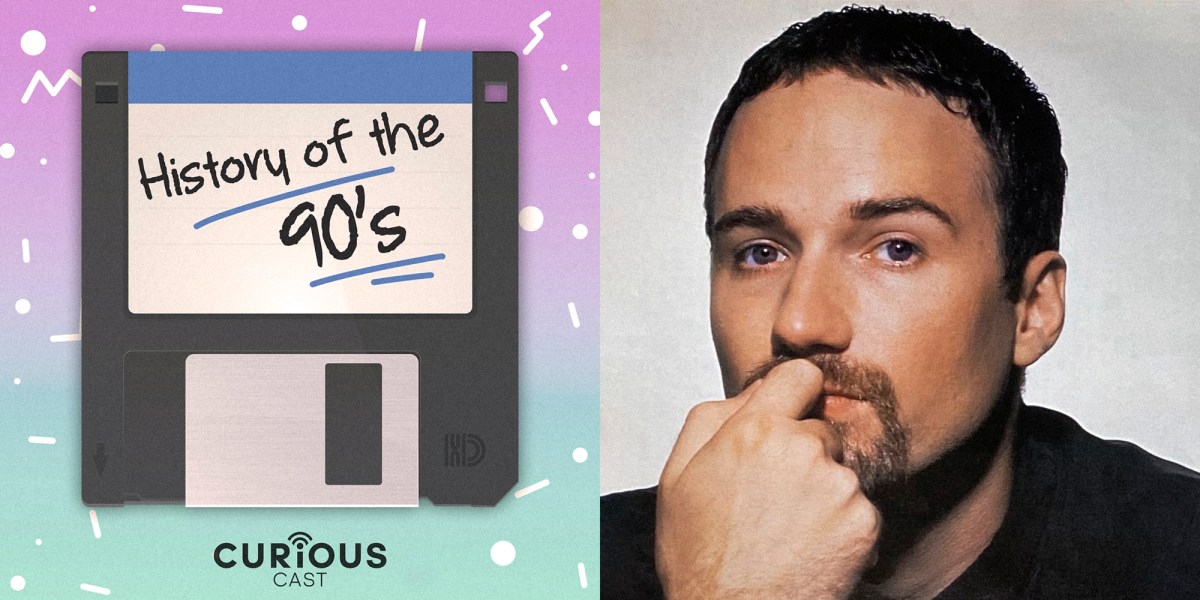
On History of the 90’s we’ll travel back in time through the stories that defined a decade. The last 10 years of the 20th century was a time like no other, from Columbine to Ruth Bader Ginsburg to Seinfeld, Air Jordan, and the Spice Girls… if it happened in the 90’s you’ll hear about it on this podcast. Join Kathy Kenzora as we journey through the History of the 90’s every other Wednesday.
In the 1990’s director David Fincher brought us classic movies like Seven and Fight Club, making his mark on the industry as one the best film makers of his generation. But Fincher’s impact on the decade stretches beyond movies. Through dozens of TV commercials and music videos Fincher helped style the 90s.
We open this year’s column with a kind of meta reflection on cinematography itself, as contained in the recent Netflix series Voir.
Continentally savvy readers already know “voir” means “to see,” but this is a series about “seeing” movies, cinema, in the broadest sense, which is to say, what films mean, and what effect they have on both individuals, and the world at large. It’s done in a series of visual meditations, usually on the specific film in question which sent the various narrators into their respective futures as essayists, bloggers, reviewers, and makers of the medium.
From producers David Fincher and David Prior, Voir dropped with vastly less fanfare accorded to something like a new Cobra Kai or Witcher season, perhaps because it’s non-fiction, or more likely, because each episode averages about fifteen minutes. They are shorts in other words. About movies.
We caught up with cinematographer Martim Vian, who shot four of the series’ six episodes. The one we wanted to really talk to him about though, was the first one (if simultaneously dropped episodes can be said to have an order), called Summer of the Shark.
David Fincher and David Prior are producers on Netflix‘s latest upcoming series Voir— a series of visual essays celebrating Cinema and the personal connection we each have to the stories we see on the big screen.
Each episode celebrates various aspects of cinema through interviews and personal anecdotes from historians and filmmakers. The series’ cinematographer, Martim Vian, spoke exclusively to ProductionHUB about his specific vision for the series, the importance of personal and historical anecdotes, and the impact of Vior on the viewer.
In Reunited, Awards Insider hosts a conversation between two Oscar contenders who have collaborated on a previous project. Here, we speak with Lost Daughter actor Dakota Johnson and Tick, Tick…Boom! star Andrew Garfield, who previously appeared together in the 2010 drama The Social Network.
The Social Network,David Fincher’s 2010 drama about Mark Zuckerberg and the creation of Facebook, has remained firmly part of the cultural conversation—after all, the influence of the social media network on our lives and politics has only increased. But this year also brings an opportunity to celebrate two of its stars who are making their way through the awards circuit: Andrew Garfield, who played Eduardo Saverin, and Dakota Johnson, who, in her first film role, played Amelia Ritter.
The 32-year-old Johnson, who went on to lead the Fifty Shades franchise, plays a conflicted young mother in Maggie Gyllenhaal’s The Lost Daughter. And Garfield, 38, who went on to don the Spider-Man suit for two films before diving into more auteur-driven fare like Hacksaw Ridge and Silence, delivers a career-best performance as Rent creator Jonathan Larson in Lin-Manuel Miranda’s Tick, Tick…Boom!
Their current projects could not be more different, but their paths to get to them, from the early days of TheSocial Network to leading big franchises (and the fandom that comes with that), have been eerily similar. Vanity Fair reunited the two in Los Angeles for a conversation about filming with Fincher, dealing with the spotlight of fame, and the “rotten fish” of social media.
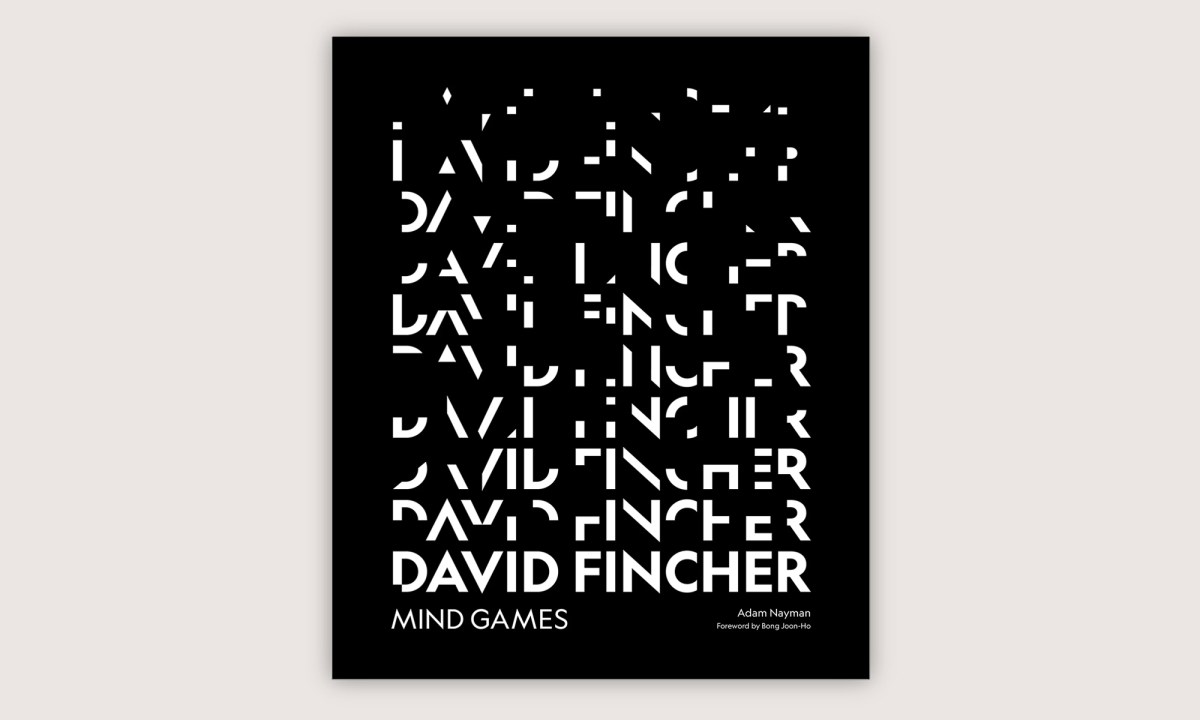
David Fincher’s films are full of doubles, puzzles, and tantalizing glimpses of the director himself. As Adam Nayman writes in his new book about Fincher’s films, Mind Games, “Fincher imposes his presence through the actions and psychologies of thinly veiled proxies: Clockmakers and safecrackers; hackers and terrorists; detectives and serial killers.” These are films that are, like their director, obsessed with procedure and appearance—and intent on puncturing both.
These films are, perhaps because of their complexity or their (at least outward) coldness—or perhaps because of Fincher’s own past as a director of music videos and advertisements—misunderstood or even dismissed. In the past decade alone, Fincher’s The Social Network and, especially, Gone Girl have received radical reappraisals, while Zodiac has been seen by many as one of the best films of the twenty-first century. Mind Games is particularly valuable in its willingness to critically engage with much of Fincher’s less-appreciated output—from his work in advertising to films like Benjamin Button and The Girl With the Dragon Tattoo. But Nayman, the author of similar studies of the Coen brothers and Paul Thomas Anderson, also deepens the understanding of films by situating them in an oeuvre that has been obsessively looking at many of the same themes for decades.
Riverside Chats is a series of conversations hosted by Tom Knoblauch exploring culture of all kinds, broadcast from the Heartland. Listen on KIOS 91.5 Omaha Public Radio on Mondays and Saturdays or on your favorite podcast app.
Adam Nayman is a critic at The Ringer and Cinema Scope and he is also the author of The Coen Brothers: This Book Really Ties the Room Together and Paul Thomas Anderson: Masterworks, which he discussed in an earlier episode of this show.
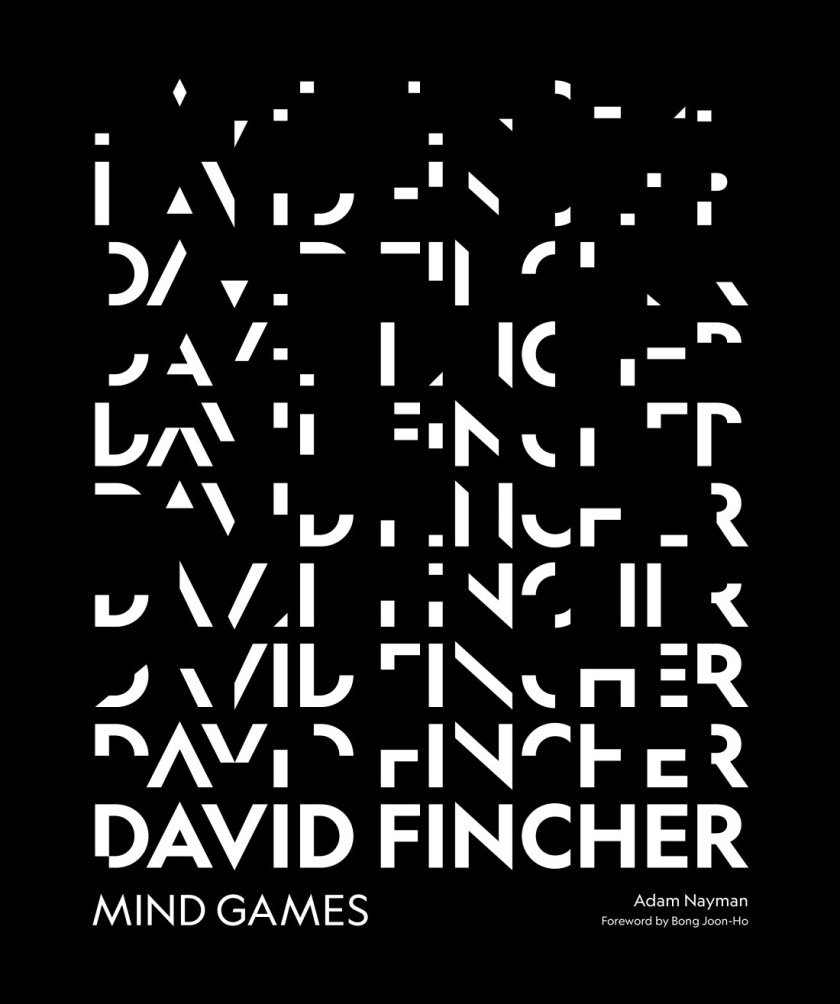
His latest book, David Fincher: Mind Games is a critical and visual survey of the filmmaker behind incredibly influential works include Seven, Fight Club, The Curious Case of Benjamin Button, The Social Network, The Girl with the Dragon Tattoo, and Gone Girl, and more. Nayman gives context, analysis, links themes, and conducts interviews with various people involved across Fincher’s career, grouping Fincher’s work around themes of procedure, imprisonment, paranoia, prestige, and relationship dynamics. Today he talks about Fincher’s career and shifting place in the cinematic landscape.
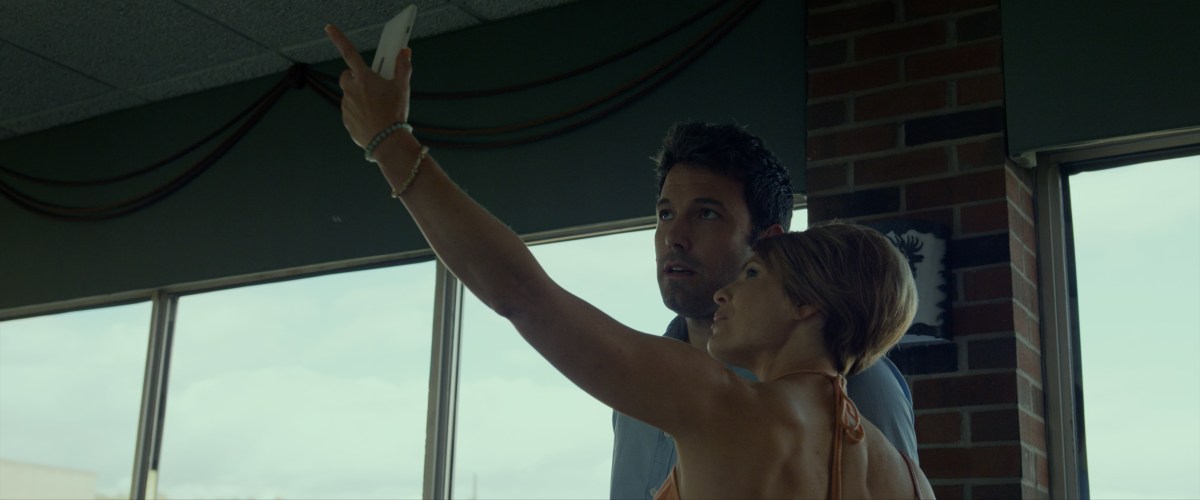
Leos think about other leos a lot, or at least that’s what I’m telling myself. Tonight, I wanted to think a little bit more about OOMF Back in his Gone Girl Era, or, that specific Ben Affleck quality/intonation/villainous chin that makes everything he says come out all wrong. What better movie is a case study for this than the movie in which it was deployed demonically and perfectly? I am speaking, of course, about Gone Girl.
Tonight: a short Q&A with David Fincher: Mind Games author Adam Nayman about the 2014 David Fincher, um, love story. “Gone Girl is a culmination of one of the things I really like about Fincher: it’s a movie about communication, the way that we kind of self mediate our images online. It was kind of ahead of the curve in that way. It still feels very state of the art — even though it’s not really a Twitter, Instagram movie, and some of the actual social media features on it date it to 2014 — it just feels really post-millennial and contemporary,” Nayman told me.
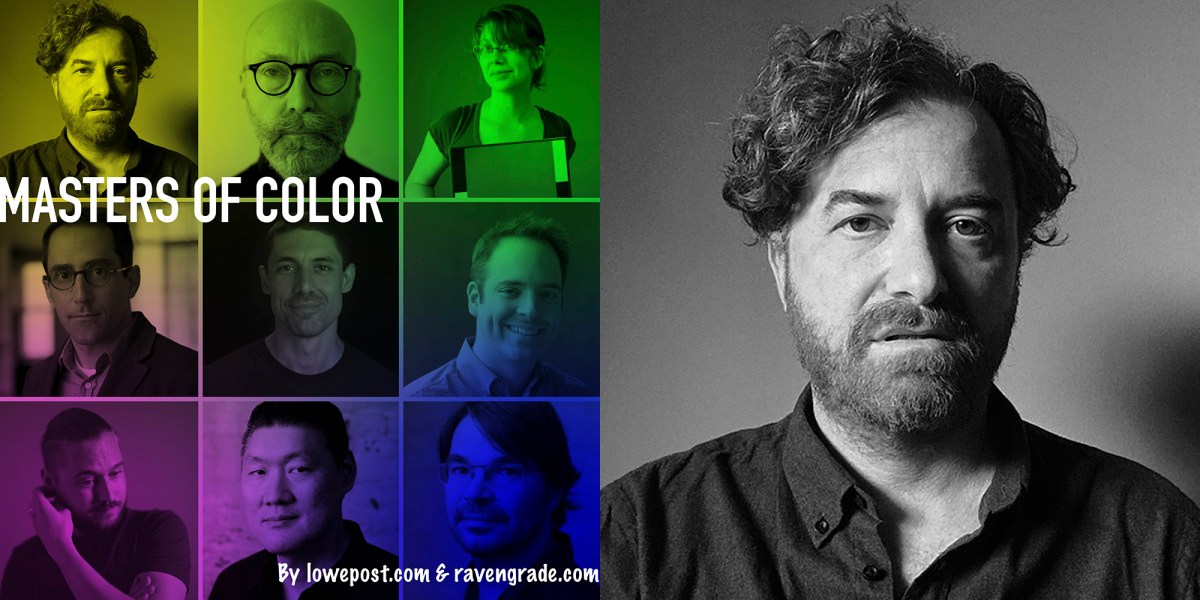
In this episode, we talk with director David Fincher’s favorite colorist Eric Weidt about the art and craft of color grading.
Eric has an incredible list of credits that includes Mank and Mindhunter. His works on these projects extend far beyond traditional tasks of color grading, incorporating complex look modeling and incredibly detailed adjustments on virtually every frame.
The techniques and insights he shares in this episode are unique and includes topics such as how to sculpt the viewers experience with textural and spatial tools, the lens treatment techniques used on Mindhunter, the process and swan curve treatment behind the day-for-night shots on Mank, advanced grain work and so much more.
This episode is sponsored by Pixelview, an industry standard and affordable streaming solution for editors and colorists.
Mind Games author Adam Nayman discusses the connective tissue between David Fincher’s films and why we can’t help comparing him to Paul Thomas Anderson
Radheyan Simonpillai December 22, 2021 NOW Magazine
In the David Fincher film Zodiac, cartoonist Robert Graysmith obsessively pours over legal documents, testimonies, and geographic patterns. He connects the dots that won’t necessarily give him conclusive answers regarding the titular San Francisco serial killer but will nevertheless make for a pretty good book that paved the way for a masterpiece film. I like to picture Toronto film critic and author Adam Nayman doing the same for his book David Fincher: Mind Games.
Nayman scans Fincher’s work, from the music video for Madonna’s Express Yourself to last year’s endearing look back at authorship in Mank, writing chapters on each movie with forensic detail and riveting insight. Mind Games, which comes with a lovely foreword from Parasite director Bong Joon-Ho, is the latest in Nayman’s series of comprehensive books on the greatest white male directors of our generation, sitting nicely alongside The Coen Bros: This Book Really Ties The Films Together and Paul Thomas Anderson: Masterworks. And there’s an argument to be made that this book is the most fascinating of the three.
More so than the others, Fincher’s movies inspire divisive reactions. Movies like The Curious Case Of Benjamin Button and Mank rack up the most Oscar nominations while being pilloried by many critics. Se7en and Fight Club earn dorm room notoriety, which in turn is weaponized against the films themselves. Some of his greatest work in Zodiac and Gone Girl doesn’t quite get the love it deserves. But Fincher is the kind of filmmaker whose misses are infinitely more fascinating to me than the best that a Christopher Nolan puts up.
Nayman discussed Fincher’s canon with NOW in a conversation about the imprint he leaves on his films and how he compares to Paul Thomas Anderson. The Licorice Pizza filmmaker has a very different kind of career, but feels oddly linked to Fincher.






 The Fincher Analyst