Curating Reality: Cinematographer Erik Messerschmidt and “Mank”

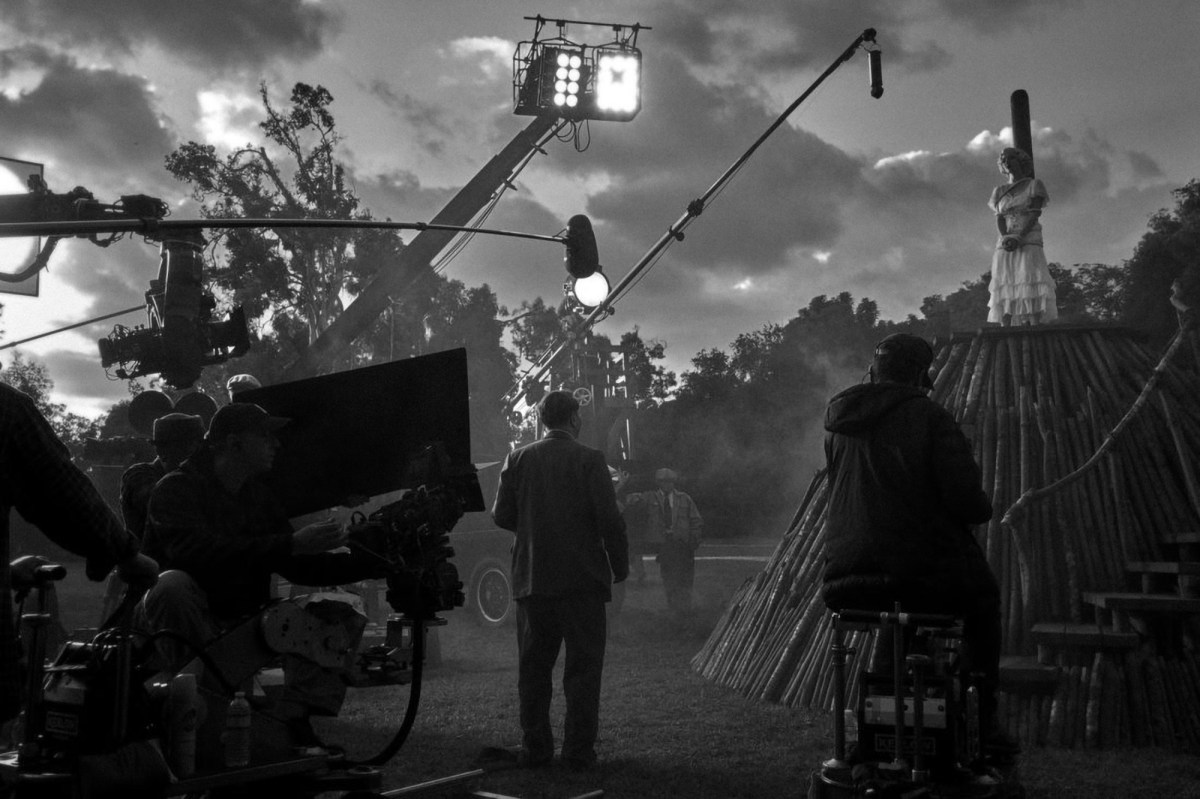
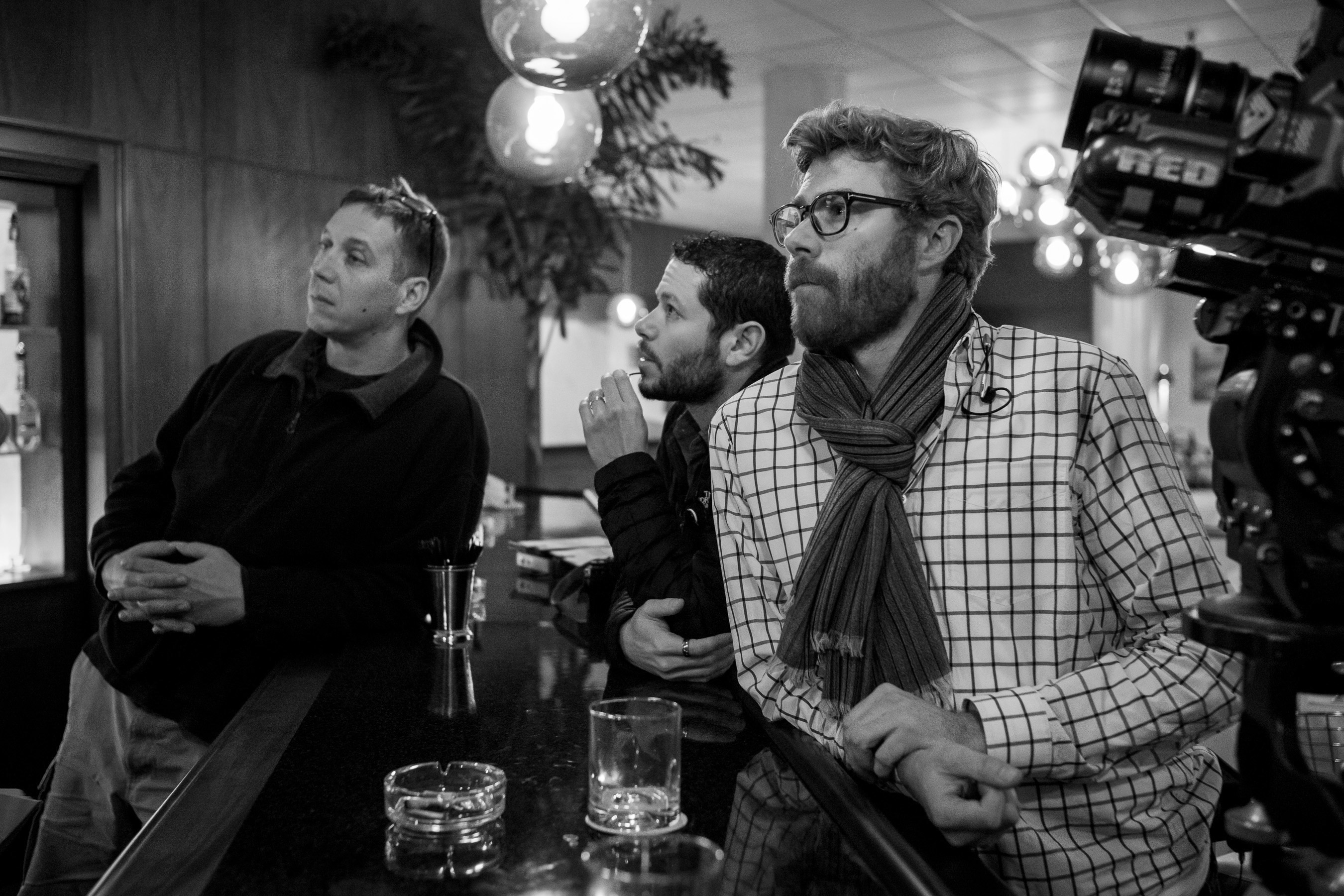
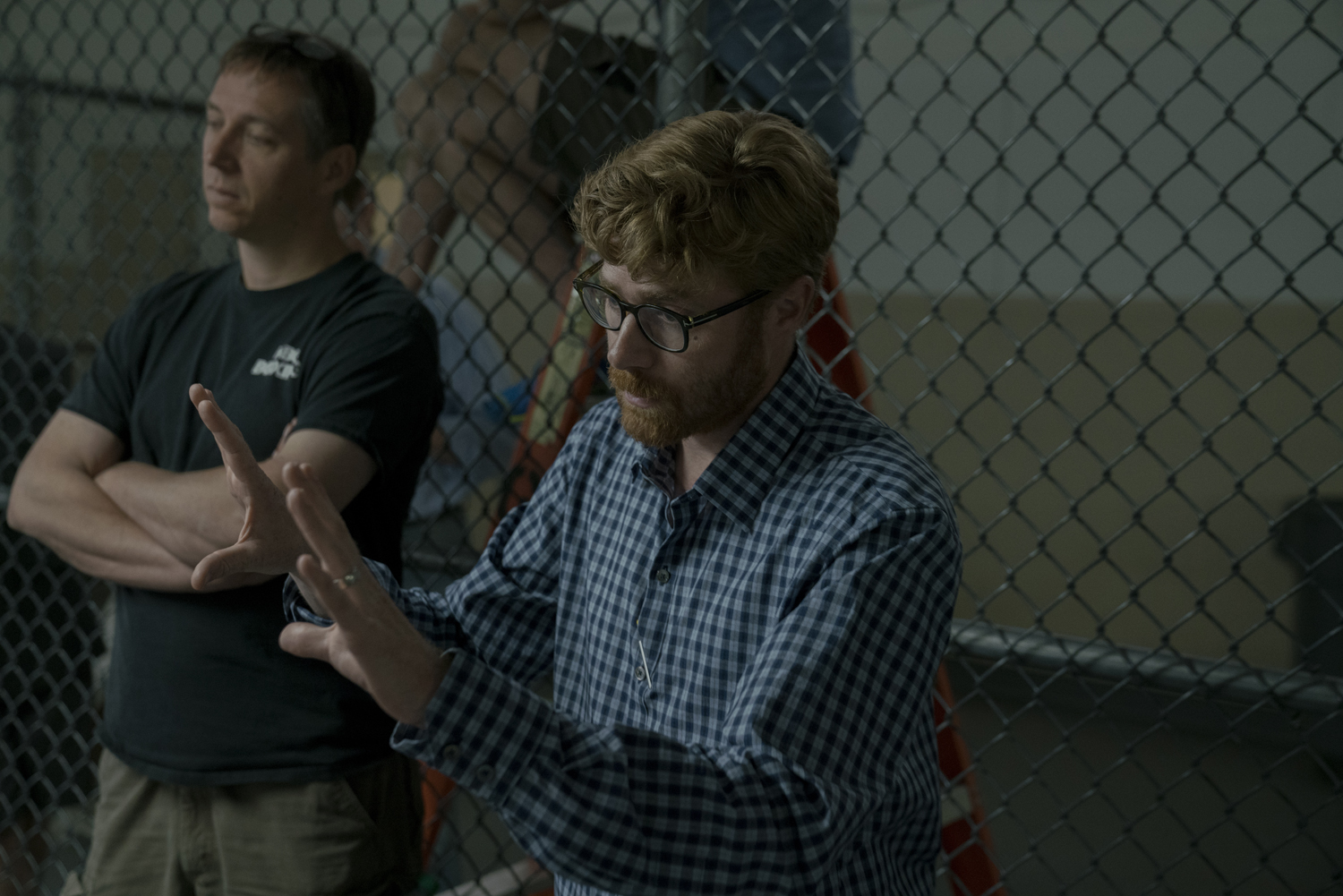
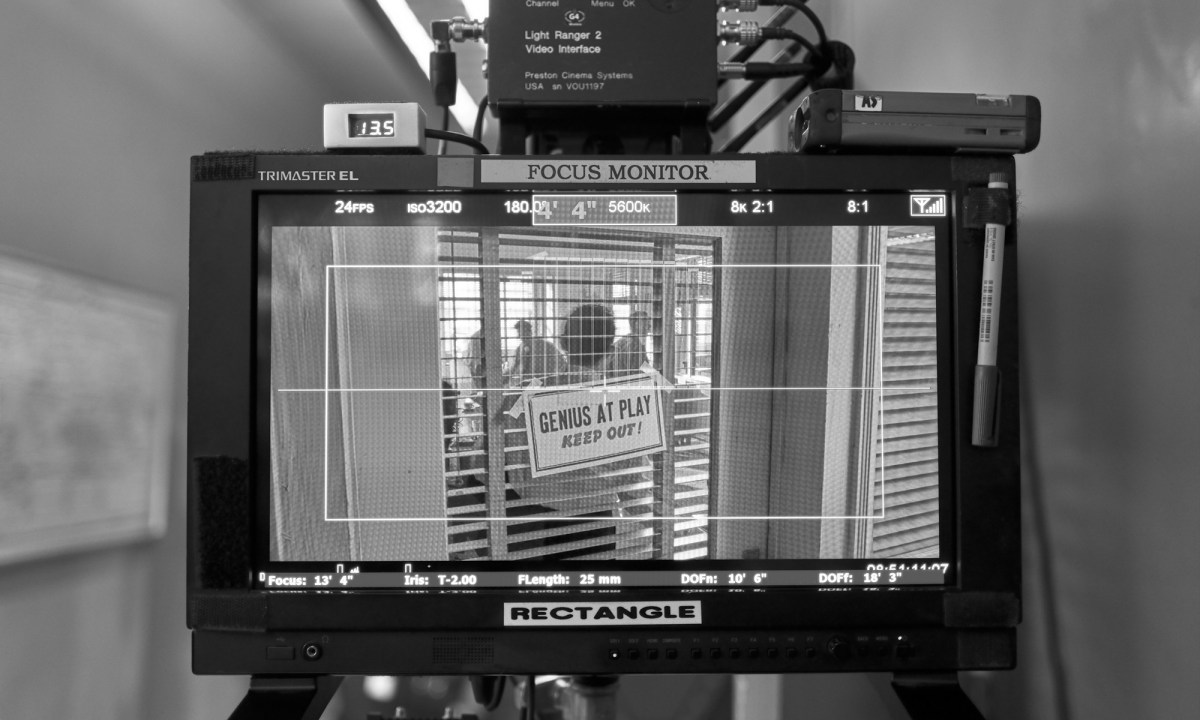
Mank BTS (Miles Crist)

An in-depth conversation with “Mank” DP Erik Messerschmidt about his detailed work on the film.

Nicolas Rapold
December 4, 2020
Notebook (MUBI)

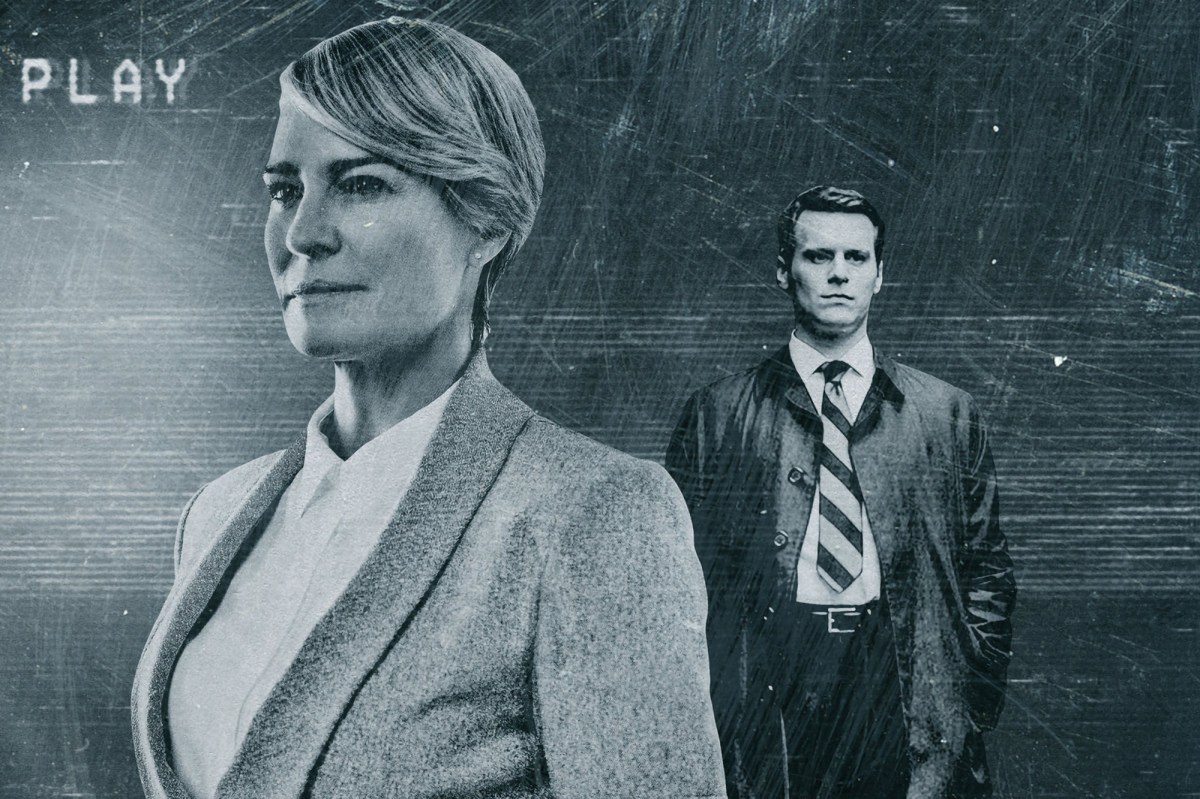
It’s impressive when a Director of Photography’s first fiction feature is with David Fincher, notorious for his exacting eye in terms of both working methods and stringent aesthetics. But before Mank—Fincher’s passion project on Herman J. Mankiewicz and the writing of Citizen KaneErik Messerschmidt had been a part of Fincher’s team on both seasons of Mindhunter and even earlier as a gaffer on Gone Girl for DP Jeff Cronenweth. On Mindhunter, Messerschmidt’s camera infused the bloodless institutional interiors of its serial-killer/FBI interview set pieces with subtly vulnerable undertones, hewing to a Fincher playbook of visual control that telegraphs barely contained chaos.

Mank posed its own challenge with the director’s dream of making a black-and-white period picture in 2020, a vision of authenticity that is something of a chimera in cinema’s digital age. The story shuttles between Mankiewicz (Gary Oldman) writing Citizen Kane in 1940 and his preceding years of experience with the people and society that inspired him, including Davies (Amanda Seyfried) and William Randolph Hearst (Charles Dance). Mank does not simulate the look of any single movie made in the 1940s but rather comprises a gentle pastiche of styles and signifiers (no office seems without slatted shades). Standout scenes include the banquets in cavernous Hearst Castle, where Mank dunks on the assembled high-flown guests; bull sessions in the screenwriter’s Mojave Desert bungalow as he hems and haws and bangs out the screenplay for Citizen Kane; a glitzy-weary 1934 election party for California’s gubernatorial contest, celebrating Republican Frank Merriam’s victory over Upton Sinclair; and anything featuring Seyfried as Davies, remarkably the sole true star in a film set in 1930s and ’40s Hollywood.

Speaking with Messerschmidt, I zeroed in on the feelings and associations within the look of Mindhunter, and the particular technical choices that went into creating Mank’s Hollywoodland.
Read the full interview

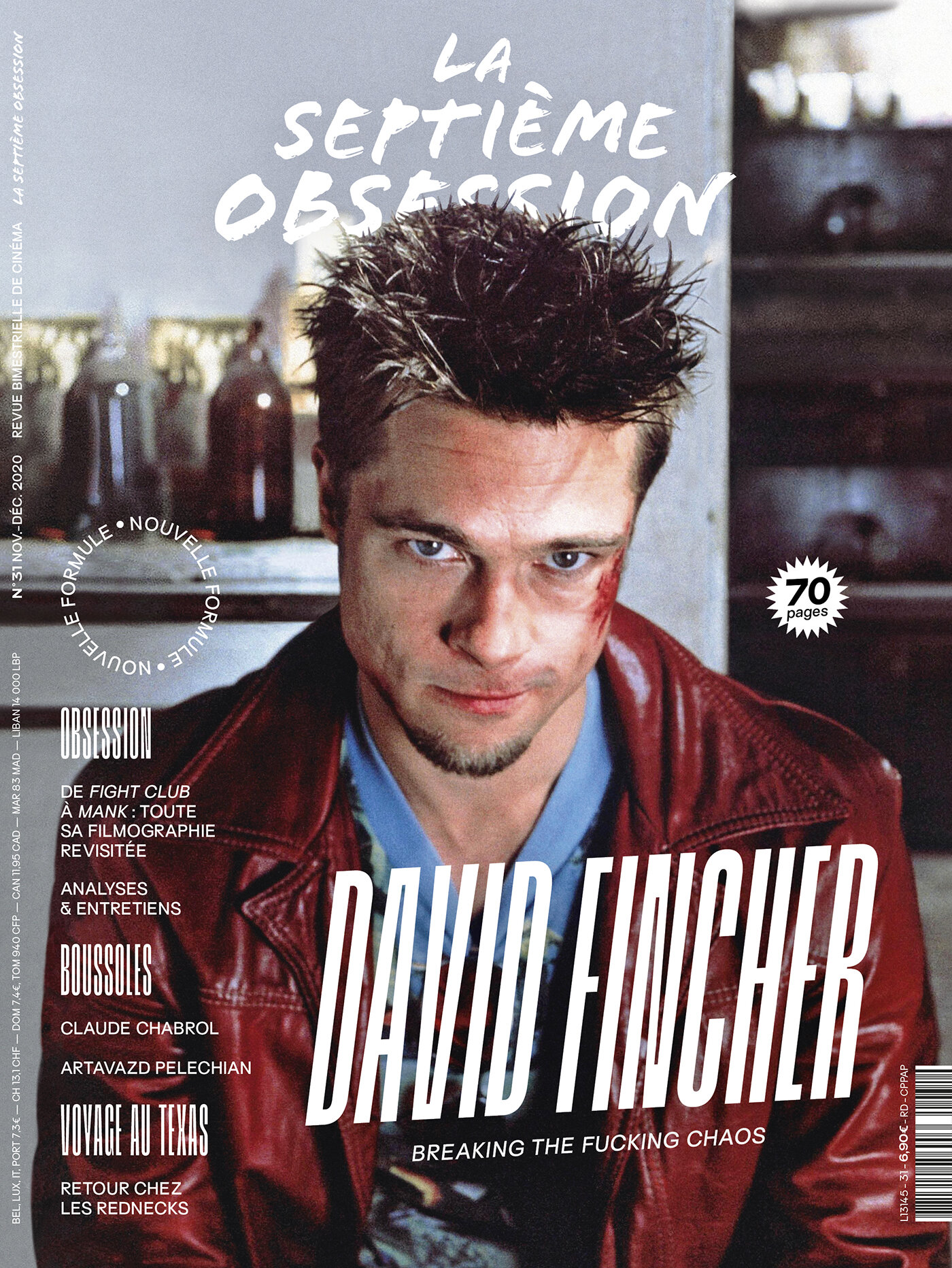
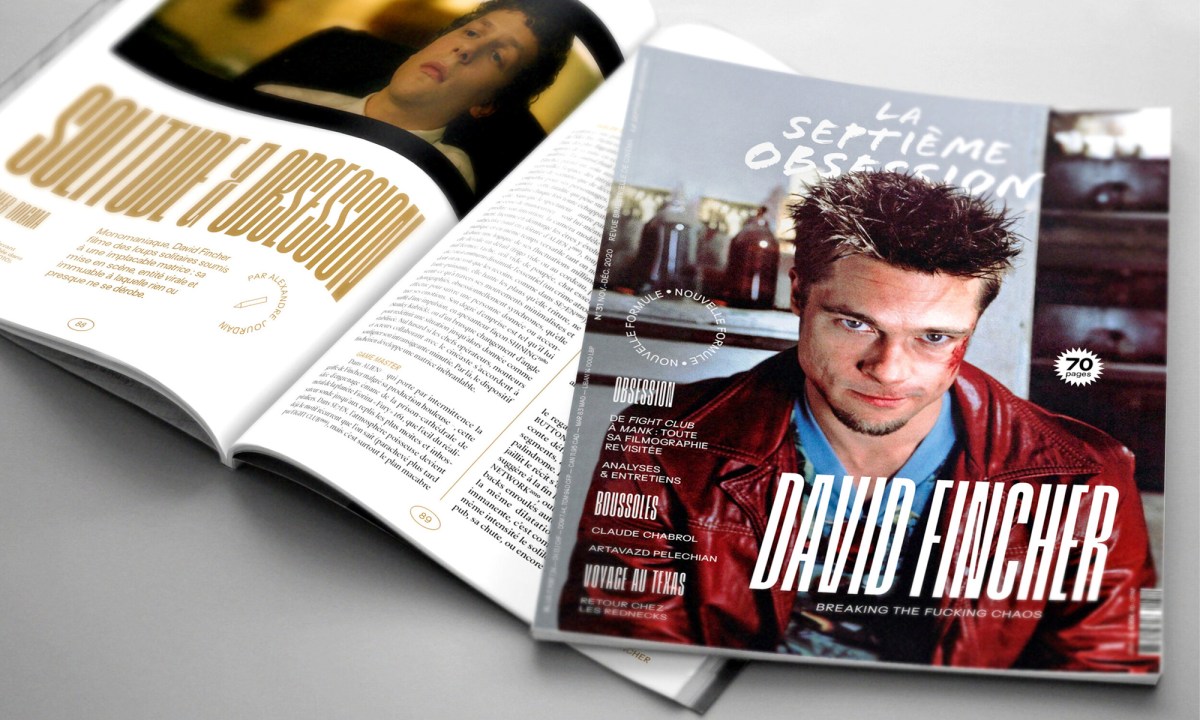
La Septième Obsession 31: David Fincher

La Septième Obsession

OBSESSION: David Fincher

1. Mank de David Fincher

Le grand film de Fincher débarque sur Netflix le 4 décembre. L’occasion d’un entretien avec le cinéaste, mais aussi avec ses collaborateurs les plus proches. 16 pages spéciales.

Scénario pour une critique par Nicolas Tellop

Filmopathe entretien avec David Fincher – par Nev Pierce

Collaborer avec Fincher entretiens avec Erik Messerschmidt (chef opérateur) – Donald Graham Burt (chef décorateur) – Trish Summerville (costumière) – Kirk Baxter (monteur)

2. Revisiter Fincher

Plongée exceptionnelle dans l’oeuvre de l’un des plus grands cinéastes contemporains. Filmographie commentée, analyses… 50 pages à lire.

4 nuances de Fincher par Jean-Sébastien Massart et Fabrice Fuentes

David Fincher en 14 titres Propaganda Films (clips) – Alien 3Se7enThe GameFight ClubPanic Room + les plans de Panic RoomZodiacL’Étrange histoire de Benjamin ButtonThe Social Network Millénium + la musique hantée de MilléniumGone Girl Mindhunter

3. Analyses

Démoniaque – la perfection du crime par Nathan Reneaud
Fantômes et paranoïa par Jérôme d’Estais
Solitude & obsession – Fincher Dogma par Alexandre Jourdain
Poétique du suicide par Aurélien Lemant
Le système des objets – design finchérien par Dick Tomasovic

Sommaire complet

Commander

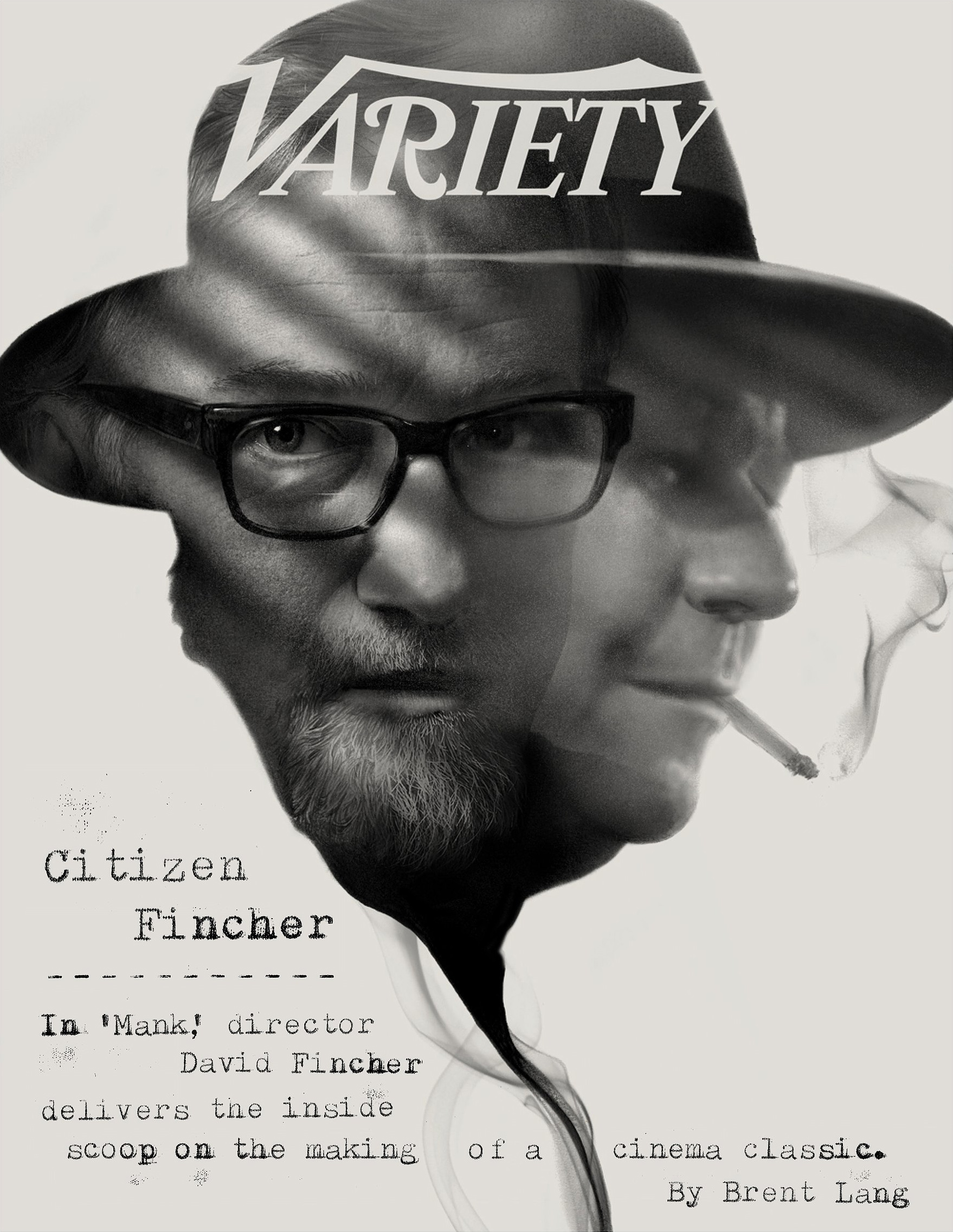
Magnificent Obsession: David Fincher on His Three-Decade Quest to Bring ‘Mank’ to Life

Brent Lang
November 18, 2020
Variety

Mank” is the gripping story of the brilliant but troubled artist behind “Citizen Kane,” often considered to be the greatest movie ever made.

No, it’s not about director Orson Welles. Instead, it pushes Herman J. Mankiewicz, the alcoholic writer for hire who is responsible for bringing the film’s revolutionary, non-linear narrative structure and corrosive portrait of wealth and power, to the center of the frame.

“He was one of those voices that charted the way,” says David Fincher, the director who labored for nearly 30 years to bring “Mank” to life. “My hope is that people will be entertained watching a generational wit, who is in some ways forgotten and never got his due.”

Gatefold print cover designed by Dan Benesch

Mank,” which Netflix will debut Dec. 4, is also likely to reignite a fierce debate around the concept of auteurism. If film is truly a director’s medium, then who gets the credit for a masterpiece? It’s an argument about authorship that has swirled around “Citizen Kane” almost from the time it hit theaters in 1941. That’s largely due to the fact that Welles not only starred in the movie: He also directed, produced and co-wrote it while still just a 24-year-old wunderkind.

Others disagree about the extent of Welles’ contributions. As Pauline Kael’s controversial 1971 essay “Raising Kane” and now “Mank” make clear, “Citizen Kane” was greatly informed by Mankiewicz’s friendship with William Randolph Hearst (the newspaper baron who inspired Kane), as well his personal experience with media and politics.

You might think that Fincher, a revered visual stylist, whose perfectionism can drive film crews and actors to the breaking point, would be a subscriber to the Great Man theory at the heart of auteurism — the idea that some talents are so outsize they seep into every shot or beat of a movie. You’d be wrong though.

Read the full profile

Cover illustration by Greg Ruth; Fincher image reference by Frank Ockenfels

David Fincher on ‘Mindhunter’: ‘I Don’t Know if It Makes Sense to Continue’

Brent Lang
November 18, 2020
Variety

How Variety Covered the Era of ‘Citizen Kane’ and Herman J. Mankiewicz

Tim Gray
November 18, 2020
Variety

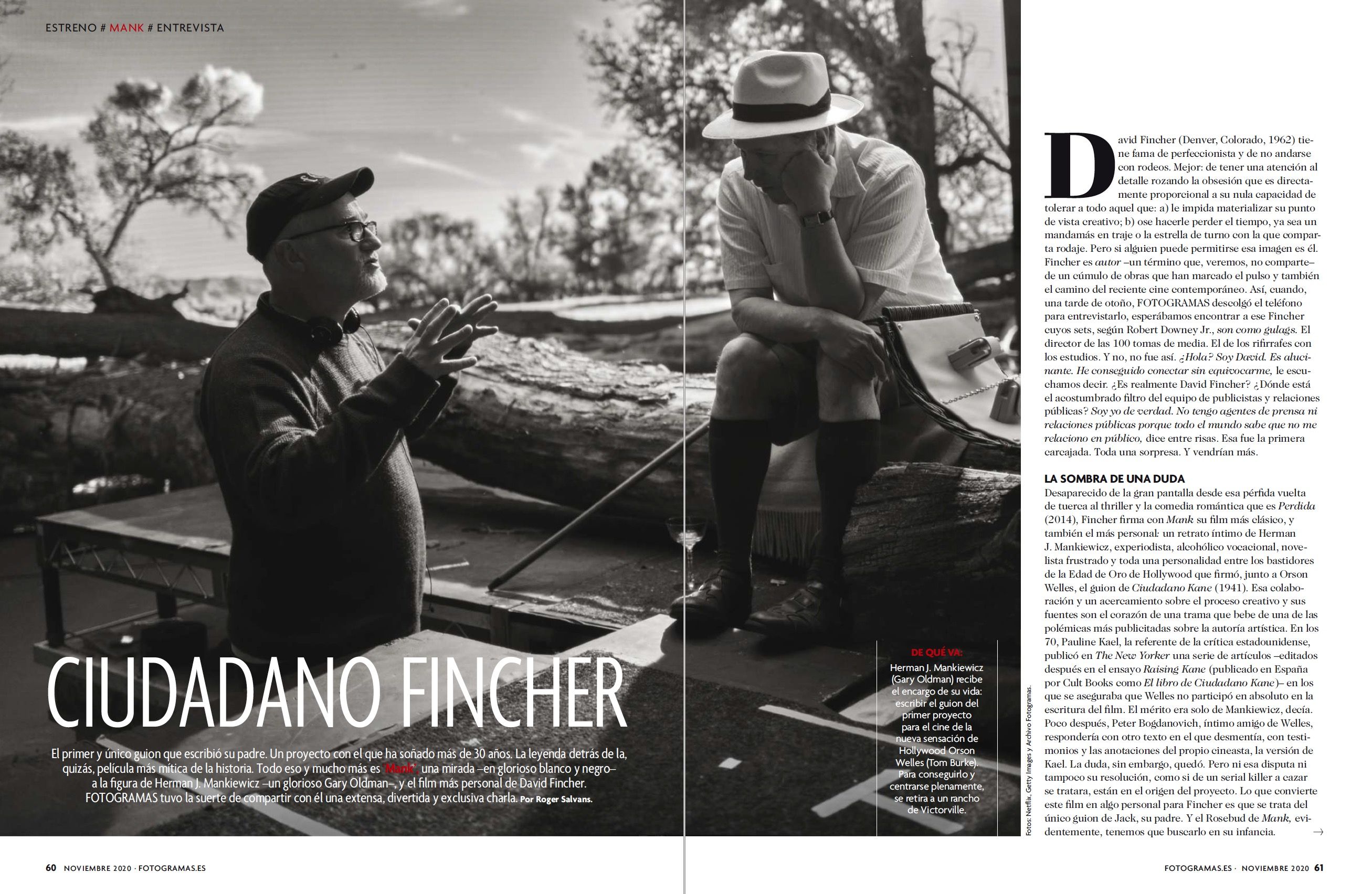
Fotogramas: Ciudadano Fincher

El primer y único guion que escribió su padre. Un proyecto con el que ha soñado más de 30 años. La leyenda detrás de la, quizás, película más mítica de la historia. Todo eso y mucho más es ‘Mank’, una mirada –en glorioso blanco y negro–a la figura de Herman J. Mankiewicz –un glorioso Gary Oldman–, y el film más personal de David Fincher. FOTOGRAMAS tuvo la suerte de compartir con él una extensa, divertida y exclusiva charla.

Roger Salvans
Noviembre 2020
Fotogramas

David Fincher (Denver, Colorado, 1962) tiene fama de perfeccionista y de no andarse con rodeos. Mejor: de tener una atención al detalle rozando la obsesión que es directamente proporcional a su nula capacidad de tolerar a todo aquel que: a) le impida materializar su punto de vista creativo; b) ose hacerle perder el tiempo, ya sea un mandamás en traje o la estrella de turno con la que comparta rodaje. Pero si alguien puede permitirse esa imagen es él. Fincher es autor –un término que, veremos, no comparte–de un cúmulo de obras que han marcado el pulso y también el camino del reciente cine contemporáneo. Así, cuando, una tarde de otoño, FOTOGRAMAS descolgó el teléfono para entrevistarlo, esperábamos encontrar a ese Fincher cuyos sets, según Robert Downey Jr., son como gulags. El director de las 100 tomas de media. El de los rifirrafes con los estudios. Y no, no fue así. ¿Hola? Soy David. Es alucinante. He conseguido conectar sin equivocarme, le escuchamos decir. ¿Es realmente David Fincher? ¿Dónde está el acostumbrado filtro del equipo de publicistas y relaciones públicas? Soy yo de verdad. No tengo agentes de prensa ni relaciones públicas porque todo el mundo sabe que no me relaciono en público, dice entre risas. Esa fue la primera carcajada. Toda una sorpresa. Y vendrían más.

La sombra de una duda

Desaparecido de la gran pantalla desde esa pérfida vuelta de tuerca al thriller y la comedia romántica que es Perdida (2014), Fincher firma con Mank su film más clásico, y también el más personal: un retrato íntimo de Herman J. Mankiewicz, experiodista, alcohólico vocacional, novelista frustrado y toda una personalidad entre los bastidores de la Edad de Oro de Hollywood que firmó, junto a Orson Welles, el guion de Ciudadano Kane (1941). Esa colaboración y un acercamiento sobre el proceso creativo y sus fuentes son el corazón de una trama que bebe de una de las polémicas más publicitadas sobre la autoría artística. En los 70, Pauline Kael, la referente de la crítica estadounidense, publicó en The New Yorker una serie de artículos –editados después en el ensayo Raising Kane (publicado en España por Cult Books como El libro de Ciudadano Kane)– en los que se aseguraba que Welles no participó en absoluto en la escritura del film. El mérito era solo de Mankiewicz, decía. Poco después, Peter Bogdanovich, íntimo amigo de Welles, respondería con otro texto en el que desmentía, con testimonios y las anotaciones del propio cineasta, la versión de Kael. La duda, sin embargo, quedó. Pero ni esa disputa ni tampoco su resolución, como si de un serial killer a cazar se tratara, están en el origen del proyecto. Lo que convierte este film en algo personal para Fincher es que se trata del único guion de Jack, su padre. Y el Rosebud de Mank, evidentemente, tenemos que buscarlo en su infancia.

Lee la entrevista completa con David Fincher en el número de Fotogramas de noviembre, ya a la venta en los quioscos

¿Seguirá ‘Mindhunter’ en Netflix? David Fincher nos responde en exclusiva

El director, que estrena en la plataforma la película ‘Mank’, nos habla sobre el futuro de una de las series más aclamadas de los últimos años.

Roger Salvans y Rafael Sánchez Casademont
Octubre 27, 2020
Fotogramas

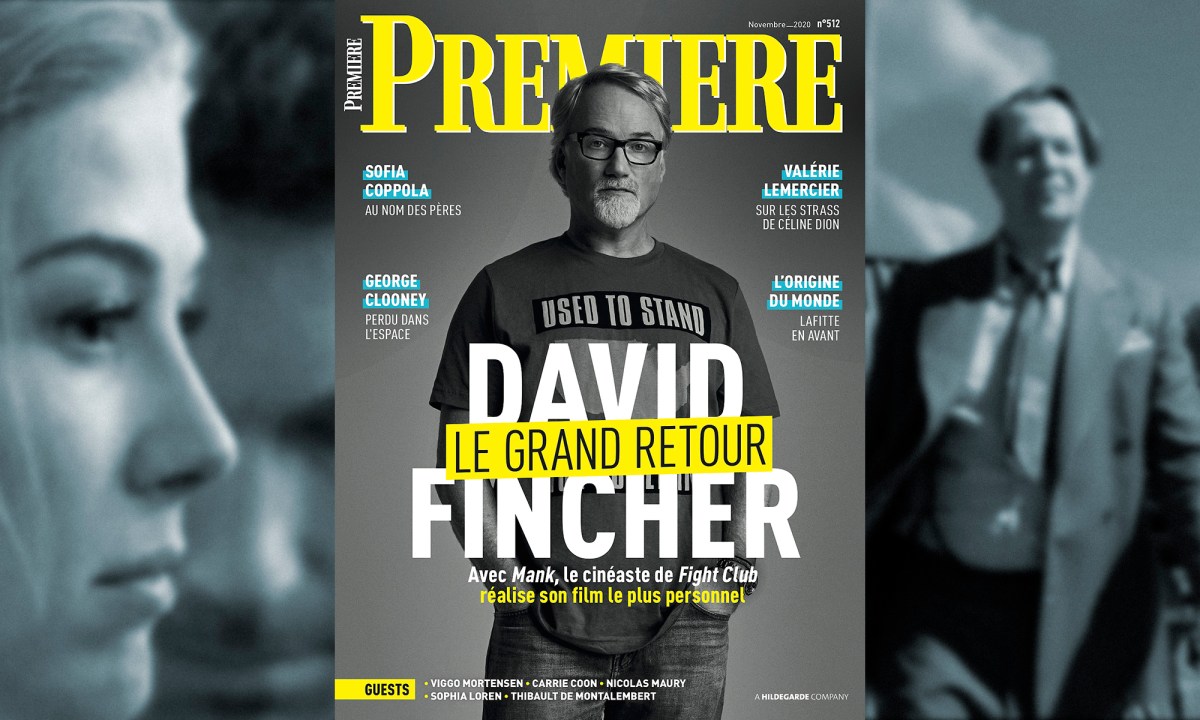
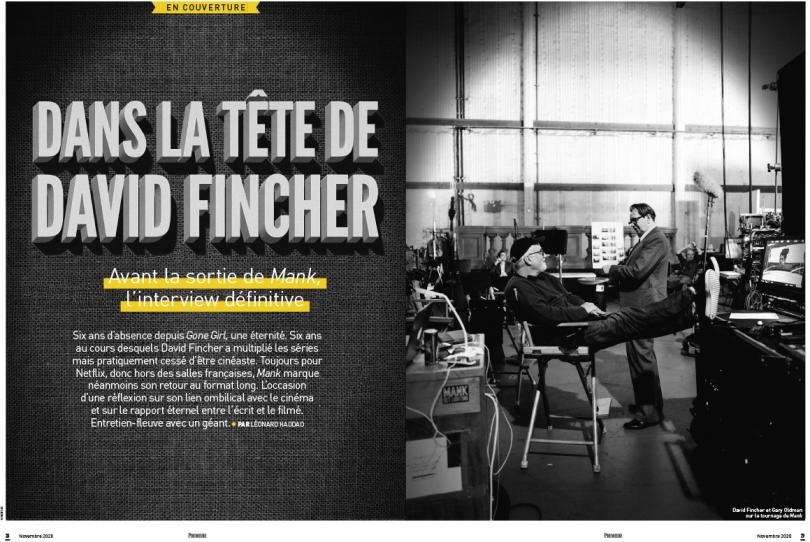
Premiere: Pourquoi David Fincher n’a pas tourné de film depuis six ans ?

“Que voulez-vous, je suis lent”, répond le réalisateur avec humour dans Première.

Léonard Haddad
Octobre 28, 2020
Premiere

Mank, le prochain film de David Fincher sortira le 4 décembre sur Netflix. Au cours d’un long entretien, le réalisateur détaille dans le nouveau numéro de Première (n°512 – novembre 2020) la création de ce film en noir et blanc qui plonge les spectateurs dans le Hollywood des années 1930, plus précisément au coeur de la fabrication de Citizen Kane, le premier film d’Orson Welles réalisé à partir d’un scénario de Herman J. Mankiewicz.

Gone Girl, le dernier film de David Fincher, était sorti en France le 8 octobre 2014. Six ans se sont donc écoulés depuis cette adaptation du thriller de Gillian Flynn avec Rosamund Pike et Ben Affleck. Soit la plus longue pause de la carrière de David Fincher, un an de plus que la période déjà interminable qui avait séparé Panic Room (2002) de Zodiac (2007). Le cinéaste n’a pas bullé pour autant, travaillant sur une série sur les serial killers pour NetflixMindhunter, et produisant, toujours pour la plateforme, l’anthologie animée de Tim MillerLove, Death + Robots. Il voulait aussi tourner la suite de World War Z avec Brad Pitt, son acteur de Seven (1995), Fight Club (1999) et L’Etrange histoire de Benjamin Button (2008), mais ce projet a fini par tomber à l’eau. Dans Première, le réalisateur détaille pourquoi son retour à la mise en scène d’un long métrage a mis autant de temps.

Extrait:

Première : Gone Girl date de 2014, ça commençait à faire long, non ?

David Fincher : J’ai fait les deux saisons de Mindhunter et… Au départ, je devais juste aider à mettre la série sur des rails, il n’était pas prévu que je sois showrunner. Et puis, par défaut, je le suis devenu, avec deux autres personnes. Et disons qu’il est possible que ce ne soit pas mon point fort, finalement. Je dois être trop obsessionnel et tatillon pour tenir ce rôle

Au final, ça fait quand même très peu de films signés David Fincher…

Que voulez-vous, je suis lent. Quand j’ai le sentiment qu’un truc est prêt à être tourné, ça peut aller très vite. The Social Network, tout était en place, on n’avait plus qu’à choisir les acteurs. Mais ces situations-là sont rares, les cas où tu lis un script et où tu dis : « OK, les gars, écartez-vous, on s’y met. » Vers 2007-2008 puis 2010-2011, j’ai enchaîné relativement vite, en tout cas selon mes standards habituels : Zodiac et Benjamin Button puis The Social Network et Millénium. Mais je ne suis pas certain que cela ait été une si bonne chose que ça au final. En tout cas, j’avais besoin de recharger mes batteries. Maintenant, si j’ai signé ce deal Netflix, c’est aussi parce que j’aimerais travailler comme Picasso peignait, essayer des choses très différentes, tenter de briser la forme ou de changer de mode de fonctionnement. J’aime l’idée d’avoir une « œuvre ». Eh oui, j’admets que ça me fait bizarre, après quarante ans dans ce métier, de n’avoir que dix films à mon actif. Enfin onze, mais dix dont je peux dire qu’ils sont à moi. Oui, objectivement, c’est un constat assez terrifiant

Propos recueillis par Léonard Haddad

L’interview complète de David Fincher est à retrouver dans le nouveau numéro de Première. Voici son sommaire:

Mank : David Fincher a un contrat d’exclusivité de 4 ans avec Netflix

François Léger
Novembre 11, 2020
Premiere

The End of David Fincher’s Mindhunter: Back To Square One

The viewership of Mindhunter, irrespective of its near-cult status on the web, was evidently not enough to inspire its own creators to continue the journey.

Rahul Desai
October 27, 2020
Film Companion

One of the most significant things to hit the web last week was the trailer of Mank. Global Film Twitter went into overdrive, and understandably so. Think of the context. This was American director extraordinaire David Fincher’s first movie since Gone Girl (2014), so it was a long-awaited return of sorts. Add this to the fact that Mank is a black-and-white movie about the movies – a biographical drama anchored by screenwriter Herman Mankiewicz’s battles with Orson Welles over screenplay credit for Citizen Kane – and that Fincher’s latest passion project is based on his late father’s screenplay. The hype machine is oiled and ready to fire.

Yet, only a day later, the excitement for Mank was replaced by the grief for Mindhunter. In a fascinating Vulture interview, Fincher, who served as an executive producer, director and de facto showrunner of Mindhunter, confirmed that there is likely to be no third season of the acclaimed true-crime thriller. The second season dropped on Netflix last September, two years after the first. Most Mindhunter fans had suspected the worst ever since the contracts of the cast weren’t renewed earlier this year. With Fincher looking to concentrate on Mank, the series was indefinitely put on hold. The global pandemic, of course, added to the uncertainty. Which is to say that the signs were there. So the show’s demise was no blinding bolt from the blue. But the real reasons are unsettling.

Read the full article

Nerding Out with David Fincher

The filming of Mank. (Miles Crist/Netflix)

The director talks about his latest, Mank, a tale of Hollywood history, political power, and the creative act.

Mark Harris
October 23, 2020
Vulture

David Fincher’s 11th feature film, Mank, is a passion project like no other on the director’s résumé — a drama, shot in black-and-white, about the formative years of Hollywood’s sound era, the agony and the ecstasy of what he calls “enforced collaboration” between directors and writers, and the political ruthlessness of Golden Age studios, told through the journey of an unlikely hero — Herman J. Mankiewicz (played by Gary Oldman), the newspaperman turned screenwriter who co-wrote (or wrote, depending on your POV) the screenplay for Orson Welles’s Citizen Kane. Every frame of the movie, which opens in select theaters November 13 and will hit Netflix on December 4, brims with the director’s loving but unsentimental view of film history and of filmmaking — and also carries an unexpected wallop of political resonance with media manipulation and the creation of “fake news” disinformation that couldn’t possibly have been anticipated 30 years ago, when his late father, Jack, first wrote the script. Mank is an unusually personal film for Fincher, not only because it memorializes his work with his father (who died in 2003), but because, in a way, it continues a passionate conversation about movies that began between the two of them when Fincher was a young boy. Its history also spans Fincher’s entire feature career — the original draft was written just before he went off to direct his first film. In two interviews over a long weekend, the director talked about bringing it to the screen.

Read the full interview

Art of the Shot: “Start from Perfect”, with Mindhunter DP Erik Messerschmidt, ASC and “A” Camera Operator Brian Osmond, SOC

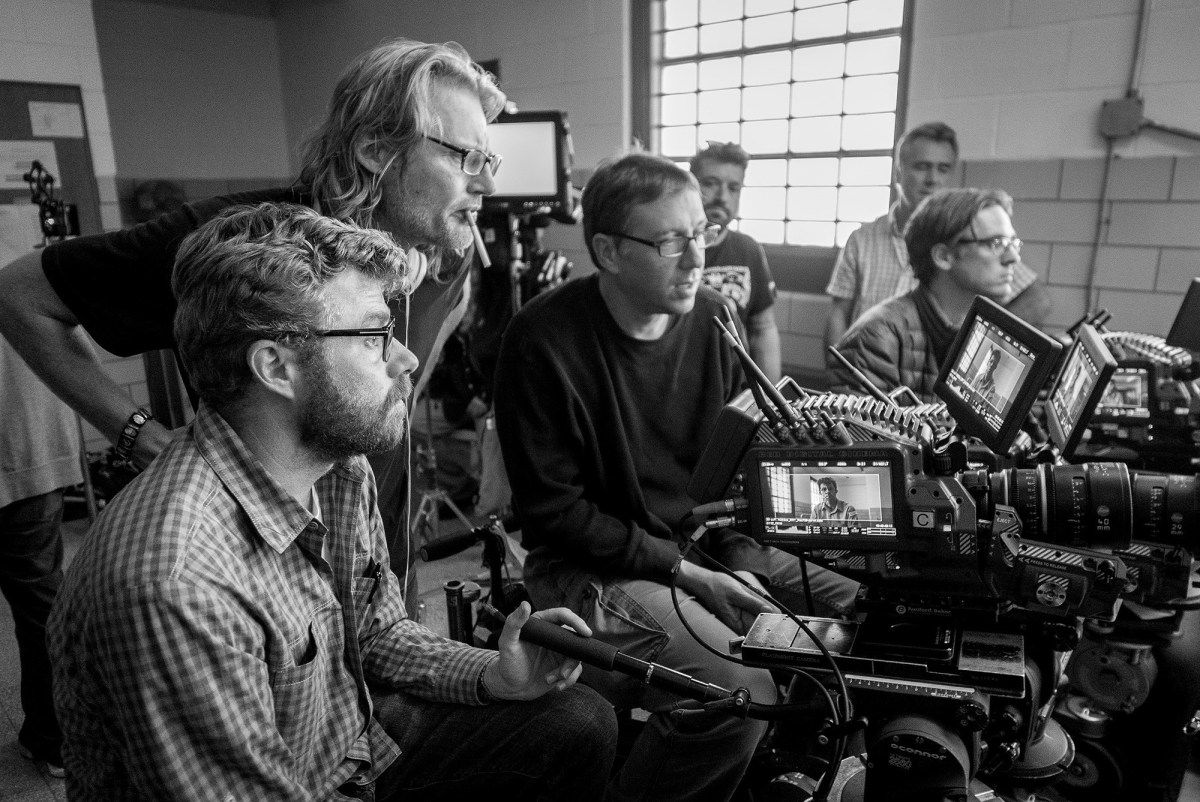
Erik Messerschmidt, Director Andrew Dominik, Brian Osmond, and “B” Camera Operator Will Dearborn (Nikolai Loveikis)

Derek Stettler
October 12, 2020
Art of the Shot

“A place to unload all my cinematic truths.” —Newton Thomas Sigel, ASC

How do you cultivate a career in Hollywood? What does it take to make iconic work? There’s an art to everything in life and the Art of the Shot explores the answers to those questions and more through deep-dives into the minds of master filmmakers. Join host Derek Stettler, young filmmaker and writer for the ASC and SOC magazines since 2016, as he learns from the artists behind today’s most strikingly-shot projects. Enjoy compelling conversations on the craft, insights from successful careers, tips, techniques + more!

In this episode, you’ll hear from both the cinematographer and the “A” camera operator of Mindhunter, who worked together throughout Season 1 and 2 to shoot every single episode. Please enjoy this exclusive interview with Erik Messerschmidt, ASC and Brian Osmond, SOC!

Brian Osmond, Gaffer Danny Gonzalez, and Erik Messerschmidt (Nikolai Loveikis)

In this episode, you’ll learn:

– Erik’s career path (00:04:06)
– Erik’s favorite part of the job (00:06:42)
– What DP’s should know to best work with their gaffers, from Erik’s experience working as a gaffer before becoming a DP (00:07:02)
– Unique skills Erik gained from his experience as a gaffer (00:07:56)
– How Brian got his career started (00:11:19)
– Brian’s favorite part of his job (00:12:19)
– What other directors can learn from how David Fincher treats his crew (00:18:39)
– The thought process & techniques behind Mindhunter‘s precise camera movement (00:22:50)
– The strategic use of handheld camera operating (00:34:27)
– The collaborative nature of the Mindhunter set (00:37:34)
– The importance of having a dedicated camera operator on set, especially on a David Fincher set (00:41:19)
– Erik’s role as “quality control supervisor” (00:44:21)
– Why a monitor on a David Fincher set is covered in smudges (00:46:57)
– Why there’s no such thing as a B camera “bonus shot” on Mindhunter & how shots are planned out for multiple cameras (00:48:23)
– What Erik thinks is the hardest shot to do well (00:52:04)
– How Erik lights & shoots with 2 cameras simultaneously (00:53:41)
– Erik’s approach to lighting Mindhunter & techniques used (00:56:55)
– Erik’s preference for real fluorescent lighting (01:03:30)
Mindhunter‘s production design and how much of the locations were built (01:05:01)
– Favorite set of Season 2 (01:06:26)
– How getting scripts in advance helps them work better (01:10:44)
– The innovative car process shooting on Mindhunter & how it works (01:12:38)
– How virtual production helps realize every filmmaker’s dream, stopping time, & how Erik used that to shoot a 9-minute dialog scene at dawn (01:18:02)
– How the car process shooting on Mindhunter evolved from Season 1 (01:22:37)
– How the custom RED digital cinema camera, dubbed the Xenomorph, evolved from Season 1 (01:27:22)
– Why Brian prefers a fluid head over a geared head to achieve those smooth, precise shots David Fincher loves (01:37:34)
– How to shoot a scene & why “Fix it in prep!” should be every filmmaker’s mantra (01:42:08)
– All about the lenses used on Mindhunter & how Erik art directed the artifacts & nuances of every optical aberration (01:48:10)
– Tips from Brian on getting really precise shots with a fluid head, what operating technique Erik has learned from Brian, & how being self-critical is a key to his success (01:56:42)
– What Erik & Brian feel is the most rewarding part of working on Mindhunter (02:02:47)

If you haven’t yet, please be sure to subscribe to be notified of future episodes, and share this podcast with others to help grow the show and spread the knowledge!

Listen to the podcast:

Apple Podcasts
Google Podcasts
Spotify
Stitcher
Breaker

Support this podcast

The Art of the Shot podcast is brought to you by Evidence Cameras, an outstanding rental house in Echo Park specializing in high-end digital cinema camera packages, lenses, support, and accessories.

Follow Art of the Shot on Social Media: Instagram, Facebook, Twitter

Follow Erik Messerschmidt, ASC on Instagram

MINDHUNTER: Mindful Operating

Interview with Brian Osmond, SOC.

Derek Stettler
May 2018 (Spring 2018)
Camera Operator (Society of Camera Operators)

When David Fincher Changed TV Forever

To celebrate the 25th anniversary of Se7en and the 10th anniversary of The Social NetworkThe Ringer hereby dubs September 21-25 David Fincher Week. Join us all throughout the week as we celebrate and examine the man, the myth, and his impeccable body of work.

Thanks to ‘House of Cards,’ the man so deeply associated with filmmaking may ironically be best remembered for his impact on the streaming revolution

Alison Herman
September 25, 2020
The Ringer

Try and think back, if you can, to 2013. Obama has just won a second term. “Netflix” still means DVDs in red envelopes. And the idea of a major director deigning to do TV is remarkable enough to turn heads.

David Fincher was hardly the first name-brand auteur to try his hand at the small screen. Most famously, David Lynch brought paranormal dread to primetime with Twin Peaks in 1989; Steven Spielberg directed multiple episodes of his NBC anthology Amazing Stories, with subsequent chapters helmed by Clint Eastwood, Martin Scorsese, and Danny DeVito. But Fincher is neither an irrepressible weirdo prone to counterintuitive career moves nor a middlebrow populist with a family-friendly sensibility. He is, in many ways, a textbook Film Director: an uncompromising visionary who makes dark, violent, and above all, precise movies for adults. Fincher is the last person you could picture taking notes from a network executive, or taking part in the logistical corner-cutting that marks so much of TV production, which naturally made him the first person an up-and-coming entertainment hub would call to signal they’re Not Like Other Networks.

Read the full article

Alone Together Pittsburgh: Holt McCallany and the Cast and Crew of Mindhunter

Part talk show part variety show A/T/P is a daily talk show featuring local artists, performers, service industry folks and more. Let’s keep the community of Pittsburgh hanging out. Virtually.

Patrick Jordan
September 4, 2020
Alone Together Pittsburgh (Twitter, Facebook)

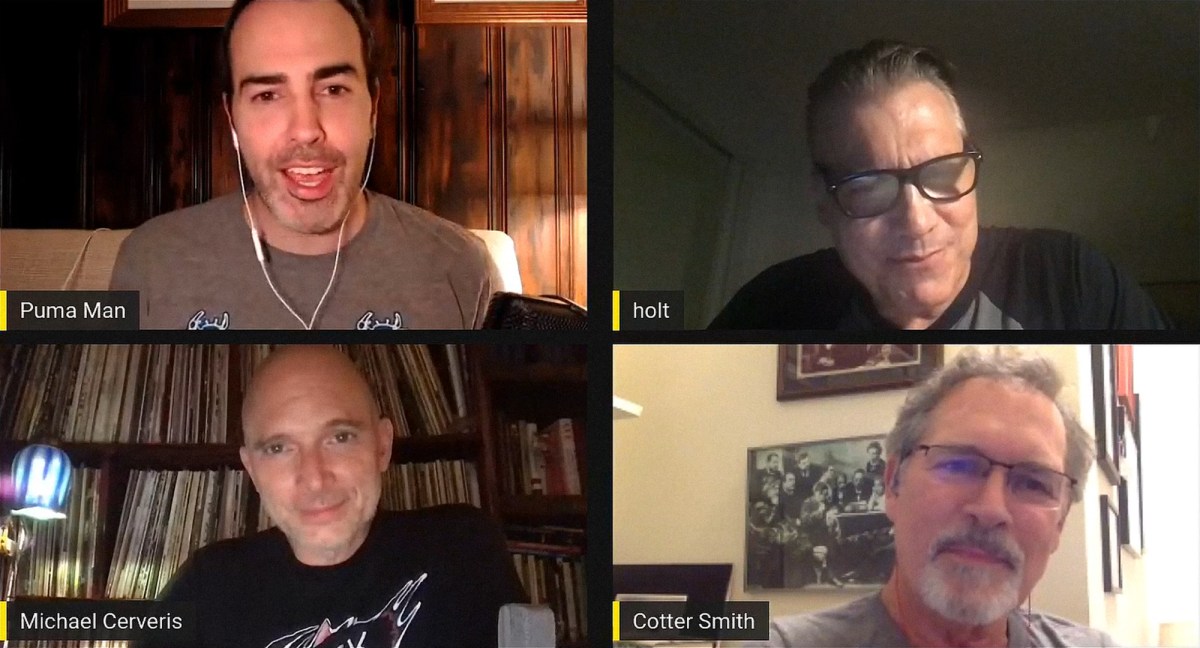
Week 25 Episode 82: Holt McCallany of Mindhunter spends his Birthday in quarantine with Patrick Jordan, Cotter Smith, Michael Cerveris, and Bill Doyle (Co-producer). And find out WHT K8 8 with Chef Kate Romane and the Jag/Off Bracket Poll with FORT DUQUESNE BRIDGE VS PIEROGI RACE.