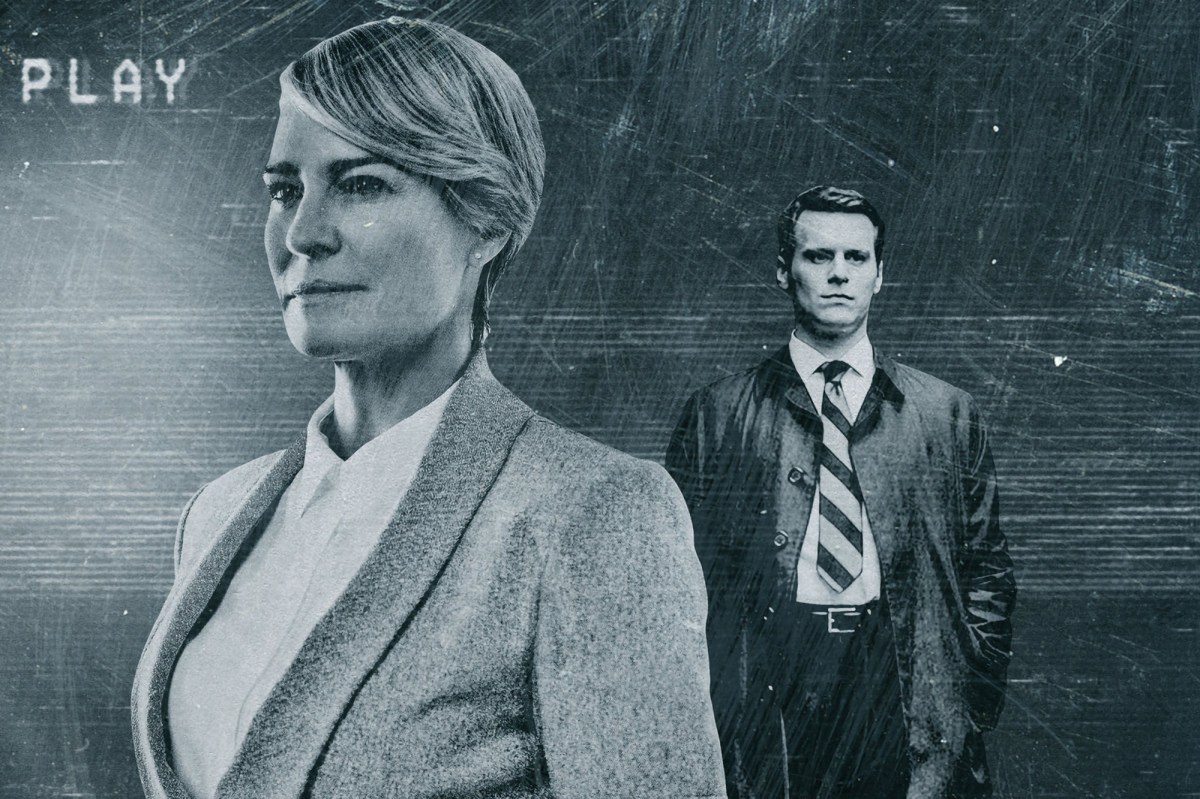
The viewership of Mindhunter, irrespective of its near-cult status on the web, was evidently not enough to inspire its own creators to continue the journey.
One of the most significant things to hit the web last week was the trailer of Mank. Global Film Twitter went into overdrive, and understandably so. Think of the context. This was American director extraordinaire David Fincher’s first movie since Gone Girl (2014), so it was a long-awaited return of sorts. Add this to the fact that Mank is a black-and-white movie about the movies – a biographical drama anchored by screenwriter Herman Mankiewicz’s battles with Orson Welles over screenplay credit for Citizen Kane – and that Fincher’s latest passion project is based on his late father’s screenplay. The hype machine is oiled and ready to fire.
Yet, only a day later, the excitement for Mank was replaced by the grief for Mindhunter. In a fascinating Vulture interview, Fincher, who served as an executive producer, director and de facto showrunner of Mindhunter, confirmed that there is likely to be no third season of the acclaimed true-crime thriller. The second season dropped on Netflix last September, two years after the first. Most Mindhunter fans had suspected the worst ever since the contracts of the cast weren’t renewed earlier this year. With Fincher looking to concentrate on Mank, the series was indefinitely put on hold. The global pandemic, of course, added to the uncertainty. Which is to say that the signs were there. So the show’s demise was no blinding bolt from the blue. But the real reasons are unsettling.
David Fincher’s 11th feature film, Mank, is a passion project like no other on the director’s résumé — a drama, shot in black-and-white, about the formative years of Hollywood’s sound era, the agony and the ecstasy of what he calls “enforced collaboration” between directors and writers, and the political ruthlessness of Golden Age studios, told through the journey of an unlikely hero — Herman J. Mankiewicz (played by Gary Oldman), the newspaperman turned screenwriter who co-wrote (or wrote, depending on your POV) the screenplay for Orson Welles’s Citizen Kane. Every frame of the movie, which opens in select theaters November 13 and will hit Netflix on December 4, brims with the director’s loving but unsentimental view of film history and of filmmaking — and also carries an unexpected wallop of political resonance with media manipulation and the creation of “fake news” disinformation that couldn’t possibly have been anticipated 30 years ago, when his late father, Jack, first wrote the script. Mank is an unusually personal film for Fincher, not only because it memorializes his work with his father (who died in 2003), but because, in a way, it continues a passionate conversation about movies that began between the two of them when Fincher was a young boy. Its history also spans Fincher’s entire feature career — the original draft was written just before he went off to direct his first film. In two interviews over a long weekend, the director talked about bringing it to the screen.
“A place to unload all my cinematic truths.” —Newton Thomas Sigel, ASC
How do you cultivate a career in Hollywood? What does it take to make iconic work? There’s an art to everything in life and the Art of the Shot explores the answers to those questions and more through deep-dives into the minds of master filmmakers. Join host Derek Stettler, young filmmaker and writer for the ASC and SOC magazines since 2016, as he learns from the artists behind today’s most strikingly-shot projects. Enjoy compelling conversations on the craft, insights from successful careers, tips, techniques + more!
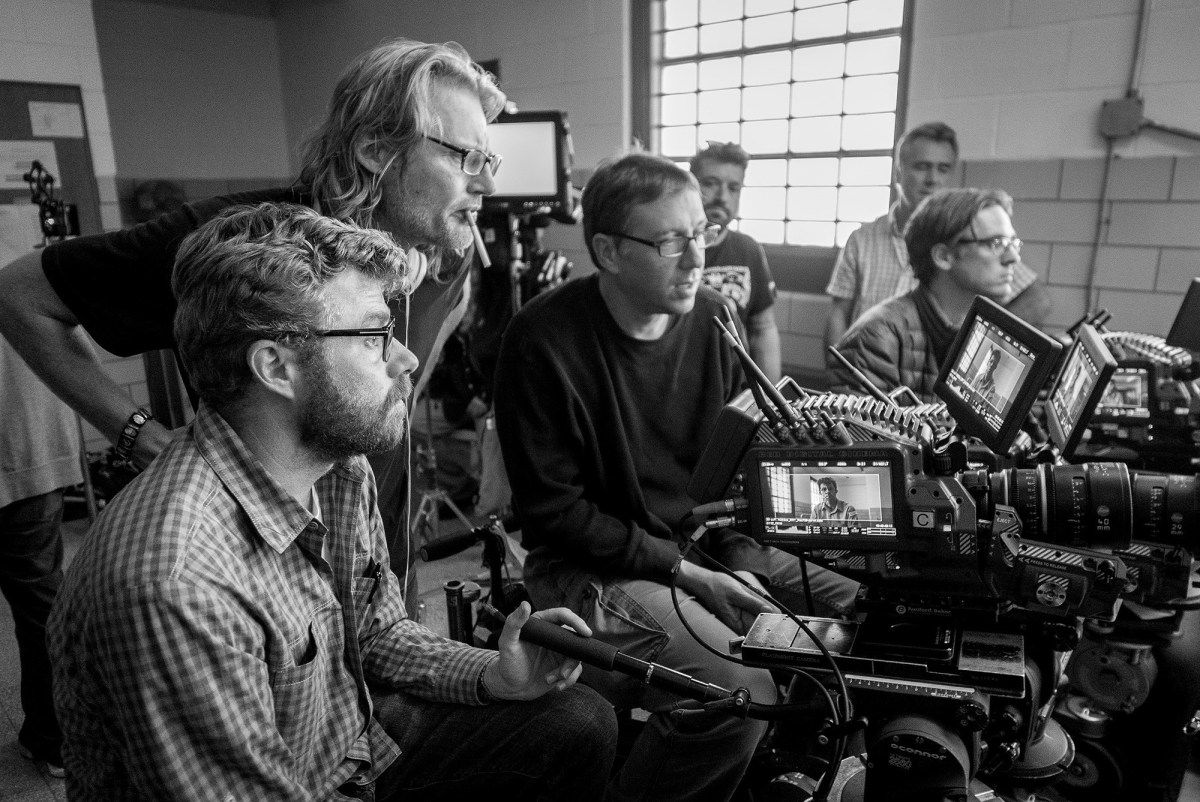
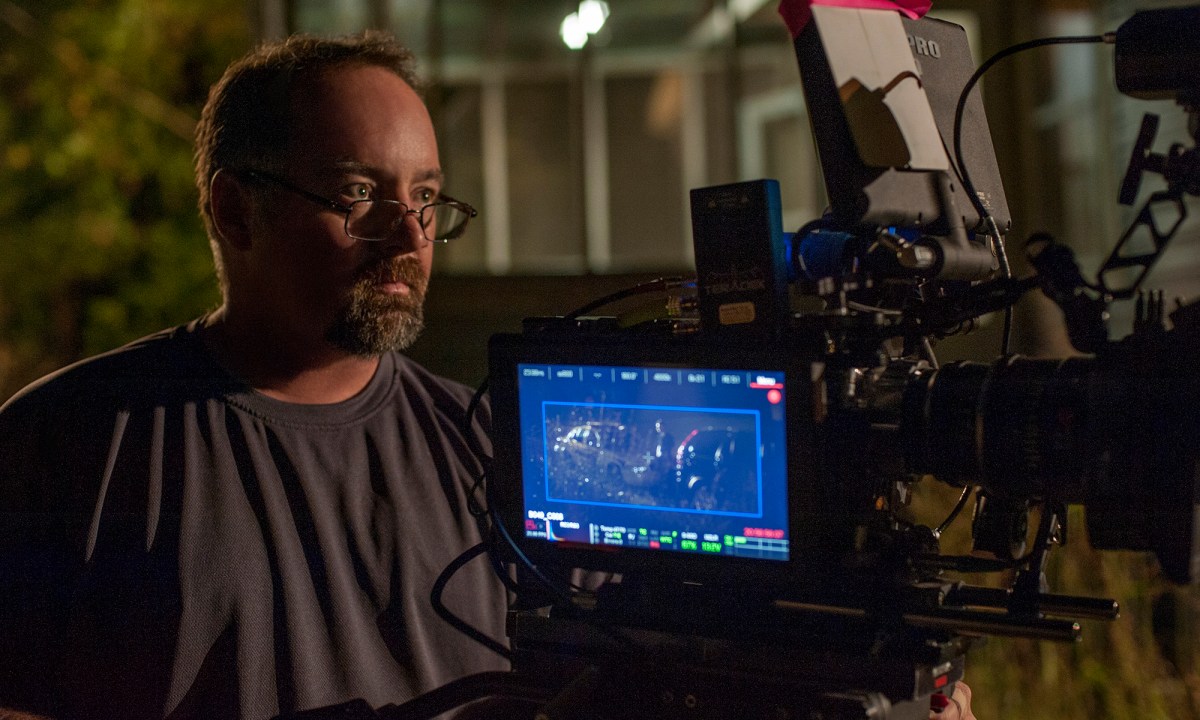
In this episode, you’ll hear from both the cinematographer and the “A” camera operator of Mindhunter, who worked together throughout Season 1 and 2 to shoot every single episode. Please enjoy this exclusive interview with Erik Messerschmidt, ASC and Brian Osmond, SOC!
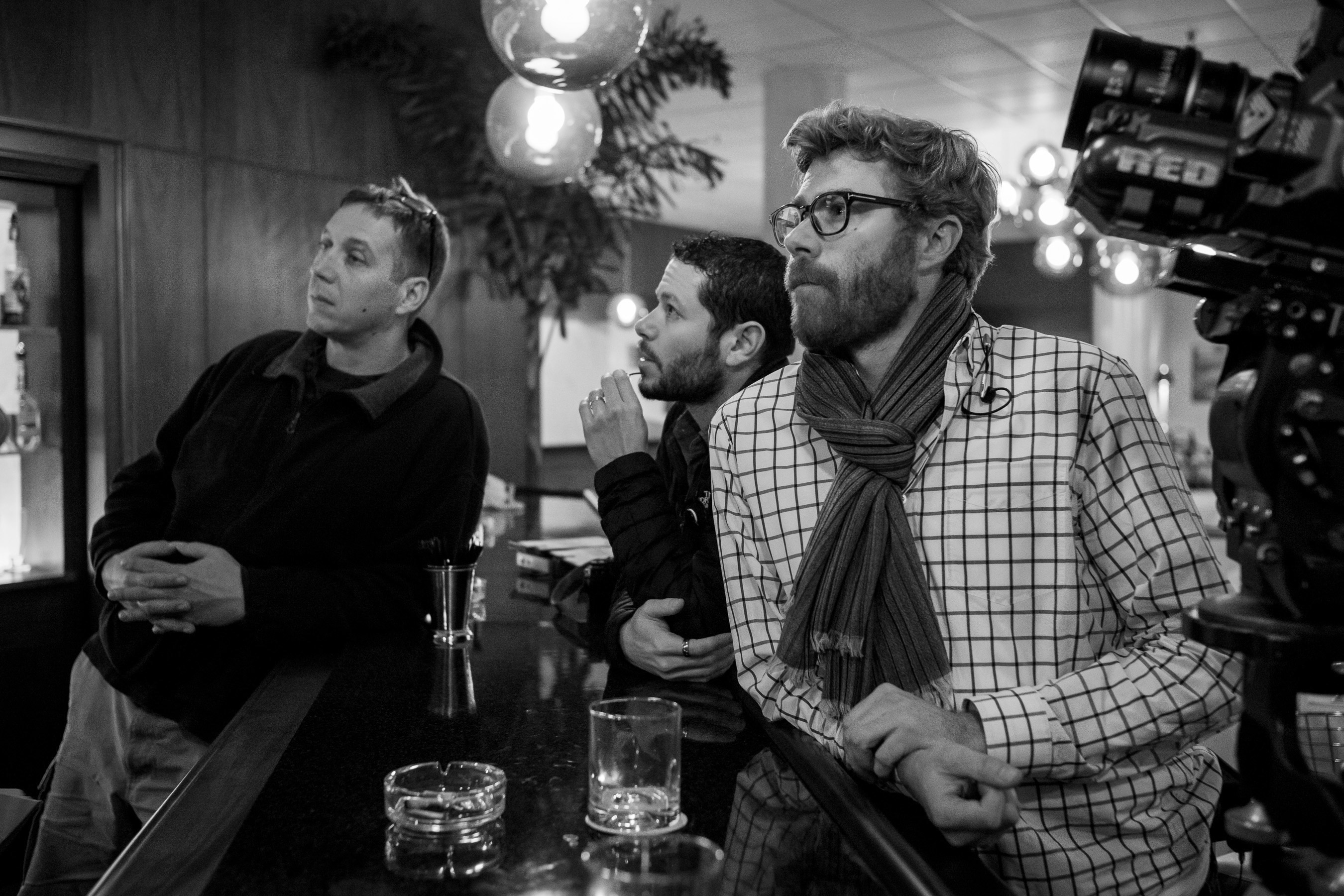
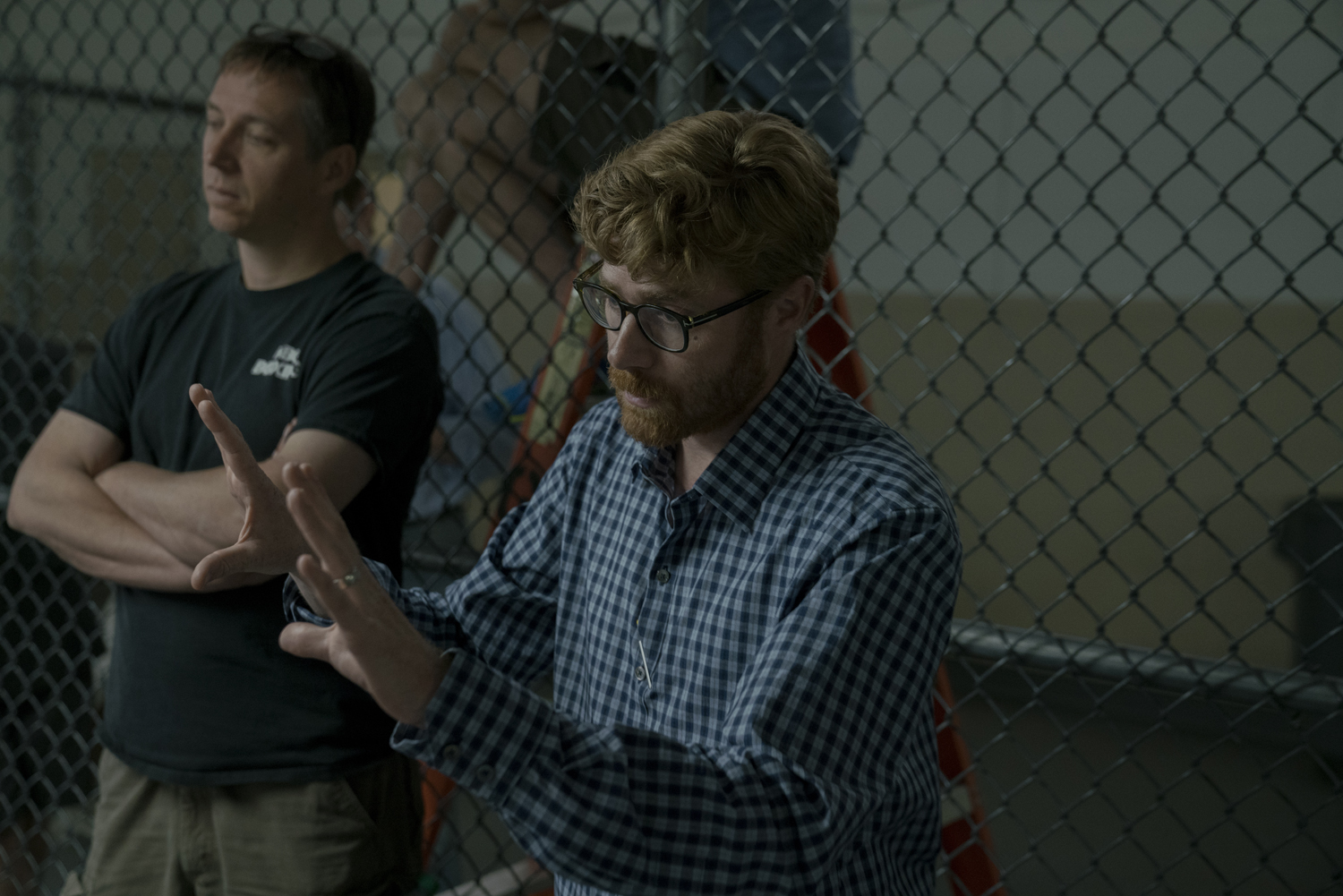
Brian Osmond, Gaffer Danny Gonzalez, and Erik Messerschmidt (Nikolai Loveikis)
In this episode, you’ll learn:
– Erik’s career path (00:04:06) – Erik’s favorite part of the job (00:06:42) – What DP’s should know to best work with their gaffers, from Erik’s experience working as a gaffer before becoming a DP (00:07:02) – Unique skills Erik gained from his experience as a gaffer (00:07:56) – How Brian got his career started (00:11:19) – Brian’s favorite part of his job (00:12:19) – What other directors can learn from how David Fincher treats his crew (00:18:39) – The thought process & techniques behind Mindhunter‘s precise camera movement (00:22:50) – The strategic use of handheld camera operating (00:34:27) – The collaborative nature of the Mindhunter set (00:37:34) – The importance of having a dedicated camera operator on set, especially on a David Fincher set (00:41:19) – Erik’s role as “quality control supervisor” (00:44:21) – Why a monitor on a David Fincher set is covered in smudges (00:46:57) – Why there’s no such thing as a B camera “bonus shot” on Mindhunter & how shots are planned out for multiple cameras (00:48:23) – What Erik thinks is the hardest shot to do well (00:52:04) – How Erik lights & shoots with 2 cameras simultaneously (00:53:41) – Erik’s approach to lighting Mindhunter & techniques used (00:56:55) – Erik’s preference for real fluorescent lighting (01:03:30) – Mindhunter‘s production design and how much of the locations were built (01:05:01) – Favorite set of Season 2 (01:06:26) – How getting scripts in advance helps them work better (01:10:44) – The innovative car process shooting on Mindhunter & how it works (01:12:38) – How virtual production helps realize every filmmaker’s dream, stopping time, & how Erik used that to shoot a 9-minute dialog scene at dawn (01:18:02) – How the car process shooting on Mindhunter evolved from Season 1 (01:22:37) – How the custom RED digital cinema camera, dubbed the Xenomorph, evolved from Season 1 (01:27:22) – Why Brian prefers a fluid head over a geared head to achieve those smooth, precise shots David Fincher loves (01:37:34) – How to shoot a scene & why “Fix it in prep!” should be every filmmaker’s mantra (01:42:08) – All about the lenses used on Mindhunter & how Erik art directed the artifacts & nuances of every optical aberration (01:48:10) – Tips from Brian on getting really precise shots with a fluid head, what operating technique Erik has learned from Brian, & how being self-critical is a key to his success (01:56:42) – What Erik & Brian feel is the most rewarding part of working on Mindhunter (02:02:47)
If you haven’t yet, please be sure to subscribe to be notified of future episodes, and share this podcast with others to help grow the show and spread the knowledge!
The Art of the Shot podcast is brought to you by Evidence Cameras, an outstanding rental house in Echo Park specializing in high-end digital cinema camera packages, lenses, support, and accessories.
To celebrate the 25th anniversary of Se7en and the 10th anniversary of The Social Network, The Ringer hereby dubs September 21-25 David Fincher Week. Join us all throughout the week as we celebrate and examine the man, the myth, and his impeccable body of work.
Thanks to ‘House of Cards,’ the man so deeply associated with filmmaking may ironically be best remembered for his impact on the streaming revolution
Try and think back, if you can, to 2013. Obama has just won a second term. “Netflix” still means DVDs in red envelopes. And the idea of a major director deigning to do TV is remarkable enough to turn heads.
David Fincher was hardly the first name-brand auteur to try his hand at the small screen. Most famously, David Lynch brought paranormal dread to primetime with Twin Peaks in 1989; Steven Spielberg directed multiple episodes of his NBC anthology Amazing Stories, with subsequent chapters helmed by Clint Eastwood, Martin Scorsese, and Danny DeVito. But Fincher is neither an irrepressible weirdo prone to counterintuitive career moves nor a middlebrow populist with a family-friendly sensibility. He is, in many ways, a textbook Film Director: an uncompromising visionary who makes dark, violent, and above all, precise movies for adults. Fincher is the last person you could picture taking notes from a network executive, or taking part in the logistical corner-cutting that marks so much of TV production, which naturally made him the first person an up-and-coming entertainment hub would call to signal they’re Not Like Other Networks.
To celebrate the 25th anniversary of Se7en and the 10th anniversary of The Social Network, The Ringer hereby dubs September 21-25 David Fincher Week. Join us all throughout the week as we celebrate and examine the man, the myth, and his impeccable body of work.
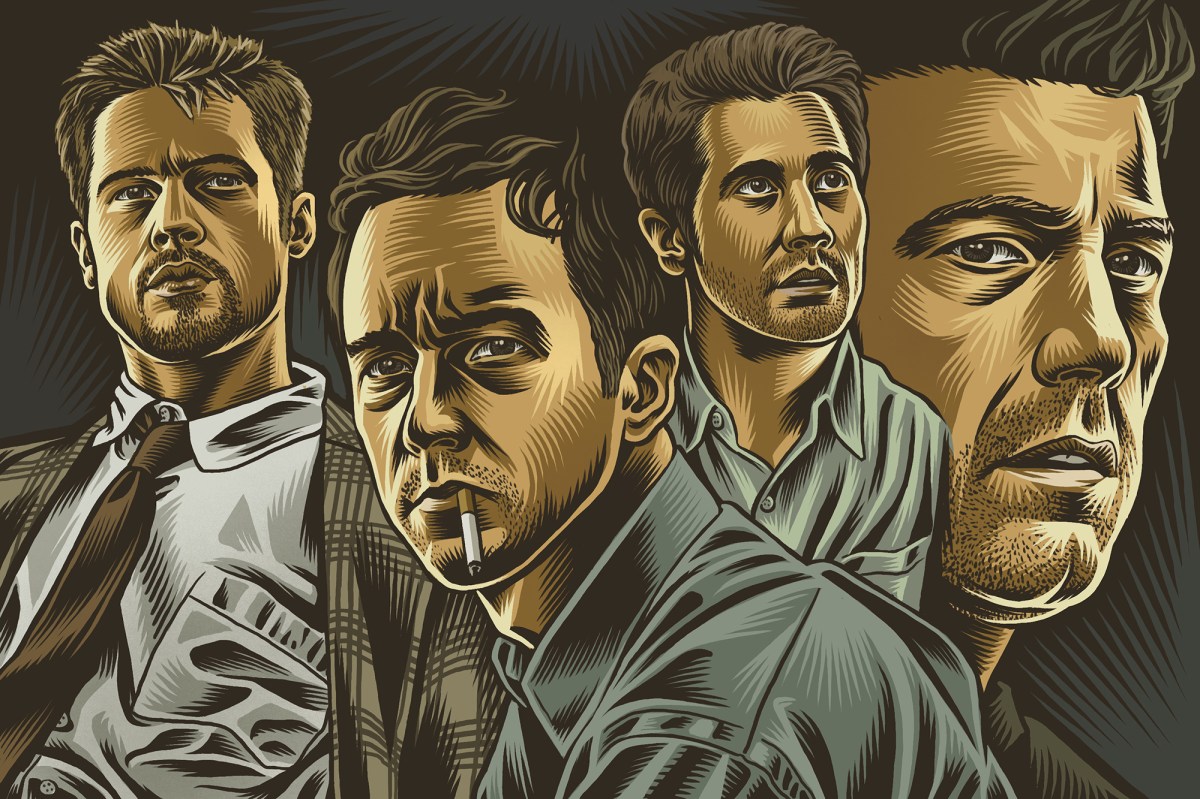
The protagonists of everything from ‘Fight Club’ to ‘Zodiac’ to ‘Gone Girl’ have something in common: they’re all cut from the same cloth as their director
No filmmaker has ever put himself into his work like Alfred Hitchcock. In movie after movie, the director made blink-or-miss-them appearances located at the edge of the frame—crossing a street walking a dog; appearing in a photo for a weight loss clinic—that prompted audiences to play a game of spot-the-auteur. These slyly miniaturized acts of showmanship were simultaneously sight gags and wry reminders of who was really in charge: The so-called “master of suspense” mixed in among the actors he infamously referred to as “cattle.”
David Fincher has not appeared in any of his own films: the closest thing to a cameo comes in 2014’s Gone Girl, a positively Hitchcockian thriller right down to its shower scene featuring a bloody blond. Midway through the film, suspected wife killer Nick Dunne (Ben Affleck) is being coached on an upcoming television appearance by his high-priced lawyer Tanner Bolt (Tyler Perry), who’s determined that his client makes just the right impression. During their dressing room prep session, the attorney pelts Nick with gummy bears to sharpen his posture and line readings. Perry supposedly didn’t know who Fincher was before being cast in the part, but that doesn’t preclude the fact that in this scene, he’s doing an indirect impression of his director—a control freak who once said there are only two ways to shoot any given scene, and that one of them is always wrong.
Part talk show part variety show A/T/P is a daily talk show featuring local artists, performers, service industry folks and more. Let’s keep the community of Pittsburgh hanging out. Virtually.
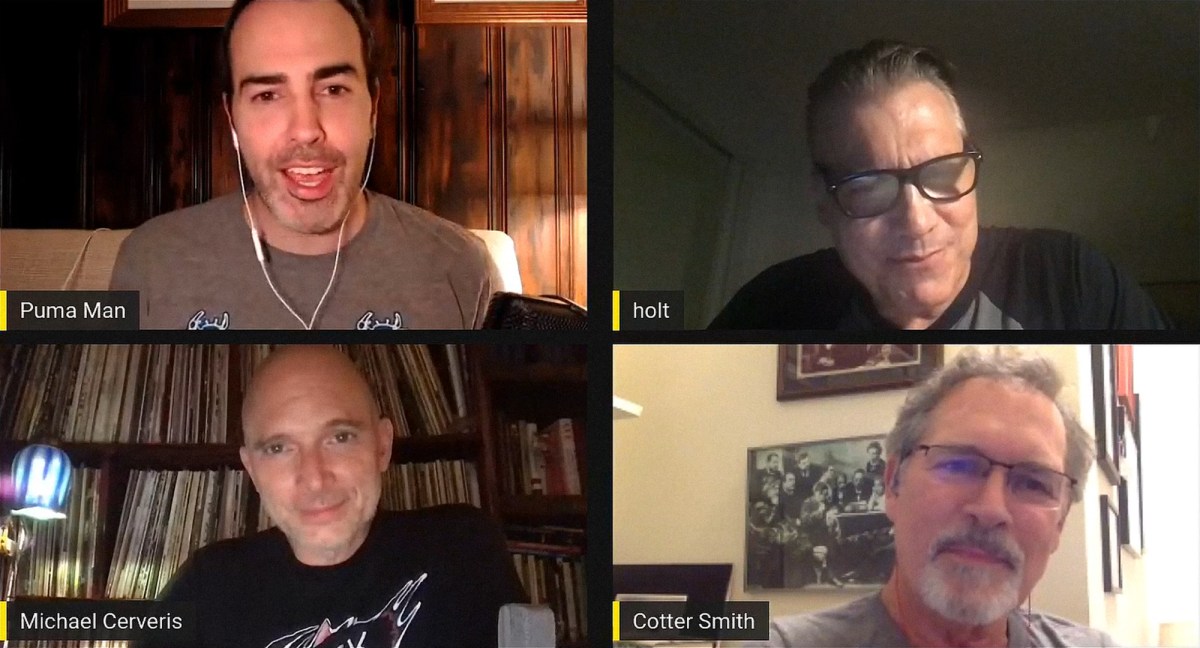
Week 25 Episode 82: Holt McCallany of Mindhunter spends his Birthday in quarantine with Patrick Jordan, Cotter Smith, Michael Cerveris, and Bill Doyle (Co-producer). And find out WHT K8 8 with Chef Kate Romane and the Jag/Off Bracket Poll with FORT DUQUESNE BRIDGE VS PIEROGI RACE.
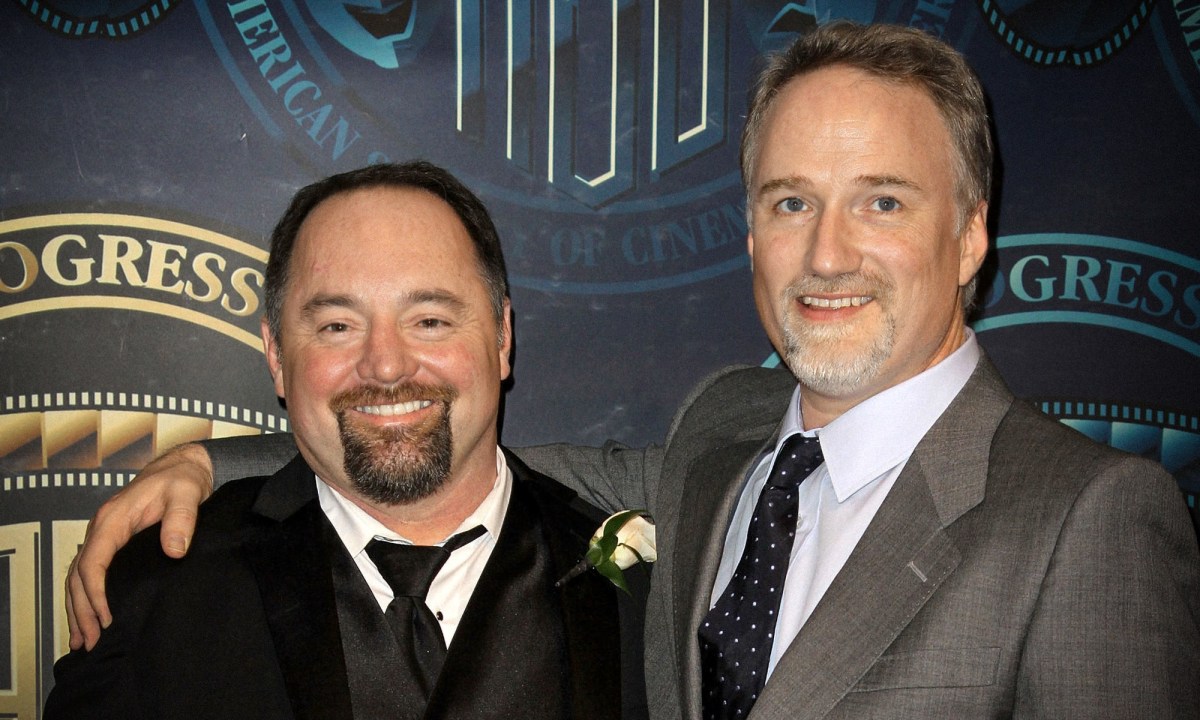
25th Annual American Society Of Cinematographers (ASC) Awards (2011)
A podcast about how to build a career in filmmaking. No Film School shares the latest opportunities and trends for anyone working in film and TV. We break news on cameras, lighting, and apps. We interview leaders in screenwriting, directing, cinematography, editing, and producing. And we answer your questions! We are dedicated to sharing knowledge with filmmakers around the globe, “no film school” required.
Oscar-nominated camera wizard Jeff Cronenweth sat down with us to talk about his origins in the film industry.
As a young man, Cronenweth spent time on the set of Blade Runner as his father, Jordan Cronenweth shot it. He walks us through the next chapter of his career, starting out as an AC for legendary DP Sven Nykvist and how his longtime working relationship with David Fincher began when shooting pickups for a Madonna music video.
We discuss his experiences crafting the look of Fight Club, The Social Network, and Gone Girl, among other great films. Now in 2020, he is up for an Emmy for his work on the Amazon series Tales From The Loop.
Academy Award-nominated Cinematographer Jeff Cronenweth (Fight Club, The Social Network, The Girl with the Dragon Tattoo, Gone Girl) breaks down the visual decisions behind some of the most studied films of the past three decades, and what it actually takes to build imagery that lasts.
Cronenweth explains how he and David Fincher approached the unreliable narrator problem in Fight Club, why the opening scene of The Social Network was shot with crossing cameras instead of traditional coverage, and how shallow depth of field became the primary tool for conveying isolation in Tales from the Loop. He also gets into why fear is essential to staying sharp, and why fighting for every single shot matters more than most cinematographers realize.
If you have ever wondered how great cinematographers make technical decisions in service of emotion rather than spectacle, this conversation gets into the specifics.
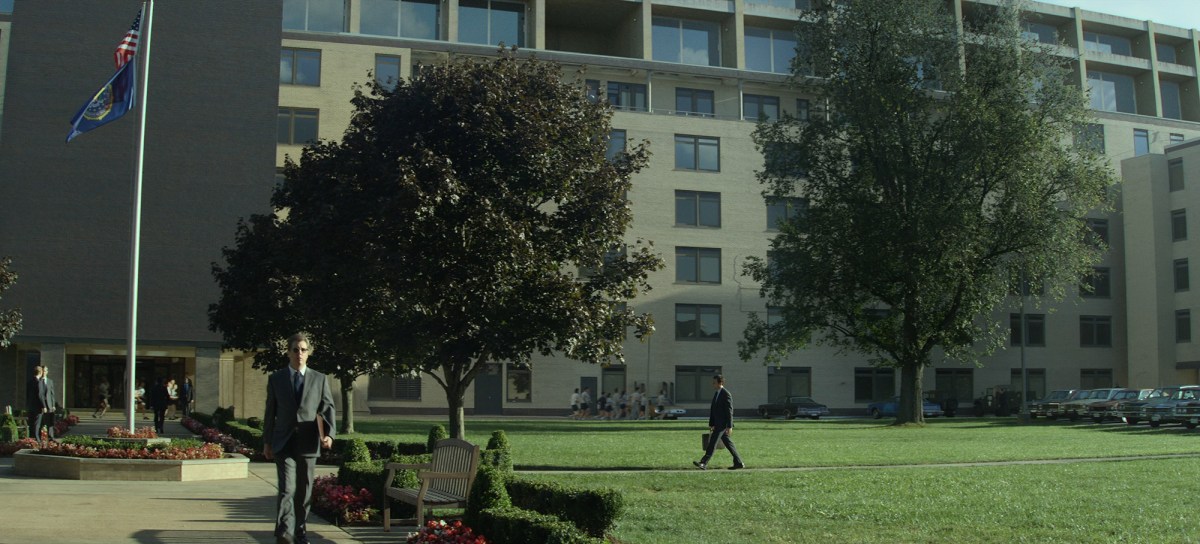
Cinema director David Fincher created one of the first original streaming series with House of Cards, and his innovative spirit infuses the Netflix original series Mindhunter, now in its second season.
In this podcast episode, the sound team discuss Fincher’s unique approach to the sound of serial killer interrogation scenes, a hallmark of this fascinating, dark series. The team discuss setting the acoustic tone of the series, including the oppression of the FBI agents’ basement office (and a very special door), why it was important to Fincher to always hear trainee agents at Quantico at target practice, and the joy of receiving Fincher’s incredibly detailed mix notes.
Steve Bissinger – Sound Effects Editor Scott Lewis – Re-Recording Mixer Stephen Urata – Re-Recording Mixer
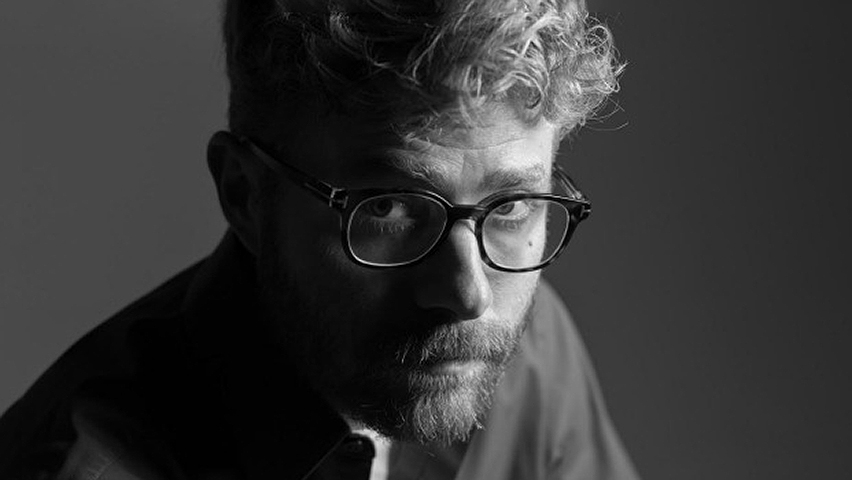
Erik Messerschmidt (Mindhunter) is an American cinematographer. Erik chats with Portbox about his transition into cinematography with Netflix Original Series: Mindhunter. Madhav inquires about how Erik studies human behavior, both professionally and personally. Erik highlights how working with great cinematographers and highly disciplined directors has informed his workflow and why director-cinematographer relationships work across different films. He also breaks down one of Madhav’s favorite scene from the second season of Mindhunter, while giving us details on his next project with David Fincher, Mank.