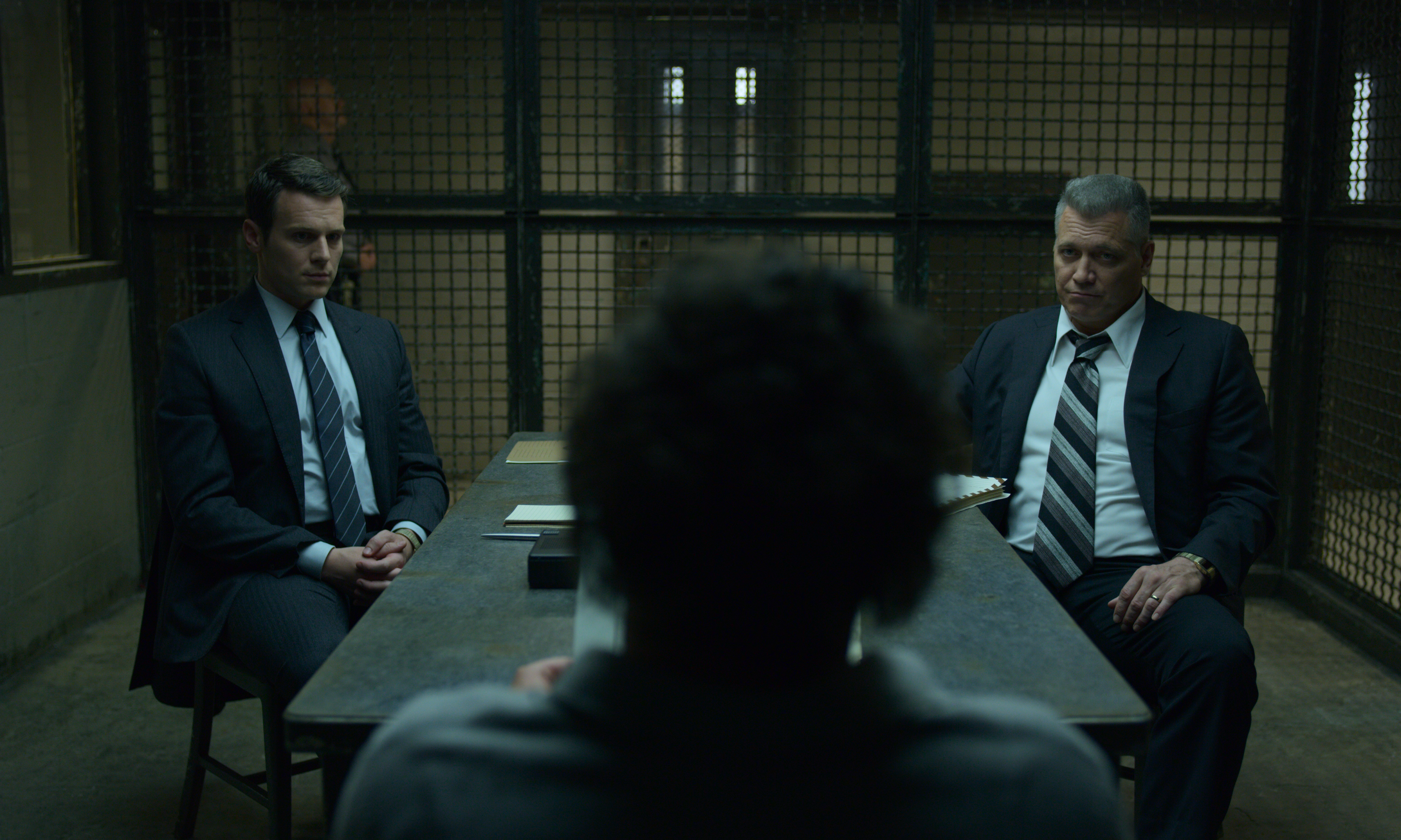
Art of the Shot: “Start from Perfect”, with Mindhunter DP Erik Messerschmidt, ASC and “A” Camera Operator Brian Osmond, SOC

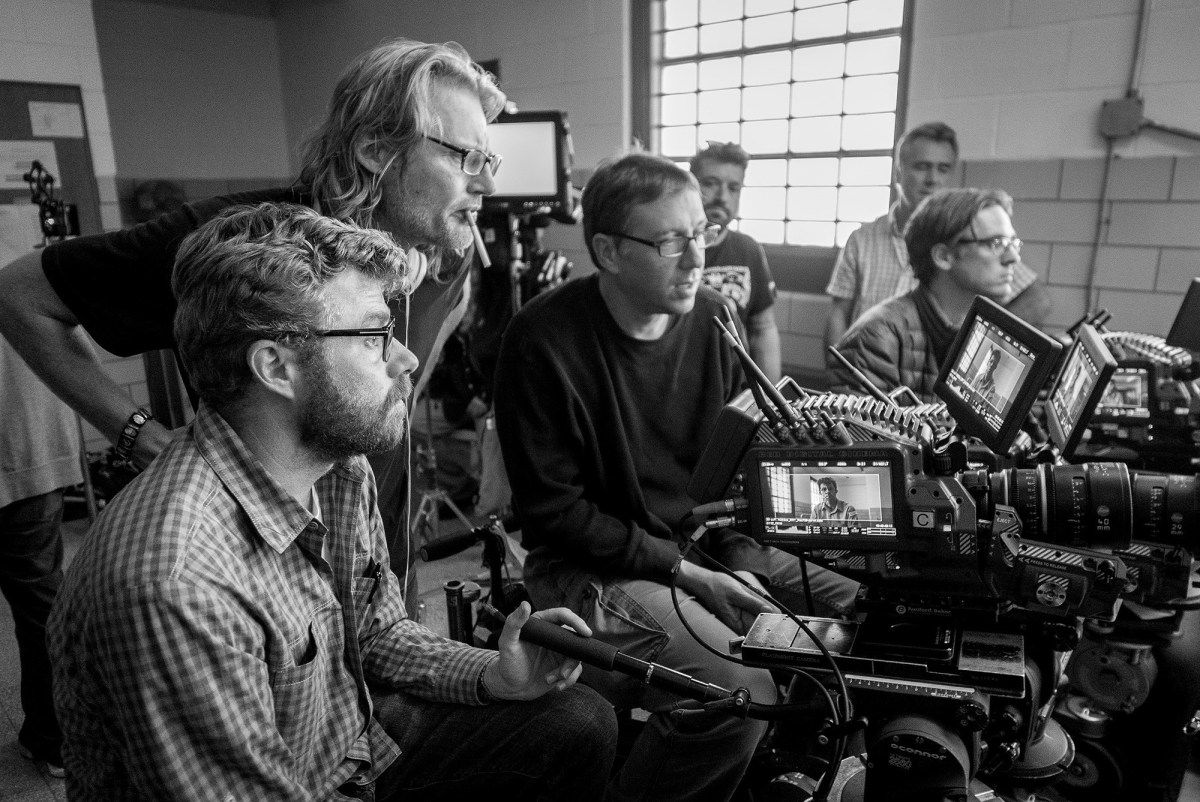
Erik Messerschmidt, Director Andrew Dominik, Brian Osmond, and “B” Camera Operator Will Dearborn (Nikolai Loveikis)

Derek Stettler
October 12, 2020
Art of the Shot
“A place to unload all my cinematic truths.” —Newton Thomas Sigel, ASC

How do you cultivate a career in Hollywood? What does it take to make iconic work? There’s an art to everything in life and the Art of the Shot explores the answers to those questions and more through deep-dives into the minds of master filmmakers. Join host Derek Stettler, young filmmaker and writer for the ASC and SOC magazines since 2016, as he learns from the artists behind today’s most strikingly-shot projects. Enjoy compelling conversations on the craft, insights from successful careers, tips, techniques + more!

In this episode, you’ll hear from both the cinematographer and the “A” camera operator of Mindhunter, who worked together throughout Season 1 and 2 to shoot every single episode. Please enjoy this exclusive interview with Erik Messerschmidt, ASC and Brian Osmond, SOC!
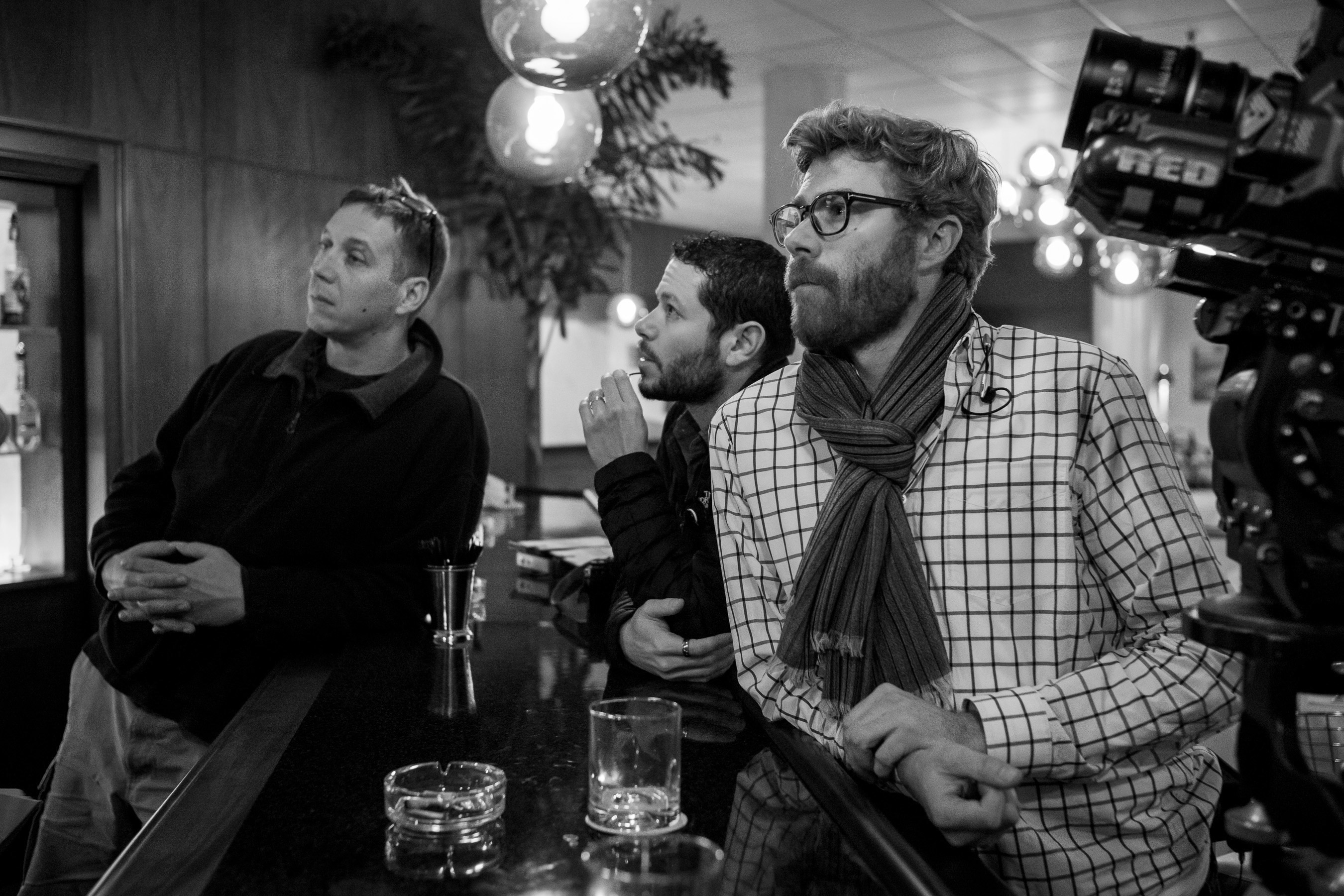
Brian Osmond, Gaffer Danny Gonzalez, and Erik Messerschmidt (Nikolai Loveikis)

In this episode, you’ll learn:

– Erik’s career path (00:04:06)
– Erik’s favorite part of the job (00:06:42)
– What DP’s should know to best work with their gaffers, from Erik’s experience working as a gaffer before becoming a DP (00:07:02)
– Unique skills Erik gained from his experience as a gaffer (00:07:56)
– How Brian got his career started (00:11:19)
– Brian’s favorite part of his job (00:12:19)
– What other directors can learn from how David Fincher treats his crew (00:18:39)
– The thought process & techniques behind Mindhunter‘s precise camera movement (00:22:50)
– The strategic use of handheld camera operating (00:34:27)
– The collaborative nature of the Mindhunter set (00:37:34)
– The importance of having a dedicated camera operator on set, especially on a David Fincher set (00:41:19)
– Erik’s role as “quality control supervisor” (00:44:21)
– Why a monitor on a David Fincher set is covered in smudges (00:46:57)
– Why there’s no such thing as a B camera “bonus shot” on Mindhunter & how shots are planned out for multiple cameras (00:48:23)
– What Erik thinks is the hardest shot to do well (00:52:04)
– How Erik lights & shoots with 2 cameras simultaneously (00:53:41)
– Erik’s approach to lighting Mindhunter & techniques used (00:56:55)
– Erik’s preference for real fluorescent lighting (01:03:30)
Mindhunter‘s production design and how much of the locations were built (01:05:01)
– Favorite set of Season 2 (01:06:26)
– How getting scripts in advance helps them work better (01:10:44)
– The innovative car process shooting on Mindhunter & how it works (01:12:38)
– How virtual production helps realize every filmmaker’s dream, stopping time, & how Erik used that to shoot a 9-minute dialog scene at dawn (01:18:02)
– How the car process shooting on Mindhunter evolved from Season 1 (01:22:37)
– How the custom RED digital cinema camera, dubbed the Xenomorph, evolved from Season 1 (01:27:22)
– Why Brian prefers a fluid head over a geared head to achieve those smooth, precise shots David Fincher loves (01:37:34)
– How to shoot a scene & why “Fix it in prep!” should be every filmmaker’s mantra (01:42:08)
– All about the lenses used on Mindhunter & how Erik art directed the artifacts & nuances of every optical aberration (01:48:10)
– Tips from Brian on getting really precise shots with a fluid head, what operating technique Erik has learned from Brian, & how being self-critical is a key to his success (01:56:42)
– What Erik & Brian feel is the most rewarding part of working on Mindhunter (02:02:47)
If you haven’t yet, please be sure to subscribe to be notified of future episodes, and share this podcast with others to help grow the show and spread the knowledge!

Listen to the podcast:

Apple Podcasts
Google Podcasts
Spotify
Stitcher
Breaker

Support this podcast

The Art of the Shot podcast is brought to you by Evidence Cameras, an outstanding rental house in Echo Park specializing in high-end digital cinema camera packages, lenses, support, and accessories.

Follow Art of the Shot on Social Media: Instagram, Facebook, Twitter

Follow Erik Messerschmidt, ASC on Instagram

MINDHUNTER: Mindful Operating

Interview with Brian Osmond, SOC.

Derek Stettler
May 2018 (Spring 2018)
Camera Operator (Society of Camera Operators)
When David Fincher Changed TV Forever

To celebrate the 25th anniversary of Se7en and the 10th anniversary of The Social NetworkThe Ringer hereby dubs September 21-25 David Fincher Week. Join us all throughout the week as we celebrate and examine the man, the myth, and his impeccable body of work.

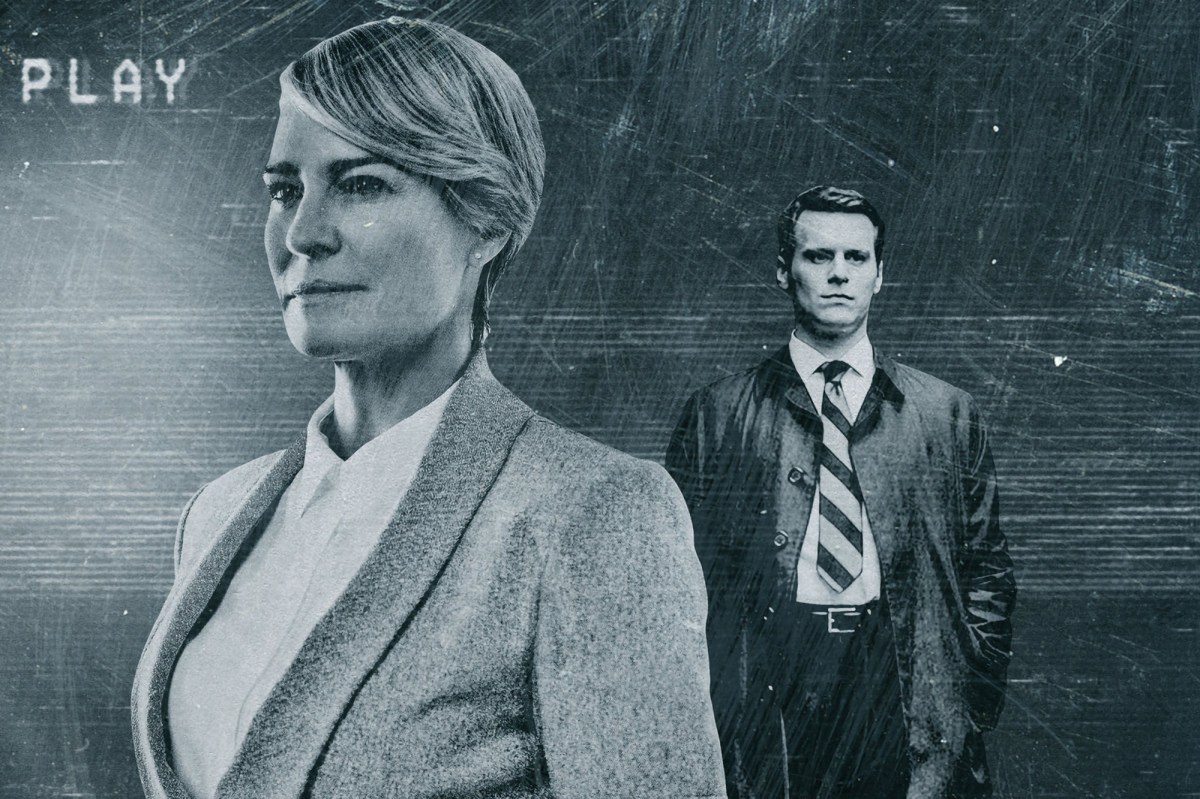
Thanks to ‘House of Cards,’ the man so deeply associated with filmmaking may ironically be best remembered for his impact on the streaming revolution

Alison Herman
September 25, 2020
The Ringer

Try and think back, if you can, to 2013. Obama has just won a second term. “Netflix” still means DVDs in red envelopes. And the idea of a major director deigning to do TV is remarkable enough to turn heads.

David Fincher was hardly the first name-brand auteur to try his hand at the small screen. Most famously, David Lynch brought paranormal dread to primetime with Twin Peaks in 1989; Steven Spielberg directed multiple episodes of his NBC anthology Amazing Stories, with subsequent chapters helmed by Clint Eastwood, Martin Scorsese, and Danny DeVito. But Fincher is neither an irrepressible weirdo prone to counterintuitive career moves nor a middlebrow populist with a family-friendly sensibility. He is, in many ways, a textbook Film Director: an uncompromising visionary who makes dark, violent, and above all, precise movies for adults. Fincher is the last person you could picture taking notes from a network executive, or taking part in the logistical corner-cutting that marks so much of TV production, which naturally made him the first person an up-and-coming entertainment hub would call to signal they’re Not Like Other Networks.

Read the full article

The David Fincher You Meet in His Movies

To celebrate the 25th anniversary of Se7en and the 10th anniversary of The Social NetworkThe Ringer hereby dubs September 21-25 David Fincher Week. Join us all throughout the week as we celebrate and examine the man, the myth, and his impeccable body of work.

The protagonists of everything from ‘Fight Club’ to ‘Zodiac’ to ‘Gone Girl’ have something in common: they’re all cut from the same cloth as their director

Adam Nayman
September 23, 2020
The Ringer

No filmmaker has ever put himself into his work like Alfred Hitchcock. In movie after movie, the director made blink-or-miss-them appearances located at the edge of the frame—crossing a street walking a dog; appearing in a photo for a weight loss clinic—that prompted audiences to play a game of spot-the-auteur. These slyly miniaturized acts of showmanship were simultaneously sight gags and wry reminders of who was really in charge: The so-called “master of suspense” mixed in among the actors he infamously referred to as “cattle.”

David Fincher has not appeared in any of his own films: the closest thing to a cameo comes in 2014’s Gone Girl, a positively Hitchcockian thriller right down to its shower scene featuring a bloody blond. Midway through the film, suspected wife killer Nick Dunne (Ben Affleck) is being coached on an upcoming television appearance by his high-priced lawyer Tanner Bolt (Tyler Perry), who’s determined that his client makes just the right impression. During their dressing room prep session, the attorney pelts Nick with gummy bears to sharpen his posture and line readings. Perry supposedly didn’t know who Fincher was before being cast in the part, but that doesn’t preclude the fact that in this scene, he’s doing an indirect impression of his director—a control freak who once said there are only two ways to shoot any given scene, and that one of them is always wrong.

Read the full article

Alone Together Pittsburgh: Holt McCallany and the Cast and Crew of Mindhunter

Part talk show part variety show A/T/P is a daily talk show featuring local artists, performers, service industry folks and more. Let’s keep the community of Pittsburgh hanging out. Virtually.

Patrick Jordan
September 4, 2020
Alone Together Pittsburgh (Twitter, Facebook)

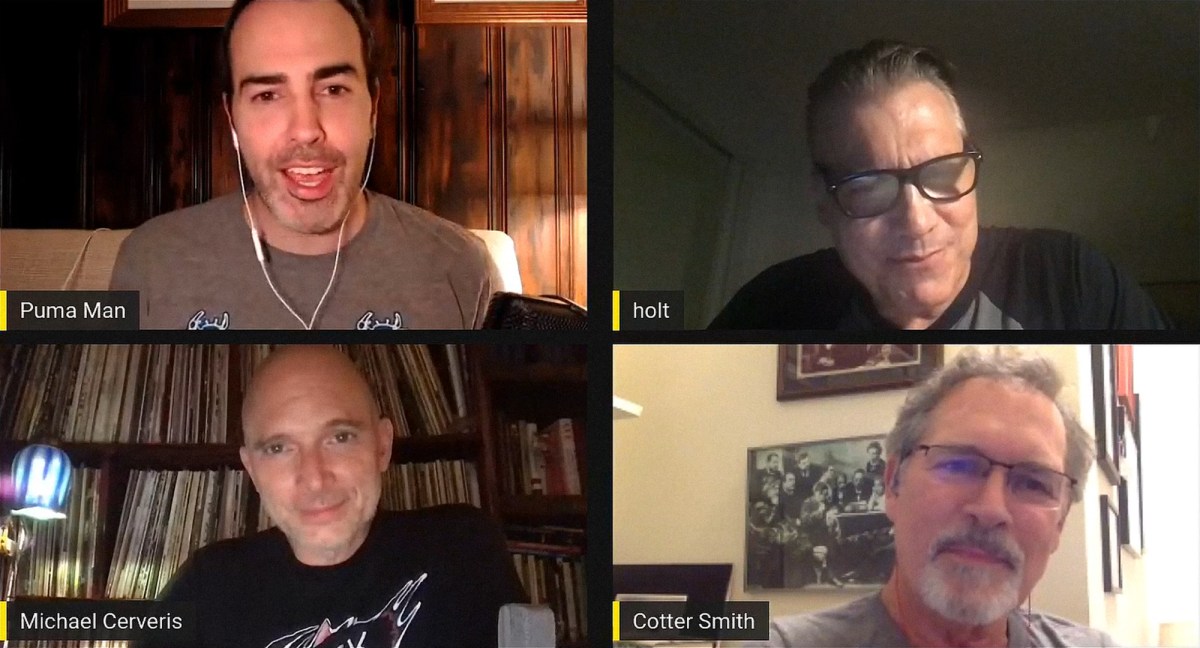
Week 25 Episode 82: Holt McCallany of Mindhunter spends his Birthday in quarantine with Patrick Jordan, Cotter Smith, Michael Cerveris, and Bill Doyle (Co-producer). And find out WHT K8 8 with Chef Kate Romane and the Jag/Off Bracket Poll with FORT DUQUESNE BRIDGE VS PIEROGI RACE.

David Fincher’s Longtime DP Jeff Cronenweth Has Advice, Insight, and Stories

25th Annual American Society Of Cinematographers (ASC) Awards (2011)

A podcast about how to build a career in filmmaking. No Film School shares the latest opportunities and trends for anyone working in film and TV. We break news on cameras, lighting, and apps. We interview leaders in screenwriting, directing, cinematography, editing, and producing. And we answer your questions! We are dedicated to sharing knowledge with filmmakers around the globe, “no film school” required.

Jeffrey Reeser
August 28, 2020
No Film School

Oscar-nominated camera wizard Jeff Cronenweth sat down with us to talk about his origins in the film industry.

As a young man, Cronenweth spent time on the set of Blade Runner as his father, Jordan Cronenweth shot it. He walks us through the next chapter of his career, starting out as an AC for legendary DP Sven Nykvist and how his longtime working relationship with David Fincher began when shooting pickups for a Madonna music video.

We discuss his experiences crafting the look of Fight Club, The Social Network, and Gone Girl, among other great films. Now in 2020, he is up for an Emmy for his work on the Amazon series Tales From The Loop.

Listen to the podcast:

No Film School
Apple Podcasts

Follow Jeff Cronenweth, ASC Archives on Twitter

SoundWorks Collection: The Sound of MindHunter

Glenn Kiser, Director of the Dolby Institute
July 2, 2020
SoundWorks Collection / The Dolby Institute

Cinema director David Fincher created one of the first original streaming series with House of Cards, and his innovative spirit infuses the Netflix original series Mindhunter, now in its second season.

In this podcast episode, the sound team discuss Fincher’s unique approach to the sound of serial killer interrogation scenes, a hallmark of this fascinating, dark series. The team discuss setting the acoustic tone of the series, including the oppression of the FBI agents’ basement office (and a very special door), why it was important to Fincher to always hear trainee agents at Quantico at target practice, and the joy of receiving Fincher’s incredibly detailed mix notes.

Steve Bissinger – Sound Effects Editor
Scott Lewis – Re-Recording Mixer
Stephen Urata – Re-Recording Mixer

Listen to the SoundWorks Collection podcast on:

Apple Podcasts
Spotify

SoundCloud
Stitcher

Portbox: The Desire to Go Noir With Erik Messerschmidt

Madhav Goyal
June 29, 2020
Portbox

Erik Messerschmidt (Mindhunter) is an American cinematographer. Erik chats with Portbox about his transition into cinematography with Netflix Original Series: Mindhunter. Madhav inquires about how Erik studies human behavior, both professionally and personally. Erik highlights how working with great cinematographers and highly disciplined directors has informed his workflow and why director-cinematographer relationships work across different films. He also breaks down one of Madhav’s favorite scene from the second season of Mindhunter, while giving us details on his next project with David Fincher, Mank.

Listen to the podcast on:

Portbox
Apple Podcasts
Spotify

Google Podcasts
Stitcher

Holt McCallany: ‘I’m still optimistic that there can be another season of Mindhunter’

Daniel Montgomery
June 29, 2020
Gold Derby

On Netflix‘s drama “Mindhunter,” FBI Agent Bill Tench keeps his emotions close to the vest, so actor Holt McCallany was “grateful to the writers and to David Fincher for deciding to allow the audience to get to know Bill a little bit more deeply, and obviously his domestic life is a big part of who he is.” So in season two of the series, which streamed in August 2019, Tench faced traumas both at work and on the home front. Watch our exclusive video interview with McCallany above.

Season two of “Mindhunter” explored the real-life Atlanta child murders that terrorized the city’s Black community from 1979 to 1981, with a death toll of at least 28 victims. But while Tench and his partner Holden Ford (Jonathan Groff) try to get to the bottom of that mystery, Tench’s young son is involved in the disturbing death of a toddler, a crisis that strains his marriage.

“Tench is really being pulled in two different directions,” McCallany explains, “because he wants to be a good husband and a good father, but at the same time he wants to be a good detective, and he wants to live up to his responsibilities as an FBI agent … but never really able to do it.”

Unfortunately, Netflix announced in January 2020 that a third season of “Mindhunter” was on indefinite hold, though not cancelled outright. But for McCallany, hope is not lost. “I’m still optimistic that there can be another season of ‘Mindhunter,’” he says. “I think it’s not too late for us to come back, so my hope is that we haven’t seen the last of Bill Tench and Holden Ford … I’m keeping my fingers crossed.”

Creating Mindhunter’s Calculated Sound

Director David Fincher’s Mindhunter series on Netflix is as calculated as the serial killers it fictionalizes. Fincher locks down all the details on a nanoscopic level, including the sound. Here, Skywalker Sound supervising sound editor Jeremy Molod talks about his collaboration with Fincher and how they deliver a finely-crafted show.

Jennifer Walden
May 20, 2020
A Sound Effect

Having spent so much time as a Foley editor in his early career, award-winning supervising sound editor Jeremy Molod, at Skywalker Sound, appreciates the value of that performance art, as does his long-time collaborator director David Fincher. So much so, that Fincher even requests samples of potential footstep sounds for his characters before the Foley is shot. With all the details that a director has to attend to, it’s rare that one allocates so much attention to sound — even down to the Foley footsteps.

In Season 2, Ep. 2 of Netflix’s Mindhunter series — which is up for Emmy consideration for sound editing and mixing — Fincher and Molod used Foley and sound design to communicate the nervousness and discomfort of BTK-survivor Kevin Bright (Andrew Yackel) as he recounts details of the attack to detectives Tench (Holt McCallany) and Drowatzky (Jeb Kreager). Kevin is in the backseat of Drowatzky’s truck, and because of the camera angle and depth-of-field, he’s not clearly seen by the audience. His movements are implied through Foley, and those increasingly agitated movements reflect Kevin’s emotional state.

Here, Molod discusses the sound team’s work on Mindhunter, focusing on several key scenes in Season 2, Ep. 2, and their use of Foley and loop group as a storytelling tool that adds unique detail to the soundtrack.

How has your experience of working on Mindhunter Season 1 impacted your approach to Season 2? Any lessons learned on that first season that sparked ideas for this new season?

Jeremy Molod (JM): Once we got through the first season, our crew had a rhythm down. That made things a lot easier for Season 2 just in terms of our workflow and how we do it.

We didn’t take a new approach to the second season. We treated Season 1 and Season 2 as one long, huge movie. We continued exactly what we were doing before. David [Fincher] would give us his spotting notes and we’d work on it and then he would give us notes on what he liked and didn’t like. We just proceeded that way.

Since you’ve worked with David Fincher before, did he just give you general notes and let you do your thing?

JM: No. He’s very hands-on, more so than any other director I’ve worked with. He cares about every little aspect. Before we start working on it, he’ll tell us what he has in mind sound-wise, but every single day he is chiming in with more information, more detailed notes, and more ideas of things he’d like us to try. It’s a back-and-forth all the time. I send things to David almost every day for him to listen to and make notes on. It’s a very collaborative effort.

Often directors are so busy handling everything else that they don’t have time for sound collaboration. It’s good to hear he’s very involved in that…

JM: Absolutely. It’s a rare thing for a director to be this involved in sound, but that’s one of the reasons his movies are so good. He cares about every little aspect of it.

Read the full interview

Through The Frame: Re-Animating Camera Moves For Live Action

Jesse Korosi
May 7, 2020
Through The Frame (HPA)

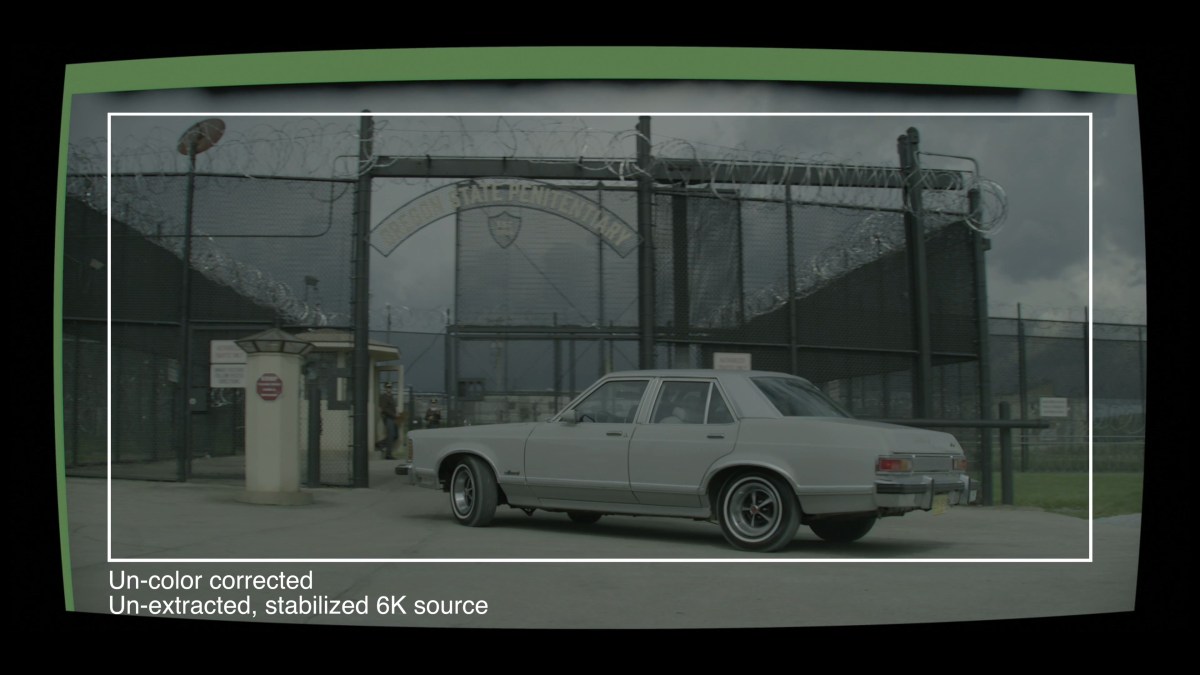
Learn how the new movement toward reanimating camera movement, stabilizing, and reframing shots in post is taking shape! Chad Peter and Tai Logsdon have been on the forefront of this change and will discuss how it all began and how it’s being done today, with lots of details and examples from Mind Hunter, Bird Man, Homecoming & Mr. Robot.

Writer / Director (DGA) / VFX Supervisor originally from Colorado – Chad Peter has worked as VFX supervisor & additional director (inserts) on the final season of “Mr. Robot”, as well as VFX Super on Amazon’s “Homecoming” season 1.  Previously, Chad had served as an in-house VFX on “Mindhunter” s1 & s2, “House of Cards” s2 thru s4, “Gone Girl” and more.

Tai Logsdon grew up in the Central Valley of California, graduated from Chapman University in 2006, and has worked as in-House VFX Manager for shows such as Amazon’s “Homecoming” and USA’s “Mr.Robot” (the final season).

Listen to the podcast