The retrospective supported by Netflix, Patron of the Cinémathèque Française (French Cinematheque), will open with a preview screening of The Killer followed by a discussion with Fincher. The next day, a screening of Zodiac will be followed by a Master Class with the director.
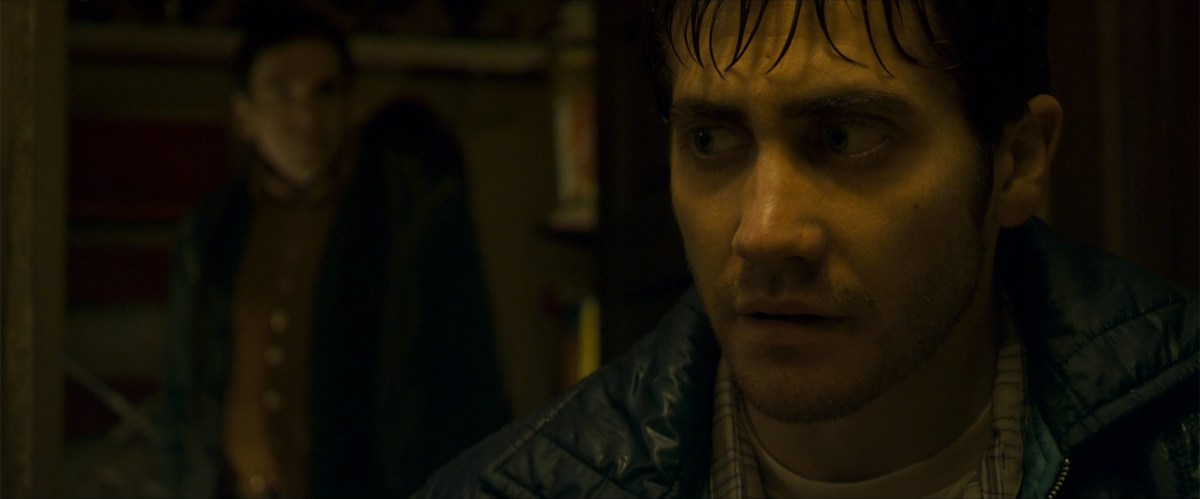
In this video essay, we examine some of the darker work of David Fincher, and how he might be one of the greatest horror directors of our time – even though he doesn’t make horror movies. We dissect The Basement scene in Zodiac and how it might be the best and most terrifying horror short film ever made.
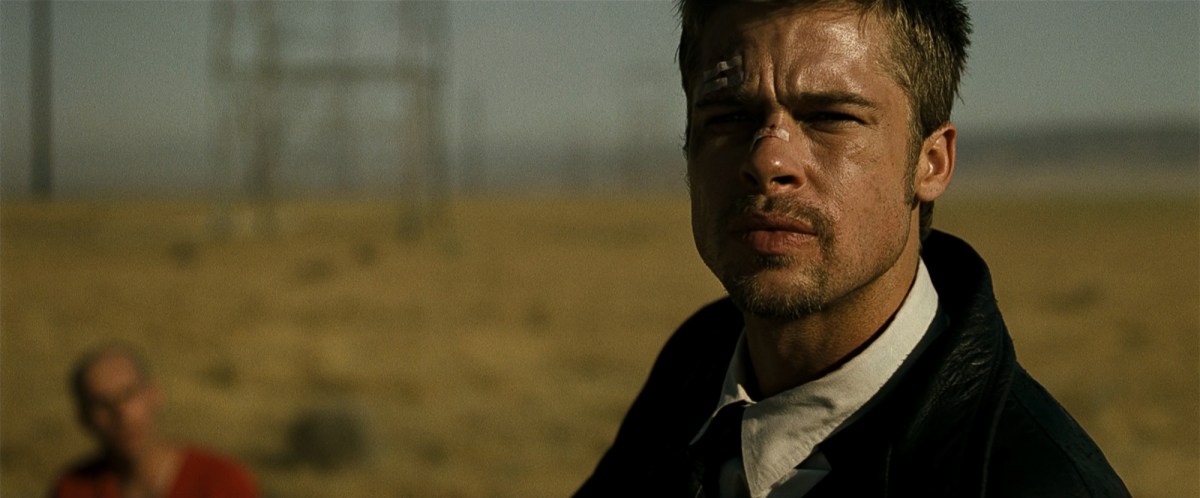
After making his name creating iconic music videos for some of the biggest pop stars of the 20th Century, including George Michael, Madonna,and Michael Jackson, David Fincher made his feature film debut to mixed results, directing the third installment in the Alien series in 1992. Our celebration of this exacting filmmaker’s work begins with the film that came next, Se7en (1995), an unforgettable serial killer horror whose influence in style and tone is still felt across film and TV today.
Fincher’s subsequent films have made him one of the most sought-after and critically acclaimed (and occasionally divisive) directors working today. With his new film The Killer, starring Michael Fassbender and Tilda Swinton, scheduled for release in late 2023, we are delighted to offer audiences a chance to dive into Fincher’s dark world on the big screen through March and April at GFT. The season includes several screenings on 35mm, our first chance to screen Fincher’s Oscar-winning Covid-era release Mank, and a special discussion around one of his most enduringly beloved and controversial films entitled ‘Yes, We Are Going to Talk About Fight Club’.
Se7en: 15 – 19 March Fight Club: 21 March – 26 March + panel discussion Panic Room: 5 April Zodiac: 29 March – 2 April The Curious Benjamin Button: 9 – 10 April The Girl with the Dragon Tattoo: 23 April The Social Network: 16 – 19 April Gone Girl: 26 April Mank: 30 April – 3 May
CineMasters: David Fincher Ticket deal
Buy tickets to 6 or more different titles in the season and get one of those tickets free. Add all tickets in one transaction and the discount will be automatically applied to your basket at checkout.
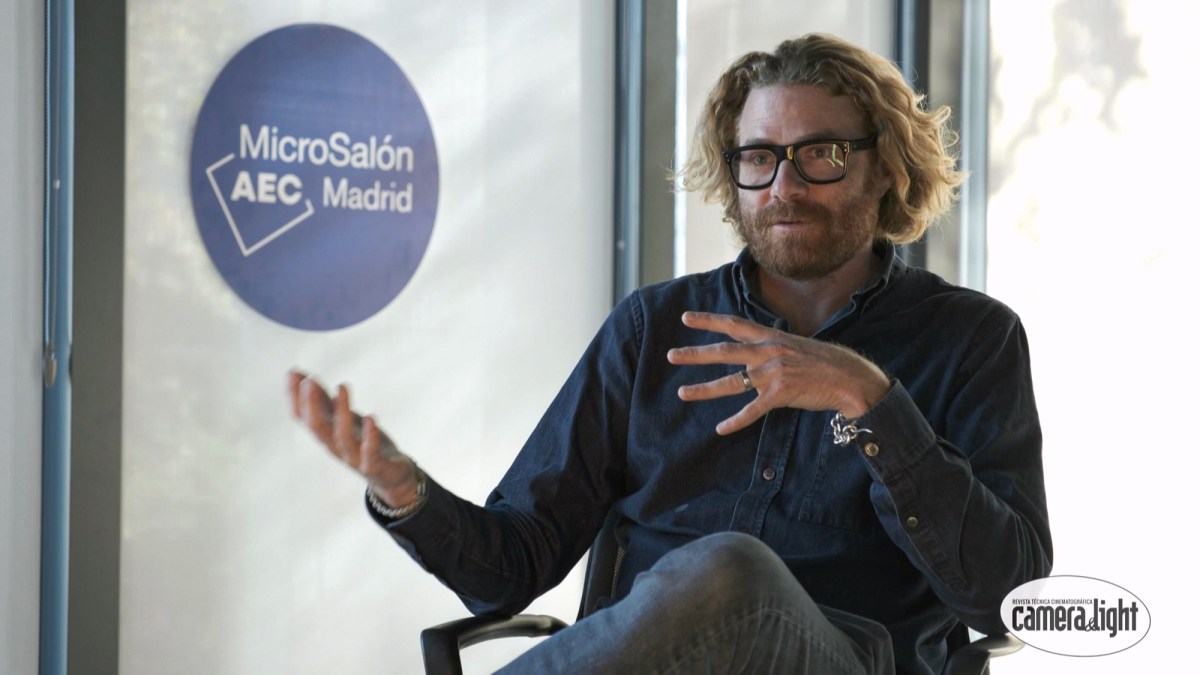
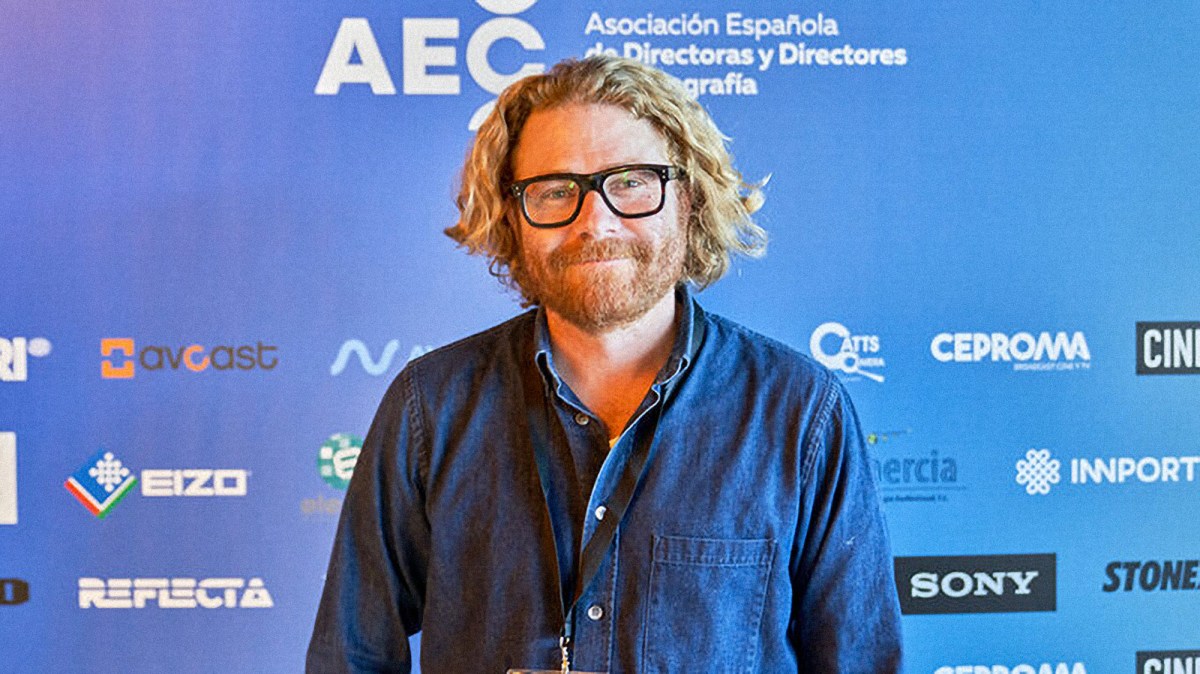
Durante el MicroSalón Madrid 2022 tuvimos la oportunidad de charlar con el invitado especial de la AEC, el director de fotografía Erik Messerschmidt ASC.
Os ofrecemos la conversación que mantuvo con Julio Gómez (al que hemos cortado porque no le pusimos micro) sobre sus trabajos con David Fincher (“Mank“, “Mindhunter“) y también trabajaos recientes en colaboración con Dana Gonzáles, como “Fargo” o “Legión“.
Entrevista filmada y montada por Juan Esparza Cevallos para Camera & Light.
Entrevistamos a Erik Messerschmidt, director de fotografía estadounidense, en el marco del evento MicroSalón AEC, con sede en Madrid. Messerschmidt es habitual colaborador del cineasta David Fincher y obtuvo un premio Óscar a la mejor fotografía por Mank.
Me gustaría preguntarte si consideras que el cine proviene de la fotografía, si te parece que el cine proporciona movimiento a las fotografías o si proviene de una transformación técnica más compleja.
Es una gran pregunta. Creo que el cine es storytelling extendido en el tiempo. Es esculpir en el tiempo, como decía Tarkovski. La fotografía tiene que ver con la historia de un momento singular. El cine manipula y hace progresar el tiempo. Tiene más en común con la literatura y los sueños que con la fotografía.
For this masterclass on the Art of Sound in film and TV, we welcome on the show Gwen Yates Whittle, a 2-time Oscar-nominated sound professional whose credits include this summer’s Jurassic World: Dominion, Saving Private Ryan, Top Gun: Maverick and the upcoming Avatar: The Way of the Water.
In today’s conversation, the Skywalker Sound member and I break down some of Hollywood’s biggest sound moments. We discuss Gwen’s beginning in the industry and why the prospect of sound editing intrigued her in ways that sound mixing never did; her relationship with detail-oriented directors like Steven Spielberg, James Cameron, and David Fincher (Fight Club, Panic Room, Zodiac, Benjamin Button, Gone Girl); the process of layering animal sounds to create the dinosaur voices in the Jurassic World franchise—as well as how the pandemic suddenly impacted Gwen’s work. All of this… and much more!
Gwen’s newest movies Jurassic World: Dominion and Top Gun: Maverick are now in theaters across the world, with Avatar: The Way of the Water opening in December 2022.
Editing dialog and working with the original recordings from the set is one of the most under-appreciated arts in cinema sound. In this episode of “Conversations with Sound Artists,” two-time Academy Award nominee Gwen Yates Whittle talks with the Dolby Institute’s Glenn Kiser about why George Lucas thinks dialog editing is one of the most important parts of the process, why she loves working on low-budget independent films (“They talk more,”), and why David Fincher and Meryl Streep love doing ADR.
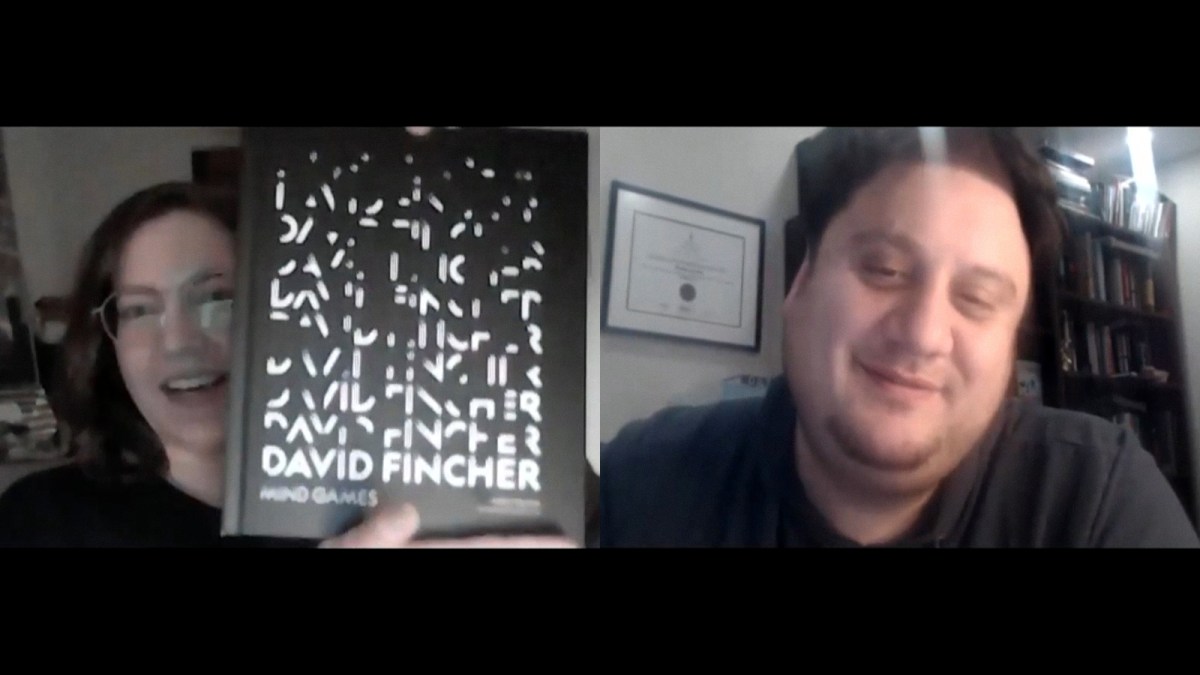
David Fincher: Mind Games is the definitive critical and visual survey of the Academy Award– and Golden Globe–nominated works of director David Fincher. From feature films Alien 3, Se7en, The Game, Fight Club, Panic Room, Zodiac, The Curious Case of Benjamin Button, The Social Network, The Girl With the Dragon Tattoo, Gone Girl, and Mank through his MTV clips for Madonna and the Rolling Stones and the Netflix series House of Cards and Mindhunter, each chapter weaves production history with original critical analysis, as well as with behind the scenes photography, still-frames, and original illustrations from Little White Lies‘ international team of artists and graphic designers. Mind Games also features interviews with Fincher’s frequent collaborators, including Jeff Cronenweth, Angus Wall, Laray Mayfield, Holt McCallany, Howard Shore and Erik Messerschmidt.
Grouping Fincher’s work around themes of procedure, imprisonment, paranoia, prestige and relationship dynamics, Mind Games is styled as an investigation into a filmmaker obsessed with investigation, and the design will shift to echo case files within a larger psychological profile.
David Fincher’s films are full of doubles, puzzles, and tantalizing glimpses of the director himself. As Adam Nayman writes in his new book about Fincher’s films, Mind Games, “Fincher imposes his presence through the actions and psychologies of thinly veiled proxies: Clockmakers and safecrackers; hackers and terrorists; detectives and serial killers.” These are films that are, like their director, obsessed with procedure and appearance—and intent on puncturing both.
These films are, perhaps because of their complexity or their (at least outward) coldness—or perhaps because of Fincher’s own past as a director of music videos and advertisements—misunderstood or even dismissed. In the past decade alone, Fincher’s The Social Network and, especially, Gone Girl have received radical reappraisals, while Zodiac has been seen by many as one of the best films of the twenty-first century. Mind Games is particularly valuable in its willingness to critically engage with much of Fincher’s less-appreciated output—from his work in advertising to films like Benjamin Button and The Girl With the Dragon Tattoo. But Nayman, the author of similar studies of the Coen brothers and Paul Thomas Anderson, also deepens the understanding of films by situating them in an oeuvre that has been obsessively looking at many of the same themes for decades.
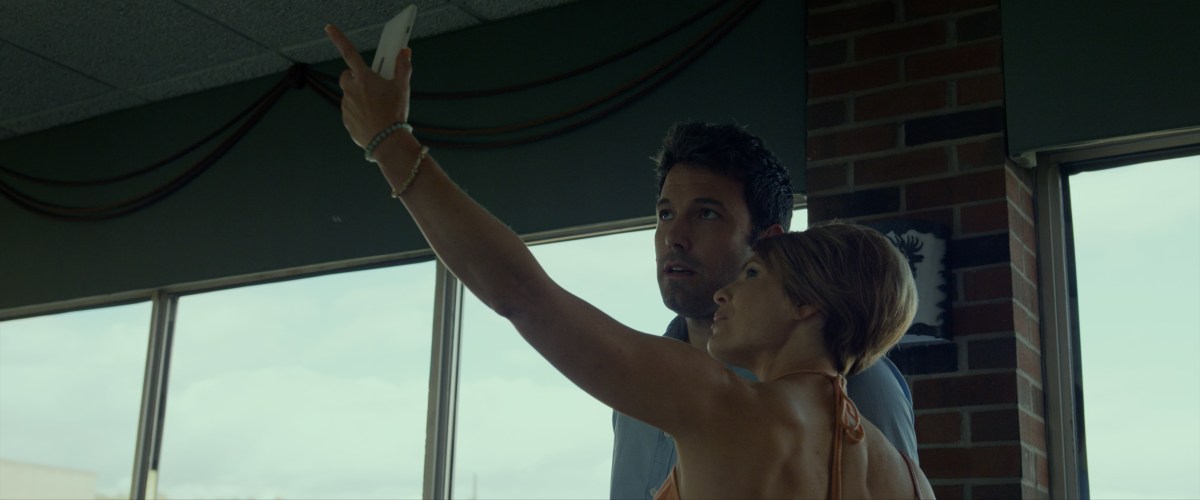
Leos think about other leos a lot, or at least that’s what I’m telling myself. Tonight, I wanted to think a little bit more about OOMF Back in his Gone Girl Era, or, that specific Ben Affleck quality/intonation/villainous chin that makes everything he says come out all wrong. What better movie is a case study for this than the movie in which it was deployed demonically and perfectly? I am speaking, of course, about Gone Girl.
Tonight: a short Q&A with David Fincher: Mind Games author Adam Nayman about the 2014 David Fincher, um, love story. “Gone Girl is a culmination of one of the things I really like about Fincher: it’s a movie about communication, the way that we kind of self mediate our images online. It was kind of ahead of the curve in that way. It still feels very state of the art — even though it’s not really a Twitter, Instagram movie, and some of the actual social media features on it date it to 2014 — it just feels really post-millennial and contemporary,” Nayman told me.


 The Fincher Analyst