Mind Games author Adam Nayman discusses the connective tissue between David Fincher’s films and why we can’t help comparing him to Paul Thomas Anderson
Radheyan Simonpillai December 22, 2021 NOW Magazine
In the David Fincher film Zodiac, cartoonist Robert Graysmith obsessively pours over legal documents, testimonies, and geographic patterns. He connects the dots that won’t necessarily give him conclusive answers regarding the titular San Francisco serial killer but will nevertheless make for a pretty good book that paved the way for a masterpiece film. I like to picture Toronto film critic and author Adam Nayman doing the same for his book David Fincher: Mind Games.
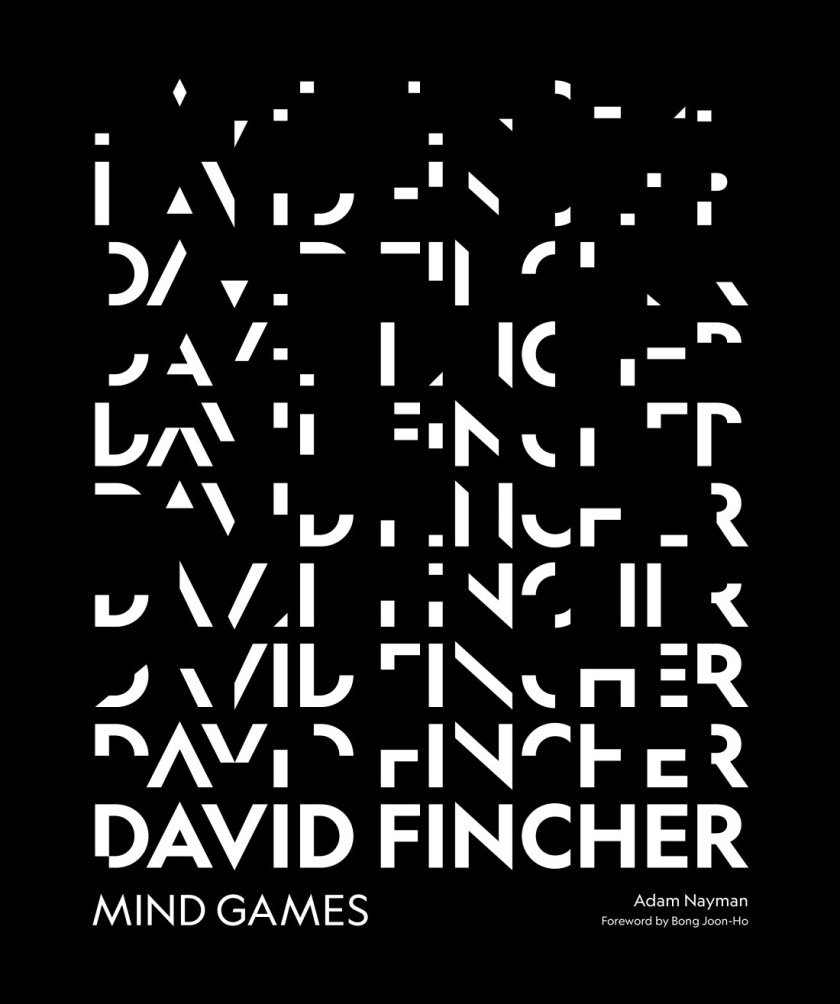
Nayman scans Fincher’s work, from the music video for Madonna’s Express Yourself to last year’s endearing look back at authorship in Mank, writing chapters on each movie with forensic detail and riveting insight. Mind Games, which comes with a lovely foreword from Parasite director Bong Joon-Ho, is the latest in Nayman’s series of comprehensive books on the greatest white male directors of our generation, sitting nicely alongside The Coen Bros: This Book Really Ties The Films Together and Paul Thomas Anderson: Masterworks. And there’s an argument to be made that this book is the most fascinating of the three.
More so than the others, Fincher’s movies inspire divisive reactions. Movies like The Curious Case Of Benjamin Button and Mank rack up the most Oscar nominations while being pilloried by many critics. Se7en and Fight Club earn dorm room notoriety, which in turn is weaponized against the films themselves. Some of his greatest work in Zodiac and Gone Girl doesn’t quite get the love it deserves. But Fincher is the kind of filmmaker whose misses are infinitely more fascinating to me than the best that a Christopher Nolan puts up.
Nayman discussed Fincher’s canon with NOW in a conversation about the imprint he leaves on his films and how he compares to Paul Thomas Anderson. The Licorice Pizza filmmaker has a very different kind of career, but feels oddly linked to Fincher.
In 1985, aspiring director David Fincher was tapped by the American Cancer Society to make a PSA. Riffing off Stanley Kubrick‘s “2001,” Fincher put forth one of the most provocative and memorable commercials ever featuring an in-utero fetus smoking a cigarette to demonstrate the dangers of pregnant smoking.
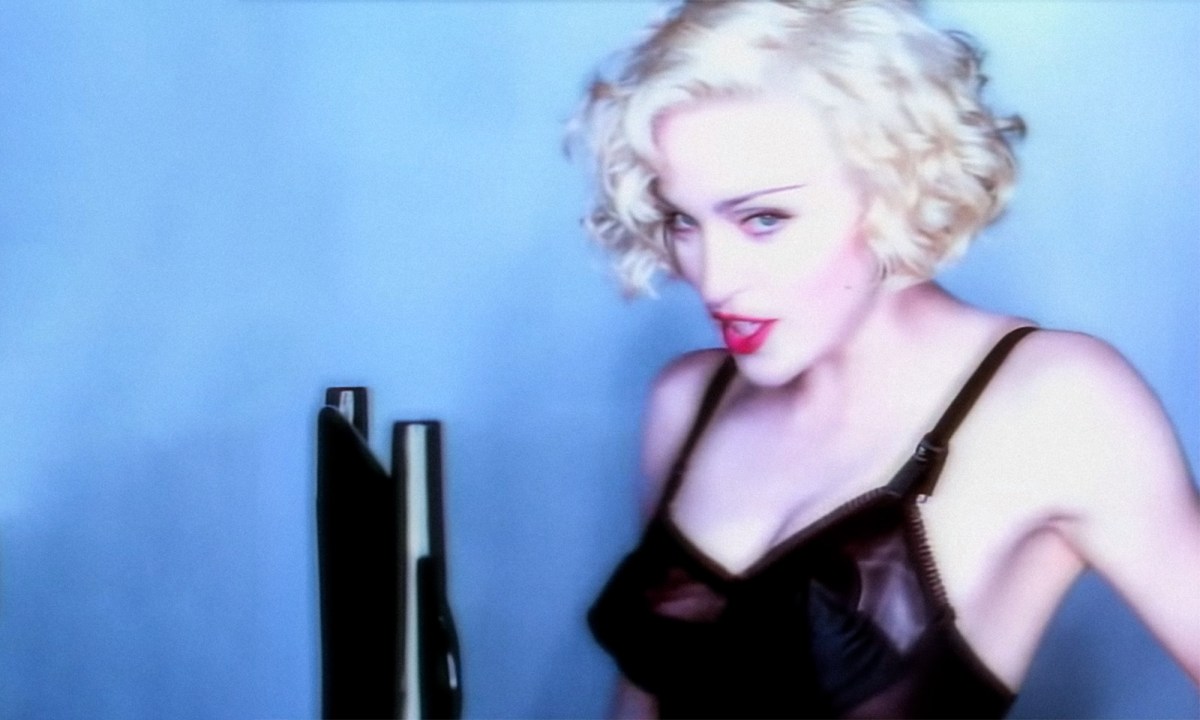
This PSA was just the beginning of Fincher’s ability to utilize the shared language and visuals of film to express a point. He would move next to directing music videos where he famously invoked Fritz Lang‘s “Metropolis” while directing Madonna’s 1989 video for “Express Yourself.”
Film critic Adam Nayman told WPR‘s “BETA” that Fincher’s cinematic ambition was present in all of this early work before he became a household name directing transcendent films like “Fight Club,” “Se7en,” “Zodiac” and “The Social Network.”
“I think that he was part of a cycle of music video directors who were drawing on movies for the music videos. So, by the time they ended up making feature films, the visual language and the ambition were already there,” Nayman said.
Nayman is the author of “David Fincher: Mind Games,” a comprehensive critical companion book to Fincher’s career output thus far. It’s the third installment of Nayman’s deep dives into generational filmmakers that includes the Coen brothers and Paul Thomas Anderson.
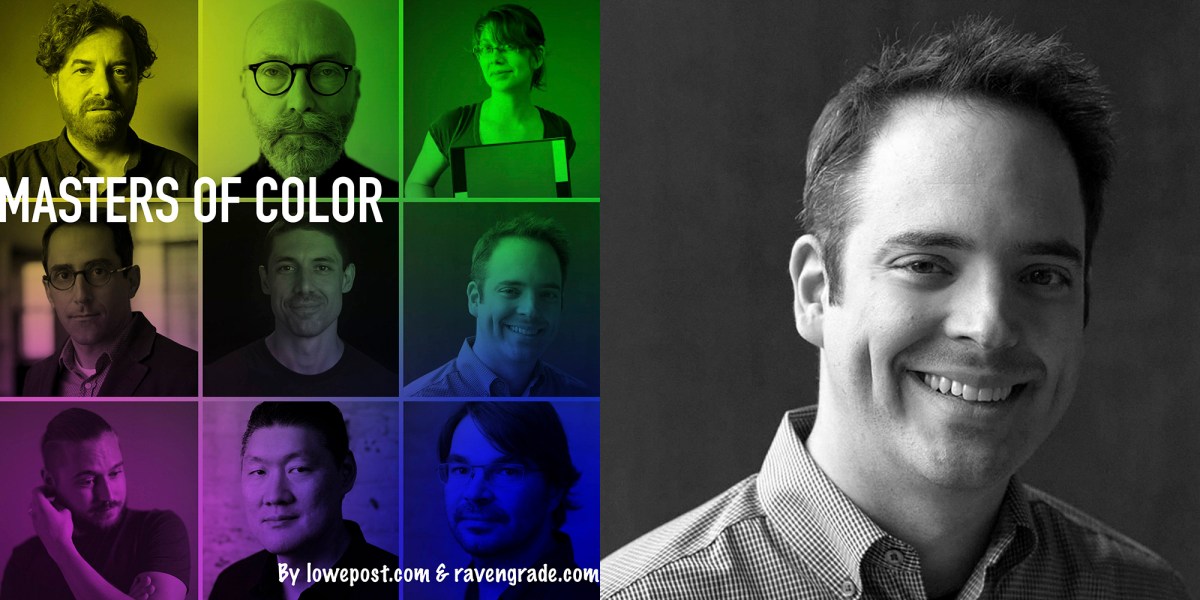
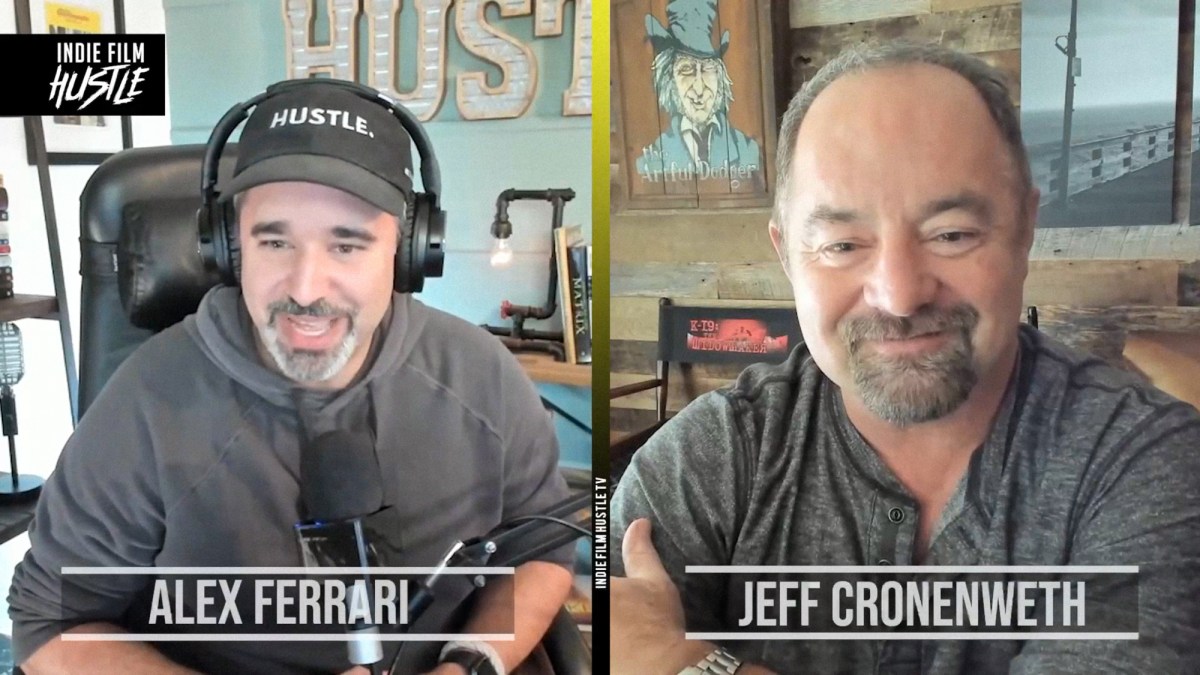
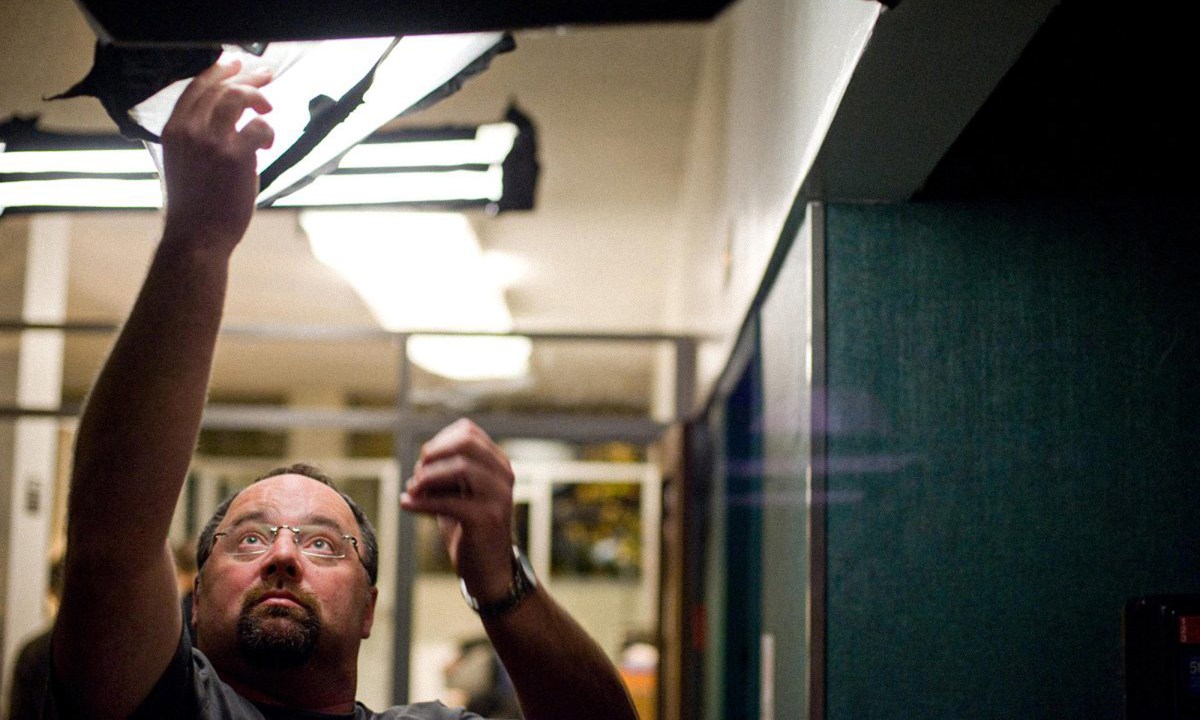
Cinematographer Jeff Cronenweth, ASC, is the son of Jordan Cronenweth, ASC, one of the most influential cinematographers in history, most notable for Blade Runner.
He worked with his father as a camera loader and second assistant camera during high school, graduated from the USC School of Cinematic Arts, and worked his way up to first assistant camera and then camera operator until the mid-1990s. He also worked for legendary Swedish cinematographer Sven Nykvist.
The first major motion picture where he acted as a DP was for David Fincher‘s Fight Club. Other notable feature films on which he worked as a DP are One Hour Photo, directed by Mark Romanek, K-19: The Widowmaker, Down With Love, The Social Network, Hitchcock, The Girl with the Dragon Tattoo, Gone Girl, and recently, Being the Ricardos, written and directed by Aaron Sorkin.
He was nominated twice for an Academy Award for Best Cinematography for his work on Fincher’s The Social Network (2010) and The Girl with the Dragon Tattoo (2011).
This week’s conversation focuses in on David Fincher—a director whose decade-spanning body of gritty Americana—from the grim moral drama of Se7en to the revisionist Hollywood tale of the recent Mank—has inspired both obsessive fandom and derisive dismissal.
A new book by Adam Nayman, David Fincher: Mind Games (out November 23 from Abrams Books), offers a canny and timely appraisal of the director’s filmography. Adam writes that, “Over the past thirty years, Fincher has cultivated and maintained a reputation that precedes him of formal rigor and technocratic exactitude, of moviemaking as a game of inches.” Film Comment editors Devika Girish and Clinton Krute invited Adam and critic, filmmaker, and former NYFF director, Kent Jones—who’s written about Fincher many times over the years in FC—for an illuminating deep-dive into the Fincherverse.
Few film books in recent memory made waves like Adam Nayman’s Paul Thomas Anderson: Masterworks, a too-rare melange of authorial talent, topical interest, and opulent presentation. Last year Nayman and I spoke at length about the tome that no doubt you’ve seen in bookstores (big and small alike) since.
Nayman has returned with David Fincher: Mind Games, another Abrams-published doorstop on another double-capital-A American Auteur, lined again with essays that surprise in their capacity to find new perspectives and provocative readings on films for which there seemed no more room. Finally able to talk in person—thus, you’ll (please) read, at greater length—we sat down for a talk on writing thousands of words on someone for whom a consistent critical standing is tougher than meets the eye.
Adam Nyman is a fellow film critic and the author of several books about films and filmmakers, including but not limited to The Coen Brothers: This Book Really Ties the Films Together (2018) and Paul Thomas Anderson: Masterworks (2020). (Though we’ve never crossed paths in person, he also teaches in the department where I did my Master’s program.) He opens Mind Games with a dedicated discussion of the decade or so before Fincher ever made his narrative feature debut with ALIEN³ (1992), but then continues to come back to his commercial and music video work for the remainder of it, wisely treating his adman past as, well, more of an adman present. A few weeks back, Adam and I chatted for an hour about Fincher’s short-form oeuvre, but also his features because—again—the two aren’t as discrete as a lot of people believe. Our conversation has been edited for clarity, but not really so much for length.
In this edition I’ll look at Jeff Cronenweth, who, to a large extent, is responsible for popularising a style of ‘dark cinematography’, through his work on movies such as Fight Club or The Social Network.
DISCLAIMER: Some links in this description are affiliate links. If you purchase a product or service with these links I may receive a small commission without an additional charge to you. Thank you for supporting my channel so I can continue to provide you with free videos!
3 Things That Working With Jeff Cronenweth Taught Me About Cinematography
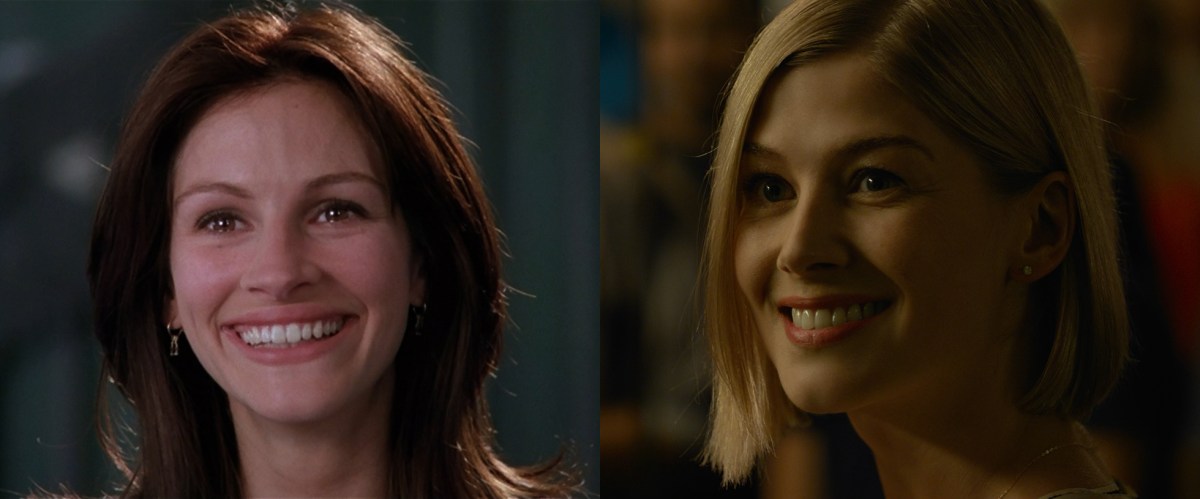
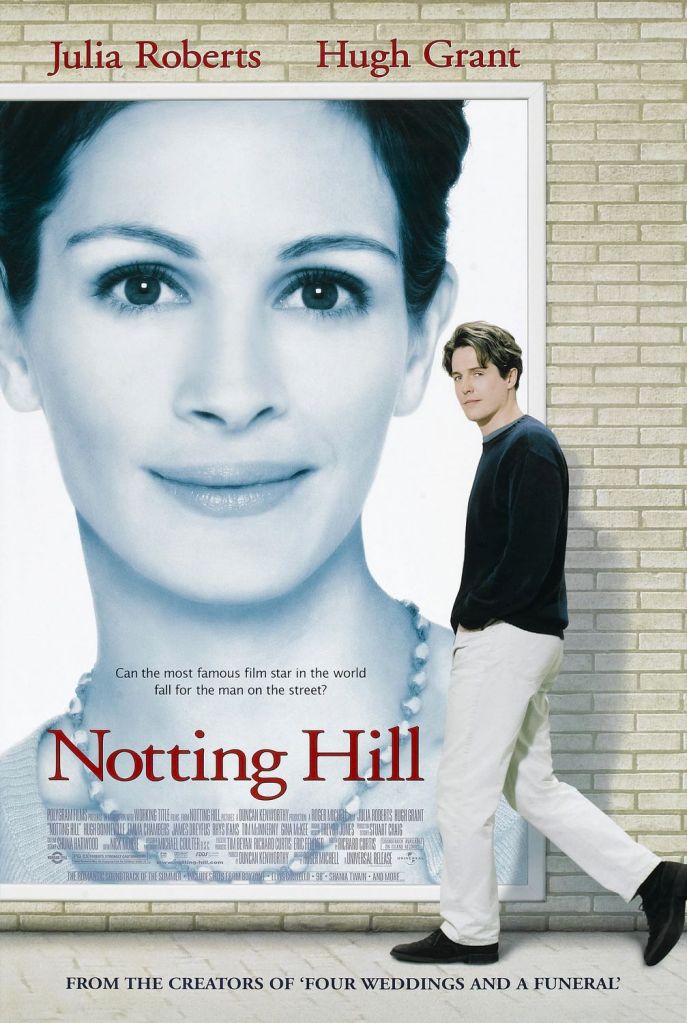
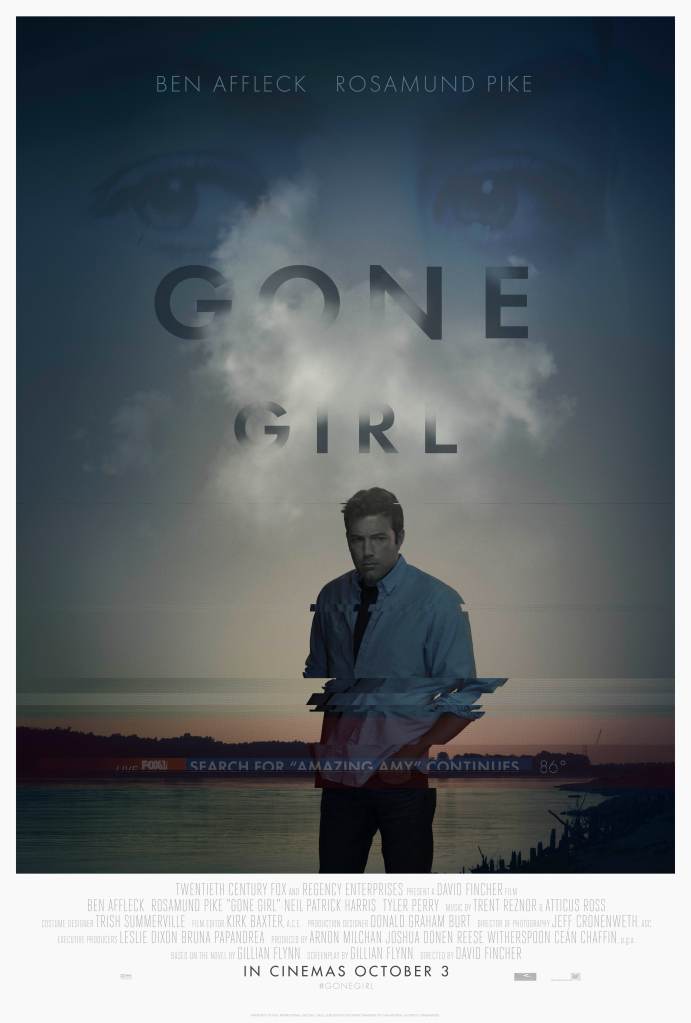
It’s safe to say that David Fincher‘s 2014 film Gone Girl surprised a lot of audiences (this means that if you haven’t seen the movie, beware of spoilers ahead). But even putting the twists and turns of the plot aside, there was an unexpected move in the promotional campaign that still stands out to me. The first trailer opened with some musical notes that any rom-com fan will recognize as the beginning to “She.”
The song was originally composed and recorded by Charles Aznavour and then famously covered by Elvis Costello to serve as the theme for Roger Michell‘s 1999 film Notting Hill:
For the Gone Girl Teaser Trailer, the song was performed by Richard Butler, and produced, arranged, and mixed by Jason Hill (Mindhunter):
Chapters: 00:00 Intro — How David Fincher became a Filmmaker 02:01 Early Career & Return of the Jedi 03:18 Shot Composition and Blocking 06:19 “Relentless” Number of Takes 11:02 Directing with Precision 13:43 Color Theory & Creating the Look 15:48 Create a Feeling (Production Design & Music) 19:35 Final Takeaways
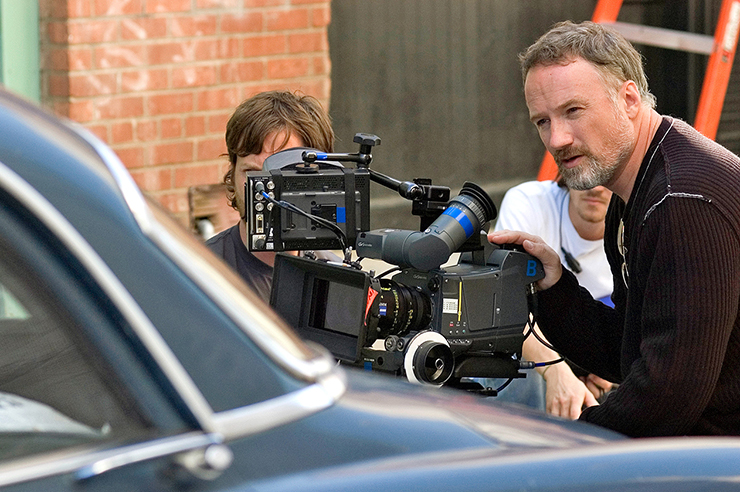
David Fincher is a director’s director. His reputation for having complete control over his work is well-known but many directors have had similar power. So, what makes his approach to film directing so captivating? In this David Fincher video essay, we’ll let the man speak for himself. Through a collection of interviews from throughout his career, Fincher guides us through some of the strongest characteristics of his directing style.
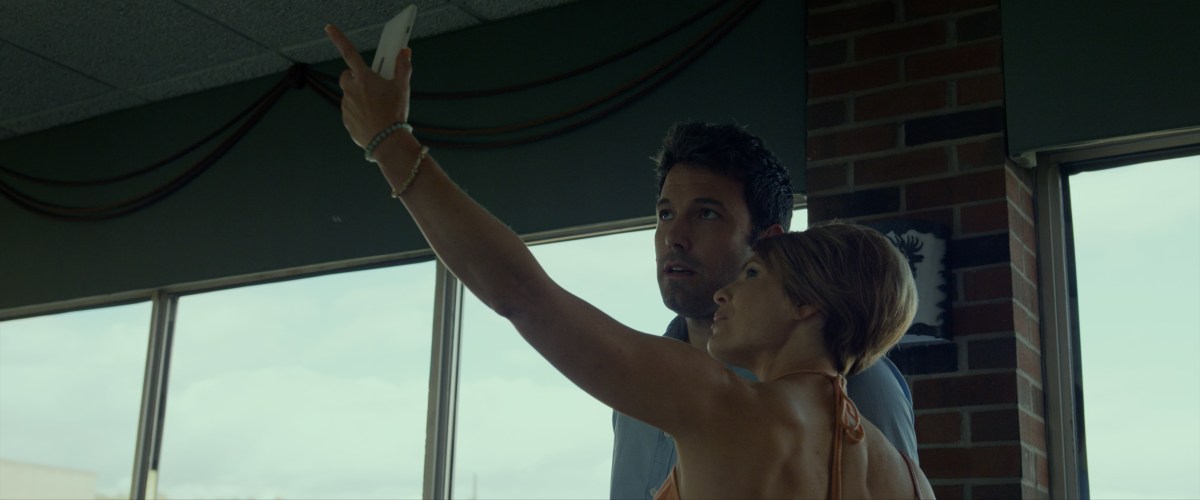
To date, over the past four decades, David Fincher has directed a plethora of music videos, commercials, and 11 feature films. Along the way, he has refined his directing style which can be summed up in two words: precise and purposeful. When watching any David Fincher movies, you would be hard-pressed to find an out-of-place camera movement, or a lazy frame composition. One lesson we learned from Fincher is how he balanced and imbalanced the frame during Nick and Amy’s first meeting in Gone Girl to show the “push and pull” of their flirting.
Another well-known staple of the David Fincher directing style is his predilection for shooting multiple takes. He famously shot 99 takes of the opening scene in The Social Network, for example. But there’s a method to his madness — he wants the actors to move “beyond muscle memory” especially in their domestic environments. In Fincher’s logic, when the actor sits on their couch, they need to have sat in it a hundred times to make it look like they’ve sat in it a hundred times.
Fincher also explains how he creates mood and tone with lighting, color, and music. With a darker frame, desaturated color, and the brooding tones of Atticus Ross and Trent Reznor, there certainly is a distinct experience watching David Fincher films. While all of this sounds extreme, the proof that he’s doing something right is visible on-screen.
♬ Songs used:
“Father / Son” — Makeup and Vanity Set “Subdivide” — Stanley Gurvich “Switchback” — Nu Alkemi$t “Battle in the Forest” — Charles Gerhardt – National Philharmonic Orchestra “Chasing Time” – David A. Molina “Sugar Storm” – Trent Reznor & Atticus Ross “Soul Sacrifice” – Santana “Graysmith Obsessed” – David Shire “Intriguing Possibilities” – Trent Reznor & Atticus Ross “Wendy Suite” – Jason Hill “Under the Midnight Sun” — Trent Reznor & Atticus Ross “14 – Ghosts II” – Nine Inch Nails “Corporate World” – The Dust Brothers “Appearances” – Trent Reznor & Atticus Ross “With Suspicion” – Trent Reznor & Atticus Ross “What Have We Done to Each Other” – Trent Reznor & Atticus Ross “Cowboys and Indians” – Trent Reznor & Atticus Ross “San Simeon Waltz” – Trent Reznor & Atticus Ross “Fool” – Ryan Taubert “Where Is My Mind” – The Pixies