The heart of cinema beats strongly in the world

Academy-Award-winning cinematographer Erik Messerschmidt is optimistic for the future of film.

Ella Joyce
May 1, 2024
Hero

Master of creating imagery that illustrates beyond the narrative, Erik Messerschmidt is an Academy-Award-winning cinematographer and long-time David Fincher collaborator equipped with a captivating photographic eye and razor-sharp instinct. Messerschmidt’s expertise lies in the visceral experience, the intricacy of his lens causing hairs on the backs of necks to stand to attention while Fincher’s protagonists face a run-in with death, and chests to pound amid the thrill of a car chase – all thanks to the cinematographer’s ability to deliver a sucker-punch to the senses.

After starting out as gaffer on Fincher’s 2014 thriller Gone Girl, Messerschmidt was the guiding visual eye behind the auteur’s chilling Netflix series Mindhunter, his monochromatic ode to 1940s cinema, Mank (for which Messerschmidt won the Oscar for Best Cinematography), and most recently The Killer, stalking the dark psyche of a trained assassin. Having developed an instinctive shorthand with Fincher, Messerschmidt’s ongoing intention is to ensure the viewer is immersed in a world that is palpable in our own. Messerschmidt switched lanes for his most recent project, as Michael Mann’s cinematographer for his acclaimed high-speed epic, Ferrari, bringing to life the tumultuous rise of Enzo Ferrari’s automotive empire in Northern Italy.
Read the full interview

Frame & Reference Podcast: Michael Cioni, CEO & Founder of Strada

Kenny McMillan
April 18, 2024
Frame & Reference

Frame & Reference is a conversation between Cinematographers hosted by Kenny McMillan. Each episode dives into the respective DP’s current and past work, as well as what influences and inspires them. These discussions are an entertaining and informative look into the world of making films through the lens of the people who shoot them.

In this episode, we’re joined by my friend Michael Cioni to talk about his new company Strada (YouTube).

Michael is a serial entrepreneur whose career includes numerous awards for his creative work and technical achievements. He is an accomplished director, cinematographer, musician, four-time Emmy winner, member of the Motion Picture Academy, and Associate Member of the American Society of Cinematographers.

A U.S. patent holder of digital cinema technology, Michael was the founder and CEO of the post house Light Iron where he pioneered tools and techniques that emerged as global workflow industry standards. After Light Iron was acquired by Panavision, Michael served as product director for Panavision’s Millennium DXL 8K camera ecosystem.

He then joined the cloud startup company Frame.io where he served as Senior Vice President of Global Innovation. After Frame.io was acquired by Adobe, Michael led numerous workflow innovations including the breakthrough Camera to Cloud technology program as Senior Director of Global Innovation.

He continues to be motivated by the desire to democratize professional workflows and focuses his efforts on inventing new ways for filmmakers to create through his technology. Michael is a well-known and gifted speaker, advocate for the community, and serves as a mentor and educator throughout the global media industry.

Listen to the podcast:

Apple Podcasts
Spotify
YouTube

Support the podcast on PatreonBuy Me a Coffee
Follow Frame & ReferenceTwitterInstagram
Follow Kenny McMillanInstagramOWL BOT

Rare Humans Podcast: Jason Hill on Working with David Fincher, Trusting Ideas, Playing Music

Evan Roberts
February 21, 2024
Rare Humans

Jason Hill is a multi-instrumentalist known for inventing, building, and mastering his own unusual instruments which help create his unique scores and productions. Hill is the lead singer, guitarist, and producer for the band LOUIS XIV. He has produced, written records or otherwise worked with such artists as The Killers, David Bowie, Ariel Pink, The White Stripes, and more.

Jason Hill now spends most of his time as a film composer working with acclaimed director David Fincher on the psychological thriller film Gone Girl and has since worked on many projects with Fincher such as the Emmy-winning series MINDHUNTER.

Listen to the podcast:

Apple Podcasts
Spotify
Google Podcasts

David Fincher at The Cinémathèque Française: “The Killer” Screening and Q&A

Frédéric Bonnaud, Director of the Cinémathèque française
Anaïs Duchet, Interpreter
October 13, 2023
Cinémathèque Française

The Cinémathèque Française (French Cinematheque) hosted a David Fincher Retrospective from October 13 to 22, 2023, in Paris (France).

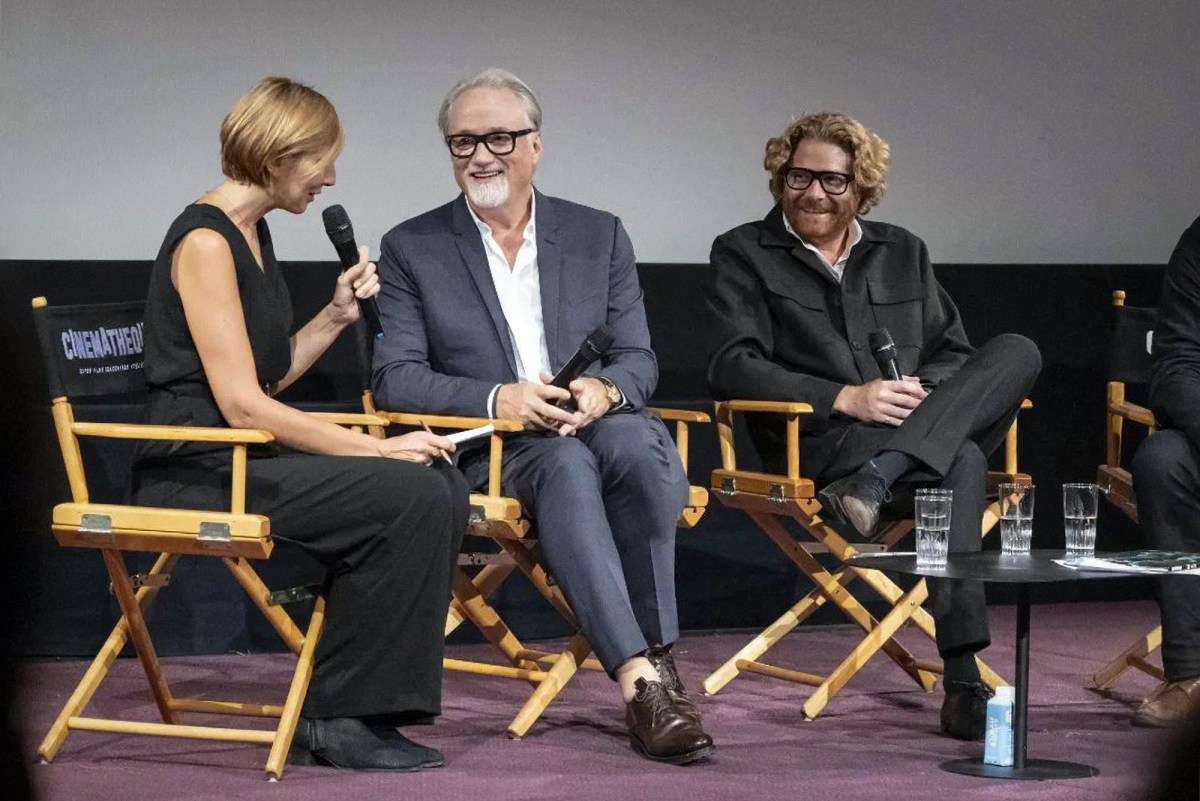
Supported by Netflix, Patron of the Cinémathèque, it opened with a preview screening of The Killer followed by a Q&A with Director David Fincher, and Director of Photography Erik Messerschmidt, ASC.

The next day, a screening of Zodiac was followed by a discussion with the director about the film and his career.

The Signature Moves of David Fincher

Adam Schoales, video producer/editor
October 27, 2023
Toronto International Film Festival (TIFF)

From his earliest days working for ILM on Return of the Jedi; to his countless music videos for stars like Madonna, Michael Jackson, and The Rolling Stones; to his groundbreaking big-screen adaptations, there’s no one with an eye quite like David Fincher. But how does he do it (apart from doing over 100 takes)? Through his use of razor-sharp precision; his omniscient and unencumbered camerawork; his pitch-black comedy; and the recognition that deep down people are perverts.

Films Included: The Social Network (2010), Alien3 (1992), SE7EN (1995), Zodiac (2007), Mank (2020), Panic Room (2002), The Girl with the Dragon Tattoo (2011), Gone Girl (2014), The Game (1997), Fight Club (1999), The Curious Case of Benjamin Button (2008)

Want more TIFF? Find us here: Ex-Twitter, Instagram, YouTube, Facebook

The Editing Podcast: David Fincher’s Editor Reveals The Key To Make ANY Edit Work

Jordan Orme and Hayden Hillier-Smith
November 22, 2023
The Editing Podcast

Welcome to The Editing Podcast, where storytelling meets the art of post-production. In this riveting episode, hosts Hayden Hillier-Smith and Jordan Orme sit down with none other than the master editor behind the brilliance of David Fincher‘s cinematic wonders—Kirk Baxter.

We delve deep into Kirk’s illustrious career, spanning iconic films that have left an indelible mark on the world of cinema. From “The Social Network” to “Gone Girl” to his most recent thriller, “The Killer”, Kirk Baxter’s editorial prowess has shaped some of the most memorable moments in film history and has influenced the editing landscape forever.

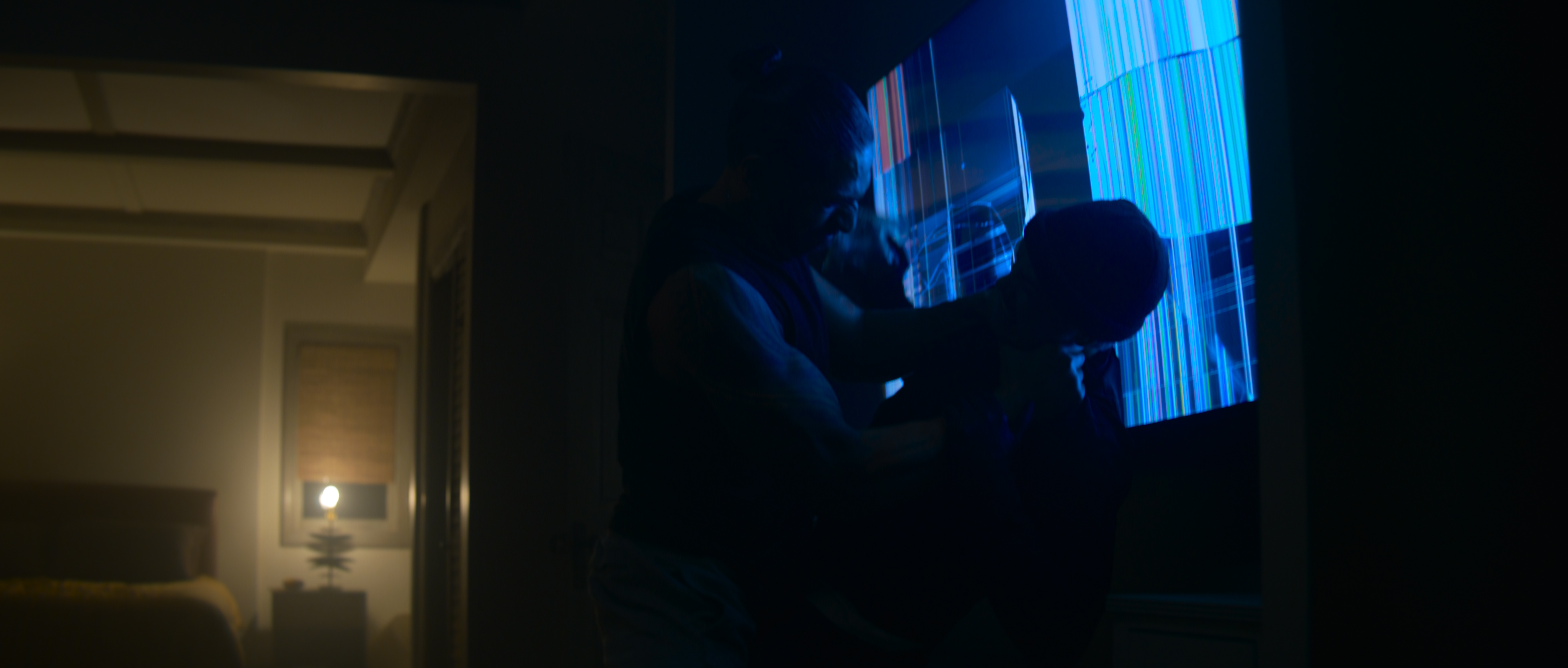
In this episode, we dissect the mesmerizing opening sniper scene, a sequence that hooks audiences from the first frame. Kirk takes us behind the scenes, sharing the secrets of crafting tension and suspense that keep viewers on the edge of their seats. We also explore the intricacies of “The Killer‘s” visceral fight scene, a jaw-dropping display of editing finesse that elevates the film to a new level of intensity. Kirk Baxter’s insights into the creative decisions behind each cut and the rhythmic flow of the sequence offer a rare glimpse into the mind of a true editing maestro.

00:00: David Fincher’s Editor Kirk Baxter
01:00: Use Riverside
02:18: Why Hiding Blinks Creates Intention
05:05: The David Fincher Editing Style
09:50: Choreographing The Vicious Fight Scene in The Killer
12:29: Letting Sound & Music Guide Your Edit
13:57: Comment “Storyblocks is cool”
15:00: Hooking Your Audience In The First 5 Minutes
16:23: How To Cut With Intention
18:14: Breaking Down The Sniper Scene in The Killer
25:15: The Magic Of Vertical Sound Cutting
27:53: Breaking Down The “Cool Girl” Sequence in Gone Girl

Editor: ​⁠ Tyson Pellegrini and Hayden Hillier-Smith
Executive Producer: Vishnu Vallabhaneni
Thumbnail: David Altizer

Listen to the podcast:

Apple Podcasts
Google Podcasts
Spotify

Follow The Editing Podcast: YouTube, Twitter, Instagram

Clubhouse Conversations: “The Killer” Cinematographer Erik Messerschmidt, ASC

Wally Pfister, ASC
November 16, 2023
American Cinematographer

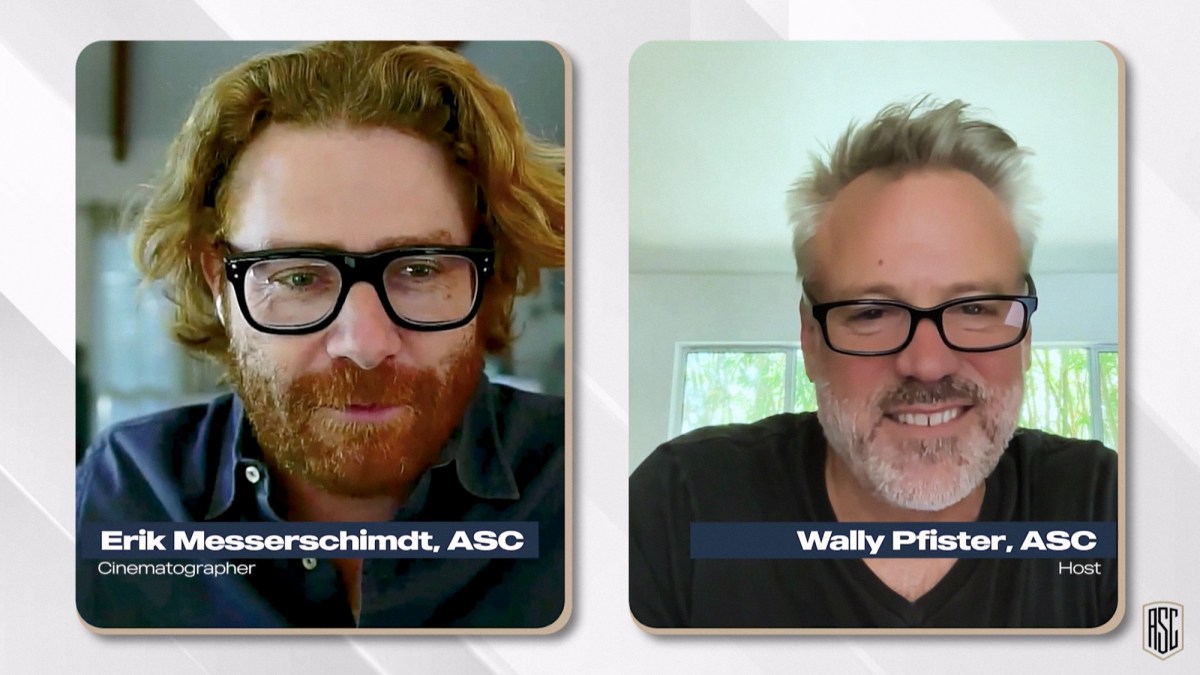
In this episode, cinematographer Erik Messerschmidt, ASC is joined by interviewer Wally Pfister, ASC to discuss his work on The Killer — the neo-noir thriller from director David Fincher that follows an assassin on the run after a botched hit job.

In The Killer, the titular antihero misses one of his intended targets for the first time in his career, and is forced to flee and survive the inevitable consequences. The film marks the second Fincher-directed feature shot by Messerschmidt, following the 2020 film Mank, for which he won an Academy Award for Best Cinematography.

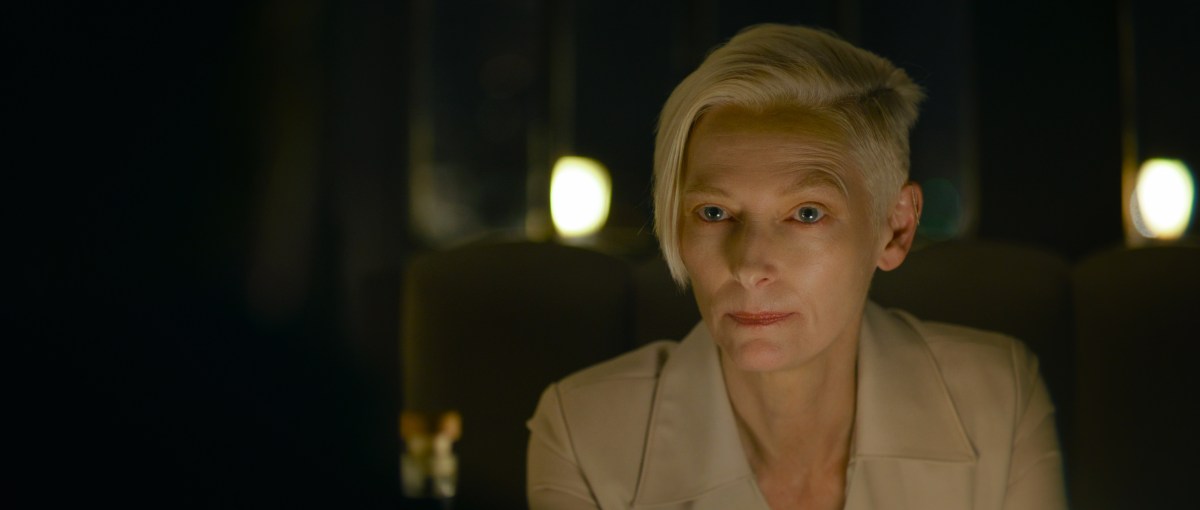
In this interview, Messerschmidt discusses the film’s Paris-inspired color palette; how he shot scenes “loosely” or “rigidly,” based on the main character’s degrees of control over varying situations; how he approached the lighting for a complex fight scene; how he incorporated planned postproduction decisions for lighting, flares and camera destabilization into his workflow; and what he learned about what an audience sees versus what it hears.

Erik Messerschmidt, ASC first emerged as a filmmaker when he was hired by Society member and mentor Mark Doering-Powell on several features as a grip and later gaffer. After Messerschmidt served as Society member Jeff Cronenweth‘s gaffer on the David Fincher-directed Gone Girl (2014), Cronenweth encouraged Fincher to hire Messerschmidt to photograph the Netflix series Mindhunter. Messerschmidt would reunite with Fincher for their 2020 feature Mank, which earned him an Academy Award for Best Cinematography.

Wally Pfister, ASC is a filmmaker whose cinematography credits include the Christopher Nolan features Batman Begins (2005), The Prestige (2006), The Dark Knight (2008) and Inception (2010). He was nominated for an Oscar for Best Cinematography for all of these works, winning one for Inception in 2011.

Watch the full conversation

Find all episodes in our ASC Clubhouse Conversations series

From Gone Girl gaffer to Oscar winner: In conversation with David Fincher’s cinematographer Erik Messerschmidt

EXCLUSIVE: We speak to the award-winning cinematographer ahead of the release of Fincher’s new Netflix thriller The Killer.

Emily Murray
October 26, 2023
Total Film (GamesRadar+)

As we begin to discuss his prolific career and latest film The Killer, Erik Messerschmidt admits that he’s surprised to be here. After working on several commercials and television shows, Messerschmidt ended up on the set of director David Fincher’s hit film Gone Girl, working as a gaffer – for those who don’t know, that roughly means chief lighting technician. The duo bonded, with Fincher then recruiting him as director of photography on several of his projects, including beloved TV series Mindhunter and biographical drama Mank, for which Messerschmidt won the Academy Award for Best Cinematography.

Going from gaffer to Oscar-winning cinematographer in such a short period of time is quite the impressive career trajectory, and is something Messerschmidt confesses he wasn’t chasing, telling Total Film (GamesRadar+) in our interview: “It wasn’t at all – it was never my goal, really. I was happy as a gaffer, and while I did want to be a cinematographer it felt far away and wasn’t something I was pursuing. But on Gone Girl, I had never experienced a director with such skill before and I fell in love with it. I just thought ‘God, if I can just keep making movies with this person I’d be so thrilled.’ The care and attention David [Fincher] gives to everything is infectious.”

Read the full profile

The Killer cinematographer says film should be seen in cinema

The film is released on the big screen this weekend before coming to Netflix next month.

Patrick Cremona
October 26, 2023
Radio Times

Script Apart: Gillian Flynn (Gone Girl, Sharp Objects)

Al Horner
October 22, 2023
Script Apart

Gillian Flynn is an author, screenwriter and showrunner who delights in writing what she calls “bad women” – fascinatingly flawed female characters who she grants the freedom to kill, lie, harm and harass in a way that sometimes ruffles feathers. Take her 2012 novel Gone Girl, for example, which she later adapted into a smash hit movie with David Fincher. That murder-mystery tale of a marriage steeped in deceit captivated the world and sparked near-endless conversation about the poison and/or empowerment of its main character, Amy Dunne.

That novel and movie – released within two years of each other – didn’t just make Flynn a literary darling. It also catapulted her to the summit of film and TV. In 2018, she co-wrote the brilliant Widows with Steve McQueen, and adapted her first novel, Sharp Objects, into a gloriously slow-burning limited series starring Amy Adams. Since then, she’s won cult acclaim for her streaming adaptation of Utopia, the British Channel 4 series.

In the conversation you’re about to hear, we ask Gillian how she pens her captivating characters and the social importance of allowing women to run riot on-screen and in her novels, the way that male anti-heroes are frequently permitted to do. She reflects on the accusations of misogyny that her work attracted from some female writers in the aftermath of Gone Girl’s release and reveals an alternative ending to that story that would have taken the tale of Nick and Amy Dunne in an entirely different direction.

Listen to the podcast:

Script Apart
Apple Podcasts
Spotify
Amazon Music
Google Podcasts

Script Apart is hosted by Al Horner and produced by Kamil Dymek.

Follow Script Apart on Twitter and Instagram. Support for this episode comes from ScreenCraft and WeScreenplay. To get ad-free episodes and exclusive content, join us on Patreon.

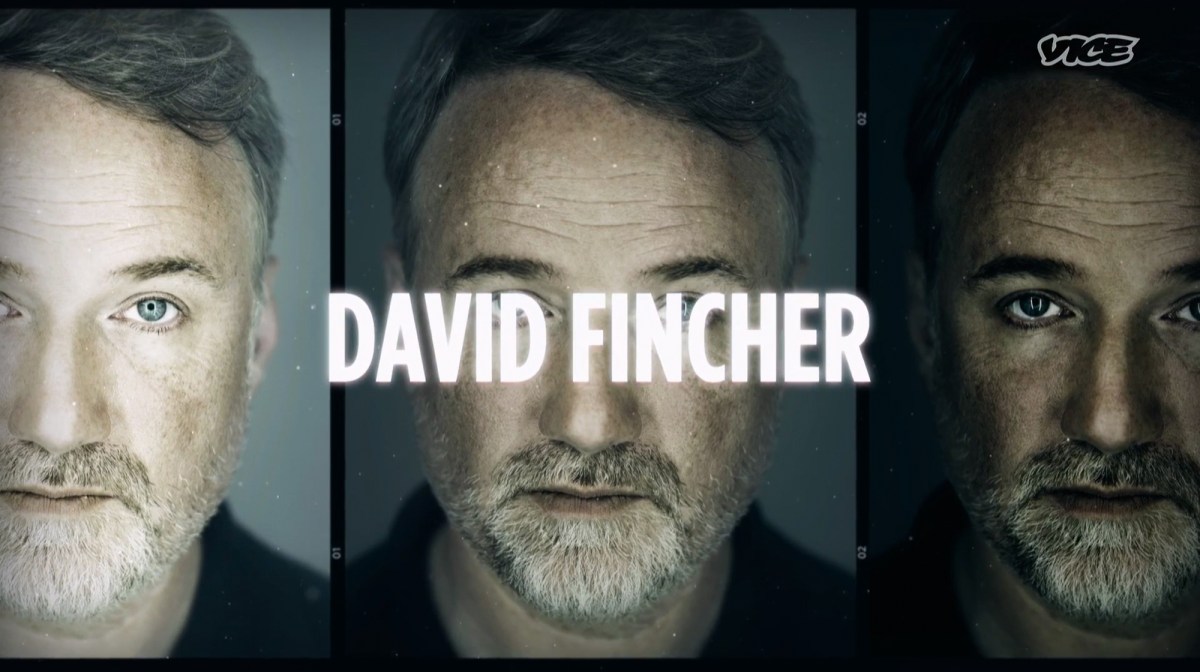
The Vice Guide to Film: David Fincher (2016)

VICE, 2016

Ben Affleck, Director of Photography Jeff Cronenweth, Writer Kiva Reardon, Jesse Eisenberg, Robin Wright, and Director Tamra Davis, examine the films of David Fincher, whose mixture of craftsmanship and showmanship has created thrillers that cast a dark shadow over American cinema.