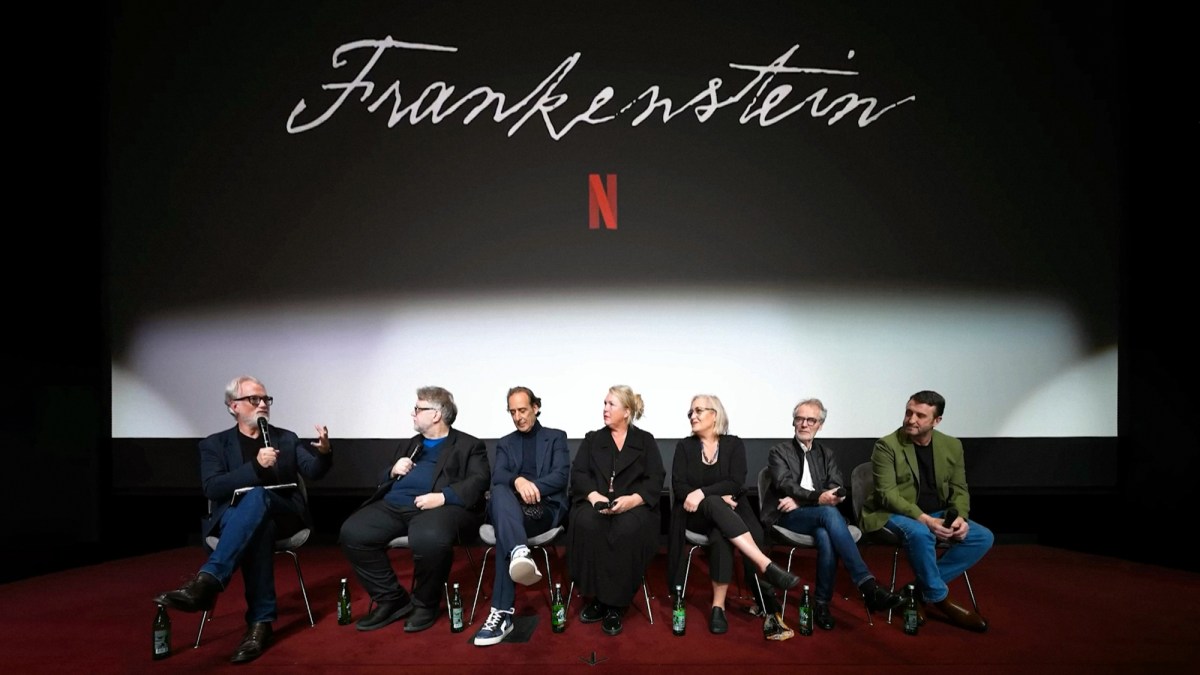
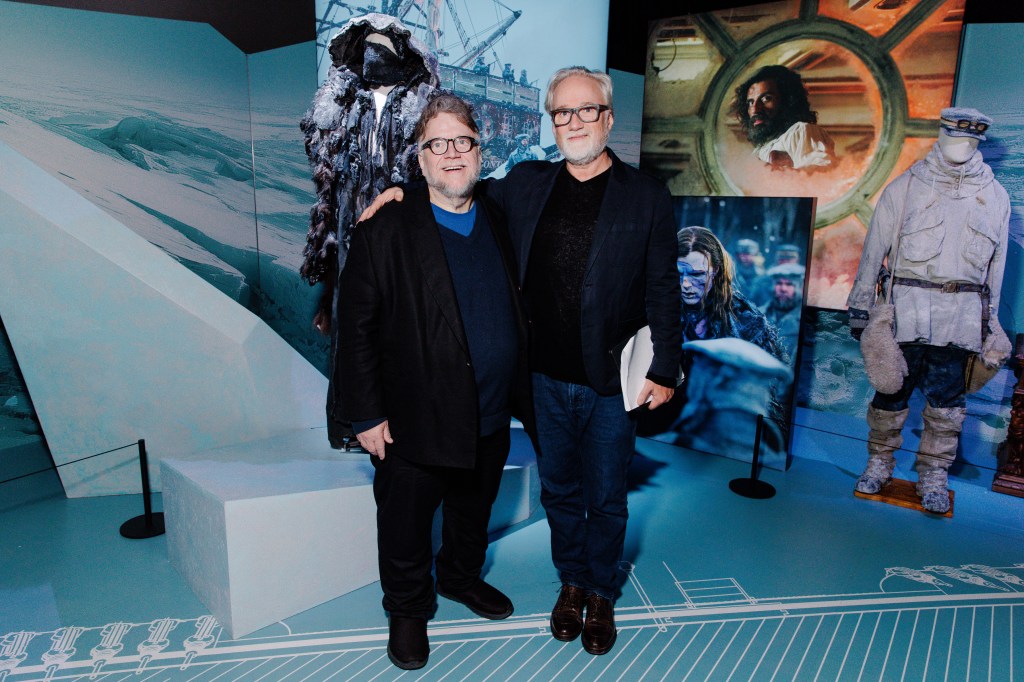
Writer/Director Guillermo del Toro, and Costume Designer Kate Hawley, Composer Alexandre Desplat, Production Designer Tamara Deverell, Cinematographer Dan Laustsen, and Creature Design/Character Prosthetic Makeup FX Mike Hill discuss the making of Frankenstein with moderator David Fincher.
“The movie is exquisite. But it’s not just beautiful. Because “just beautiful” is a cop-out. You have a film that is an example of a hand-crafted personal expression. It is outstanding in that respect.”
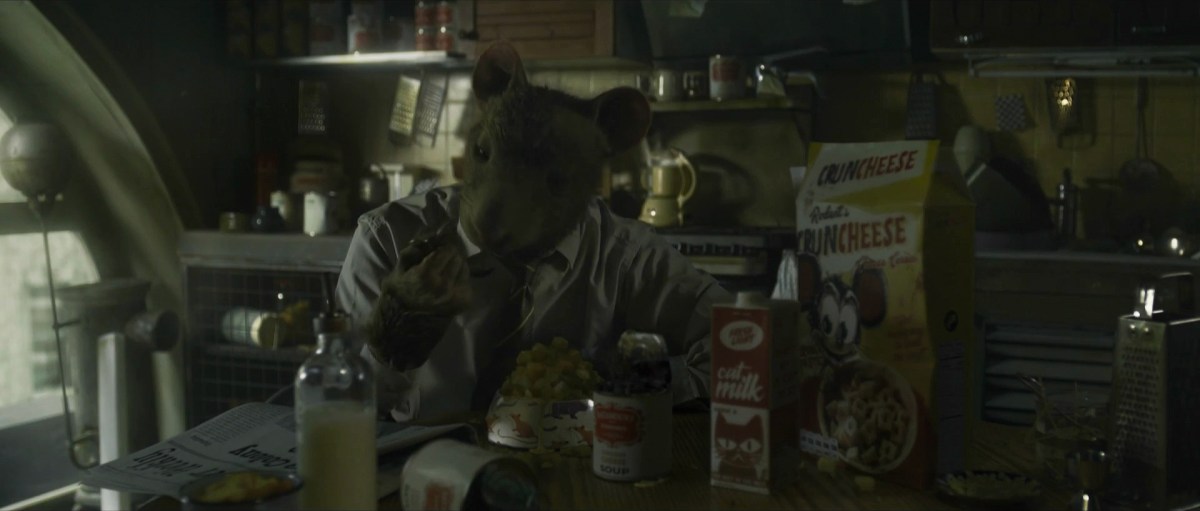
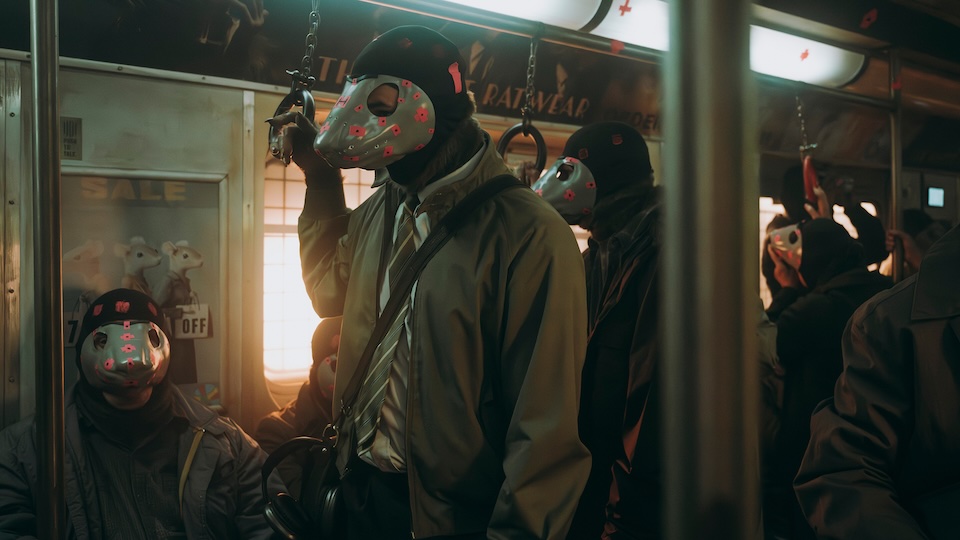
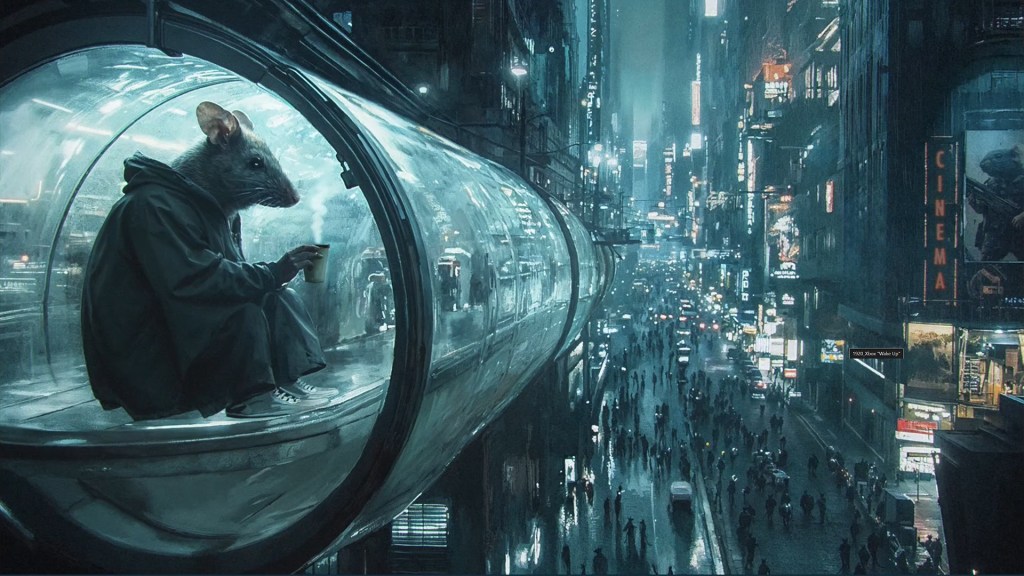
In Xbox’s Wake Up, directed by Romain Chassaing and Co-Directed by David Fincher, a wonderfully off-beat fairy tale unfolds: Horatio, a rat, rekindles his humanity through the joy of gaming. We follow Horatio through a day in the rat race: a packed commute, the drudgery of the office, a rushed lunch at his desk. The mundanity is interrupted by glimpses of mysterious gamers—the only humans we see amongst the rats. After a long day, Horatio powers on his Xbox on his Samsung OLED TV and connects with his friends. A much-needed dose of fun transforms him into the human he always was.
VFX Supervisors Ryan Hadfield, Chris King, Jorge Montiel Meurer, Chris Gill
VFX Artists Adam Gramlick, Ahmed Ugas, Alejandro Marzo, Alex Rumsey, Andrea Umberto Origlia, Andreas Georgiou, David Rencsenyi, Eva Bennet, Joe Baker, Juan Francisco Saravi Migliore, Klaudia Skalska, Lewys Rhodes, Lucas Warren, Mattias Lullini, Miles Tomalin, Monika Lesiecka, Robert Lilley, Ross Gilbert, Sergio García Castro, Taylor Webber, Tom Cowlishaw, Joe Baker
VFX Producer Ross Culligan
VFX Co-Ordinator Lena Almeida
Digital Matte Painter Artists Jordan Haynes, Carlos Nieto, Grant Bonser
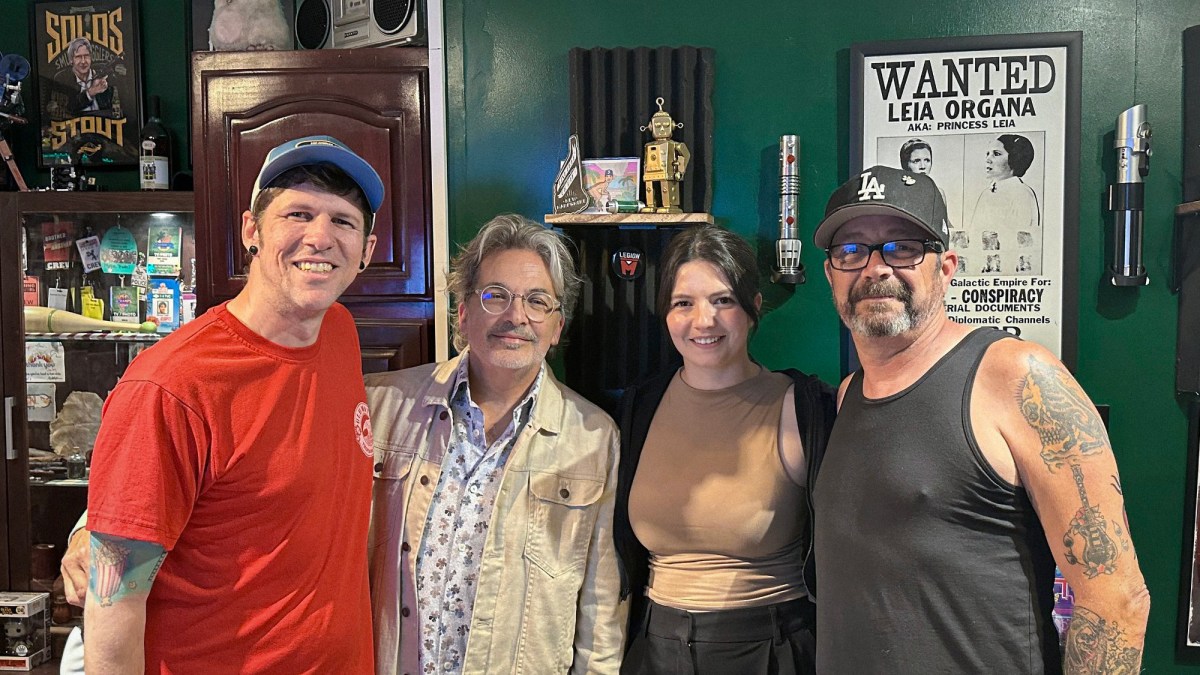
On this episode of Prop Talk, we sit down with PMG member and Local 44Property MasterJames Eddy and his daughter, Local 44 member Assistant Property Master Kelsi Eddy, to discuss their relationship and experiences working for Directors like David Fincher in Mindhunter and The Killer.
Hosts: Chris Call, PMG Founding Member & Local 44 Property Master with Michael Trudel, PMG Secretary & Local 44 Property Master.
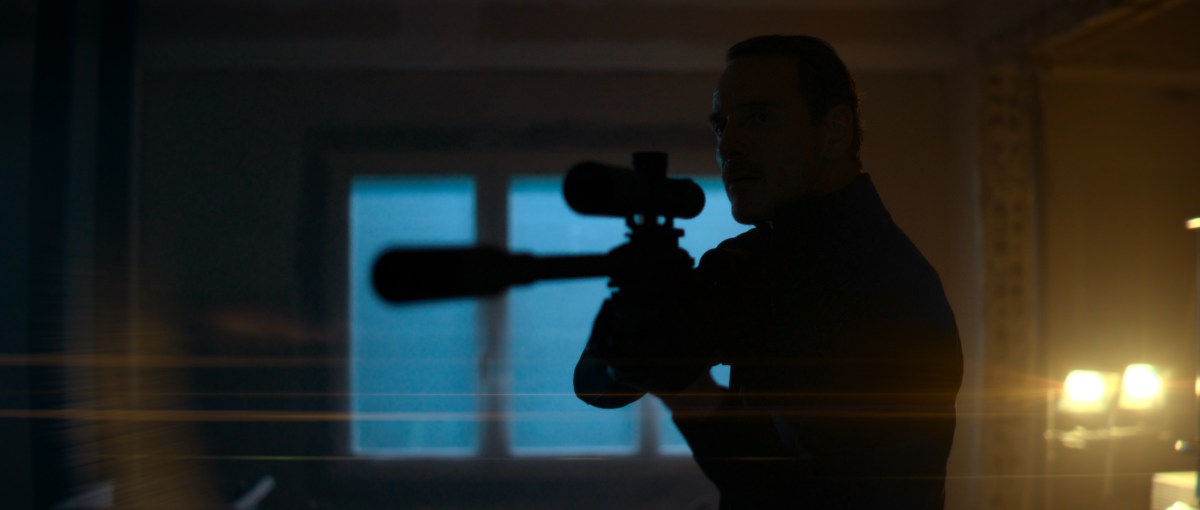
In David Fincher’s Netflix darkly comic thriller The Killer, Michael Fassbender is the nameless assassin who goes on an international hunt for revenge while insisting to himself that it isn’t personal.
The film marks the second Fincher-directed feature shot by Erik Messerschmidt ASC, following the Citizen Kane drama Mank, for which he won the 2020 Academy Award for Best Cinematography.
It is also the latest in a long line of Fincher movies since The Social Network to be shot on RED.
“There was not a conversation about using another camera system – there never is with David,” Messerschmidt says. “RED as a partner have been enormously collaborative with us in terms of helping us develop new ideas and solve problems. RED is absolutely creative partners to David’s process and certainly to me.”
The last few years have been a whirlwind for Erik Messerschmidt, ASC. He had been working his way through the camera department for nearly two decades, including as a gaffer on David Fincher’s Gone Girl, before he began acting as DoP on a number of high-profile shows, one of them being Fincher’s Mindhunter for Netflix.
When Fincher decided to make Mank, his biopic about Citizen Kane screenwriter Herman J. Mankiewicz, as played by Gary Oldman, he brought Messersschmidt along with him to shoot the film in black and white. The movie was slightly hobbled by the pandemic that kept it from playing theatrically, but Messerschmidt won the Oscar for Cinematography, as well as the feature film category for the American Society of Cinematographers (ASC).
Last year, Messerschmidt reunited with Fincher for his adaptation of the graphic novel, The Killer, starring Michael Fassbender as an assassin on a streak of vengeance after a job goes wrong. He also teamed up with the great Michael Mann to shoot his racing biopic, Ferrari, starring Adam Driver.
Below the Line spoke with the cinematographer a few months back when he was in Poland for EnergaCAMERIMAGE, although we got on Zoom with him from the States.
The next day, a screening of Zodiac was followed by a discussion with the director about the film and his career, “David Fincher par David Fincher, une leçon de cinéma” (“David Fincher by David Fincher, a lesson in cinema”).
Cinematographer Erik Messerschmidt began his acclaimed collaboration with iconic director David Fincher as a gaffer on Fincher’s 2014 thriller Gone Girl. That initial introduction led to Messerschmidt lensing 16 episodes of the acclaimed Netflix crime drama Mindhunter for which he received a Primetime Emmy Award nomination. That close collaborative relationship with Fincher then morphed into Messerschmidt’s breakout moment as a celebrated cinematographer, his Oscar-winning lensing of Fincher’s 2020 Mank. His black-and-white cinematography not only echoed Gregg Toland’s Oscar-nominated work on Citizen Kane, but it also fully immersed viewers in 1940s cinema, a goal for the film that Messerschmidt shared with other Mank artisans.
Now, Messerschmidt again collaborates with Fincher on an entirely different project, Netflix’s The Killer. The film thrusts both artists into a modern day world of a hired assassin (Michael Fassbender) as he botches a hit job and travels across the world to seek retribution. Traditionally, when approaching a project of this caliber, Messerschmidt would prep a “lookbook,” a collection of photographs intended to outline visual references for multiple aspects of the filmmaking craft.
But with The Killer, Fincher and Messerschmidt approached things differently.
“In the past when I’ve worked with [Fincher], I have sent him lookbooks, we’ll have references, or we’ll start with paintings or photography or other movies. We didn’t do that on this movie. We talked about pacing and timing and scene structure and point of view,” Messerschmidt shared. “The aesthetics of the look of the movie ended up being born through the process of exploration and scouting and location selection. Even though the movie is stylistic, it all comes from a place of realism, and that was always the intent.”
To follow The Killer on his world-wide journey, Fincher segments the film into chapters. Not only does this structure echo the graphic novel roots of the story (the film is based on the French comic by Alexis “Matz” Nolent and Luc Jacamon), but it also sets the tone within the larger world of its edgy, pulp fiction ancestors. Given that structure, Messerschmidt faced unique lensing challenges as The Killer moves from chapter to chapter.
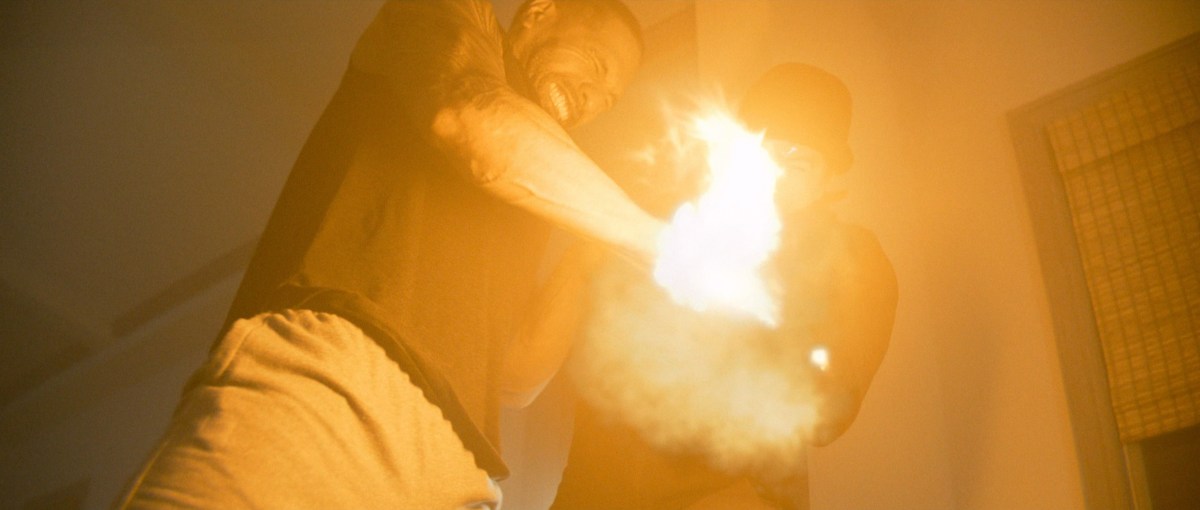
The violence in The Killer isn’t indiscriminate, or extensive, but it has impact. And as much as Michael Fassbender’s hitman often works with a gun, sometimes things required more intimacy than that.
His journey to dispense his brand of justice takes him to Florida to find The Brute (Sala Baker), a mountainous fellow assassin. In the dead of night, he decides to steal into his house – when all hell breaks loose.
“The Brute represents somebody who may have done horrible things to somebody close to him,” says David Fincher, setting the scene. “He’s come to get his retribution. But I always loved the idea that everyone’s plan works… till you get punched in the face.”
The confrontation grows and grows and would require the utmost effort from the cast, stunt team and other heads of department. “It’s full on,” says Michael Fassbender, who does his fair share of stunt work himself, but is clear who is taking the major beating. “It’s the most physical [this sequence]. Not so much for me, as for the two boys. The fight is messy, it’s intense.”
Before battle could commence, the stage needed to be set. Producer William Doyle had found the exterior of The Brute’s house, while the interior was built in a studio space in New Orleans, with production designer Don Burt having to consider what was right for the character, the story and the stunts.
“The set was built in conjunction with the whole design of the fight itself,” says Burt. “There were a couple of instances, like, ‘Let’s put the door here, to the left instead of the right, so that works better for flowing through to the next room.”
Burt talks highly of fight coordinator Dave Macomber, who worked for months prior to the production to help design the conflict. “He did a video of the action, set up boxes to simulate the rooms and things that would have to be broken, and he would send us specific notes on what would happen.”
There was then time dedicated to a walkthrough rehearsal on the set. “Ceán [Chaffin, producer] made sure that happened early enough so there would be time for the art department to rebound!”
Alongside Burt and Macomber, cinematographer Erik Messerschmidt worked to establish the geography of the house for the audience. “We had to think about how to explain the space, while simultaneously shooting a fight scene,” says Messerschmidt, who points out how they carefully considered the staging with a view to story and commonsense, rather than amping the natural chaos of a fight.
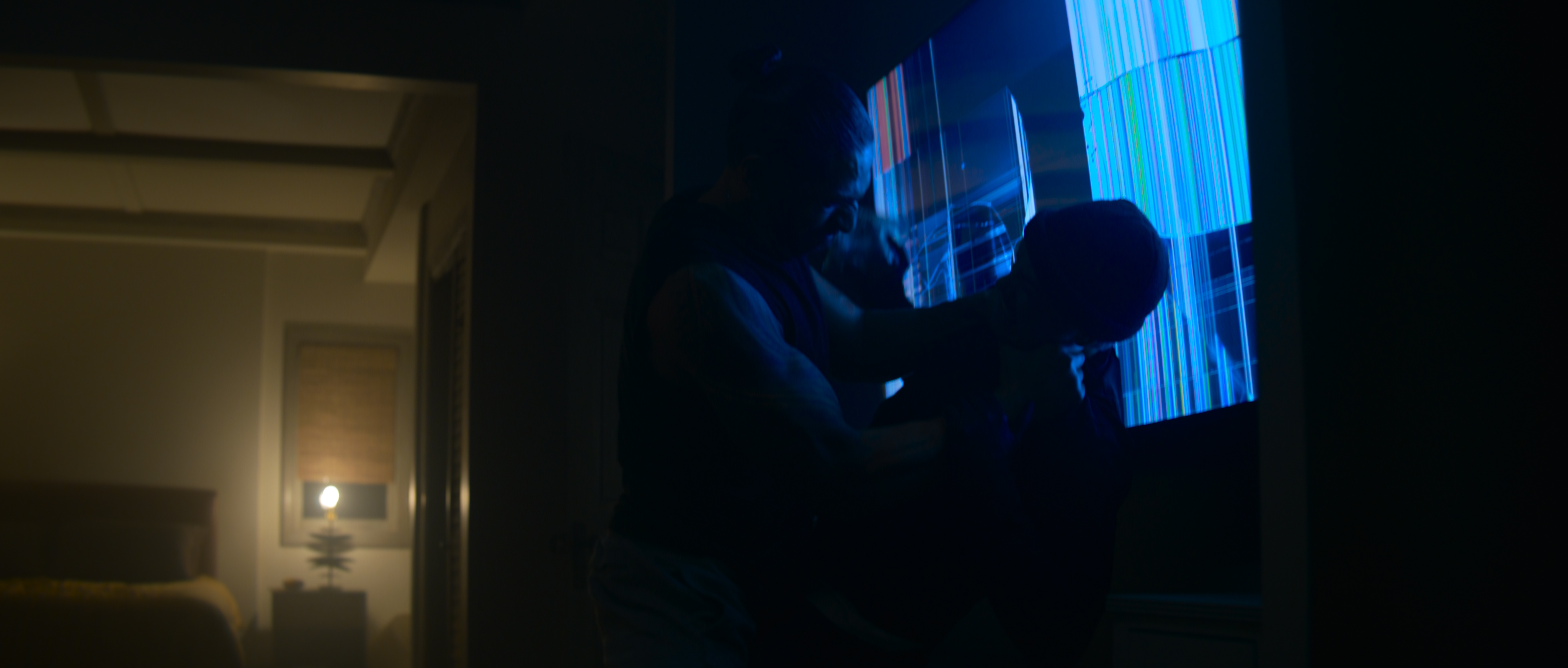
This extended to how the scene was lit with a view to reality. “The sequence is hard, the camera is moving all over the place, the actors are moving all over the place, and it’s fast,” says Messerschmidt. “So we have to think about how we’re going to stage it for the light.”
This meant discussions with the art department about finding sources, from lights fitted under the kitchen cabinets, to establishing streetlights outside. “We decided we wanted hard, artificial street light through the windows,” says Messerschmidt, which meant erecting lights on the exterior location to match that. “In terms of the scope of the movie, a tremendous amount of energy went into just figuring out that fight.”
For fight coordinator Dave Macomber, whose stunt credits include HBO’s Watchmen (2019) and Avengers: Endgame (2019), working with Fincher was a unique experience. “He’s different from any other director I’ve worked with,” says Macomber. “His approach to things, all the intricacies, being able to do the number of set ups he does at the speed that he does.”
He regards the director as being able to predict, or foresee, elements which only become obvious to others in retrospect. “It takes a second to go, ‘Okay, he wants this in order to be able to achieve that!’ Most people only see that when they’re looking at their movie.”
It would be easy to imagine a fight as simply a blizzard of blows, but Macomber sees the possibilities of revealing character in the carnage. “I’ve always thought of fight moves as kind of ‘action dialogue,’” he says. “So whenever we’re creating these kinds of sequences, I’m always trying to keep in mind the motivation of the person within the scene.”
Macomber recalls long conversations with Justin Eaton, the stunt double for Fassbender, as they choreographed the sequence, checking “Does that really make sense?” For Eaton, who has worked with Macomber several times, it was a hugely positive experience, not least because he saw his friend given license to explore what was best for the material. “Fincher gave Dave a lot of freedom, to kind of audition what he thought would be the best way to capture things. Dave was blown away, because Fincher is one of his favorite directors. He’s been like a kid in a candy shop working on this.”
“The way the fight is designed, it’s like each piece goes into the next piece,” says Sala Baker, whose work as a stunt performer and actor goes back to playing the physical incarnation of Sauron in The Lord of the Rings. “David is such a particular mind,” says Baker, who really enjoyed how curious and open the director was, exploring suggestions and ideas to the full. “If you say anything, he’s going to really get into it. And Michael is so easy to work with, fun and open to adjustments.”
Baker also stresses how well-looked after everyone is, however bruising their scenes might be. “It’s such an amazing working environment to have that kind of care.” Pain, of course, when you’re delivering stunts, is part of the job. As Dave Macomber explains, “The way I think about it is there’s a difference between pain and injury. And there’s a difference between injury and debilitating injury. We accept the fact that things are going to be painful!”
“I feel sorry for those guys,” says Fincher, reflecting on the reality of staging the fight, although it all aids the experience on screen. “I like the idea of the audience rooting for this confrontation,” says Fincher. “And then it goes on and on and on. And you’re kind of going, ‘Good God, it’s awful what they’re doing to each other!’”
The 1970s was influenced by conceptualism and performance arts, and Donald Graham Burt, a university student who was then transitioning from boy to manhood was drawn to the conceptual movement. He found it as a way of expressing himself and relied on the art form as a medium to communicate his heart. It’s been more than forty years since Donald graduated but his approach to work and life has remained the same. I caught up with the two-time Academy Award winner to discuss art, design, films, and life in general.
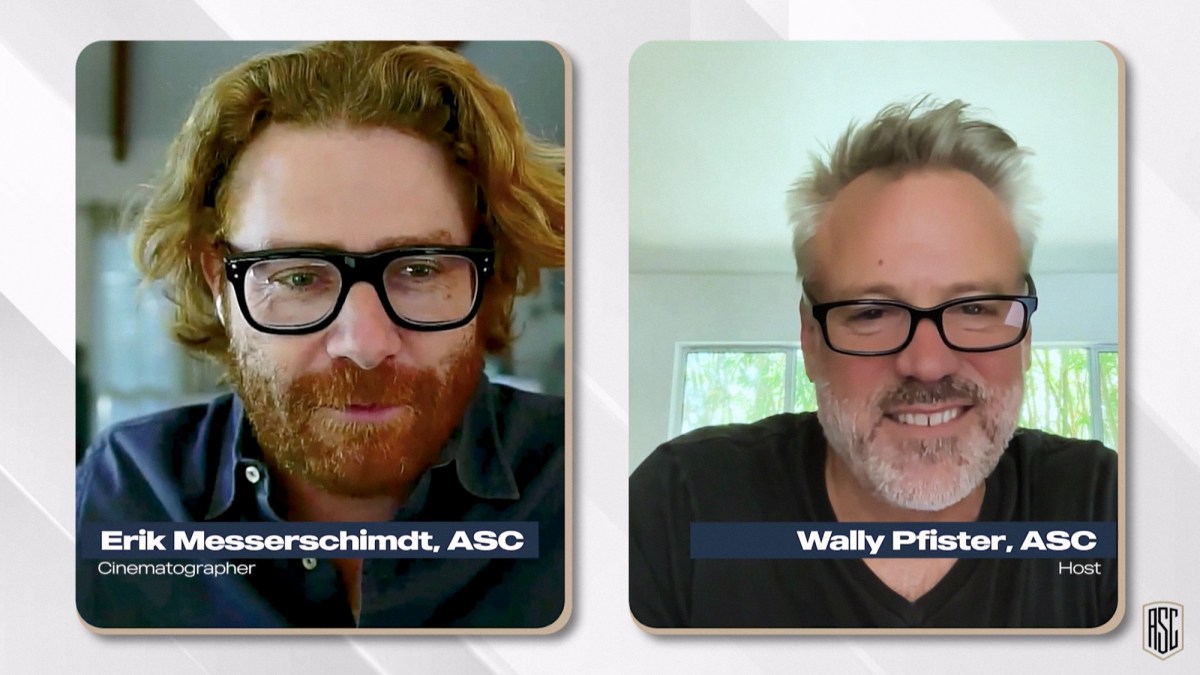
In this episode, cinematographer Erik Messerschmidt, ASC is joined by interviewer Wally Pfister, ASC to discuss his work on The Killer — the neo-noir thriller from director David Fincher that follows an assassin on the run after a botched hit job.
In The Killer, the titular antihero misses one of his intended targets for the first time in his career, and is forced to flee and survive the inevitable consequences. The film marks the second Fincher-directed feature shot by Messerschmidt, following the 2020 film Mank, for which he won an Academy Award for Best Cinematography.
In this interview, Messerschmidt discusses the film’s Paris-inspired color palette; how he shot scenes “loosely” or “rigidly,” based on the main character’s degrees of control over varying situations; how he approached the lighting for a complex fight scene; how he incorporated planned postproduction decisions for lighting, flares and camera destabilization into his workflow; and what he learned about what an audience sees versus what it hears.
Erik Messerschmidt, ASC first emerged as a filmmaker when he was hired by Society member and mentor Mark Doering-Powell on several features as a grip and later gaffer. After Messerschmidt served as Society member Jeff Cronenweth‘s gaffer on the David Fincher-directed Gone Girl (2014), Cronenweth encouraged Fincher to hire Messerschmidt to photograph the Netflix series Mindhunter. Messerschmidt would reunite with Fincher for their 2020 feature Mank, which earned him an Academy Award for Best Cinematography.
Wally Pfister, ASC is a filmmaker whose cinematography credits include the Christopher Nolan features Batman Begins (2005), The Prestige (2006), The Dark Knight (2008) and Inception (2010). He was nominated for an Oscar for Best Cinematography for all of these works, winning one for Inception in 2011.




 The Fincher Analyst