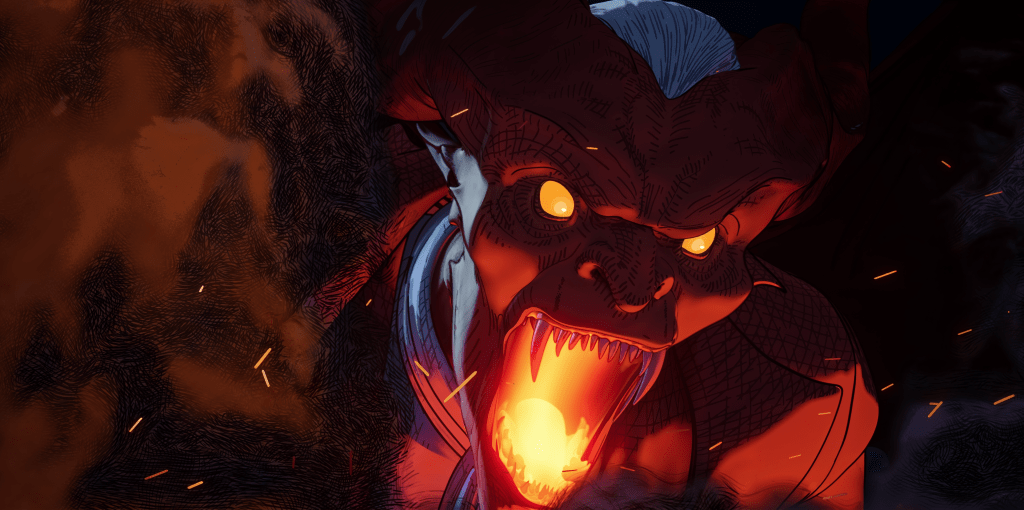
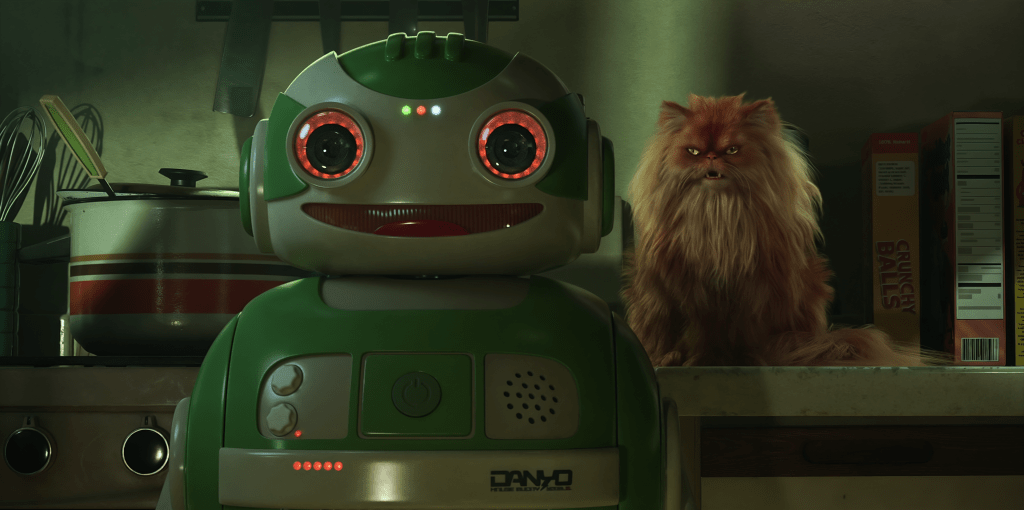
Dinosaur gladiators, messianic cats, string-puppet rock stars, it can only be Love, Death & Robots.
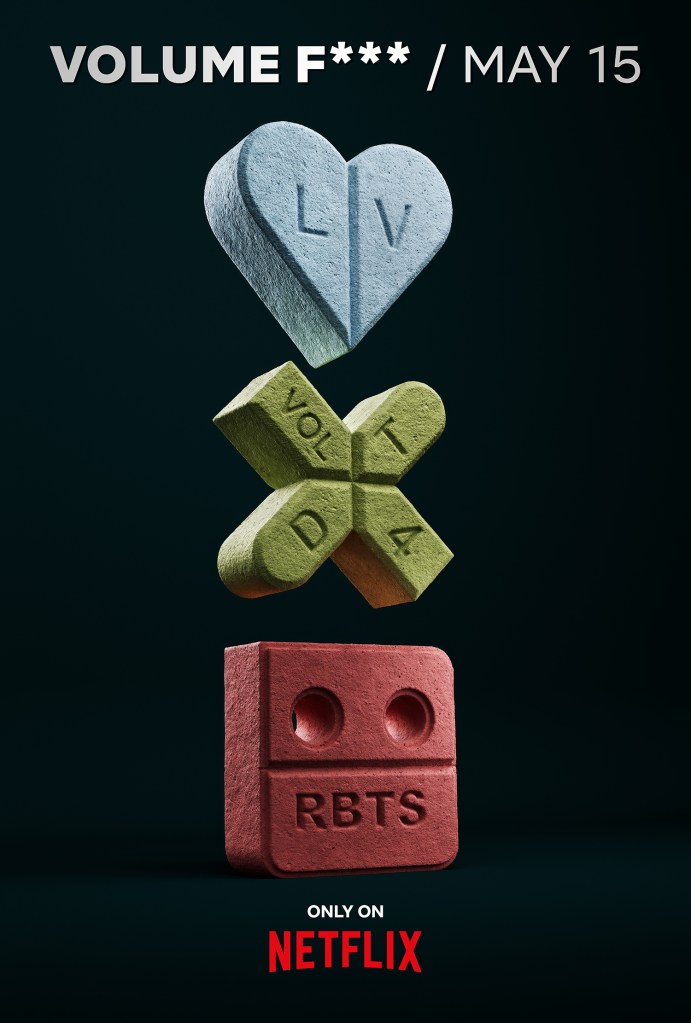
The fourth volume, presented by Tim Miller (Deadpool, Terminator: Dark Fate) and David Fincher (Mindhunter, The Killer), sees Jennifer Yuh Nelson (Kung Fu Panda 2, Kill Team Kill) return as supervising director for ten startling shorts showcasing the series’ signature, award-winning style of bleeding-edge animation, horror, sci-fi and humor. Buckle up.
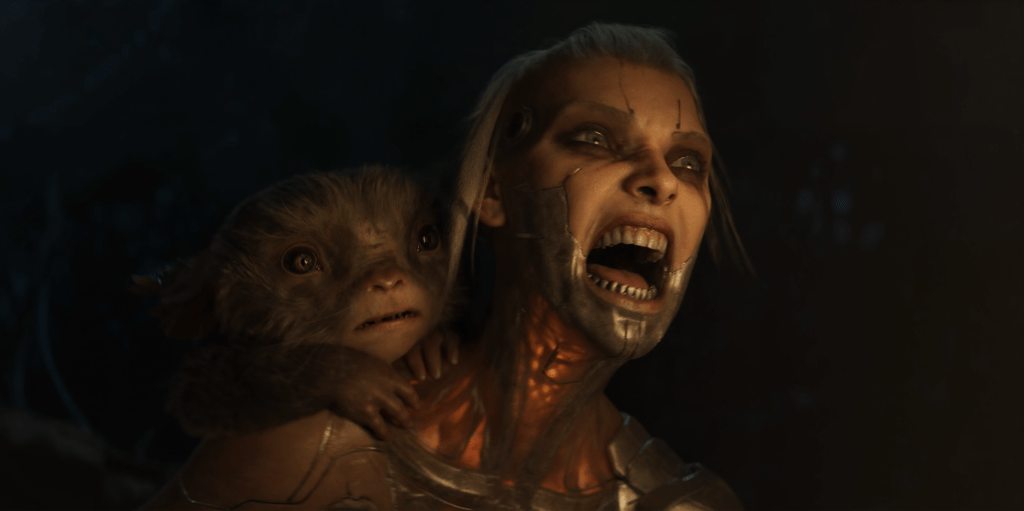
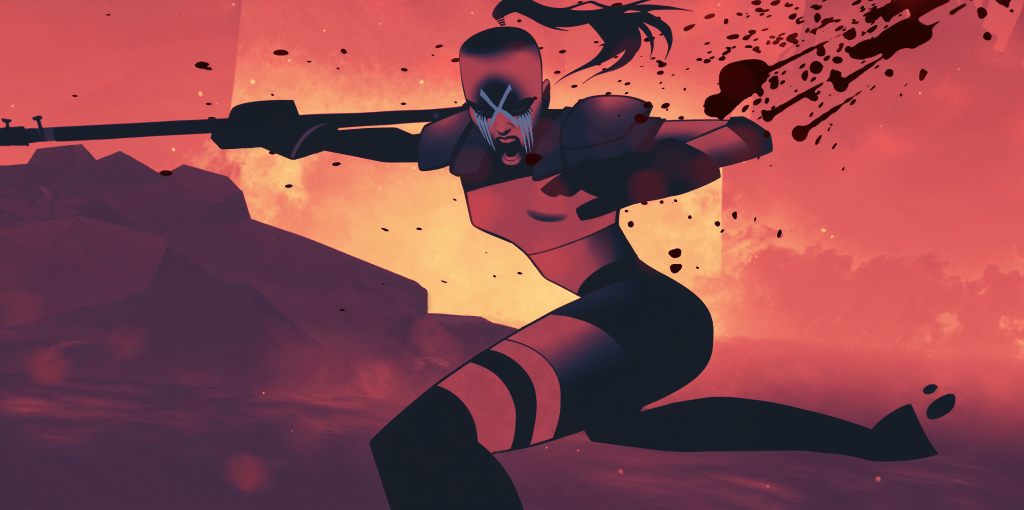
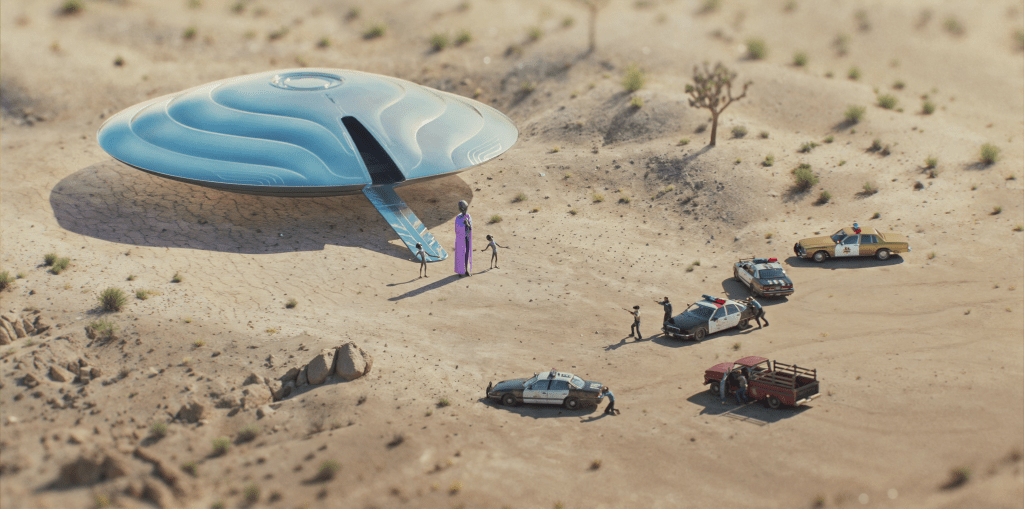
Click in the gallery below to view five brand-new stills:
When Netflix launched as a DVD rental service in 1998, that was its most effective pitch to potential customers — an unmistakable reference to the thing that people hated the most about Blockbuster. With more than 9,000 locations, Blockbuster was the biggest video rental chain in the world, but it was alienating members because its profits came from charging hefty fines for movies that weren’t returned on time.
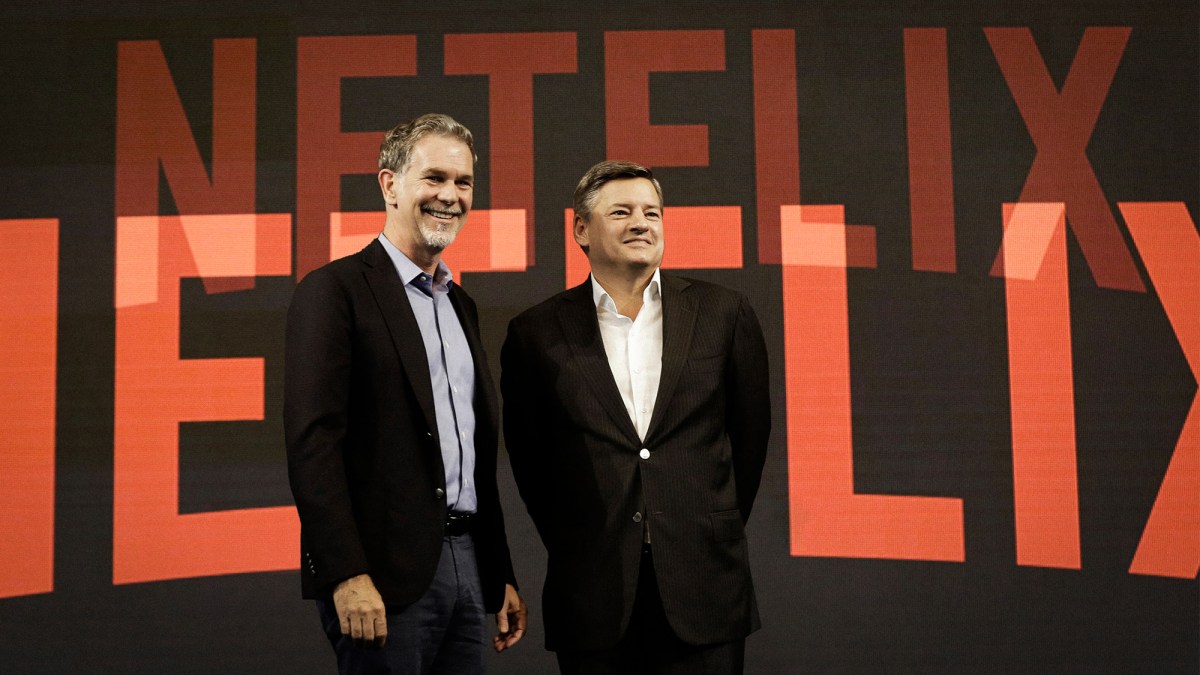
“It was an obvious sore spot,” Reed Hastings, Netflix’s co-founder, says. “People loved renting movies and watching them at home, but the late fee became the symbol of everything painful about that model. So we decided to create something different.”
Netflix didn’t just do away with late fees by allowing customers to keep movies for as long as they wanted. It offered subscribers unlimited rentals for a monthly flat fee. As a bonus, it delivered DVDs directly to customers’ homes, eliminating the hassle of having to drive to the local Blockbuster to scour aisle after aisle of movies in search of something to watch.
That gamble paid off. Twenty-eight years after it debuted with little fanfare, Netflix, now under the leadership of Hastings’ successors, Ted Sarandos and Greg Peters, dominates Hollywood. Its market cap of $392.68 billion surpasses those of Disney, Warner Bros., Discovery, Paramount Global, and Comcast combined.
Reed Hastings on Ted Sarandos committing to spending $100 million on House of Cards, picking the show up for an unheard-of two seasons, before a pilot had even been shot, and agreeing not to give David Fincher any notes and guaranteeing him full creative control:
“I wasn’t comfortable with it. It seemed perilously aggressive to me, just on the edge of reckless. We’d been working together for a decade, so I’d come to trust Ted’s instincts. But they were definitely not my instincts.”
“If you look at when we traditionally released the show, you might have some clues as to when. But, yeah, we’re working on it and it’s going to be awesome. There are some big surprises there.”
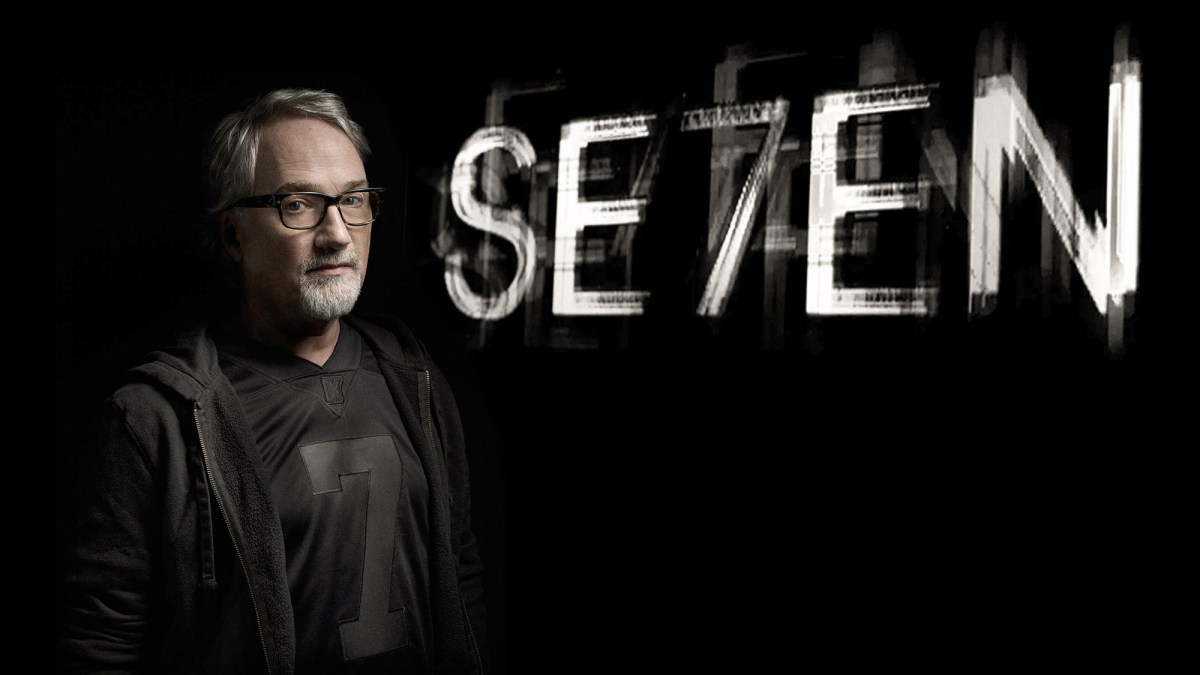
It’s officially 2025, and that makes it the year of SE7EN’s 30th anniversary. Released in theaters on September 22, 1995, David Fincher’s second feature film enjoyed a successful run at the box office, scored an Academy Award nomination for Best Film Editing, a BAFTA nomination for Best Original Screenplay, and is still revered as top-tier cinema to this day.
The movie stars Morgan Freeman and Brad Pitt as detectives. Freeman’s William Somerset is a respected veteran on the verge of retirement, while Pitt’s David Mills is a recently transferred detective with loads of confidence, but lots to learn from Somerset. The pair is assigned to investigate a string of elaborate and ruthless murders, each one connected to one of the seven deadly sins.
In celebration of SE7EN’s release on 4K UHD on January 7, and also its first-ever IMAX release on January 3, I got the opportunity to get a peek behind the curtain of the restoration process courtesy of Fincher himself. He broke down the factors he must consider when choosing which of his films to restore, where he draws the line when making changes to the original film during this restoration process, how he used AI to pull off “the most thrillingly stupid fix in the world,” and loads more. You can read about all of that and his thoughts on his Netflix projects getting physical releases in the interview below.
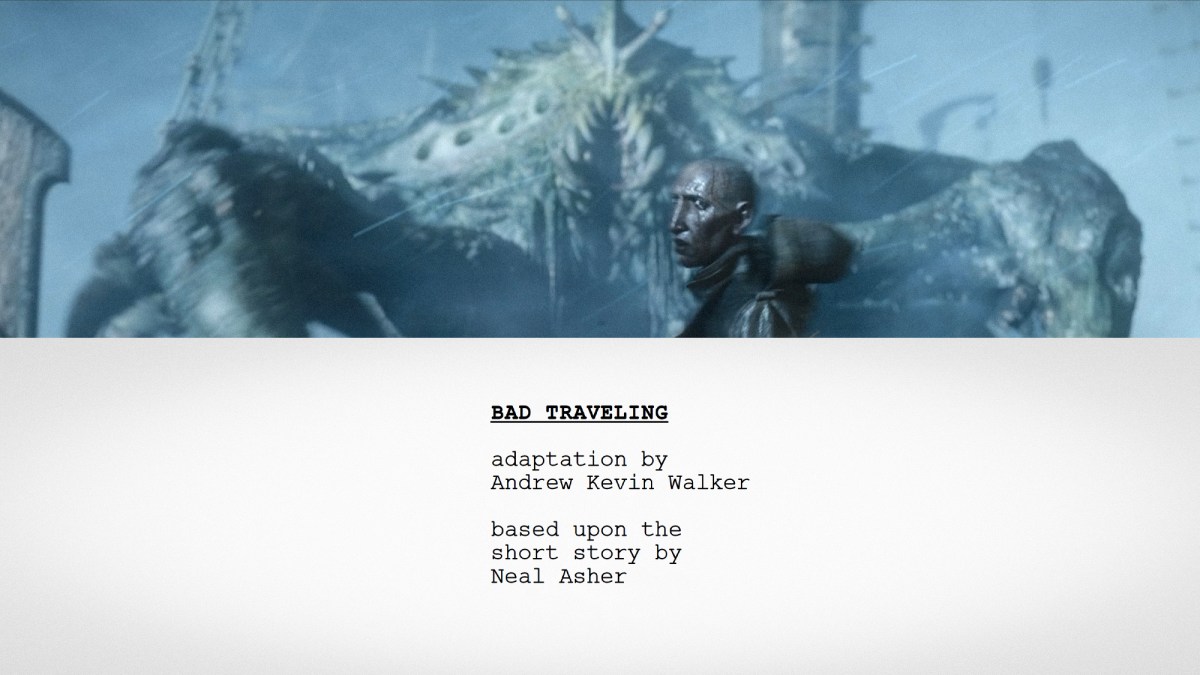
Download the Screenplay and Beat Sheet for Love, Death + Robots: Bad Travelling from Andrew Kevin Walker’s website (links in the top right of the script pile).
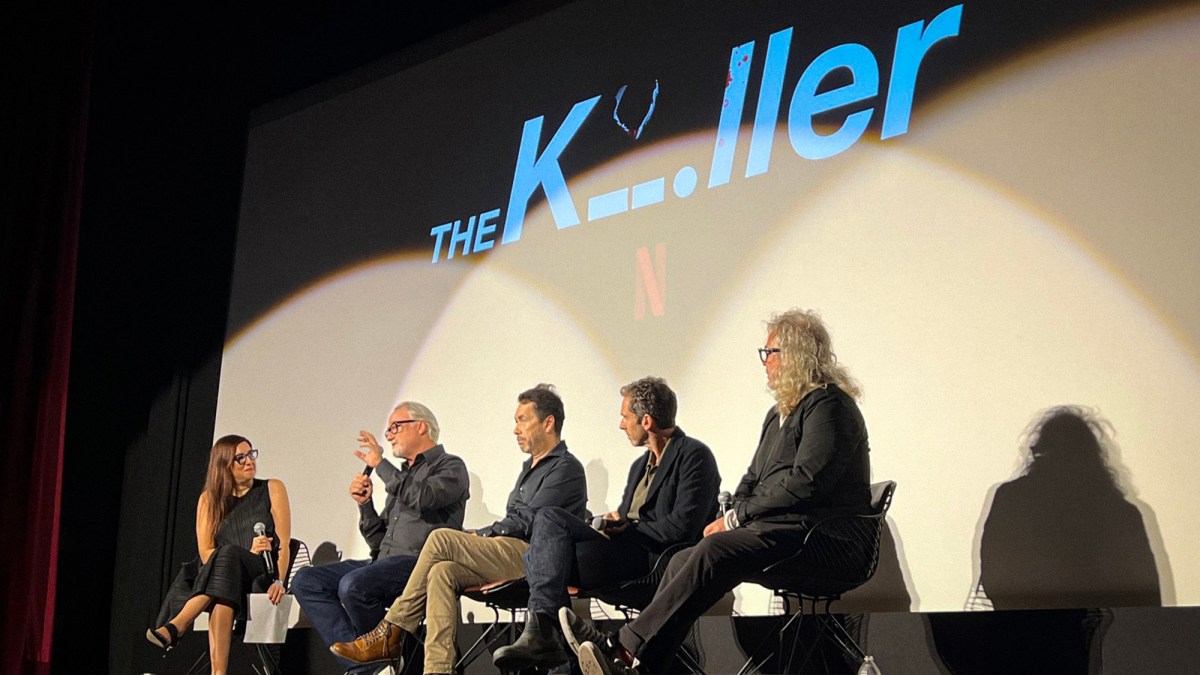
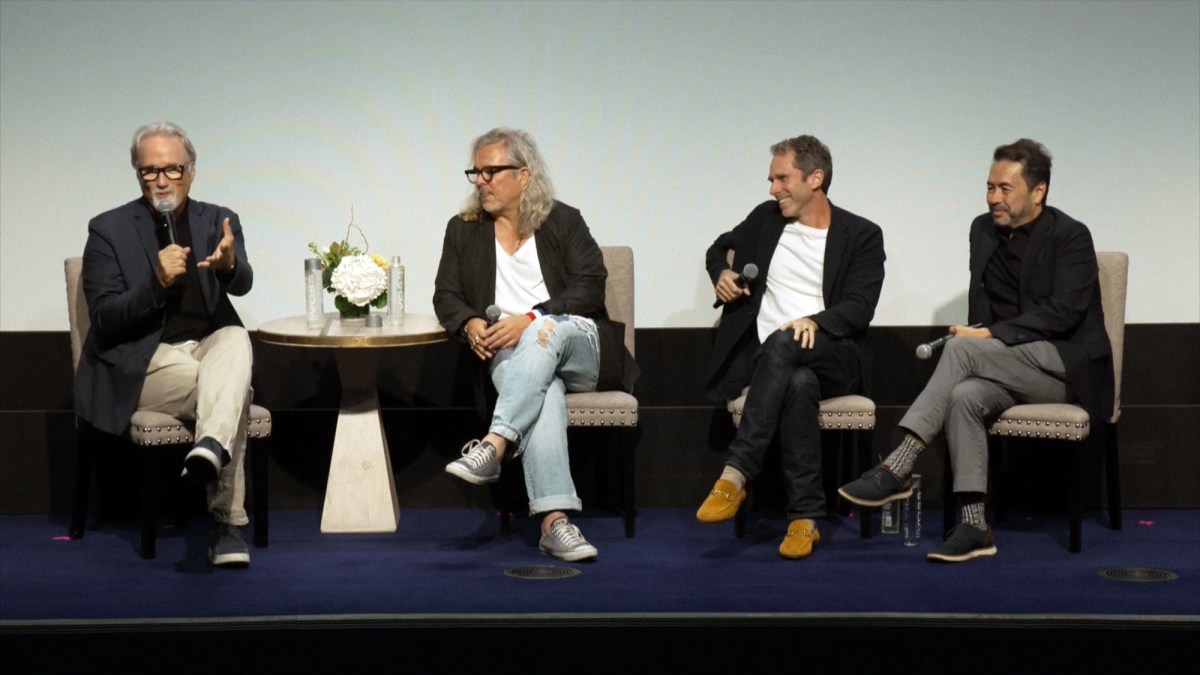
David Fincher discusses the making of The Killer with Sound Designer Ren Klyce, Editor Kirk Baxter, and Writer Andrew Kevin Walker, after the screening for the press in New York. Hosted by Tomris Laffly.
(Video clips recorded with a phone from the audience, with not very good audio and, for some reason, with each video clip edited in twice).
David Fincher discusses the making of The Killer with Writer Andrew Kevin Walker, Editor Kirk Baxter, and Sound Designer Ren Klyce, after the “Tastemaker” screening for The Academy at the Whitby Hotel in New York.
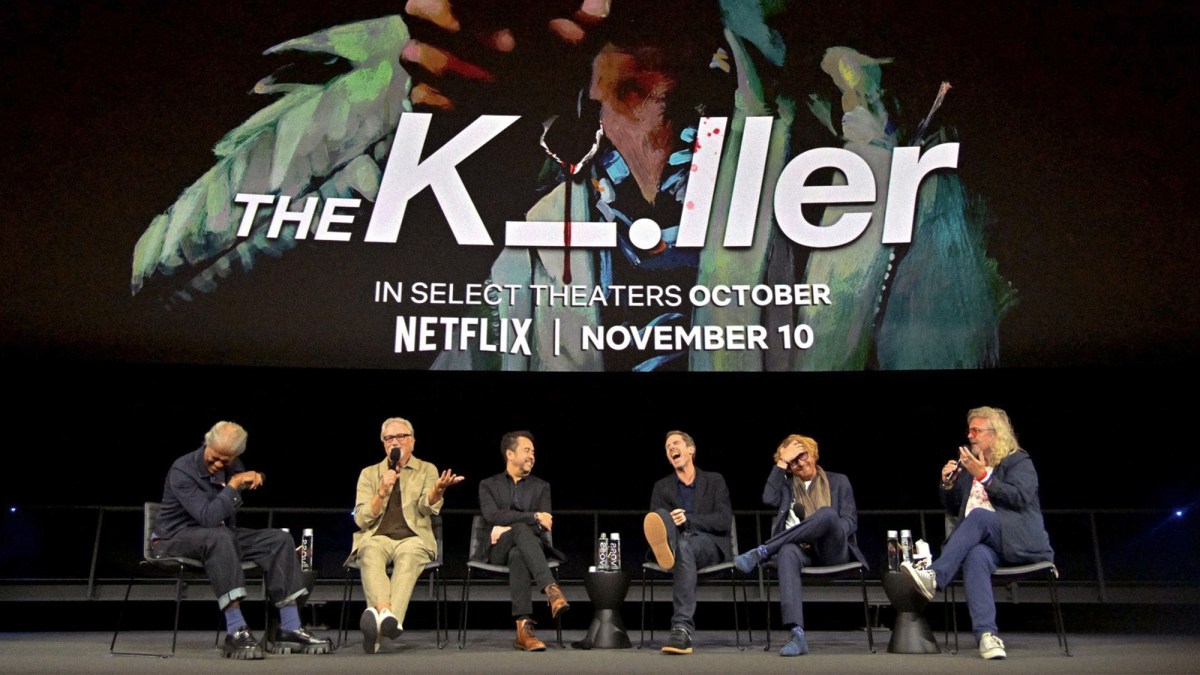
Director David Fincher, Editor Kirk Baxter, Writer Andrew Kevin Walker, Sound Designer Ren Klyce, and Director of Photography Erik Messerschmidt, discuss their film The Killer with moderator Elvis Mitchell at The Academy Museum in Los Angeles.
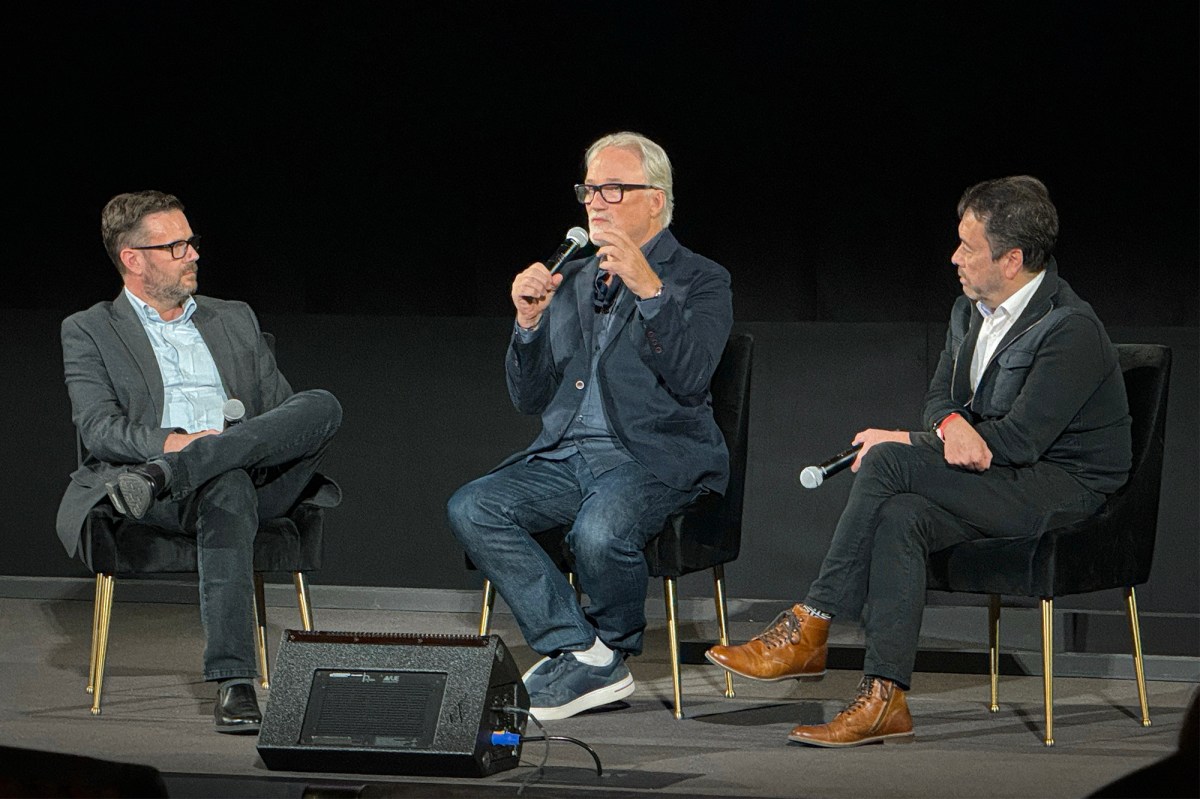
The Egyptian Theatre re-opened in Hollywood with a special screening of The Killer, followed by a Q&A with Director David Fincher and Sound Designer Ren Klyce hosted by Jim Hemphill.
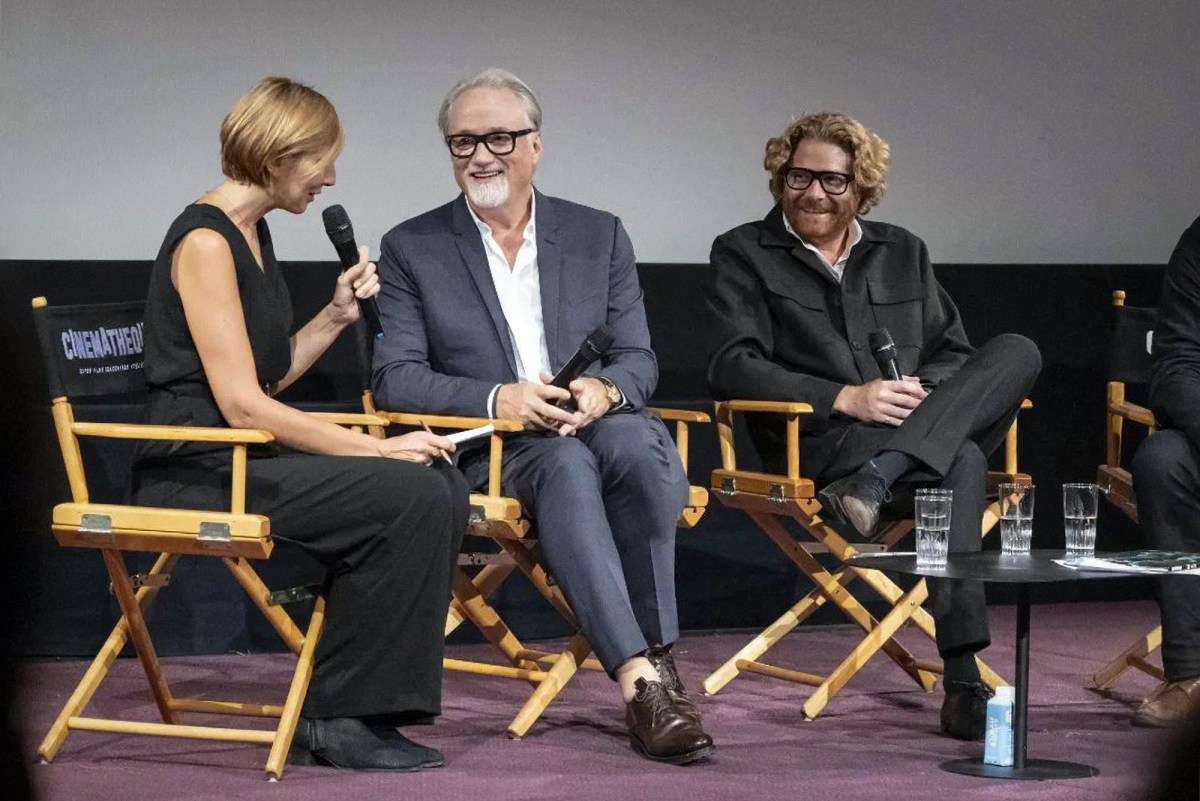
Frédéric Bonnaud, Director of the Cinémathèque française Anaïs Duchet, Interpreter October 13, 2023 Cinémathèque Française
The Cinémathèque Française (French Cinematheque) hosted a David Fincher Retrospective from October 13 to 22, 2023, in Paris (France).
Supported by Netflix, Patron of the Cinémathèque, it opened with a preview screening of The Killer followed by a Q&A with Director David Fincher, and Director of Photography Erik Messerschmidt, ASC.