June 9, 2025
Still Watching Netflix (YouTube)
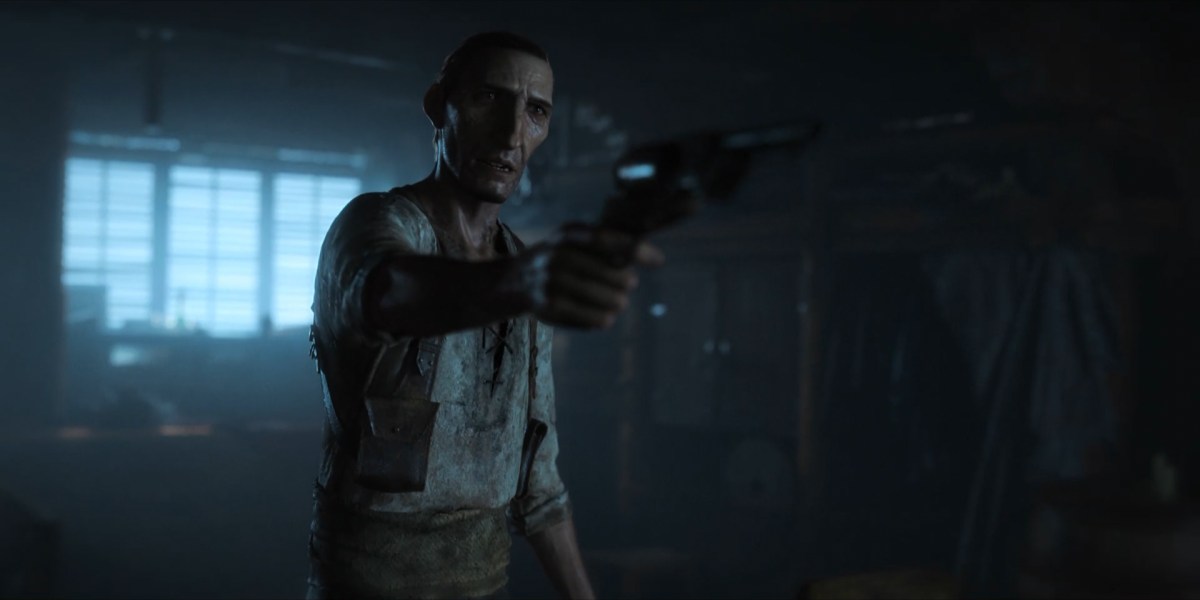
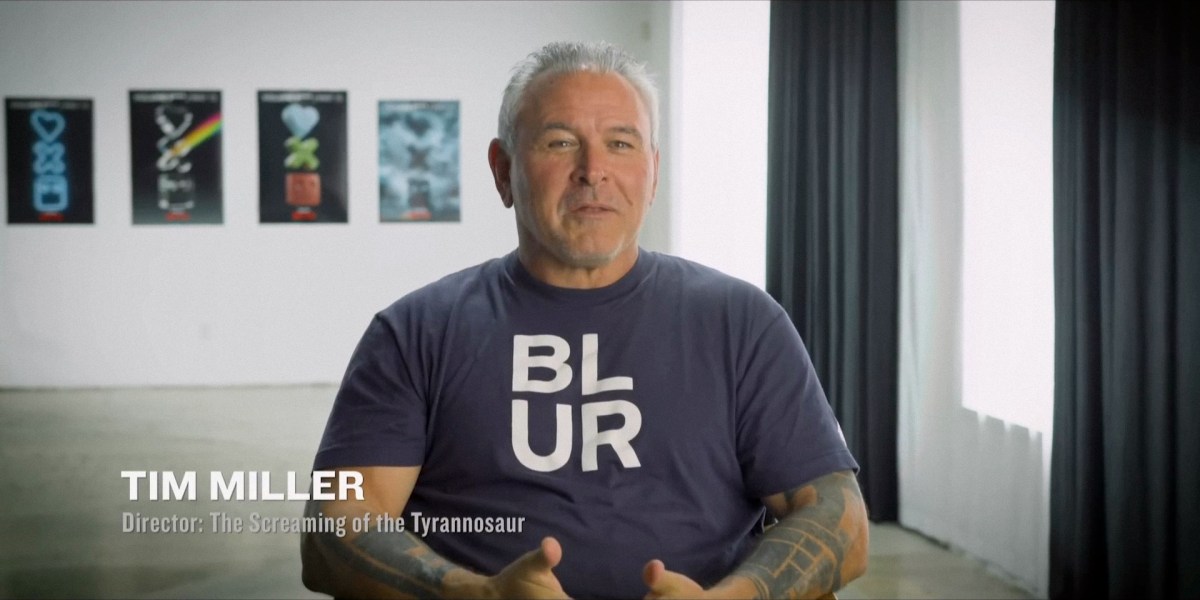
Director Tim Miller discusses how he approached directing this dinosaurs in space adventure, starring MrBeast! Featuring Jennifer Yuh Nelson and David Fincher.
June 9, 2025
Still Watching Netflix (YouTube)
Director Tim Miller discusses how he approached directing this dinosaurs in space adventure, starring MrBeast! Featuring Jennifer Yuh Nelson and David Fincher.
May 29, 2025
Still Watching Netflix (YouTube)
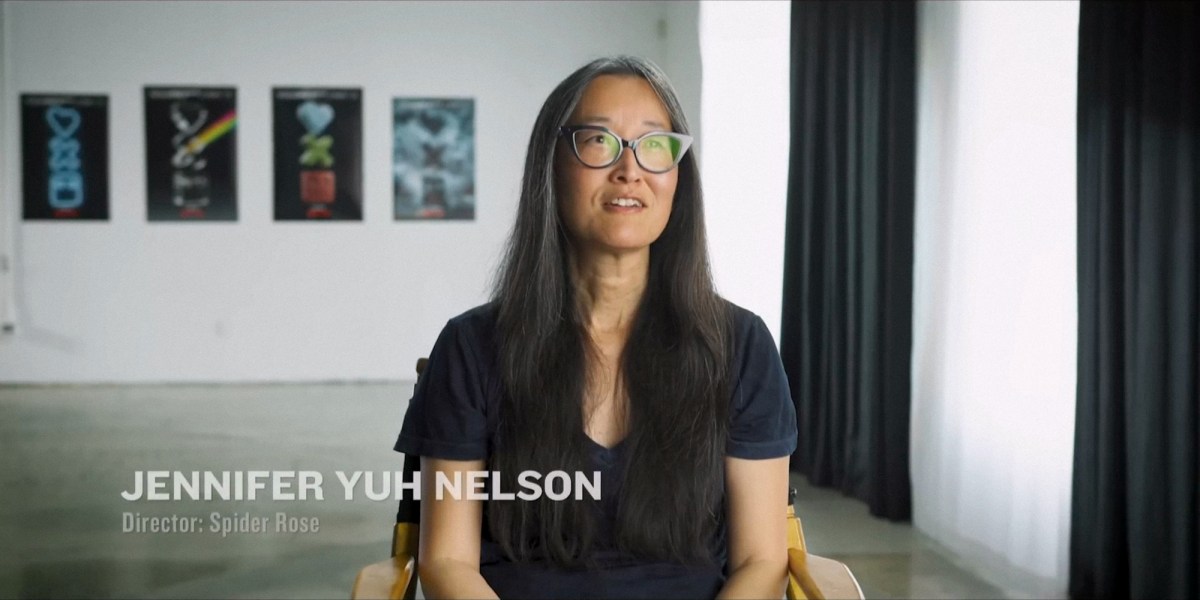
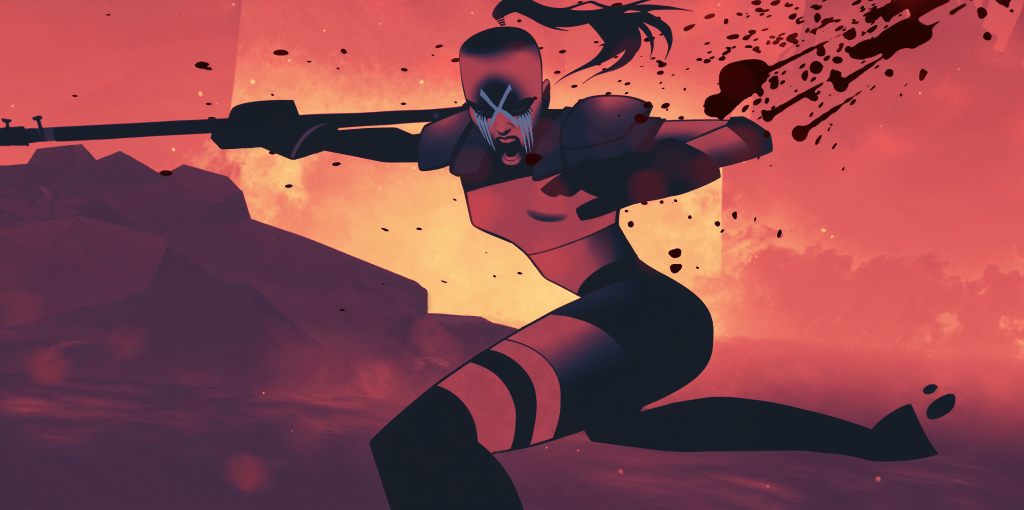
Director Jennifer Yuh Nelson showcases some behind-the-scenes of her process to create Spider Rose. Featuring Tim Miller and David Fincher.
May 23, 2025
Still Watching Netflix (YouTube)
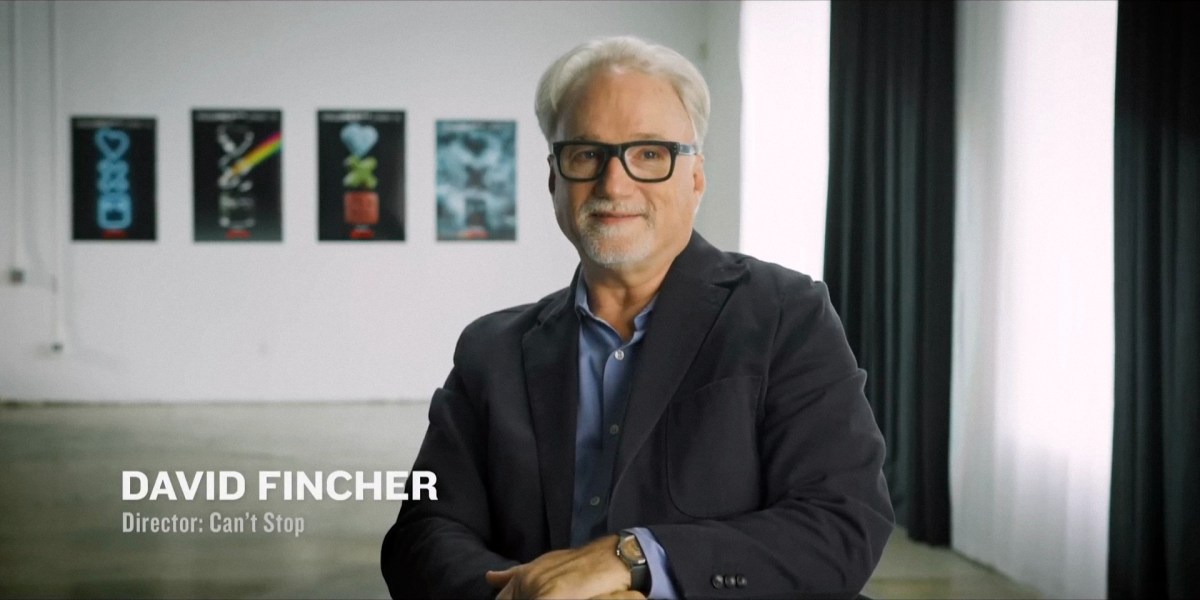
Director David Fincher gives a glimpse inside the animation of Can’t Stop starring the Red Hot Chili Peppers! Featuring Tim Miller.
David Fincher returns to his roots in the animated anthology’s boundary-defying fourth volume.
Nev Pierce
May 21, 2025
Netflix Tudum
Fearless anthology series LOVE DEATH + ROBOTS returns with a unique blend of styles, stories, and heroes you didn’t know you needed — from scheming felines to a traumatized toilet. “I try and get a mix of horror, sci-fi, and fantasy,” says creator and executive producer Tim Miller. “And we work with some really fucking fantastic artists.” Miller is a voracious reader, and the source material for the series is largely short stories he has enjoyed over decades, though Volume 4 has a first: a concert film … from none other than David Fincher.
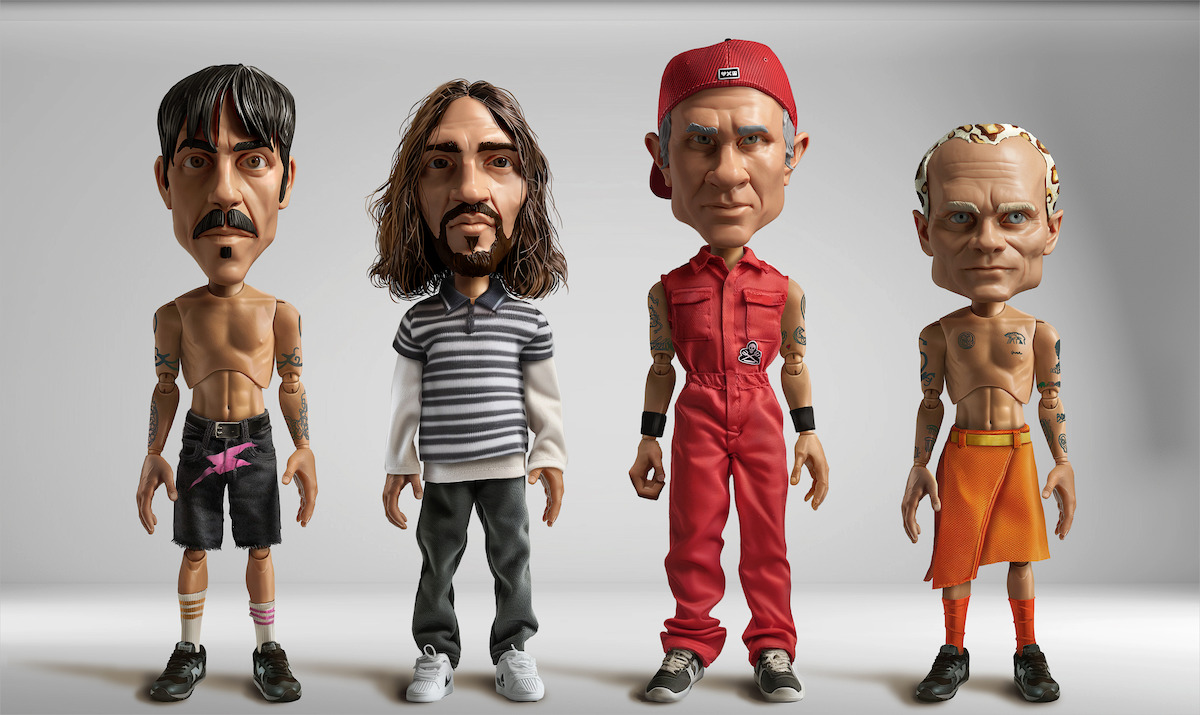
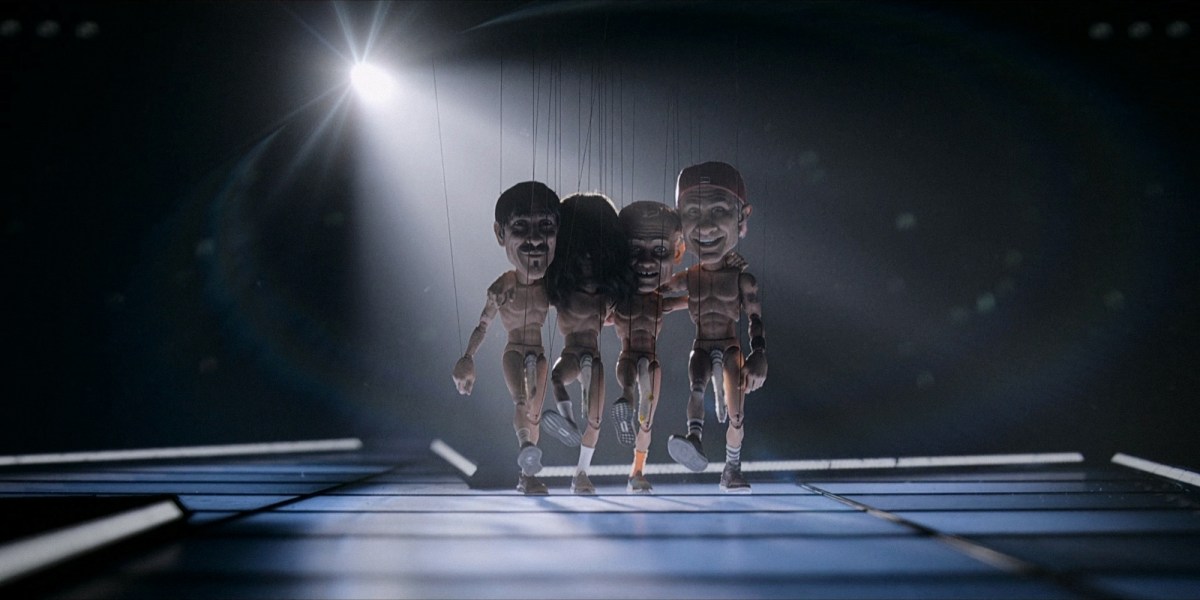
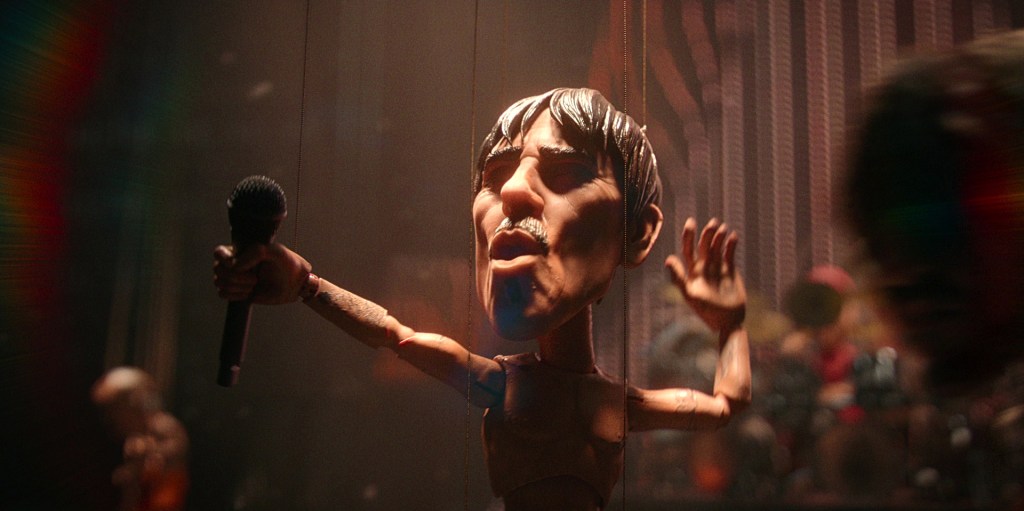
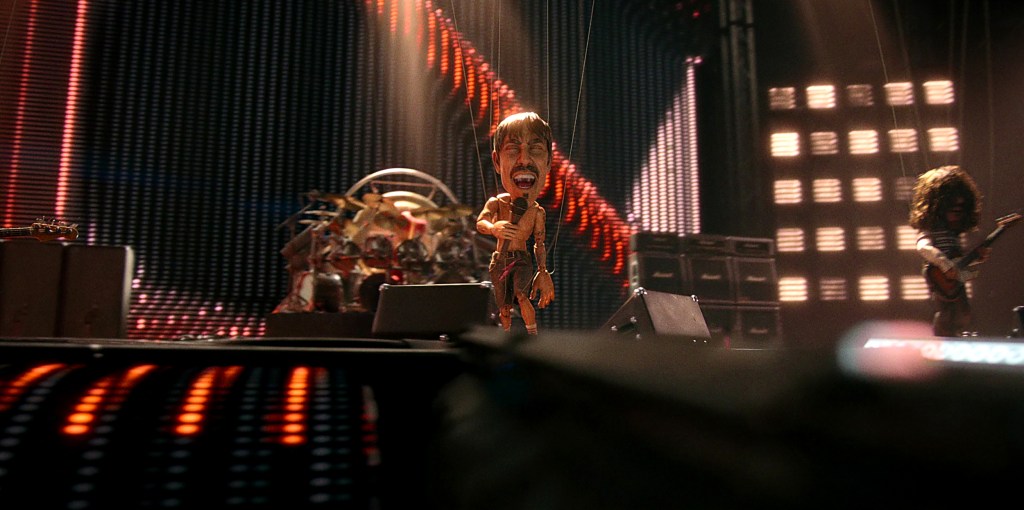
Fincher may now be best known for films such as Fight Club and The Killer, but he first rose to prominence directing music videos. The episode Can’t Stop calls on a long-cherished idea of animating a band as puppets; in this case, the Red Hot Chili Peppers. “This was a chance to exercise some old muscles, stretch — and it’s something I’ve always wanted to see,” says Fincher, who also executive produces the series. Each episode comes from a different team, and his was produced by Blur Studio, the VFX and production company co-founded by Miller. “I think Blur know that when I’m passionate about something, it’s going to be weird, and it’s going to be a lot of work,” says Fincher. “But who knows, it might be fun. It certainly will be challenging.” Creative risk and independent spirit are part of what’s led to the show’s 13 Emmy wins so far. But for the team, it’s really just the beginning of a long commitment to variety and invention. Says Fincher, “Hopefully by the time we get to Volume 20, there’s going to be something in here for everyone.”
Where to start with this wildly inventive and unpredictable show? Here are 13 episodes to explode your mind.
Nev Pierce
May 15, 2025
Netflix Tudum
In a world where so much entertainment is afraid to take risks, LOVE DEATH + ROBOTS is the iconoclastic brainchild of one man’s enigmatic yet expansive tastes. While a dedicated team of artists craft the (mostly) animated shorts comprising the 35 episodes of LDR, the basis for almost all of them are short stories that Tim Miller loves. Miller, the series co-creator and executive producer keeps a catalog of material on his computer, ready for the right moment to pair a story with a visionary team and unleash the results on unsuspecting audiences.
Now that we’ve arrived at Volume 4, the audience may suspect that they’re going to get something unexpected, yet the show still surprises. From hard-edged, serious sci-fi to explosively violent, unapologetically puerile action, the show contains multitudes.
Among the most ardent fans of LDR are the episode directors themselves, who have trouble picking their favorites among the first three volumes.
“I love seeing people’s LDR tier lists,” says Emily Dean, director of two episodes — the Volume 3 award winner The Very Pulse of the Machine and the fourth’s devilish cat caper For He Can Creep. She has been “very inspired” by a number of installments including Zima Blue, Bad Travelling, Pop Squad, The Drowned Giant, and Jibaro.
Three of these are on the list below, although LDR is the kind of show where your favorites may change according to the day of the week or the mood you’re in. Director and animator Diego Porral had a hand in two of the episodes below and sees the diversity of voices and styles as a major strength. “The fun thing is that whoever I talk to, in or out of the animation industry, everyone has their favorite, and I think that’s what makes LDR so special,” says Porral, helmer of this volume’s action-packed How Zeke Got Religion and lead animator on the Volume 3 classic Kill Team Kill.
Miller dreamed for decades of an animated anthology exploring stories that had stuck in his subconscious. And now he — along with fellow executive producers David Fincher and Josh Donen and supervising director Jennifer Yuh Nelson — relishes seeing disparate filmmakers and animation studios come together to generate these distinct shorts. “Netflix, just like the internet, allows all these strange people, that would never find each other ordinarily, to connect,” says Miller. “Sometimes for good, sometimes for evil, but certainly in the case of LOVE DEATH + ROBOTS, I feel it’s a force for good.”
Below you can find 13 episodes to match your highly specific tastes, whether you’re in the mood for cats, carnage, concerts, or comfort.
Now EXTREMING, only on Netflix.
Executive Producer and Director Tim Miller, Supervising Producer and Director Jennifer Yuh Nelson.
Featuring: Executive Producer and Director Tim Miller, Supervising Producer and Director Jennifer Yuh Nelson, and Director Robert Valley.
LOVE DEATH + ROBOTS Vs AI Animation With Creator Tim Miller!
Comicbook.com
May 12, 2025
LOVE DEATH + ROBOTS Creator Tim Miller Gives Updates on ‘Sonic 4’ and New Season of Netflix Show
LOVE DEATH + ROBOTS Director Explains His Influences Including ‘The Warriors’ and ‘City of God’
MovieWeb
May 13, 2025
LOVE DEATH + ROBOTS Creator Tim Miller Debunks AI
ScreenRant
May 13, 2025
LOVE DEATH + ROBOTS’ Tim Miller & Director on Working With David Fincher, MrBeast
LOVE DEATH + ROBOTS Volume 4’s Robert Valley Talks Making Epic ‘400 Boys’ Episode
Brandon Schreur
May 14, 2025
ComingSoon.net
LOVE DEATH + ROBOTS Team on Season 4, Why People Love Revenge Stories, Evil Cats, Animation Variety
John Nguyen
May 15, 2025
Nerd Reactor
Netflix’s LOVE DEATH + ROBOTS Filmmakers In Conversation With Cartoon Brew
Amid Amidi
May 16, 2025
Cartoon Brew
LOVE DEATH + ROBOTS Vol. 4: Tim Miller Breaks Down Hitchhiker’s Guide To The Galaxy-inspired Episode
LOVE DEATH + ROBOTS Vol. 4: Robert Valley Explains The Challenge Of Making “400 Boys”
ScreenRant
May 18, 2025
LOVE DEATH + ROBOTS Volume IV Creators Chat with Us
Review Nation
May 21, 2025
Tim Miller: “I pitched HEAVY METAL to Netflix (before LOVE DEATH + ROBOTS)”
JoBlo Celebrity Access
May 27, 2025
VFX Artists React to Bad & Great CGi 185 (ft. Tim Miller)
Corridor Digital
July 26, 2025
LOVE DEATH + ROBOTS Vol. 4: More Adventures in Mind-Expanding Sci-Fi
Jeff Spry
May 14, 2025
Animation Magazine
LOVE DEATH + ROBOTS Volume 4’s Biggest Swings Explained By Filmmakers
Owen Danoff
May 14, 2025
ScreenRant
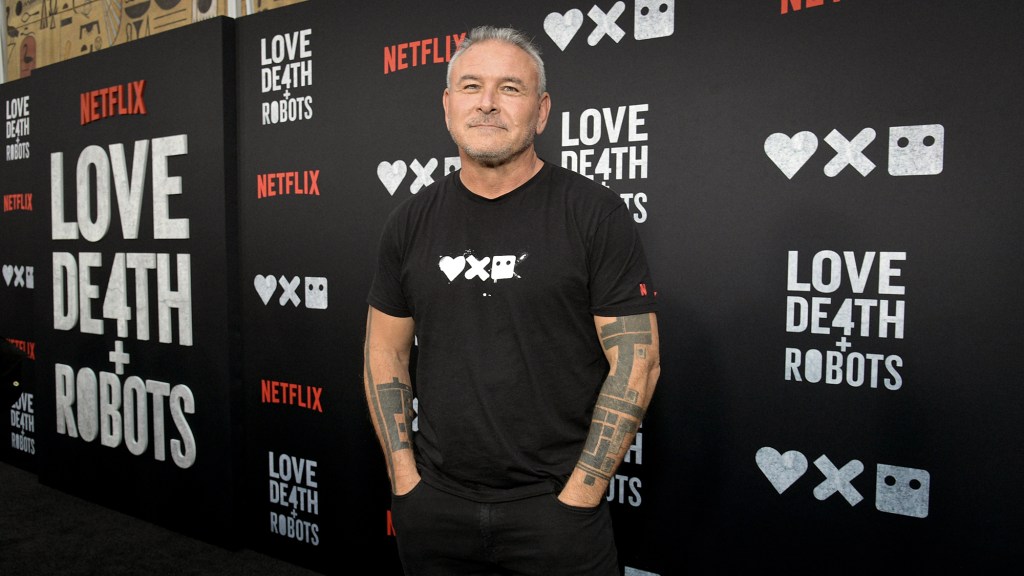
Tim Miller rolls out new season of LOVE DEATH + ROBOTS
Stephen Schaefer
May 15, 2025
Boston Herald
Sex, Savagery and Sacrifices Made on the Altar of LOVE DEATH + ROBOTS Vol. 4
Creator Tim Miller, supervising director Jennifer Yuh Nelson, and designer/director Robert Valley discuss the latest edition of Netflix’s Emmy Award-winning animated short film anthology series that once again delivers a wide selection of funny, frightening, and thoroughly provocative works.
Victoria Davis
May 15, 2025
Animation World Network
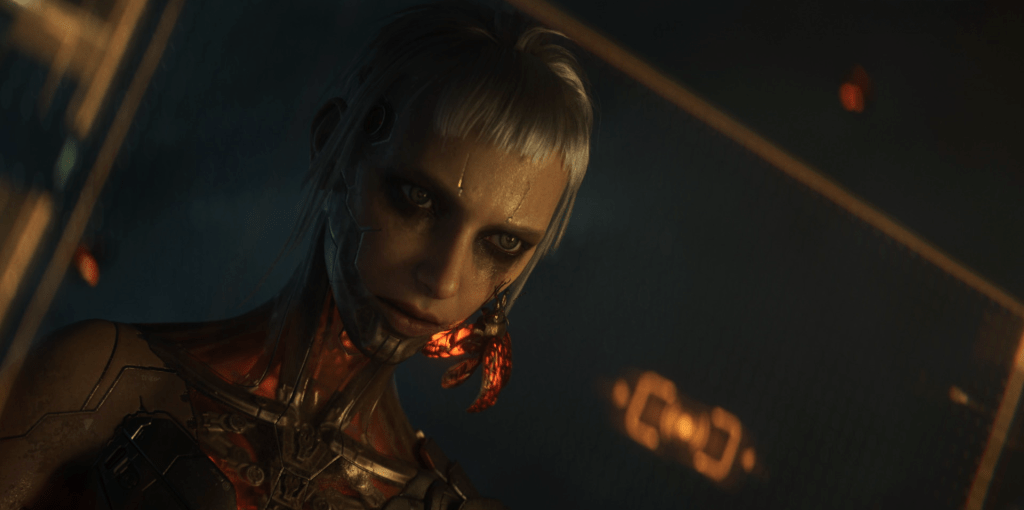
How LOVE, DEATH + ROBOTS Season 4 Made the Ultimate Cute Little Guy
Director Jennifer Yuh Nelson tells IndieWire about being drawn to a grieving cyborg and her alien companion, who knows how to be adorable as a defense mechanism.
Bill Desowitz
May 16, 2025
IndieWire

LOVE DEATH + ROBOTS Director Jennifer Yuh Nelson on the Making of Her ‘Emotional’ Episode
Mara Reinstein
May 16, 2025
Television Academy
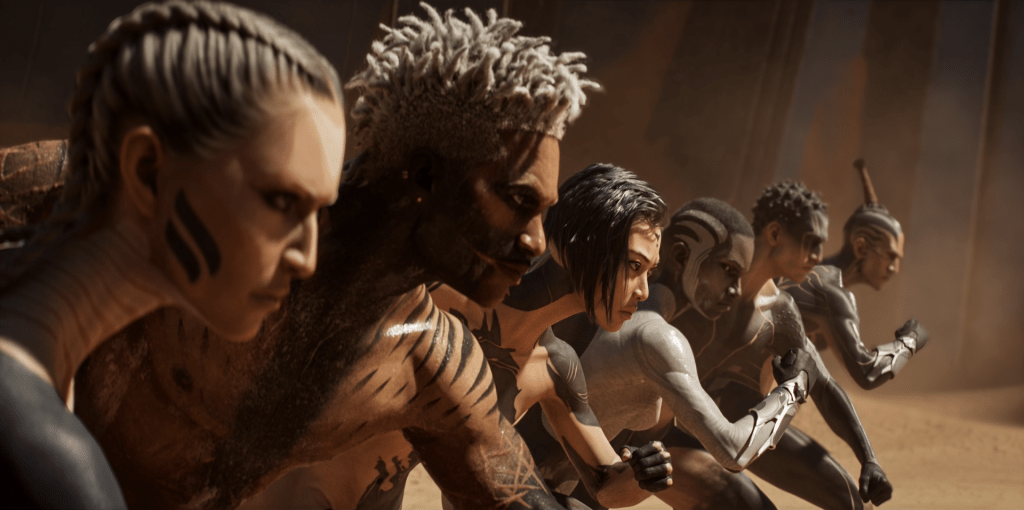
LOVE DEATH + ROBOTS Producers Reveal the Season 4 Episode Written for Zack Snyder
LOVE DEATH + ROBOTS’ Tim Miller and Jennifer Yuh Nelson talk about expanding the anthology’s sci-fi universe and the future of animation.
Daniel Kurlan
May 16, 2025
Deen of Geek
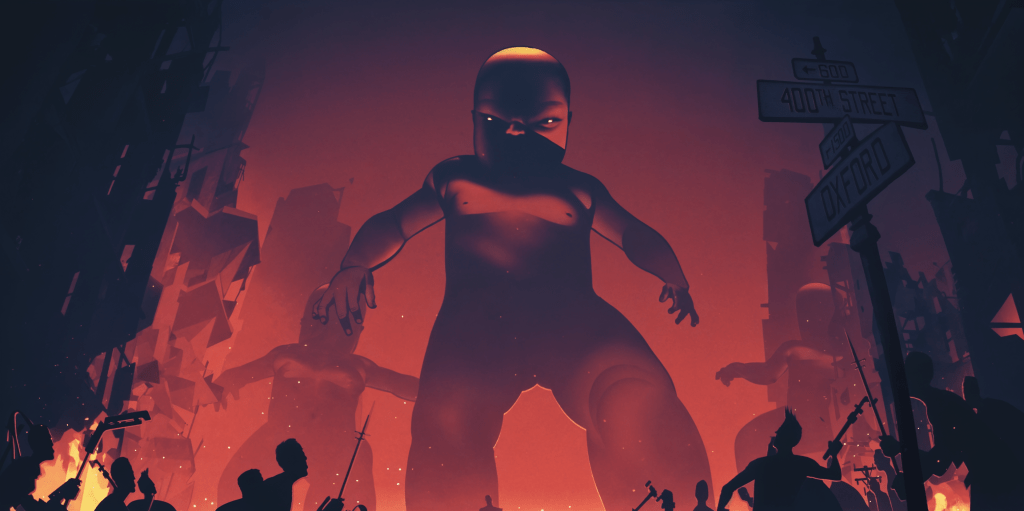
LOVE DEATH + ROBOTS Season 4 Gets Even Weirder
Dais Johnston
May 16, 2015
Inverse
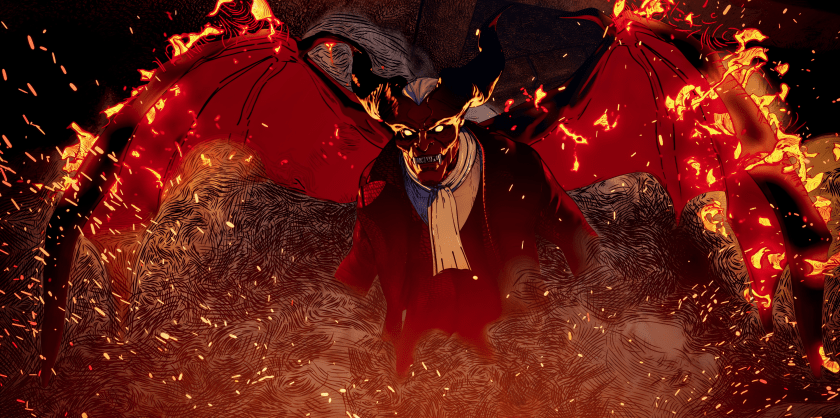
LOVE DEATH + ROBOTS Vol. 4 Directors Talk Making a Comeback with Good Stories
Diana Velásquez Vargas
May 15, 2025
GameRant

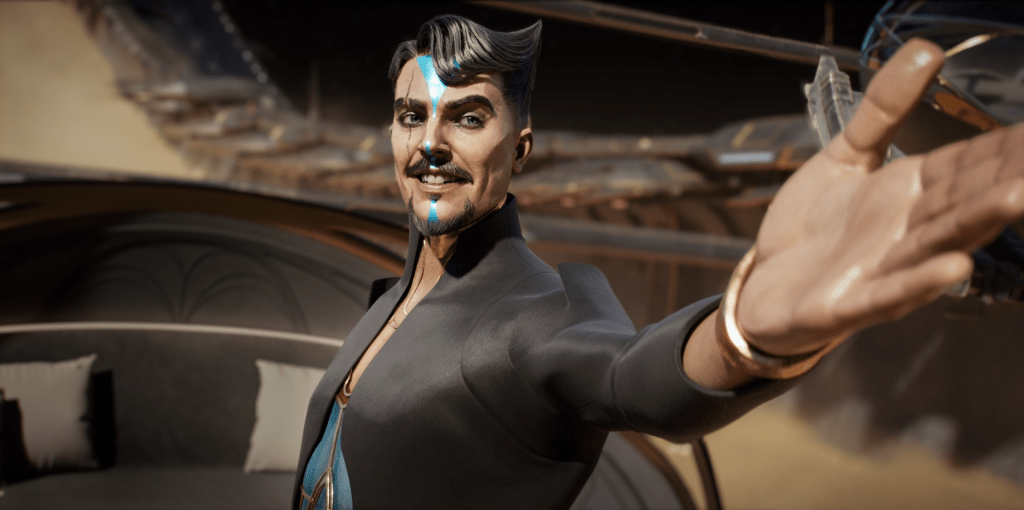
LOVE DEATH + ROBOTS Vol. 4 Team on Cats, Giant Babies and MrBeast
Katcy Stephan
May 23, 2025
Variety
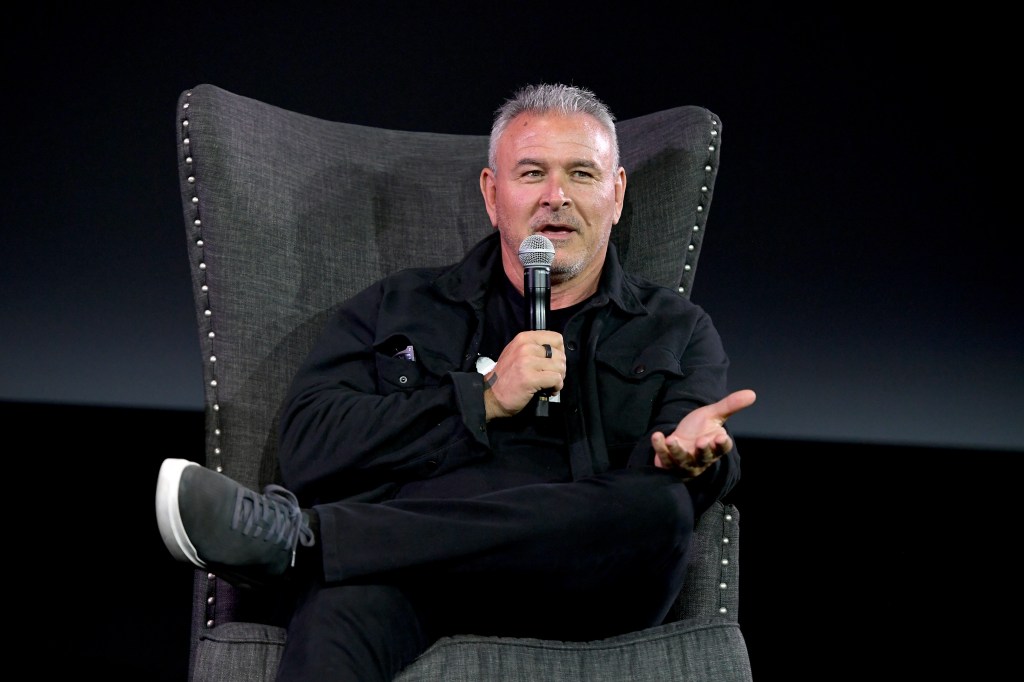
Tim Miller Discusses LOVE DEATH + ROBOTS Season 4 Episodes, Show’s Future
James Hibberd
May 30, 2025
The Hollywood Reporter
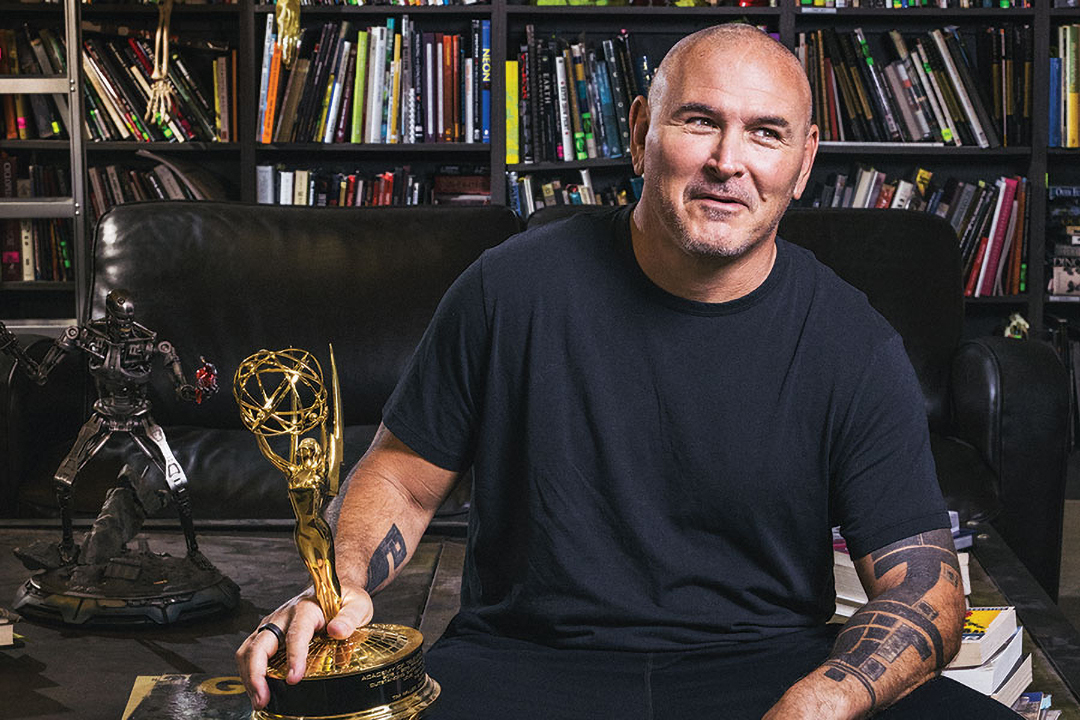
How Tim Miller, David Fincher Turned a Rejected TV Series Pitch Into LOVE DEATH + ROBOTS
Phil Pirrello
June 11, 2025
Television Academy
Drew Taylor
June 22, 2025
The Wrap
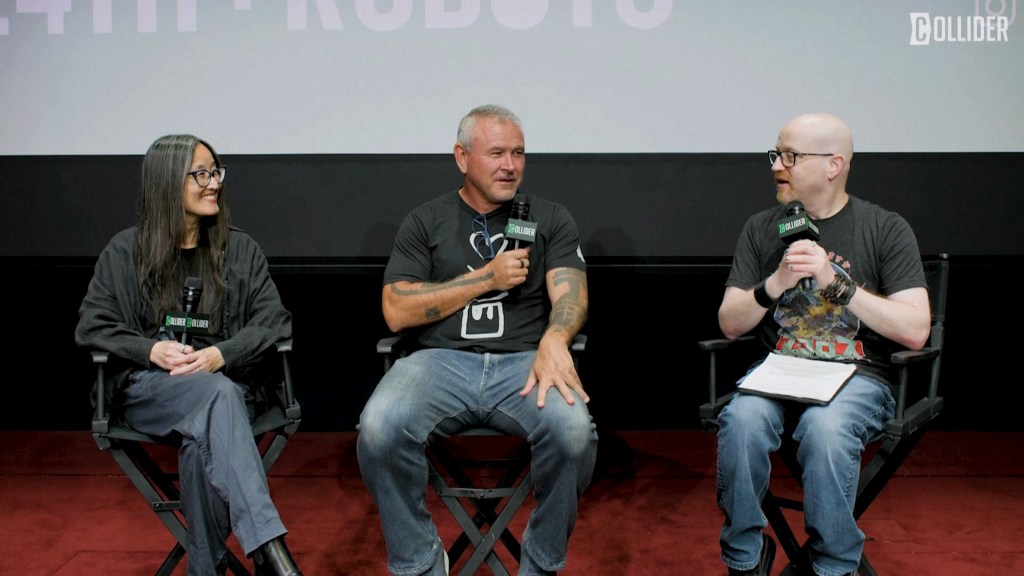
Hannah Hunt & Steven Weintraub
August 6, 2025
Collider
Scott Huver
Photos: Charley Gallay (Getty Images/Netflix)
May 5, 2025
Gold Derby
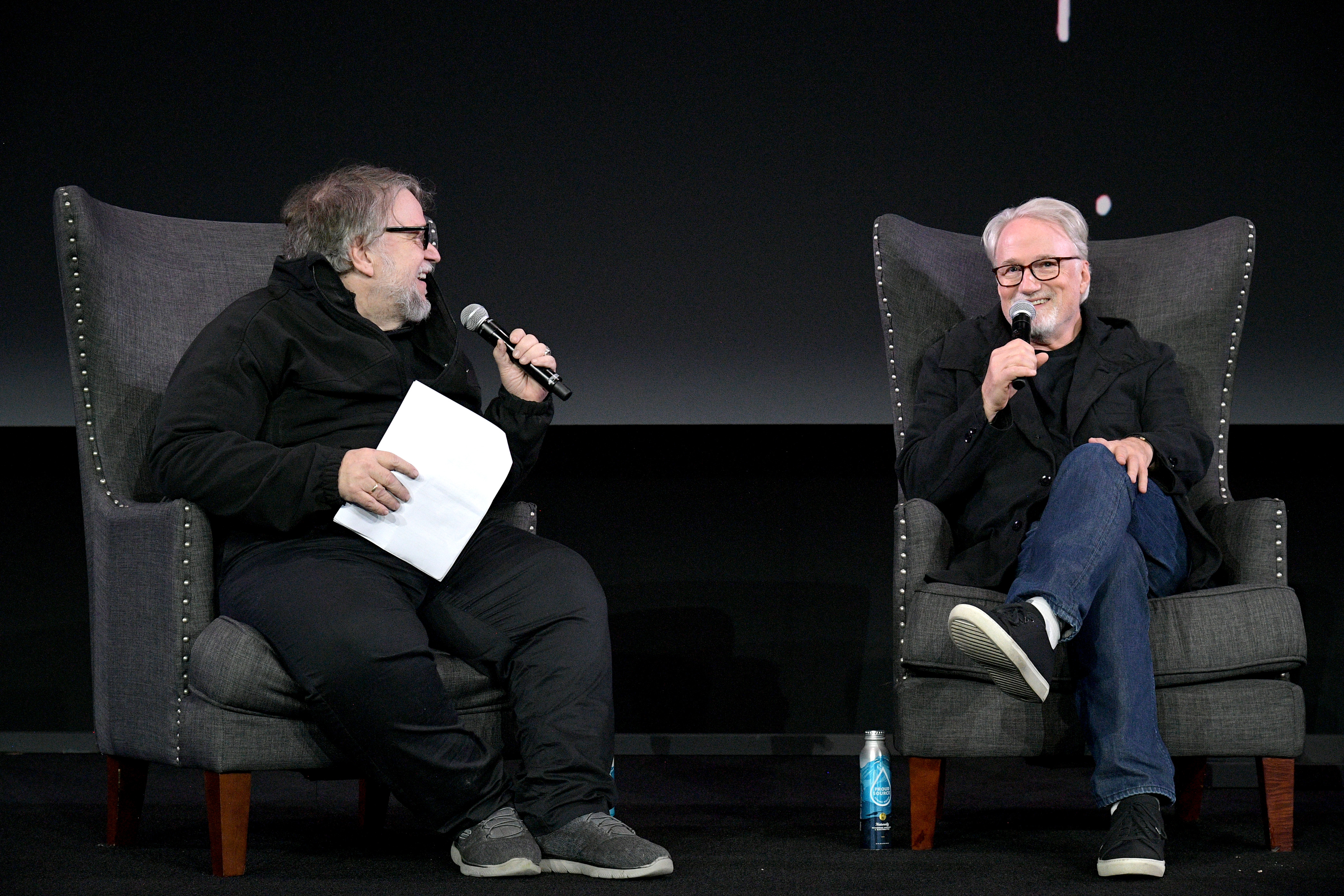
“For my money, it’s like LOVE DEATH + ROBOTS should be anything. Anything that you can’t figure out where else it goes,” legendary filmmaker David Fincher mused about the unconventional, sci-fi/cyberpunk-flavored Netflix (mostly) animated anthology series. It’s as apt a description as any for the ambitious, experimental, and genre-bending project, now launching its fourth season.
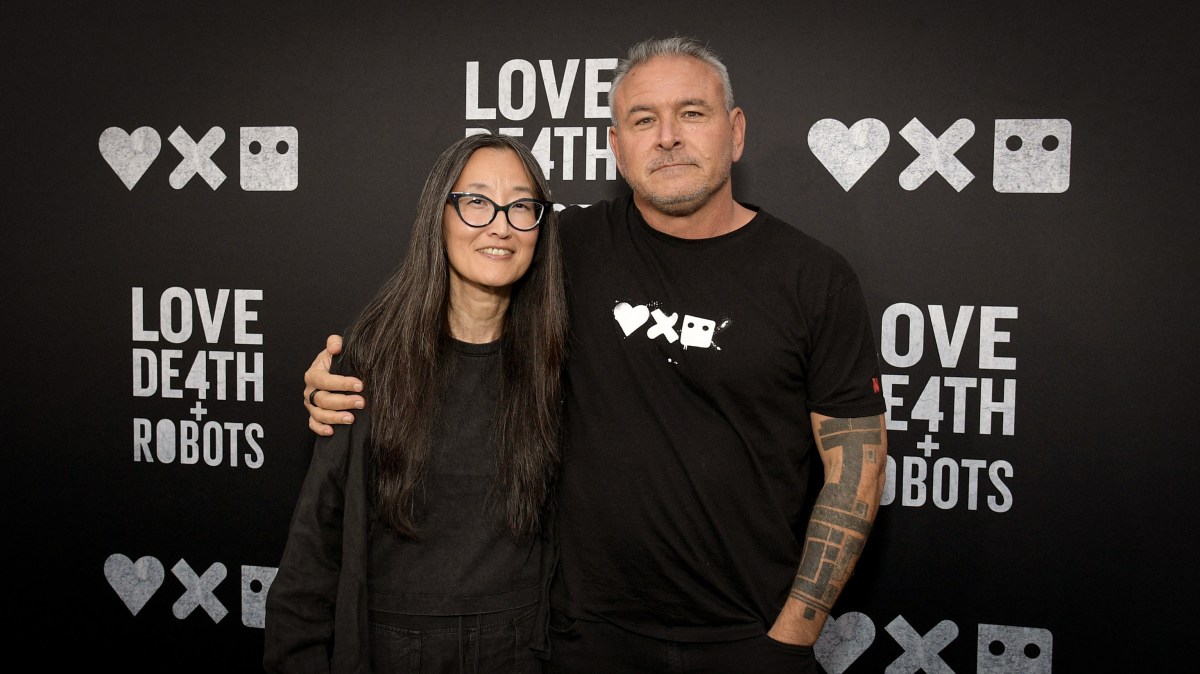
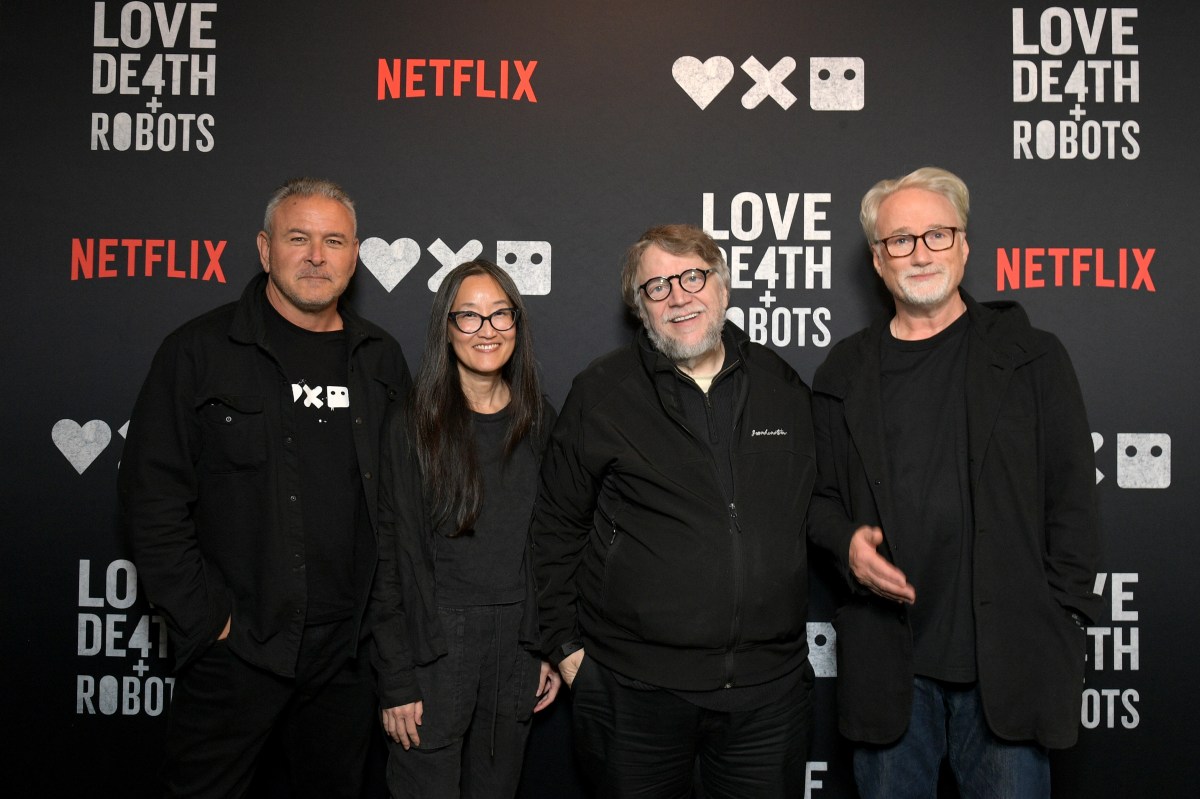
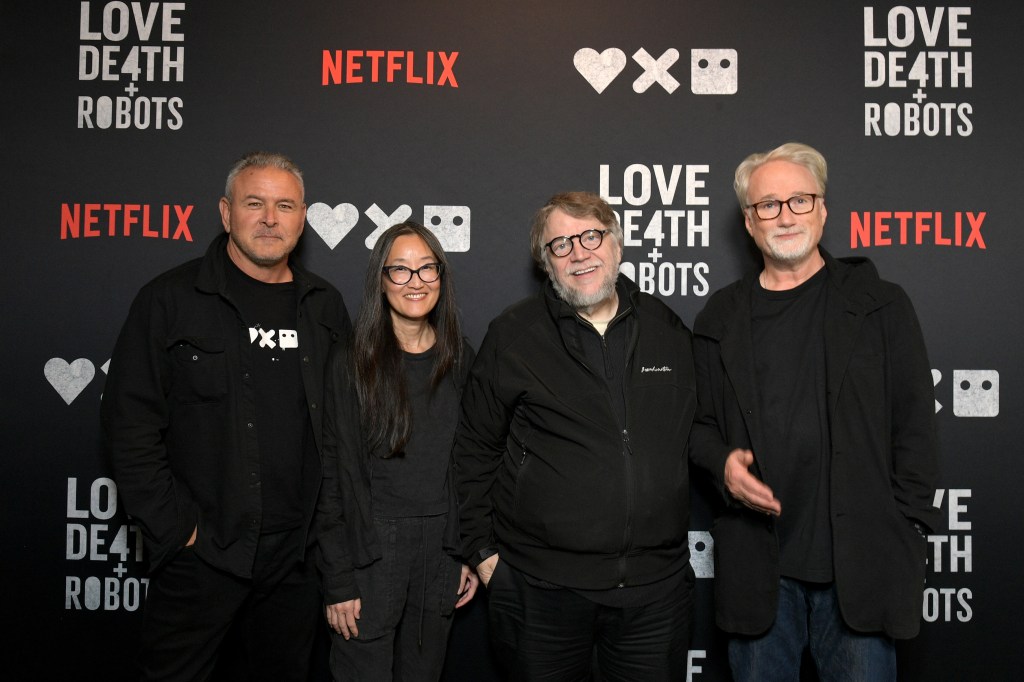
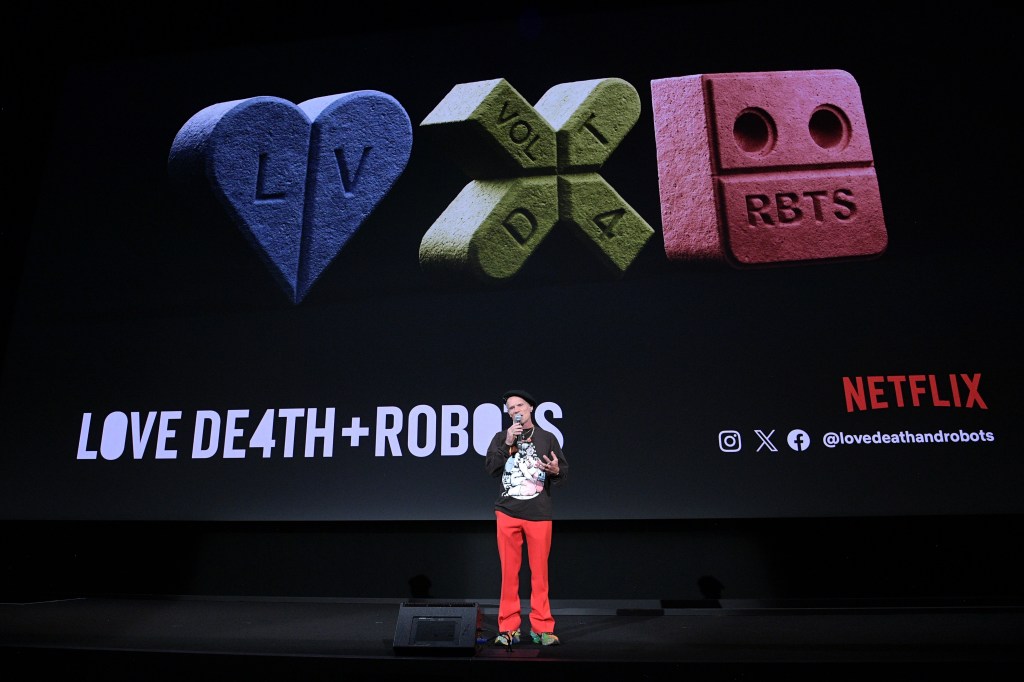
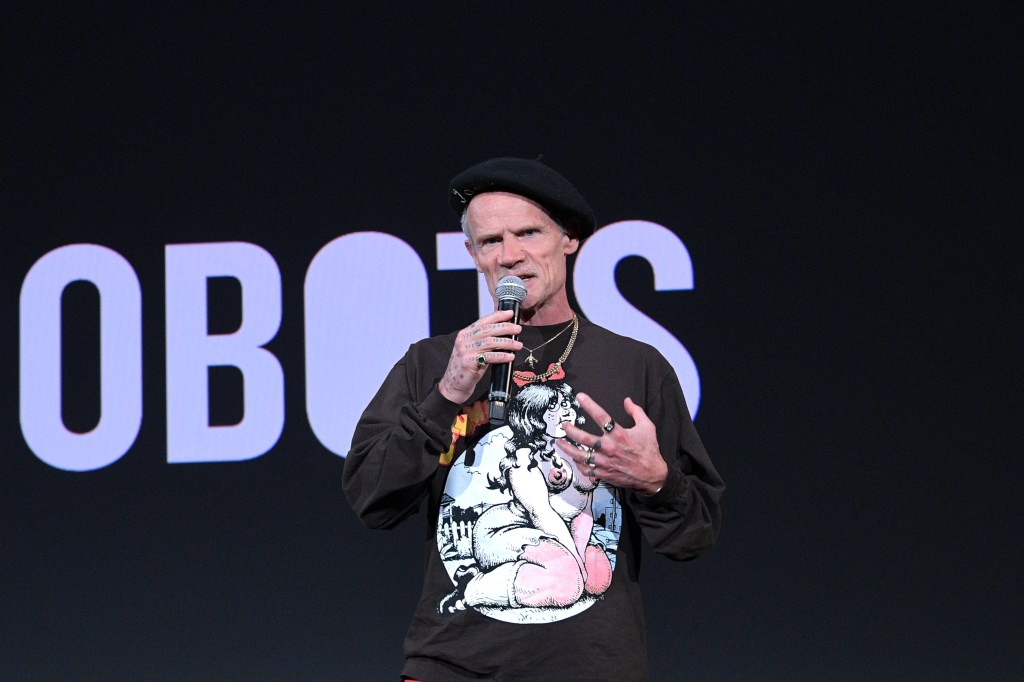
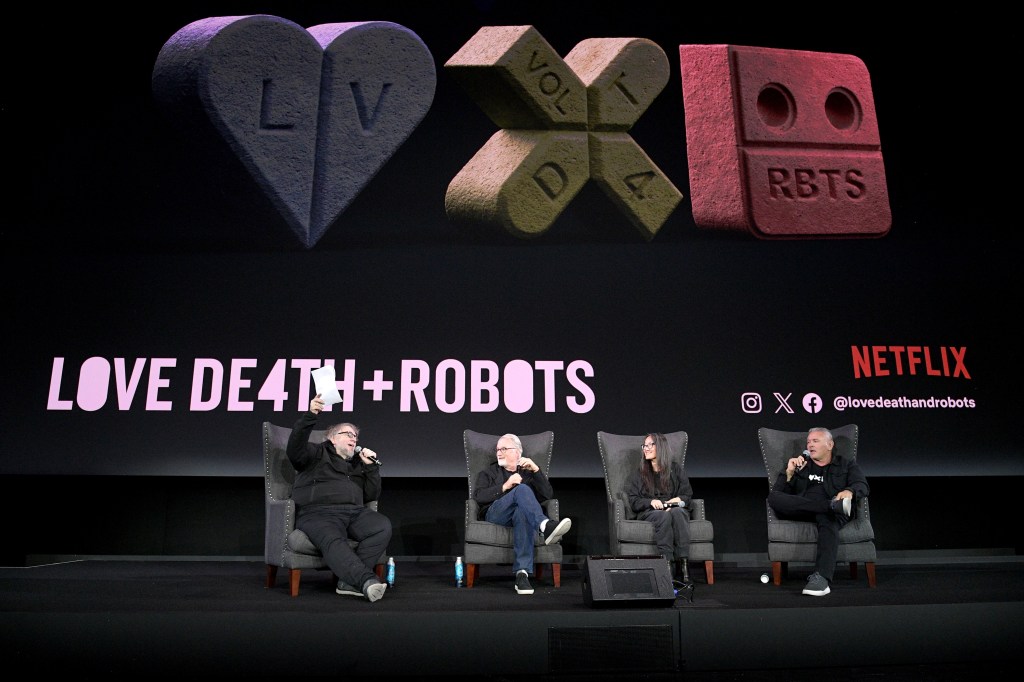
“Creativity happens on the fringe,” said Fincher — the director behind boundary-pushing cinematic classics like Seven, Fight Club, The Social Network, Gone Girl, and Zodiac. Speaking on stage at the LOVE DEATH + ROBOTS season premiere at the Egyptian Theatre in Hollywood, he was joined by fellow executive producer Tim Miller (Deadpool) and supervising producer Jennifer Yuh Nelson (Kung Fu Panda 2 & 3), and the host, director Guillermo del Toro. “It always does, and it always takes somebody — it has to be these weird flyers out there — to inform where the industry is going to go. So we’re just going to be out there.”
“Out there” also aptly describes Fincher’s contribution to the new season as a director. Having launched his career as an in-demand music video director for top artists in the ’80s and ’90s — including Madonna, Michael Jackson, the Rolling Stones, Sting, George Michael, Aerosmith, Nine Inch Nails, and Paula Abdul — Fincher returned to those roots to helm Can’t Stop. The dynamic, fully CGI-animated short features the Red Hot Chili Peppers performing their 2002 hit at an Irish castle—as marionettes on strings.
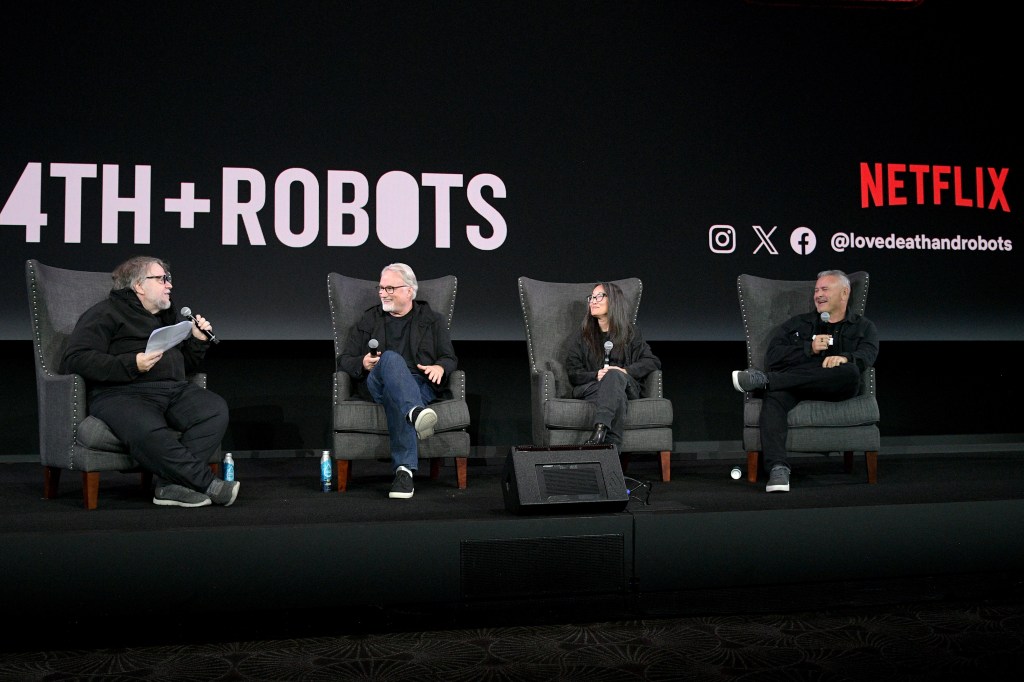
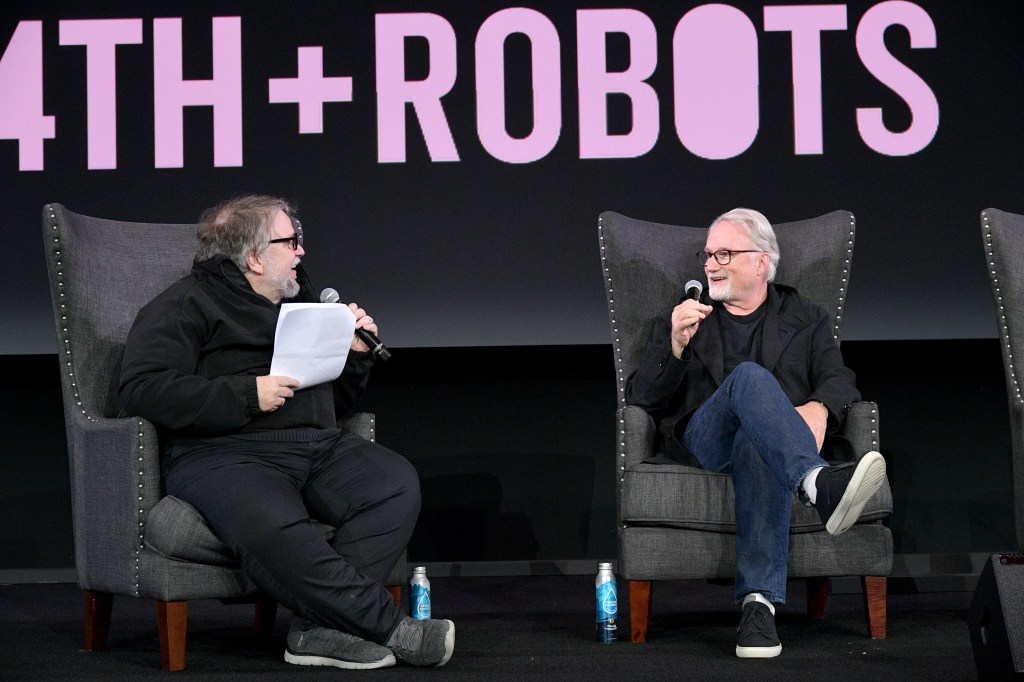
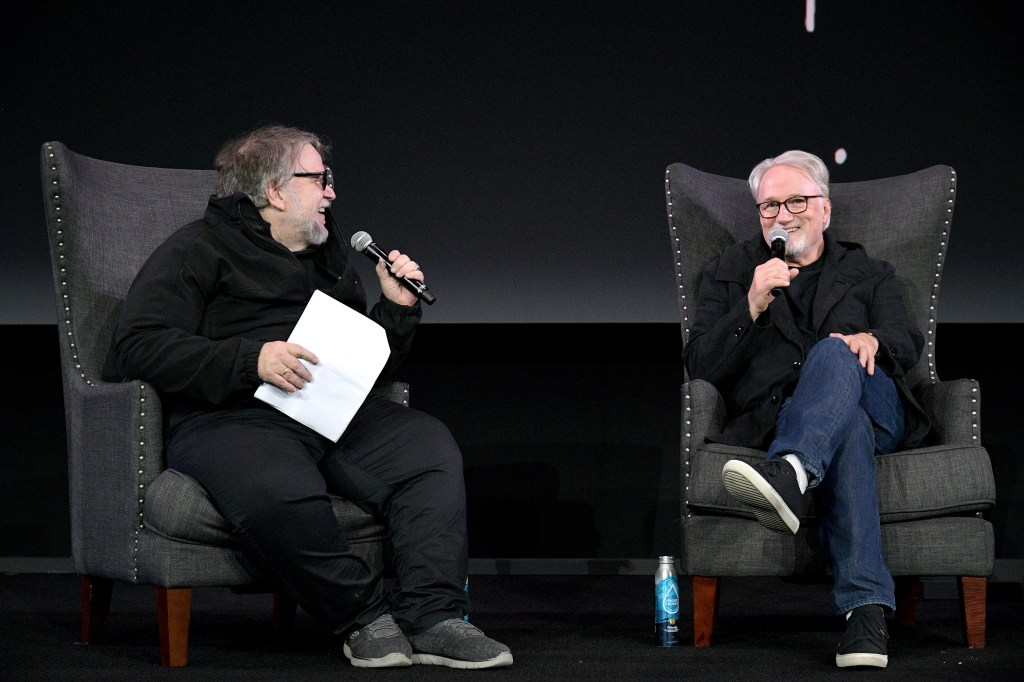
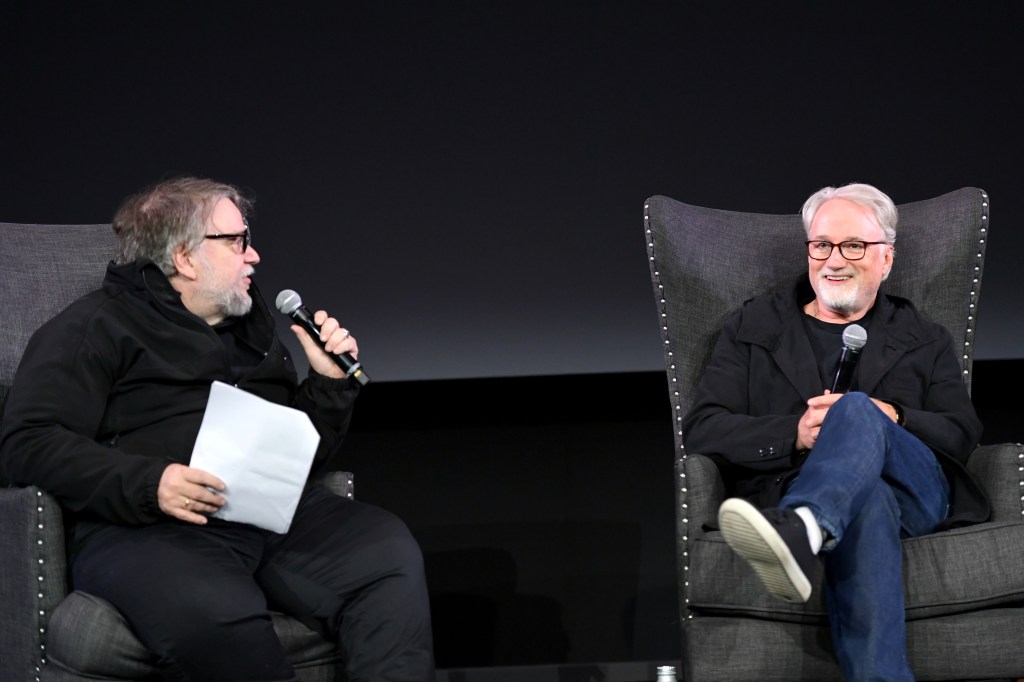
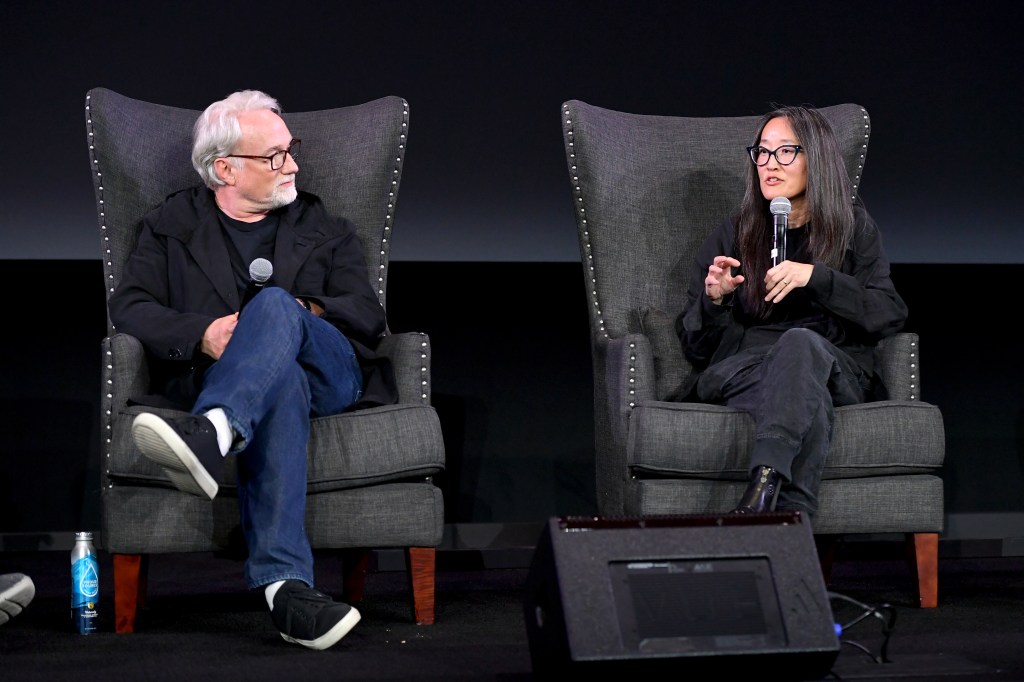
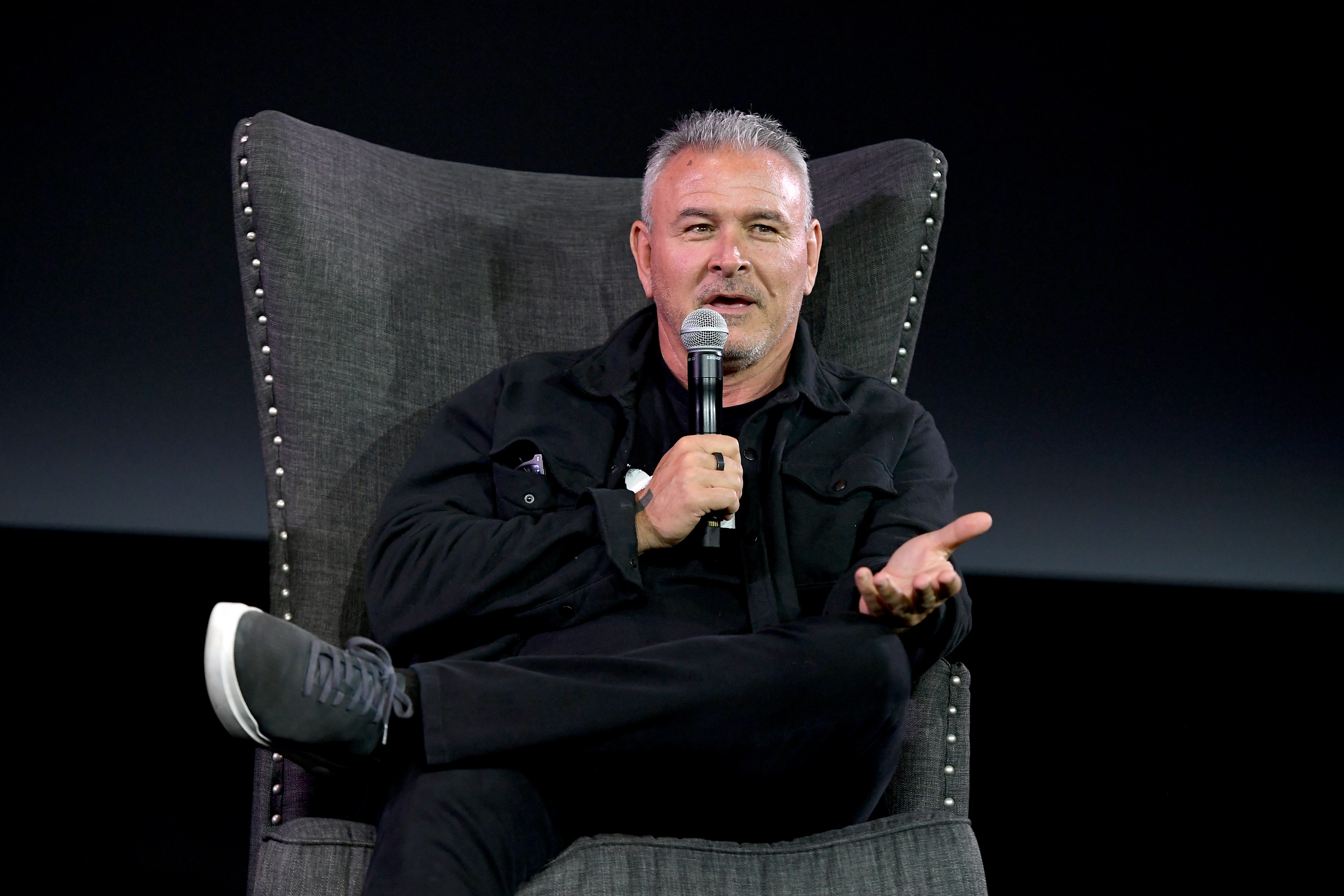
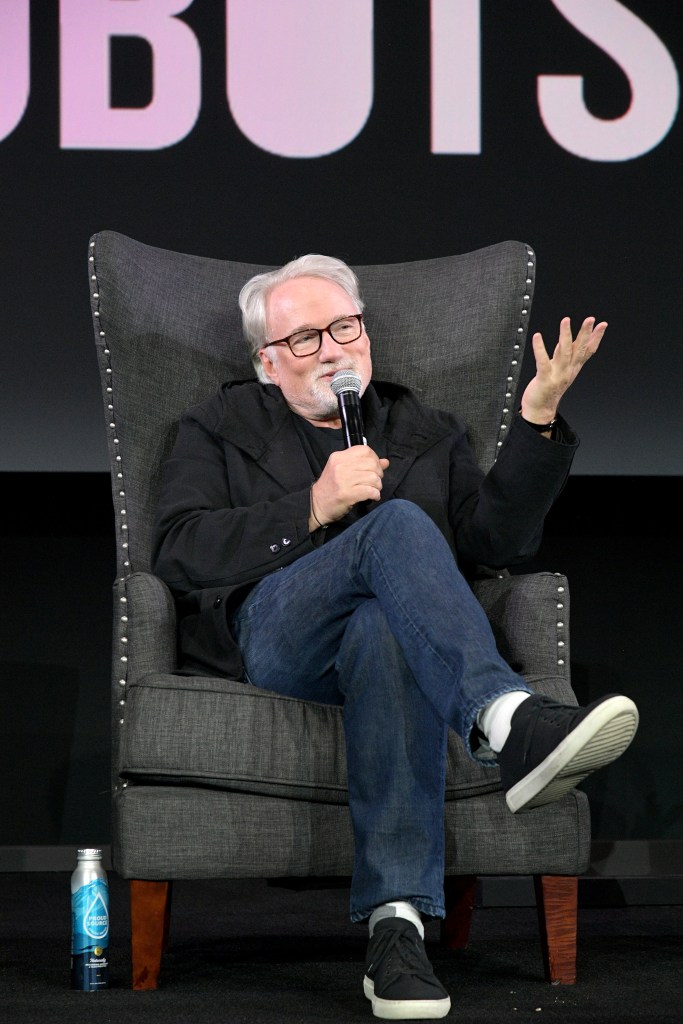
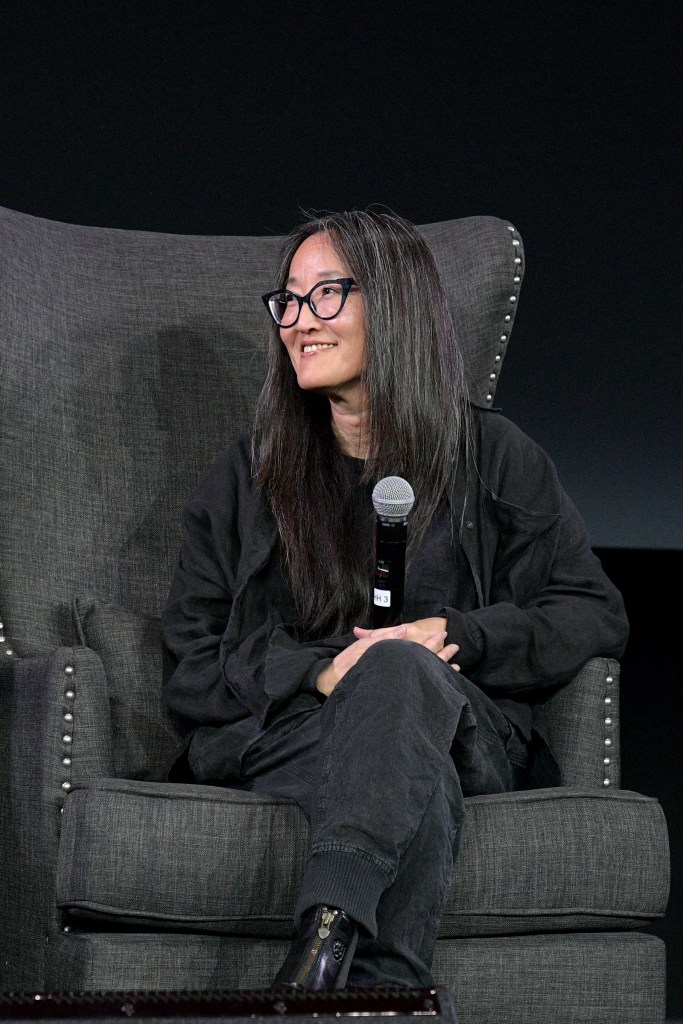
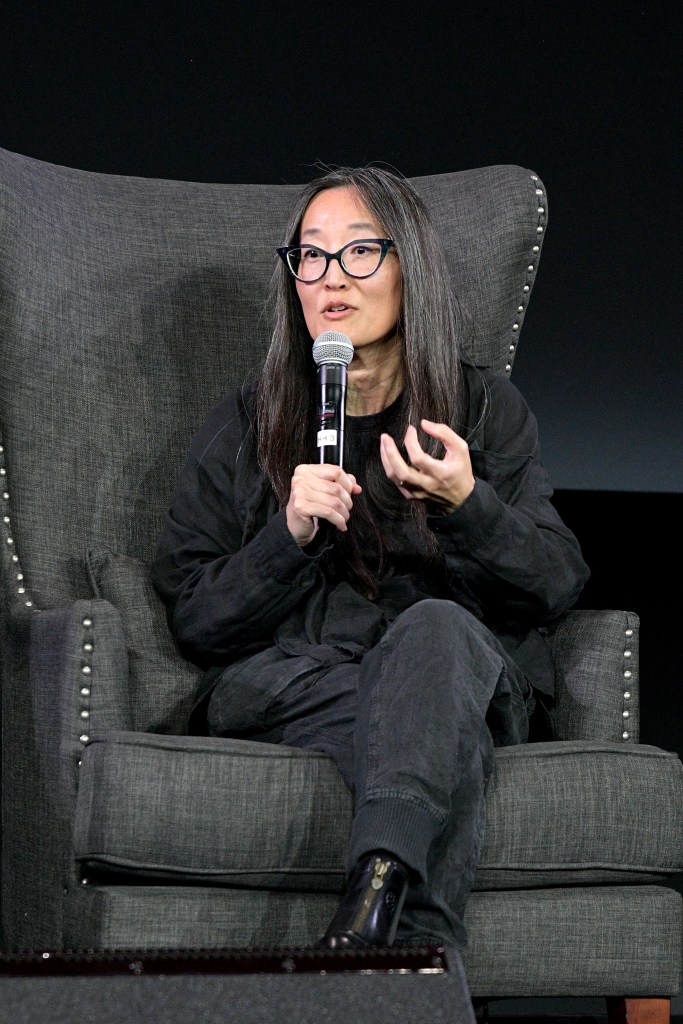
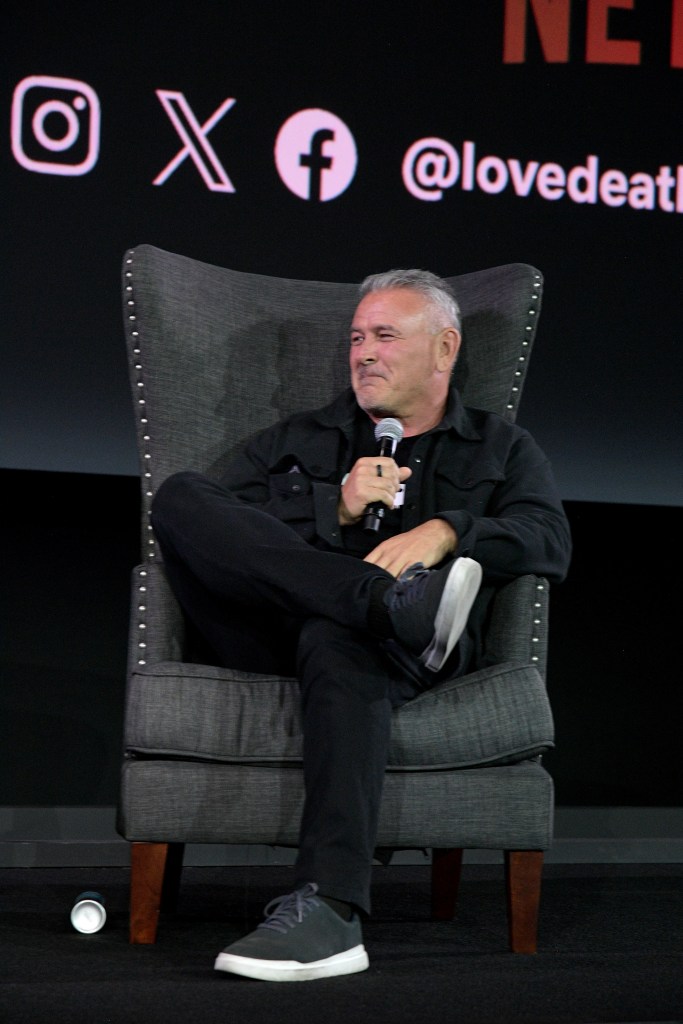
The event was recorded by Netflix, so a video should be available soon.
May 5, 2025
Featuring Directors Till Miller, Jennifer Yuh Nelson, Patrick Osborne, Emily Dean, Robert Bisi & Andy Lyon, and Voice Actors Emily O’Brien, and Sumalee Montano.
LOVE, DEATH + ROBOTS Vol. 4 Red Carpet Interview
The Movie Couple
LOVE, DEATH + ROBOTS VOLUME IV Premiere! Tim Miller, Emily O’Brien, Sumalee Montano, and more!
Temple of Geek
LOVE, DEATH + ROBOTS Vol. 4 Premiere: MR. BEAST’s Episode (Snyder Connection & Sonic 4)!
Mama’s Geeky
LOVE, DEATH + ROBOTS Season 4 Cast and Creatives on AI & How They’d Expand the Title
The Direct Extras
LOVE, DEATH + ROBOTS: Tim Miller & Cast Break Down Epic Volume 4 Episodes
Screen Rant Plus
LOVE, DEATH + ROBOTS: Tim Miller
LOVE, DEATH + ROBOTS: Jennifer Yuh Nelson, Emily Dean, & Patrick Osborne
LOVE, DEATH + ROBOTS: Sumalee Montano, Feodor Chin, & Emily O’Brien
That Hashtag Show
May 17, 2025
April 24, 2025
Netflix
Dinosaur gladiators, messianic cats, string-puppet rock stars, it can only be LOVE DEATH + ROBOTS.
The fourth volume, presented by Tim Miller (Deadpool, Terminator: Dark Fate) and David Fincher (Mindhunter, The Killer), sees Jennifer Yuh Nelson (Kung Fu Panda 2, Kill Team Kill) return as supervising director for ten startling shorts showcasing the series’ signature, award-winning style of bleeding-edge animation, horror, sci-fi and humor. Buckle up.
Among the 10 shorts included in Volume 4 is an episode directed by David Fincher. The second short he has directed after Bad Travelling (Vol. 3) is titled Can’t Stop, and it is a throwback to his early work as a music video director. “A unique take on the Red Hot Chili Peppers’ legendary 2003 performance at Slane Castle, Ireland,” it features the band members as marionette puppets, with animation by Blur Studio.
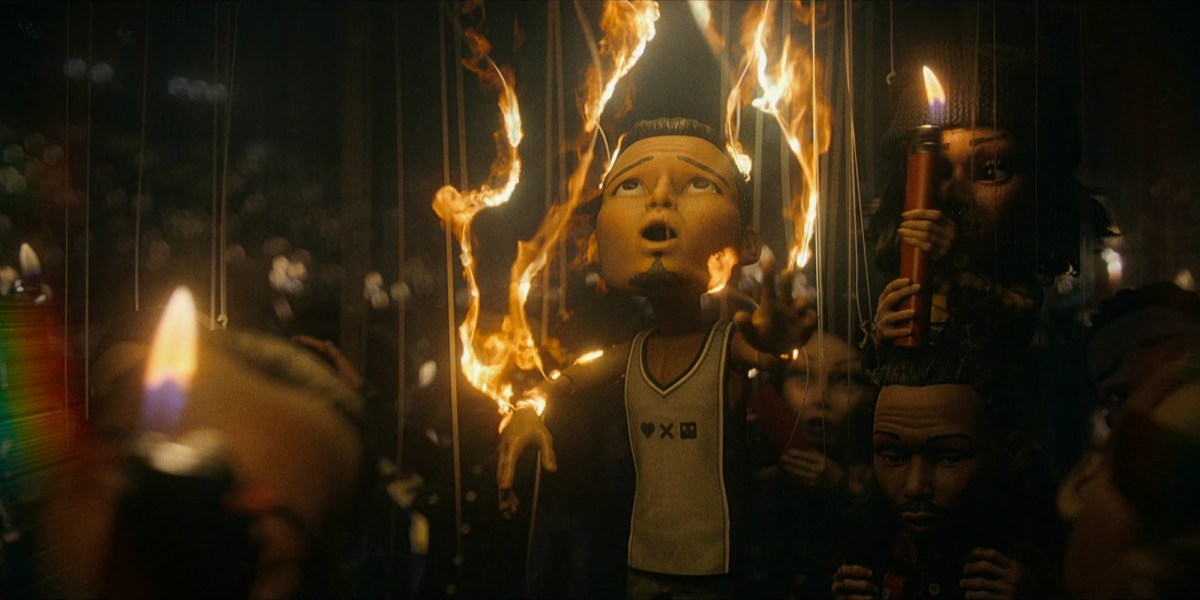
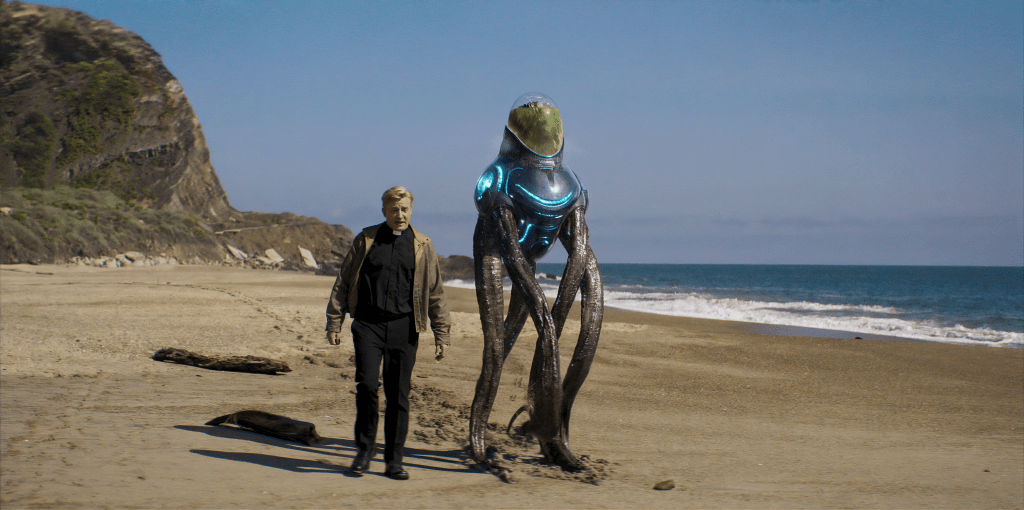
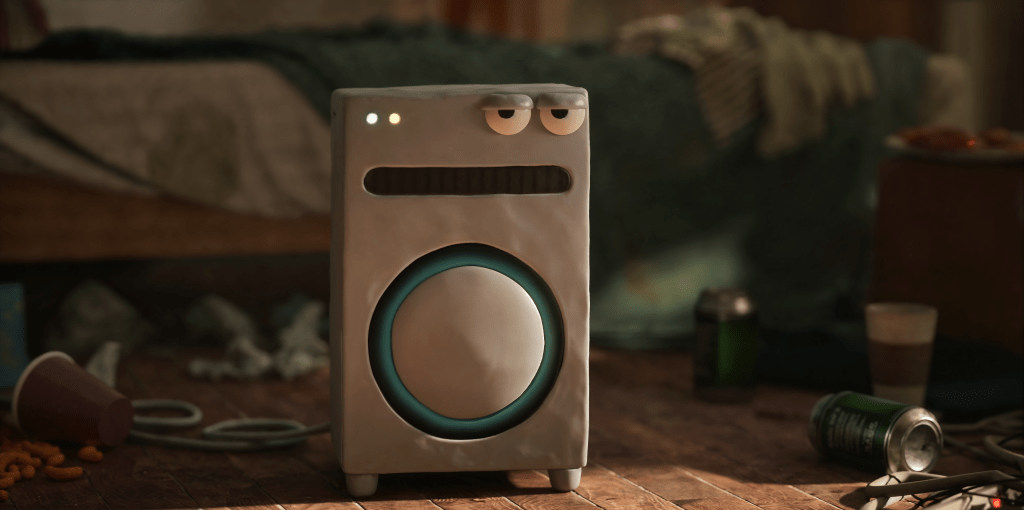
Other shorts in this Volume directed by returning directors include Spider Rose by Jennifer Yuh Nelson, set in the fantastic cyberpunk universe of Swarm (Vol. 3). Oscar-winning Patrick Osborne directs two episodes: The Other Large Thing, about a cat plotting world domination, and Smart Appliances, Stupid Owners, about household tech that revolts. Tim Miller directs another two episodes: Golgotha, “a rare live-action entry” about “dolphin Jesus”, and The Screaming of the Tyrannosaur, set in an outer space gladiatorial arena where combatants ride genetically modified dinosaurs. And Robert Valley directs 400 Boys, about a post-apocalyptic city where warring gangs follow a bushido-like code of honor.
Read the Volume 4 Guide: 2025. LOVE DEATH + ROBOTS. Volume 4
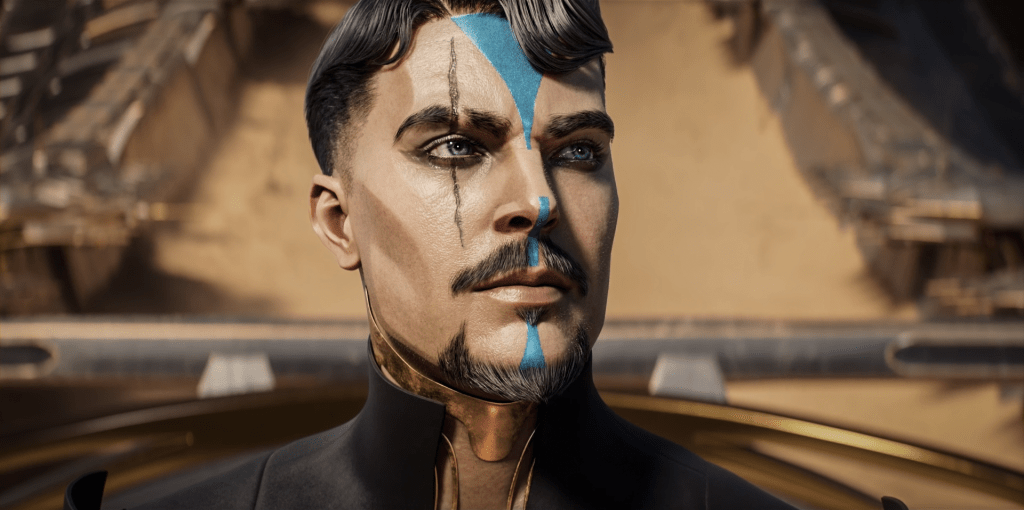
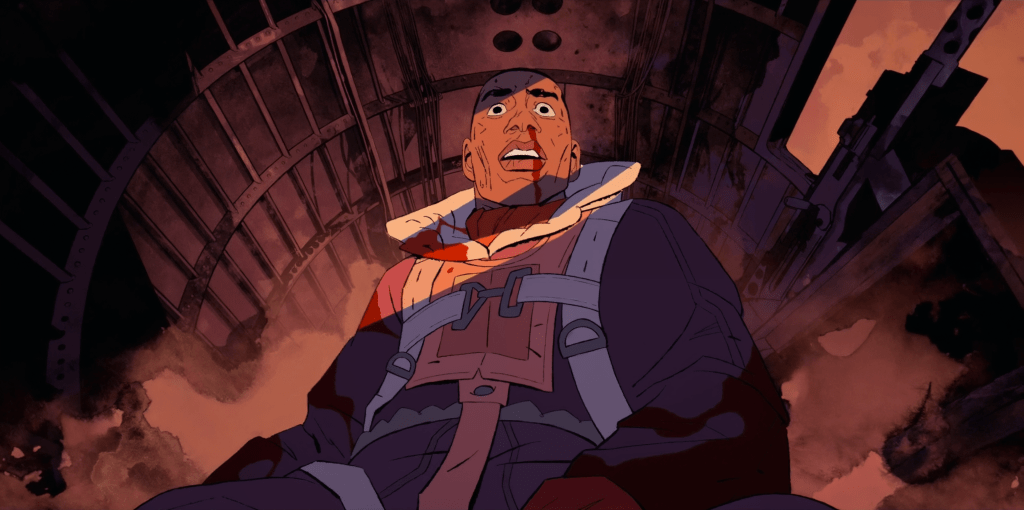
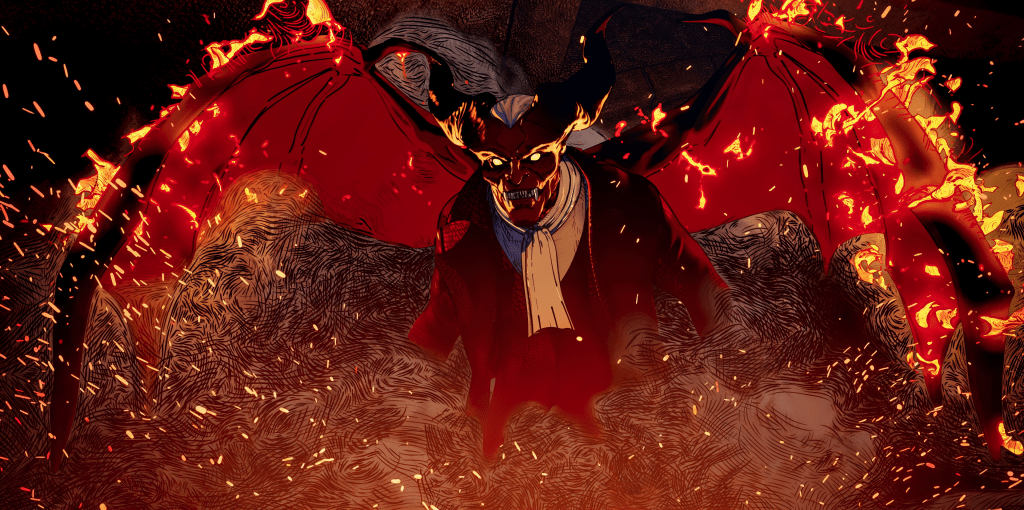
Click in the gallery below to view eleven brand-new stills:
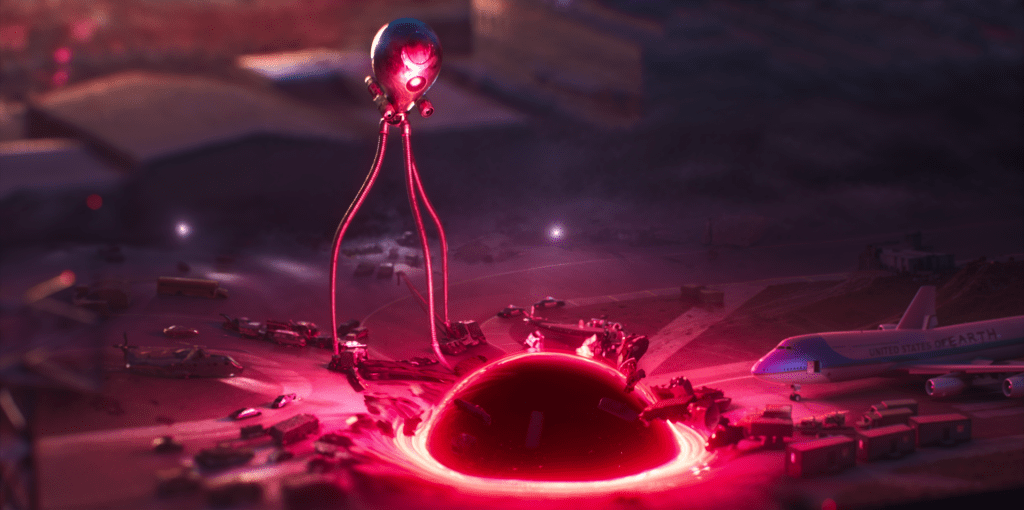
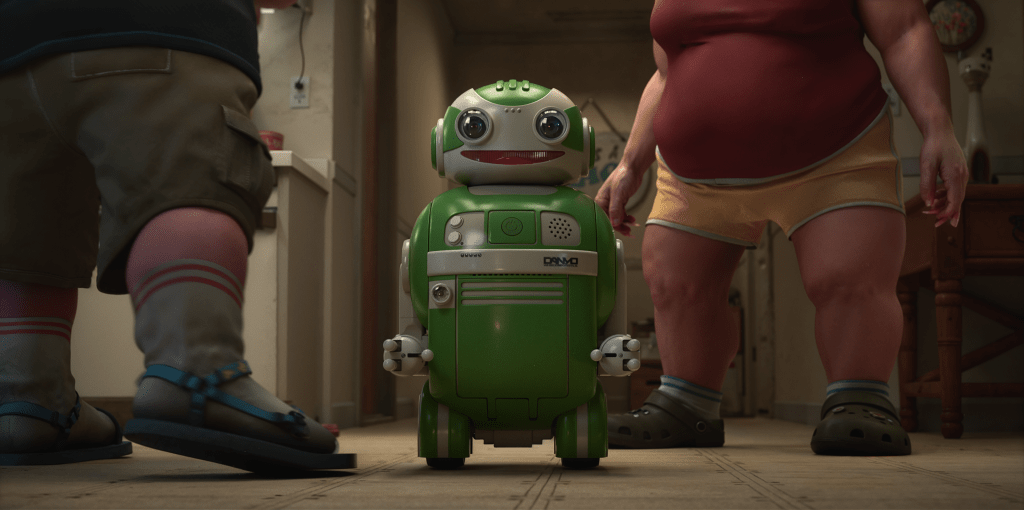
And check out the new posters designed by Neil Kellerhouse:

EXTREMING May 15, 2025, only on Netflix.