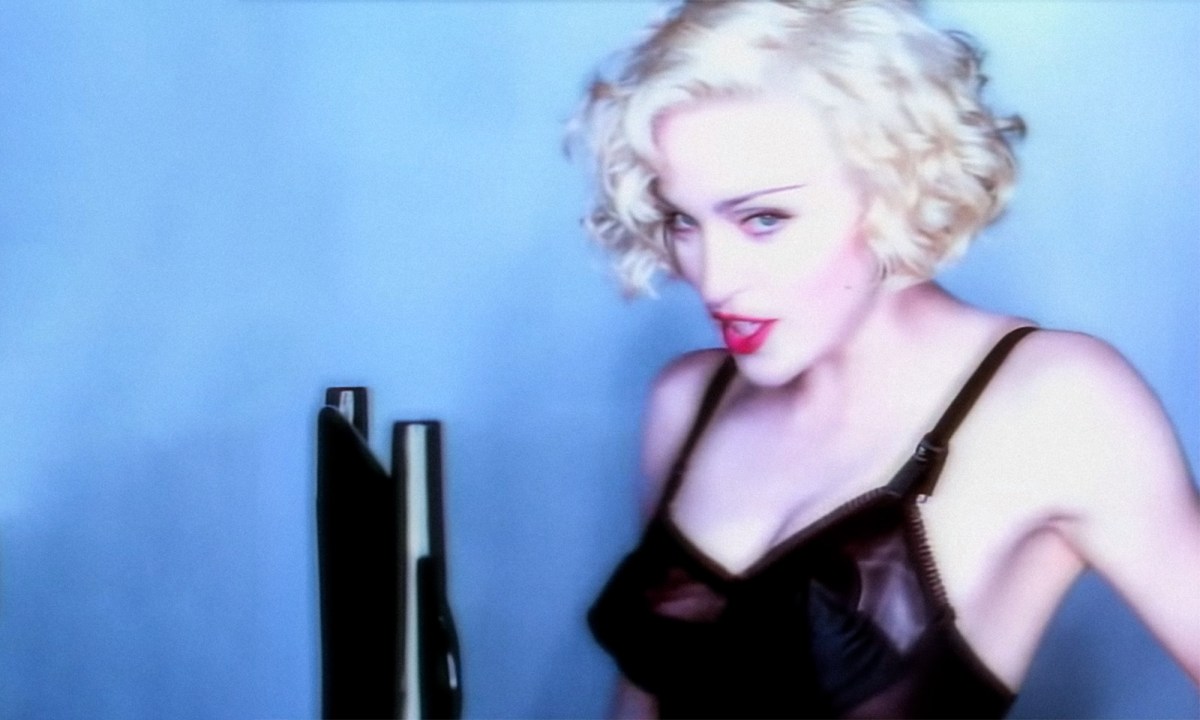
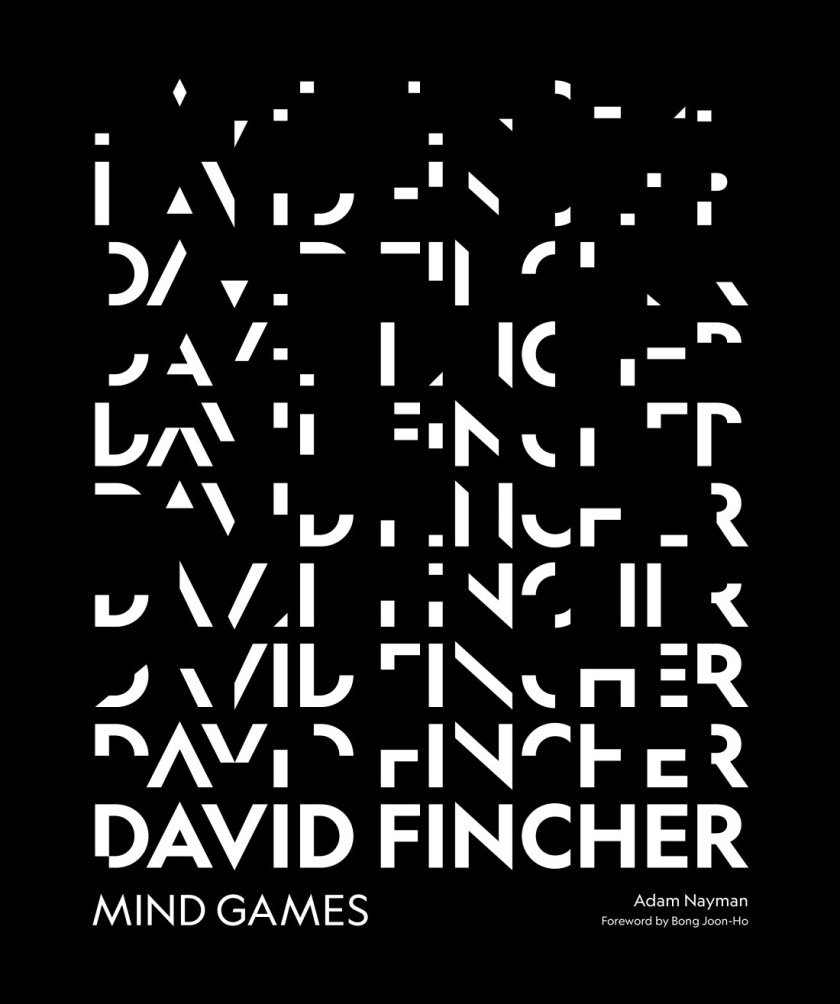
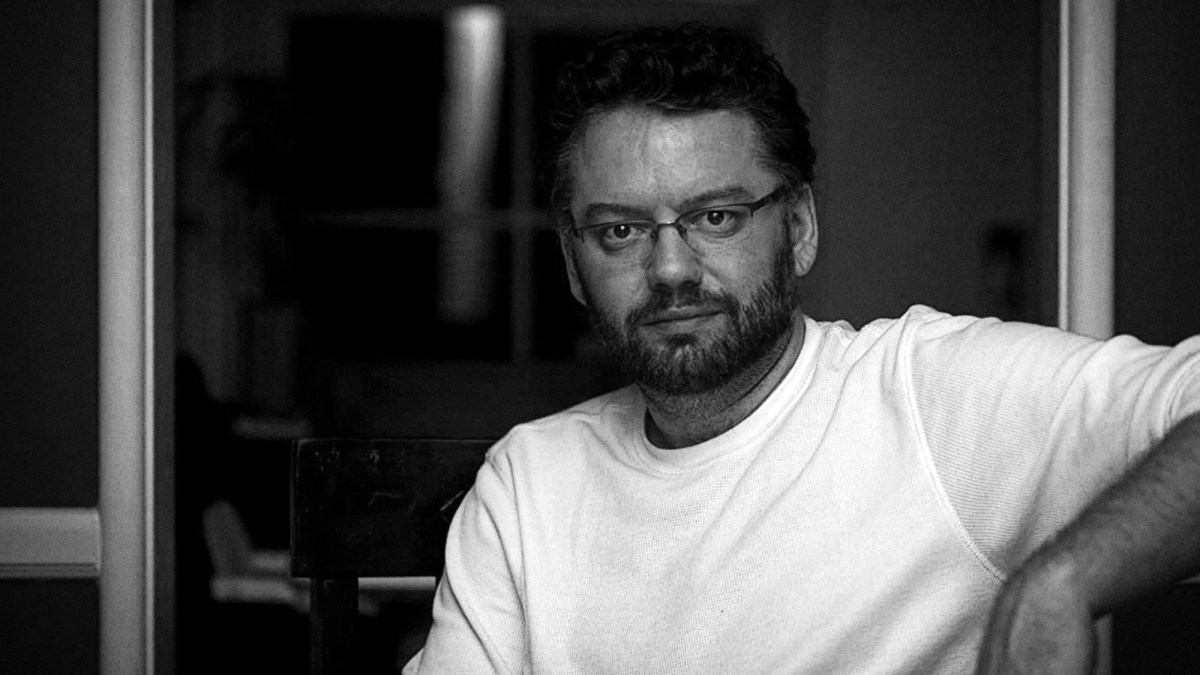
Adam Nyman is a fellow film critic and the author of several books about films and filmmakers, including but not limited to The Coen Brothers: This Book Really Ties the Films Together (2018) and Paul Thomas Anderson: Masterworks (2020). (Though we’ve never crossed paths in person, he also teaches in the department where I did my Master’s program.) He opens Mind Games with a dedicated discussion of the decade or so before Fincher ever made his narrative feature debut with ALIEN³ (1992), but then continues to come back to his commercial and music video work for the remainder of it, wisely treating his adman past as, well, more of an adman present. A few weeks back, Adam and I chatted for an hour about Fincher’s short-form oeuvre, but also his features because—again—the two aren’t as discrete as a lot of people believe. Our conversation has been edited for clarity, but not really so much for length.
There’s a specificity of intention to David Prior’s “The Empty Man” that eludes most studio horror projects. Inspired by the Boom Studios! comic (created by writer Cullen Bunn and artist Vanessa del Rey), Prior’s debut could have been a success story were the movie released under different circumstances. Inherited by Disney following the Fox merger, and dumped into theaters mid-pandemic, “The Empty Man” certainly wasn’t given the A24Ari Aster treatment, which is a shame, as Prior’s film would make an outstanding, grief-tinged double feature with “Midsommar” or “Hereditary,” though its shape is far more chimerically hypnotic.
Laying somewhere in the cosmic ether between David Fincher’s serial killer films, “Se7en” and “Zodiac,” Prior’s sepulchral vision slithers like a paranormal odyssey in the guise of a J-horror procedural a la Kiyoshi Kurasawa’s “Cure,” veteran character actor James Badge Dale aiding in making detective work look effortless through a mesmerizing lead performance. “We go looking for things we have lost… More than that, there is no such thing as loss,” a mysterious cult leader, played by Stephen Root, preaches
Audiences missed out on “The Empty Man,” but it’s deservedly found a devoted following. “If the price of making the movie I wanted to make meant getting abandoned by the studio and left to be picked up by passionate people who saw it on their own, that’s not a bad outcome.” Prior told us, “At least it’s the movie I wanted to make. It wasn’t some highly compromised, shortened, messed up version of that probably would have gotten more support from the studio but it would have vanished from everybody’s mind as soon as they saw it.”
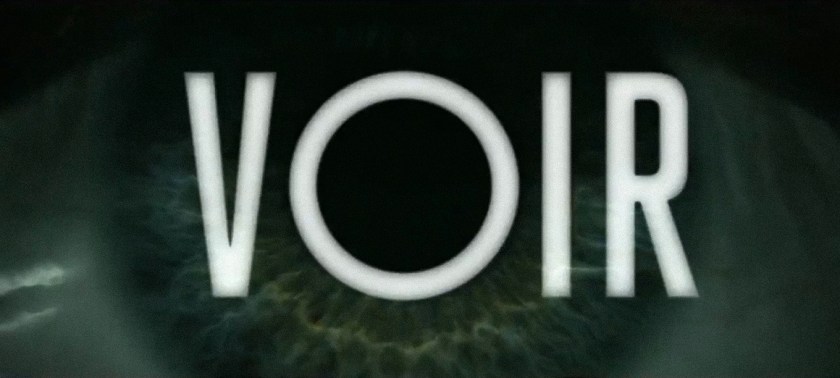
Prior was later approached by David Fincher (for whom he used to direct documentaries) about a new film appreciation series, titled “Voir.” Scheduled to debut at AFI Fest this month, Netflix’s video essay project spotlights “passionate voices that love movies… highlighting the elements that get people excited about cinema.”
In a time when streaming services threaten to swallow up the theatrical experience, “Voir” is an essential look back at what makes film uniquely hypnotic. “Movies cornered the cultural conversation throughout the 20th century.” Prior told us. “It was the art form of the 20th century… [movies] don’t hold the same place in cultural thinking they used to and there’s a lot that’s important being lost.”
No great film deserves to be forgotten, and Prior is keenly aware platforms like Netflix now hold the keys to Hollywood’s kingdom, as “custodians to the cinematic experience.” “The Empty Man,” may not have mopped up box office dollars but revealed its director to be as impassioned and skilled a filmmaking scholar as David Fincher. We were fortunate to sit down for an extensive chat with him ahead of “Voir’s” upcoming premiere. Eerily, both his debut film and new Netflix series stemming from an obsession with “Jaws,” the legendary Steven Spielberg, a fervent supporter of his film appreciation project.
Jeremy is a screenwriter and producer who has written films, computer games, novels, events, and primetime television globally for over two decades.
Each Drysdale Exchange will showcase a penetrating one-on-one interview with an entertainment industry specialist, designed to illuminate an area of film, television, writing, or music which is not generally addressed in the mainstream.
David Fincher called Nev Pierce‘s directorial debut, Bricks, a “classy take on a morbid classic”. Mark Romanek labeled his fourth short Promise“superbly done”. His other films (Ghosted, Lock In) are well praised, too, and not just by A-list directing talents. He’s seen his work played at festivals worldwide, including Fantasia, FrightFest, and the London Short Film Festival. He has various features in development as a director and is also a contributing editor for Empire Magazine.
Today, I sit down with legendary screenwriter Eric Roth.
We talk about his life and his craft and why we should all be more generous of spirit. Truth be told, Eric has been involved in creating so many iconic films that it would have been impossible to try… so I asked him about the films of his that meant the most to me, and he held court and digressed in the loveliest of ways. I hope you have as much fun listening as I did recording this interview. Enjoy!
Eric’s credits include: The Nickel Ride, The Drowning Pool, The Onion Field, Forrest Gump (for which he won an Oscar), The Postman (for which he won a Razzie), The Horse Whisperer, and then one of my favorite films ever, The Insider, followed by Ali, Munich, The Good Shepherd, and The Curious Case of Benjamin Button. He’s also worked in Television, and seen not one but two sea changes, first with HBO, and then with Netflix and House of Cards. And much more recently he wrote A Star Is Born, Dune, and the new Western being Directed by Martin Scorsese, Killers of the Flower Moon. He was also a producer on the Oscar nominated Mank, directed by David Fincher, from a script by Fincher’s father.
Today we welcome back the legendary Eric Roth. An Oscar-Winning Screenwriter & Producer.
We talk about how he writes, and blends craft with pure inspiration. He talks about working with Robert Redford. We re-visit Munich & The Good Shepherd. He talks about being re-written, and his unique creative partnership with Bradley Cooper & Lady Gaga on A Star Is Born. And last but not least, we talk about writing the new Dune film which he thinks just might be something very special.
It’s a wonderful conversation with one of the very best working in Hollywood today, whose generous not only with his talent, but his spirit. Dig it!
Recommended Viewing: The Horse Whisperer, Munich, The Good Shepherd, A Star Is Born (2018), and Dune (See it in IMAX on October 22, 2021)
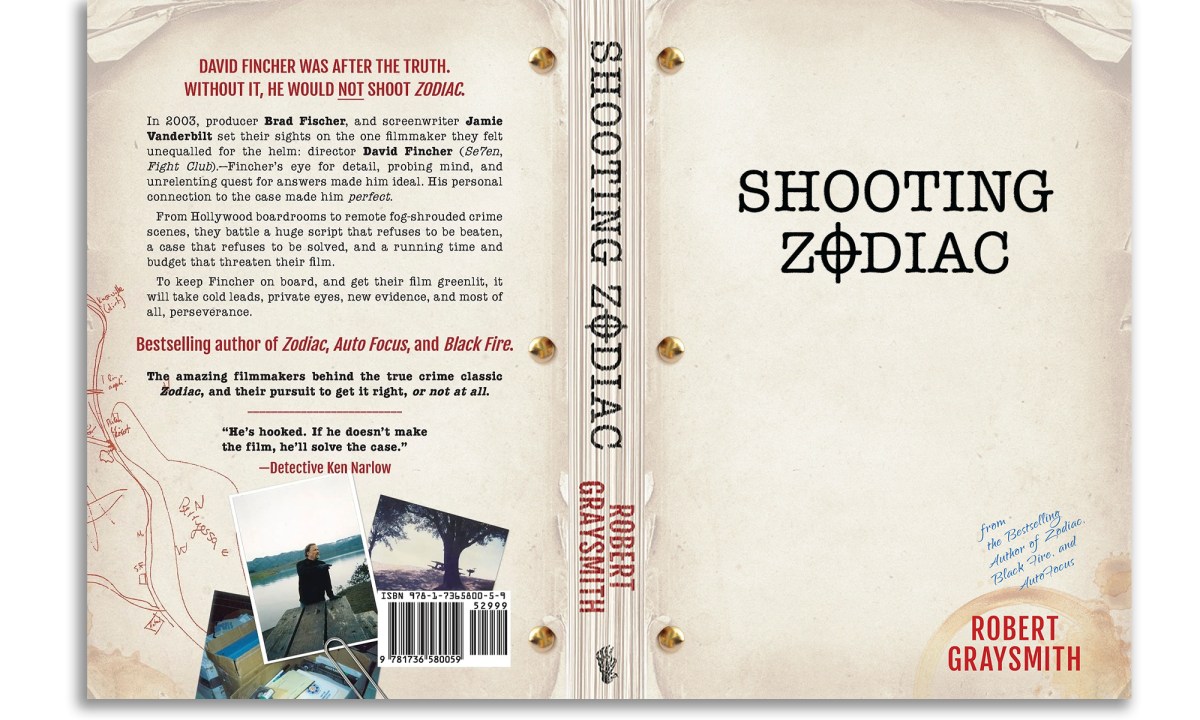
For nearly two decades, Hollywood had been trying to make a movie of Zodiac, and for nearly two decades, it had failed. In 2003, producer Brad Fischer, and screenwriter Jamie Vanderbilt attempted the undoable, and set their sights on the one filmmaker they felt unequalled for the helm: director David Fincher (Se7en, Fight Club). Fincher’s eye for detail, probing mind, and unrelenting quest for answers made him ideal. His personal connection to the case made him perfect.
Author Robert Graysmith, director David Fincher, producer Brad Fischer, and screenwriter James Vanderbilt: “The Untouchables” (Photo: Margot Graysmith)
From Hollywood boardrooms to remote fog-shrouded crime scenes, they battle a huge script that refuses to be beaten, a case that refuses to be solved, and a running time and budget that threaten their film. Follow as they track down missing witnesses, gather the original investigators, visit the original crime scenes, discover boxes of Zodiac case files from an attic, unearth new clues, a videotape of the prime suspect’s police interrogation, and a surviving victim who doesn’t want to be found. To keep Fincher on board, and get their film greenlit, it will take cold leads, private eyes, new evidence, and most of all, perseverance.
About The Author
Robert Graysmith in 2012. Photo: Russell Yip / The Chronicle
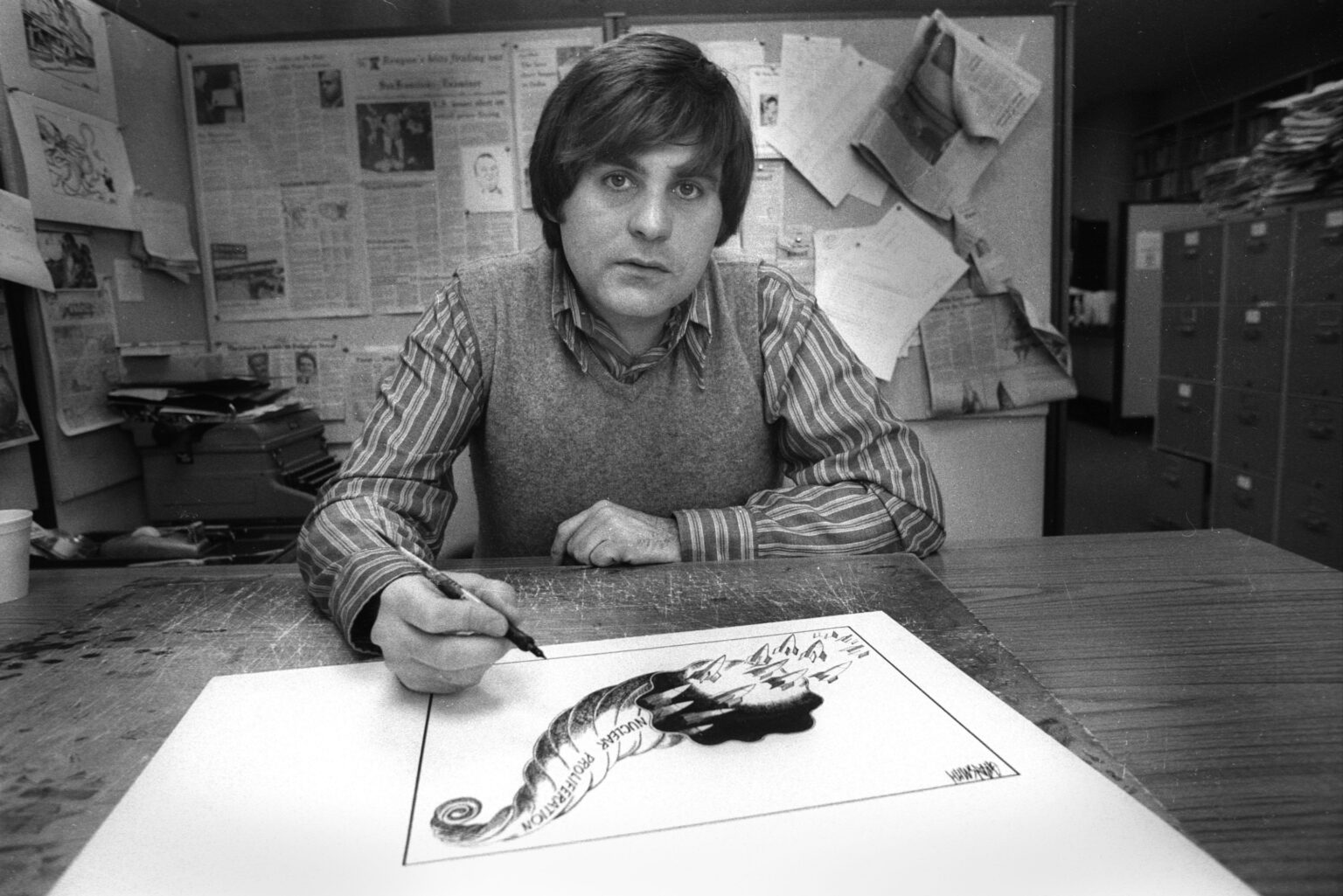
Robert Graysmith (Facebook) is an author and illustrator. He was the political cartoonist for the San Francisco Chronicle when the letters and cryptograms from the infamous Zodiac killer began arriving to the paper. He was present when they were opened in the morning editorial meetings, and has been investigating & writing ever since. He lives in San Francisco where he continues to write and illustrate. He is best known for his books “Zodiac” and “Zodiac Unmasked”.
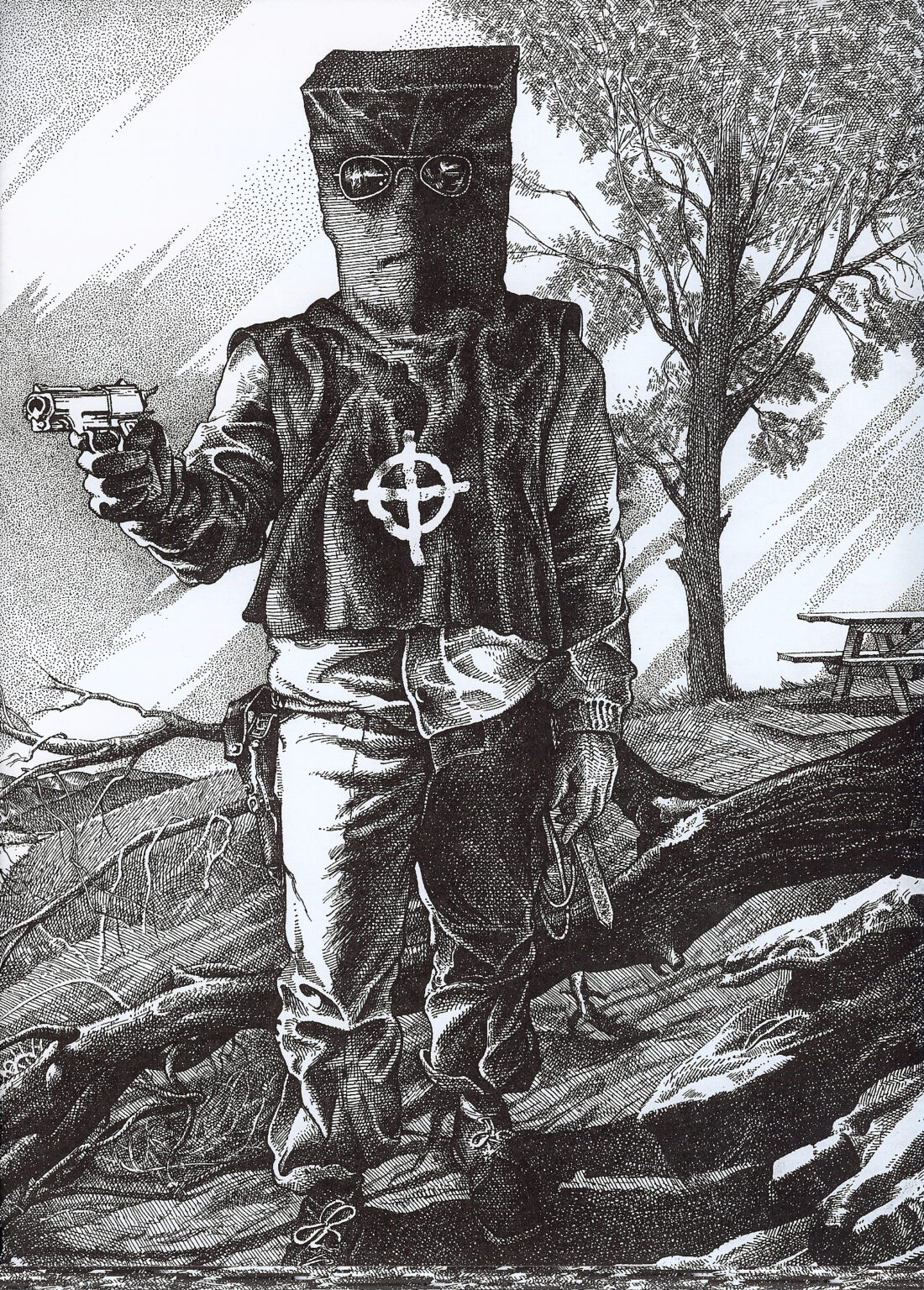
“Zodiac in Costume at Lake Berryessa,” by former Chronicle cartoonist Robert Graysmith. Surviving victim Bryan Hartnell personally described the costume in detail to Graysmith, after his, and Cecilia Shepherd’s, encounter with the Zodiac on Sept. 27, 1969. Photo: Robert Graysmith
Robert Graysmith, political cartoonist for The San Francisco Chronicle, in 1977. Photo: Gary Fong / The Chronicle
BOOKS
Robert Graysmith wrote the definitive Zodiac Killer book. He breaks decade-long silence to tell us about his upcoming projects
For a fairly famous guy, author Robert Graysmith doesn’t get out much. He hasn’t been heard from in public for about a decade, and he rarely leaves his San Francisco home.
The 78-year-old Graysmith has been crafting manuscripts at such an astonishing pace, printing them out as he goes along, that they now stand in a 5-foot-high stack that breaks down into what he says will be 34 books, ranging from children’s tales and historical explorations to true crime and fictional legends. Most just need a few final touches and editing, he said.
These days, Graysmith is working with a new publisher he knows well: his 50-year-old son, Aaron Smith.
The first in this voluminous new string landed on online sites like Amazon at the end of August, the 383-page “Shooting Zodiac,” which documents the planning that went into making the movie “Zodiac.”
“It’s much more fun working with Aaron on these things, because he can put them out quickly,” Graysmith said. “I figured out you’re going to wait about three years to get a book done, and then you hand them the book, and they’re going to spend a lot of time and then they won’t do anything for another year or so. With Aaron, we can get the book edited and out there in a few months.”
Graysmith’s son — who uses the last name his dad used before he merged Gray and Smith — said he wasn’t really surprised when he realized how many pages his dad had in the hopper.
“Writing is pretty much all he does,” Smith said by phone from his home in Southern California, “and the illustrations.”
Graysmith said he started working on his engagingly told “Shooting Zodiac” before the movie came out, as he was being bowled over by the dedication director David Fincher, producer Brad Fischer and screenwriter Jamie Vanderbilt put into the project. They combed over the same material Graysmith had in his books “Zodiac” and “Zodiac Unmasked” to rebuild and advance his narrative around the only suspect ever named by police, Arthur Leigh Allen of Vallejo.
Watching them work was “a marvelous adventure,” Graysmith said.
The new book is as much about greenlighting the movie and hiring actors like Jake Gyllenhaal, who played Graysmith, as it is about how the three filmmakers did their research. It’s also probably the last thing Graysmith will write about the Zodiac, he and his son said.
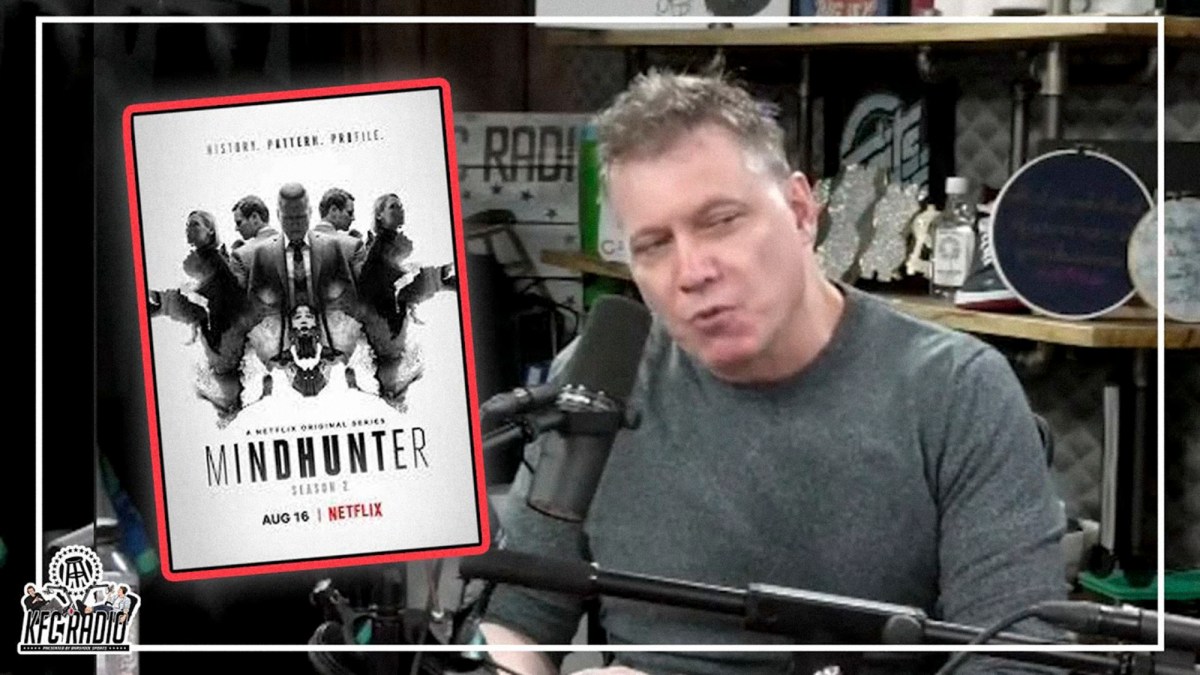
Holt McCallany stops by the show to talk about his role in Wrath of Man with Jason Statham. We discuss talk about his time playing Bill Tench in Mindhunter, how he got linked up with David Fincher, and whether or not he’d like to see Mindhunter return. (min. 1:18:54)
The Team Deakins podcast is an ongoing conversation between acclaimed cinematographer Roger Deakins and James Deakins, his collaborator, about cinematography, the film business and whatever other questions are submitted. We start with a specific question and end….who knows where! We are joined by guests periodically. Followup questions can be posted in the forums at rogerdeakins.com.
Team Deakins delves into the craft of production design with the great production designer, Donald Burt (The Curious Case of Benjamin Button, Hostiles, Mank). We loved hearing about his path to the film business! We talk about his first movie as production designer, Joy Luck Club – quite a film to start on! He shares his methods of working with a director and how he doesn’t want to draw attention to what he is doing and that he wants to be supportive and serve the story first. We also touch on how restrictions and limitations breed imagination, his approach to sets vs locations, and how you can’t be afraid of articulating a stupid idea. And, we also speak about the making of Mank, The Outlaw King, and Zodiac. As well as much, much more!
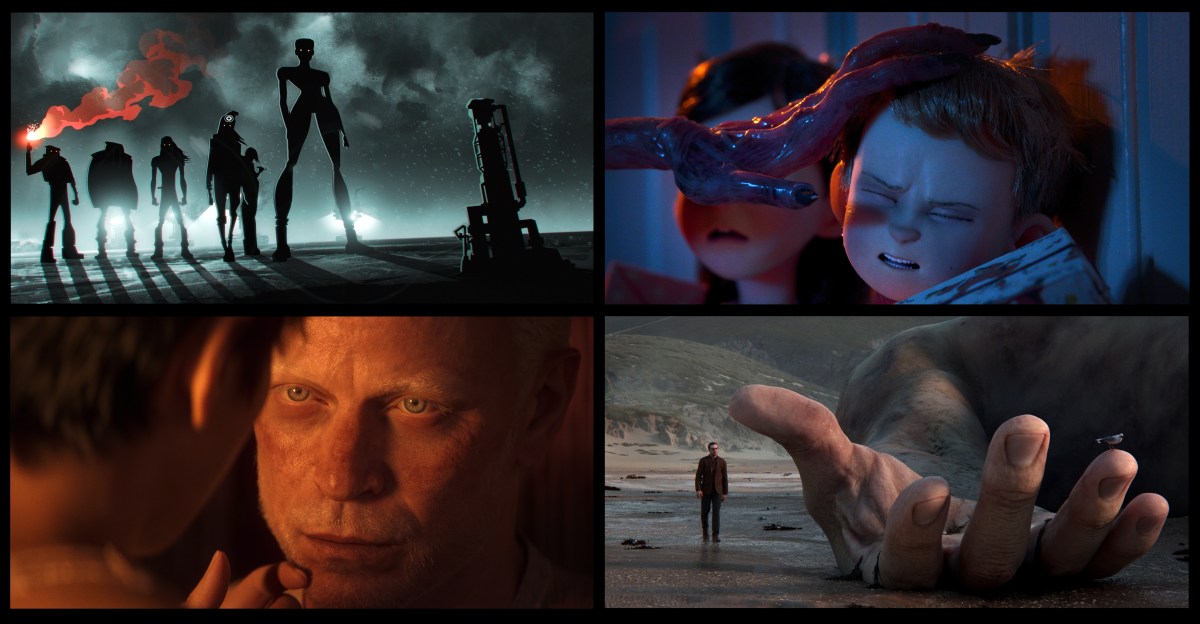
In Season 2 of Neflix’s “Love, Death & Robots,” the adult animated anthology from executive producers David Fincher and Tim Miller (“Deadpool”) continued its embrace of survival and immortality in strange dystopian environments. However, there were eight shorts instead of 18 and a greater emphasis on philosophizing, with some directors stepping out of their comfort zones.
Indeed, the sci-fi anthology, produced by Blur Studio for Netflix, so impressed the TV Academy that it was awarded four juried prizes on Wednesday: Robert Valley, production designer (“Ice”); Patricio Betteo, background artist (“Ice”); Dan Gill, stop-motion animator (“All Through the House”); and Laurent Nicholas, character designer (“Automated Customer Service”).
“We tried to elevate the stories further and to give deeper explorations of some of these adult themes,” said supervising director Jennifer Yuh Nelson (“The Darkest Minds” and the “Kung Fu Panda”sequels). “So it was very much like a curating process to go from finding these amazing stories and these amazing authors [including Harlan Ellison and J.G. Ballard] and then matchmaking really interesting and talented directors to let them do something [different].”
Chapters: 00:00 Intro — How David Fincher became a Filmmaker 02:01 Early Career & Return of the Jedi 03:18 Shot Composition and Blocking 06:19 “Relentless” Number of Takes 11:02 Directing with Precision 13:43 Color Theory & Creating the Look 15:48 Create a Feeling (Production Design & Music) 19:35 Final Takeaways
David Fincher is a director’s director. His reputation for having complete control over his work is well-known but many directors have had similar power. So, what makes his approach to film directing so captivating? In this David Fincher video essay, we’ll let the man speak for himself. Through a collection of interviews from throughout his career, Fincher guides us through some of the strongest characteristics of his directing style.
To date, over the past four decades, David Fincher has directed a plethora of music videos, commercials, and 11 feature films. Along the way, he has refined his directing style which can be summed up in two words: precise and purposeful. When watching any David Fincher movies, you would be hard-pressed to find an out-of-place camera movement, or a lazy frame composition. One lesson we learned from Fincher is how he balanced and imbalanced the frame during Nick and Amy’s first meeting in Gone Girl to show the “push and pull” of their flirting.
Another well-known staple of the David Fincher directing style is his predilection for shooting multiple takes. He famously shot 99 takes of the opening scene in The Social Network, for example. But there’s a method to his madness — he wants the actors to move “beyond muscle memory” especially in their domestic environments. In Fincher’s logic, when the actor sits on their couch, they need to have sat in it a hundred times to make it look like they’ve sat in it a hundred times.
Fincher also explains how he creates mood and tone with lighting, color, and music. With a darker frame, desaturated color, and the brooding tones of Atticus Ross and Trent Reznor, there certainly is a distinct experience watching David Fincher films. While all of this sounds extreme, the proof that he’s doing something right is visible on-screen.
♬ Songs used:
“Father / Son” — Makeup and Vanity Set “Subdivide” — Stanley Gurvich “Switchback” — Nu Alkemi$t “Battle in the Forest” — Charles Gerhardt – National Philharmonic Orchestra “Chasing Time” – David A. Molina “Sugar Storm” – Trent Reznor & Atticus Ross “Soul Sacrifice” – Santana “Graysmith Obsessed” – David Shire “Intriguing Possibilities” – Trent Reznor & Atticus Ross “Wendy Suite” – Jason Hill “Under the Midnight Sun” — Trent Reznor & Atticus Ross “14 – Ghosts II” – Nine Inch Nails “Corporate World” – The Dust Brothers “Appearances” – Trent Reznor & Atticus Ross “With Suspicion” – Trent Reznor & Atticus Ross “What Have We Done to Each Other” – Trent Reznor & Atticus Ross “Cowboys and Indians” – Trent Reznor & Atticus Ross “San Simeon Waltz” – Trent Reznor & Atticus Ross “Fool” – Ryan Taubert “Where Is My Mind” – The Pixies






 The Fincher Analyst