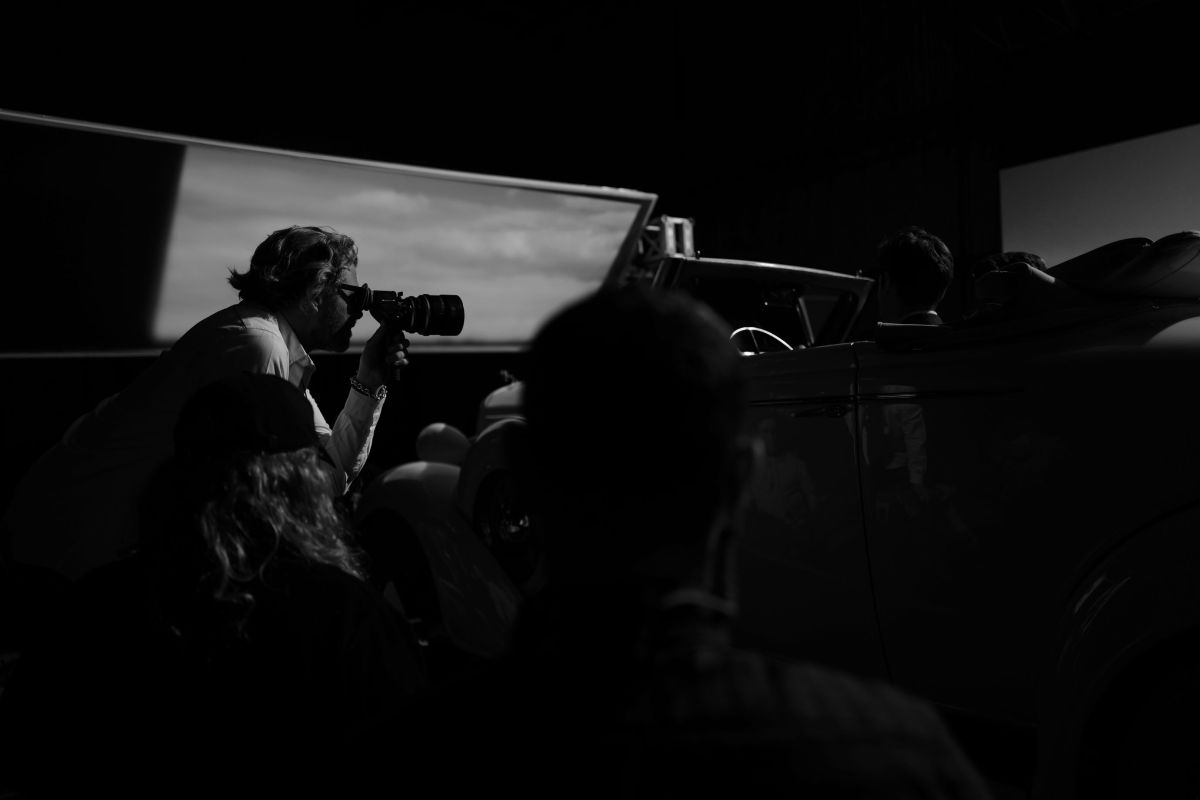
‘Mank’ Cinematographer Erik Messerschmidt on Recreating 1930s Hollywood with David Fincher

The DP sheds light on why they didn’t shoot on film, shooting day-for-night, and how they shot those massive dinner party scenes.

Adam Chitwood
December 8, 2020
Collider

Shooting your first movie as a cinematographer is always a somewhat daunting prospect, but imagine your first movie is a 1930s-Hollywood set story about the writing of one of the greatest films ever made, boasting a cast of some of the best actors working today. Oh, and it’s in black-and-white. And the director? David Fincher.

That’s exactly what happened to Erik Messerschmidt, who got the call from Fincher that the director behind Zodiac, The Social Network, and Fight Club wanted him to be the cinematographer on his next film, Mank. The results? Absolutely stunning. Messerschmidt’s demeanor about the ordeal? Cool as a cucumber.

Messerschmidt first worked with Fincher as a gaffer on his 2014 film Gone Girl (an underrated entry in Fincher’s filmography, IMO) and then worked intimately with the filmmaker on the first two seasons of his Netflix series Mindhunter. Messerschmidt shot nearly every episode of Mindhunter, and in doing so developed a short-hand with Fincher. Which may be one of the reasons the director hired Messerschmidt to tackle one of his most visually ambitious films yet.

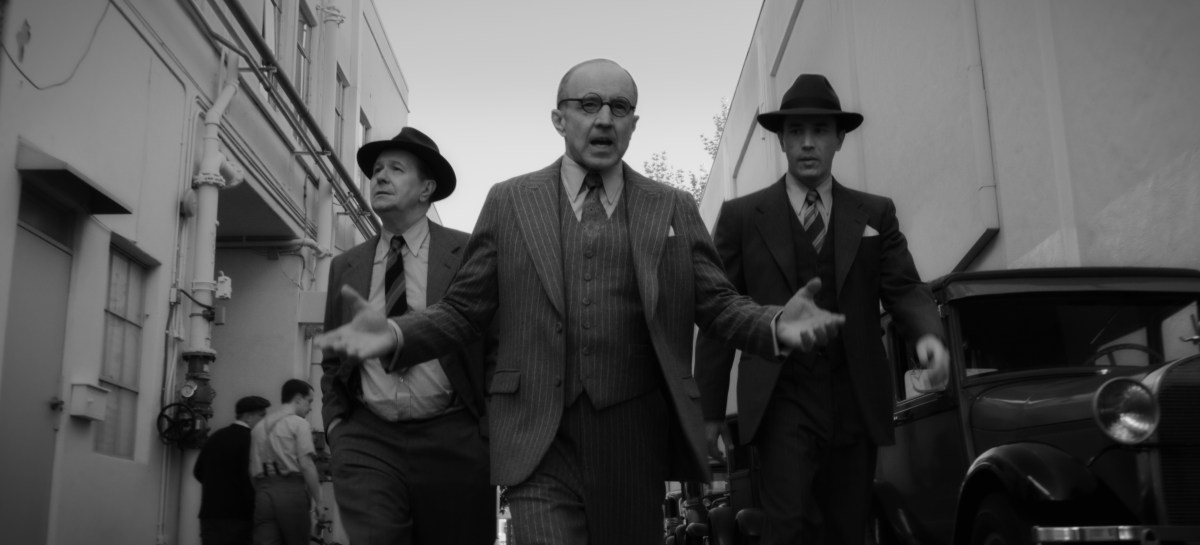
Mank takes place in Hollywood throughout the 1930s as it follows screenwriter Herman J. Mankiewicz (Gary Oldman) and the process by which he wrote the first draft for what would become Citizen Kane. The film alternates between Mank’s writing process and his trials and tribulations in Hollywood that would inspire some of the characters and situations in Citizen Kane, including a kinship with actress Marion Davies (Amanda Seyfried) and an association with publishing magnate William Randolph Hearst (Charles Dance).

Mank is alternately jubilant and melancholic as it essentially tells the story of a talented, fun-loving writer with a knack for zingers who is somewhat changed by what he sees throughout the 1930s, and shoots his shot when Orson Welles comes a-calling.

The film is presented entirely in black-and-white with visual allusions to Citizen Kane’s groundbreaking cinematography, and when I recently got the chance to speak with Messerschmidt at length about his work on the film, he pulled back the curtain on the process through which he and Fincher brought this story to life in living monochrome.

During our 45-minute conversation, the cinematographer explained why he and Fincher never considered shooting on film, and discussed the lengthy testing process by which they ultimately found the winning formula to achieve a look that fits right in with the films made in the 30s and 40s. He also broke down the process of filming specific sequences, including Mank and Marion’s nighttime walk (shot day-for-night) and the two epic party scenes.


Read the full interview

Soundstage Access: Erik Messerschmidt, Cinematographer (David Fincher’s ‘MANK’, ‘Mindhunter’)

Brando Benetton
December 5, 2020
Soundstage Access

It’s so exciting to sit down with Erik Messerschmidt, ASC – an Emmy-nominated cinematographer whose credits include the popular Netflix series MINDHUNTER, HBO’s RAISED BY WOLVES and David Fincher‘s latest Netflix film MANK!

In today’s conversation, me and Erik discuss his beginnings in the film industry working as a gaffer (learning from the best cinematographers in the business); a deep dive into his cinematography for the two Emmy-nominated seasons of MINDHUNTER; Erik’s creative relationship with David Fincher, and the thought process behind the infamous “multiple takes” Fincher is so known for; how classic Hollywood noirs of the ‘30s and 40s influenced the visual style for MANK—all of this, and much more.

Check out Erik’s new film MANK (now on Netflix), which many speculate will land him his first Oscar nomination for Cinematography in just a few months.

Listen to the podcast on:

Apple Podcasts
Spotify

Stitcher

Also:
Kazu Hiro, Special Makeup Effects Designer
Stephen Nakamura, Colorist
John Schwartzman, Cinematographer

Soundstage Access on Facebook and Twitter.

David Fincher: Hollywood’s Most Disturbing Director

With films including Se7en, Zodiac and Fight Club, David Fincher has explored the darkest edges of humanity. Yet there’s more to his unique vision, writes Gregory Wakeman, as the director’s film Mank is released.

Gregory Wakeman
December 3, 2020
BBC Culture

David Fincher fans have had plenty to celebrate over the past few months. September marked the 25th anniversary of Se7en, Fincher’s deeply disturbing psychological thriller that established the then 33-year-old as one of the most iconoclastic young directors in Hollywood. Then, just a couple of weeks later, The Social Network, Fincher and screenwriter Aaron Sorkin’s searing exploration of Mark Zuckerberg and the origins of Facebook, turned 10. Most exciting of all for Fincher aficionados, though, is the fact that, more than six years after the release of his last feature film Gone Girl, Mank will finally arrive on Netflix on 4 December.

Fincher has waited around 20 years to find the perfect home for the film, which was originally written by his father Jack in the late 1990s. But while most major Hollywood studios were put off by the idea of a black and white biopic of Citizen Kane screenwriter Herman J Mankiewicz, Netflix gave Fincher carte blanche to fulfil his vision.

The early reviews for Mank have been extremely positive, and Fincher has immediately become one of the main contenders for the best director Oscar. Covid-19’s disruption of the 2020 cinematic calendar means that Fincher’s competition isn’t quite as strong as it could have been. But it’s to the Academy Awards’ great shame that this titan of modern filmmaking has somehow only received best director nominations for The Curious Case of Benjamin Button and The Social Network. Despite this oversight, Fincher’s place in the cinematic pantheon has long been secure. No other modern filmmaker has examined alienation, depression, obsession, and the dark side of intelligence like he has, while keeping a stylish, visceral, and, most importantly of all, entertaining approach. 

But what is it that sets Fincher’s work apart from that of his peers?

Curating Reality: Cinematographer Erik Messerschmidt and “Mank”

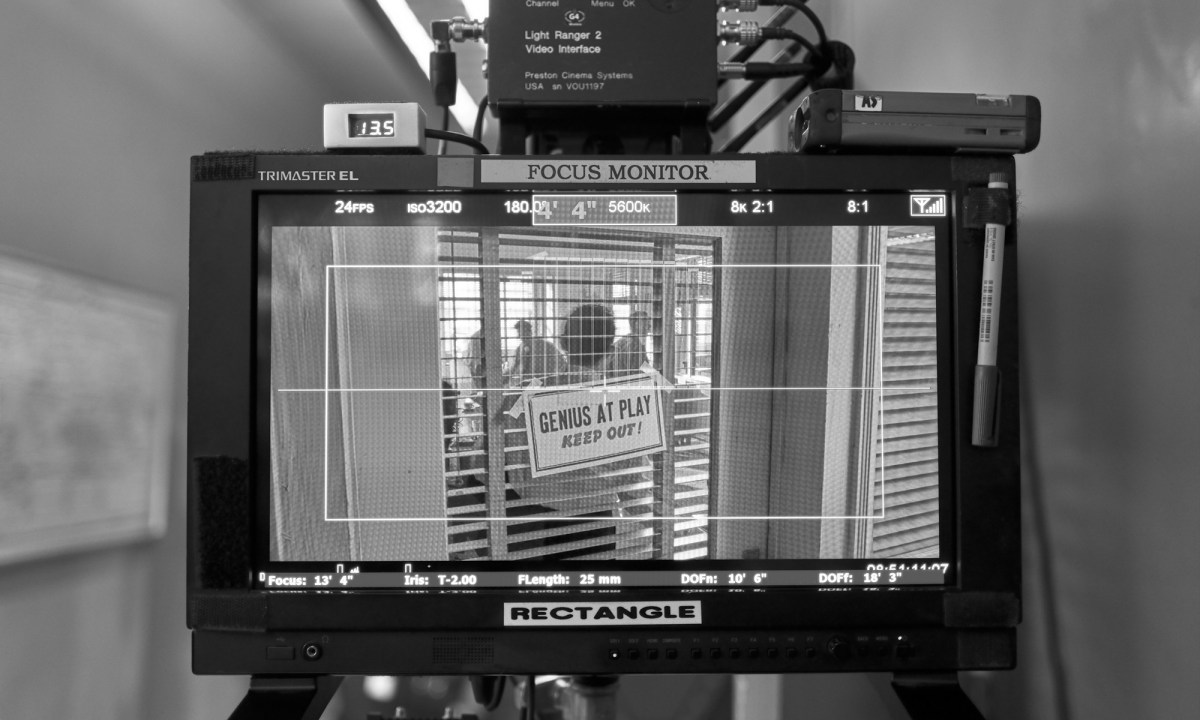
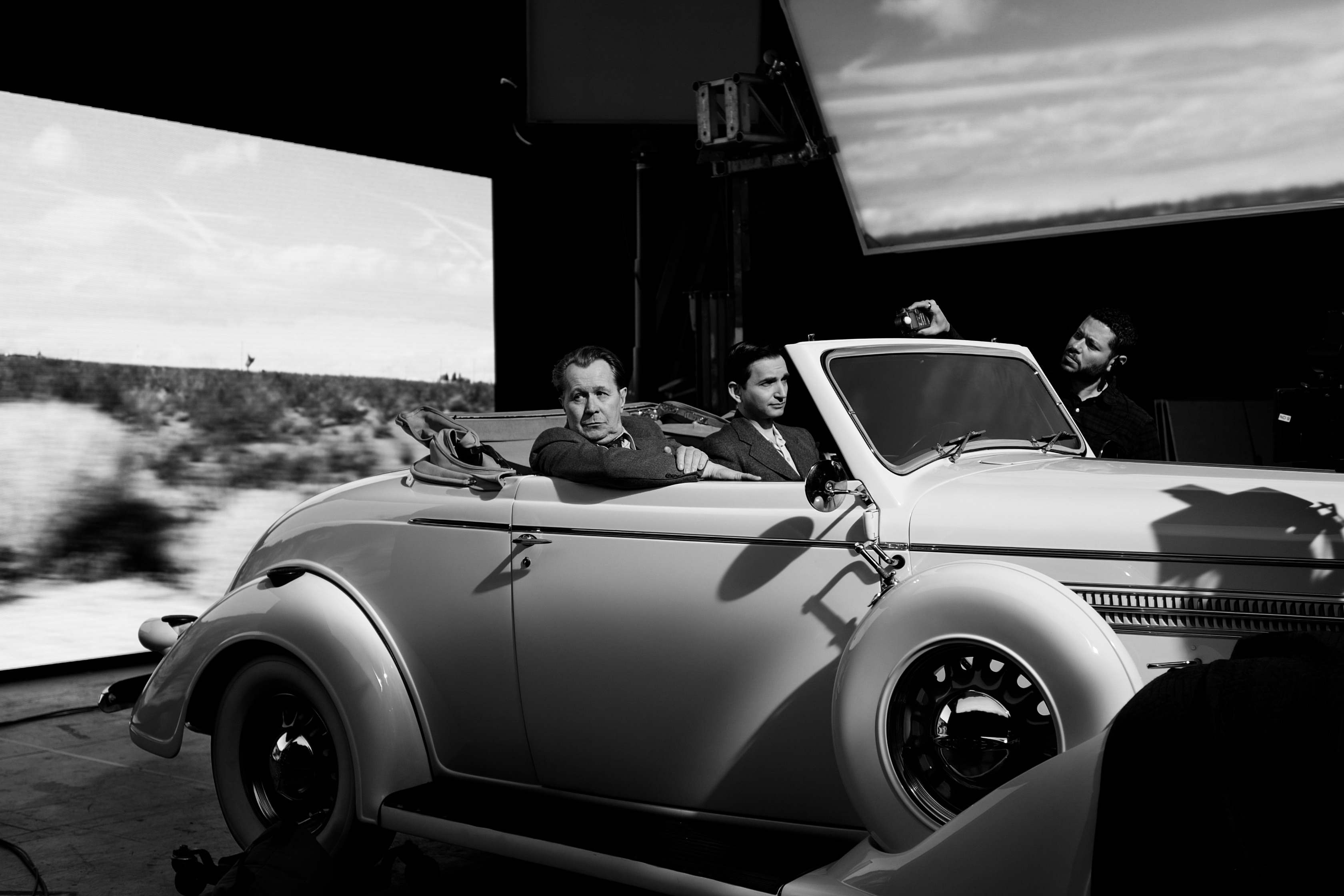
Mank BTS (Miles Crist)

An in-depth conversation with “Mank” DP Erik Messerschmidt about his detailed work on the film.

Nicolas Rapold
December 4, 2020
Notebook (MUBI)

It’s impressive when a Director of Photography’s first fiction feature is with David Fincher, notorious for his exacting eye in terms of both working methods and stringent aesthetics. But before Mank—Fincher’s passion project on Herman J. Mankiewicz and the writing of Citizen KaneErik Messerschmidt had been a part of Fincher’s team on both seasons of Mindhunter and even earlier as a gaffer on Gone Girl for DP Jeff Cronenweth. On Mindhunter, Messerschmidt’s camera infused the bloodless institutional interiors of its serial-killer/FBI interview set pieces with subtly vulnerable undertones, hewing to a Fincher playbook of visual control that telegraphs barely contained chaos.

Mank posed its own challenge with the director’s dream of making a black-and-white period picture in 2020, a vision of authenticity that is something of a chimera in cinema’s digital age. The story shuttles between Mankiewicz (Gary Oldman) writing Citizen Kane in 1940 and his preceding years of experience with the people and society that inspired him, including Davies (Amanda Seyfried) and William Randolph Hearst (Charles Dance). Mank does not simulate the look of any single movie made in the 1940s but rather comprises a gentle pastiche of styles and signifiers (no office seems without slatted shades). Standout scenes include the banquets in cavernous Hearst Castle, where Mank dunks on the assembled high-flown guests; bull sessions in the screenwriter’s Mojave Desert bungalow as he hems and haws and bangs out the screenplay for Citizen Kane; a glitzy-weary 1934 election party for California’s gubernatorial contest, celebrating Republican Frank Merriam’s victory over Upton Sinclair; and anything featuring Seyfried as Davies, remarkably the sole true star in a film set in 1930s and ’40s Hollywood.

Speaking with Messerschmidt, I zeroed in on the feelings and associations within the look of Mindhunter, and the particular technical choices that went into creating Mank’s Hollywoodland.

Read the full interview

Behind the Scenes: Mank

Erik Messerschmidt, ASC, reveals the techniques behind Mank, David Fincher’s digitally dexterous emulation of Hollywood’s classic era.

Adrian Pennington
December 3, 2020
IBC

David Fincher’s passion project about the Citizen Kane screenwriter Herman J. Mankiewicz looks, as intended, like a love letter to 1930s cinema. The filmmakers employ sophisticated digital techniques to pay homage to the cinematic bravura that helps Orson Welles’ masterpiece regularly top the list of all-time classics. 

It’s a film the director originally intended as the follow-up to his 1997 thriller The Game, shortly after his father Howard, a journalist at LIFE magazine, wrote the script. For one reason and another, and reports suggest it was Fincher’s insistence on shooting in black and white, Mank was delayed until Netflix greenlit production late last year. Principal photography finished in February, just days before California went into lockdown. 

Fincher of course kickstarted the streamer’s original content by masterminding House of Cards. He has subsequently made two series of serial killer investigation Mindhunter, all sixteen episodes shot by Erik Messerschmidt ASC who is Fincher’s collaborator here.

Mank follows the ‘scathing social critic and alcoholic’, played by Gary Oldman as he races to finish the Kane screenplay for Welles. It also stars Charles Dance as newspaper tycoon William Randolph Hearst and Amanda Seyfried as Heart’s girlfriend Marion Davies, satirized by Welles and Mankiewicz as Charles Foster Kane and mistress Susan Alexander. The connection with Hearst is strengthened by the fact that Mankiewicz was a frequent guest of Davies at Hearst’s fabulous California castle, dubbed Xanadu in Kane. 

As a homage to WWII-era Hollywood the decision to emulate the look pioneered by cinematographers like Gregg Toland in digital format is a bold one.

“For this movie we wanted to shoot very deep focus photography for most of the film and then be very specific about where we used shallow focus,” says Messerschmidt. “Shooting on film would have significantly limited our creative choices, particularly with focus and depth of field.”

Read the full interview

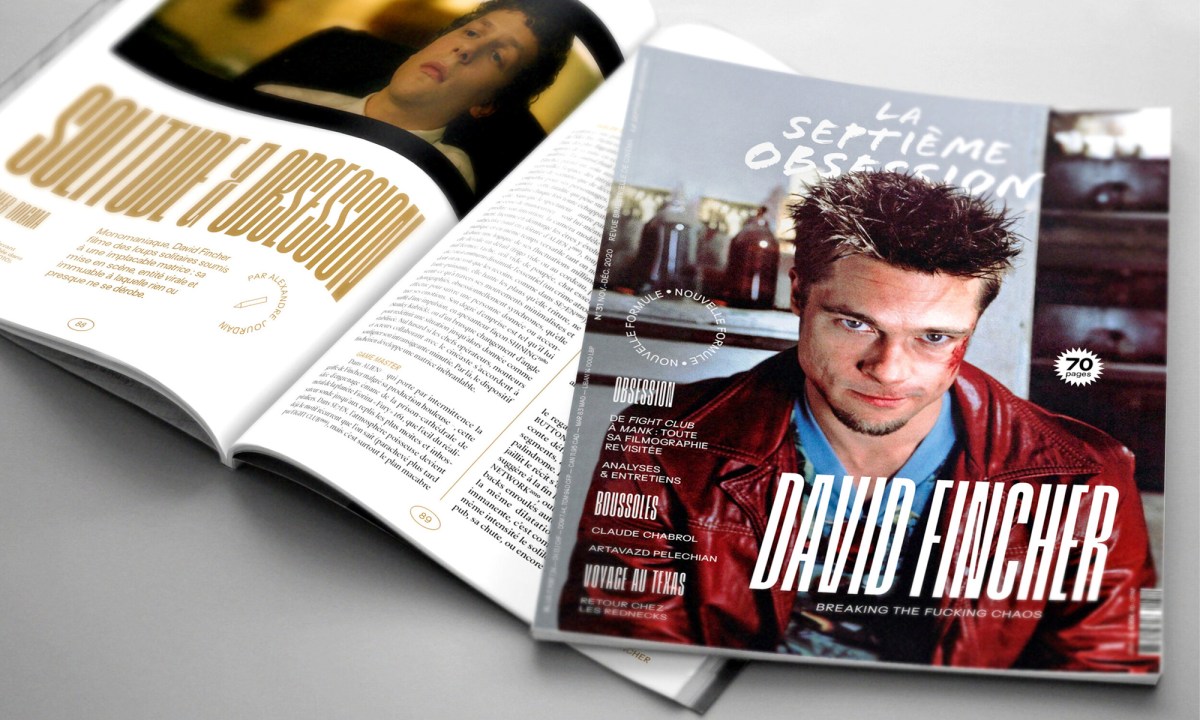
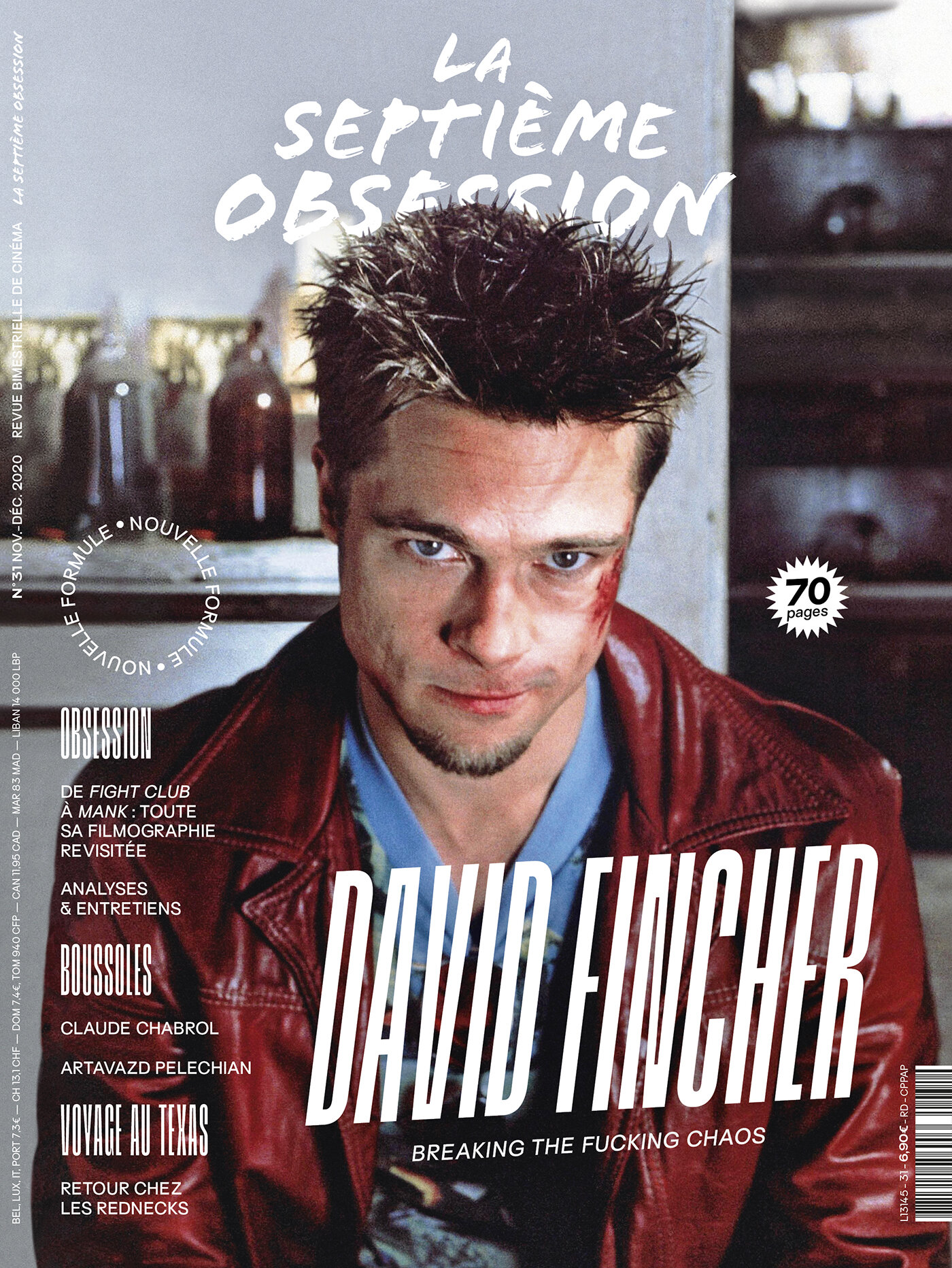
La Septième Obsession 31: David Fincher

La Septième Obsession

OBSESSION: David Fincher

1. Mank de David Fincher

Le grand film de Fincher débarque sur Netflix le 4 décembre. L’occasion d’un entretien avec le cinéaste, mais aussi avec ses collaborateurs les plus proches. 16 pages spéciales.

Scénario pour une critique par Nicolas Tellop

Filmopathe entretien avec David Fincher – par Nev Pierce

Collaborer avec Fincher entretiens avec Erik Messerschmidt (chef opérateur) – Donald Graham Burt (chef décorateur) – Trish Summerville (costumière) – Kirk Baxter (monteur)

2. Revisiter Fincher

Plongée exceptionnelle dans l’oeuvre de l’un des plus grands cinéastes contemporains. Filmographie commentée, analyses… 50 pages à lire.

4 nuances de Fincher par Jean-Sébastien Massart et Fabrice Fuentes

David Fincher en 14 titres Propaganda Films (clips) – Alien 3Se7enThe GameFight ClubPanic Room + les plans de Panic RoomZodiacL’Étrange histoire de Benjamin ButtonThe Social Network Millénium + la musique hantée de MilléniumGone Girl Mindhunter

3. Analyses

Démoniaque – la perfection du crime par Nathan Reneaud
Fantômes et paranoïa par Jérôme d’Estais
Solitude & obsession – Fincher Dogma par Alexandre Jourdain
Poétique du suicide par Aurélien Lemant
Le système des objets – design finchérien par Dick Tomasovic

Sommaire complet

Commander

David Fincher’s Impossible Eye

David Fincher by Jack Davison

With ‘Mank,’ America’s most famously exacting director tackles the movie he’s been waiting his entire career to make.

Jonah Weiner
November 19, 2020
The New York Times

Six years ago, after I contacted David Fincher and told him I wanted to write an article about how he makes movies, he invited me to his office to present my case in person and, while I was there, watch him get some work done. On an April afternoon, I arrived at the Hollywood Art Deco building that has long served as Fincher’s base of operations, where he was about to look at footage from his 10th feature film, Gone Girl,” then in postproduction. We headed upstairs and found the editor Kirk Baxter assembling a scene. Fincher watched it once through, then asked Baxter to replay a five-second stretch. It was a seemingly simple tracking shot, the camera traveling alongside Ben Affleck as he entered a living room in violent disarray: overturned ottoman, shattered glass. The camera moved at the same speed as Affleck, gliding with unvarying smoothness, which is exactly how Fincher likes his shots to behave. Except that three seconds in, something was off. “There’s a bump,” he said.

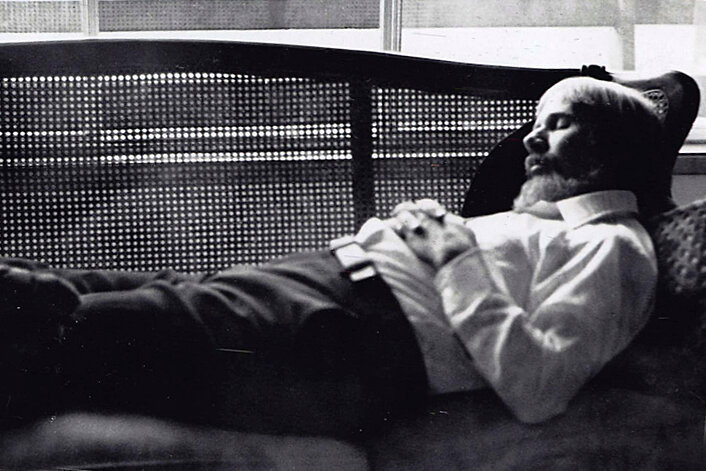
Jack Fincher photographed by David Fincher in 1976, when he was 14.
“That’s why it’s out of focus”.

No living director surpasses Fincher’s reputation for exactitude. Any account of his methods invariably mentions how many takes he likes to shoot, which can annoy him, not because this is inaccurate but because it abets a vision of him as a dictatorially fussy artiste. Fincher, who is 58, argues that this caricature misses the point: If you want to build worlds as engrossing as those he seeks to construct, then you need actors to push their performances into zones of fecund uncertainty, to shed all traces of what he calls “presentation.” And then you need them to give you options, all while hitting the exact same marks (which goes for the camera operators too) to ensure there will be no continuity errors when you cut the scene together. Getting all these stars to align before, say, Take No. 9 is possible but unlikely. “I get, He’s a perfectionist,” Fincher volunteered. “No. There’s just a difference between mediocre and acceptable.”

Read the full profile

‘Mank’ DP Erik Messerschmidt on How He Added Luster to B&W Images for David Fincher’s Tale of Hollywood’s Golden Age

Jazz Tangcay
November 19, 2020
Variety

Mank” cinematographer Erik Messerschmidt and director David Fincher have a shorthand way of communicating: They worked together on Netflix’s “Mindhunter,” and Messerschmidt served as gaffer on 2014’s “Gone Girl.”

Messerschmidt makes his feature film debut as director of photography on “Mank,” the story of screenwriter Herman J. Mankiewicz’s stay on a secluded ranch, where he works on the masterpiece that will eventually be “Citizen Kane.” Continuous shots and chiaroscuro lighting contribute to the film’s noir vibe.

Fincher and Messerschmidt always intended the movie to be in black and white, but also tested shooting on digital in color converted to monochrome before settling on black and white directly to achieve the luscious framing and silvery monochromatic effect that recalls Hollywood’s Golden Age.

Messerschmidt breaks down two key scenes from the movie and how lighting and VFX played key parts

‘Mank’ DP Erik Messerschmidt on Influence of Gregg Toland, Working With David Fincher

Will Tizard
November 17, 2020
Variety

‘Mank,’ ‘Miami’ and Other Rising Cinematographers Talk Inspirations

Jazz Tangcay
November 24, 2020
Variety

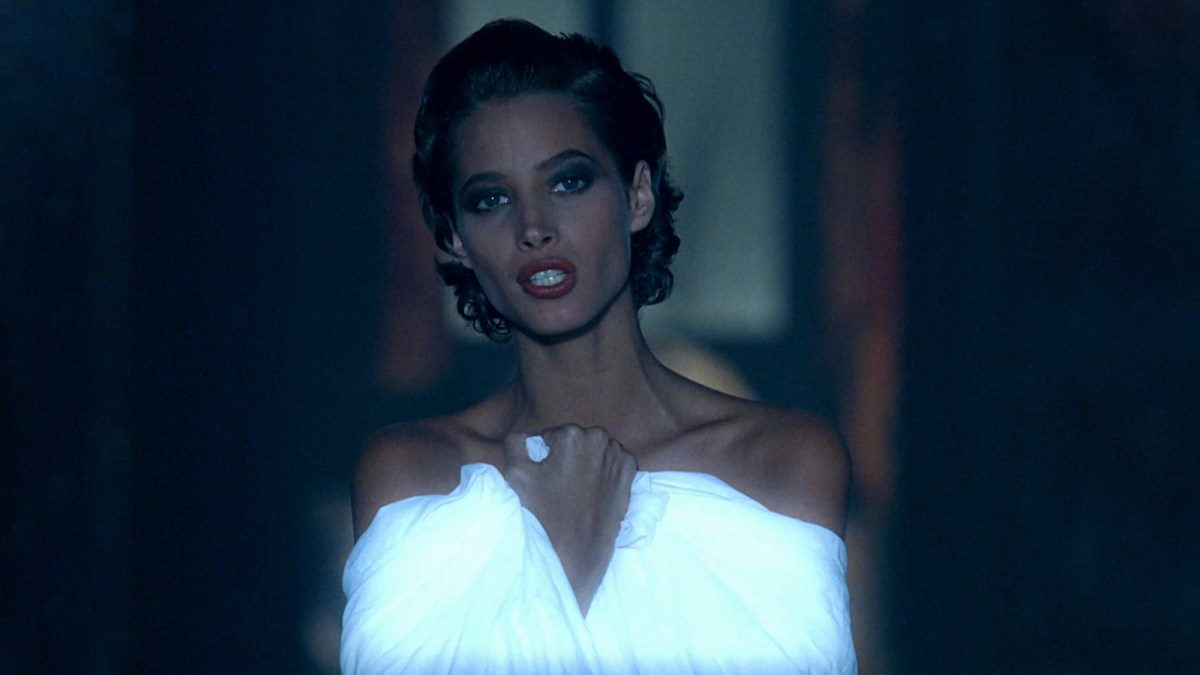
George Michael – Freedom! ’90 (Official 4K Video)

Director: David Fincher
Director of Photography: Mike Southon, BSC
Editors: James Haygood and George Michael
Art Director: John Beard
Stylist: Camilla Nickerson
Hair Stylist: Guido Palau
Makeup Artist: Carol Brown
Production Company: Propaganda Films

Models: Naomi Campbell, Cindy Crawford, Linda Evangelista, Tatjana Patitz, Christy Turlington.

Male Models: Scott Benoit, Peter Formby, John Pearson, Todo Segalla, Mario Sorrenti.

Outtakes:

The Making of the Video:

The Story Behind Freedom ’90:

MTV Rewind: The Women of George Michael’s “Freedom! ‘90” Music Video (1990)

George Michael, Freedom Uncut. Official Trailer

George Michael, Freedom Uncut. Freedom! ’90 clip

10 Years Later, ‘The Social Network’ Cinematographer Jeff Cronenweth on Finding Art in Compromise

Andrew Garfield, Jesse Eisenberg, Jeff Cronenweth, and David Fincher.
(Will Kirk, homewoodphoto.jhu.edu)

“I learned a long time ago that fear is a wonderful thing, if you embrace it.”

Anhar Karim, Contributor
October 24, 2020
Forbes

This month marks the ten year anniversary of The Social Network, the David Fincher film which made a captivating thriller out of the founding years of Facebook. The movie met an incredible amount of acclaim over the years, much thanks to the stellar team of talent on board, including Oscar-nominated cinematographer Jeff Cronenweth, who is no stranger to Fincher’s style.

“David comes really from the Hitchcock school in that he really does all the prep ahead of time. So you try to eliminate any of those kinds of surprises and the curve balls before they actually arrive,” said Cronenweth. “But there’s so much room to create, improv, and find your voice within that kind of structure.”

Cronenweth and Fincher have now collaborated across a wide collection of award-winning films including Fight ClubGone Girl, and The Girl with The Dragon Tattoo. The duo has found a magical dynamic between their methods to deliver some of the most engaging and thrilling stories of modern cinema. And, according to Cronenweth, a key part of that collaboration is the understanding that not everything can be perfect on the first try.

“If you’re responsible for creating a movie that’s gonna last a long time and change the visuals and approaches in a lot of people’s minds, then you’re gonna not win every single time,” said Cronenweth. “Sometimes you’re gonna step a little too far and then you have to go back and reanalyze and do it again. That’s how you make art.”

I recently got to speak further with Jeff Cronenweth about working with David Fincher, dealing with unexpected challenges, and shooting for a film where dialogue, not visuals, drives the story. Below is a summary of our conversation.

Read the full interview

Follow Jeff Cronenweth, ASC Archives on Twitter