Mank: Interviews. Lily Collins

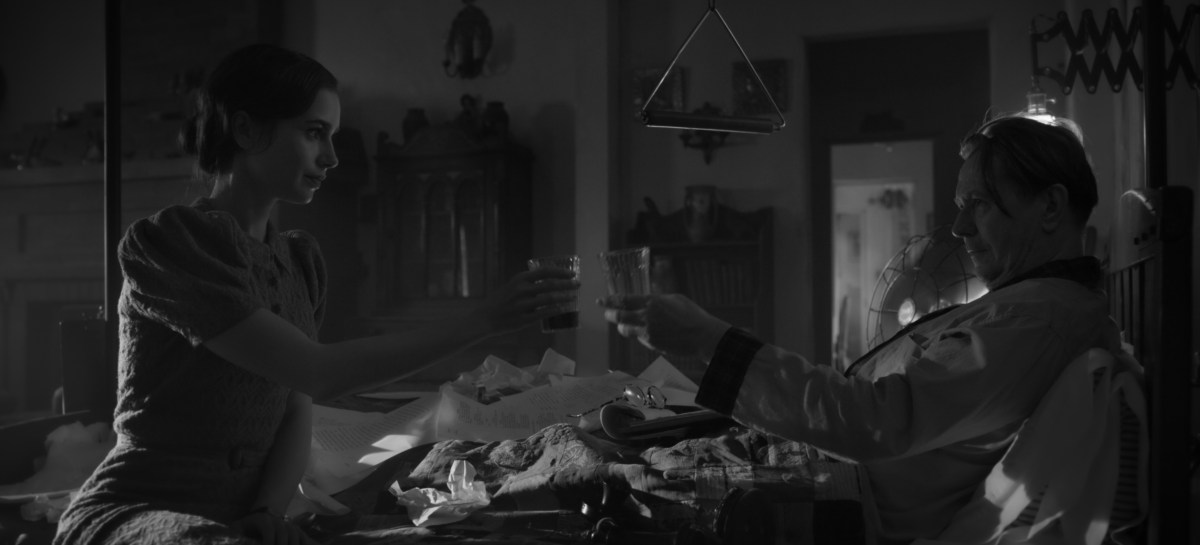
Lily Collins plays Rita Alexander, Herman’s secretary, in Mank.

Lily Collins Interview for Netflix’s Oscar Award Contender MANK

BlackTree TV (YouTube)
November 19, 2020

Interview: Lily Collins – Mank

CineXpress (YouTube)
November 20, 2020

Lily Collins Talks EMILY IN PARIS and MANK

Jake’s Takes (YouTube)
Nov 19, 2020

Lily Collins details “MANK”

FabTV (YouTube)
November 21, 2020

Lily Collins Talks WEDDING PLANNING and ‘Emily in Paris’ Season 2 (Exclusive)

Entertainment Tonight (YouTube)
November 26, 2020

Lily Collins: intervista ai protagonisti di Mank di David Fincher

Cinefilos_it (YouTube)
November 28, 2020

‘WE’RE SO READY!’ Lily Collins on Emily in Paris S2!

On Demand Entertainment (YouTube)
November 28, 2020

Lily Collins Dishes on Engagement to Charlie McDowell, Plus: Her New Movie ‘Mank’

extratv (YouTube)
November 30, 2020

Nelson Aspen chats with Amanda Seyfried & Lily Collins about “Mank”

NelsonAspen (YouTube)
November 30, 2020

Lily Collins Reveals the Correct Pronunciation of Emily in Paris

The Tonight Show Starring Jimmy Fallon (YouTube)
November 30, 2020

Lily Collins talks about new movie ‘Mank’

Today TV (YouTube)
December 1, 2020

Lily Collins On Netflix’s “Mank” & “Emily In Paris”: “I Knew I Was Going To Be Learning Something New”

CBS Los Angeles (YouTube)
December 1, 2020

Lily Collins MANK Interview | Netflix

kinowetter (YouTube)
December 2, 2020

Lily Collins On “Mank” And The Success of “Emily in Paris”

Sarina Bellissimo (YouTube)
December 3, 2020

Lily Collins Mank Interview

DE PELICULA (YouTube)
December 3, 2020

Mank: Hablamos con Lily Collins

La Cosa Cine (YouTube)
December 4, 2020

Lily Collins on ‘Mank’ and Discovering David Fincher Is Funny

Collider Interviews (YouTube)
December 7, 2020

Q&A with Lily Collins on Emily in Paris & Mank

In Creative Company (YouTube)
January 14, 2021

MANK | Entrevista a Amanda Seyfried, Lily Collins y Tom Pelphrey

SensaCine (YouTube)
December 2, 2020

‘Mank’ Interviews with Amanda Seyfried, Lily Collins, Tom Pelphrey

CinemaBlend (YouTube)
December 2, 2020

Amanda Seyfried e Lily Collins: como foi desaparecer no mundo de ‘MANK’

UOL (YouTube)
December 3, 2020

Amanda Seyfried, Lily Collins, Tom Pelphrey – Mank | Röportaj #18

FilmLoverss (YouTube)
December 4, 2020

Hollywood’s Gary Oldman, Lily Collins talk ‘Mank’

Arab News (YouTube)
December 10, 2020

Amanda Seyfried and Lily Collins On Going Old-School in Mank

John Fardy
November 27, 2020
Screentime (Newstalk Podcast)

Inside Total Film: Gary Oldman & Lily Collins for Mank + Viggo Mortensen & Lance Henriksen for Falling

Inside Total Film
December 3, 2020

Present Company: Lily Collins

Krista Smith
December 11, 2020
Present Company (Apple Podcasts)

Lily Collins: Modern Classic

Krista Smith
December 11, 2020
Netflix Queue

Lily Collins on Netflix’s New Oscar Contender Mank—and the Second Season of Emily in Paris

Radhika Seth
November 26, 2020
Vogue

Lily Collins Earned Her Spot by Putting in the Work + Pushing Through the ‘Nos’

Elyse Roth
November 18, 2020
Backstage

‘Emily in Paris’ star Lily Collins plays the audience’s proxy in ‘Mank’

In the Oscar-magnet Netflix film, her typist character brings ‘a young and fresh perspective’ to her boss, the booze-soaked narcissist writing ‘Citizen Kane.’

Richard Roeper
December 1, 2020
Chicago Sun-Times

Lily Collins Speaks to Alber Elbaz About Beginning New Chapters in Film and Fashion

Joshua Glass
December 12, 2020
L’Officiel
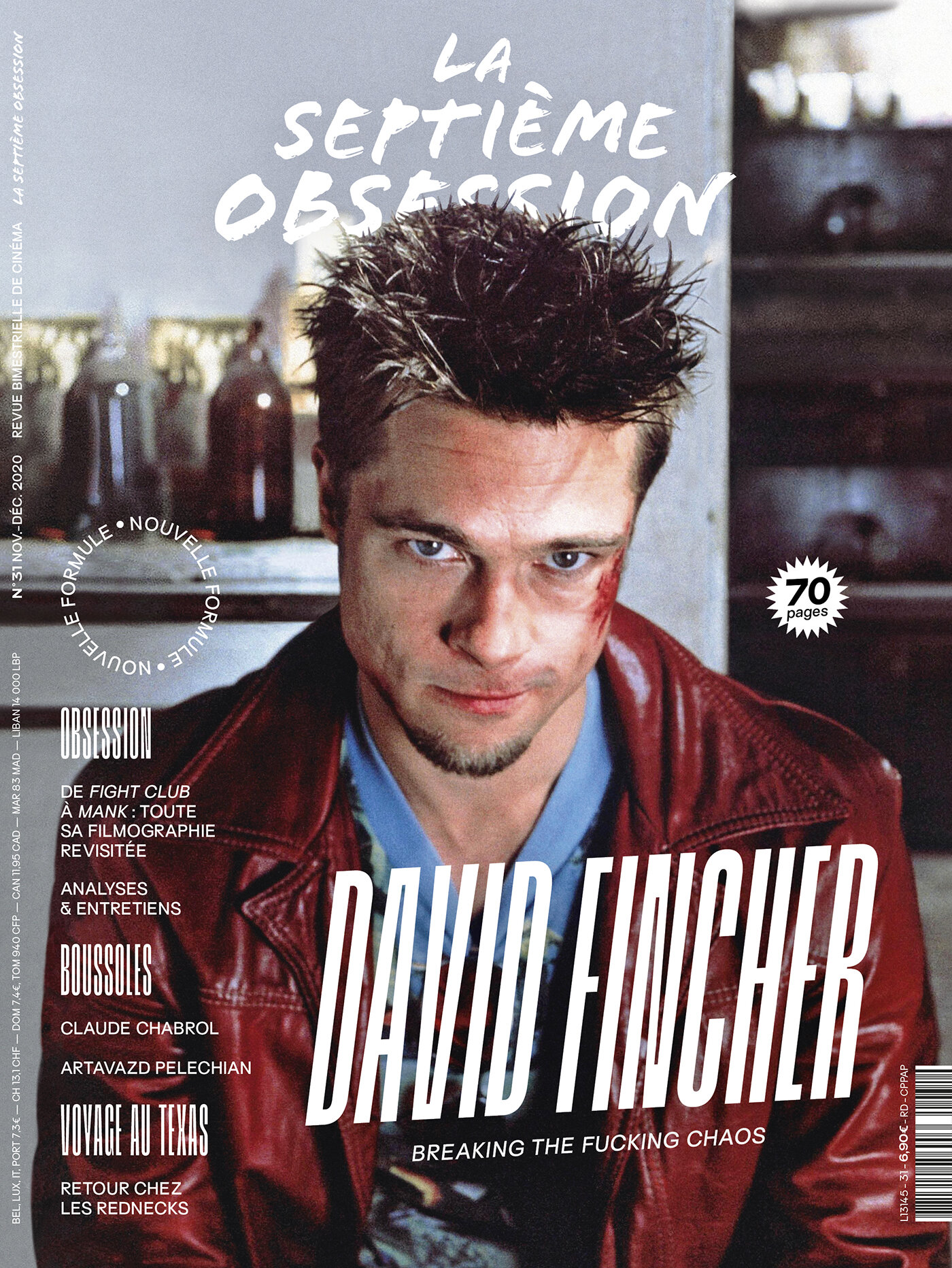
La Septième Obsession 31: David Fincher

La Septième Obsession

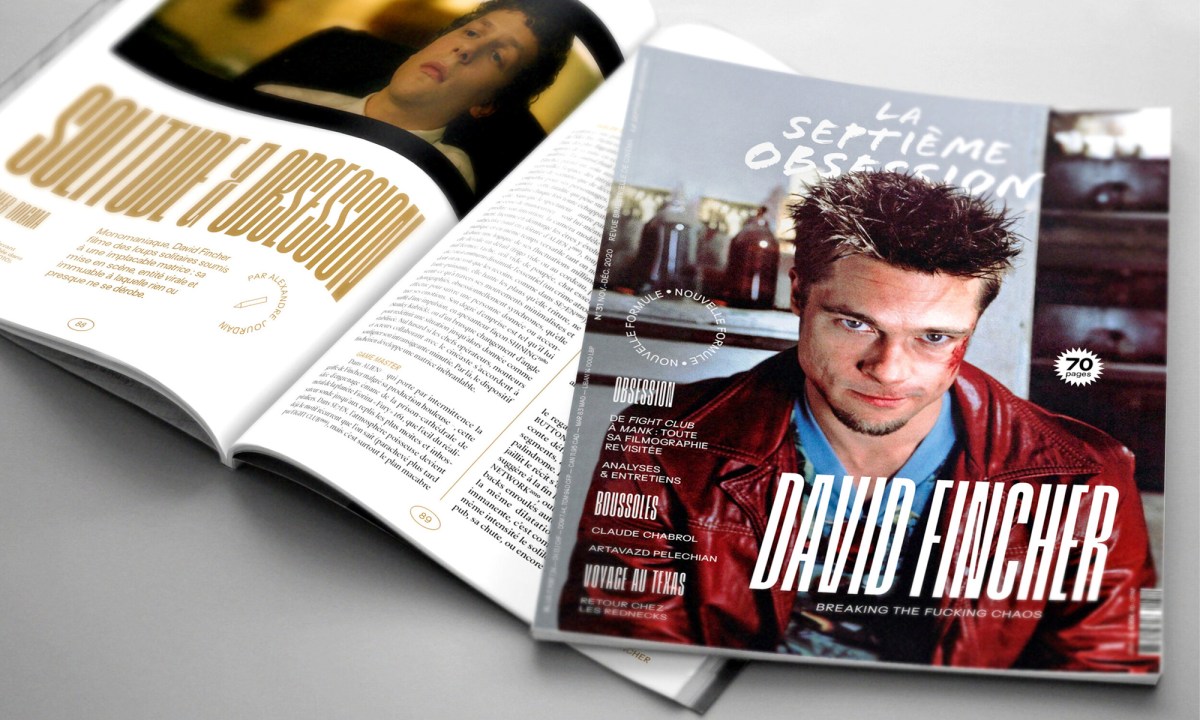
OBSESSION: David Fincher

1. Mank de David Fincher

Le grand film de Fincher débarque sur Netflix le 4 décembre. L’occasion d’un entretien avec le cinéaste, mais aussi avec ses collaborateurs les plus proches. 16 pages spéciales.

Scénario pour une critique par Nicolas Tellop

Filmopathe entretien avec David Fincher – par Nev Pierce

Collaborer avec Fincher entretiens avec Erik Messerschmidt (chef opérateur) – Donald Graham Burt (chef décorateur) – Trish Summerville (costumière) – Kirk Baxter (monteur)

2. Revisiter Fincher

Plongée exceptionnelle dans l’oeuvre de l’un des plus grands cinéastes contemporains. Filmographie commentée, analyses… 50 pages à lire.

4 nuances de Fincher par Jean-Sébastien Massart et Fabrice Fuentes

David Fincher en 14 titres Propaganda Films (clips) – Alien 3Se7enThe GameFight ClubPanic Room + les plans de Panic RoomZodiacL’Étrange histoire de Benjamin ButtonThe Social Network Millénium + la musique hantée de MilléniumGone Girl Mindhunter

3. Analyses

Démoniaque – la perfection du crime par Nathan Reneaud
Fantômes et paranoïa par Jérôme d’Estais
Solitude & obsession – Fincher Dogma par Alexandre Jourdain
Poétique du suicide par Aurélien Lemant
Le système des objets – design finchérien par Dick Tomasovic

Sommaire complet

Commander

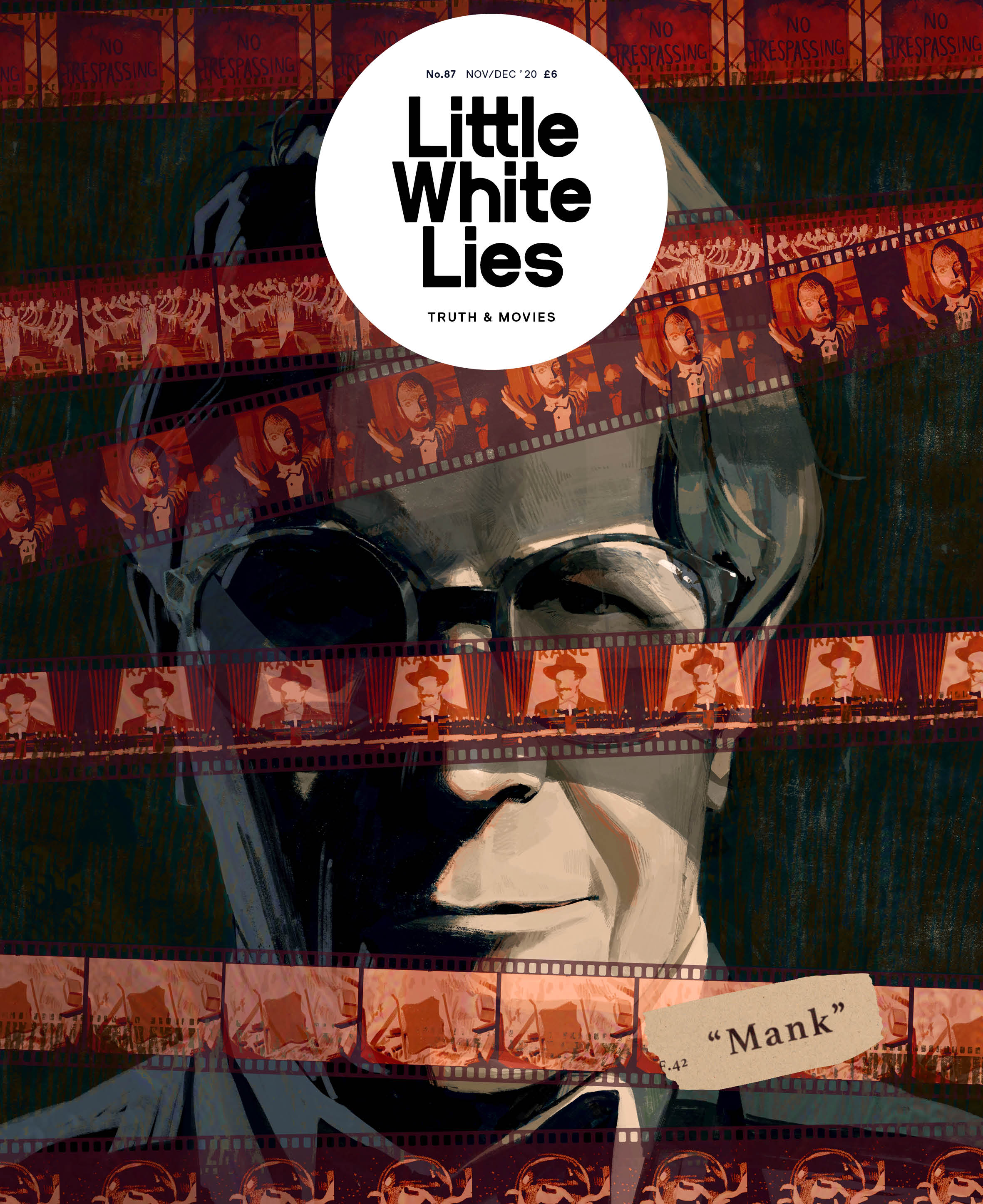
Little White Lies 87: The Mank Issue

David Fincher makes a spectacular return to feature filmmaking with this melancholy monochrome marvel.

David Jenkins
November 9, 2020
Little White Lies

Please extend a big, hearty welcome to our new issue, which is inspired by David Fincher’s Mank. First a little bit of back story: the film was adapted from a script written by Fincher’s father, Jack, who took it on as a project set by his son (who was making his early incursions into Hollywood at the time) to liven up his retirement years. This was back in the early ’90s, and once it was ready, Fincher Jr hit something of a brick wall when it came to convincing studios to fund this black and white rendering of a vital moment in old Hollywood lore.

On the cover

The title refers to the nickname given to ace scribe, wit and raconteur, Herman J Mankiewicz, and how after years of coasting on his genius, he finally alienates enough professional cohorts to write something big, meaningful and dangerous. The 200 page script he ended up with was named American, but it ended up being released into cinemas (albeit not very many cinemas) under the name Citizen Kane, directed by Orson Welles. Mank is the story of how that script came into being, but is also a hard-nosed exploration into the malevolent nature of creativity, and the cruel aspect of parlaying real lives into a fictional context.

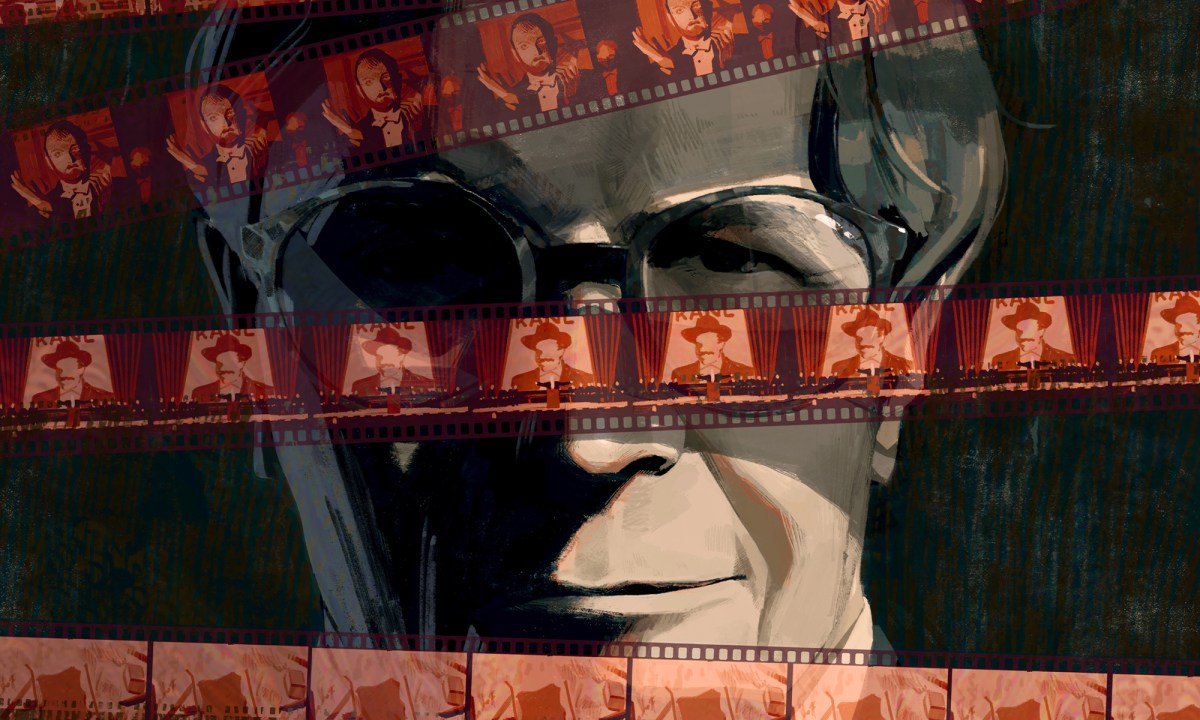
We worked with the Brooklyn-based illustrator Katherine Lam on a series of portraits inspired by cinema’s arch outsiders for our Shape of Water issue, and so she was our first choice to attack a cover about another fringe Hollywood figure being placed in the limelight. Her stunning portrait of Gary Oldman as Mank is obscured by reels of the film he had an important (but largely spectral) hand in bringing to life.

Inside the issue

A review of David Fincher’s Mank
Hannah Woodhead verbally spars with this sumptuous evocation of classic-era Hollywood.

It’s All True: A Conversation with David Fincher
David Jenkins talks to the master filmmaker about realising a passion project after a 30-year wait.

The Heroine
Caitlin Quinlan profiles one of our favourite actors working today, Tuppence Middleton.

F For Fake
On the magic tricks behind selecting costumes to show up on black-and-white film.

The Dreamers
Adam Woodward scours the credits of Citizen Kane for the lost masters of cinema.

And much more

Order your copy or Subscribe

David Fincher’s Impossible Eye

David Fincher by Jack Davison

With ‘Mank,’ America’s most famously exacting director tackles the movie he’s been waiting his entire career to make.

Jonah Weiner
November 19, 2020
The New York Times

Six years ago, after I contacted David Fincher and told him I wanted to write an article about how he makes movies, he invited me to his office to present my case in person and, while I was there, watch him get some work done. On an April afternoon, I arrived at the Hollywood Art Deco building that has long served as Fincher’s base of operations, where he was about to look at footage from his 10th feature film, Gone Girl,” then in postproduction. We headed upstairs and found the editor Kirk Baxter assembling a scene. Fincher watched it once through, then asked Baxter to replay a five-second stretch. It was a seemingly simple tracking shot, the camera traveling alongside Ben Affleck as he entered a living room in violent disarray: overturned ottoman, shattered glass. The camera moved at the same speed as Affleck, gliding with unvarying smoothness, which is exactly how Fincher likes his shots to behave. Except that three seconds in, something was off. “There’s a bump,” he said.

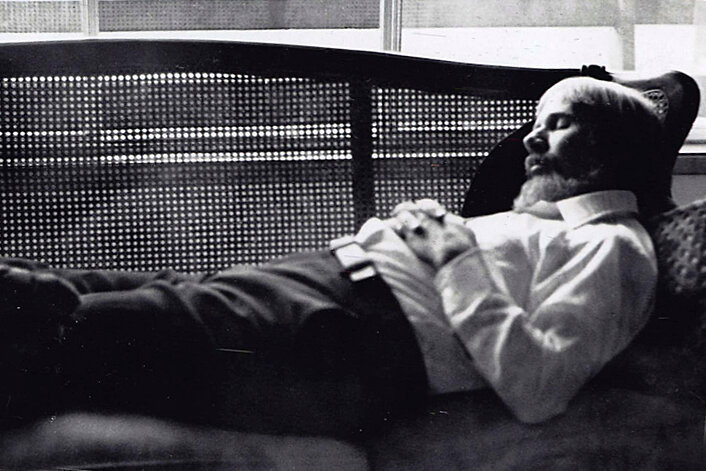
Jack Fincher photographed by David Fincher in 1976, when he was 14.
“That’s why it’s out of focus”.

No living director surpasses Fincher’s reputation for exactitude. Any account of his methods invariably mentions how many takes he likes to shoot, which can annoy him, not because this is inaccurate but because it abets a vision of him as a dictatorially fussy artiste. Fincher, who is 58, argues that this caricature misses the point: If you want to build worlds as engrossing as those he seeks to construct, then you need actors to push their performances into zones of fecund uncertainty, to shed all traces of what he calls “presentation.” And then you need them to give you options, all while hitting the exact same marks (which goes for the camera operators too) to ensure there will be no continuity errors when you cut the scene together. Getting all these stars to align before, say, Take No. 9 is possible but unlikely. “I get, He’s a perfectionist,” Fincher volunteered. “No. There’s just a difference between mediocre and acceptable.”

Read the full profile

Mank director David Fincher breaks down a pivotal scene in the Hollywood drama

In telling the story of screenwriter Herman J. Mankiewicz, Mank director David Fincher worked from a script by his late father, Jack Fincher.

Maureen Lee Lenker
November 19, 2020
Entertainment Weekly

The project had been in the family for decades: Jack conceived of the script in the late 1980s, and his son has been emotionally tied to the material since his father first showed him Citizen Kane at age 12. “It was only over time and with many, many conversations that we agreed there was something in this idea of a man finding his voice,” Fincher, 58, tells EW. “His voice was his entrée into Hollywood, and his voice was the thing that he was convinced didn’t really matter. How do we dramatize for the audience this dawning awareness of somebody who is self-immolating? That seemed like a ripe area of the garden to plant in.”

Fincher worked on the project with his father on and off for many years before his death in 2003, as can be seen in this exclusive annotated story sequence outline that arose from their countless conversations. “The pages are pre the draft,” the director says. “This is the outline from 1990 and has all of Jack’s scribblings on it as we were talking on the phone once a week and saying, ‘Well, what about if this happened?’ You can see the story was very different. It was a more complicated thing.”

Read the full scene breakdown

How Mank costume designer Trish Summerville recreated classic Hollywood

Recreating the look of Hollywood’s golden age was far from black-and-white for costume designer Trish Summerville.

Maureen Lee Lenker
November 20, 2020
Entertainment Weekly

For David Fincher‘s new movie Mank — which chronicles screenwriter Herman J. Mankiewicz‘s efforts to craft Citizen Kane, as well as the personal baggage behind the film — Summerville was tasked with bringing the Tinseltown of the 1930s and ’40s back to life.

In some cases, she was recreating the looks of classic stars, including Marion Davies (Amanda Seyfried) and Orson Welles (Tom Burke). But for the most part, the film (and Summerville) opted for grit over glitz. “It’s not super-glamorous,” she tells EW. “We’re really focused on the daily life of Mank [played by Gary Oldman]. So we were looking for authentic pieces and nothing too over-the-top. We want it to be authentic in the shapes, what fabrics were used, the silhouettes, the colors, that kind of thing — and then translate that into black and white. It has to be subtle.”

On the surface, it was a perfect fit for Summerville, who previously worked with Fincher on projects like Gone Girl and The Girl With the Dragon Tattoo. “Normally I don’t use a lot of color; I use a really muted palette,” she says. “For Dave’s films, it is always pretty muted.”

Read the full profile

How the Mank cast tackled the behind-the-scenes story of Citizen Kane

Gary Oldman, Amanda Seyfried, Lily Collins, and Charles Dance break down their Old Hollywood epic Mank.

Devan Coggan
November 18, 2020
Entertainment Weekly

There’s a moment in MankDavid Fincher’s incisive portrait of Herman J. Mankiewicz, where the irascible Hollywood genius is weighing the task before him. Already an accomplished screenwriter, Mankiewicz (played by Gary Oldman) has been tapped to script Orson Welles’ first film, an ambitious screenplay about newspaper titan William Randolph Hearst — the basis for Citizen Kane, now widely considered the greatest film of all time. “You cannot capture a man’s entire life in two hours,” Mankiewicz muses. “All you can hope is to leave the impression of one.”

It’s an apt commentary on Hearst and Kane, of course — but it’s also a mission statement for Mank itself: How do you tell the story of one of the greatest storytellers in Hollywood history?

Fincher’s sweeping black-and-white epic attempts just that, starting with its stylistic homage to the era. The long-gestating script, by Fincher’s late father, Jack Fincher (who worked as a journalist and died in 2003), follows the acerbic and alcoholic screenwriter throughout his career. And it was up to Oldman to breathe life into Mankiewicz’s story. “There is not a lot to work with in bringing Herman to life,” Oldman, 62, says. “However, we knew two things: We knew what he did, and we knew what others thought of him. Here was a man regarded as the smartest, the wittiest, and the best writer by the most notable writers of his day.”

Mank follows its protagonist as he struggles to complete what would become his Oscar-winning magnum opus, assisted by stenographer Rita Alexander (Lily Collins). As he writes, he reflects on his career throughout the 1930s, with flashbacks detailing his meetings with Hearst himself (Charles Dance) and Hearst’s longtime mistress Marion Davies (Amanda Seyfried).

Read the full profile

‘Mank’ DP Erik Messerschmidt on How He Added Luster to B&W Images for David Fincher’s Tale of Hollywood’s Golden Age

Jazz Tangcay
November 19, 2020
Variety

Mank” cinematographer Erik Messerschmidt and director David Fincher have a shorthand way of communicating: They worked together on Netflix’s “Mindhunter,” and Messerschmidt served as gaffer on 2014’s “Gone Girl.”

Messerschmidt makes his feature film debut as director of photography on “Mank,” the story of screenwriter Herman J. Mankiewicz’s stay on a secluded ranch, where he works on the masterpiece that will eventually be “Citizen Kane.” Continuous shots and chiaroscuro lighting contribute to the film’s noir vibe.

Fincher and Messerschmidt always intended the movie to be in black and white, but also tested shooting on digital in color converted to monochrome before settling on black and white directly to achieve the luscious framing and silvery monochromatic effect that recalls Hollywood’s Golden Age.

Messerschmidt breaks down two key scenes from the movie and how lighting and VFX played key parts

‘Mank’ DP Erik Messerschmidt on Influence of Gregg Toland, Working With David Fincher

Will Tizard
November 17, 2020
Variety

‘Mank,’ ‘Miami’ and Other Rising Cinematographers Talk Inspirations

Jazz Tangcay
November 24, 2020
Variety

Magnificent Obsession: David Fincher on His Three-Decade Quest to Bring ‘Mank’ to Life

Brent Lang
November 18, 2020
Variety

Mank” is the gripping story of the brilliant but troubled artist behind “Citizen Kane,” often considered to be the greatest movie ever made.

No, it’s not about director Orson Welles. Instead, it pushes Herman J. Mankiewicz, the alcoholic writer for hire who is responsible for bringing the film’s revolutionary, non-linear narrative structure and corrosive portrait of wealth and power, to the center of the frame.

“He was one of those voices that charted the way,” says David Fincher, the director who labored for nearly 30 years to bring “Mank” to life. “My hope is that people will be entertained watching a generational wit, who is in some ways forgotten and never got his due.”

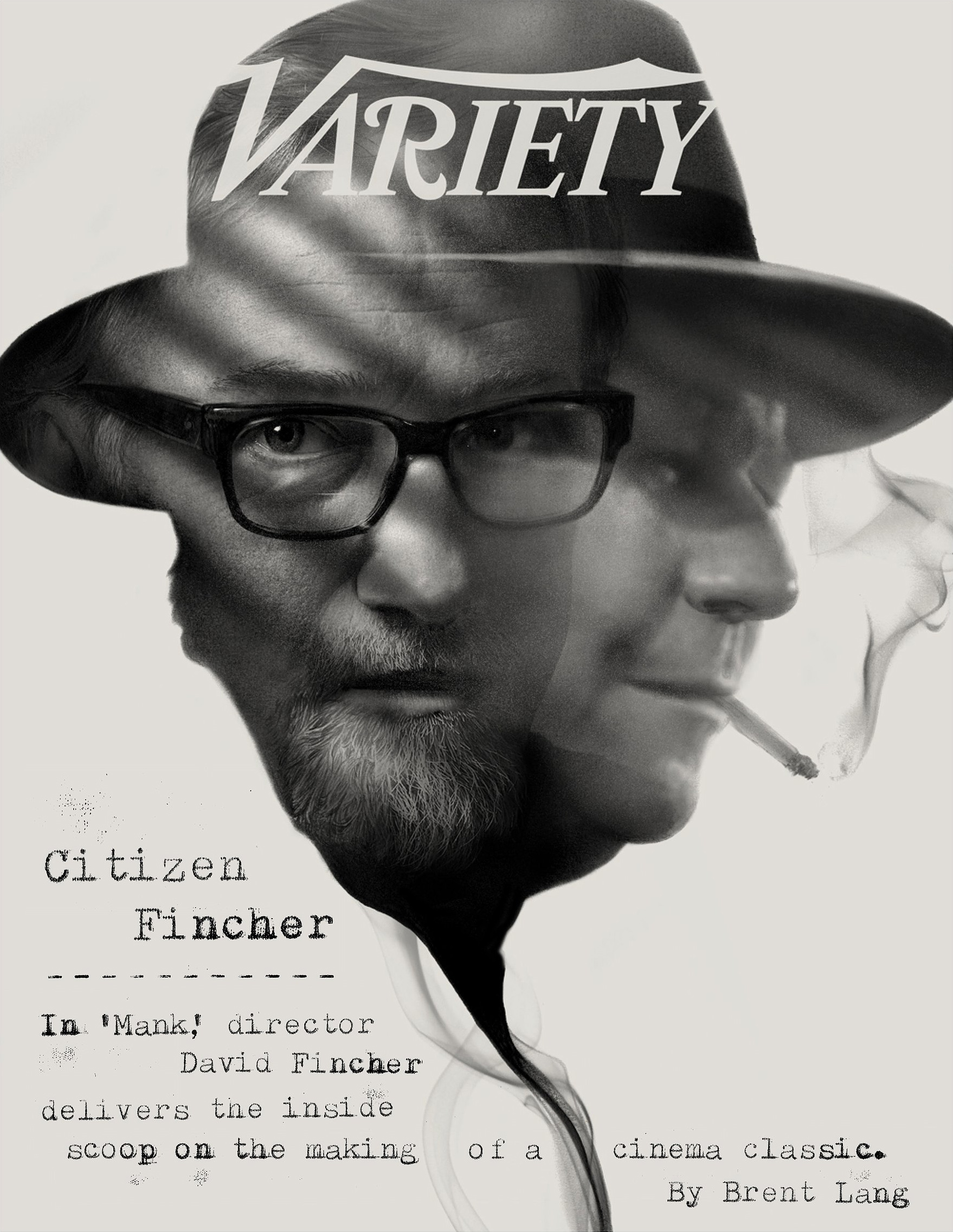
Gatefold print cover designed by Dan Benesch

Mank,” which Netflix will debut Dec. 4, is also likely to reignite a fierce debate around the concept of auteurism. If film is truly a director’s medium, then who gets the credit for a masterpiece? It’s an argument about authorship that has swirled around “Citizen Kane” almost from the time it hit theaters in 1941. That’s largely due to the fact that Welles not only starred in the movie: He also directed, produced and co-wrote it while still just a 24-year-old wunderkind.

Others disagree about the extent of Welles’ contributions. As Pauline Kael’s controversial 1971 essay “Raising Kane” and now “Mank” make clear, “Citizen Kane” was greatly informed by Mankiewicz’s friendship with William Randolph Hearst (the newspaper baron who inspired Kane), as well his personal experience with media and politics.

You might think that Fincher, a revered visual stylist, whose perfectionism can drive film crews and actors to the breaking point, would be a subscriber to the Great Man theory at the heart of auteurism — the idea that some talents are so outsize they seep into every shot or beat of a movie. You’d be wrong though.

Read the full profile

Cover illustration by Greg Ruth; Fincher image reference by Frank Ockenfels

David Fincher on ‘Mindhunter’: ‘I Don’t Know if It Makes Sense to Continue’

Brent Lang
November 18, 2020
Variety

How Variety Covered the Era of ‘Citizen Kane’ and Herman J. Mankiewicz

Tim Gray
November 18, 2020
Variety

Script Apart: “Zodiac” with James Vanderbilt

Al Horner
November 18, 2020
Script Apart

This week we’re joined by the excellent James Vanderbilt, screenwriter of the 2007 David Fincher thriller, Zodiac. James has had an impressively eclectic Hollywood career: on top of writing action adventures like White House Down, detective comedies like Murder Mystery, sci-fi sequels like Independence Day 2 and the odd Spider-Man blockbuster or two, he’s also produced horror hits (Slender Man, Ready Or Not) and stepped behind the camera to direct his own gripping historical drama (2015’s Truth). Before all that, though, came this cult smash: a slow-burn dramatisation of the hunt for the most notorious serial killer in American history.

Zodiac was a labour of love. Vanderbilt obsessed over the mysterious murderer’s identity for decades before writing the film, based on the 1986 non-fiction book of the same name by Robert Graysmith. Graysmith was a cartoonist working at the San Francisco Chronicle when a string of gruesome killings across the Bay Area, by one unknown assailant, left the region in a state of panic and paranoia. The killer, known as the Zodiac, wrote cryptic letters to Graysmith’s paper that perplexed police, and sent Graysmith on a personal mission to uncover the killer’s identity. The Zodiac was never caught. Vanderbilt’s film tells the story of Graysmith’s ultimately unsuccessful search for the truth.

If you’re wondering how you write a satisfying thriller in which the killer gets away, don’t worry: James did too. I chatted to James from his home in LA to hear about the conventions he had to break to make this incredible movie, the dizzying amount of research that he and Fincher undertook to make sure they were telling the victims’ stories responsibly, and whether or not he’d ever consider making of sequel of sorts, about the notorious 1970s killer the Son of Sam.

Listen to the podcast:

Script Apart
Apple Podcasts
Spotify
Amazon Music
Google Podcasts

Script Apart is hosted by Al Horner and produced by Kamil Dymek.

Follow Script Apart on Twitter and Instagram. Support for this episode comes from ScreenCraft and WeScreenplay. To get ad-free episodes and exclusive content, join us on Patreon.