The Cinémathèque Française Will Host a David Fincher Retrospective with the Attendance of the Director

The retrospective supported by Netflix, Patron of the Cinémathèque Française (French Cinematheque), will open with a preview screening of The Killer followed by a discussion with Fincher. The next day, a screening of Zodiac will be followed by a Master Class with the director.

From October 13 to 22, 2023. Paris (France).

October 13:

October 14:

October 19:

October 20:

October 21:

October 22:

Opening date for reservations: August 22, 2023 – 11:00 a.m.

Zodiac / “David Fincher by David Fincher, a Film Lesson”: September 14, 2023 – 11:00 a.m.

Presentation of the retrospective by Guillaume Orignac (in French).

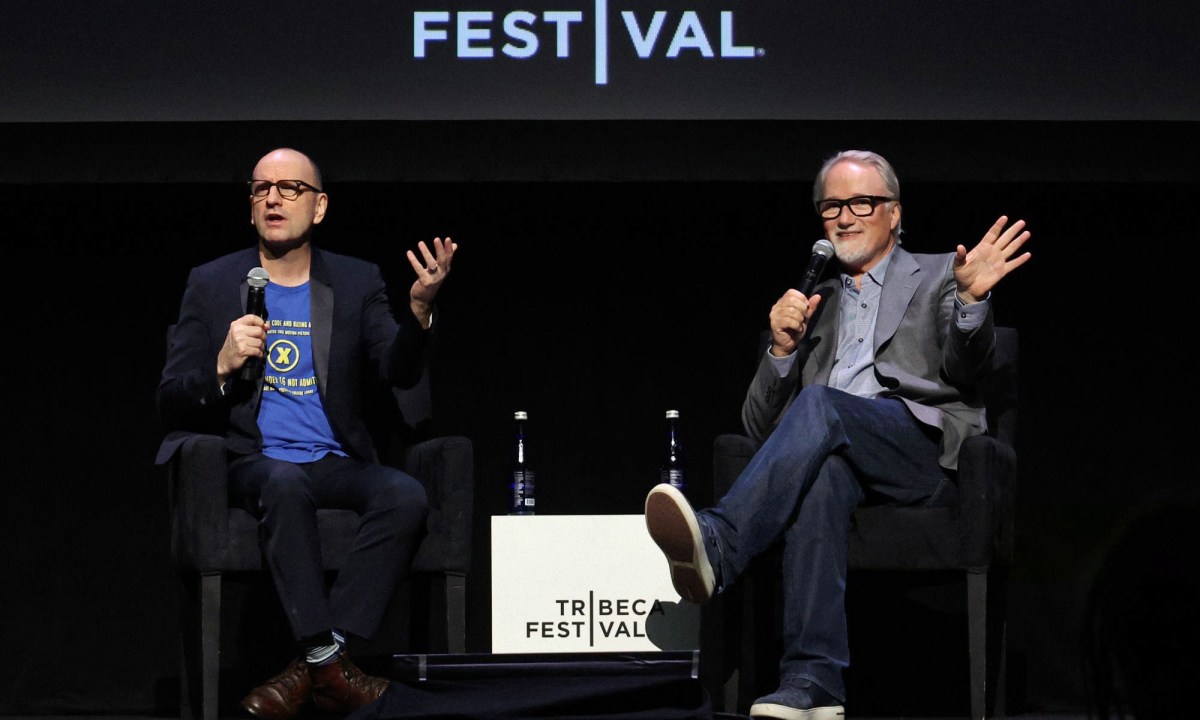
2023 Tribeca Festival Directors Series: David Fincher with Steven Soderbergh

A compilation of quotes and transcriptions from all available sources.

June 15, 2023

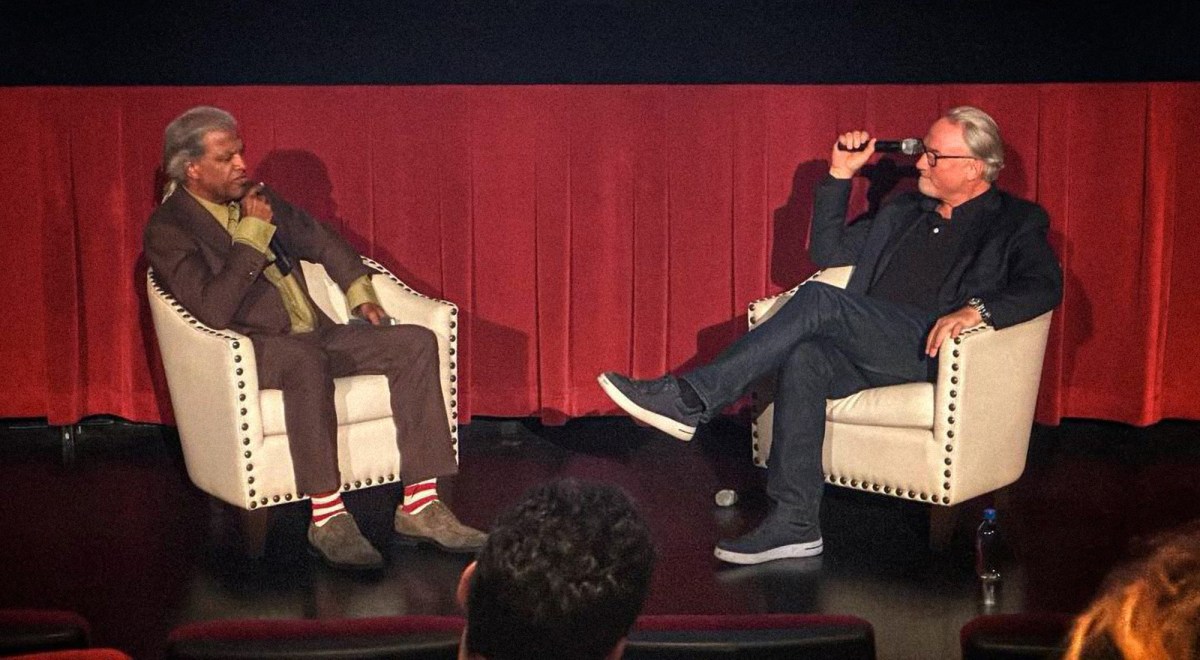
As part of the 2023 Tribeca Festival “Directors Series” live conversations, David Fincher discussed his career, filmmaking process, and philosophy with his fellow director and longtime friend Steven Soderbergh, before an audience in the Indeed Theater at Spring Studios in New York.

Fincher and Soderbergh first met 32 years ago, just after Fincher had been fired for the second time from the troubled production of his first film, Alien3 (he was later fired once more):

I came out of a truly fucked-up situation and kind of swore that I would never make the same mistake. I made a lot of brand-new ones, but I’d never start something that didn’t have a script that I didn’t believe in or that I didn’t understand or that I couldn’t articulate to people. And I’d also very much learned that I wanted to make all my own mistakes instead of inheriting them from other people.

The two explained that they have been talking about twice a week for the past 20 years, and that they regularly show each other rough cuts of their works in progress for feedback.

Soderbergh: I think the next time we saw each other, I was doing an episode of Fallen Angels [in 1994], the second season of a noir series that was on Showtime. You were going to do one. And I saw you in the office one day. And then you weren’t able to do one because you Seven got greenlit. And you went and did that thing.

Fincher: Yeah, it was one of those. It was a strangely rushed pre-production on that. Michael De Luca basically said, ‘if you can be up and making this movie in six weeks, we’ll greenlight it.’ So that was one of those, ‘okay, let me shut down the rest of my life.’

Fincher revealed how he approached shooting Music Videos as his film school:

I really went at it going, ‘I don’t want to spend my own money trying all this stuff out, so let’s see if Madonna will finance it.’

Soderbergh: You’re one of the few people who came out of the 80’s whose visual sense was matched by the importance of performance, and the understanding of a two-hour movie narrative… a lot different than a commercial or music video.

On The Social Network:

It was a pretty tight script. And part of getting it made was saying, ‘we’re gonna get this in under two hours, even if it’s 178 pages or whatever it is, we’re just gonna have everybody talk really fast.’

Fincher has learned over the years that it’s best to first discuss every aspect of film production with the cast and crew.

When I was younger, when an actor pushed back at me it felt like they were calling out the quality of my interpretation. I don’t feel that way anymore. It’s fun to get into that dialogue. It’s fun to find different avenues to explain how you see something evolving.

There’s no such thing as my editor, or my cameraman. It’s the people we’re lucky enough to get. And if you really do feel that you’re lucky enough to get the costume designer that you want, it’s incumbent upon you to squeeze them for everything that they have. It’s more on you to get their best. Because it is Darwinism. The best ideas not only will win out, they should win out, and everybody’s there to help you.

Soderbergh asked Fincher to break down a montage in Fight Club which, by Soderbergh’s estimate, involved 75 to 80 shots. Although the montage created the illusion that the Narrator played by Edward Norton was traveling across the country, everything was actually filmed within five or six blocks of LAX:

I really love a good montage. I love the montage because it’s pure cinema, it’s inference. It’s like, this goes against this, as quickly as we can possibly make a point and get the fuck out of Dodge. Then the question is where do people’s eyes need to be.

Soderbergh observed that Fincher seems happiest while imagining a project versus actually being in production, and felt that he’s seen the movies Fincher didn’t even make because of the way he has laid them out in his office. 

I have enough of a reputation as a misanthrope that I don’t need to feed into that.

Shooting for me is a lot of indigestion and reality. They just keep seeping into everything you’re trying to do. So that part of it is difficult. And I think the first couple of times I had stuff fall apart even for the right reasons.

Asked by Soderbergh what he considers the “fun part” of filmmaking:

I love rehearsal. I love talking to people about the intention. I love haggling over every single word, and what the script means, and listening to people read it, and hearing their ideas. I love casting, I love the casting process. I love designing the movie. I love sitting with the production designer, and the director of photography, and all the art directors. And talking about what do we want to say, and where do we want people’s attention, and what are the things that we have to underline.

By the time it gets to the shooting… I don’t enjoy shooting. I find it to be unnecessary. I would much rather love to just workshop it, and then have someone else take it over, after all those conversations, and bring it home. But you got to be there.

I remember debating Francis Coppola and the Silverfish. And the idea of working over with a microphone over a P.A. system ‘okay, pan A camera left.’ And I don’t think you can… I think movies require you to impress upon people the amount that you’re sweating it, the amount that you care. They have to see it in your face. They have to see it in your eyes.

There was a really interesting thing last year, shooting a movie [The Killer] with all of the COVID protocols, working through a mask and a visor. I had no idea how much I was imparting with making faces and sound effects. It was a completely different experience.

On the stress of directing:

Directing is storytelling through a medium that requires an awful lot of personnel to just support what you’re doing technically and what you’re doing just from a logistical standpoint. That can be extremely distracting, and it can create an enormous amount of stress and pressure. You feel it every day. You only have so much time to get this many shots. The sun is moving as it continues to do to this day. And you can’t negotiate with that.

After half an hour, the couple turned it over to the audience for questions. Asked by an audience member about whether he rewatches his old work:

I don’t. I’m not brave. I’m fundamentally like, look, no, I can’t. It’s like looking at middle school pictures. I don’t want to even acknowledge that. But I do find myself having to adjust, you know.

On remastering Seven in 4K HDR:

We’re doing Seven right now. And we’re going back and doing it in 4K from the original negative. And we overscan it, oversample it, doing all of the due diligence. And there’s a lot of shit that needs to be fixed because there’s a lot of stuff that we now can add because of high dynamic range. You know, streaming media is a very different thing than 35 mm motion picture negative in terms of what it can actually retain. So, there are, you know, a lot of blown-out windows that we have to kind of go back and ghost in a little bit of cityscape out there.

While many issues may not be noticeable, on a 100-inch screen, you’ll look at it and go, ‘What the fuck, they only had money for white cardboard out there?’ So that’s the kind of stuff on print stock, it just gets blown out of being there. And now you’re looking at it, going ‘I can see, you know, 500 nits of what the fuck.’

But I’m fundamentally against the idea of changing what it is. You can fix, you know, three percent, five percent. If something’s egregious, it needs to be addressed. But, you know, I’m not gonna take all the guns out of people’s hands and replace them with flashlights.

Soderbergh: David sees things that not a lot of people see. He once invited me to a session while he was working on a film. David’s got a laser pointer and it’s frozen on the shot and he’s like, ‘I want that part of the wall a quarter of a stock darker. I walked out and laid down on a couch in the lobby because of what torture it is to see that.

On film projects involving real people, including ones who are still alive, like the subjects of his Facebook origins film, The Social Network, and the inspirations behind his Mindhunter series:

There was so much flak after Zodiac came out about people saying, ‘Why didn’t you go down this rabbit hole? Why did you only go down the Graysmith rabbit hole?’ That’s the book that we bought. We didn’t buy everyone’s book about the Zodiac.

You have a responsibility to make sure that you are saying what you want to say because chances are they can deck you in an airport. So, you want to be conscious and be smart about it. Making movies about things that are ripped from headlines is a slippery slope. I think it’s important to be responsible, and by the same token, you also have to entertain an audience.

Asked about unfinished projects like the Millenium trilogy and Mindhunter, Fincher only replied about The Girl with the Dragon Tattoo:

I was offered Dragon Tattoo long before the first movie was made and was in the middle of something else. And I was like, “lesbian hacker on a motorcycle? I don’t think so.’  And then, the thing went on to be a huge deal, and it came back around.

And so, I thought, well, it would be interesting to see if you took this piece of material that has millions and millions of people excited, and you did it within an inch of its life, could it support the kind of money that it would take to do?

And we had pledged early on that we wanted to make a movie that was not embarrassing to its Swedish heritage. We didn’t want it to seem like we just came, you know… And when they said, ‘well, can you shoot in Atlanta?’, I said, ‘no! Atlanta for Sweden? I don’t know.’ And we didn’t want to transpose it. We wanted it to be true to its essence.

And so, you shoot in Sweden. You are shooting eight-hour days, nine-hour days if you’re lucky. And so, the movie took 140 days to shoot.

And I was proud of it. I thought we did what we set out to do. I mean, I have the same reservations about whether or not, a long dead Nazi story on a remote island in the north of Sweden, would really be a gripping, ripping yarn.

But we did it the way that we could. And then when people said it cost too much for what the return on the investment was, ‘okay, swing and miss.’

An aspiring filmmaker in the audience asked about compromise and weathering disappointment in an increasingly complicated landscape:

Stick to it. It’s easier to make something now, something that looks really good, for not a lot of money. But it’s harder to get it seen. It’s harder to get bought. When I started a long time ago, it was really hard to get the money to make something, even cheaply. Because film costs money. It was hard to make stuff cheap and look good. But if you did manage to do that you had a better shot at people actually seeing it or buying it.

Another one asked for advice on how to get an independent film out in the world. Fincher deferred to Soderbergh as better suited to answering the question:

I’m a slave. I’m essentially going to beg for an inordinately huge amount of money.

Soderbergh: You have to remember everybody that you’re trying to get to, that you’re coming up against this barrier of representation, at some point got there because they were probably really good in an independent film. All you do is to continue to make something that you care about and try and get other people involved and hope that some alchemy takes place that will vault you for a moment into the space that you want to be in. It’s better now than it was. It’s not good enough. Where the democratization of technology has resulted in the fact that it’s easier to make something now, something that looks really good for not a lot of money, but it’s harder to get it seen.

And what does David Fincher watch on TV?

In terms of interfacing with movies, I think I’m like probably everybody in here, I’m the guy going through all the landing pages at Max, or Apple +, going [mimes scrolling with the remote] ‘No’, ‘Did it’, ‘Saw it!’…

I was with a friend. We meet on the weekends. And there’s a theater that we have access to, massive, great screen. And we finish watching a movie, and lights came up, and he turned to two other friends, and he goes ‘I think we’ve come to the end of content.’

Sources:

David Fincher Talks ‘Alien 3’ Mistakes, Career Evolution with Steven Soderbergh
Martin Tsai. The Wrap

David Fincher on Remastering ‘Seven’, His Least Favorite Part of Moviemaking & Why He Loves the Montage
Jill Goldsmith. Deadline

David Fincher Is Remastering ‘Seven,’ but He’s ‘Against the Idea of Changing’ What the Movie Is
Ryan Lattanzio. IndieWire

David Fincher reflects on Girl with the Dragon Tattoo: ‘Swing and a miss’
Shania Russell. Entertainment Weekly

David Fincher Opens Up About Challenges Remastering ‘Seven’ in 4K
Hilary Lewis. The Hollywood Reporter

We Can Kinda Thank Madonna for The Social Network
Jennifer Zhan. Vulture

Tribeca (Twitter)

Luz (Twitter)

Alexandra Samton (Instagram)

Patrick Tomasso (Twitter)

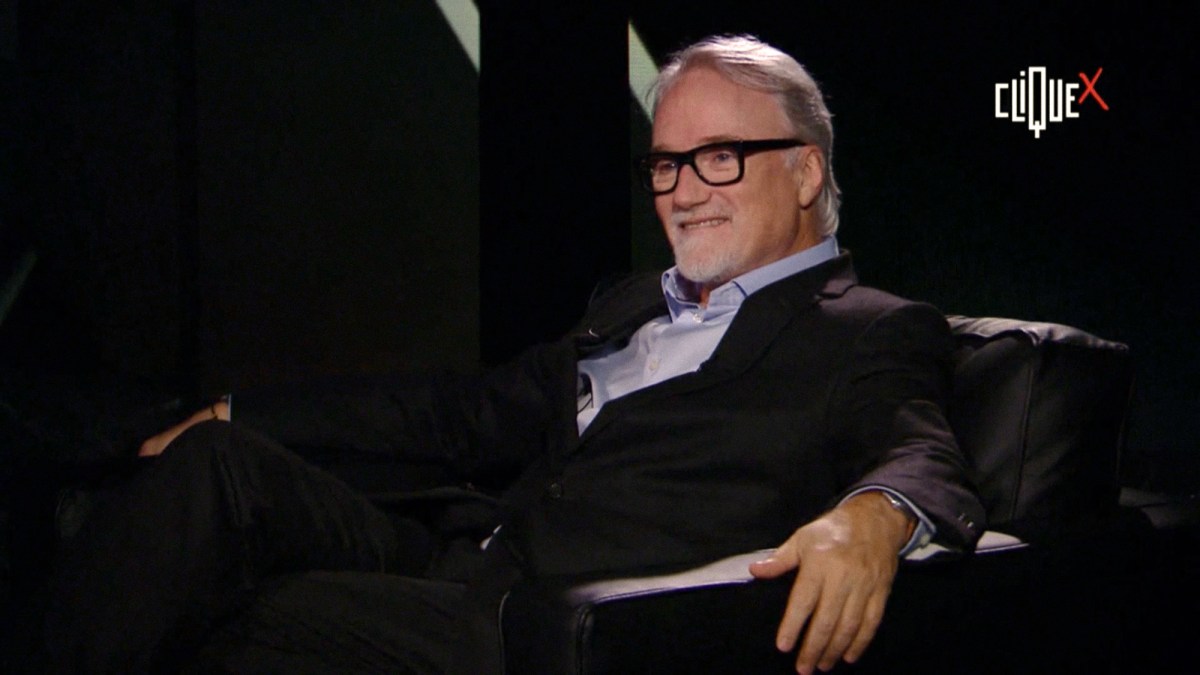
Clique X: Interview with David Fincher

Mouloud Achour
March 8, 2023
Clique TV (Canal+)

The immense director David Fincher granted us a 90-minute exclusive interview with Mouloud Achour. This new Clique X is a masterclass from the American genius about the secrets of his filmography that has become so emblematic over the years: Seven, Fight Club, Zodiac, The Social Network

In English with subtitles in French.

Watch the interview on Canal+

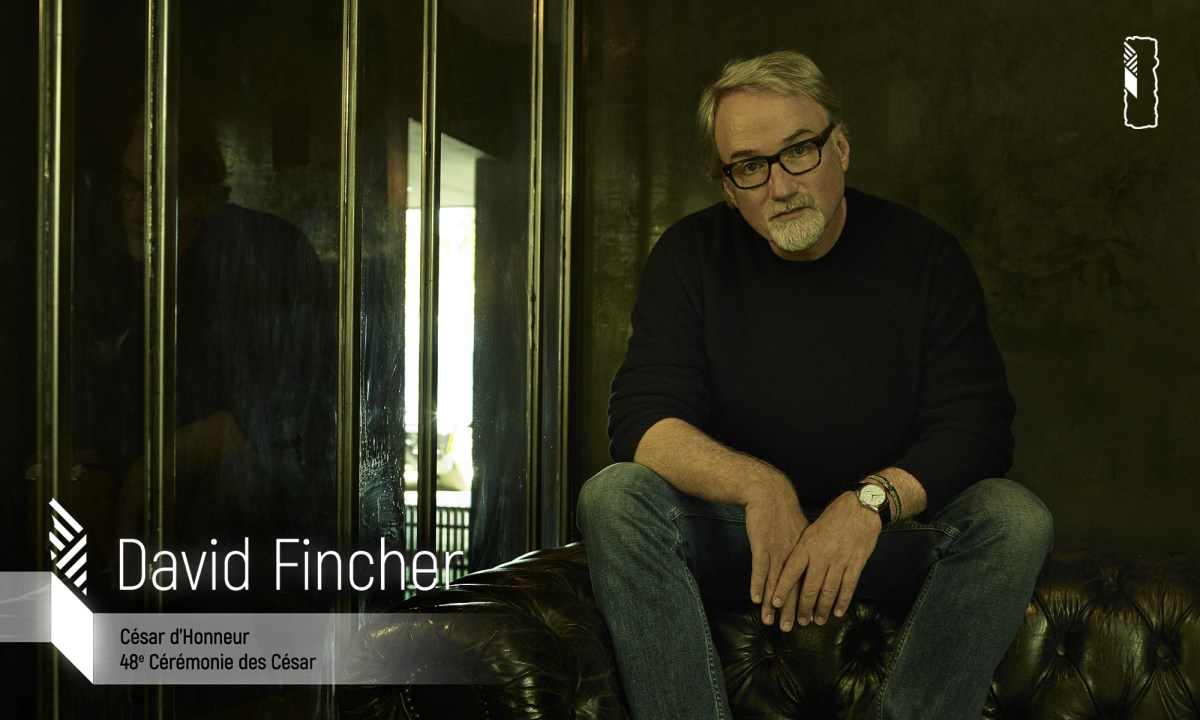
David Fincher received the Honorary César Award from the French Academy of Film Arts and Sciences

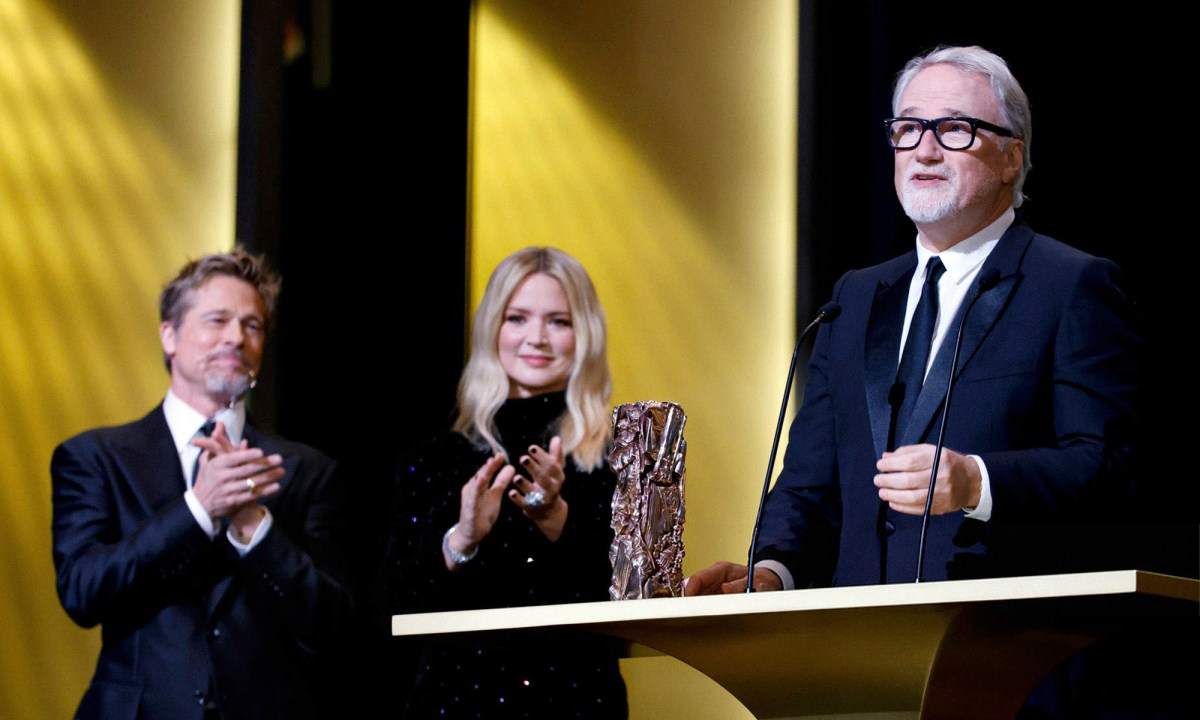
Virginie Efira, Brad Pitt, and David Fincher (Julien M. Hekimian)

César. Académie des Arts et Techniques du Cinéma / Canal+
February 24, 2023

On February 24, 2023, on the stage of the Olympia in Paris, Director David Fincher received the Honorary César Award of the 48th César Ceremony, broadcast live by Canal+.

The films of David Fincher, including a brief look at The Killer (2023).

Belgian-French actress Virginie Efira, who later won the César for Best Actress, presented the award and introduced a surprise guest, Brad Pitt, who showed his love and admiration for his longtime friend with a touching speech.

Fincher was accompanied by his daughter and his wife and Producer Ceán Chaffin.

Brad Pitt’s speech and David Fincher’s acceptance speech.

Watch Virginie Efira’s speech and Brad Pitt’s speech with a voiceover in French

Watch David Fincher’s acceptance speech with a voiceover in French

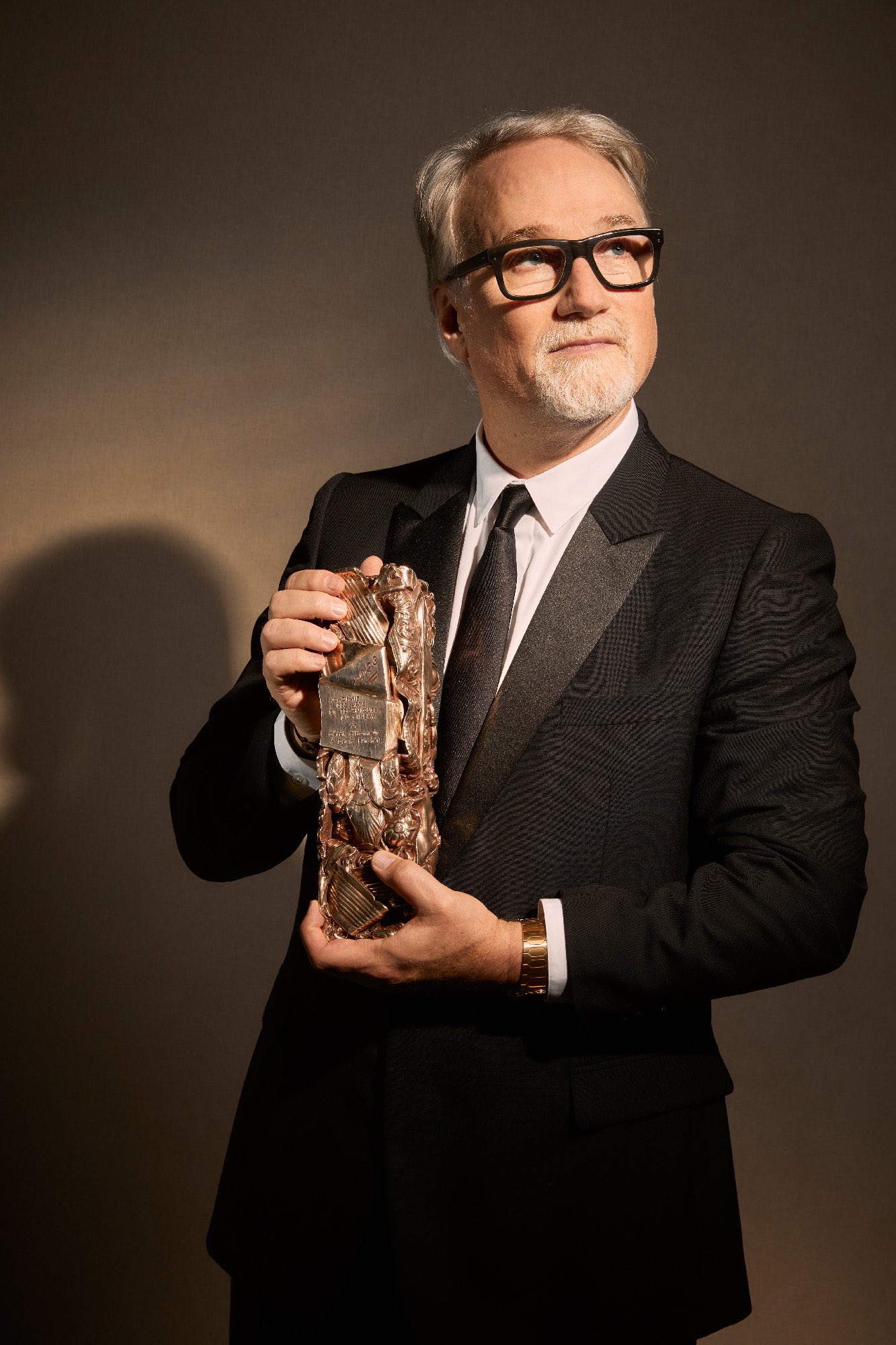
David Fincher with his Honorary César Award (ENS Louis-Lumière).

David Fincher to receive the Honorary César Award from the French Academy of Film Arts and Sciences

David Fincher (Frank Ockenfels / Netflix)

Translation of the original press release in French:

David Fincher, Honorary César of the 48th César Ceremony

César. Académie des Arts et Techniques du Cinéma / Canal+

Press Release
Paris, December 16, 2022

American filmmaker David Fincher will receive on Friday, February 24, 2023, on the stage of the Olympia, the César d’Honneur of the 48th César Ceremony.

David Fincher is one of those rare directors whose entire filmography has become emblematic over the years. An outstanding technician, a true visionary, his cinema is hypnotic, cerebral, a source of inspiration for countless artists.

He shocked us with “Seven“, kept us on the edge with “The Game“, and hit us again with “Fight Club“. With “Zodiac“, “The Social Network“, “Gone Girl“, his greatest success in cinema, or even “Mank“, he broke his usual codes and received the praise of the international press.

Coming from the world of music videos, David Fincher also produces successful series such as “House of Cards” or “Mindhunter“. He is currently working on his next feature film “The Killer“, which marks his big return to the thriller.

See you on February 24 to pay him a vibrant tribute, in clear, live, and exclusively on Canal+.

Update (in French):

Actress Virginie Efira chosen to present the César d’Honneur to David Fincher

Le Figaro
January 28, 2023

Elvis Mitchell and David Fincher talk “Is That Black Enough for You?!?”

November 6, 2022
AFI Fest (American Film Institute)

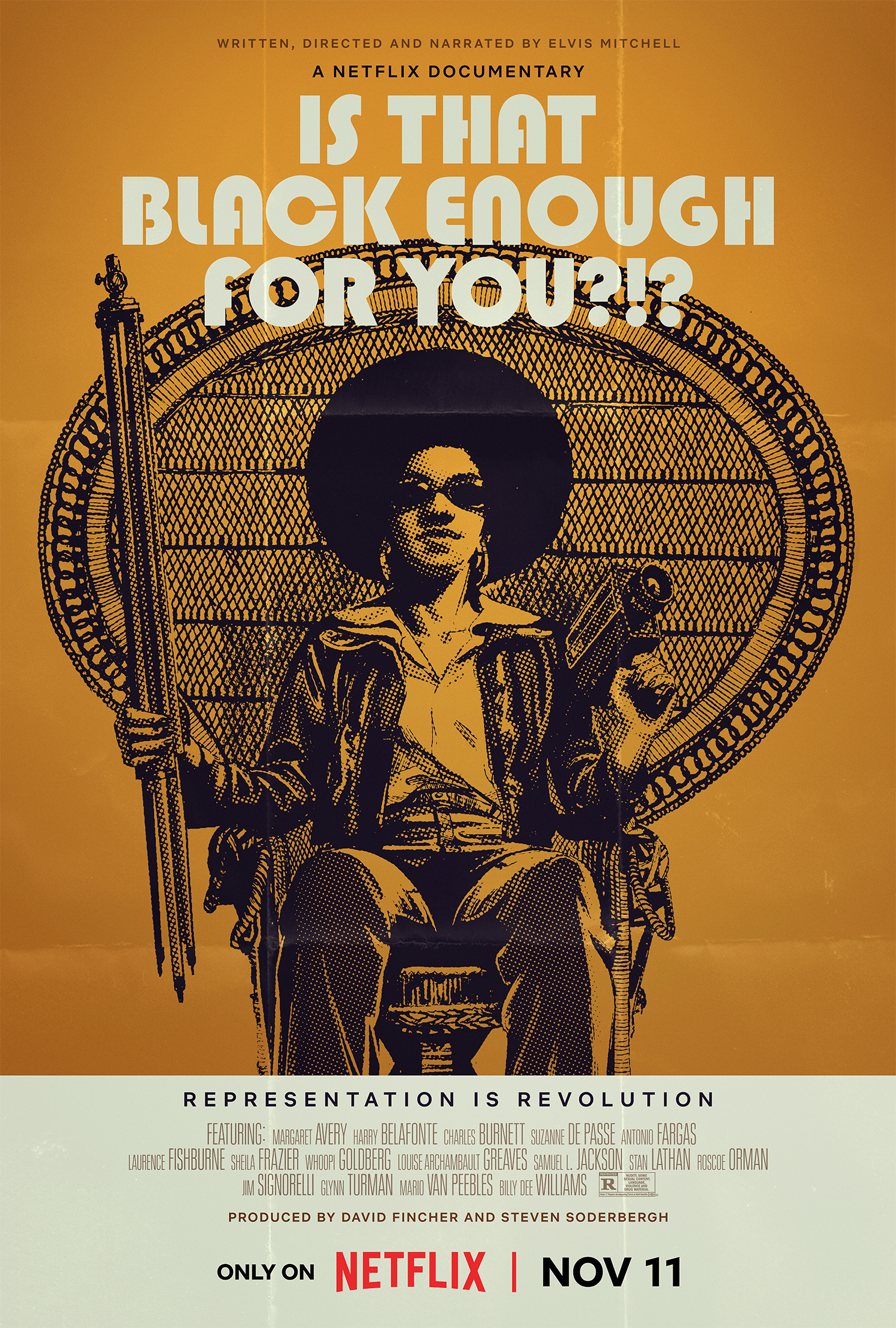
Is That Black Enough for You?!?

From celebrated writer and film historian Elvis Mitchell, Is That Black Enough for You?!? is both a documentary and a deeply personal essay. The film examines the craft and power of cinema from a perspective often overlooked: the African American contribution to films released from the landmark era of the 70s. It is a deep dive into the impact that point of view had on movies, as well as popular culture, and serves as a love letter to film, posing questions that have never been asked, let alone answered.

Crucial artistic voices, including director Charles Burnett, Samuel L. Jackson, Whoopi Goldberg, Laurence Fishburne, Zendaya and others, offer their distinctive prism on the creators and films that dazzled and inspired. The film provides insight into the history of Black representation going back to the earliest days of cinema, and the cultural impact of witnessing unapologetic Blackness.

Produced by Steven Soderbergh, David Fincher, Angus Wall and Ciara Lacy, Is That Black Enough for You?!? marks Mitchell’s directorial debut.

Watch Is That Black Enough for You?!? on Netflix

Watch the 1988 Colt 45 commercial directed by David Fincher, starring Billy Dee Williams

Elvis Mitchell and Steven Soderbergh on Is That Black Enough For You?!?. NYFF60

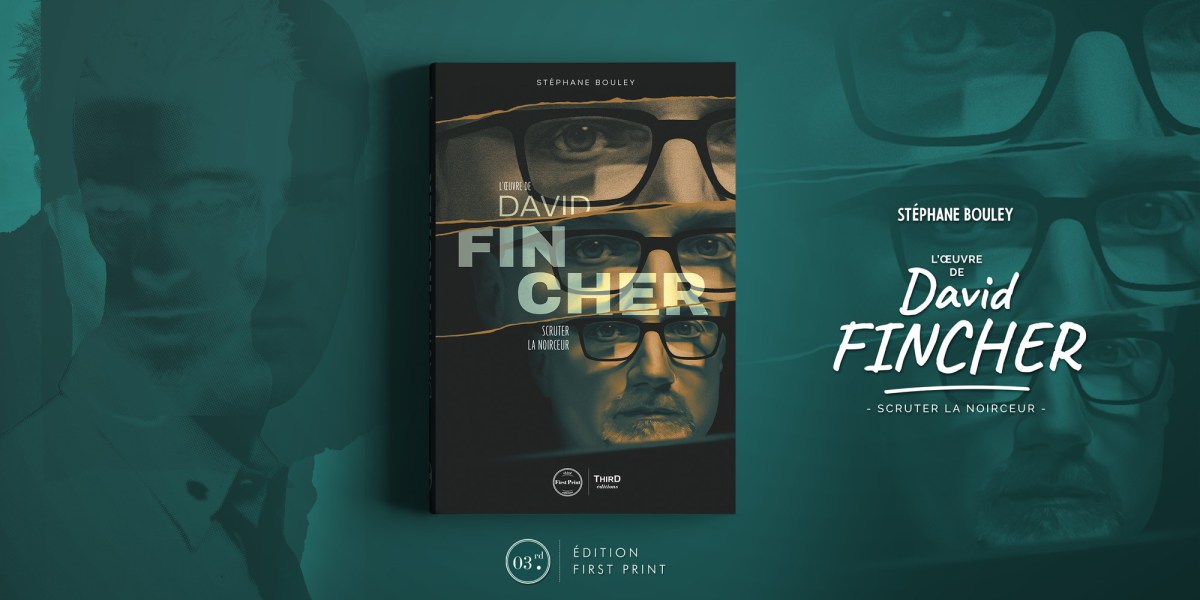
L’Œuvre de David Fincher: Scruter la noirceur, par Stéphane Bouley

THIRD éditions

De Seven à Gone Girl, en passant par Fight Club, Zodiac ou encore The Social Network, l’œuvre de David Fincher constitue l’une des plus importantes du cinéma moderne. Ce cinéaste obsessionnel et méticuleux s’est attelé, film après film, à ausculter la nature humaine, ses conflits intérieurs ; ce qui en compose la noirceur.

Déjà auteur de l’essai L’Œuvre de John Carpenter. Les masques du maître de l’horreur, Stéphane Bouley propose, avec L’Œuvre de David Fincher. Scruter la noirceur, d’explorer les recoins de cette filmographie passionnante. L’ouvrage, à la fois dense et accessible, analyse avec force détails et transversalité les choix de mise en scène du réalisateur, ses motifs et thèmes récurrents, ainsi que le travail essentiel de ses collaborateurs.

L’édition First Print (nombre d’exemplaires limité) comprend :

  • Le livre L’Œuvre de David Fincher. Scruter la noirceur
  • Une couverture exclusive de Ben Turner
  • Une jaquette réversible reprenant la couverture de l’édition classique
  • Un ex-libris de Ben Turner
  • Le livre au format numérique (ePub)

Caractéristiques

Pages: 520
Couverture: Cartonnée – Illustration de Ben Turner
Format: 160 x 240 mm
Edition First Print: Jaquette réversible, ex-libris, fichier ePub
Prix: 44,90€

Télécharger un extrait / Commander

Love, Death + Robots

Volume 3 directors break the rules with David Fincher, Tim Miller, and Jennifer Yuh Nelson at the helm.

Moderated by Laura Prudom
July 20, 2022
Netflix Queue

David Fincher had produced two volumes of his Emmy Award-winning anthology series Love, Death + Robots before he decided to make his animated directing debut in the third volume. His episode, “Bad Travelling,” tells the story of a sailing vessel attacked by a giant, bloodthirsty crustacean. “My take on it skewed more towards [the reality TV series about crab fishermen] Deadliest Catch meets Alien, with a touch of motorcycle touring gear thrown in for good measure. It’s not swashbuckling at all. You get this idea that this is a rough job — it’s not something you aspire to.”

Love, Death + Robots, was a project that Academy Award-nominated Fincher (MankMindhunter) and fellow executive producer Tim Miller (Deadpool) had longed to make for years. Inspired by the boundary-pushing comic magazine Heavy Metal (co-founded by acclaimed comic artist Moebius in the 70s) and motivated by a keen desire to move the needle on animated storytelling, they worked to craft a platform that could house a range of creators and styles under the same roof.

Since its 2019 debut, Love, Death + Robots has impressed an ever-growing fanbase of critics and audiences with its bold, fearless approach. “It’s not even creative freedom,” describes Oscar-winning Spanish animator Alberto Mielgo, “I would say, almost creative anarchy.” Mielgo, whose first season animated short “The Witness” earned two Emmys, returns in the third season with “Jibaro,” a meticulously crafted 3D animation chronicling a deaf knight’s deadly dance with a golden siren. “Jibaro” is the only original work featured in Volume 3.

The other eight installments are artful adaptations of sci-fi and fantasy short stories, covering a wide range of animation styles and narratives: Emily Dean’s trippy, Moebius-inflected tale of an astronaut in peril, “The Very Pulse of The Machine;” Jennifer Yuh Nelson’s (Kung Fu Panda 2 & 3) testosterone-fueled, robo-bear action movie send-up, “Kill Team Kill;” and Fincher’s “Bad Travelling” among them. Miller’s entry “Swarm” notably brings sci-fi legend Bruce Sterling’s fiction to the screen for the very first time. Patrick Osborne’s 3D-animated short “Three Robots: Exit Strategies,” meanwhile, is the series’ first sequel, rejoining Volume 1’s “Three Robots” protagonists K-VRC, XBOT 4000, and 11-45-G as they piece together humanity’s final days on Earth.

Queue brought together creators Fincher, Miller, and Nelson (who serves as the anthology’s supervising director) with contributing directors Mielgo, Dean, and Osborne to discuss the anything-goes approach to the series and their wide-ranging inspirations.

Read the full discussion

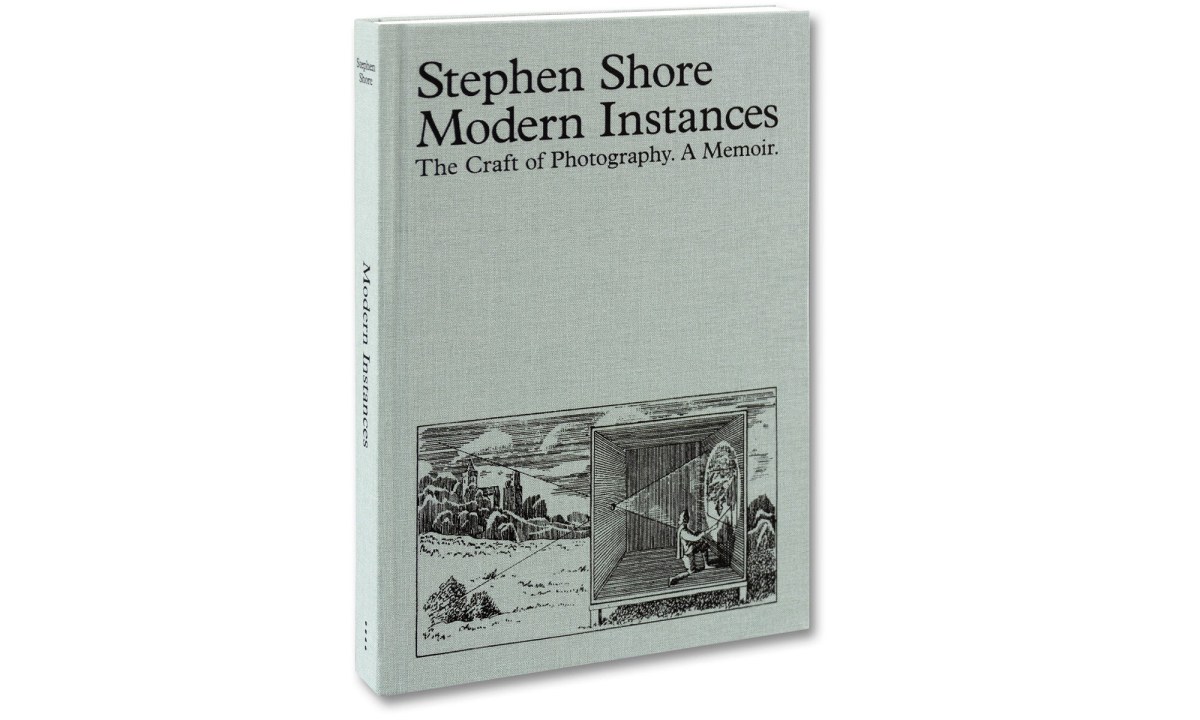
Modern Instances: The Craft of Photography, by Stephen Shore

February 2022
MACK (UK, EU)

Shore’s work has been a personal inspiration from my earliest interaction with it. With Modern Instances, I am humbled to have his profound insight into the rigorous over-thinking that made it possible. This insight, delivered with such clarity, grace, and humility, will no doubt affect how you make or appreciate photographs – it might even alter how you see.’ David Fincher

Shore’s memoir is as riveting as it is illuminating – an almost deceptively seamless narrative of experiences, associations, correspondences, images, and remarkable erudition that testify to the mind’s eye through which, from the beginning of his career, Shore has transformed the seemingly spontaneous configurations of his photography into profound works of art.’ Jane Kramer

Modern Instances is like a conversation among friends. It reveals a deeply inquiring mind, and renders making photographs, and looking at them, one of the most exciting and humane of pursuits.’ Sandra Phillips

‘Although the dream is a very strange phenomenon and an inexplicable mystery, far more inexplicable is the mystery and aspect our minds confer on certain objects and aspects of life.’ Giorgio de Chirico

Stephen Shore’s Modern Instances: The Craft of Photography is an experimental new memoir from one of the world’s most prolific artists — an impressionistic scrapbook that documents the rich and surprising touchstones that make up over half a century of ground-breaking work. With essays, photographs, stories, and excerpts that draw on Shore’s decades of teaching, this is an essential handbook for anyone interested in learning more about mastering one’s craft and the distinct threads that come together to inform a creative voice. As much as offering meditation on the influences of a single artist, Modern Instances proposes a new way of thinking about the world around us, in which even the smallest moment can become a source of boundless inspiration — if only we pay attention.

Silkscreen printed linen hardcover
ISBN
: 978-1-913620-53-0
Dimensions: 17 x 24.5cm
Page Count: 224 pages
Price: €38 / £30 / $45

Look inside and buy the book

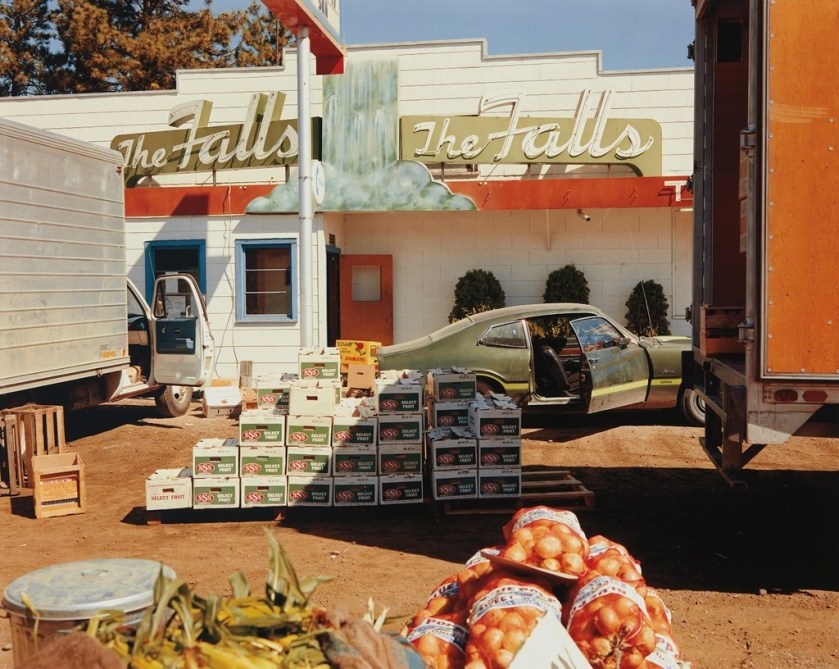
How Stephen Shore’s Photographs Inspired Netflix’s Mindhunter

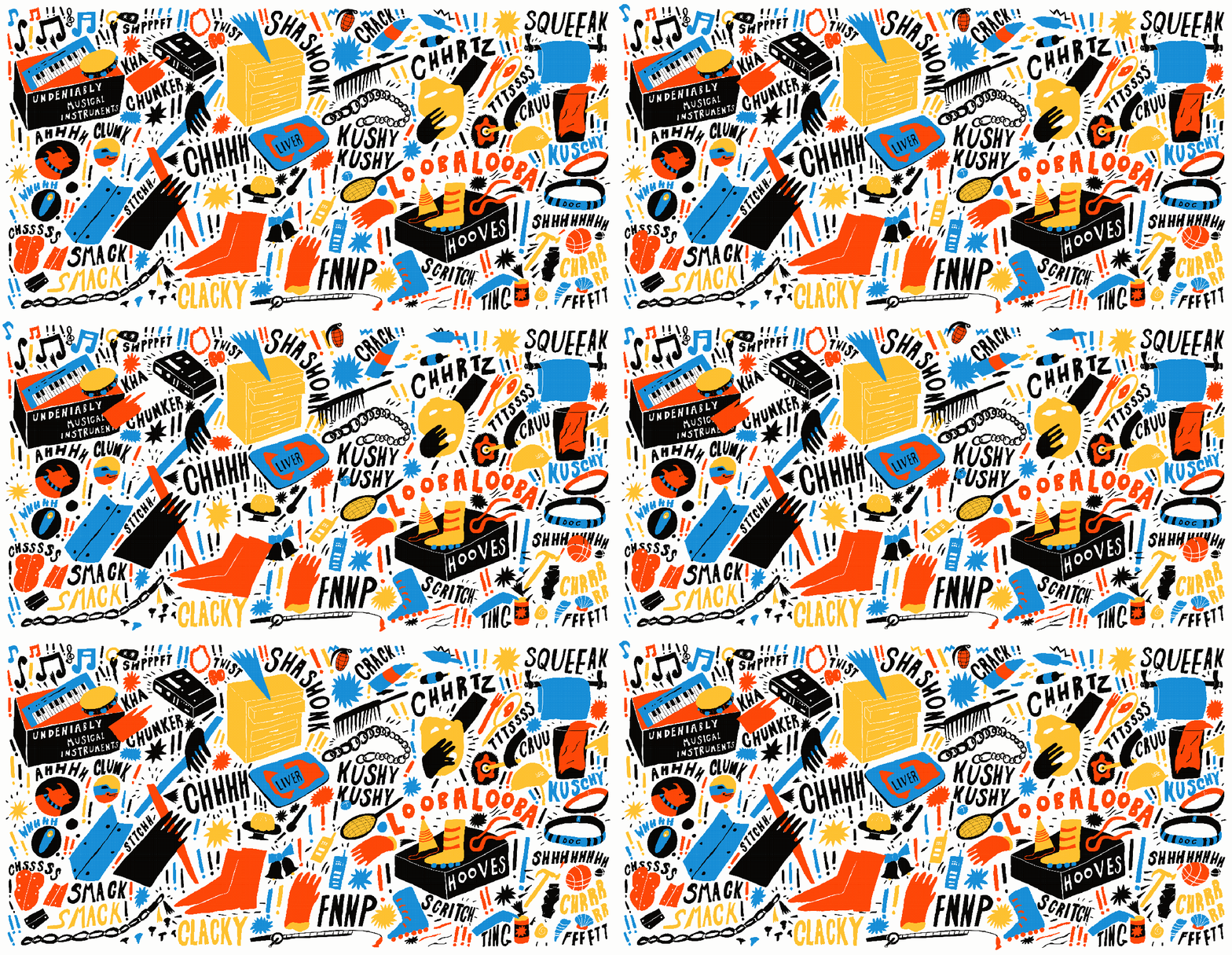
The Weird, Analog Delights of Foley Sound Effects

E.T. was jello in a T-shirt. The Mummy was scratchy potpourri. For Foley artists, deception is an essential part of the enterprise.

Anna Wiener
June 27, 2022
The New Yorker

The salvage yard at M. Maselli & Sons, in Petaluma, California, is made up of six acres of angle irons, block pulleys, doorplates, digging tools, motors, fencing, tubing, reels, spools, and rusted machinery. To the untrained eye, the place is a testament to the enduring power of American detritus, but to Foley artists—craftspeople who create custom sound effects for film, television, and video games—it’s a trove of potential props. On a recent morning, Shelley Roden and John Roesch, Foley artists who work at Skywalker Sound, the postproduction audio division of Lucasfilm, stood in the parking lot, considering the sonic properties of an enormous industrial hopper. “I’m looking for a resonator, and I need more ka-chunkers,” Roden, who is blond and in her late forties, said. A lazy Susan was also on the checklist—something to produce a smooth, swivelling sound. Roesch, a puffer-clad sexagenarian with white hair, had brought his truck, in the event of a large haul. The pair was joined by Scott Curtis, their Foley mixer, a bearded fiftysomething. Curtis was in the market for a squeaky hinge. “There was a door at the Paramount stage that had the best creak,” he said. “The funny thing was, the cleaning crew discovered this hinge squeak, and they lubricated the squeak—the hinge. It was never the same.”

Petaluma is a historically agricultural town, and that afternoon was the thirty-ninth annual Butter and Egg Days Parade; the air smelled of lavender and barbecued meat. Inside the yard, Curtis immediately gravitated toward a pile of what looked like millstones, or sanding wheels. He began rotating one against another, producing a gritty, high-pitched ring, like an elementary-school fire alarm. “The texture is great,” Roden said. She suggested that one of the wheels could be used as a sweetener—a sound that is subtly layered over another sound, to add dimension—for a high-tech roll-up door, or perhaps one made of stone. “It’s kinda chimey,” she said, wavering. “It has potential.” A few yards away, Curtis had moved on to a shelf of metal filing-cabinet drawers, freckled with rust. “We have so many metal boxes,” Roden said, and walked away.

“It’s kinda the squeak I was looking for,” Curtis said softly.

“Hey, guys, remember the ‘Black Panther’ area?” Roden called out. “Wanna explore?” She led the group past a rack of hanging chains, also rusted; Curtis lightly palmed a few in sequence, producing the pleasant rings of a tintinnabulum. Roden pointed to the spot where she had found a curved crowbar to create the sound of Vibranium—a fictional rare metal unique to the Marvel universe—before zeroing in on a rack of thimbles, clamps, nuts, bolts, and washers. The trio began knocking and tapping hardware together, producing a series of chimes, tinks, and clunks. Roesch, who calls himself an “audile”—someone who processes information in a primarily auditory manner, rather than in a visual or a material one—had unearthed a sceptre-like industrial tool with a moving part, and was rapidly sliding it back and forth. “Robot,” he said.

The bulk of the sound in film is typically added in postproduction. “I always say there’s sound effects, like footsteps, and then there’s music,” the director David Lynch, whose films are famous for their inventive, evocative sound design, said. “And then there’s sound effects that are like music. . . . They conjure a feeling.” Traditionally, “hard effects” cover ambient noises such as traffic or rain, or the more mechanical, combustive sounds of explosions and gunfire; they are usually pulled from libraries, or electronically produced. Foley effects are custom to a film, and are synchronized to characters’ movements. They might include the sound of someone walking across a room, rolling over in bed, stirring a pot, typing, fighting, dancing, eating, falling, or kissing. The line between the two kinds of effect is thin: Foley artists record the sound of a hand twisting a doorknob, but not the sound of the mechanism turning within. Foley is subtle but suggestive, capturing offstage bedsprings, or the shuffle of a clumsy intruder. In the past hundred years, technology has changed the process of recording, editing, and engineering sounds, but the techniques of Foley have remained stubbornly analog. Behind any given Foley effect, no matter how complex, are one or two people contorting their bodies in a soundproof room.

Foley artists have historically worked in pairs. (Certain sounds are so complex that they require the labor of four hands.) Roden and Roesch are two of the masters in their field. David Fincher, the director of movies including “The Social Network,” “Gone Girl,” and “Mank,” told me that Foley is “a very strange calling,” and “a dark art” foundational to filmmaking. “You’re trying to make beautiful sounds that make their point once and get the hell out of Dodge,” Fincher said. “The people who do it really, really well are few and far between.”

Read the full profile