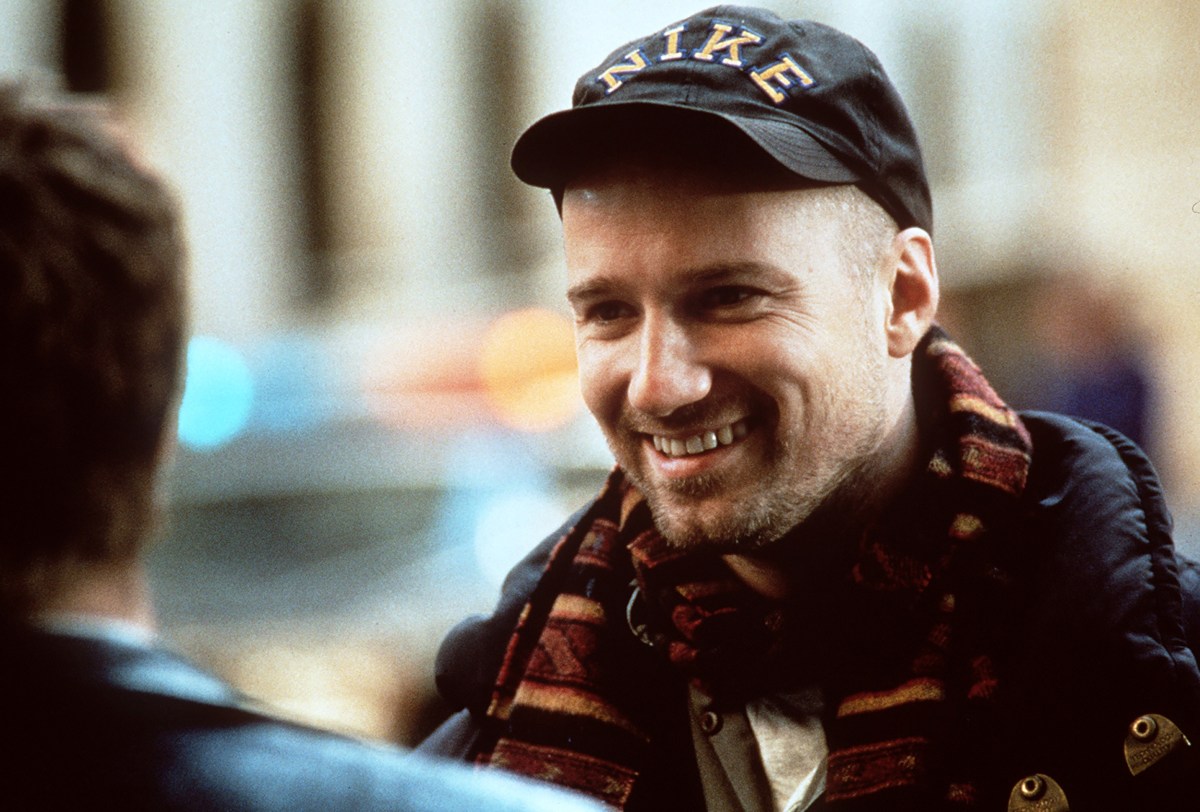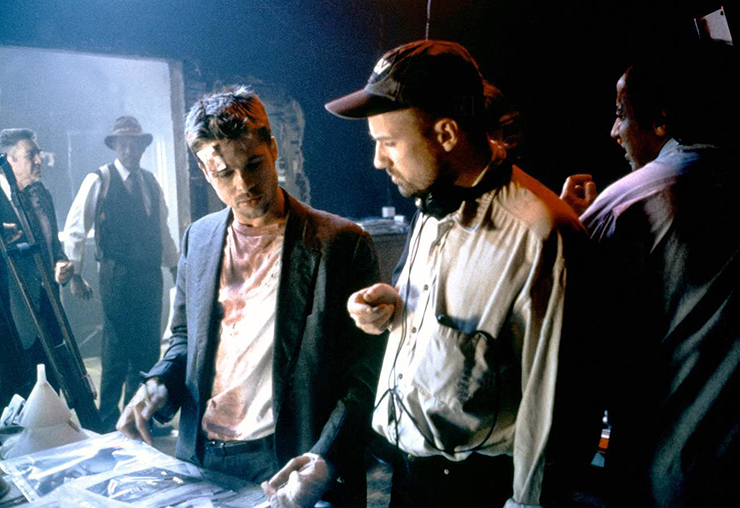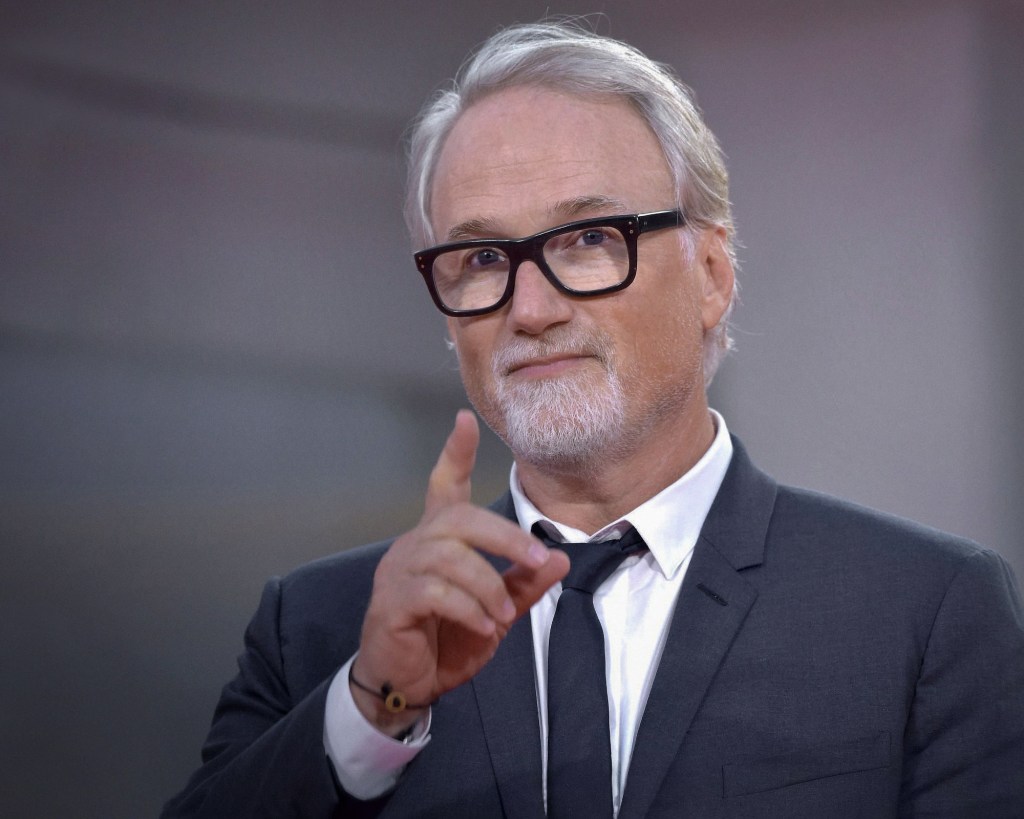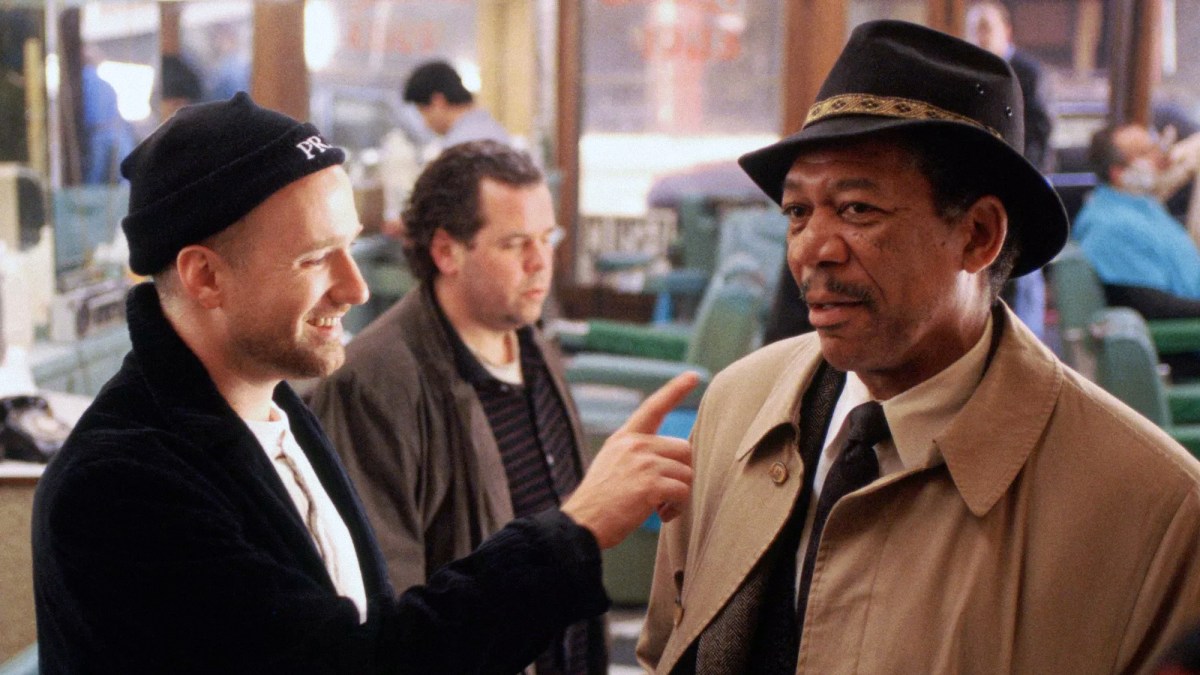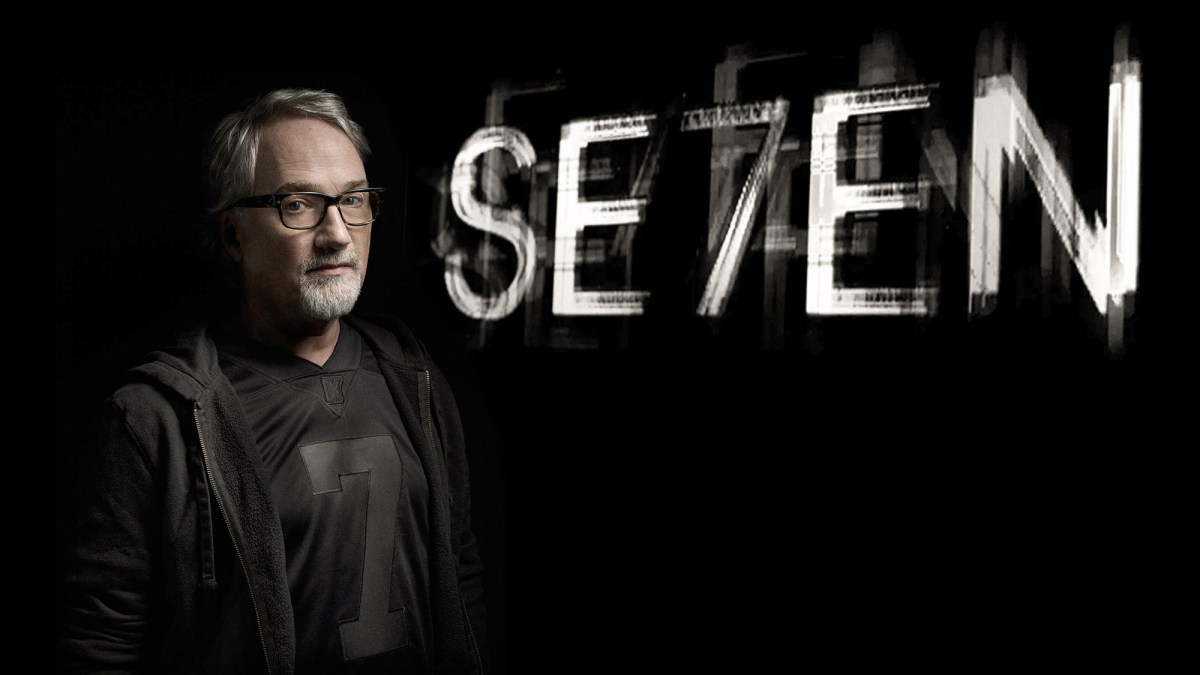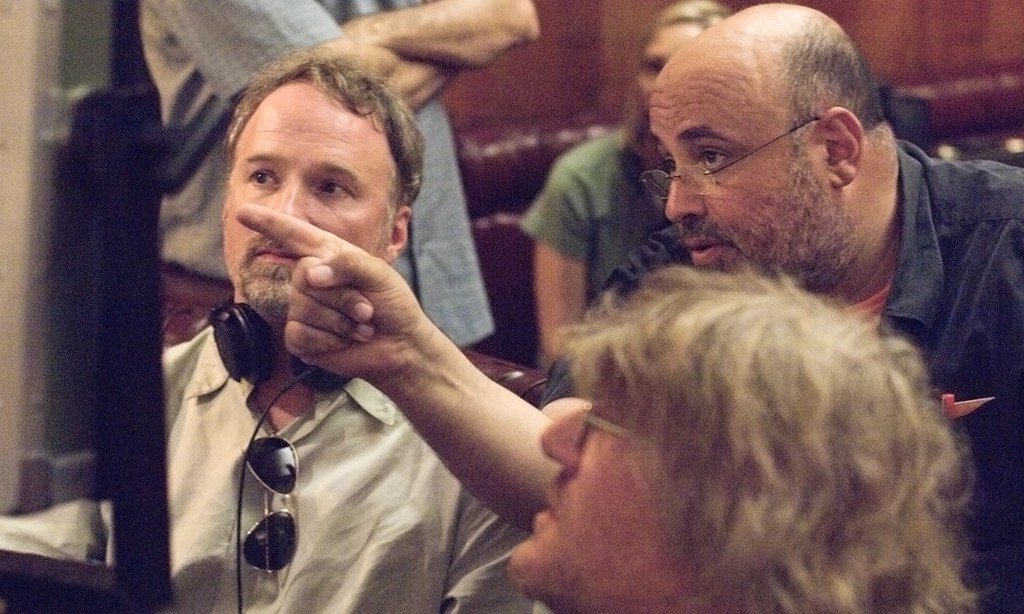
SE7EN turns 30 this year, and to commemorate the anniversary, director David Fincher has overseen the 4K remaster of the seminal crime drama.
The serial killer mystery — which stars Morgan Freeman, Brad Pitt, Gwyneth Paltrow, and Kevin Spacey — first shook up the crime genre in 1995 with propulsive, precise craft and unprecedentedly nasty crime scenes that have influenced everything from Saw to The Batman. The film now has a higher-resolution look that will debut on IMAX screens on Jan. 3 before releasing on 4K UHD Blu-ray Discs and on digital Jan. 7. Fincher and his team painstakingly recreated the film as it was originally printed in 1995, utilizing some AI tools to enhance the image and fix visual mistakes that weren’t visible in previous scans of the film.
Entertainment Weekly chatted with Fincher to discuss the new version of SE7EN and reflect on his memories of helming his feature directorial breakout 30 years later — including what’s really in the box.
It’s officially 2025, and that makes it the year of SE7EN’s 30th anniversary. Released in theaters on September 22, 1995, David Fincher’s second feature film enjoyed a successful run at the box office, scored an Academy Award nomination for Best Film Editing, a BAFTA nomination for Best Original Screenplay, and is still revered as top-tier cinema to this day.
The movie stars Morgan Freeman and Brad Pitt as detectives. Freeman’s William Somerset is a respected veteran on the verge of retirement, while Pitt’s David Mills is a recently transferred detective with loads of confidence, but lots to learn from Somerset. The pair is assigned to investigate a string of elaborate and ruthless murders, each one connected to one of the seven deadly sins.
In celebration of SE7EN’s release on 4K UHD on January 7, and also its first-ever IMAX release on January 3, I got the opportunity to get a peek behind the curtain of the restoration process courtesy of Fincher himself. He broke down the factors he must consider when choosing which of his films to restore, where he draws the line when making changes to the original film during this restoration process, how he used AI to pull off “the most thrillingly stupid fix in the world,” and loads more. You can read about all of that and his thoughts on his Netflix projects getting physical releases in the interview below.
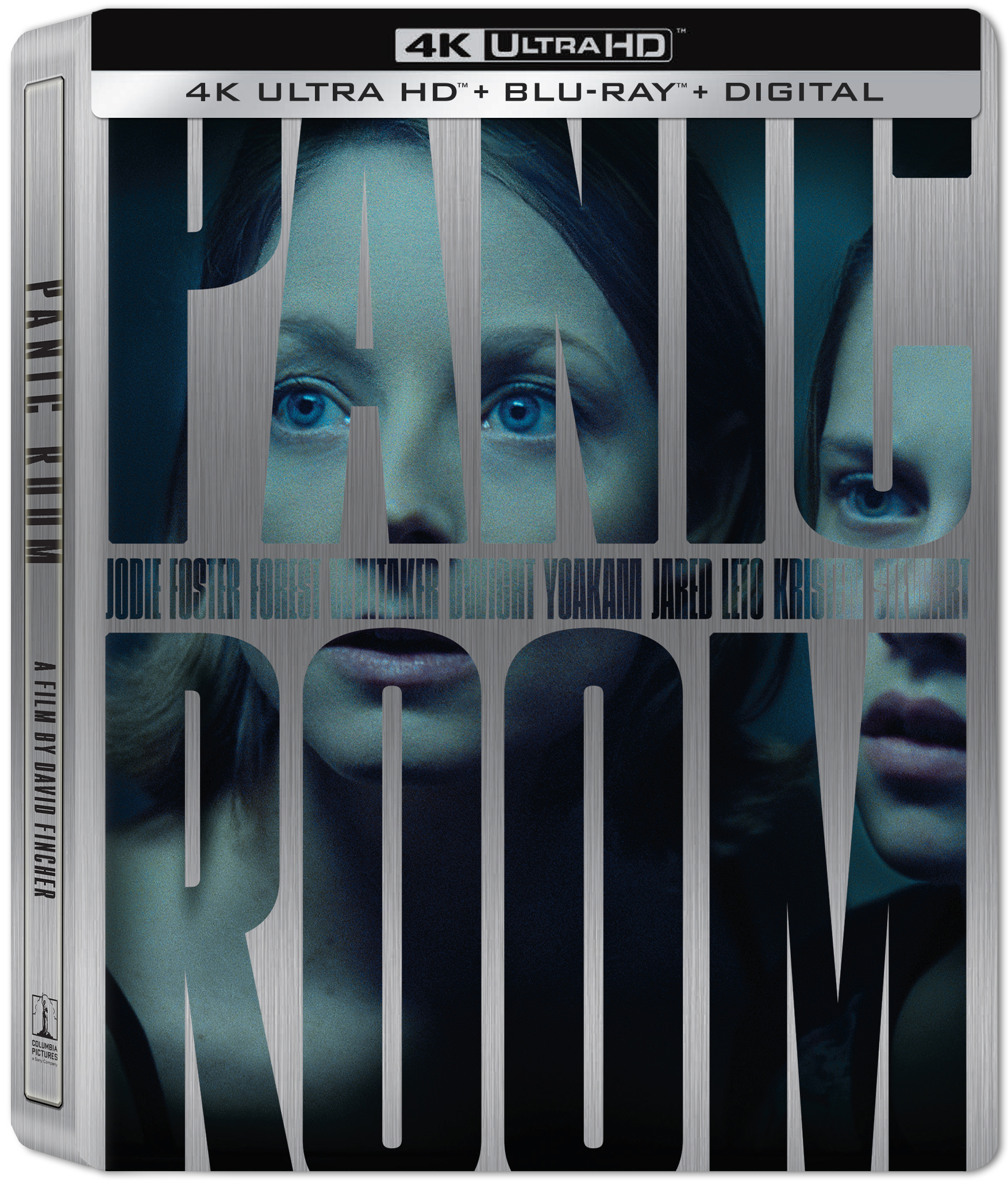
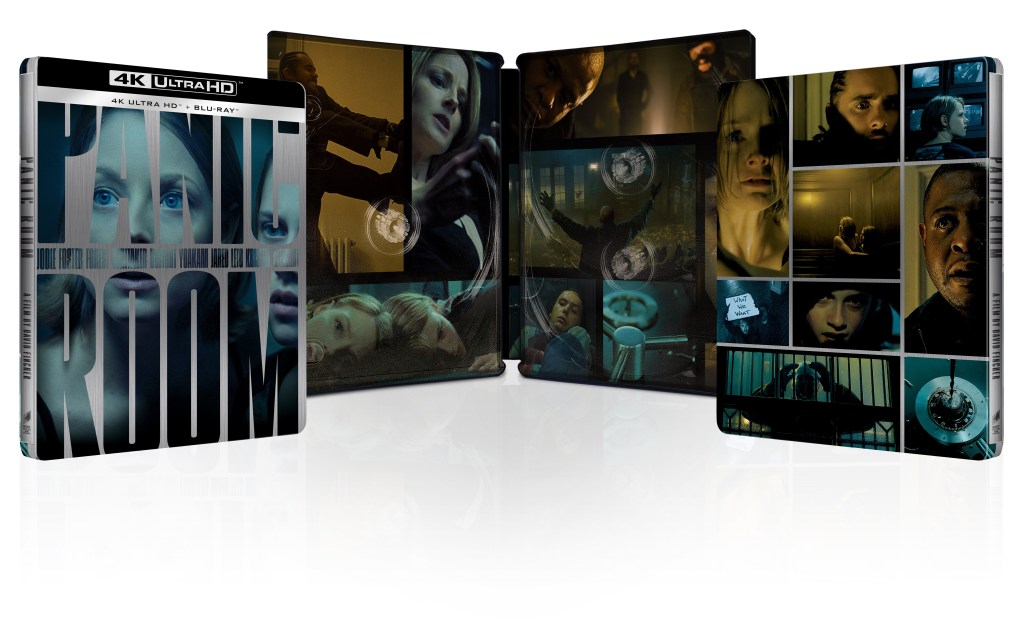
Sony Pictures Home Entertainment has officially announced the long-awaited UHD HDR release of Panic Room, featuring the new remaster in 4K supervised by David Fincher.
It will be available as a limited edition Steelbook on February 18, 2025.
Trapped in their New York brownstone’s panic room, a hidden chamber built as a sanctuary in the event of break-ins, newly divorced Meg Altman (Jodie Foster) and her daughter, Sarah (Kristen Stewart), play a deadly game of cat-and-mouse with three intruders—Burnham (Forest Whitaker), Raoul (Dwight Yoakam) and Junior (Jared Leto)—during a brutal home invasion. But the room itself is the focal point because what the intruders really want is inside it.
Directed by: David Fincher Produced by: Ceán Chaffin, Gavin Polone, Judy Hofflund, David Koepp Written by: David Koepp
Run Time: 112 minutes Rating: R for violence and language
4K ULTRA HD Disc
Feature presented in 4K resolution with Dolby Vision
English Dolby Atmos + English 5.1
Optional English subtitles
Blu-Ray Disc
Feature presented in HD resolution, sourced from the 4K remaster
English 5.1
Optional English subtitles for the main feature
Commentary 1 by David Fincher
Commentary 2 by Jodie Foster, Forest Whitaker, and Dwight Yoakam
Commentary 3 by writer David Koepp and special guest
Blu-Ray Disc with Special Features
All previously available Special Features produced by David Prior.
Pre-Production:
– Six featurettes on the prep phase, from pre-visualization through testing. – Interactive previsualization: Compare the pre-visualization, storyboards, dailies and final film in a multi-angle, multi-audio feature with optional commentary.
Production:
– Shooting Panic Room: An hour-long documentary on the principal photography phase. – Makeup effects featurette with Alec Gillis and Tom Woodruff Jr. – Sequence breakdowns: An interactive look at the creation of four separate scenes in the film
Post-Production:
– 21 documentaries and featurettes on the visual effects. – On Sound Design with Ren Klyce. – Digital Intermediate and other featurettes dealing with the post-production phase. – A multi-angle look at the scoring session conducted by Howard Shore.
This edition will include the fantastic Teaser Trailer narrated by Linda Hunt, edited by Angus Wall, and with Sound Design by Ren Klyce, previously only available in the “SuperBit” Edition and worldwide standard edition DVDs:
Fight Club is a cinematic time machine. The film captured the essence of 1999, and, 25 years later, filmmaker David Fincher‘s vision for Chuck Palahniuk‘s novel continues to resonate, cranking up its unsettling relevance in a commercialized and violent world.
The movie hits just as hard today as it did back then.
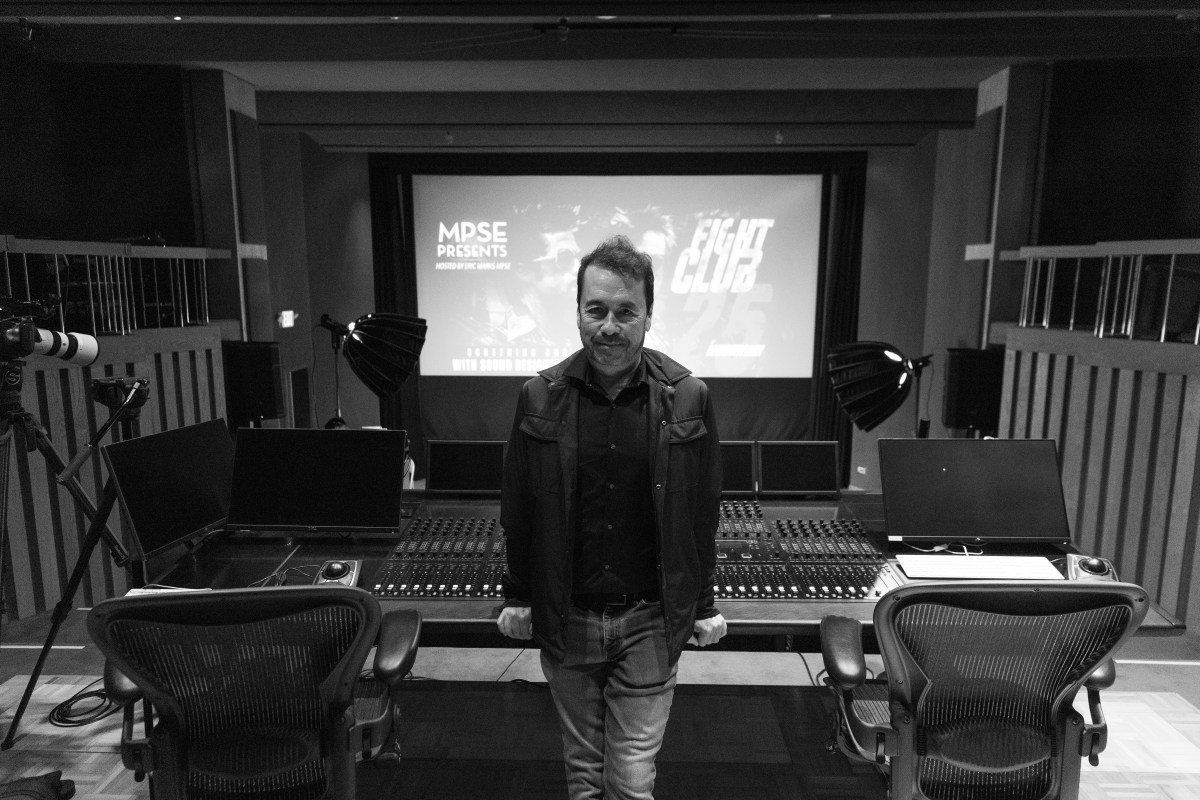
Fight Club remains as overwhelming as the narrator’s life. The sound is relentless; the world almost never quiets down. It’s a controlled yet unrelenting experience for the eyes and ears. Much of the credit goes to sound designer Ren Klyce, who is once again working on the film, remastering it with Fincher & Co. Before attending MPSE Presents: Fight Club 25th AnniversaryScreening, Klyce spoke with Immersive Media about his past and present experiences with Fight Club.
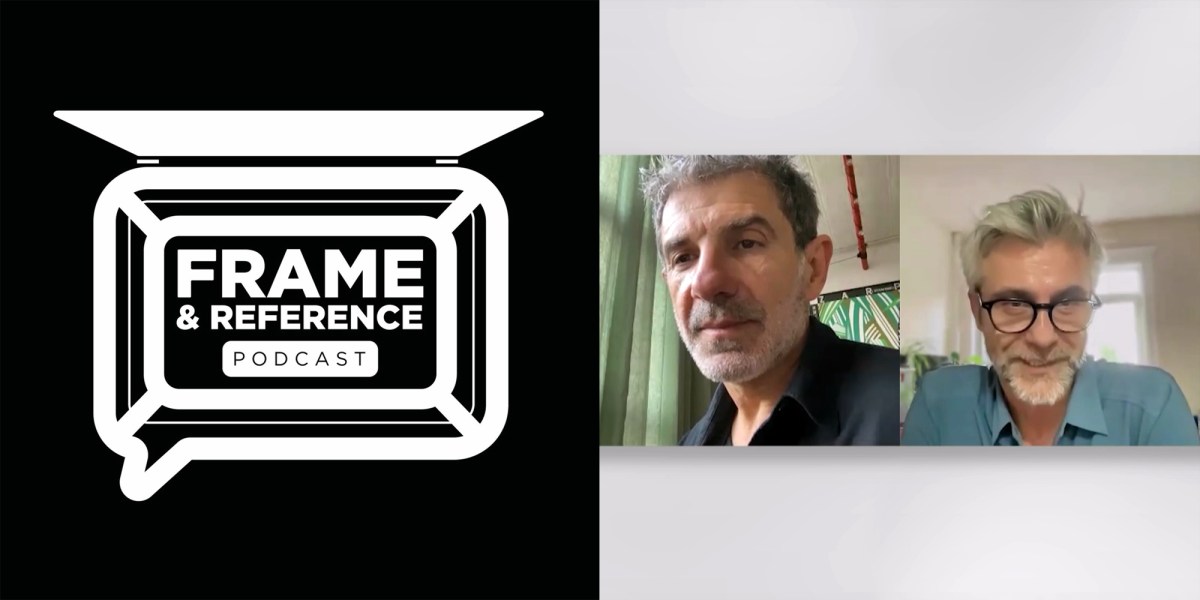
Frame & Reference is a conversation between Cinematographers hosted by Kenny McMillan. Each episode dives into the respective DP’s current and past work, as well as what influences and inspires them. These discussions are an entertaining and informative look into the world of making films through the lens of the people who shoot them.
Igor Martinovic (Man on Wire, House of Cards: S02, The Night Of) and Vanja Černjul (Orange Is the New Black: S01, Marco Polo, Crazy Rich Asians), who grew up together in Croatia, talk about their experiences working with David Fincher in House of Cards: S02 (Igor), shooting a big production like House of the Dragon (Vanja), and making together the documentary Jim Henson: Idea Man directed by Ron Howard.
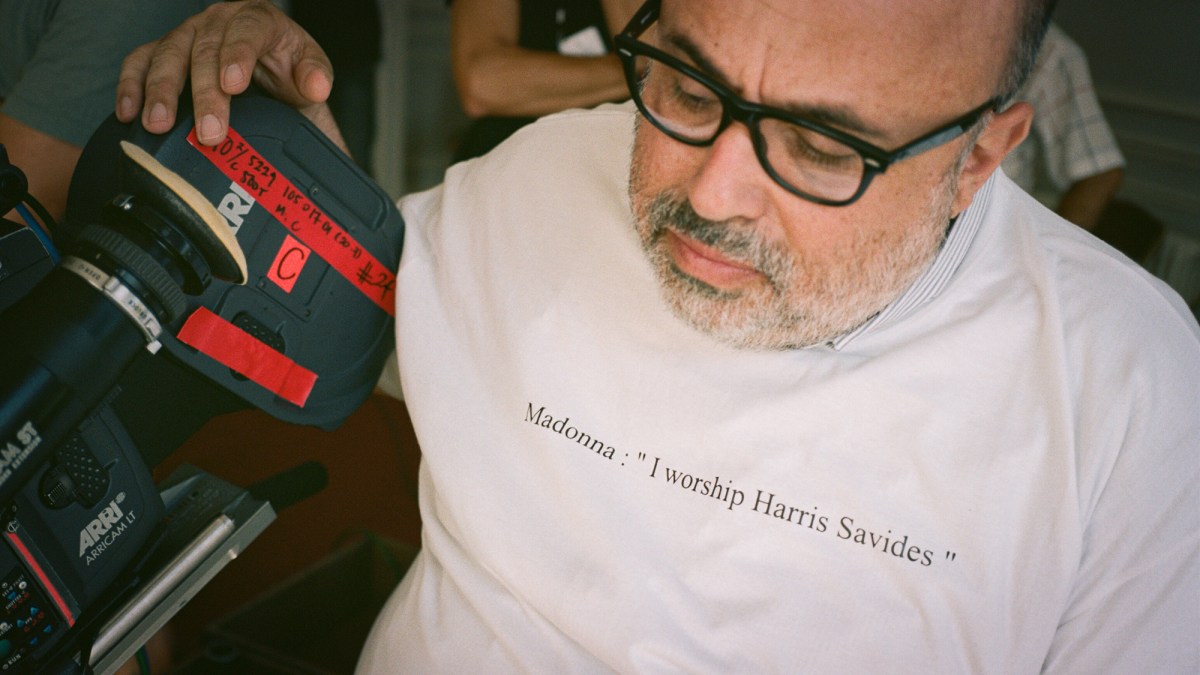
Sofia Coppola, Gus Van Sant, Noah Baumbach, Jonathan Glazer, David Fincher, and today’s best cinematographers reflect on the giant hole in the heart of cinema that was left when Harris Savides died in 2012.
When cinematographer Bradford Young was fresh out of Howard University, he would have done anything to get near the set of his idol Harris Savides. He eventually found a way to shoot behind-the-scenes footage for the French director Fabian Barron, who hired Savides to shoot an Armani fragrance commercial in Hawaii. When Young got to the forest set, with shafts of light streaming through the trees, he became confused when he flipped on his DV camera to capture the scene.
“The model came on set, and I was like, ‘How’s he going to light her face?,’” recalled Young, who couldn’t believe what happened next: Savides walked on to set with a flashlight in hand and shined it at the model. “He was completely secure with this little flashlight on this million-dollar set. With my eye on the day, I didn’t understand what was happening, ‘How’s he still getting exposure?’ And then I saw the commercial. It was that God particle thing that Harris had. This was complete technical mastery and a complete mystery to observe.”
David Fincher and Harris Savides, Zodiac (Merrick Morton, 2007)
There was a sense of magic surrounding what Savides was able to do. When discussing what his go-to cinematographer was using to light a scene, director David Fincher used to joke, “I don’t know, Harris’ got a jar of fireflies.”
“Beyond the technical process, there was always something else going on in the picture that I couldn’t account for, something that was only him,” writer/director Noah Baumbach told IndieWire. “Something that I guess we call genius.”
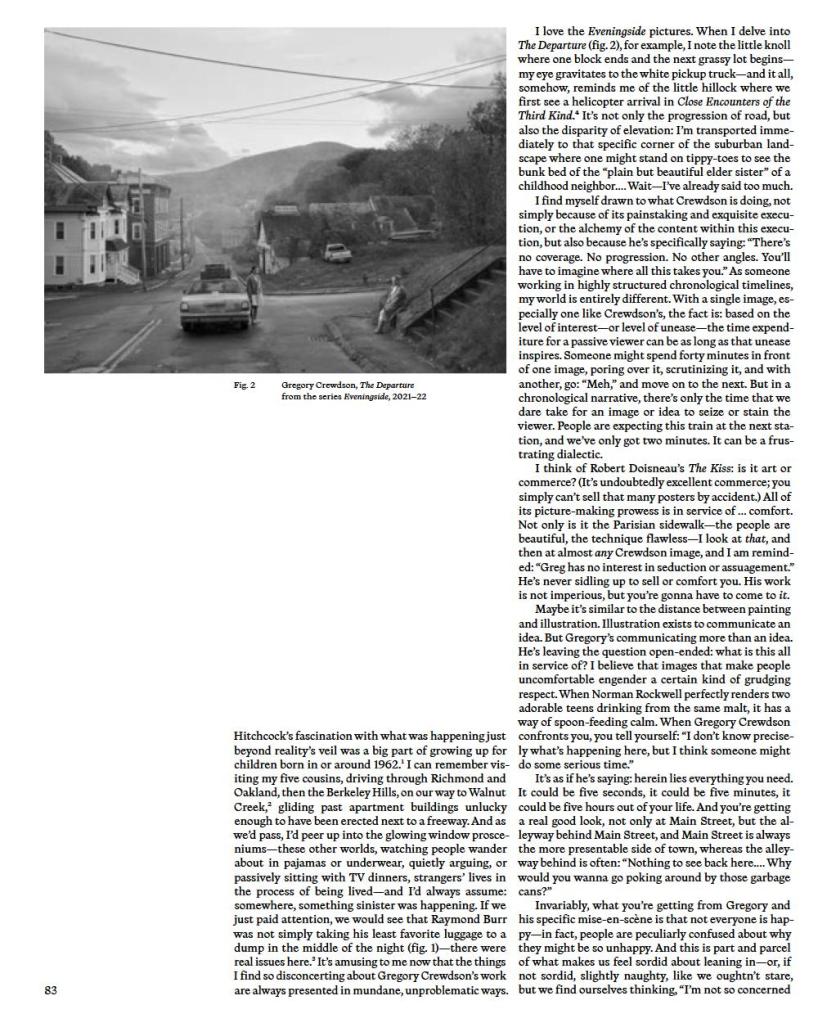
In tandem with his first-ever retrospective at the Albertina, a new book pairs the prolific photographer’s work with writings from directors David Fincher and Matthieu Orléan, and novelist Emily St. John Mandel, among others.
“I’ve always said that I think every artist has one central story to tell,” photographer Gregory Crewdson says on a call from Great Barrington, Massachusetts, where he lives and works. “And they circle around that story, over and over again, over a lifetime, reinventing aspects of it and challenging others and trying to push things forward. But at the core of it, it’s like the central preoccupations remain fixed.”
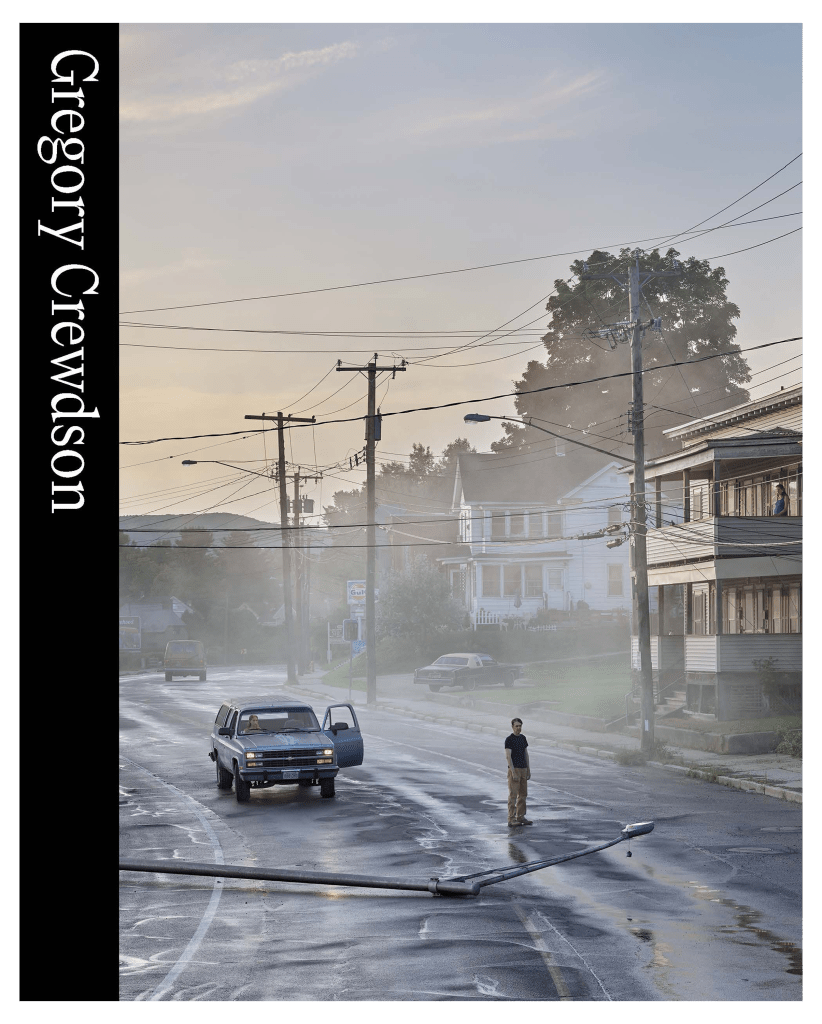
The concept is particularly timely for the photographer, who for the past three-and-a-half decades has been constructing gripping images that call to mind film stills, as his first-ever retrospective opened in May at the Albertina in Vienna. Later this month, the eponymous exhibition takes new form with the release of Gregory Crewdson, its 280-page catalogue edited by the Albertina’s chief curator of photography Walter Moser and published by Prestel. The book features more than 300 photographs and production stills that examine the complexities of American suburbia, be it through someone wandering a parking lot, shirtless and unmoored, or a twosome’s forlorn gazes into a television as its glow illuminates a basement, paired with writings from directors David Fincher and Matthieu Orléan, and novelist Emily St. John Mandel, among others.
Gregory Crewdson – Walter Moser, Editor (Prestel, 2024)
For Crewdson, the process of revisiting nearly 40 years of work was “complicated,” but led him to draw parallels between his earliest endeavors and present-day work. “It’s interesting in that on some basic level everything’s changed and then on another level, nothing’s changed really,” he says. “When I look back at pictures I made when I was in graduate school, [those are] the first pictures in the show, they’re not that dissimilar in terms of the basic concerns—on a much more modest scale, of course.”
In advance of the catalogue’s release, Crewdson spoke with Vanity Fair about the possibility of making the switch from photography to directing feature-length films, and the story he’s been telling all these years.
Paramount is releasing the 4K UHD Blu-ray + Blu-Ray + Digital Copy of David Fincher‘s Zodiac (2007) on October 29.
Based on the true story of the notorious serial killer and the intense manhunt he inspired, Zodiac is a superbly crafted thriller from the director of Se7en, Fight Club, and The Social Network. Featuring an outstanding ensemble cast led by Jake Gyllenhaal, Robert Downey Jr., Mark Ruffalo, Chloë Sevigny, Anthony Edwards, and Brian Cox, Zodiac is a searing and singularly haunting examination of twin obsessions: one man’s desire to kill and another’s quest for the truth.
Let’s get into how Erik Messerschmidt does what he does, by unpacking his thoughts and philosophy on photography and looking at what gear he chooses in this episode of Cinematography Style.
00:00: Introduction 01:04: Background 02:06: Visual Language & References 03:44: Perspective & Camera Movement 05:40: Post Production 07:15: Lenses 09:05: Cameras 10:51: Grips 11:33: Lighting 12:28: MUBI
Music: Ottom – ‘Hold On’ Stephen Keech – ‘Grand Design’ Nuer Self – ‘Dawn’ Liquid Memoirs – ‘Distant Dream’ Joley – ‘Night Stroll’ I Am Alex – ‘Bonfire’ The Soundkeeper – ‘The View From The Attic Window’ Sero – ‘Mid August’ Chill Winston – ‘The Truth’
DISCLAIMER: Some links in this description are affiliate links. If you purchase a product or service with these links I may receive a small commission without an additional charge to you. Thank you for supporting my channel so I can continue to provide you with free videos!
Jason Hill is a multi-talented artist who has made a name for himself as an award-winning film composer, platinum-selling recording artist, record producer, and mixer.
Hill’s upcoming projects include; Apple TV+‘s drama series Dark Matter, which premieres May 8th; and season 4 of Showtime’s Couples Therapy, which premieres May 31st. Hill is also a music producer on the forthcoming Robbie Williams’ biopic, Better Man.
Notable film and television credits include David Fincher‘s psychological thriller film, Gone Girl; the Emmy-winning series, Mindhunter; Voir; Videosyncrasy; and his only animated short film, Bad Travelling (part of the Emmy-winning series Love, Death, and Robots); Elijah Bynum’s drama film, Magazine Dreams; Apple TV+’s Extrapolations; and City On Fire; Netflix’s Fyre: The Greatest Party That Never Happened; The Confession Killer; and This Is A Robbery; and Philip O’Leary‘s film, The Buffalo Hunt.
In addition to his work in film/television scoring and production, Hill is also the lead singer, guitarist, and producer for the band LOUIS XIV along with the band Vicky Cryer (which contained members of bands The Killers, Muse, Julian Casablancas and the Voidz, Jet, and Jamiroquai). In 2011, he also joined The New York Dolls and played bass on several tours after producing the album Dancing Backward in High Heels, their final Dolls album. He has produced, written records or otherwise worked with such artists as The Killers, David Bowie, Robbie Williams, Jet, Sky Ferreira, Brandon Flowers, Ariel Pink, The Virgins, Macy Gray, Neon Trees, The Bronx, Nick Littlemore/Luke Steele (Empire of the Sun, Pnau), IDKHBTFM (I Don’t Know How But They Found Me), and more. Hill was also part of the seminal alt-country band, Convoy in his early years.
In 2015 Hill bought a building in Glendale that was originally built as a music studio in the mid-1970s and reimagined it into one of the world’s premier modern recording facilities, Department of Recording and Power. This iconic complex was once the birthplace of massive hits from The Beach Boys, James Brown, Barbra Streisand, Billy Joel, Michael Jackson, Joni Mitchell, Joe Cocker, and many more, and is now reborn for the next generation of influential artists.