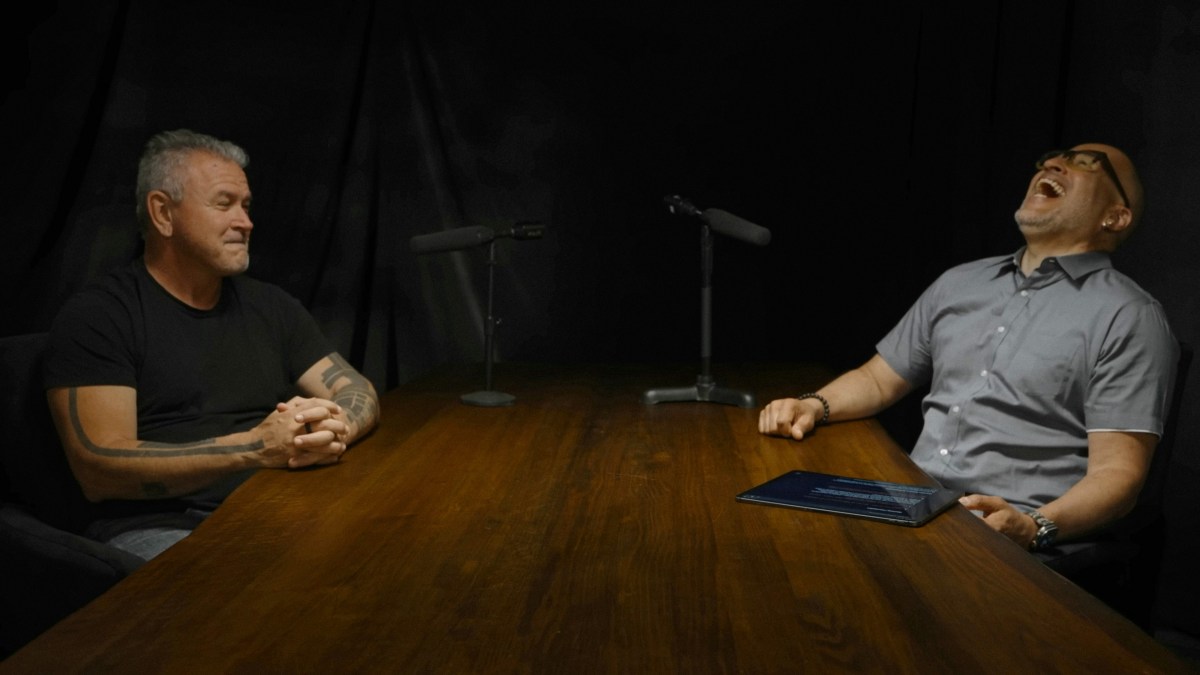
Frame & Reference is a conversation between Cinematographers hosted by Kenny McMillan. Each episode dives into the respective DP’s current and past work, as well as what influences and inspires them. These discussions are an entertaining and informative look into the world of making films through the lens of the people who shoot them.
Miles Perkins, Industry Manager, Epic Games July 28, 2025 Unreal Engine
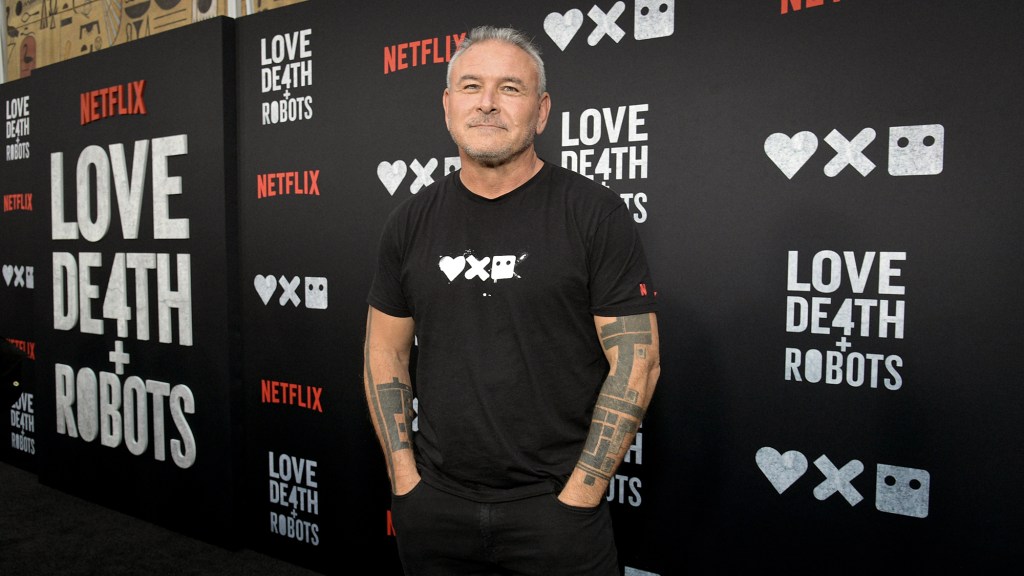
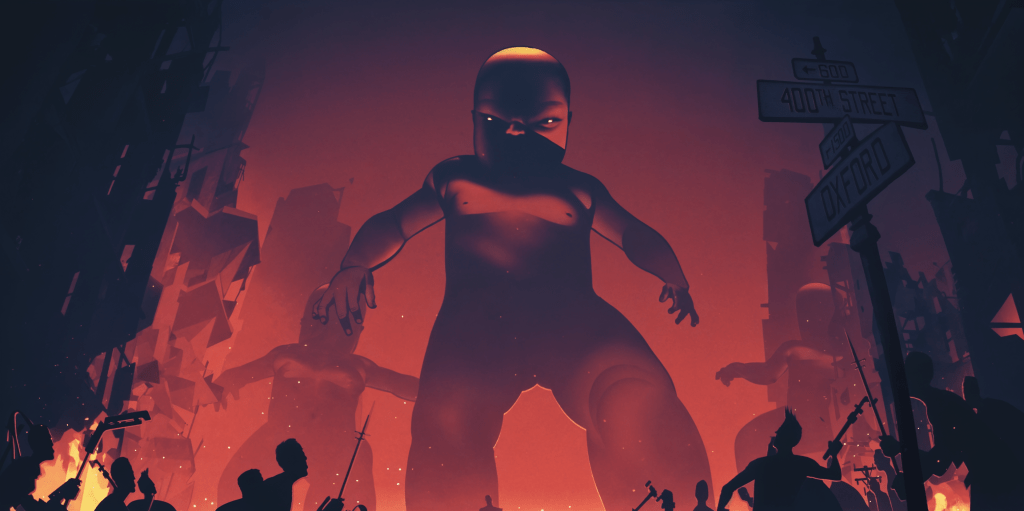
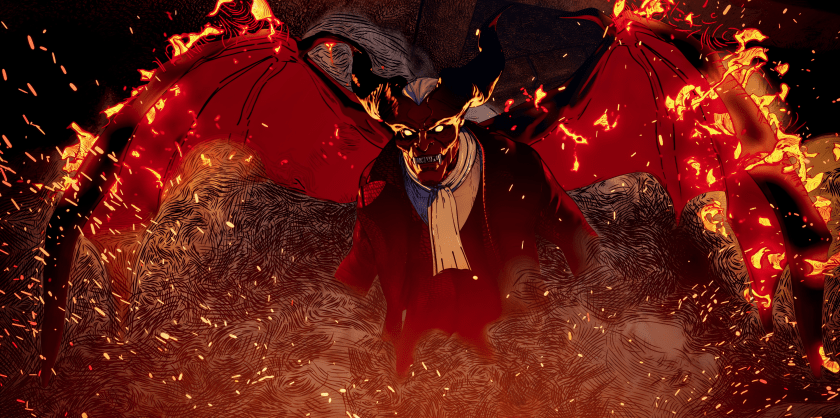
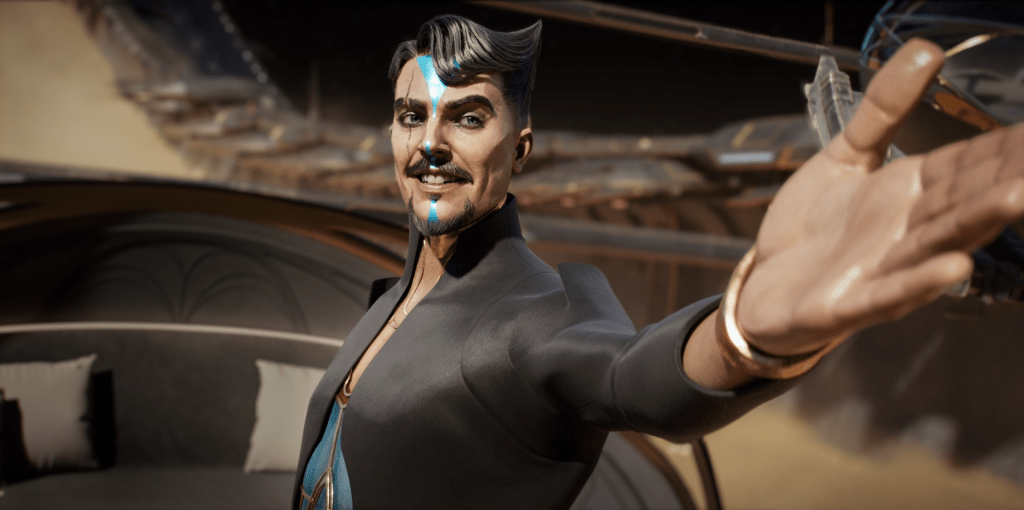
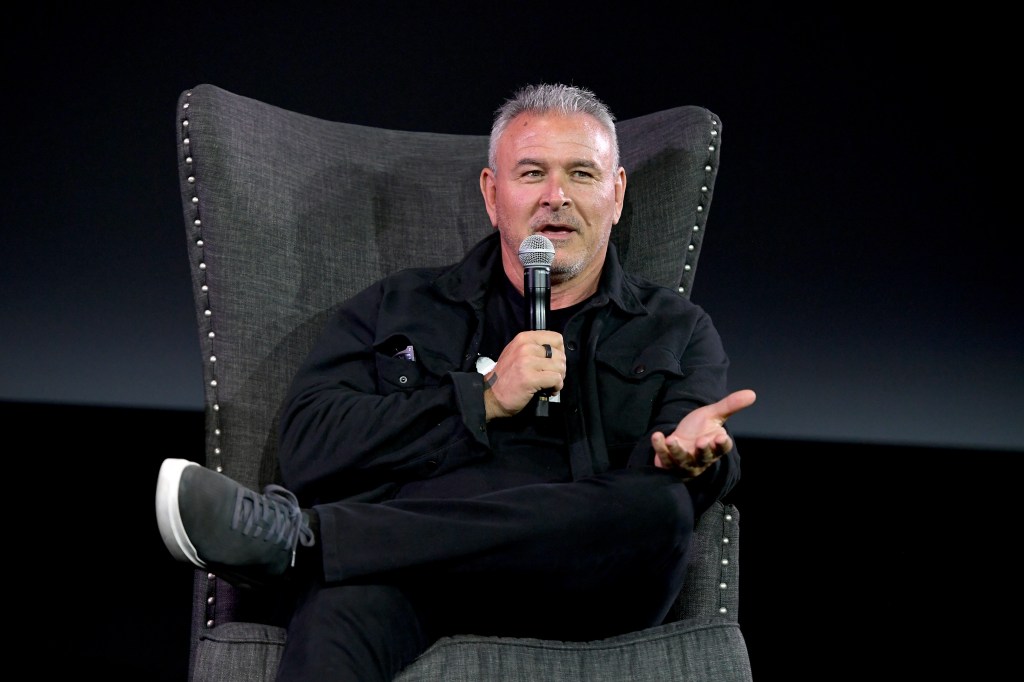
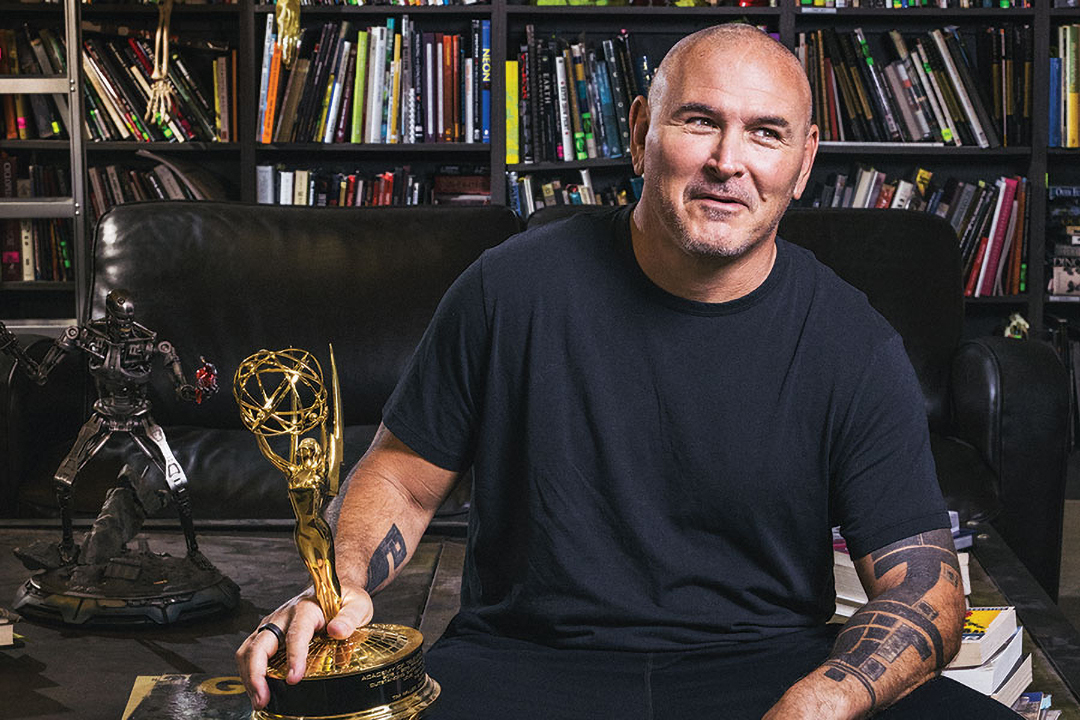
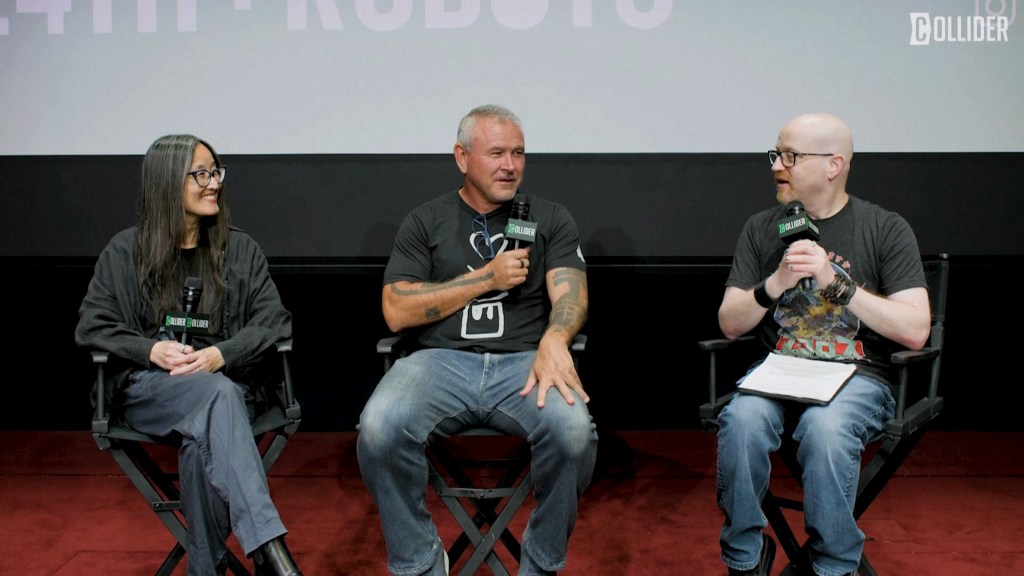
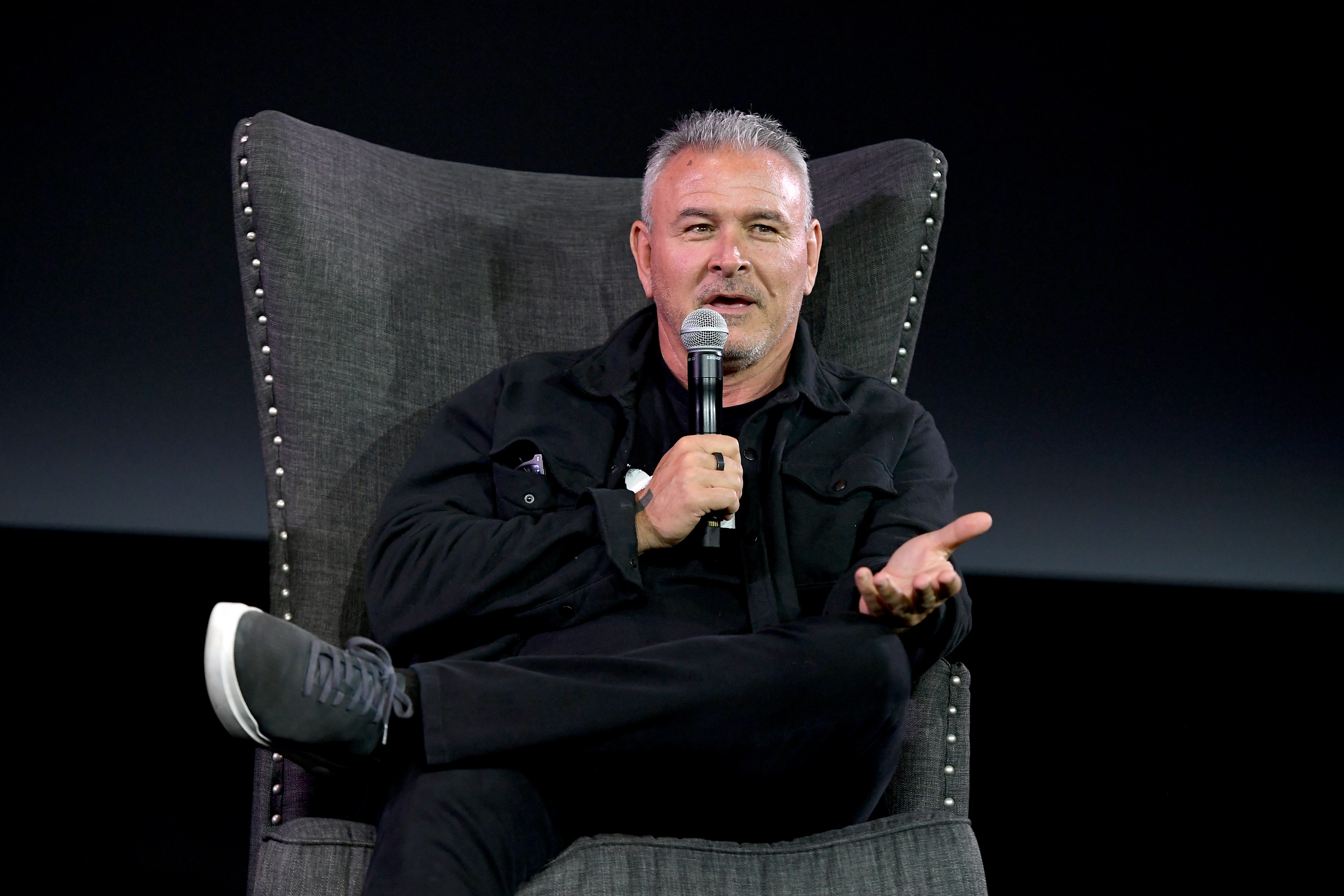
Join Tim Miller, co-founder of Blur Studio and winner of multiple Emmy Awards, for a candid chat on his origins as an animator and visual effects artist, his “story first” philosophy, and his views on creativity. Tim’s curiosity and drive has led him to branch out from traditional visual effects to direct live-action features and explore real-time animation with Blur’s Secret Level series and the LOVE DEATH & ROBOTS anthology series.
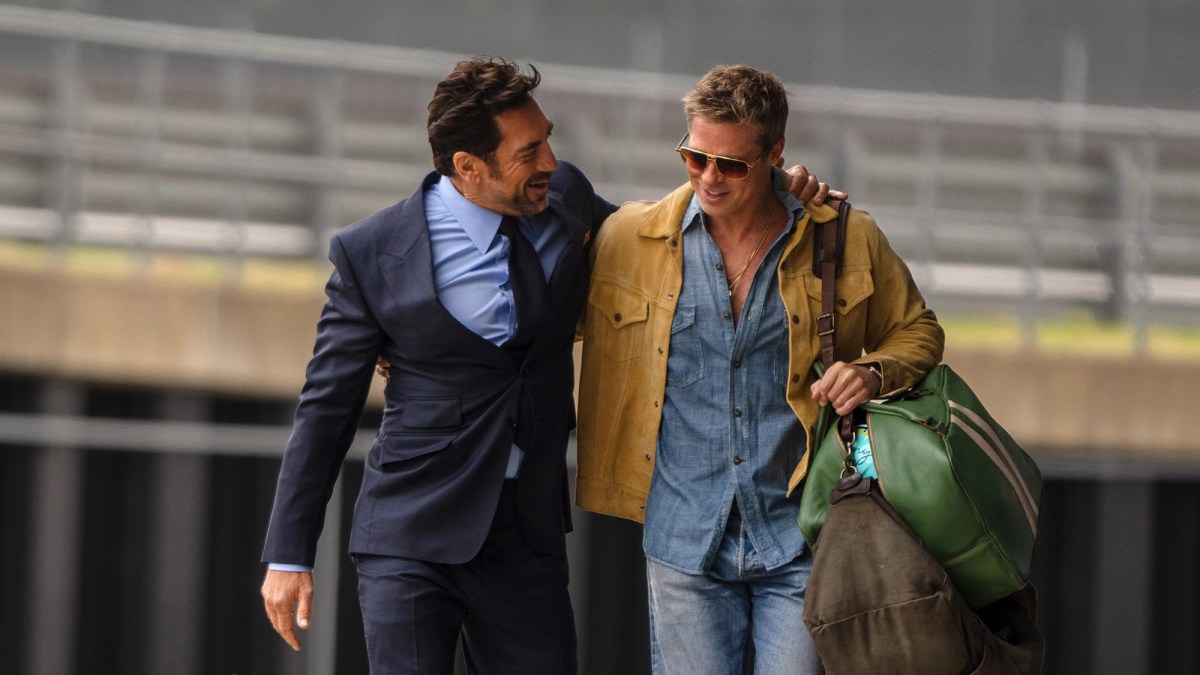
To create the new movie F1—which director Joseph Kosinski describes as “the most authentic, realistic, and grounded racing movie ever made”—no shortcuts were taken. Stars Brad Pitt and Damon Idris both drove their own cars, and the film’s crew integrated themselves into the actual Formula 1 season. That painstaking attention to detail also extended to the watch Pitt wears as the racer Sonny Hayes. The actor was extremely exacting about the timepiece he wanted to wear, its backstory, and many of the technical details, including the movement and thickness.
Our story begins, oddly enough, with David Fincher. The Oscar-nominated director and Pitt are longtime collaborators and pals who share a love of making awesome movies—Fight Club and Se7en, anyone?—and, apparently, equally awesome watches.
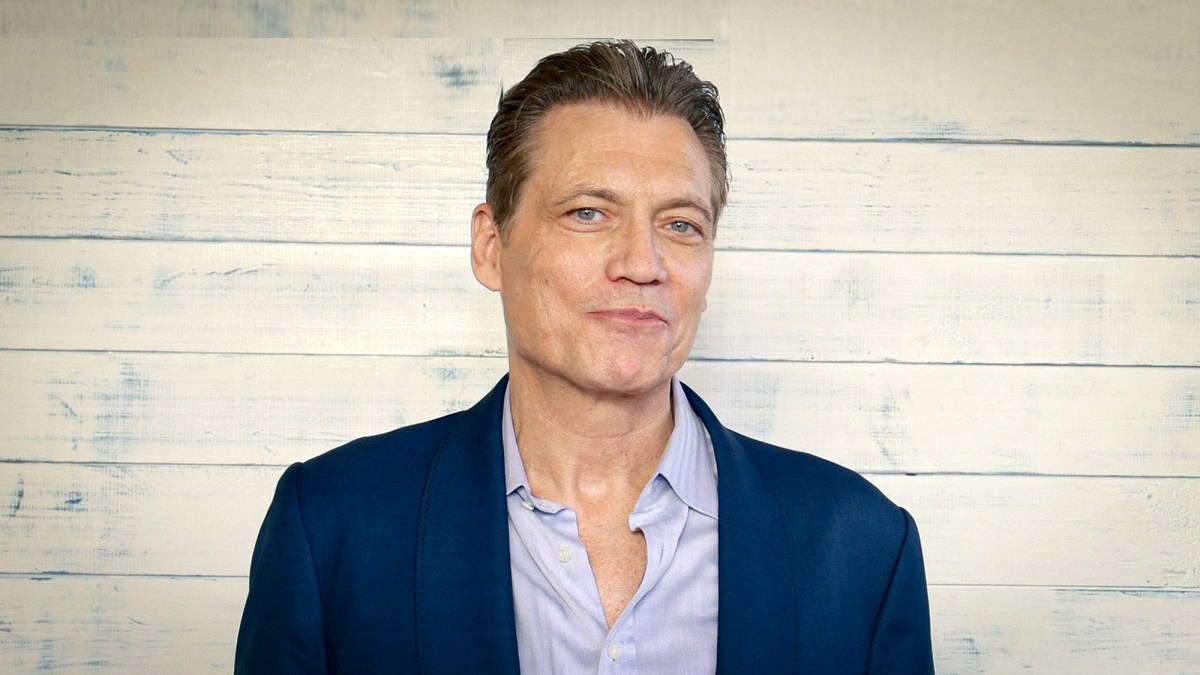
With the critical success of MINDHUNTER, the Irish-born actor graduated from supporting tough guy parts in films like Fight Club to leading his own shows. As he prepares for the release of The Waterfront, he speaks to Annabel Nugent about his traditional parents, how he almost turned down Alien3 – and why for him, ‘chivalry is not dead’.
To hear Holt McCallany reel off his childhood heroes is to understand him a little better. “Steve McQueen, Burt Lancaster, Bob Mitchum, Gene Hackman, Jack Palance,” the actor says. “I loved Jack Palance. Lee Marvin. Charles Bronson.” He recites each name with cinematic gravitas and through semi-pursed lips as though he’s balancing an invisible cigarette out the corner of his mouth. “Those guys, they had this classic American… masculinity.”
The same can and has been said of McCallany, who at 61 has carved a career out of that same strong, silent archetype. He’s played parts on both sides of the law, including one tough guy unironically named Bullet. Bit parts in early David Fincher films like Alien3 and Fight Club introduced him as an excellent character actor, “that guy!” audiences are always happy to see, even if they may not know his name.
Fincher not only had his name, he had McCallany’s number, believing from the get-go that he was destined for bigger things, and eventually casting him as a lead in MINDHUNTER – the critically acclaimed Netflix neo-noir series about the FBI and serial killers. His performance as the straight-shooting, flat-top agent Bill Tench was so lauded, it inspired a think piece in Vulture titled: “Why MINDHUNTER’s Bill Tench Is So Lovable.” That article got to the crux also of what makes McCallany so, if not lovable, then watchable, because hand-in-hand with that stone-cold hardiness is an unexpected sensitivity. Flashes of openness where you’d expected a door slammed shut.
But McCallany downplays his part in the show’s success, attributing it instead to “the creative genius” behind the camera. He compares his role to that of a guest at a lavish dinner party: “There’s gorgeous tablecloths, beautiful crystal glasses, and delicious food. You just have to not spill food down your shirt and everybody goes, bravo!” It may sound like false humility, but in truth, there is a steely confidence to McCallany’s words: give him a good part, and he’ll do the rest.
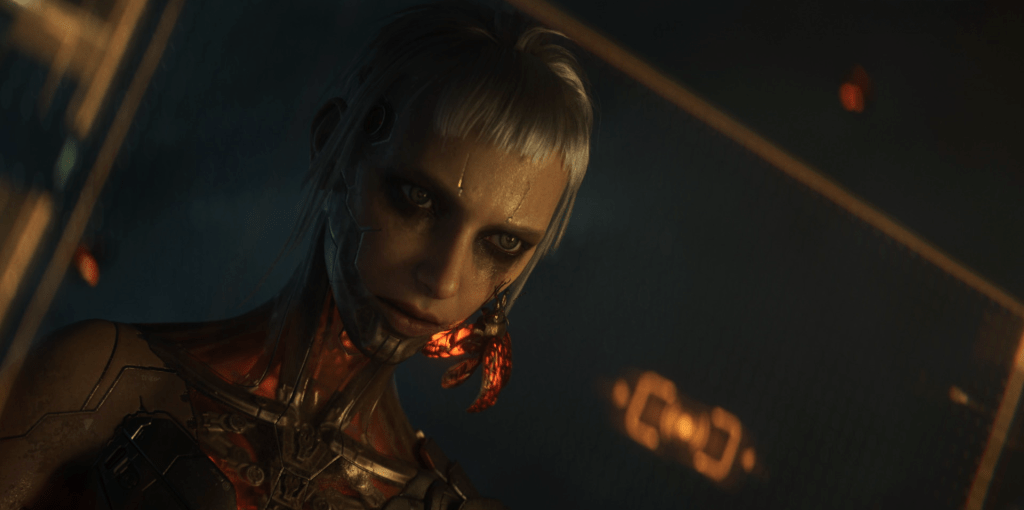
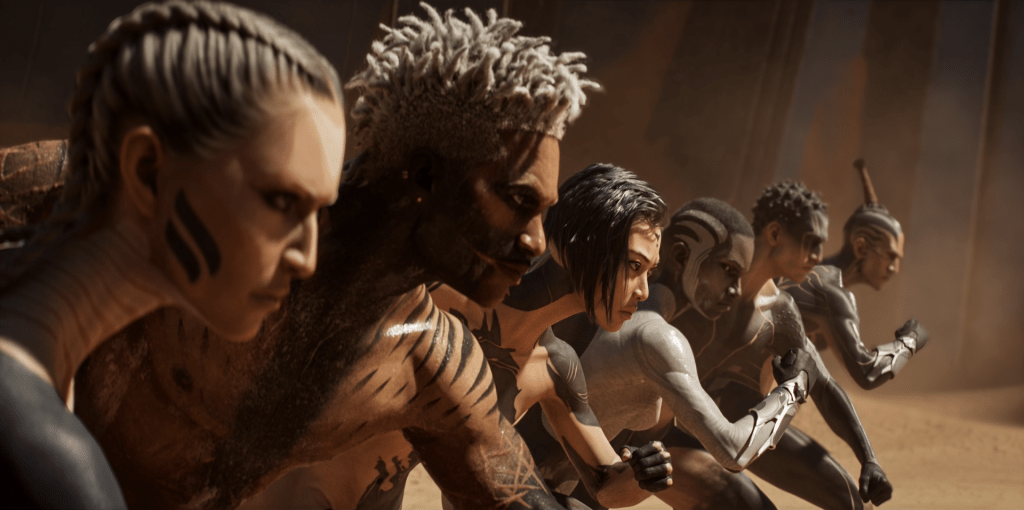
In a world where so much entertainment is afraid to take risks, LOVE DEATH + ROBOTS is the iconoclastic brainchild of one man’s enigmatic yet expansive tastes. While a dedicated team of artists craft the (mostly) animated shorts comprising the 35 episodes of LDR, the basis for almost all of them are short stories that Tim Miller loves. Miller, the series co-creator and executive producer keeps a catalog of material on his computer, ready for the right moment to pair a story with a visionary team and unleash the results on unsuspecting audiences.
Now that we’ve arrived at Volume 4, the audience may suspect that they’re going to get something unexpected, yet the show still surprises. From hard-edged, serious sci-fi to explosively violent, unapologetically puerile action, the show contains multitudes.
Among the most ardent fans of LDR are the episode directors themselves, who have trouble picking their favorites among the first three volumes.
“I love seeing people’s LDR tier lists,” says Emily Dean, director of two episodes — the Volume 3 award winner The Very Pulse of the Machine and the fourth’s devilish cat caper For He Can Creep. She has been “very inspired” by a number of installments including Zima Blue, Bad Travelling, Pop Squad, The Drowned Giant, and Jibaro.
Three of these are on the list below, although LDR is the kind of show where your favorites may change according to the day of the week or the mood you’re in. Director and animator Diego Porral had a hand in two of the episodes below and sees the diversity of voices and styles as a major strength. “The fun thing is that whoever I talk to, in or out of the animation industry, everyone has their favorite, and I think that’s what makes LDR so special,” says Porral, helmer of this volume’s action-packed How Zeke Got Religion and lead animator on the Volume 3 classic Kill Team Kill.
Miller dreamed for decades of an animated anthology exploring stories that had stuck in his subconscious. And now he — along with fellow executive producers David Fincher and Josh Donen and supervising director Jennifer Yuh Nelson — relishes seeing disparate filmmakers and animation studios come together to generate these distinct shorts. “Netflix, just like the internet, allows all these strange people, that would never find each other ordinarily, to connect,” says Miller. “Sometimes for good, sometimes for evil, but certainly in the case of LOVE DEATH + ROBOTS, I feel it’s a force for good.”
Below you can find 13 episodes to match your highly specific tastes, whether you’re in the mood for cats, carnage, concerts, or comfort.
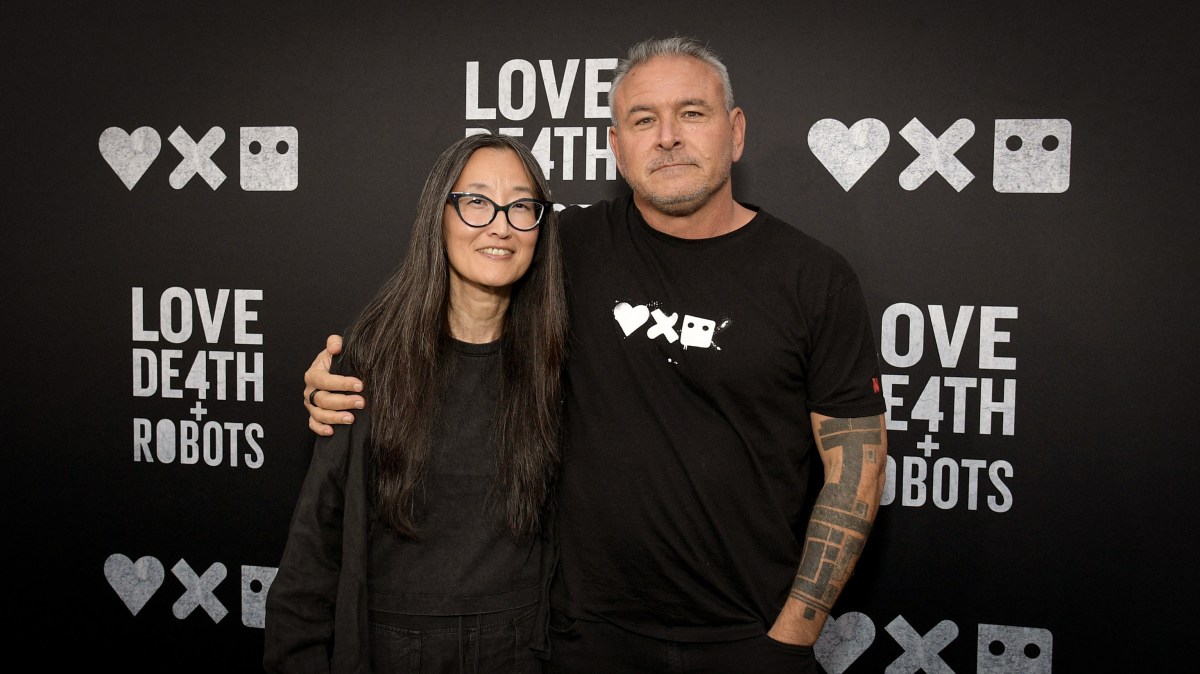
Creator Tim Miller, supervising director Jennifer Yuh Nelson, and designer/director Robert Valley discuss the latest edition of Netflix’s Emmy Award-winning animated short film anthology series that once again delivers a wide selection of funny, frightening, and thoroughly provocative works.
Director Jennifer Yuh Nelson tells IndieWire about being drawn to a grieving cyborg and her alien companion, who knows how to be adorable as a defense mechanism.
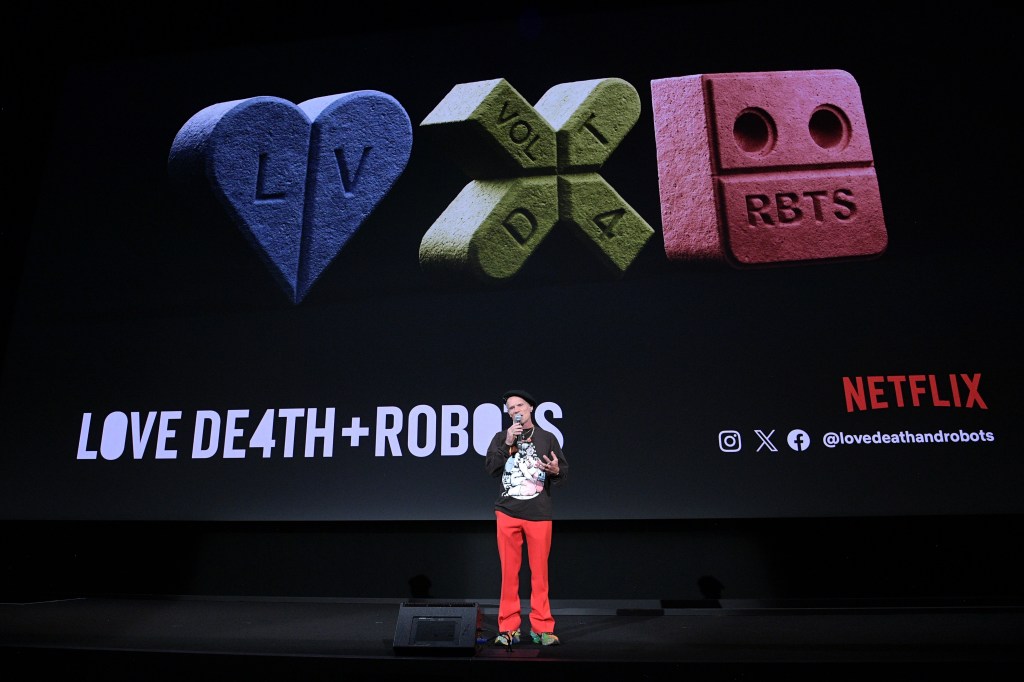
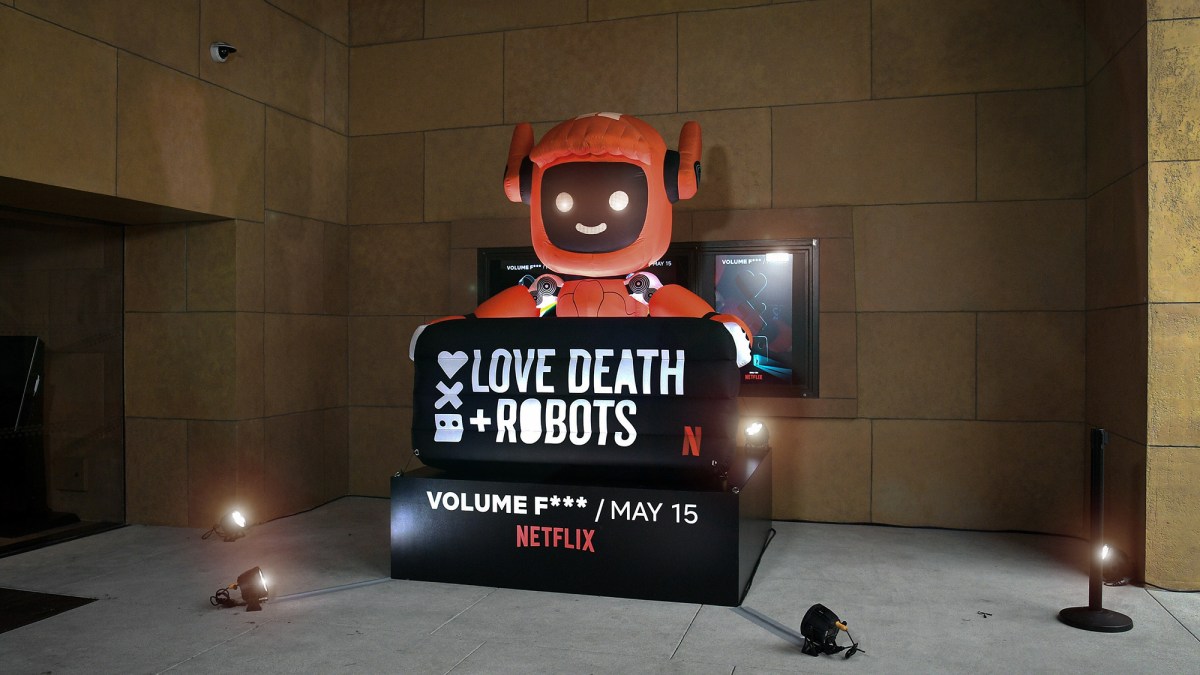
“For my money, it’s like LOVE DEATH + ROBOTS should be anything. Anything that you can’t figure out where else it goes,” legendary filmmaker David Fincher mused about the unconventional, sci-fi/cyberpunk-flavored Netflix (mostly) animated anthology series. It’s as apt a description as any for the ambitious, experimental, and genre-bending project, now launching its fourth season.
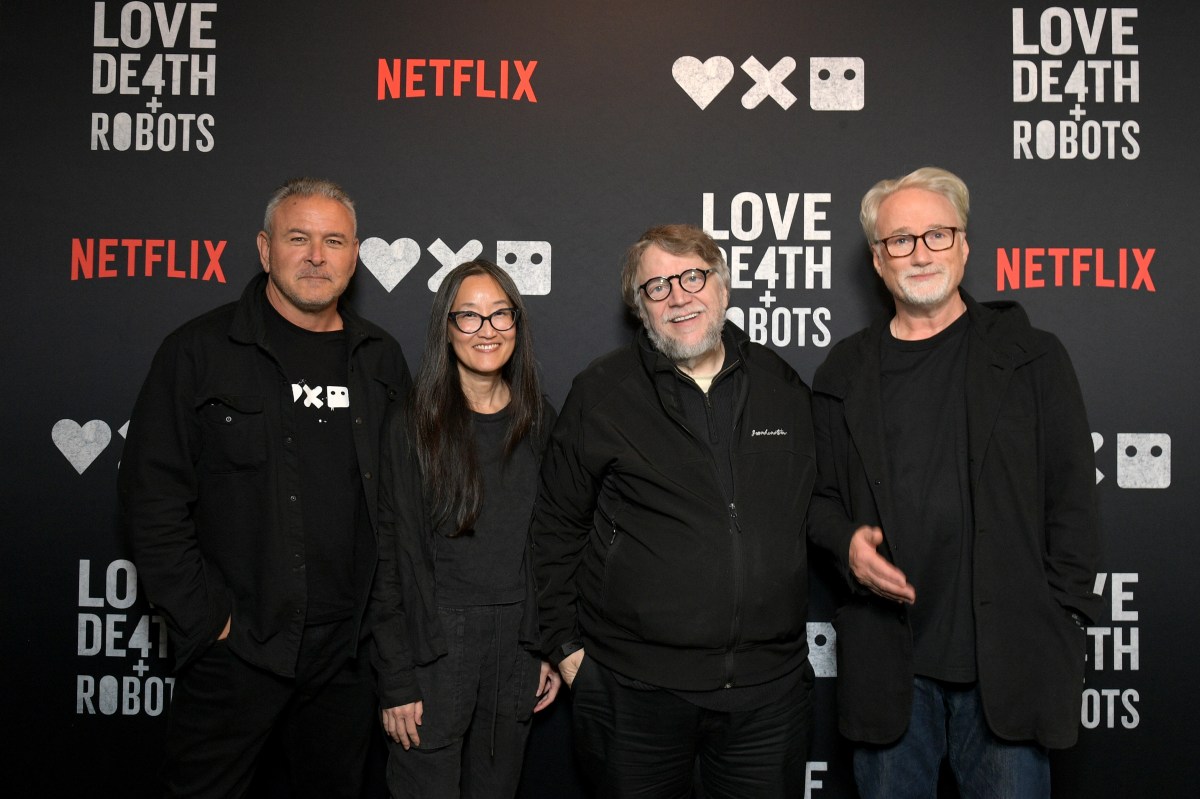
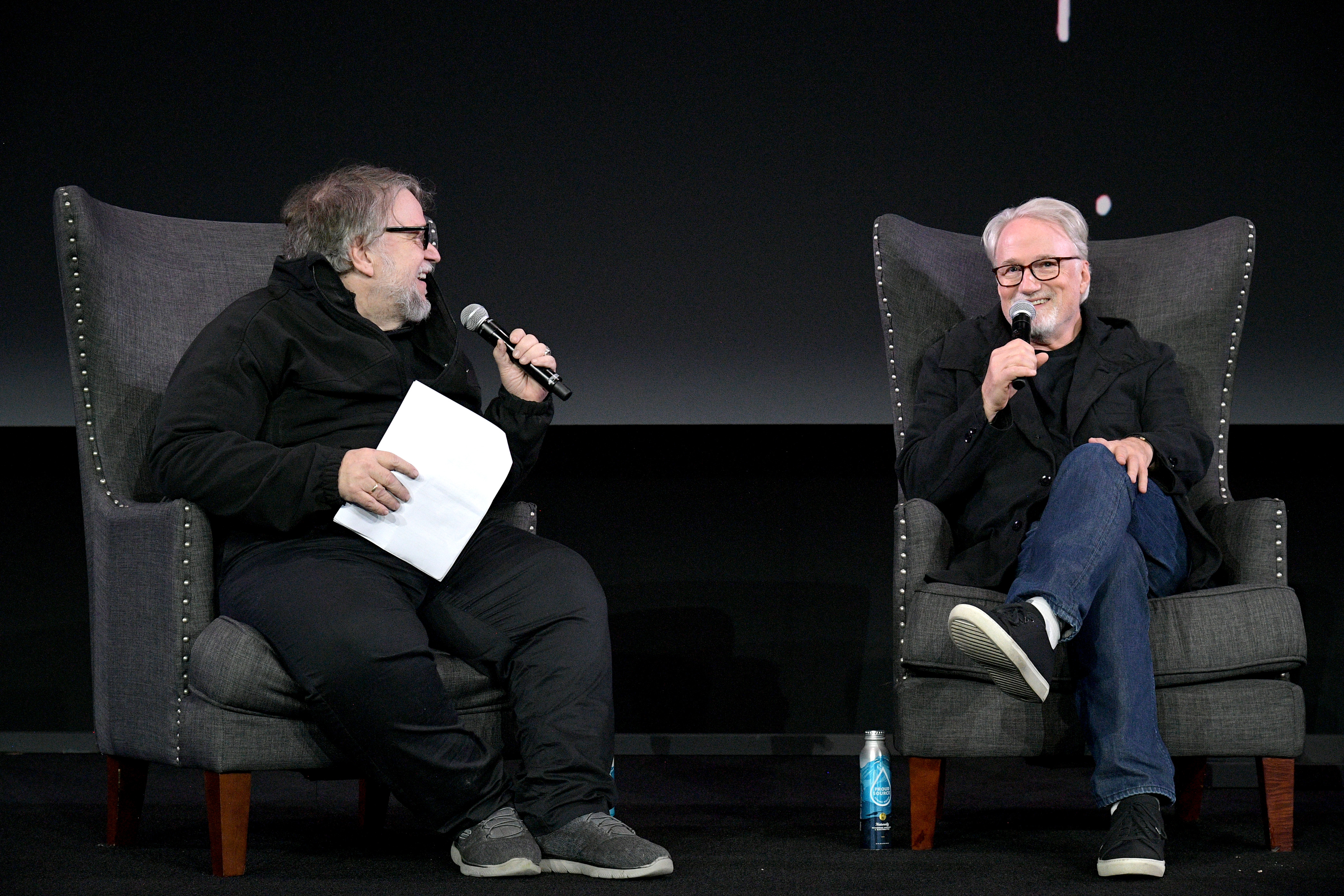
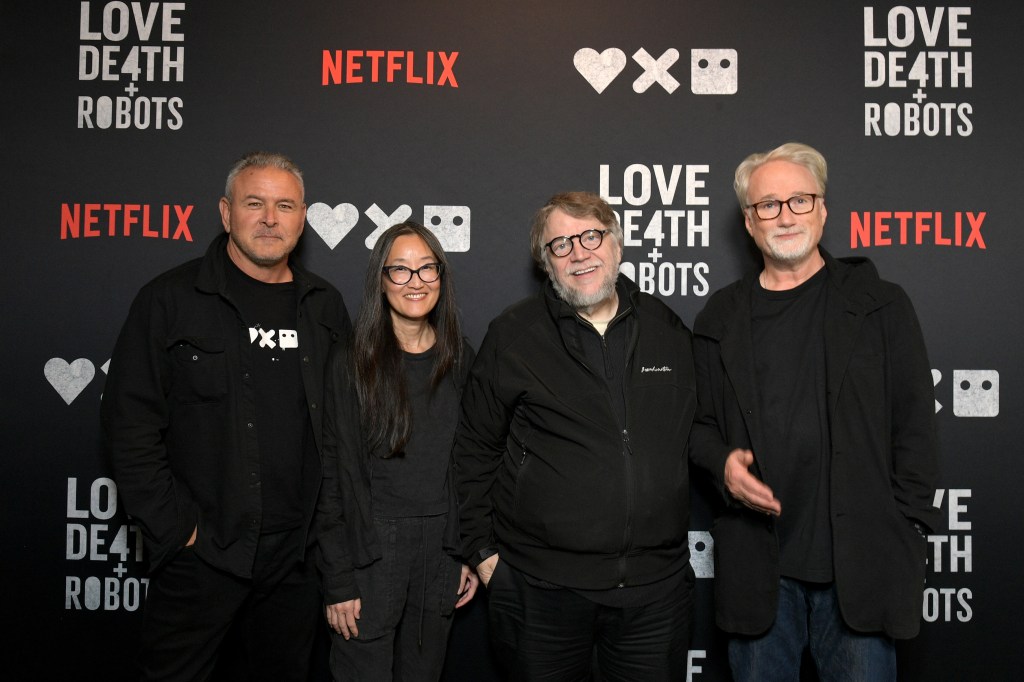
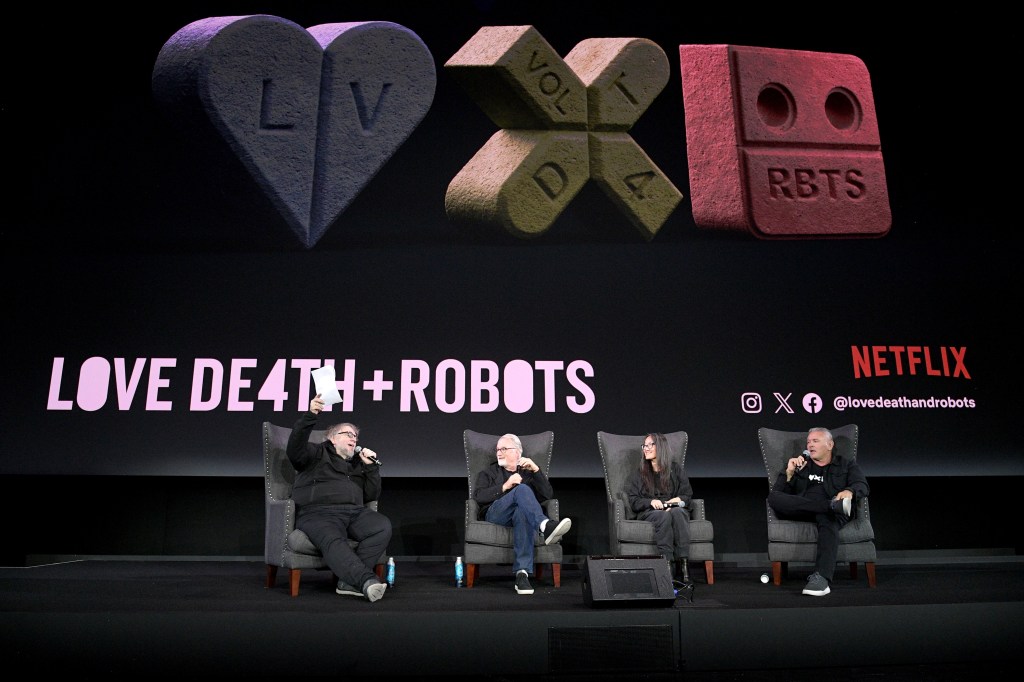
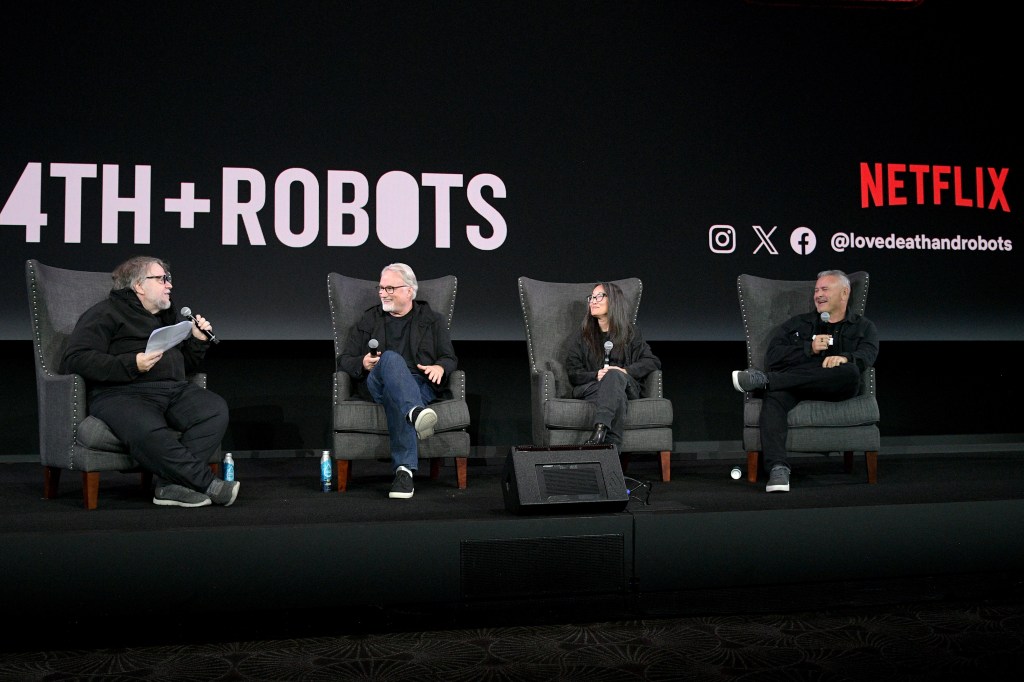
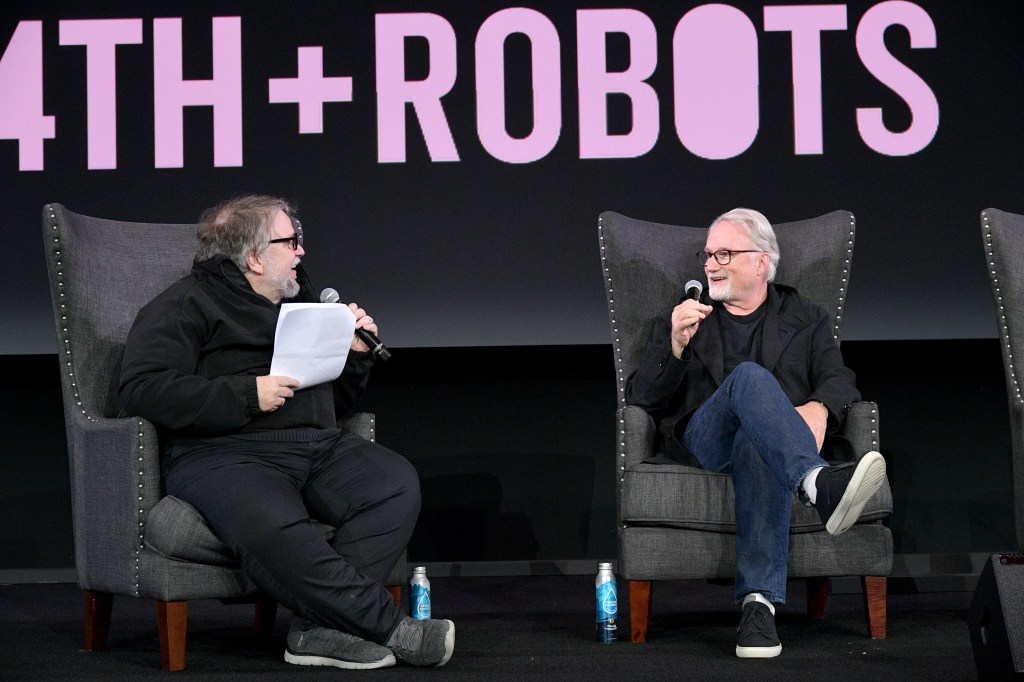
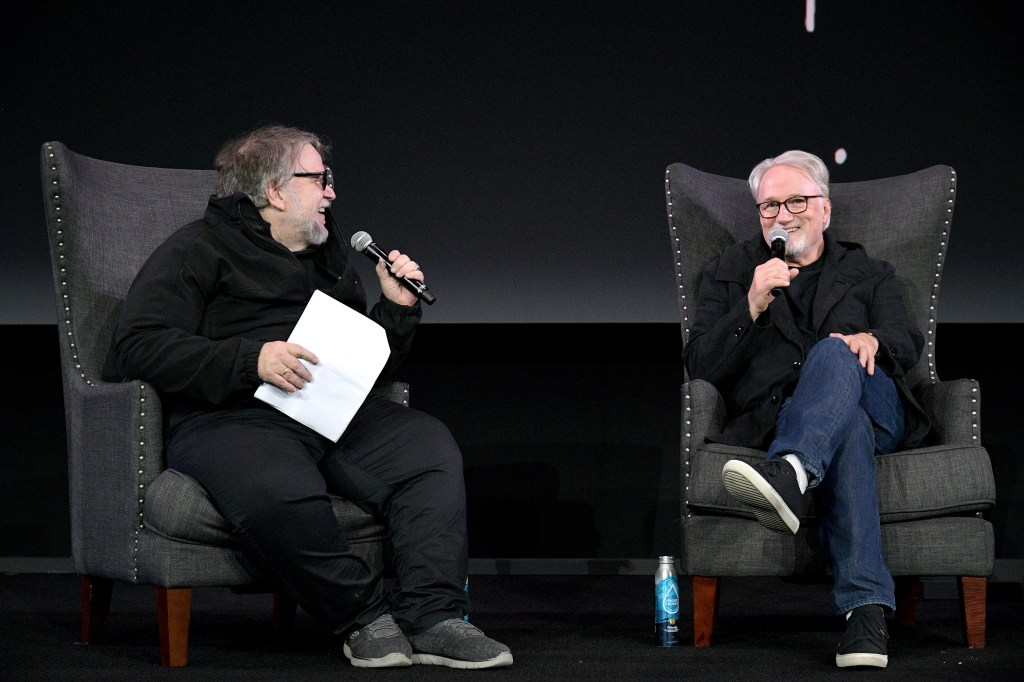
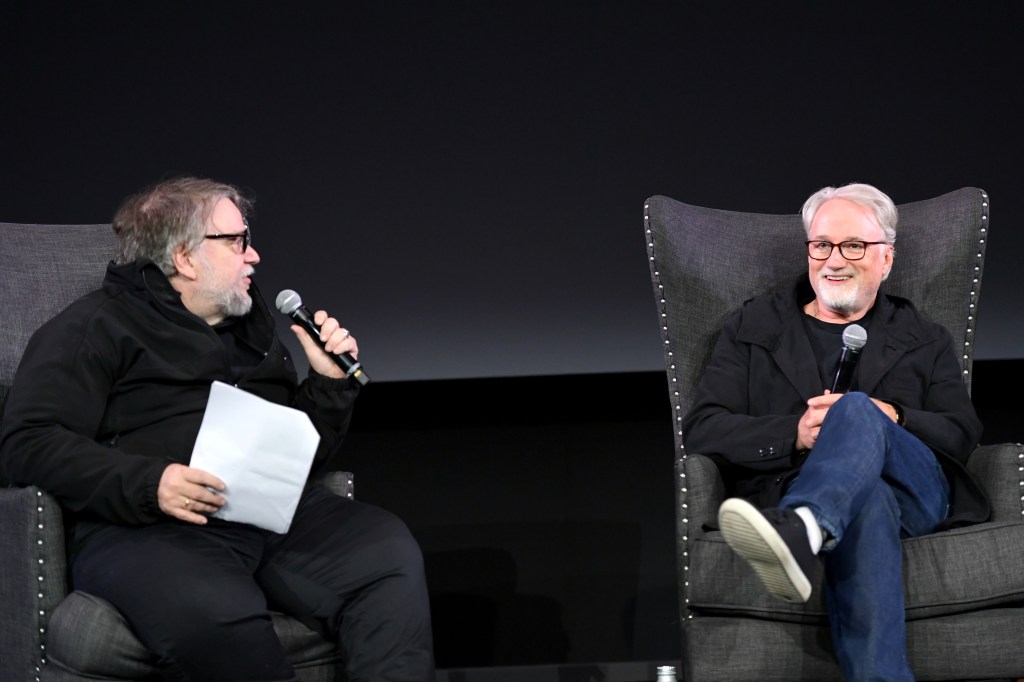
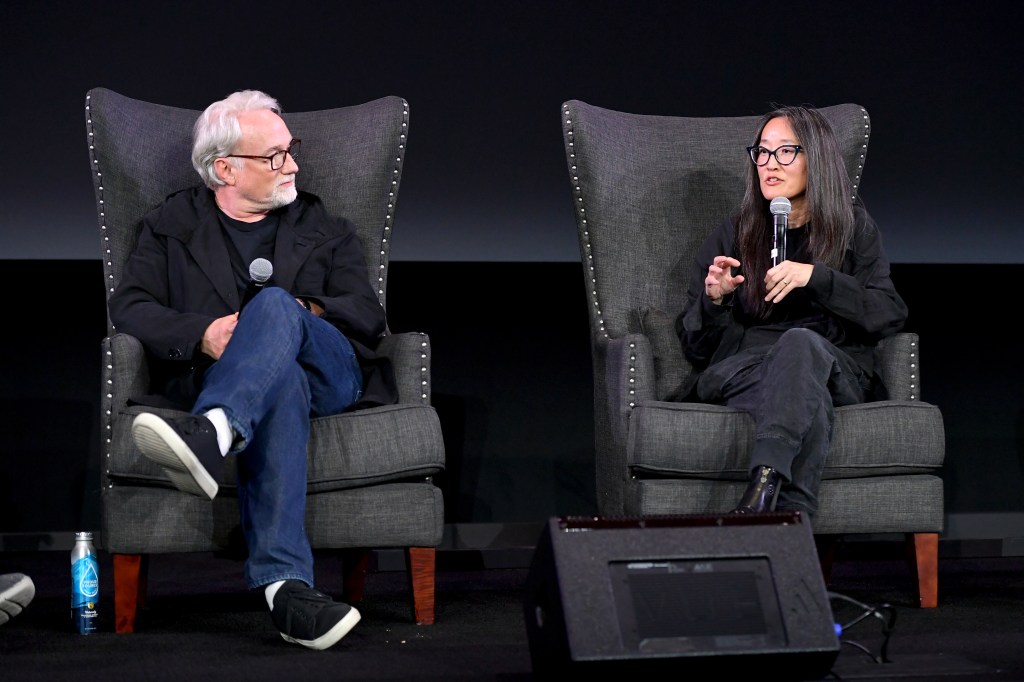
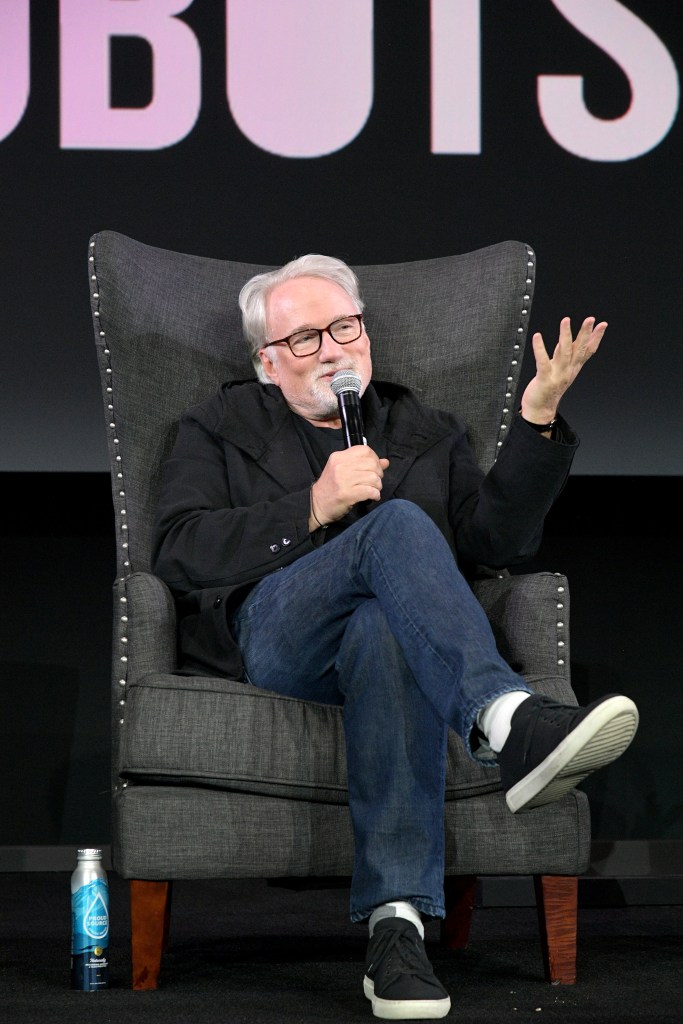
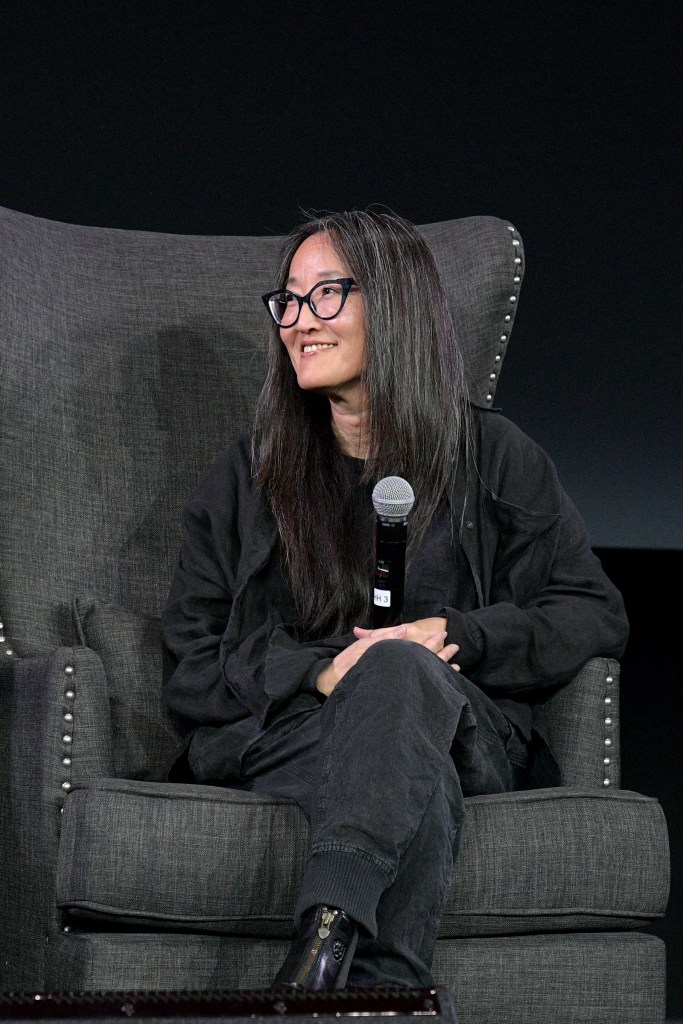
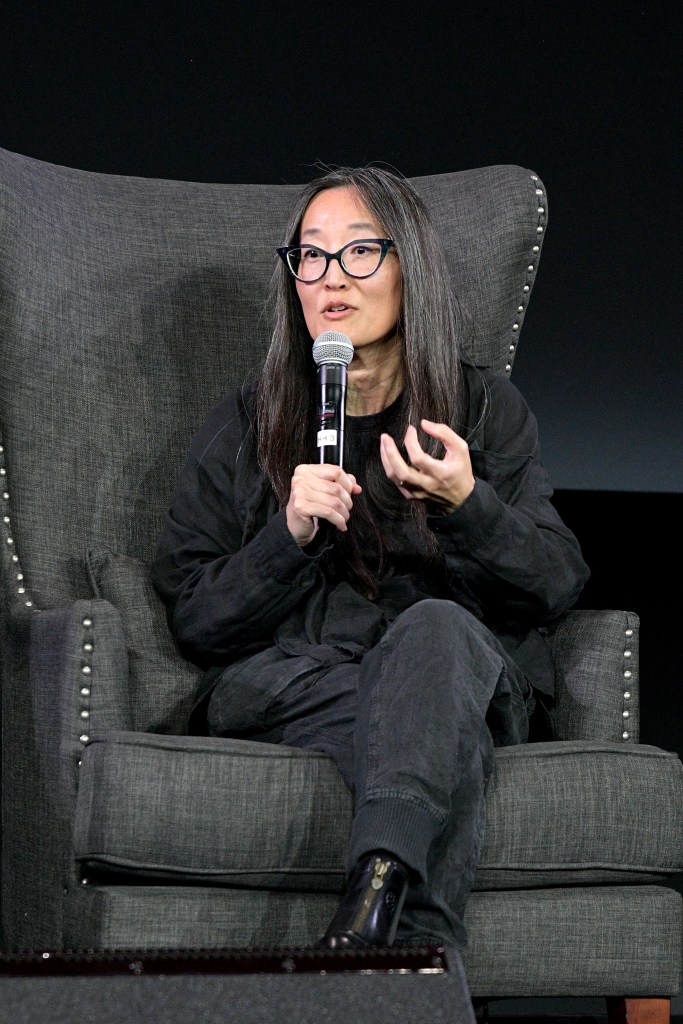
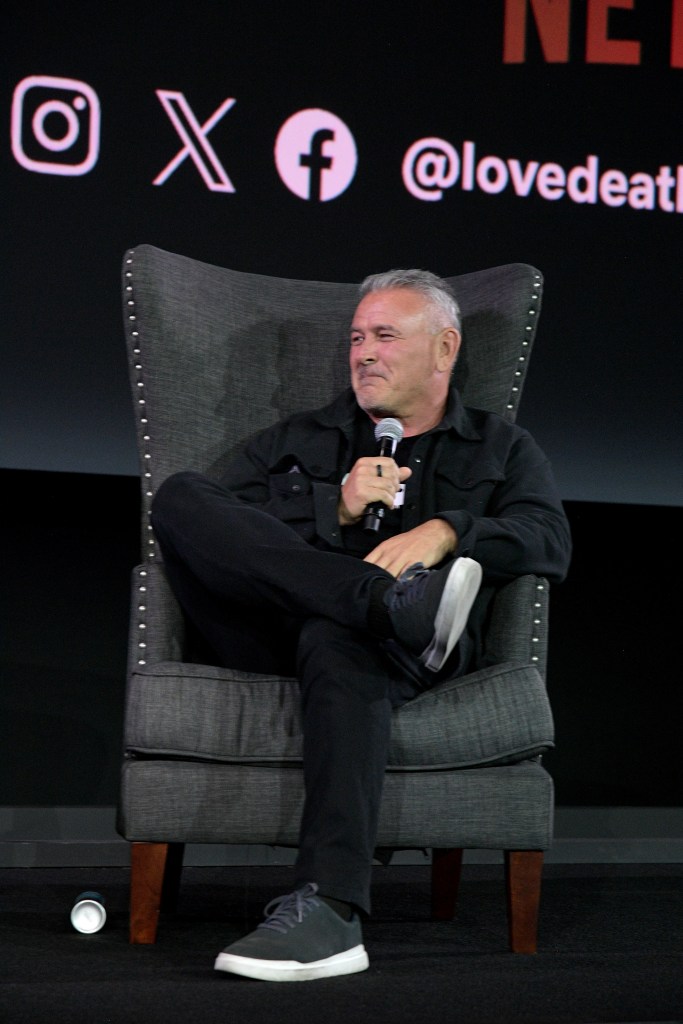
“Creativity happens on the fringe,” said Fincher — the director behind boundary-pushing cinematic classics like Seven, Fight Club, The Social Network, Gone Girl, and Zodiac. Speaking on stage at the LOVE DEATH + ROBOTS season premiere at the Egyptian Theatre in Hollywood, he was joined by fellow executive producer Tim Miller (Deadpool) and supervising producer Jennifer Yuh Nelson (Kung Fu Panda 2 & 3), and the host, director Guillermo del Toro. “It always does, and it always takes somebody — it has to be these weird flyers out there — to inform where the industry is going to go. So we’re just going to be out there.”
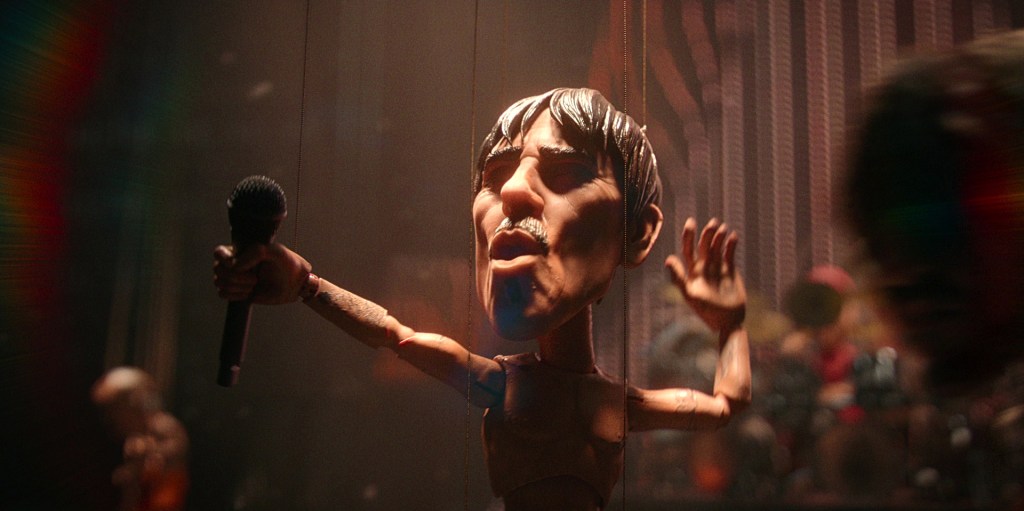
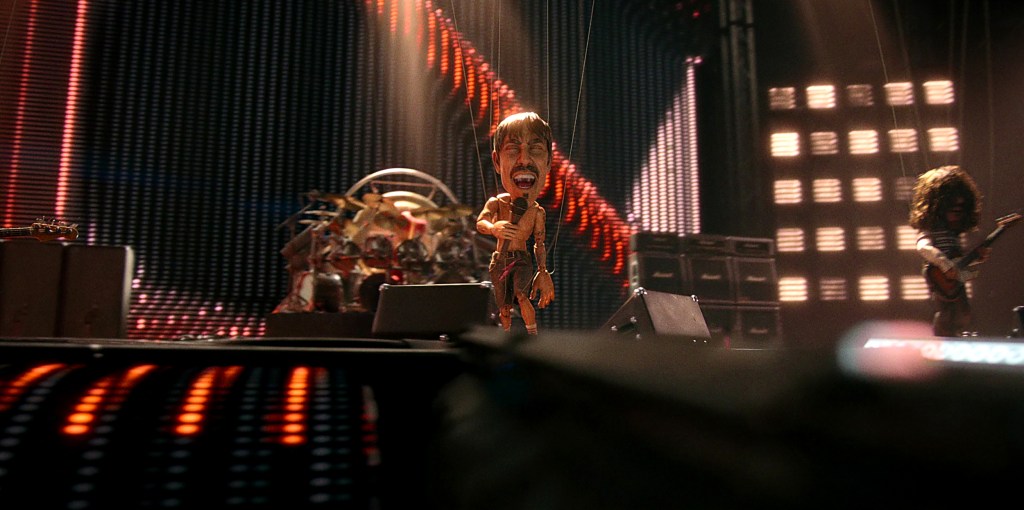
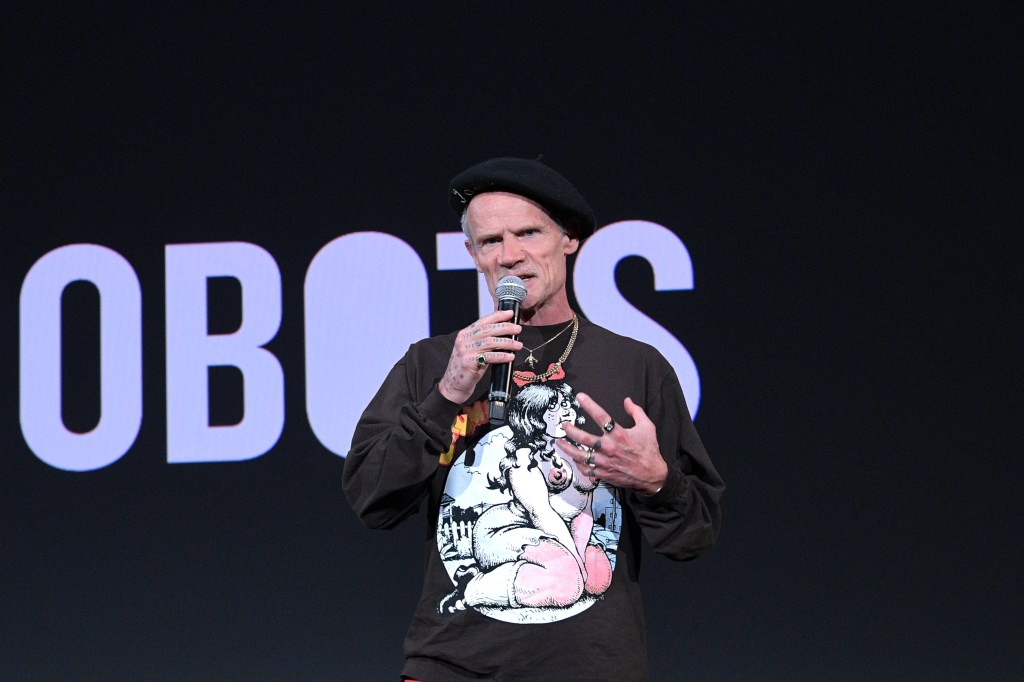
“Out there” also aptly describes Fincher’s contribution to the new season as a director. Having launched his career as an in-demand music video director for top artists in the ’80s and ’90s — including Madonna, Michael Jackson, the Rolling Stones, Sting, George Michael, Aerosmith, Nine Inch Nails, and Paula Abdul — Fincher returned to those roots to helm Can’t Stop. The dynamic, fully CGI-animated short features theRed Hot Chili Peppers performing their 2002 hit at an Irish castle—as marionettes on strings.
Featuring Directors Till Miller, Jennifer Yuh Nelson, Patrick Osborne, Emily Dean, Robert Bisi & Andy Lyon, and Voice Actors Emily O’Brien, and Sumalee Montano.
LOVE, DEATH + ROBOTS Vol. 4 Red Carpet Interview The Movie Couple
LOVE, DEATH + ROBOTS VOLUME IV Premiere! Tim Miller, Emily O’Brien, Sumalee Montano, and more! Temple of Geek
LOVE, DEATH + ROBOTS Vol. 4 Premiere: MR. BEAST’s Episode (Snyder Connection & Sonic 4)! Mama’s Geeky
LOVE, DEATH + ROBOTS Season 4 Cast and Creatives on AI & How They’d Expand the Title The Direct Extras
LOVE, DEATH + ROBOTS: Tim Miller & Cast Break Down Epic Volume 4 Episodes Screen Rant Plus
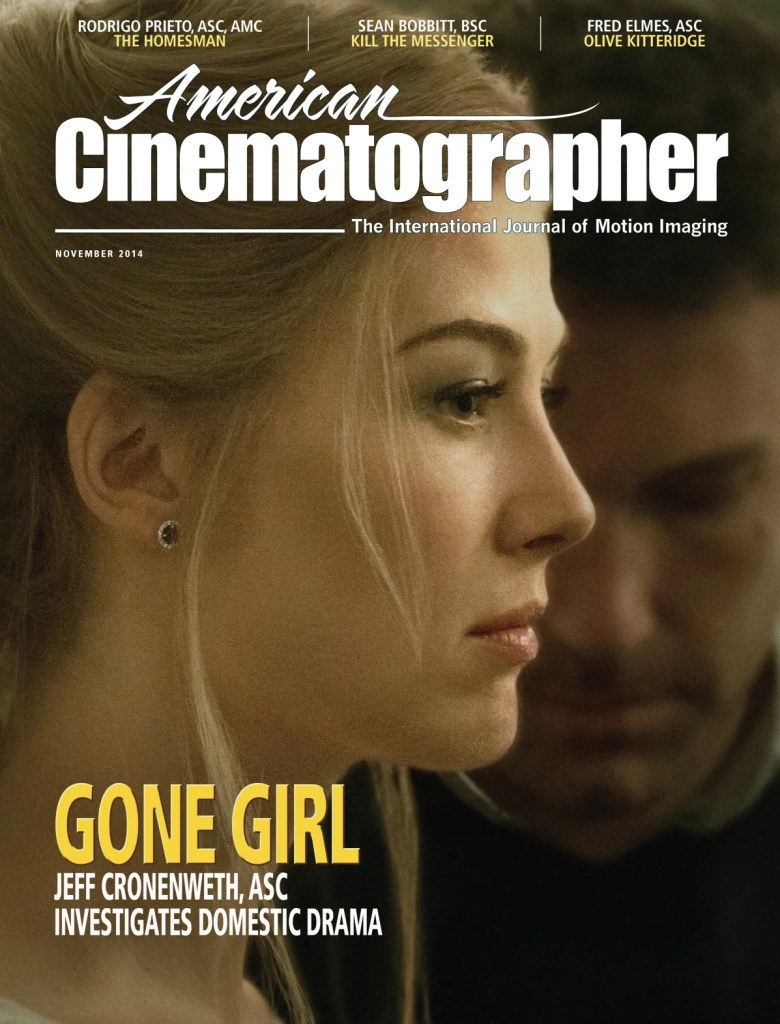
Gone Girl was the fourth feature collaboration between director David Fincher and cinematographer Jeff Cronenweth, ASC since 1999;Fight Club, The Social Network and The Girl with the Dragon Tattoo being the other three. Additionally the pair worked together on multiple commercials and music videos, creating a working chemistry.
Their 2014 feature Gone Girl, for which Rosamund Pike earned a Best Actress nomination from the Academy, was deftly shot and flowed quicker than its 149-minute runtime would suggest, resulting in one of the best psychological thrillers of the 2000s.
The film was shot digitally on Red Dragon cameras, using Leitz Summilux-C lenses and “a fairly comprehensive lighting package,” which included ETC Source Fours, Mole-Richardson incandescents, and Arri M Series HMIs. Further details can be found in our cover story published in AC Nov. 2014.
In addition to Pike, the filmmakers rounded out the cast with Ben Affleck, Carrie Coon, Neil Patrick Harris, Tyler Perry, Kim Dickens, Patrick Fugit, Missi Pyle, Emily Ratajkowski, Casey Wilson, Boyd Holbrook, and Scoot McNairy.
Cronenweth’s chief lighting technician on this show was Erik Messerschmidt — now an ASC member whose feature credits as a cinematographer include Fincher’s Mank and The Killer.
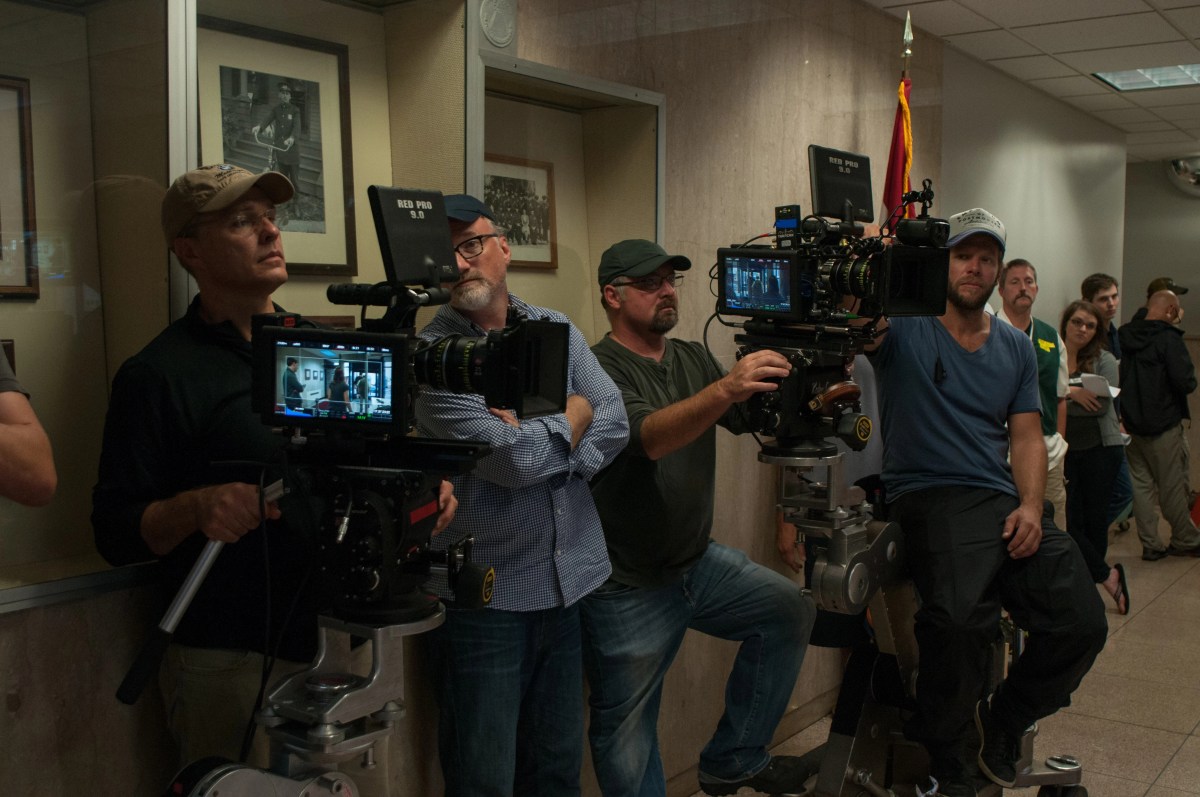
What follows is a curated collection of unit photography by Merrick Morton, a founding member of the SMPSP who also shot stills for features including L.A. Confidential, Fight Club, Zodiac, and The Bad Batch, and the series Mindhunter.
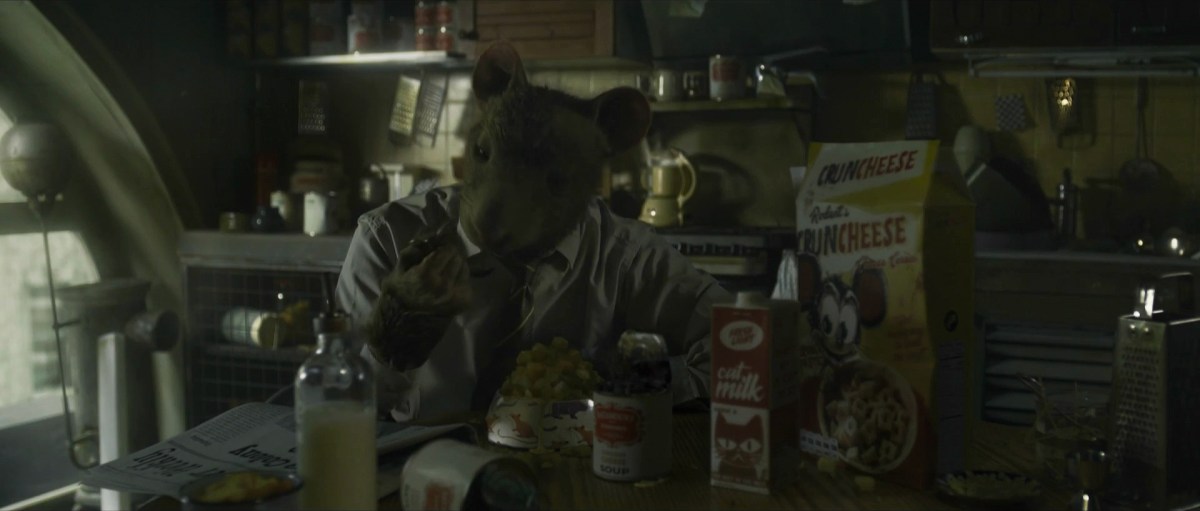
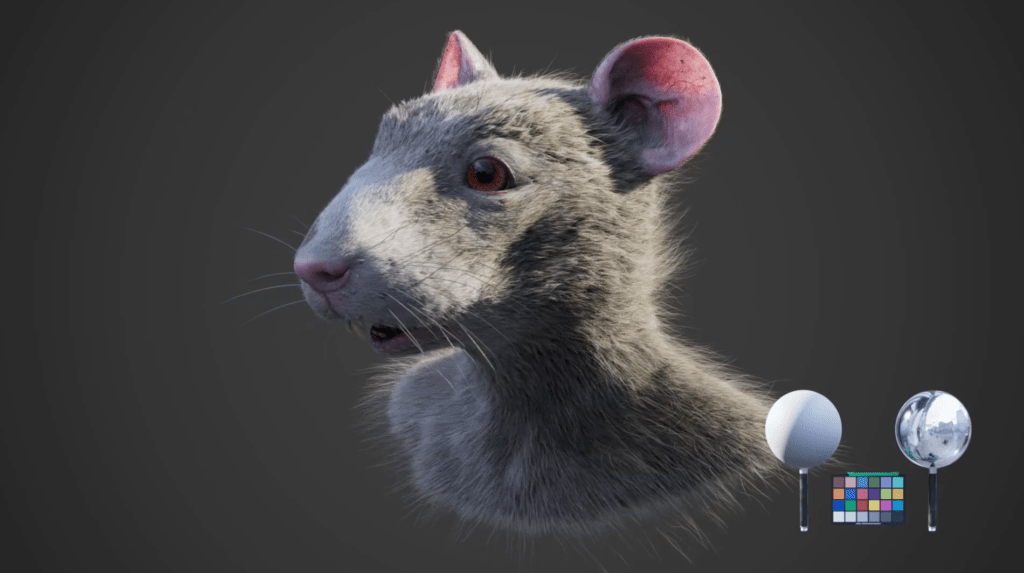
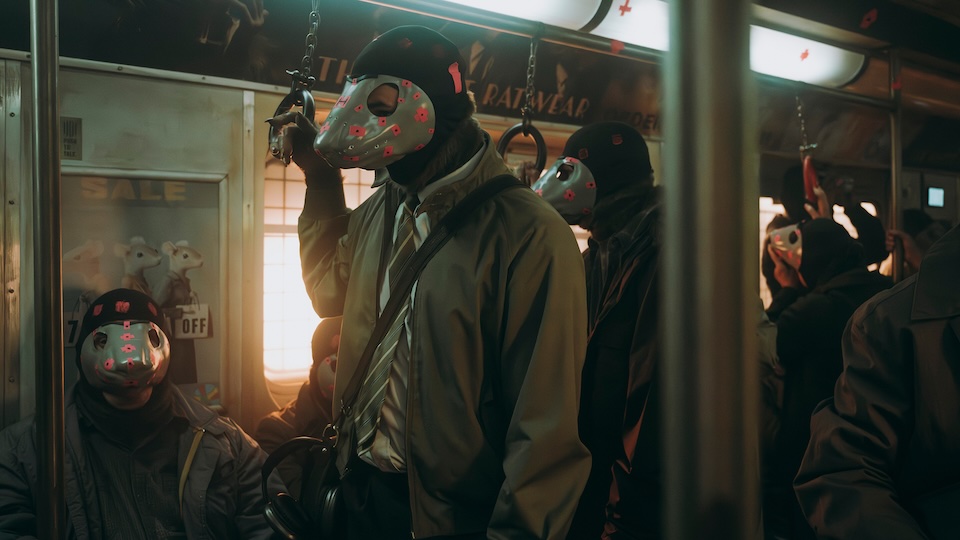
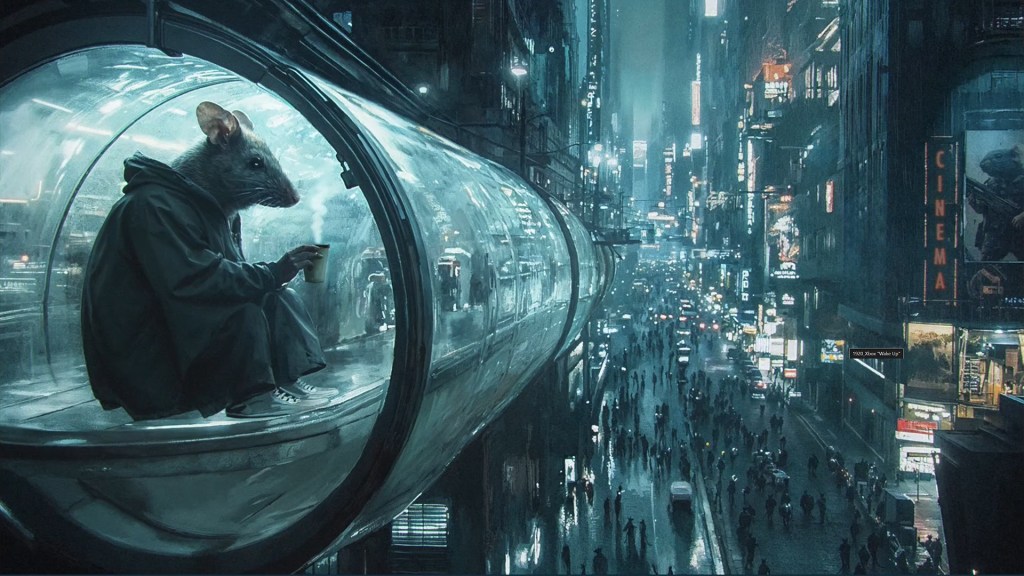
In Xbox’s Wake Up, directed by Romain Chassaing and Co-Directed by David Fincher, a wonderfully off-beat fairy tale unfolds: Horatio, a rat, rekindles his humanity through the joy of gaming. We follow Horatio through a day in the rat race: a packed commute, the drudgery of the office, a rushed lunch at his desk. The mundanity is interrupted by glimpses of mysterious gamers—the only humans we see amongst the rats. After a long day, Horatio powers on his Xbox on his Samsung OLED TV and connects with his friends. A much-needed dose of fun transforms him into the human he always was.
VFX Supervisors Ryan Hadfield, Chris King, Jorge Montiel Meurer, Chris Gill
VFX Artists Adam Gramlick, Ahmed Ugas, Alejandro Marzo, Alex Rumsey, Andrea Umberto Origlia, Andreas Georgiou, David Rencsenyi, Eva Bennet, Joe Baker, Juan Francisco Saravi Migliore, Klaudia Skalska, Lewys Rhodes, Lucas Warren, Mattias Lullini, Miles Tomalin, Monika Lesiecka, Robert Lilley, Ross Gilbert, Sergio García Castro, Taylor Webber, Tom Cowlishaw, Joe Baker
VFX Producer Ross Culligan
VFX Co-Ordinator Lena Almeida
Digital Matte Painter Artists Jordan Haynes, Carlos Nieto, Grant Bonser