How Trent Reznor and Nine Inch Nails Changed the Sound of Movies

After Reznor brought industrial grind into the mainstream, he became an in-demand film composer—and from Natural Born Killers to Tron: Ares, he’s done some of his best, most adventurous work for the screen. A definitive guide to Nine Inch Nails on film.

By Laura Wynne
Photograph by Danielle Levitt
October 17, 2025
GQ

Nine Inch Nails founder Trent Reznor can’t have known how different a line like “I don’t believe in your institutions” would sound decades later. Nine Inch Nails have been inducted into the Rock and Roll Hall of Fame; Reznor and his composing partner Atticus Ross have an Emmy, a Bafta, two Grammies, three Golden Globes, two Oscars (they’re just a Tony away from an EGOT), and a Country Music Award. In some ways Reznor is now the kind of establishment figure he always despised, a respected elder statesman to goths and queers everywhere. With Nine Inch Nails, he married industrial aesthetics to pop instincts; Prince and Bowie were always more important to the recipe than Skinny Puppy. Reznor and Ross won their second Oscar for a Disney movie, and might win for another one at next year’s ceremony. The institutions believe in them.

It makes a lot of sense that someone whose audience is wide enough to include every strain of angry queer teen and the staff of Pixar would embrace these contradictions as he got older, got sober, had children, and became close friends with the people he grew up admiring (BowieDavid LynchJohn Carpenter). There is something in Reznor’s voice that speaks to millions of people, something indefinable that has nothing to do with hooks or record-label muscle behind him. The subject matter has always been lacerating and bleak. On his albums, Reznor was a one-man band plus hired hands until around 2016, where he officially made Atticus Ross a full member. Contradictorily, when he was inducted into the Hall of Fame he submitted every single touring musician as a band member and was forced to negotiate down to 7.

The Tron: Ares soundtrack, released a few weeks ago in advance of the Jared Leto-led threequel, is the first Nine Inch Nails album in five years credited to the band (as opposed to Reznor and Ross) and the first NIN release with sung vocals since 2018’s excellent but brief Bad Witch. It comes on the heels of a tour that everyone you know and admire went to, featuring startling production and the seamless incorporation of acoustic pianos and new collaborator Boys Noize. The pair have announced upcoming projects ranging from a new Naughty Dog video game to starting a production company that wants to branch into film production and fashion. Tron Ares, out today, isn’t even the only movie with a Reznor/Ross soundtrack in theaters right now—they also scored Luca Guadagnino‘s After The Hunt.

Read the full article

Frame & Reference Podcast Extras: David Fincher’s Directors of Photography

Kenny McMillan
August 12, 2025
Frame & Reference

Frame & Reference is a conversation between Cinematographers hosted by Kenny McMillan. Each episode dives into the respective DP’s current and past work, as well as what influences and inspires them. These discussions are an entertaining and informative look into the world of making films through the lens of the people who shoot them.

This is a compilation of selections from past interviews with David Fincher‘s Directors of Photography, discussing their experiences working with him: Erik Messerschmidt, ASC (2022), Erik Messerschmidt, ASC (2024), Eigil Bryld (2023), Tim Ives, ASC (2021), Igor Martinovic and Vanja Černjul (2024), Jeff Cronenweth, ASC (2022).

Listen to the podcast:

Apple Podcasts
Spotify
YouTube

Support and follow the podcast: Patreon
Follow Frame & ReferenceYouTubeTwitterInstagram
Follow OWL BOTInstagram
Follow Kenny McMillanInstagram

Cinematography Style: Erik Messerschmidt

Gray Kotzé (Director of Photography)
June 30, 2024
In Depth Cine

Let’s get into how Erik Messerschmidt does what he does, by unpacking his thoughts and philosophy on photography and looking at what gear he chooses in this episode of Cinematography Style.

00:00: Introduction
01:04: Background
02:06: Visual Language & References
03:44: Perspective & Camera Movement
05:40: Post Production
07:15: Lenses
09:05: Cameras
10:51: Grips
11:33: Lighting
12:28: MUBI

Music:
Ottom – ‘Hold On
Stephen Keech – ‘Grand Design
Nuer Self – ‘Dawn
Liquid Memoirs – ‘Distant Dream
Joley – ‘Night Stroll
I Am Alex – ‘Bonfire
The Soundkeeper – ‘The View From The Attic Window
Sero – ‘Mid August
Chill Winston – ‘The Truth

Sources: 1, 2, 3, 4, 5

In Depth Cine: Website, Official IDC Merch, Patreon, YouTube, Instagram, Discord, Facebook

Gear I use: YouTube Gear, Editing Software, Music

DISCLAIMER: Some links in this description are affiliate links. If you purchase a product or service with these links I may receive a small commission without an additional charge to you. Thank you for supporting my channel so I can continue to provide you with free videos!

Filmmaking Masterclass: Recreating THE KILLER with Anamorphic DZO PAVO Lenses

June 21, 2024
Media Division

With The Killer, David Fincher created a masterpiece of cinematic storytelling.

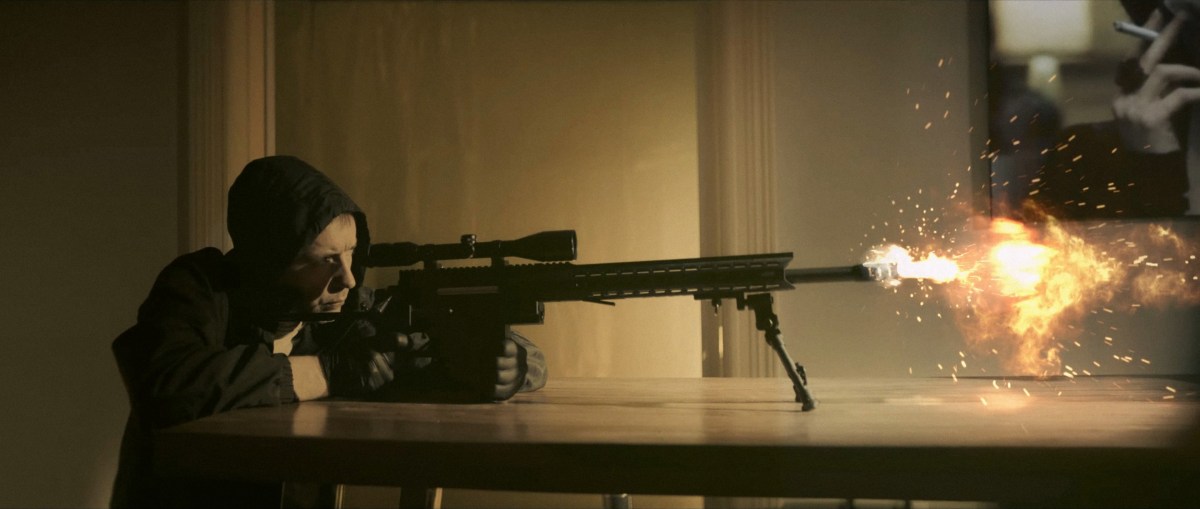
In the first act – the Paris hit – Fincher and his team combined three sets in post. They also added typical artifacts like horizontal flares and distortions to give The Killer an anamorphic vibe.

To learn and explore, we set out to recreate the climax of the first act of The Killer, BUT to do it for real: One real location and real anamorphic lenses. We even developed a way to do film through a real rifle scope – anamorphic of course.

This was possible as DZO just introduced three new focal lengths to their awesome PAVO lineup of 2x anamorphic lenses, a 135mm, a 180mm, and a 65mm Macro. This new focal length and the general short minimum focus distance of the PAVO made them the ideal companions to shoot our short.

We take you behind the scenes, share our experiences with you, and, of course, show you the result: “The Killers” gives the original a slightly different spin…

Disclaimer: We collaborated with DZOfilm and got the full PAVO set of 9 lenses to shoot our short. As always, we strive to give you our honest opinion based on our experience and tests.

Please join the ranks of the Media Division: YouTube, Instagram, Facebook

Links to Collaborators and Partners: Morty Films, Chris Karibu (behind the scenes footage), Matthias Herrmann & Valentin Loustalet (location visit in Paris), Tim from Lemac Film and Digital (rentals for the Fujinon images), Artemple (VFX Breakdown).

00:00: Intro & Contents
02:48: The Killer / A Cinematic Masterpiece
03:44: Subjective Camera Movement
05:00: Subjective Sound Design
05:41: Subjective Edit
06:25: Paris: A Real Fake Location
10:08: Faking the Anamorphic Look|
12:14: Reimagining The Killer
15:49: Gear: The Lenses
23:18: The Rifle Scope
25:01: Gear: The Cameras
27:45: Feature: The Killers
31:08: A Second Killer & Verdict
33:16: Thank You
34:02: Member Shout Out

Prop Talk: “Finer Points of the Killer”, a Conversation with James & Kelsi Eddy

Chris Call & Michael Trudel
May 23, 2024
PMG (Property Masters Guild)

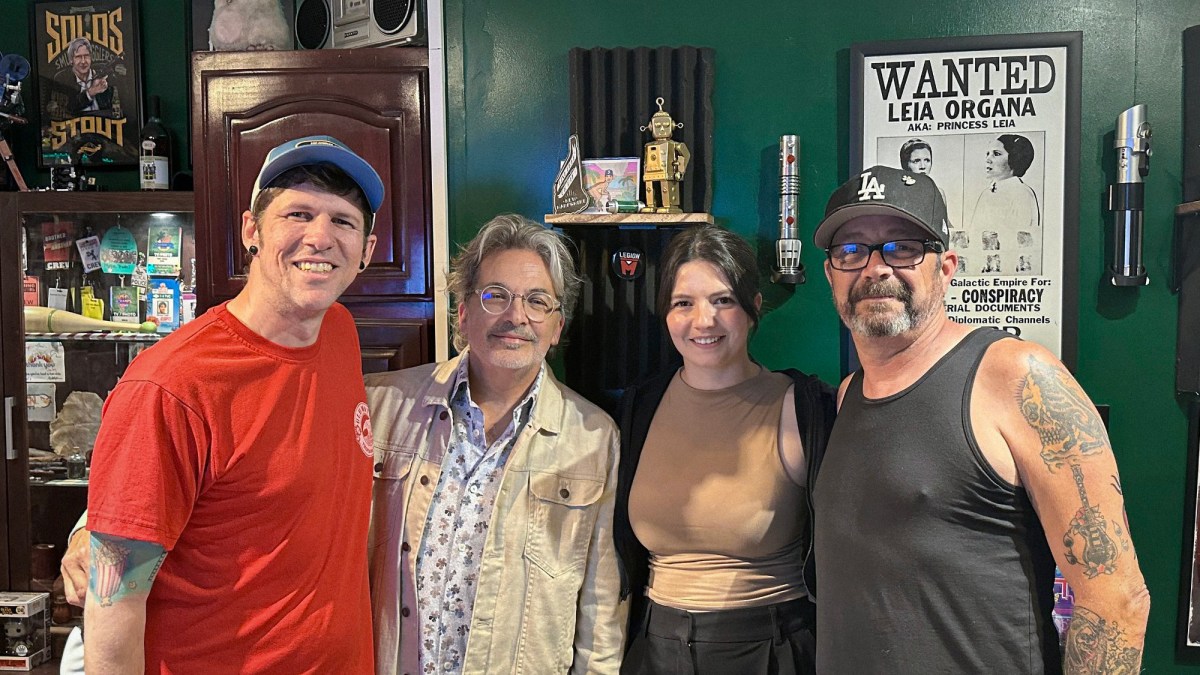
On this episode of Prop Talk, we sit down with PMG member and Local 44 Property Master James Eddy and his daughter, Local 44 member Assistant Property Master Kelsi Eddy, to discuss their relationship and experiences working for Directors like David Fincher in Mindhunter and The Killer.

Hosts: Chris Call, PMG Founding Member & Local 44 Property Master with Michael Trudel, PMG Secretary & Local 44 Property Master.

Watch the whole conversation on YouTube

Listen to the podcast version

Visit our website for more information on “Prop Talk” and The Property Masters Guild. Follow us on Instagram for more cool prop content!

David Fincher and Erik Messerschmidt, ASC Target V-Raptor to Shoot “The Killer”

April 10, 2024
RED Digital Cinema

In David Fincher’s Netflix darkly comic thriller The Killer, Michael Fassbender is the nameless assassin who goes on an international hunt for revenge while insisting to himself that it isn’t personal. 

The film marks the second Fincher-directed feature shot by Erik Messerschmidt ASC, following the Citizen Kane drama Mank, for which he won the 2020 Academy Award for Best Cinematography.

It is also the latest in a long line of Fincher movies since The Social Network to be shot on RED.

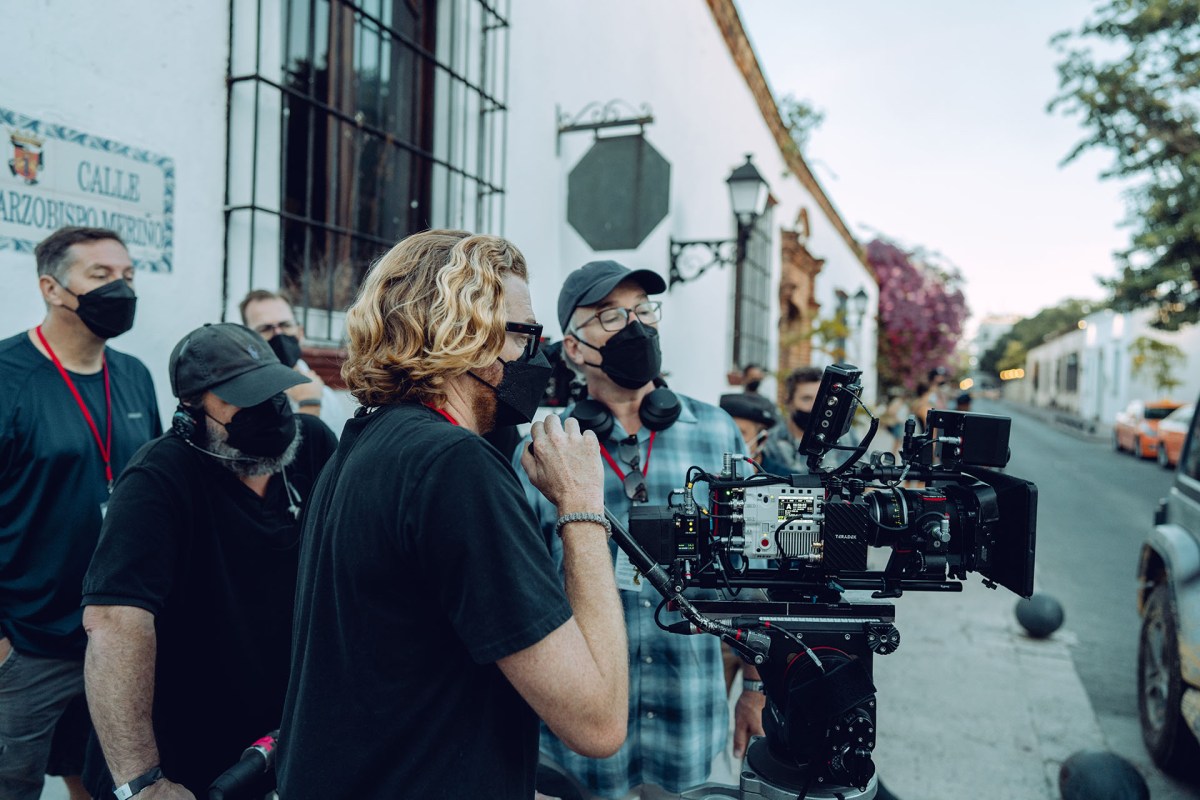
“There was not a conversation about using another camera system – there never is with David,” Messerschmidt says. “RED as a partner have been enormously collaborative with us in terms of helping us develop new ideas and solve problems. RED is absolutely creative partners to David’s process and certainly to me.”

Read the full profile

The heart of cinema beats strongly in the world

Academy-Award-winning cinematographer Erik Messerschmidt is optimistic for the future of film.

Ella Joyce
May 1, 2024
Hero

Master of creating imagery that illustrates beyond the narrative, Erik Messerschmidt is an Academy-Award-winning cinematographer and long-time David Fincher collaborator equipped with a captivating photographic eye and razor-sharp instinct. Messerschmidt’s expertise lies in the visceral experience, the intricacy of his lens causing hairs on the backs of necks to stand to attention while Fincher’s protagonists face a run-in with death, and chests to pound amid the thrill of a car chase – all thanks to the cinematographer’s ability to deliver a sucker-punch to the senses.

After starting out as gaffer on Fincher’s 2014 thriller Gone Girl, Messerschmidt was the guiding visual eye behind the auteur’s chilling Netflix series Mindhunter, his monochromatic ode to 1940s cinema, Mank (for which Messerschmidt won the Oscar for Best Cinematography), and most recently The Killer, stalking the dark psyche of a trained assassin. Having developed an instinctive shorthand with Fincher, Messerschmidt’s ongoing intention is to ensure the viewer is immersed in a world that is palpable in our own. Messerschmidt switched lanes for his most recent project, as Michael Mann’s cinematographer for his acclaimed high-speed epic, Ferrari, bringing to life the tumultuous rise of Enzo Ferrari’s automotive empire in Northern Italy.

Read the full interview

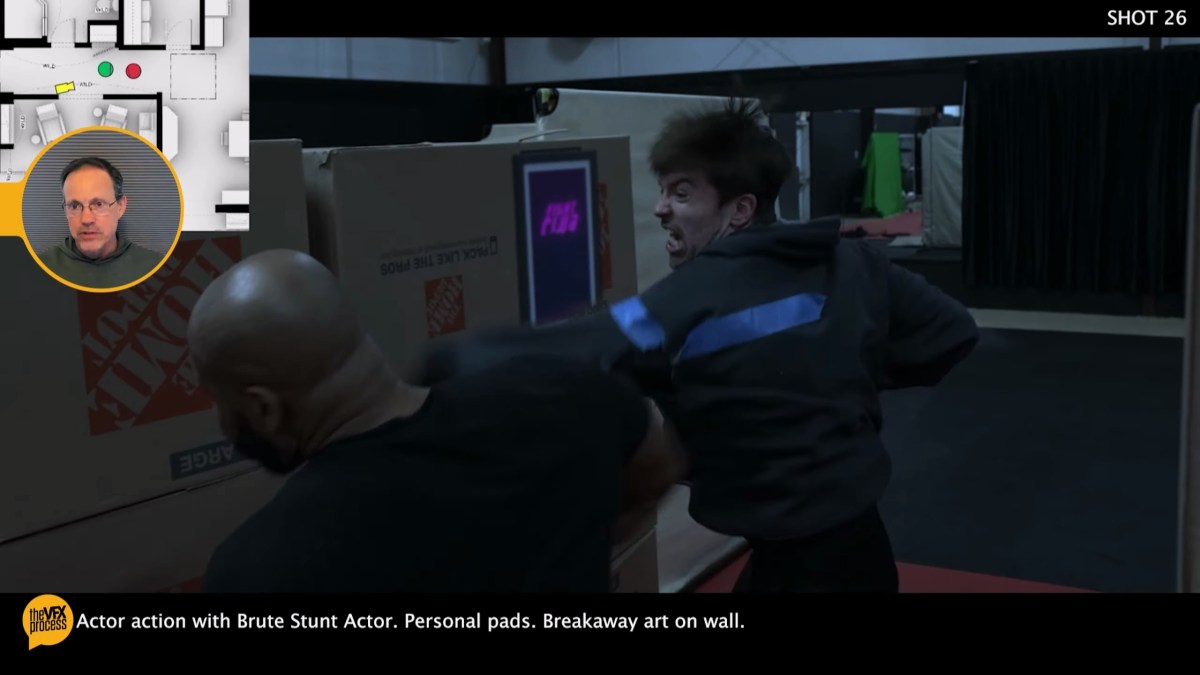
Dave Macomber, Stunt Coordinator: Visualising a Fight for David Fincher, Unreal Engine & VFX

Hollywood Stunt Coordinator & VFX Artist Dave Macomber discusses pre-visualizing the fight sequence for David Fincher’s The Killer and his new Unreal Engine project.

Jamie Bakewell
April 11, 2024
The VFX Process (Bigtooth Studios)

Dave Macomber is an award-winning stunt/fight coordinator and second-unit director in the film industry. With a passion for Visual Effects (VFX), Dave seamlessly incorporates VFX elements into his stunt visualizations, providing a comprehensive template for directors and the rest of the crew.

Having worked on iconic blockbusters like Transformers, HBO‘s Watchmen, and numerous Marvel Cinematic Universe films, Dave’s expertise shines through. Just a glance at his IMDB page showcases his impressive portfolio.

In his latest project for David Fincher‘s The Killer, Dave coordinated a gripping 6-minute fight sequence shot mostly in darkness. Join him as he shares insights into working with David Fincher, revealing that Fincher is an extremely collaborative director, and how his background as a VFX artist dictates his approach to photographing sequences in his movies.

‘Killer vs Brute’ exemplifies Dave’s mastery in delivering high-impact action sequences. Even though the scene turned out to be a success, Dave states that it was “the most intimidating thing I’ve ever done in my career.”

Venturing into Unreal Engine filmmaking during his spare time, Dave’s creativity knows no bounds. Last year, he unveiled The Ronin, his first Unreal Engine short film, showcasing a fight scene performed entirely by himself, using Rokoko Motion Capture technology. Now, with The Widow: Assassins Highway, Dave enlists a team of Marvel stunt performers to help him capture the stunts and elevate the action.

This episode offers a captivating glimpse into the VFX pipeline, the Hollywood stunt process, and Unreal Engine filmmaking.

Listen to the extended version of the conversation as a podcast:

Apple Podcasts
Spotify

Follow The VFX Process (Bigtooth Studios): Website, YouTube, Instagram, Ex-Twitter, Discord, Linkedin

Follow Dave Macomber: Instagram, YouTube, Twitter

Silent Killer

A Conversation with Brian Osmond, SOC

David Daut
March 2024 (Winter 2024)
Camera Operator (Society of Camera Operators)

Having been in development since 2007, David Fincher’s adaptation of the French comic series The Killer arrives as a slick, stylish, and darkly funny film about a professional assassin desperately trying to project an image of cold, exacting competence, all the while struggling to keep his head above water in the aftermath of a job gone wrong.

With its solo protagonist who goes for long stretches of the film without saying aloud a single word, The Killer often resembles a silent film as much as anything else. Camera Operator had the opportunity to talk with A camera operator Brian Osmond, SOC, about working with Michael Fassbender in this unique role, the camera as “straight man” for the film’s sly comedy, and the professional relationship he’s developed with director David Fincher over the past seven years.

With no name and no background to go on, we meet “The Killer” in Paris, France, in the midst of his preparations to assassinate a similarly unnamed target. After days of meticulous planning, the moment finally comes with the target in sight, ready to take the shot, and he misses! Our mysterious assassin is left trying to pick up the pieces of this botched assassination all the while the situation continues to spiral out of control. The Killer is directed by David Fincher from a screenplay by Andrew Kevin Walker and stars Michael Fassbender, Arliss Howard, Charles Parnell, Kerry O’Malley, Sala Baker, Sophie Charlotte, and Tilda Swinton.

Camera Operator: Let’s talk about the first 20 minutes of the movie. That’s the part that really stuck in my head after the movie. That long, slow burn setup to what’s kind of the movie’s main punch line: him missing the shot after all that meticulous buildup and preparation. Can you talk a little bit about what went into shooting that sequence?

Brian Osmond: Yeah, it is a slow burn, isn’t it? It’s a bit painstaking, but ultimately I really like the sequence. His meticulous nature is obviously on display, and when it finally comes to the moment to pay it all off, he misses! And that sets up the rest of the movie. Shooting it was a lot of work, as you can imagine. The entire sequence, structurally, was made from three pieces: there was the Paris work, there was the stage work with Michael, and there was the stage work for everything across the street, and those are seamlessly combined with compositing and editing.

Read the full interview