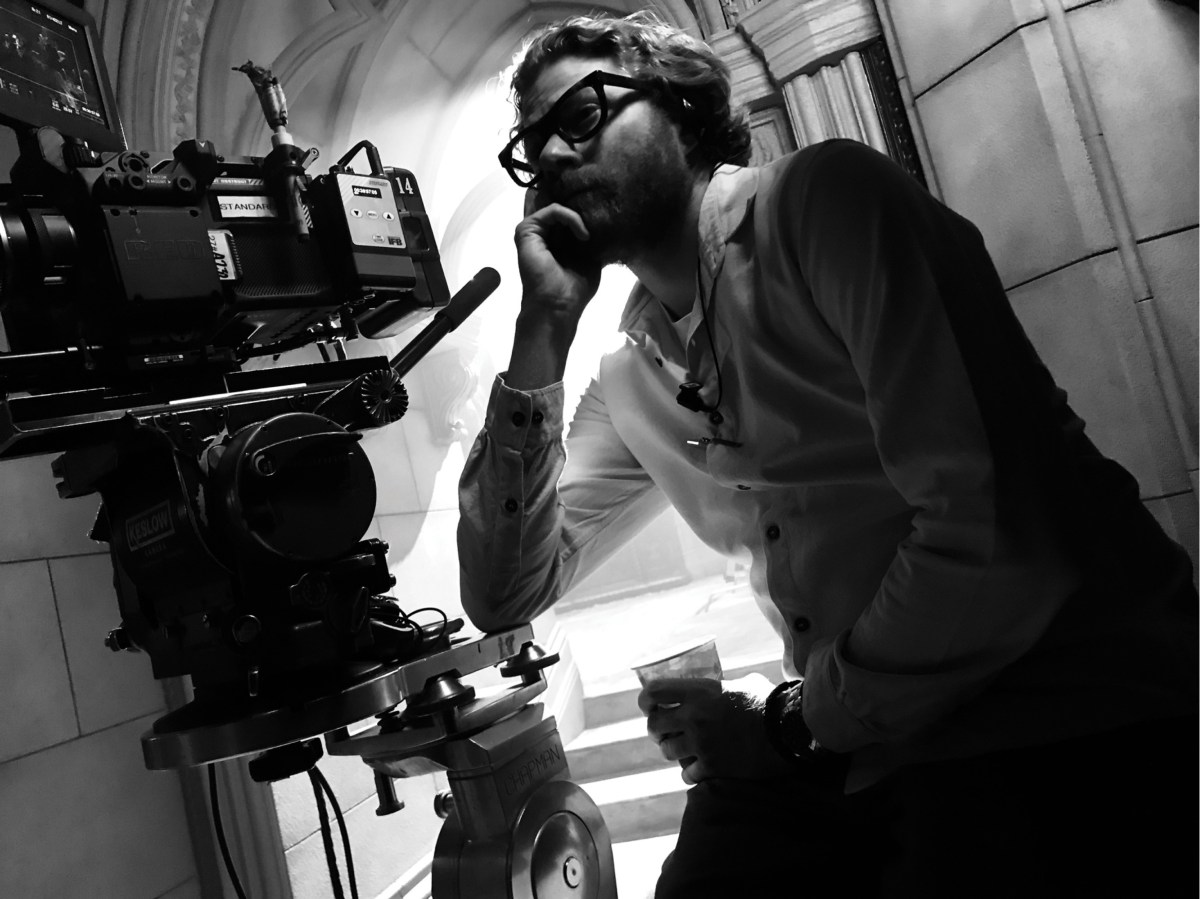
Cinematographer Erik Messerschmidt on Shooting David Fincher’s The Killer and Michael Mann’s Ferrari

Nick Newman
November 17, 2022
The Film Stage

Has any cinematographer had so fast an ascendancy as Erik Messerschmidt? While no newcomer—his IMDb dates back to 2001, his first cinematography credit from 2003—work on Gone Girl earned the attention of David Fincher, by whom Messerschmidt was then enlisted to shoot his Netflix series Mindhunter. (Impressive then, all the more sterling since as an example of streaming television that doesn’t look or move like streaming television.) Which led into Mank which led into The Killer, Fincher’s much-anticipated thriller arriving next year.

Somewhere along the way Michael Mann called. I talked to Messerschmidt at ENERGACamerimage, where he was promoting the new feature Devotion and mere weeks from wrapping Ferrari, Mann’s first feature in longer than you’d believe and a passion project of equal gestation—nothing you leave in the hands of an amateur. Certainly not if you’re as obsessive, fastidious, demanding as Michael Mann. Meeting in Toruń’s CKK Jordanki, we were quick to start.

Read the full interview

Por qué nos fascinan los asesinos en serie

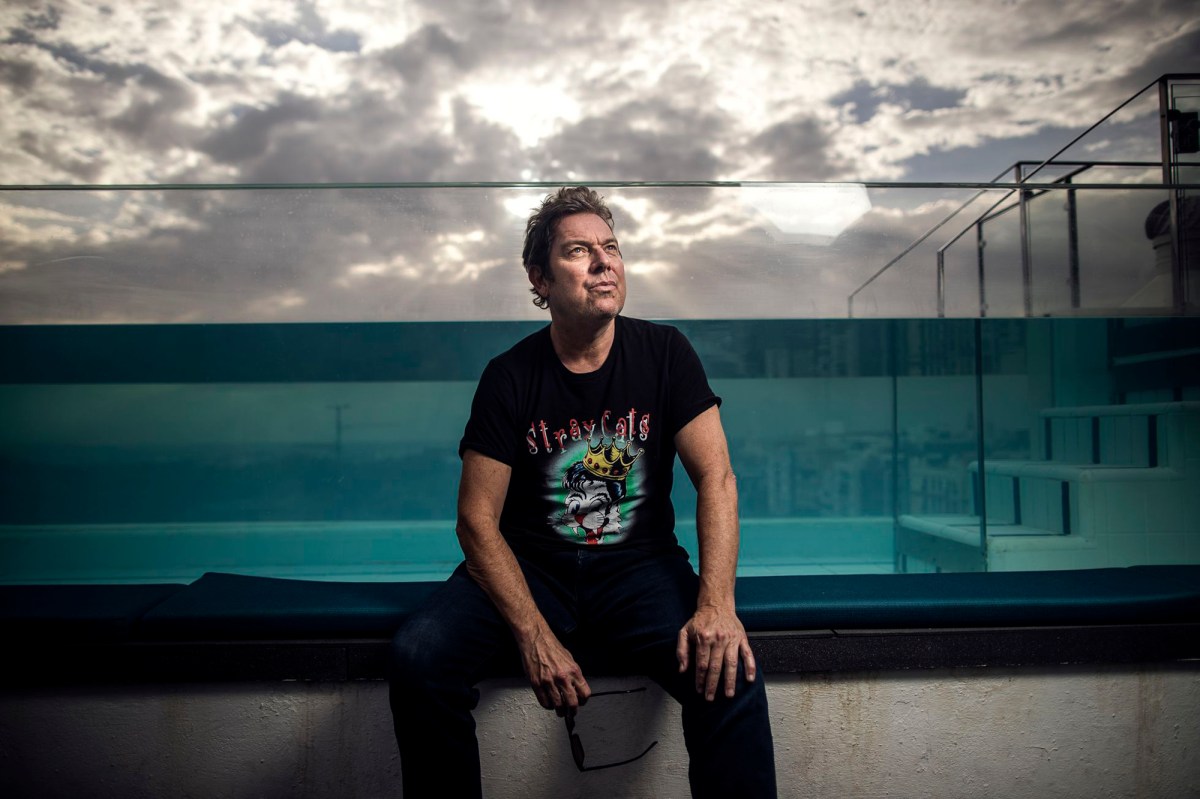
Joe Penhall, creador de la serie ‘Mindhunter’, en Madrid (Samuel Sánchez)

El creador de ‘Mindhunter’ repasa las entrañas de un género en auge en la ficción: “Hollywood los convierte en personajes icónicos, pero solo son seres tristes y muy jodidos”

Natalia Marcos
31 octubre 2022
El País

Aunque la segunda temporada de Mindhunter (Netflix) se emitió en 2019, todavía muchos de sus seguidores siguen preguntando si volverá la producción que, en sus dos entregas, seguía el trabajo de dos agentes del FBI y una psicóloga que ponen en marcha la Unidad de Análisis de la Conducta del cuerpo en los años setenta. La serie, que tiene entre sus directores y productores al cineasta David Fincher, se basa en las memorias del exagente John E. Douglas y el escritor Mark Olshaker. A partir de ese material y muchas entrevistas con policías reales, expertos en análisis del comportamiento, e incluso con los agentes que capturaron a asesinos en serie como Green RiverTed Bundy, el autor teatral y guionista Joe Penhall (Londres, 55 años) ficcionó las vidas de quienes trataron de meterse en la mente de los criminales más peligrosos.

Lee la entrevista completa / Read the full interview in Spanish

Translated from Spanish:

Are we totally saying goodbye to the option of a 3rd season of Mindhunter?

“I think so. Never say never, but Fincher loves making movies, and making movies is easier than 10 episodes of Mindhunter. The thing is that to make series for Netflix you have to make them like in a sausage factory. You have to get the episodes out with little money. I did 25 or 30 script rewrites per episode. It became impossible. Fincher realized that he couldn’t do that for a long time and also make movies. The budget was too high, we had the best directors… To move forward we would have to lower the quality, and that is why I think it will not happen. But I have told David [Fincher] that I have more seasons in mind. He always tells me, ‘well, we’ll see, who knows…’. In fact, Penhall wrote in 75 pages the main lines of what he devised as 5 seasons of the series. “In the 5th, Tench [played by Holt McCallany] and Holden [Jonathan Groff] become authors, they write books. They go to Hollywood premieres and no longer work as agents, become famous and sign autographs, and have a battle with other rivals over who invented behavioral science and even become consultants on a Hollywood movie. It was a very playful idea”, he smiles.

‘Mindhunter’ Season 3 Would Have Sent the FBI to Hollywood, Says Andrew Dominik

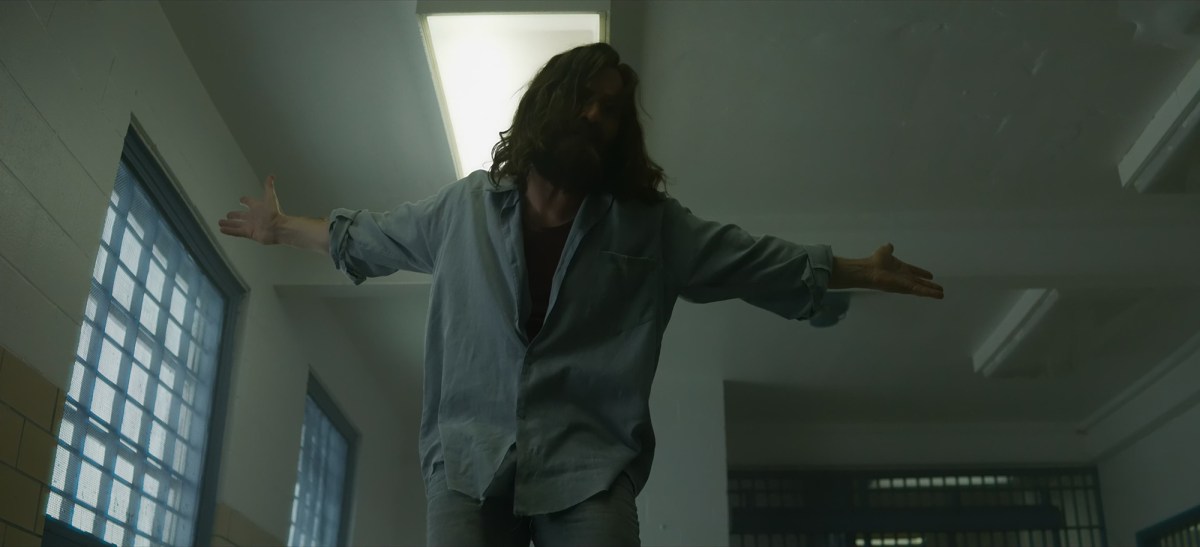
Dominik also discusses what it was like to direct Season 2’s Charles Manson episodes.

Carly Lane
April 20, 2022
Collider

It’s not often that we as viewers and lovers of television get an inside scoop on what the future of a favorite show would have been — especially once it’s canceled. In the case of Netflix’s Mindhunter, which released its second season back in 2019, the series technically wasn’t canceled so much as a possible third season was put on “indefinite hold” per David Fincher, though the series’ executive producer has also confirmed in interviews since that Season 3 likely isn’t happening, partly due to the fact that it would have required an even steeper budget than the previous one. Now, thanks to Season 2 director Andrew Dominik, we have even more of a sense of why Mindhunter‘s dead-in-the-water third season would’ve had a higher price tag.

In speaking with Collider‘s own Steve Weintraub in a long-spanning interview about his documentary about Nick Cave and Warren EllisThis Much I Know to Be True, the director also briefly touched on not only his experience with directing two of Mindhunter‘s Season 2 episodes, but also what the third season would have entailed in terms of its main story — as well as which real-life figures the FBI Behavioral Science Unit team consisting of Holden Ford (Jonathan Groff), Bill Tench (Holt McCallany), and potentially even psychologist Wendy Carr (Anna Torv) would have crossed paths with.

Read the full exclusive

David Fincher and the Cinema of Doomscrolling

A conversation with Adam Nayman about the filmmaker’s style and obsessions.

Alex Shephard
January 18, 2022
Critical Mass (The New Republic)

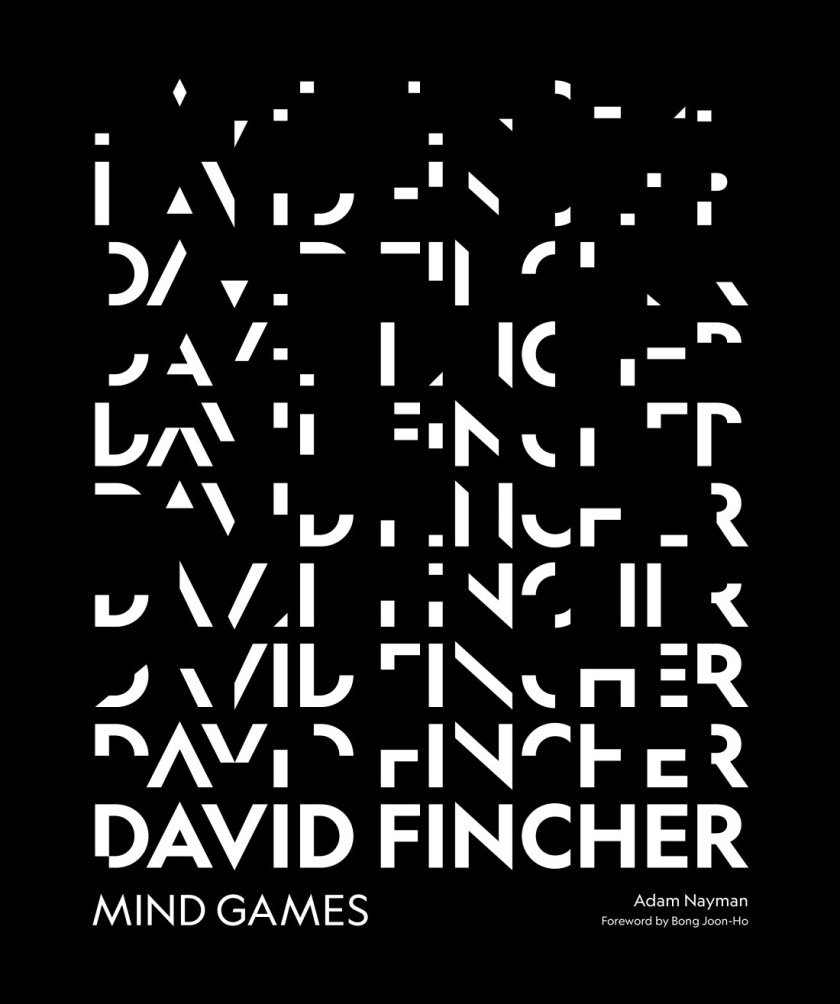
David Fincher’s films are full of doubles, puzzles, and tantalizing glimpses of the director himself. As Adam Nayman writes in his new book about Fincher’s films, Mind Games, “Fincher imposes his presence through the actions and psychologies of thinly veiled proxies: Clockmakers and safecrackers; hackers and terrorists; detectives and serial killers.” These are films that are, like their director, obsessed with procedure and appearance—and intent on puncturing both.

These films are, perhaps because of their complexity or their (at least outward) coldness—or perhaps because of Fincher’s own past as a director of music videos and advertisements—misunderstood or even dismissed. In the past decade alone, Fincher’s The Social Network and, especially, Gone Girl have received radical reappraisals, while Zodiac has been seen by many as one of the best films of the twenty-first century. Mind Games is particularly valuable in its willingness to critically engage with much of Fincher’s less-appreciated output—from his work in advertising to films like Benjamin Button and The Girl With the Dragon Tattoo. But Nayman, the author of similar studies of the Coen brothers and Paul Thomas Anderson, also deepens the understanding of films by situating them in an oeuvre that has been obsessively looking at many of the same themes for decades.

Read the full interview

Masters of Color: Eric Weidt

Cullen Kelly
December 2, 2021
Lowepost & Ravengrade

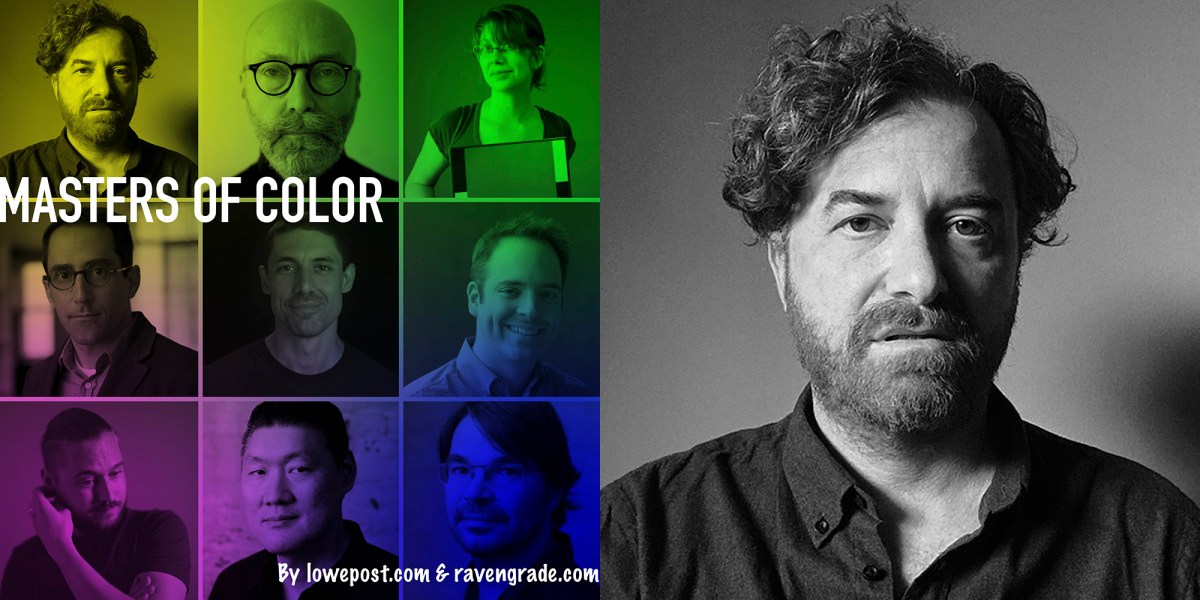
In this episode, we talk with director David Fincher’s favorite colorist Eric Weidt about the art and craft of color grading.

Eric has an incredible list of credits that includes Mank and Mindhunter. His works on these projects extend far beyond traditional tasks of color grading, incorporating complex look modeling and incredibly detailed adjustments on virtually every frame.

The techniques and insights he shares in this episode are unique and includes topics such as how to sculpt the viewers experience with textural and spatial tools, the lens treatment techniques used on Mindhunter, the process and swan curve treatment behind the day-for-night shots on Mank, advanced grain work and so much more.

This episode is sponsored by Pixelview, an industry standard and affordable streaming solution for editors and colorists.

Listen to the podcast:

Apple Podcasts
Spotify
Amazon Music
Google Podcasts
Lowepost (Premium membership videos)

The Film Comment Podcast: The Mind Games of David Fincher

David Fincher by Michael Avedon

Devika Girish and Clinton Krute
November 23, 2021
Film Comment

This week’s conversation focuses in on David Fincher—a director whose decade-spanning body of gritty Americana—from the grim moral drama of Se7en to the revisionist Hollywood tale of the recent Mank—has inspired both obsessive fandom and derisive dismissal.

A new book by Adam NaymanDavid Fincher: Mind Games (out November 23 from Abrams Books), offers a canny and timely appraisal of the director’s filmography. Adam writes that, “Over the past thirty years, Fincher has cultivated and maintained a reputation that precedes him of formal rigor and technocratic exactitude, of moviemaking as a game of inches.” Film Comment editors Devika Girish and Clinton Krute invited Adam and critic, filmmaker, and former NYFF director, Kent Jones—who’s written about Fincher many times over the years in FC—for an illuminating deep-dive into the Fincherverse.

Listen to the podcast

Buy the book David Fincher: Mind Games. By Adam Nayman

Adam Nayman on David Fincher’s Complicated Auteurism

David Fincher by Jack Davison

Nick Newman
November 23, 2021
The Film Stage

Few film books in recent memory made waves like Adam Nayman’s Paul Thomas Anderson: Masterworks, a too-rare melange of authorial talent, topical interest, and opulent presentation. Last year Nayman and I spoke at length about the tome that no doubt you’ve seen in bookstores (big and small alike) since.

Nayman has returned with David Fincher: Mind Games, another Abrams-published doorstop on another double-capital-A American Auteur, lined again with essays that surprise in their capacity to find new perspectives and provocative readings on films for which there seemed no more room. Finally able to talk in person—thus, you’ll (please) read, at greater length—we sat down for a talk on writing thousands of words on someone for whom a consistent critical standing is tougher than meets the eye.

Read the full interview

Buy the book David Fincher: Mind Games. By Adam Nayman

Adam Nayman Talks David Fincher’s Adman Past (And Present)

A conversation with the author about his new book, “David Fincher: Mind Games”

Sydney Urbanek
November 17, 2021
Mononym Mythology

Adam Nyman is a fellow film critic and the author of several books about films and filmmakers, including but not limited to The Coen Brothers: This Book Really Ties the Films Together (2018) and Paul Thomas Anderson: Masterworks (2020). (Though we’ve never crossed paths in person, he also teaches in the department where I did my Master’s program.) He opens Mind Games with a dedicated discussion of the decade or so before Fincher ever made his narrative feature debut with ALIEN³ (1992), but then continues to come back to his commercial and music video work for the remainder of it, wisely treating his adman past as, well, more of an adman present. A few weeks back, Adam and I chatted for an hour about Fincher’s short-form oeuvre, but also his features because—again—the two aren’t as discrete as a lot of people believe. Our conversation has been edited for clarity, but not really so much for length.

Read the full interview

Buy the book David Fincher: Mind Games. By Adam Nayman

VFX Notes: David Fincher and the rise of invisible VFX

Hugo Guerra (Twitter) & Ian Failes (Twitter)
October 2, 2021
Hugo’s Desk (YouTube, Patreon, Twitter, Facebook) / befores & afters

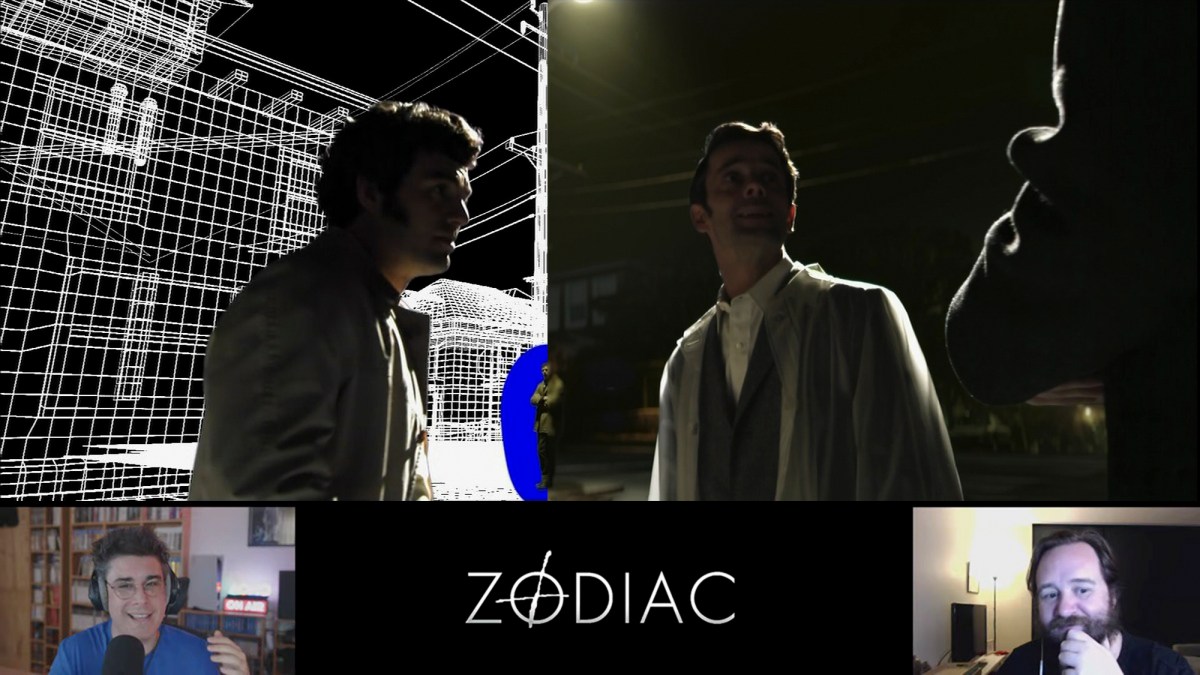
On this episode of VFX Notes, Hugo Guerra from Hugo’s Desk and Ian Failes from befores & afters dive deep into the visual effects in David Fincher films. We take an especially close look at Digital Domain‘s work for Zodiac and The Curious Case of Benjamin Button.

Chapters:
00:00:00 – Intro
00:04:20Zodiac and the rise of invisible VFX
00:09:09 – The rise of D2 and Foundry‘s Nuke
00:18:31 – David Fincher’s methods and Zodiac‘s murder scenes
00:30:03 – Environments by DD and Matte World
00:43:41 – The VFX of The Curious Case of Benjamin Button
00:57:27 – The VFX of The Social Network
01:03:15 – The VFX of Mindhunter
01:09:51 – Wrap up
01:12:45Patreon, YouTube members and Twitch Subs Credits

Listen to the podcast:

befores & afters
Apple Podcasts

Spotify
Google Podcasts

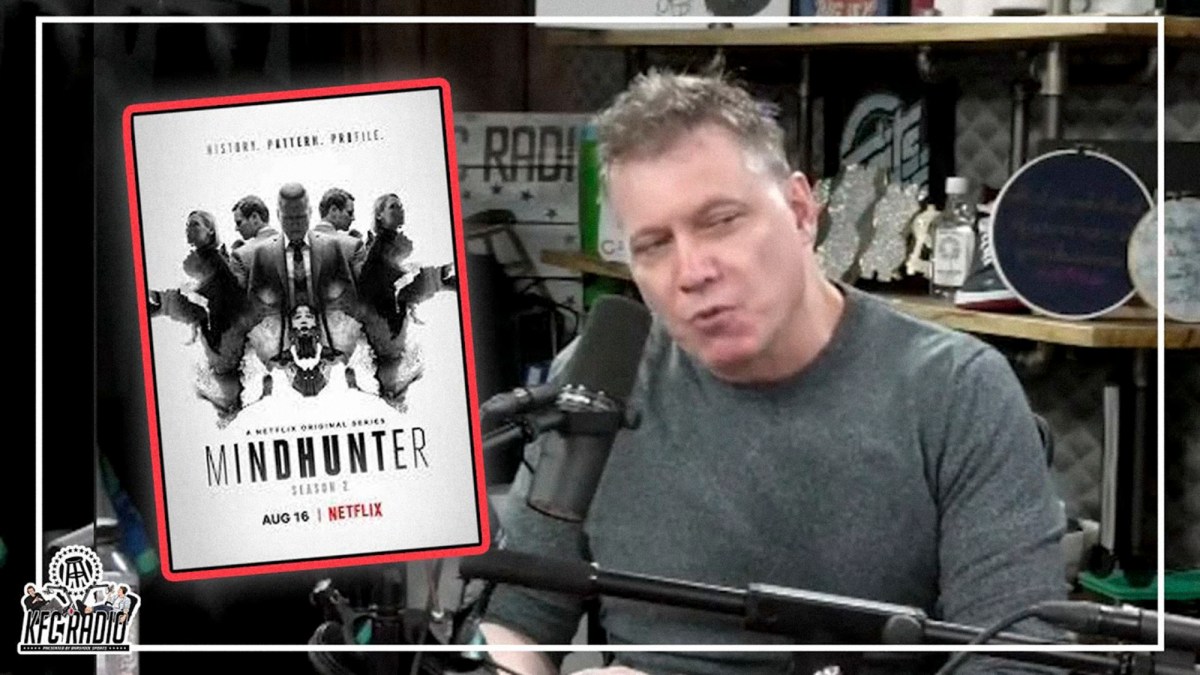
KFC Radio: Interview with Holt McCallany

Kevin Clancy (Twitter, Instagram) & John Feitelberg (Twitter, Instagram)
May 18, 2021
KFC Radio (YouTube, Twitter, Instagram) / Barstool Sports

Holt McCallany stops by the show to talk about his role in Wrath of Man with Jason Statham. We discuss talk about his time playing Bill Tench in Mindhunter, how he got linked up with David Fincher, and whether or not he’d like to see Mindhunter return. (min. 1:18:54)

Listen to the podcast:

Apple Podcasts
Spotify

Stitcher