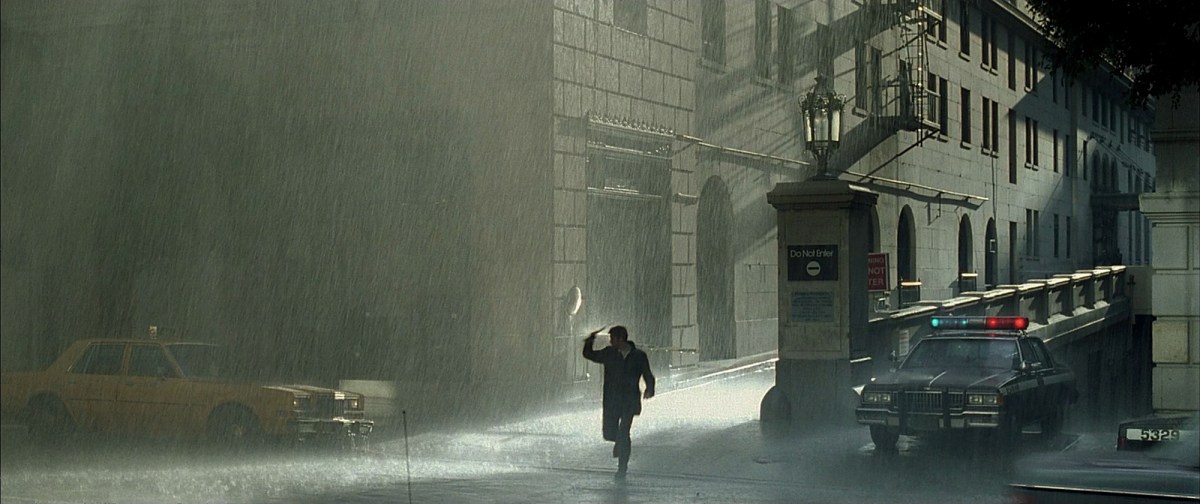
After watching a few David Fincher films I realised that one way he presents a cinematic world which is an exaggerated version of real life is through the weather.
0:00: Introduction 0:50: Seven 4:08: Sponsored Message 5:06: The Girl With The Dragon Tattoo 7:48: The Social Network 9:00: Conclusion
Music: Rhythm Scott – ‘Tribal Splash’ Dear Gravity – ‘Finish Remember Begin Again’ Doug Kauffman – ‘The River Brethren’ We Dream Of Eden – ‘After the Storm’ Ottom – ‘Quiet Street’
The first 1,000 people to use this link will get a 1 month free trial of Skillshare.
DISCLAIMER: Some links in this description are affiliate links. If you purchase a product or service with these links I may receive a small commission without an additional charge to you. Thank you for supporting my channel so I can continue to provide you with free videos!
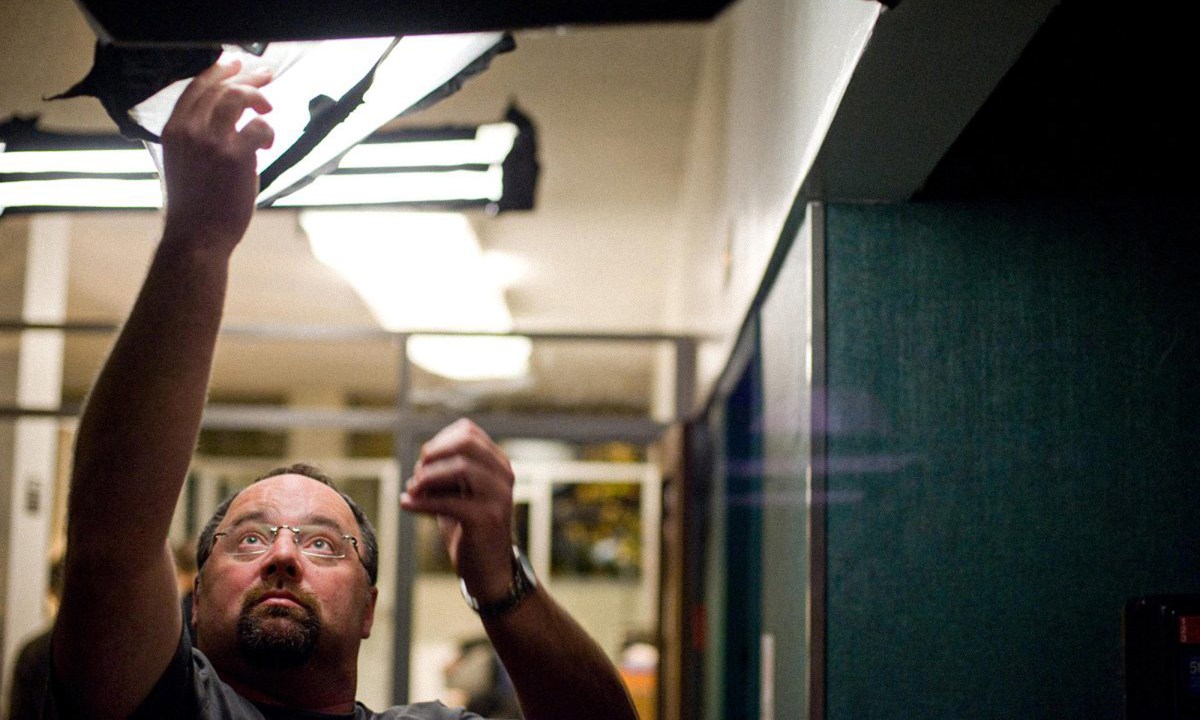
In this edition I’ll look at Jeff Cronenweth, who, to a large extent, is responsible for popularising a style of ‘dark cinematography’, through his work on movies such as Fight Club or The Social Network.
DISCLAIMER: Some links in this description are affiliate links. If you purchase a product or service with these links I may receive a small commission without an additional charge to you. Thank you for supporting my channel so I can continue to provide you with free videos!
3 Things That Working With Jeff Cronenweth Taught Me About Cinematography
Chapters: 00:00 Intro — How David Fincher became a Filmmaker 02:01 Early Career & Return of the Jedi 03:18 Shot Composition and Blocking 06:19 “Relentless” Number of Takes 11:02 Directing with Precision 13:43 Color Theory & Creating the Look 15:48 Create a Feeling (Production Design & Music) 19:35 Final Takeaways
David Fincher is a director’s director. His reputation for having complete control over his work is well-known but many directors have had similar power. So, what makes his approach to film directing so captivating? In this David Fincher video essay, we’ll let the man speak for himself. Through a collection of interviews from throughout his career, Fincher guides us through some of the strongest characteristics of his directing style.
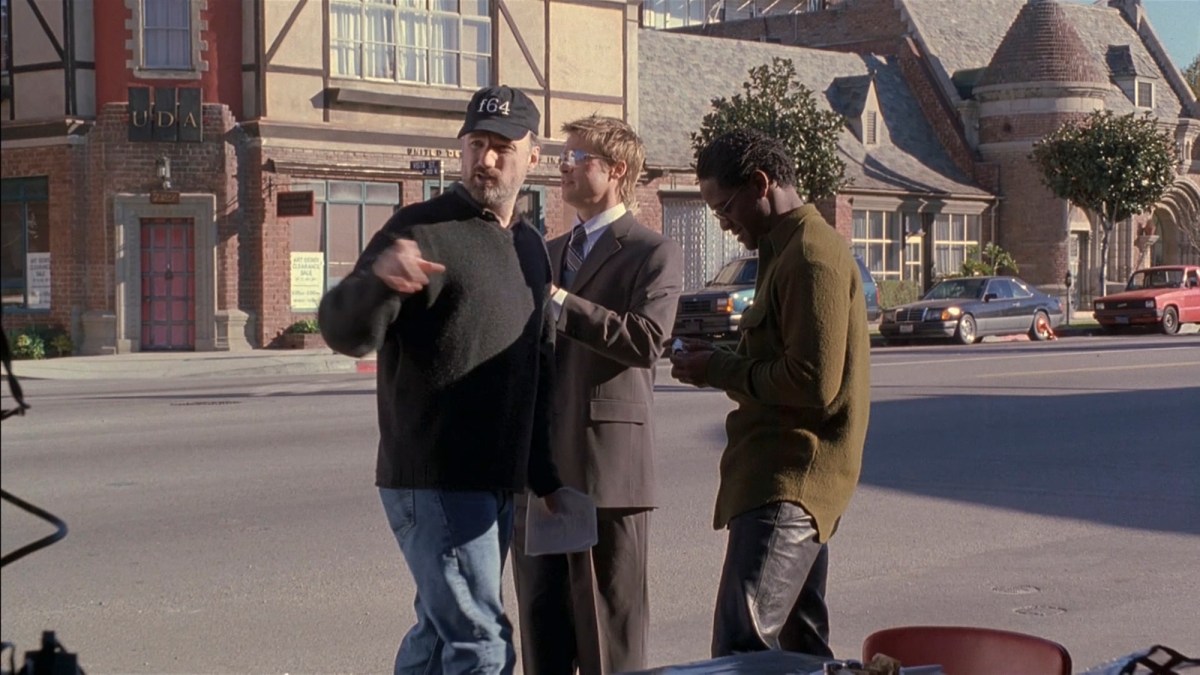
To date, over the past four decades, David Fincher has directed a plethora of music videos, commercials, and 11 feature films. Along the way, he has refined his directing style which can be summed up in two words: precise and purposeful. When watching any David Fincher movies, you would be hard-pressed to find an out-of-place camera movement, or a lazy frame composition. One lesson we learned from Fincher is how he balanced and imbalanced the frame during Nick and Amy’s first meeting in Gone Girl to show the “push and pull” of their flirting.
Another well-known staple of the David Fincher directing style is his predilection for shooting multiple takes. He famously shot 99 takes of the opening scene in The Social Network, for example. But there’s a method to his madness — he wants the actors to move “beyond muscle memory” especially in their domestic environments. In Fincher’s logic, when the actor sits on their couch, they need to have sat in it a hundred times to make it look like they’ve sat in it a hundred times.
Fincher also explains how he creates mood and tone with lighting, color, and music. With a darker frame, desaturated color, and the brooding tones of Atticus Ross and Trent Reznor, there certainly is a distinct experience watching David Fincher films. While all of this sounds extreme, the proof that he’s doing something right is visible on-screen.
♬ Songs used:
“Father / Son” — Makeup and Vanity Set “Subdivide” — Stanley Gurvich “Switchback” — Nu Alkemi$t “Battle in the Forest” — Charles Gerhardt – National Philharmonic Orchestra “Chasing Time” – David A. Molina “Sugar Storm” – Trent Reznor & Atticus Ross “Soul Sacrifice” – Santana “Graysmith Obsessed” – David Shire “Intriguing Possibilities” – Trent Reznor & Atticus Ross “Wendy Suite” – Jason Hill “Under the Midnight Sun” — Trent Reznor & Atticus Ross “14 – Ghosts II” – Nine Inch Nails “Corporate World” – The Dust Brothers “Appearances” – Trent Reznor & Atticus Ross “With Suspicion” – Trent Reznor & Atticus Ross “What Have We Done to Each Other” – Trent Reznor & Atticus Ross “Cowboys and Indians” – Trent Reznor & Atticus Ross “San Simeon Waltz” – Trent Reznor & Atticus Ross “Fool” – Ryan Taubert “Where Is My Mind” – The Pixies
The Team Deakins podcast is an ongoing conversation between acclaimed cinematographer Roger Deakins and James Deakins, his collaborator, about cinematography, the film business and whatever other questions are submitted. We start with a specific question and end….who knows where! We are joined by guests periodically. Followup questions can be posted in the forums at rogerdeakins.com.
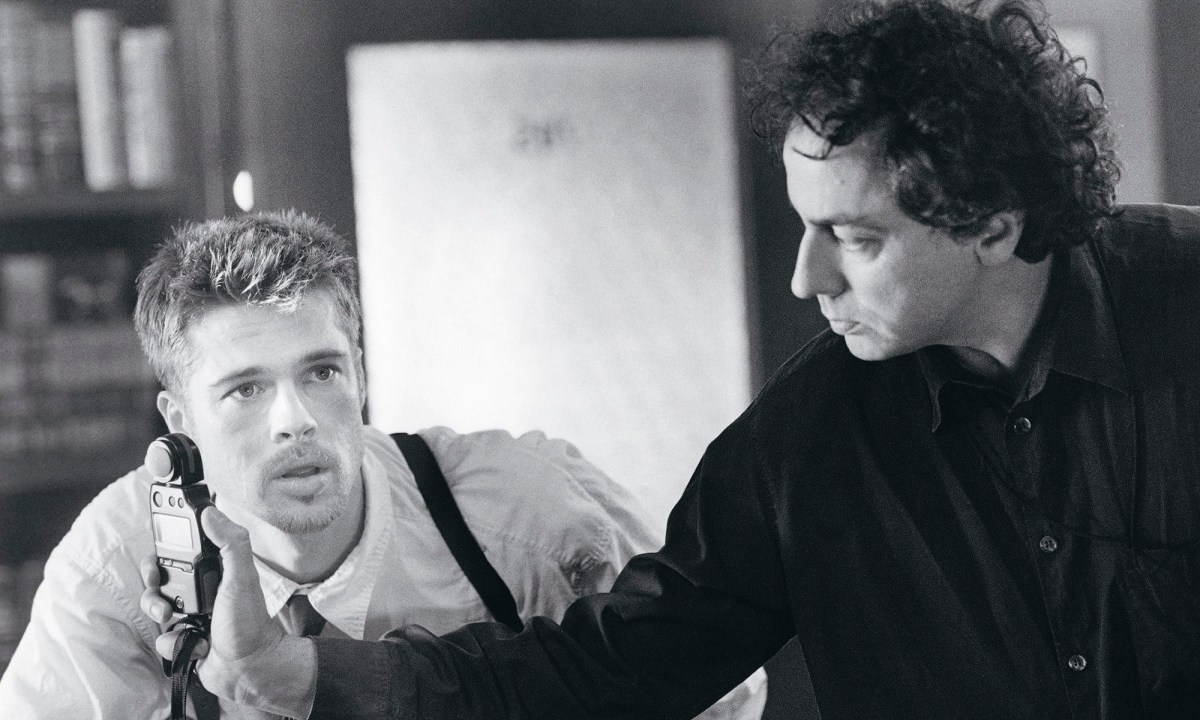
Team Deakins talks with cinematographer Darius Khondji(Uncut Gems, Alien Resurrection, Se7en). We talk a lot about light, specifically learning how to light and how he started to learn with natural light. He shares the experience of working with David Fincher on the film Se7en and how their collaboration allowed him to take risks. He speaks about how important it is to get to understand the director and how he sees visual style as a house that you have to find the key to unlocking and that he usually finds this key through the character. Darius tells us about working on the movies Lost City of Z, Uncut Gems, My Blueberry Nights, and Amour. He also shares his thoughts on working in features and television. A wonderful glimpse into the eye of a great cinematographer!
Darius Khondji is a cinematographer who is able to adapt images into almost any form to mimic the style of whichever director he works with, while subtly mixing in some of his own photographic traits. In this episode of cinematography style, I’ll break down the work of Khondji by examining his philosophy on photography as well as some of the gear which he uses to execute these ideas.
DISCLAIMER: Some links in this description are affiliate links. If you purchase a product or service with these links I may receive a small commission without an additional charge to you. Thank you for supporting my channel so I can continue to provide you with free videos!
A disillusioned screenwriter in old Hollywood gets a shot at redemption in Director David Fincher’s biographical comedy-drama, Mank.
Fincher’s film takes place as film 24-year-old wunderkind Orson Welles hires scathing social critic and alcoholic screenwriter Herman J. Mankiewicz to write the screenplay for his masterpiece, Citizen Kane.
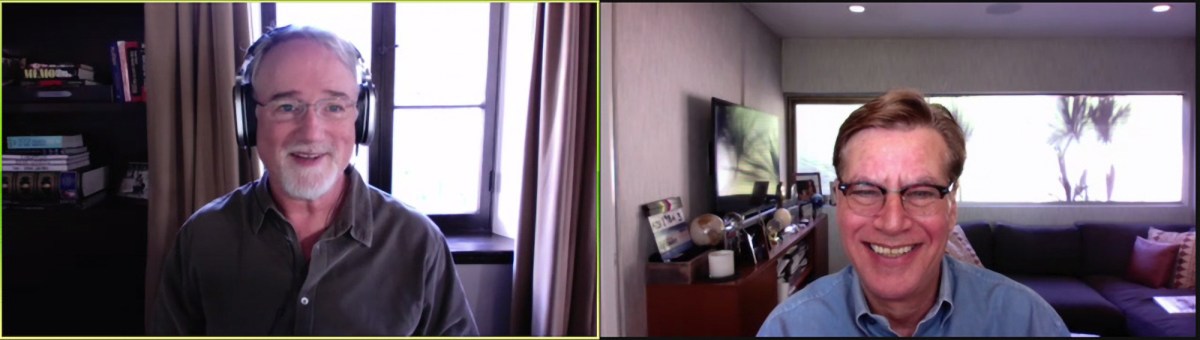
On February 6, Fincher discussed the making of Mank in a DGA Virtual Q&A moderated by Director Aaron Sorkin (The Trial of the Chicago 7).
During their conversation, Fincher spoke about his love for “the altar of cinema,” the communal aspect that can come through film. “For me, what I love about cinema is going into a big dark room with 700 people and through their laughter and through their surprise and through their shock and through their reactions you realize, I’m not alone. I’m the same. I’m wired into this group in the same way just organically and I’m picking up on all these other cues. That is what makes the cinema, or a great grand theater, an almost cathedral-like experience.”
Fincher’s other directorial credits include the feature films Se7en, The Game, Panic Room, Zodiac, Gone Girl; episodes of the television series House of Cards and Mindhunter; and countless commercials and music videos. He has been nominated for the DGA Award for Outstanding Directorial Achievement in Theatrical Feature Film for The Curious Case of Benjamin Button, The Social Network and The Girl with the Dragon Tattoo. In 2013, he was nominated for the DGA Award for Dramatic Series for House of Cards, “Chapter 1” and has twice been nominated for the DGA Award for his Commercial work with Anonymous Content in 2003 and 2008, winning the Award in 2003 for Beauty for Sale (Xelibri Phones), Gamebreakers (Nikegridiron.Com) and Speed Chain (Nike).
Glenn Kiser, Director of the Dolby Institute February 9, 2021 The Dolby Institute
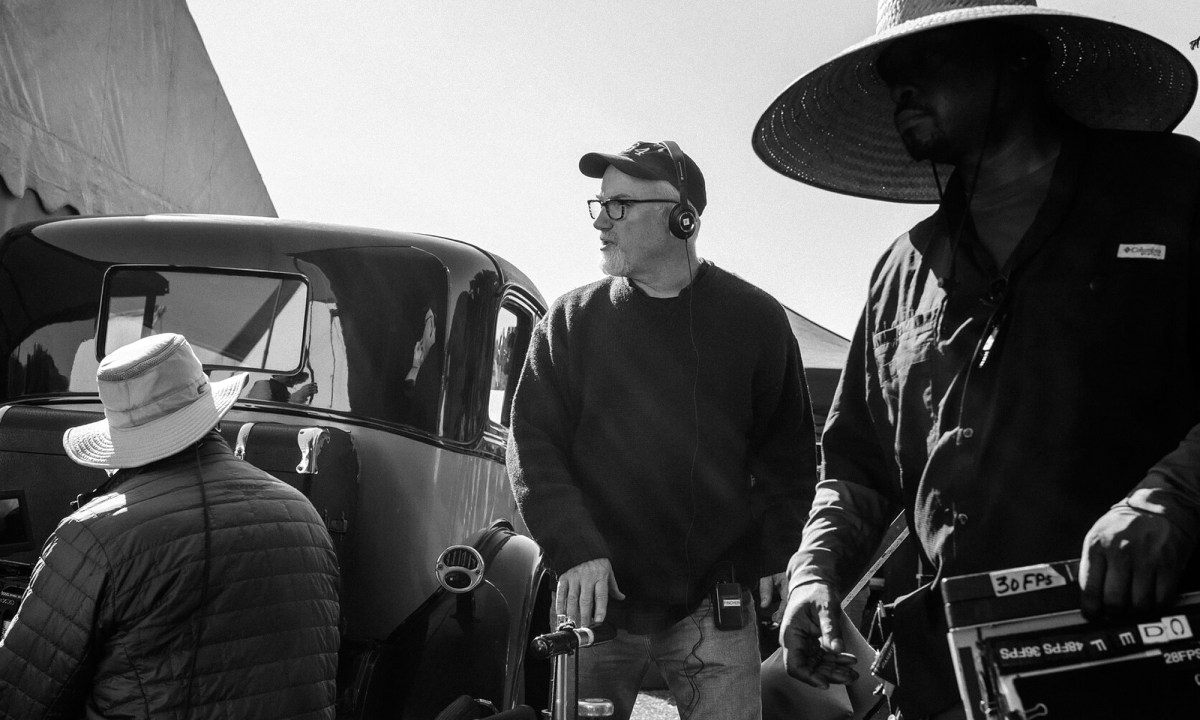
“Mank” has been a personal passion project for David Fincher for several decades now. His own father wrote the script, about the famously self-destructive writer of “Citizen Kane,” and Fincher was determined to make the film feel as authentic as possible. Almost like it was an undiscovered artifact from Hollywood’s “Golden Age,” insisting for years to film it in black & white, 1:33, and in mono. He once again joined forces with his longtime collaborator, sound designer Ren Klyce, to do exactly that. But building this time capsule turned out to be a surprisingly challenging process.
“It’s beyond production value. Sound is a portal into a stranger’s mind that is incredibly influential. And if we don’t avail ourselves of this access, um… then we’re stupid and we should die (laughs).” – David Fincher, director of “Mank”
Listen to the Sound + Image Lab: The Dolby Institute Podcast:
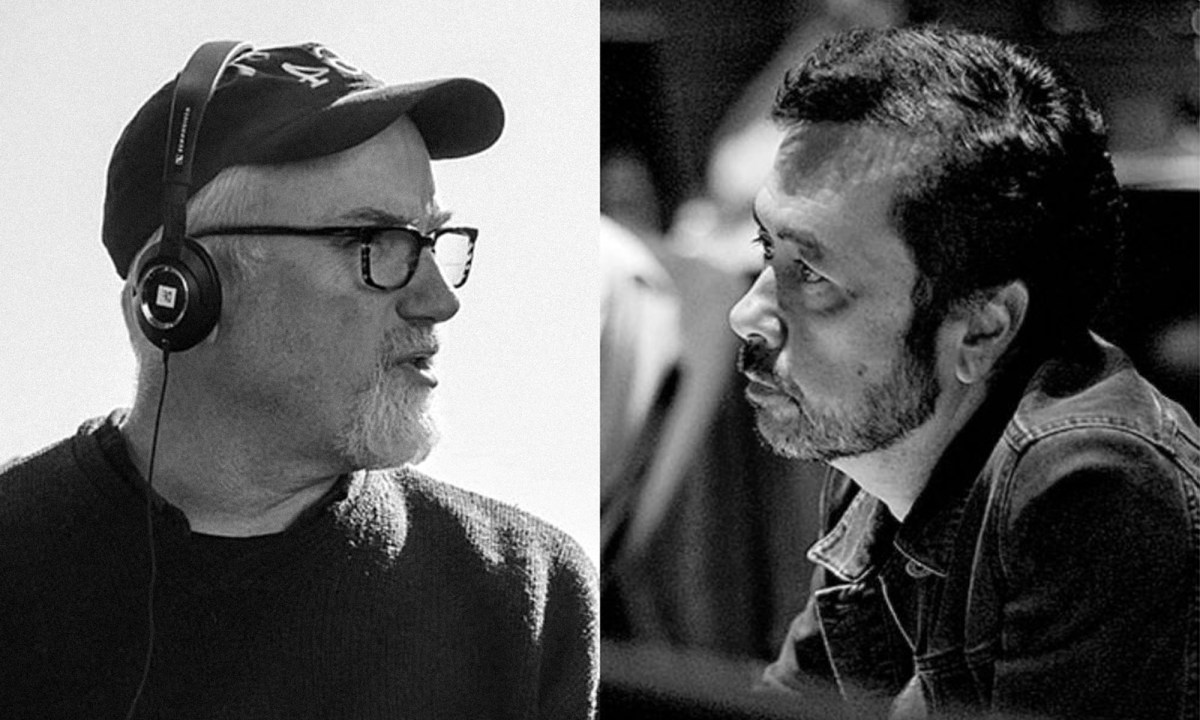
David Fincher and Ren Klyce came of age during a seminal time for Hollywood: when the pair were just kids, a group of ’70s filmmakers was reshaping what it meant to make movies, right from the pair’s native Bay Area. In a biographical detail almost too perfect to be true, George Lucas rented a house in Marin County to edit his “THX 1138,” that just so happened to be located right next door to the Klyce family’s home. A single suburban lawn is all that separated a then-9-year-old Ren from the great Walter Murch, just as he was starting to change modern movie sound forever, work he’d continue throughout the decade with another NorCal auteur, Francis Ford Coppola. And it would be on a Lucas-produced animated feature, “Twice Upon a Time,” that future sound designer Klyce would meet his Coppola, a then-19-year-old Fincher.
Over the last 25 years, as Hollywood has utilized the multi-channel surround technology pioneered by Murch to create bombastic soundtracks that all too often mask a lack of craft, Klyce has helped Fincher explore the subconscious underbelly of his own films, constantly refining how sound can be used to shape a viewer’s emotional response.
“To me, sound design is not about 96 channels all at 11, and two side cars giving you this sound pressure-gasm; to me, it’s very much about the detail and the nuance and maybe things that you wouldn’t even be aware that you heard until the second or third time you saw it,” said Fincher in an interview about his collaboration with Klyce. “I can’t talk more enthusiastically about someone [Klyce] I feel has very subtly pushed what sound designers do.”
For nearly three decades, David Fincher has been making gorgeous bummer movies that — in defiance of Hollywood’s first principle — insist that happy endings are a lie. Filled with virtuosic images of terrible deeds and violence, his movies entertain almost begrudgingly. Even when good somewhat triumphs, the victories come at a brutal cost. No one, Fincher warns, is going to save us. You will hurt and you will die, and sometimes your pretty wife’s severed head will end up in a box.
Long a specialized taste, Fincher in recent years started to feel like an endangered species: a commercial director who makes studio movies for adult audiences, in an industry in thrall to cartoons and comic books. His latest, “Mank,” a drama about the film industry, was made for Netflix, though. It’s an outlier in his filmography. Its violence is emotional and psychological, and there’s only one corpse, even if its self-destructive protagonist, Herman J. Mankiewicz (Gary Oldman), can look alarmingly cadaverous. Set in Hollywood’s golden age, it revisits his tenure in one of the most reliably bitter and underappreciated Hollywood tribes, a.k.a. screenwriters.


 The Fincher Analyst