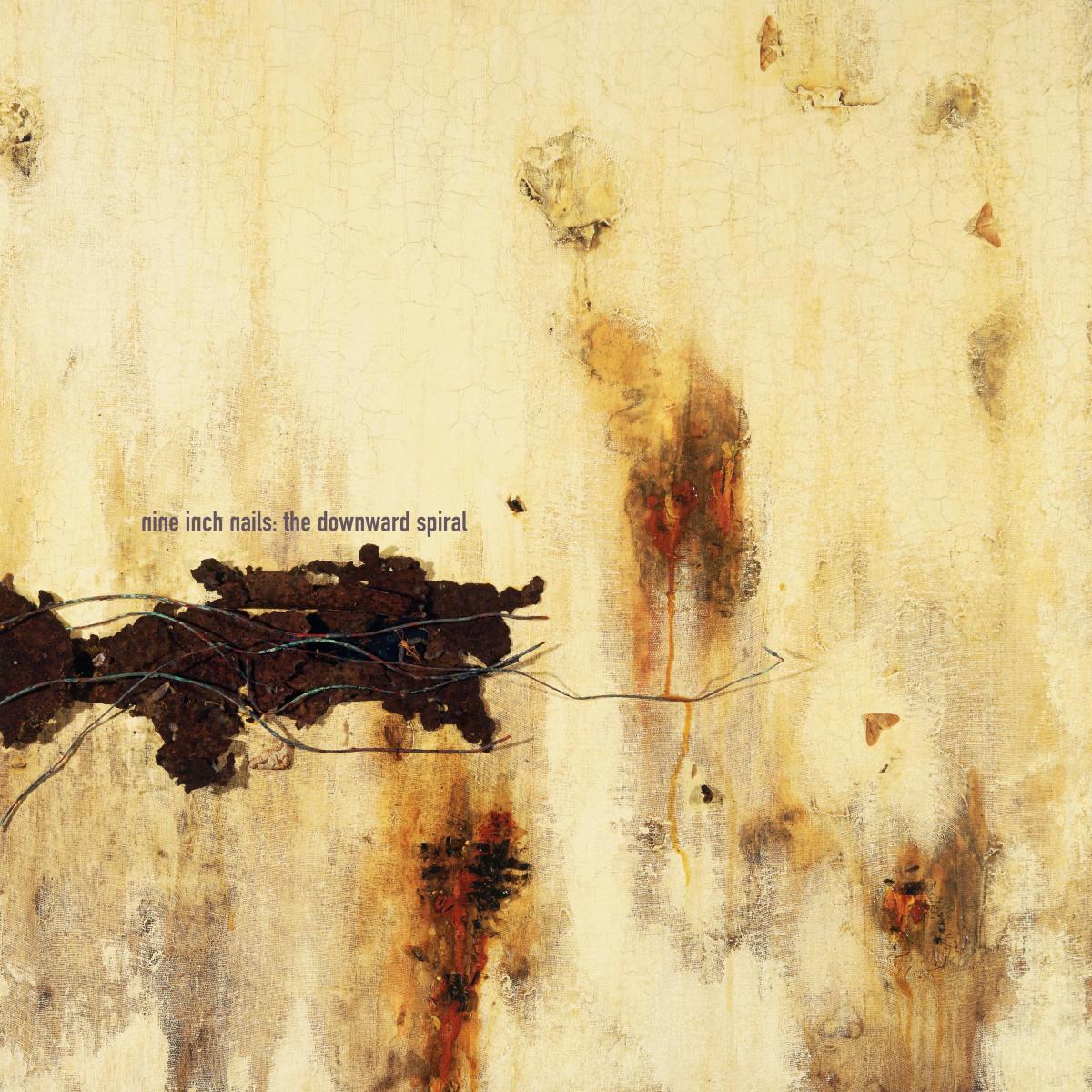
“The Downward Spiral” Turns 30

Trent Reznor
March 8, 2024
NIN.com

Spending too much time looking backwards feels dangerous to me, but this day on the calendar caught my attention. Has it really been that long, old friend?

I just spent an hour listening to this time capsule of what 28 year old me had to say, and it still excites me and breaks my heart.

Be kind to yourselves. Hope to see you soon.

Seven (1995) Title Sequence

Seven: The Gwyneth Paltrow and Morgan Freeman diner scene may be its most pivotal moment

Two characters, four minutes, a brief exchange: Seven’s diner scene may be the most pivotal in the whole movie.

Ryan Lambie
February 6, 2024
Film Stories

Spoilers ahead for 1995’s Seven. Spoilers also ahead for 1995’s Se7en. Whichever way you spell it, consider yourself warned.

When Seven came out in 1995, it finally put David Fincher on the map as a filmmaking talent after the production nightmare he endured with Alien 3 only three years earlier. A mid-budget thriller elevated by its top-notch performances and unremittingly tense, grim tone, it also – as most readers will know – contained one of the most celebrated and discussed endings in film history.

Amid all the despair and violent murders, though, one quieter scene may be Seven’s most pivotal. It’s the moment where Tracy (Gwyneth Paltrow), the young wife of hot-headed detective Mills (Brad Pitt) surreptitiously meets Detective Somerset (Morgan Freeman) in a busy downtown diner. Ostensibly, she’s there to vent her feelings about moving from the comfort of the suburbs to a noisy and rundown metropolis (the city in Seven is never named, but it’s implied to be New York).

As the pair talk, though, Somerset astutely figures out that something more serious is bothering Tracy. She then reveals that she’s pregnant, and is unsure whether she wants to keep the baby, given they’ve just moved to a cramped apartment and her husband’s just taken on a demanding new job.

Read the full article

David Fincher at The Cinémathèque Française: “Zodiac” Screening and Q&A

Frédéric Bonnaud, Director of the Cinémathèque française
Anaïs Duchet, Interpreter
October 14, 2023
Cinémathèque Française

The Cinémathèque Française (French Cinematheque) hosted a David Fincher Retrospective from October 13 to 22, 2023, in Paris (France).

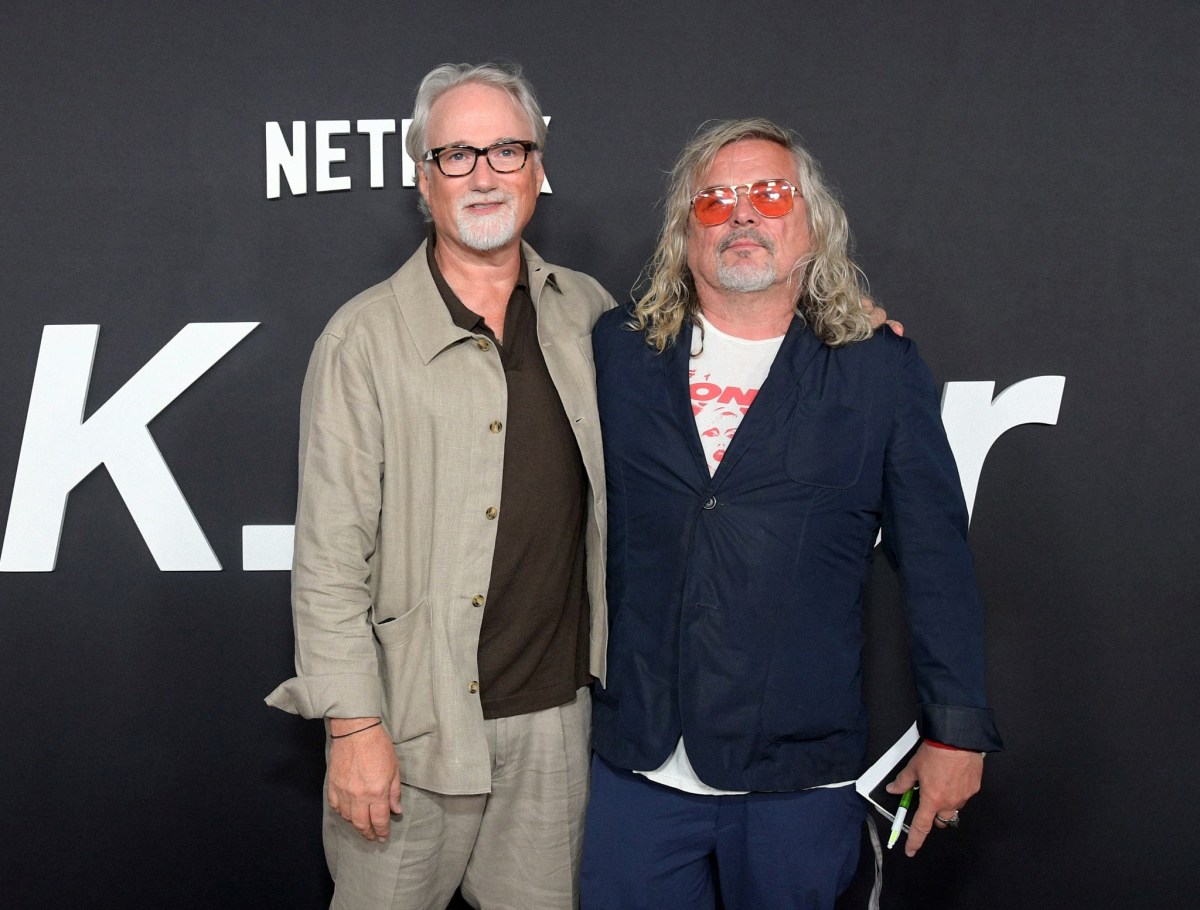
Supported by Netflix, Patron of the Cinémathèque, it opened with a preview screening of The Killer followed by a Q&A with Director David Fincher, and Director of Photography Erik Messerschmidt, ASC.

The next day, a screening of Zodiac was followed by a discussion with the director about the film and his career, “David Fincher par David Fincher, une leçon de cinéma” (“David Fincher by David Fincher, a lesson in cinema”).

The Signature Moves of David Fincher

Adam Schoales, video producer/editor
October 27, 2023
Toronto International Film Festival (TIFF)

From his earliest days working for ILM on Return of the Jedi; to his countless music videos for stars like Madonna, Michael Jackson, and The Rolling Stones; to his groundbreaking big-screen adaptations, there’s no one with an eye quite like David Fincher. But how does he do it (apart from doing over 100 takes)? Through his use of razor-sharp precision; his omniscient and unencumbered camerawork; his pitch-black comedy; and the recognition that deep down people are perverts.

Films Included: The Social Network (2010), Alien3 (1992), SE7EN (1995), Zodiac (2007), Mank (2020), Panic Room (2002), The Girl with the Dragon Tattoo (2011), Gone Girl (2014), The Game (1997), Fight Club (1999), The Curious Case of Benjamin Button (2008)

Want more TIFF? Find us here: Ex-Twitter, Instagram, YouTube, Facebook

From The Frame: David Fincher, What Often Goes Unnoticed

November 30, 2023
From the Frame

David Fincher’s films have often been analyzed for their visual style – the exacting cinematography, precise editing, muted color palette, and meticulous construction of the frame. But with the release of The Killer, people are starting to take note of another aspect – his evocative use of SOUND. However, you can’t really discuss the sonic landscape of a Fincher film without talking about his longest creative collaborator – sound designer Ren Klyce. From Se7en to The Killer, and every project in between, Klyce’s mixes have provided a crucial aural backdrop, frequently blurring the line between sound and music. They both build a textural ambience that sets the tone of the film while also allowing us to access the subjectivity of the characters on screen. So let’s explore how a David Fincher film sounds.

CHAPTERS:

0:00: Intro
1:33: Se7en & Ren Klyce
2:43: The Girl with the Dragon Tattoo
5:01: Zodiac & Musique Concrète
8:15: Role as Re-recording Mixer
10:33: Trent Reznor & Atticus Ross
11:43: The Social Network & Expressionistic Sound

SOURCES:

David Fincher: “Directors are trained dogs who like to do a backflip and be applauded afterwards”

The man who directed films such as ‘Seven’ and ‘Zodiac’ has released his latest film: ‘The Killer.’ In an interview with EL PAÍS, he reflects on his cinematographic technique, his fascination with criminal minds, his terrible experience directing ‘Alien 3′ and his reputation for being tough on set.

Tommaso Koch
5 November 2023
El País (in English)

In front of David Fincher, there’s a table and a glass of water. The typical, minimal decoration of any interview. But the talent of the 61-year-old director isn’t typical or minimal at all. With just a few bursts of words, he can transform a nondescript setting into a sudden master class in cinema.

He’s always thinking about how something could be filmed, from where, with what intention. His long shots — assembled with frenetic phrases — are capable of turning even the dullest premise into a thriller.

The Denver-born director has a career that spans three decades, with iconic films such as Seven (1995), The Social Network (2010) and Gone Girl (2014). He’s one of the most-admired filmmakers on the planet, for his visual style, his extensive research into the abysses of the mind and his capacity for immersive narration.

Fincher is a relentless perfectionist, just like the protagonist of The Killer, his latest film, now playing in theaters and available on Netflix on November 10. The professional assassin has a perfect record… until, for the first time, he makes a mistake.

In Fincher’s career, there are hardly any. Except, perhaps, right at the beginning. He was 30-years-old and had a solid reputation as a director of music videos, when he was offered something on the big screen. From the vertigo of recording Madonna or Michael Jackson, he was suddenly part of something even more terrifying: Alien 3. But he wasn’t scared of the creature, he was simply horrified by the industry, its thirst for money, its managers, its obstacles to creativity. To this day, he says that no one hates that film more than him. “I was like, ‘Well, surely you don’t want to have the Twentieth Century Fox logo over a shitty movie.’ And they were like, ‘Well, as long as it opens.’ He added that the experience made him “a belligerent bastard.”

Another key to his fame is his impeccable workmanship. He’s always hunting for details, seeking the perfect final result. Some say he goes overboard. Gyllenhaal — who starred in Zodiac (2007) claims that Fincher “paints with people” while working. “It’s tough to be a color,” the actor added, in an interview with The New York Times. “It’s hard to be David Fincher,” Jodie Foster once said.

The director confessed, in a chat with Sam Mendes, that the phrase he repeats most on set is “shut the fuck up, please.” He admits that he becomes firm when he notices that someone is slacking. He believes it’s necessary, given the time and the money at stake. The viewer also isn’t allowed to relax.

Years ago, he was in talks to direct an installment of Spiderman, but what he proposed must have been so different that the executives despised it. With Fincher, it’s all love or hate.

The premiere of Fight Club (1999) — at the Venice Film Festival — awakened, above all, the latter sentiment. “They wanted to tear off our skin,” the creator said some time later. However, when he returned two months ago to the festival — where this interview was held — the event organizers welcomed him like a divo.

Read the full interview

David Fincher: “Los directores somos perros adiestrados que aman hacer la voltereta y que los aplaudan después”

El creador de ‘Seven’ y ‘Zodiac’ estrena su última película, ‘El asesino’, y reflexiona sobre la técnica cinematográfica, su fascinación por las mentes criminales, su pésima experiencia en ‘Alien 3′ o su fama de duro en el plató.

Tommaso Koch
29 octubre 2023
El País

Ante David Fincher hay una mesa y un vaso de agua. Lo habitual, la decoración mínima de cualquier entrevista. Pero el talento del director (Denver, 61 años) poco tiene de común. Tanto que, con dos ráfagas de palabras, transforma el anodino cáliz en protagonista de una repentina clase magistral de cine. Cómo podría filmarse, desde dónde, con qué intención alguien lo cogería. Y un largo travelling de disquisiciones técnicas, montado a golpe de frases frenéticas, capaz de convertir en todo un thriller tan insulsa premisa. He aquí la síntesis más breve de la unicidad de su trabajo. La versión larga, en cambio, abraza tres décadas de carrera, películas como Seven, La red social, Perdida, Mank o la serie Mindhunter y el estatus de uno de los cineastas más admirados del planeta. Por su estilo visual, su indagación en los abismos de la mente, su narración envolvente. Un perfeccionista implacable, como El asesino de su último largo—estrenado ahora en una treintena de salas antes de llegar el 10 de noviembre a la plataforma Netflix—. Hasta que, por primera vez, comete un error.

En la trayectoria de Fincher apenas los hay. Salvo, quizás, justo al principio. Tenía 30 años y un sólido prestigio como director de vídeos musicales cuando le ofrecieron debutar en el séptimo arte. Del vértigo de grabar a Madonna o Michael Jacksonotro extraterrestre, más terrorífico aún: Alien 3. No tanto por el xenomorfo, en realidad: le horrorizaron los directivos, la industria, su sed de dinero, sus trabas a la creatividad. A día de hoy, dice que nadie odia esa obra más que él. “Pensaba: ‘No querrán el logo de Twentieth Century Fox sobre una película de mierda’. Y ellos decían: ‘Bueno, mientras se estrene…”, ha contado en alguna ocasión. Y añadió que la experiencia le volvió “un cabrón beligerante”.

Lee la entrevista completa (sólo para suscriptores)

Read the full interview in Spanish (for subscribers only)

Screenwriter Andrew Kevin Walker Explains Why Michael Fassbender Eats All Those Hard-Boiled Eggs in David Fincher’s “The Killer”

Fincher’s Se7en and Fight Club collaborator talks protein, process, and audiences’ expectations.

Esther Zuckerman
October 26, 2023
GQ

Screenwriter Andrew Kevin Walker’s first produced screenplay was Se7en, which became director David Fincher‘s breakout film. Since then Walker has worked with Fincher a number of times, pitching in on The Game and “polishing the edges” of Jim Uhls’ original script for Fight Club. But not everything they’ve collaborated on more recently has made it to the big screen. Walker did a rewrite on the unmade sequel to The Girl with the Dragon Tattoo, and one on a Fincher version of 20,000 Leagues Under the Sea that Walker says could have been “mind-blowing.”

After these and other false starts, a new Fincher/Walker project has finally come to fruition: The Killer, out in theaters this weekend and on Netflix next week. “There’s no way to express proper gratitude to this gentleman David Fincher, and the effect he’s had on my life,” Walker says. “But it is fun to now be able to go, ‘Hey, David and I have been trying to get to this for a long time. Thank you. Go see this, because this one isn’t the only one we’ve been spending years trying to write.'”

Read the full interview

David Fincher: “Cuando a la gente le das un cuento sin moraleja se confunde y culpa al director”

El director de obras míticas como ‘Seven’, ‘El club de la lucha’ o ‘Zodiac’ regresa al escenario del primer con ‘El asesino’, un ‘thriller’ sobre un ejecutor profesional químicamente perfecto.

Luis Martínez, Venecia
25 octubre 2023
El Mundo

El asesino, el último trabajo de David Fincher (Denver, Colorado, 1962), es, ante todo, una película tremendamente moral. Sí, trata de la historia de un muy inmoral asesino a sueldo, pero, sobre todo, reflexiona sobre las consecuencias de los actos, sobre la ética del trabajo, sobre el arrepentimiento por los errores cometidos y, apurando, sobre la precisión con la que el mal, así en general, hace de las suyas. De paso, la película supone el regreso de su autor a la irrenunciable fascinación por el crimen en su más brutal y evidente crudeza.

De la mano de Michael Fassbender, se cuenta la historia de un asesino a sueldo que se ve obligado a intentar paliar los efectos siempre tremendos de una equivocación fatal. Nos recibe en Venecia poco después de la presentación de la película en la Mostra. En el Lido, precisamente, estrenó hace casi 25 años El club de la lucha.

Lee la entrevista completa / Read the full interview in Spanish

Why Seven still has one of the most shocking endings in cinematic history

“What’s in the box?!”

C. Molly Smith and Will Robinson
September 21, 2023
Entertainment Weekly

In 1995, Brad Pitt‘s exclamation of fear and dread jolted audiences and left a lasting cultural imprint. The ending of Seven, director David Fincher‘s breakout film, is one of the most shocking, disturbing, and iconic twists in modern cinema, capping a tight, wrought thriller.

The film’s initial introduction to its world, a metropolis mired in unrest, is normal enough. Cool veteran Detective Somerset (Morgan Freeman) is paired with young hothead Detective Mills (Pitt) in pursuing a serial killer who picks his victims based on the seven deadly sins. They follow the clues and corpses, and the murderous John Doe (Kevin Spacey) eventually makes it into their custody, promising to reveal his two final victims—targeted for envy and wrath.

But the third act abandons cinematic tropes and convention. The promise of the final two corpses is questioned when a mysterious box arrives that is Doe’s coup de grace; it contains the head of Mills’ wife, Tracy (Gwyneth Paltrow)—never seen on screen, but revealed through dialogue and reaction. Doe acted on his envy of Mills’ normal life and incurs Mills’ lethal wrath. Though he’s killed at the hands of the good guy, the bad guy’s death serves as a loss for the positive forces of the world.

And it was all this close to not happening; “What’s in the box?!” nearly missed its canonization. Fincher, scribe Andrew Kevin Walker, and some of the cast, including Brad Pitt, fought for the original planned finale, against the studio’s protests. The producers eventually conceded to uphold the work’s artistic integrity. “There’s nothing wrong with up endings, it’s just that the dark ending of Seven was what it was about,” Walker told Uproxx. “To change the ending to something else was to remove the very heart of the story.”

Entertainment Weekly looks at how off-camera elements of the film successfully crafted suspense and resulted in Seven‘s enduring ending.

Read the full profile