“Fight Club” Cinematographer Jeff Cronenweth ASC on his Career, Working with David Fincher, Shooting “Tron: Ares,” & More

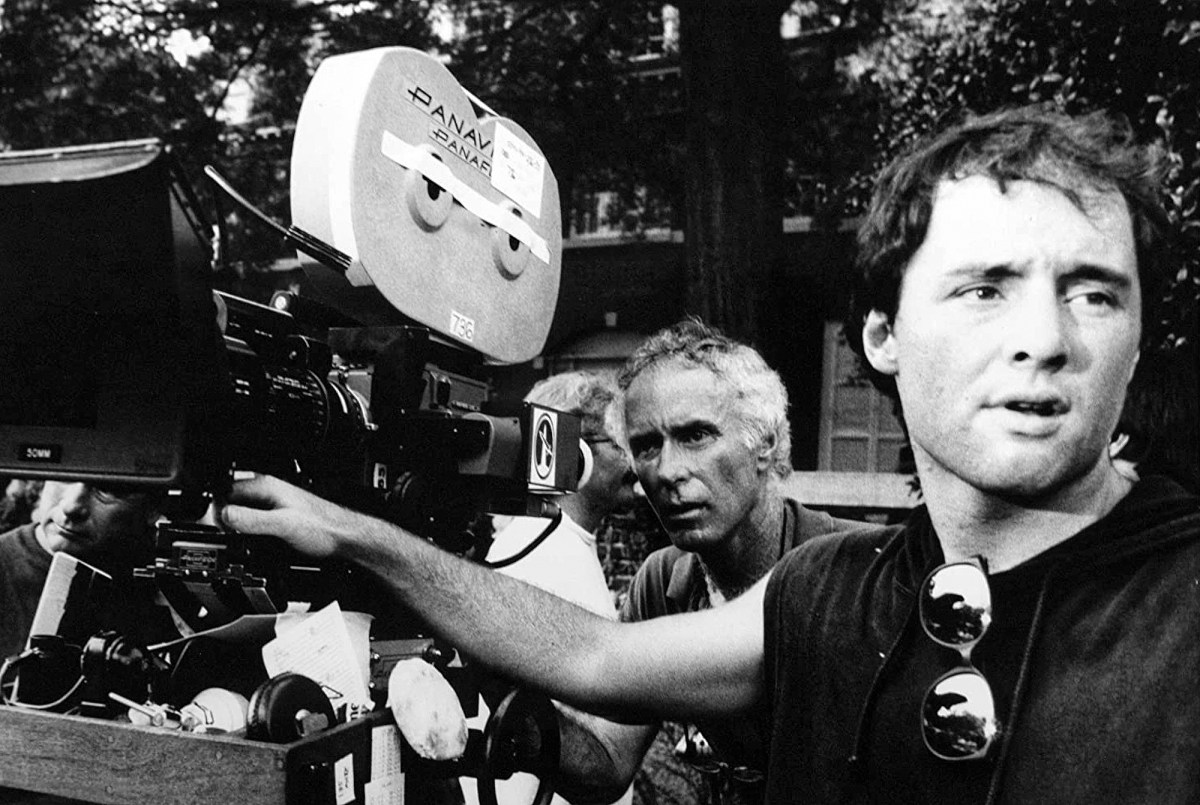
Jordan and Jeff Cronenweth on the set of Francis Ford Coppola‘s Gardens of Stone

Mike Valinsky
October 25, 2025
The Making Of

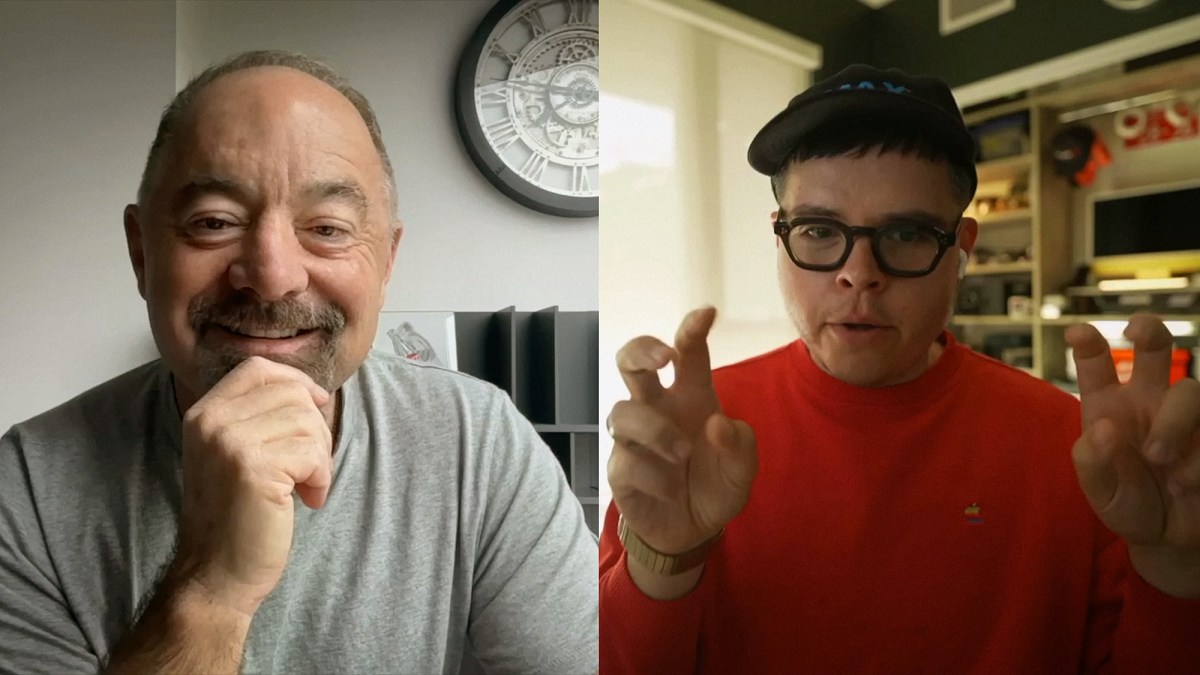
In this episode, we welcome two-time Oscar-nominated cinematographer Jeff Cronenweth, ASC. Jeff has shot films including Fight ClubOne Hour PhotoThe Social NetworkThe Girl with the Dragon TattooHitchcockGone GirlBeing the Ricardos, and Tron: Ares. In our chat, Jeff shares his origin story, experiences working with David Fincher — and all about his latest movie, Tron: Ares. He also offers extensive insights and recommendations for today’s cinematographers and filmmakers.

Listen to the podcast:

The Making Of (Substack)
Apple Podcasts

Spotify

Follow The Making Of: Instagram, Ex-Twitter

Follow Mike Valinsky: Instagram, Ex-Twitter

When the Movie Looks Insane: Jeff Cronenweth, ASC

Patrick Tomasso
October 19, 2025
patrick 2masso (YouTube)

Go behind the visuals of TRON: ARES with cinematographer Jeff Cronenweth, ASC – the mind behind the camera for films like The Social Network, The Girl with the Dragon Tattoo, and Gone Girl. We talk about the look of the new TRON film, his collaboration with director Joachim Rønning, shooting digitally on RED cameras, and how his decades-long partnership with David Fincher shaped his approach to modern cinematography.

If you’re into camera tech, lighting, or just want to know why TRON: ARES looks so good, this one’s for you.

Special thanks to RED Digital Cinema for setting this up.

Follow Patrick Tomasso on:

YouTube 1, YouTube 2, Instagram, Threads, X, TikTok, Letterboxd, LinkedIn

Holt McCallany on MINDHUNTER, David Fincher, and masculinity

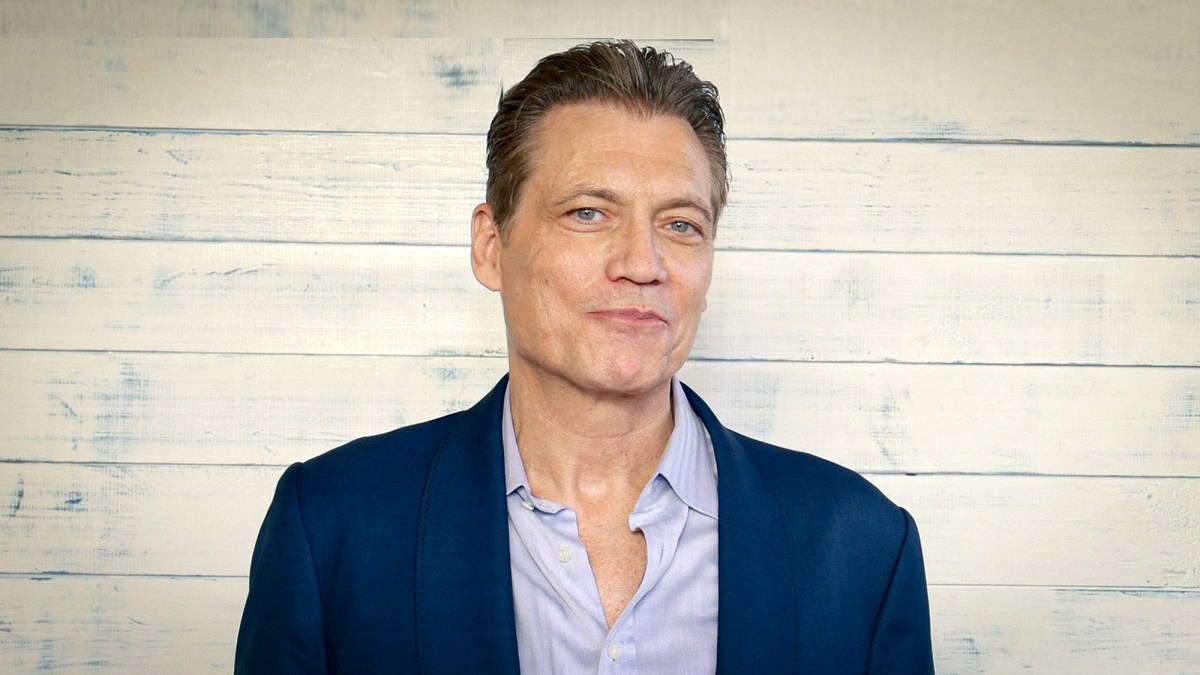
With the critical success of MINDHUNTER, the Irish-born actor graduated from supporting tough guy parts in films like Fight Club to leading his own shows. As he prepares for the release of The Waterfront, he speaks to Annabel Nugent about his traditional parents, how he almost turned down Alien3 – and why for him, ‘chivalry is not dead’.

Annabel Nugent
June 19, 2025
The Independent

To hear Holt McCallany reel off his childhood heroes is to understand him a little better. “Steve McQueen, Burt Lancaster, Bob Mitchum, Gene Hackman, Jack Palance,” the actor says. “I loved Jack Palance. Lee Marvin. Charles Bronson.” He recites each name with cinematic gravitas and through semi-pursed lips as though he’s balancing an invisible cigarette out the corner of his mouth. “Those guys, they had this classic American… masculinity.”

The same can and has been said of McCallany, who at 61 has carved a career out of that same strong, silent archetype. He’s played parts on both sides of the law, including one tough guy unironically named Bullet. Bit parts in early David Fincher films like Alien3 and Fight Club introduced him as an excellent character actor, “that guy!” audiences are always happy to see, even if they may not know his name.

Fincher not only had his name, he had McCallany’s number, believing from the get-go that he was destined for bigger things, and eventually casting him as a lead in MINDHUNTER – the critically acclaimed Netflix neo-noir series about the FBI and serial killers. His performance as the straight-shooting, flat-top agent Bill Tench was so lauded, it inspired a think piece in Vulture titled: “Why MINDHUNTER’s Bill Tench Is So Lovable.” That article got to the crux also of what makes McCallany so, if not lovable, then watchable, because hand-in-hand with that stone-cold hardiness is an unexpected sensitivity. Flashes of openness where you’d expected a door slammed shut.

But McCallany downplays his part in the show’s success, attributing it instead to “the creative genius” behind the camera. He compares his role to that of a guest at a lavish dinner party: “There’s gorgeous tablecloths, beautiful crystal glasses, and delicious food. You just have to not spill food down your shirt and everybody goes, bravo!” It may sound like false humility, but in truth, there is a steely confidence to McCallany’s words: give him a good part, and he’ll do the rest.

Read the full profile

David Fincher on SE7EN 4K Restoration, Post-‘Alien 3’ Redemption and Casting Ned Beatty as John Doe

The making of a masterpiece.

Todd Gilchrist
January 3, 2025
Variety

David Fincher bristles at being labeled a perfectionist.

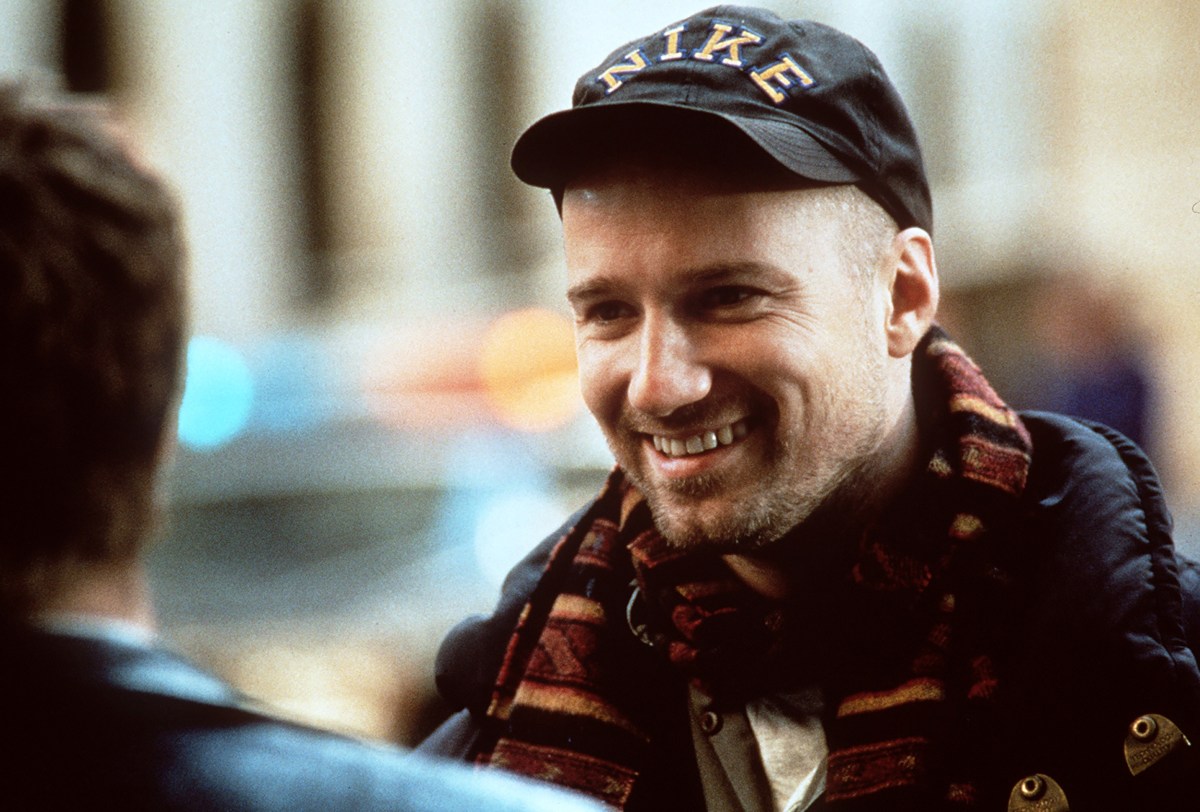
He makes an unconvincing case in the shadow of his filmography, which includes “Fight Club,” “Zodiac” and “The Social Network” among several other films marked by a meticulous and unerring technical precision. But Fincher’s objections ring especially hollow when it comes in the midst of an explanation — involving corrections to emulsion caused by the device that perforated the original celluloid — why a new 4K version of “SE7EN” took a year to complete. Yet even if one were inclined to describe his approach merely as a “passionate attention to detail,” that attention has nevertheless resulted in some of the most unforgettable cinematic images of the last 30 years — and now, one of the most beautiful restorations produced in the high-definition era.

Perhaps ironically, “SE7EN,” the film that marked his Hollywood breakthrough, was by his description inspired by “movies with dirt under their fingernails.” Following its premiere at the 2024 TCM Film Festival, the upgraded transfer will be released in theaters (including IMAX) Jan. 3, to be followed on 4K UHD Jan. 7. Fincher recently spoke with Variety about the film, describing his approach to the project after the critical and commercial underperformance of his debut feature, “Alien 3;” revealing details about key casting and creative choices in bringing to life the story of a serial killer inspired by the seven deadly sins; and reflecting on its legacy as a film that both inspired countless imitators and defined his reputation — be it as a perfectionist or just a filmmaker who learned to ask for forgiveness instead of permission.

David Fincher:

I bristle at that idea of perfectionism because if you look at an image and you can see that there’s something going on on the left side of it, I’ll admit it was a big problem for me when I moved to high definition because now I could finally see all of the background actors looky-looing and counting, and you go, “Wow, what is this behavior that’s in the background?” So the more you see, the more I feel it’s my responsibility to make sure that the only thing that’s documented is the stuff that focuses your attention on what you need to walk away with. 

Read the full interview

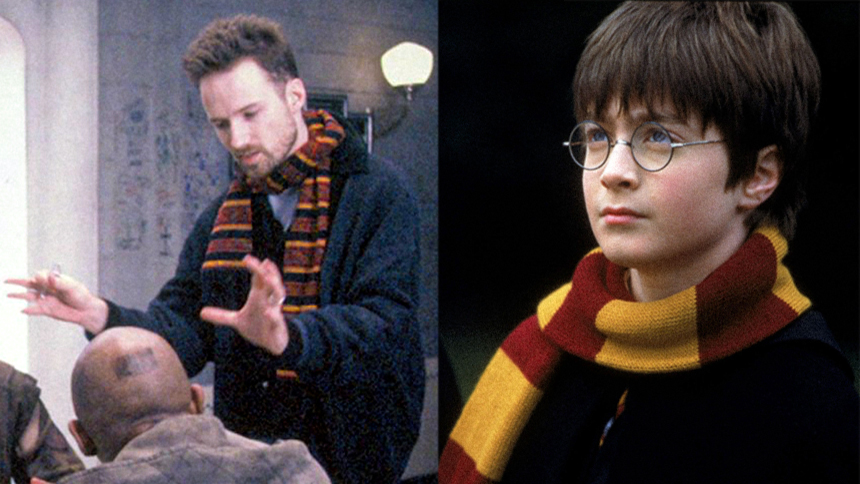
David Fincher Says He Met With Warner Bros. to Direct ‘Harry Potter’ and Told the Studio ‘I Want It to Be Kind of Creepy’

Todd Gilchrist
January 2, 2025
Variety

Holt McCallany Answers Every Question We Have About “Fight Club”

By Roxana Hadadi, a Vulture TV critic who also covers film and pop culture
October 16, 2024
Vulture

Holt McCallany can talk for a long time about filmmaker David Fincher, with whom he’s worked three times. On the beloved crime-thriller series Mindhunter, which was unexpectedly canceled by Netflix after its second season. On Alien 3, the prison-planet sequel that was Fincher’s directorial debut and so plagued with interference from 20th Century Fox that Fincher wouldn’t talk about the movie for years. And on Fight Club, the cult classic that has been misinterpreted in bad faith since it came out 25 years ago. McCallany can mimic Fincher’s tone and jokingly recites his advice from years on set together. And he can just as vividly recall a grudge he’s harbored since the movie’s release.

“I remember sitting in a dentist’s office, and the TV happened to be The Rosie O’Donnell ShowShe’s talking about Fight Club and she says, ‘Whatever you do, don’t see Fight Club. It’s demented, it’s depraved. I don’t think I’ve ever hated a movie more.’ I’m thinking, Gee, Rosie. Do we go on TV and bad-mouth your show? Is this really necessary, this kind of abuse?” McCallany says. “It angered me. I won’t pretend otherwise, because we were very proud of the film, we had worked very hard on the film, and we were very loyal to David.”

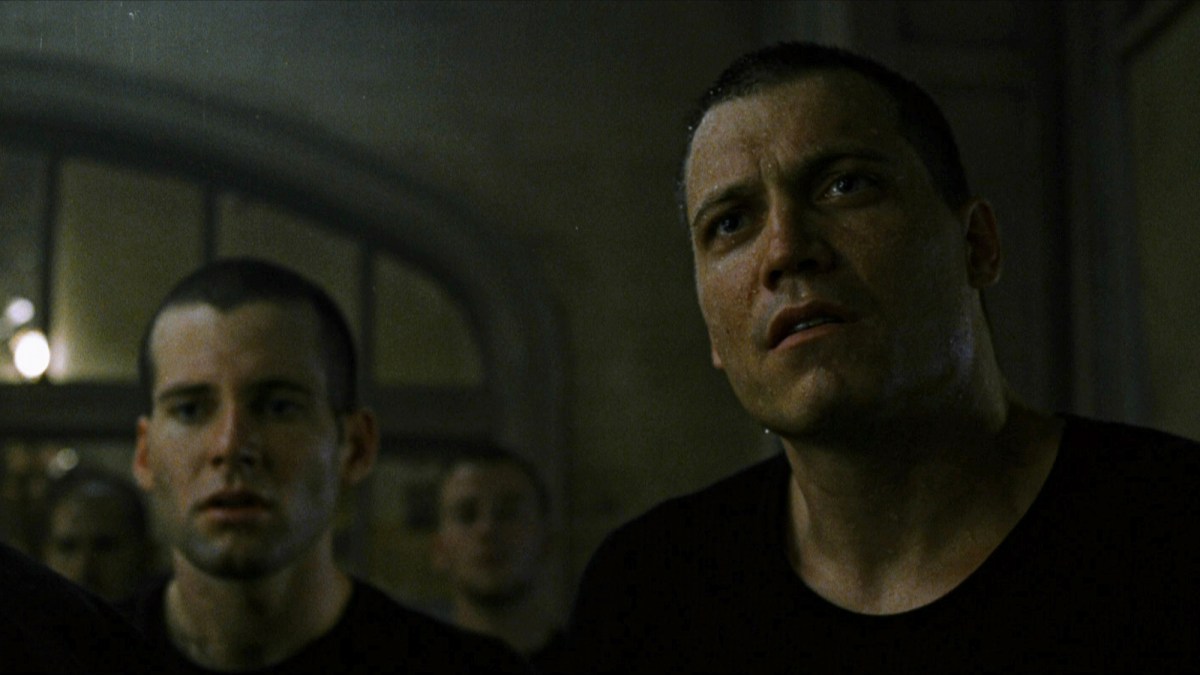
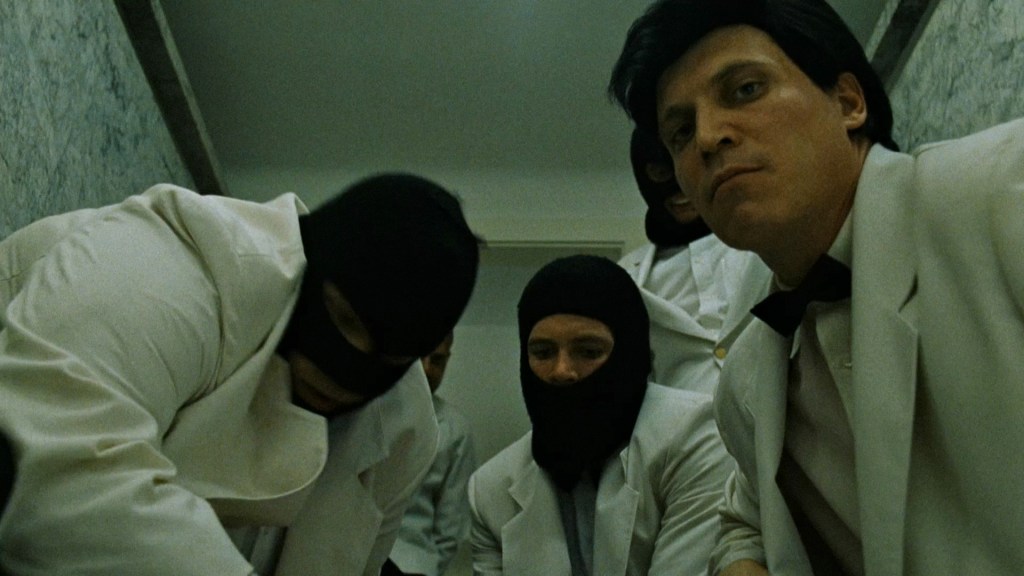
In Fincher’s adaptation of Chuck Palahniuk’s novel, McCallany plays The Mechanic, a devoted follower of anarchist philosopher Tyler Durden (Brad Pitt) whose unflinching glare and menacing physicality are always in service of Durden’s anti-consumerist ideas. McCallany exudes such certainty of self that once you notice the Mechanic cheering in the background of fight scenes, doing chores in The Narrator (Edward Norton) and Durden’s dilapidated mansion, or threatening to “take” a police commissioner’s testicles with a knife, you’ll keep looking for him, wondering what those wild eyes and set jaw are getting up to. The Mechanic tightened McCallany’s relationship with Fincher (who had previously wanted him for a small role in Se7en), and his melancholy-yet-adamant delivery of the film’s iconic mantra — “His name was Robert Paulson” — indicated how fully he could inhabit heavies with a heart.

Read the full interview

David Fincher talks us through the off-screen torture of making ‘Seven’

Joshua Rothkopf, Film Editor
April 18, 2024
Los Angeles Times

By any reasonable measure, David Fincher had made it by 1990. He was directing rapturous music videos for Madonna (Express Yourself, Vogue) and doing lucrative ads for top brands worldwide. The production company he co-founded, Propaganda Films, had cornered the MTV market, helping launch the careers of such future notables as Spike Jonze and Antoine Fuqua.

But there was Hollywood to conquer and Fincher, not yet 30, rushed headlong into his feature debut, one that no superfan of Ridley Scott (also a genius director of commercials) could pass up: the third movie of the Alien franchise. While it has since found a hardcore base of defenders, 1992’s dour, much-mussed Alien3, a troubled production, was a disappointment that Fincher has largely disowned.

A little over three years later, however, he was back with a movie that has since come to define him, even with future Oscar-nominated titles on the horizon. Starring Morgan Freeman and a rising Brad Pitt as detectives — one deliberate and cynical, the other impulsive and naive — in an oppressively rainy city hunting down a ghoulish maker of tableaus based on the deadly sins, Seven yoked Fincher’s gift for atmosphere to Fritz Lang-worthy material that approached metaphysical profundity.

“Who wants to spend their time bitching and moaning about transgressions that were done to you?” says Fincher, 61, of the tough years between Alien3 and the breakthrough that cemented his style. “That seems like a waste of time. I don’t think I was persecuted on Alien3, but I definitely learned what my limits were.”

The story of his rebound, though, remains a valuable one, even if the director himself would rather move on. In advance of Friday’s world premiere of a newly remastered 8K Imax version of Seven at the TCM Classic Film Festival, it feels like time to tell it again. Fincher is in a sharply funny, self-deprecating mood — his typical M.O. — when he connects on Zoom from his Los Angeles office.

Read the full interview

Seven: The Gwyneth Paltrow and Morgan Freeman diner scene may be its most pivotal moment

Two characters, four minutes, a brief exchange: Seven’s diner scene may be the most pivotal in the whole movie.

Ryan Lambie
February 6, 2024
Film Stories

Spoilers ahead for 1995’s Seven. Spoilers also ahead for 1995’s Se7en. Whichever way you spell it, consider yourself warned.

When Seven came out in 1995, it finally put David Fincher on the map as a filmmaking talent after the production nightmare he endured with Alien 3 only three years earlier. A mid-budget thriller elevated by its top-notch performances and unremittingly tense, grim tone, it also – as most readers will know – contained one of the most celebrated and discussed endings in film history.

Amid all the despair and violent murders, though, one quieter scene may be Seven’s most pivotal. It’s the moment where Tracy (Gwyneth Paltrow), the young wife of hot-headed detective Mills (Brad Pitt) surreptitiously meets Detective Somerset (Morgan Freeman) in a busy downtown diner. Ostensibly, she’s there to vent her feelings about moving from the comfort of the suburbs to a noisy and rundown metropolis (the city in Seven is never named, but it’s implied to be New York).

As the pair talk, though, Somerset astutely figures out that something more serious is bothering Tracy. She then reveals that she’s pregnant, and is unsure whether she wants to keep the baby, given they’ve just moved to a cramped apartment and her husband’s just taken on a demanding new job.

Read the full article

Holt McCallany Talks to David Fincher about “The Iron Claw” and the Role of a Lifetime

By David Fincher
December 29, 2023
Interview

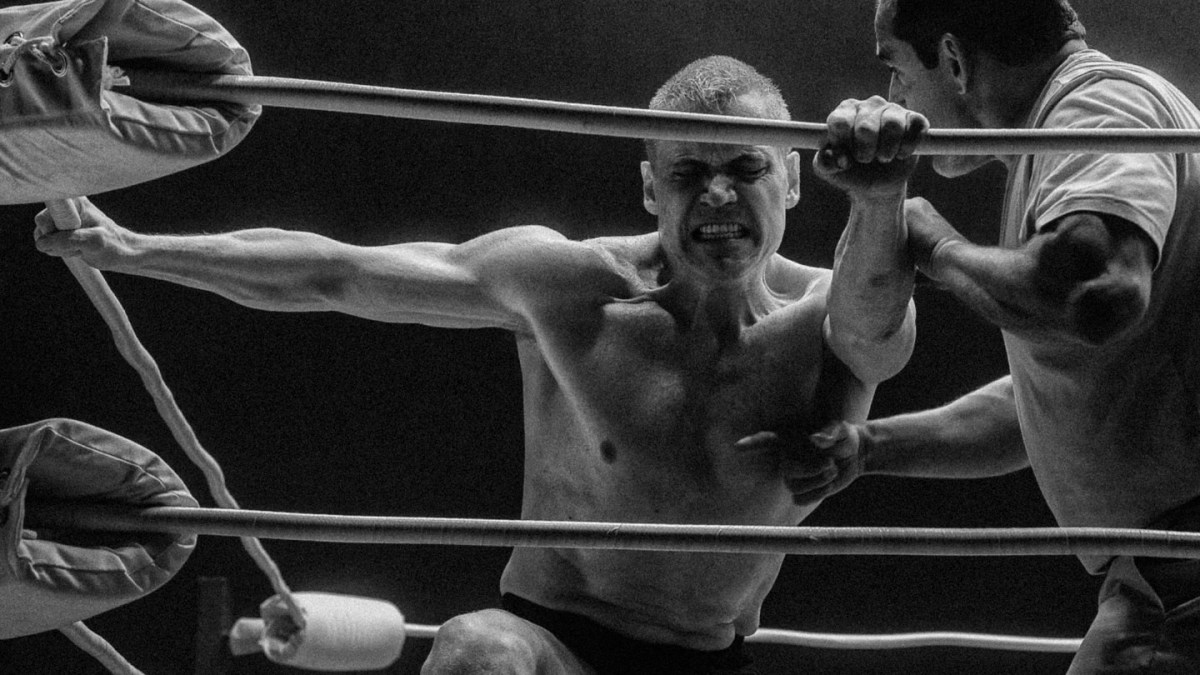
After casting Holt McCallany in Alien 3 and later in Fight Club in the types of tough-guy roles that have largely defined his four-decade career, David Fincher finally let the 60-year-old actor showcase his softer side as FBI agent Bill Tench in Netflix’s psychological thriller Mindhunter. It was that performance, in which McCallany was able to balance steely professionalism and quiet melancholy, that earned him a meeting with director Sean Durkin, who was looking for the right person to play the patriarch of the Von Erich clan in The Iron Claw, his biopic of the legendary Texas wrestling dynasty. As Fritz Von Erich, a loving but severe father who pushed his four sons (played by Zac Efron, Jeremy Allen White, Harris Dickinson, and Stanley Simons) beyond their limits—often with tragic results—McCallany is earning the best reviews of his career, and even, to his own shock, some Oscar buzz. As he told Fincher over Zoom a couple of weeks ago, he’s still letting it all sink in.

DAVID FINCHER: Hey Holtster! How have you been?

HOLT MCCALLANY: I’ve been great David, because there were a couple of articles, one in Variety, one in Vulture, that picked me as somebody who could get a possible Academy Award nomination for Supporting Actor, even though it’s going to be a very tough year.

Read the full interview

Variety Awards Circuit Podcast: Danielle Brooks (“The Color Purple”) and Holt McCallany (“The Iron Claw”)

Clayton Davis
December 14, 2023
Variety

Also on this episode, “The Iron Claw” actor Holt McCallany talks about playing the legendary wrestler Fritz Von Ehrich in Sean Durkin’s powerful new drama. He discusses coming to peace with many of his scenes that were cut from the film, and what we can expect from his upcoming directorial effort “The Star Maker” after getting script notes from David Fincher.

A quintessential “that guy” performer in the eyes of most audience members, this veteran character actor boasts over 80 credits in a three-decade career, including turns in “Nightmare Alley” and Netflix’s “Mindhunter.” As the hardened patriarch of a family of pro wrestlers in A24’s sports drama, McCallany exudes an intense and thorny power, expertly revealing the dangers of a particular form of pressurized ambition. It’s a performance that’s reminiscent of J.K. Simmons Oscar-winning turn as the abusive music teacher in “Whiplash.”

The Signature Moves of David Fincher

Adam Schoales, video producer/editor
October 27, 2023
Toronto International Film Festival (TIFF)

From his earliest days working for ILM on Return of the Jedi; to his countless music videos for stars like Madonna, Michael Jackson, and The Rolling Stones; to his groundbreaking big-screen adaptations, there’s no one with an eye quite like David Fincher. But how does he do it (apart from doing over 100 takes)? Through his use of razor-sharp precision; his omniscient and unencumbered camerawork; his pitch-black comedy; and the recognition that deep down people are perverts.

Films Included: The Social Network (2010), Alien3 (1992), SE7EN (1995), Zodiac (2007), Mank (2020), Panic Room (2002), The Girl with the Dragon Tattoo (2011), Gone Girl (2014), The Game (1997), Fight Club (1999), The Curious Case of Benjamin Button (2008)

Want more TIFF? Find us here: Ex-Twitter, Instagram, YouTube, Facebook

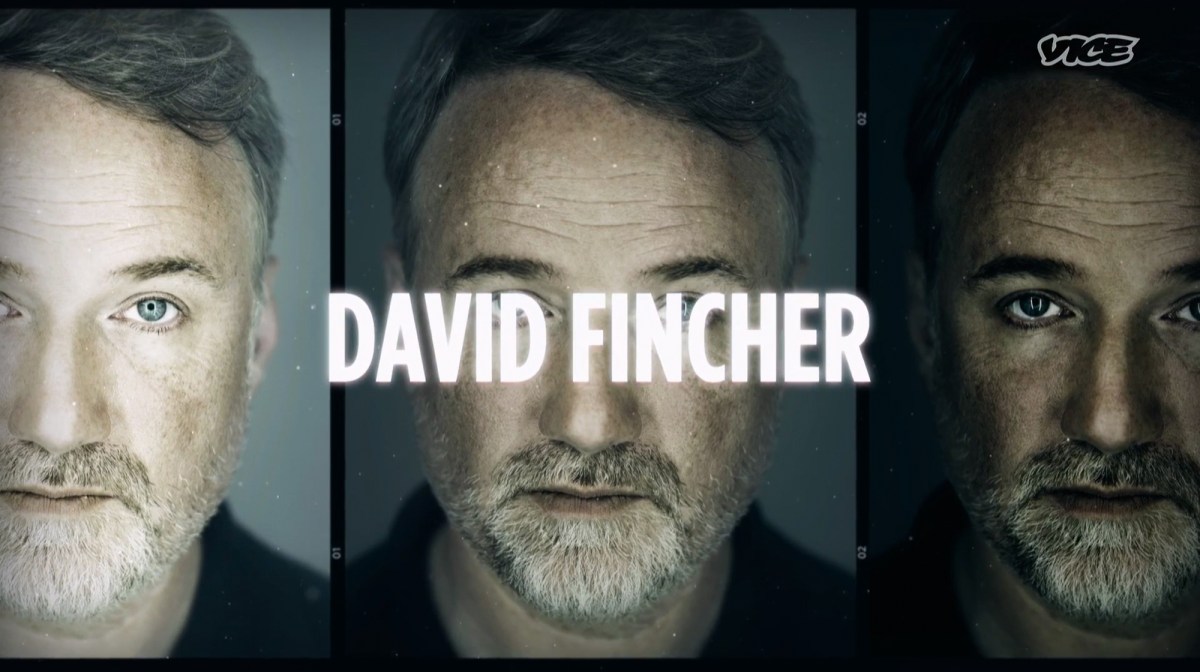
The Vice Guide to Film: David Fincher (2016)

VICE, 2016

Ben Affleck, Director of Photography Jeff Cronenweth, Writer Kiva Reardon, Jesse Eisenberg, Robin Wright, and Director Tamra Davis, examine the films of David Fincher, whose mixture of craftsmanship and showmanship has created thrillers that cast a dark shadow over American cinema.