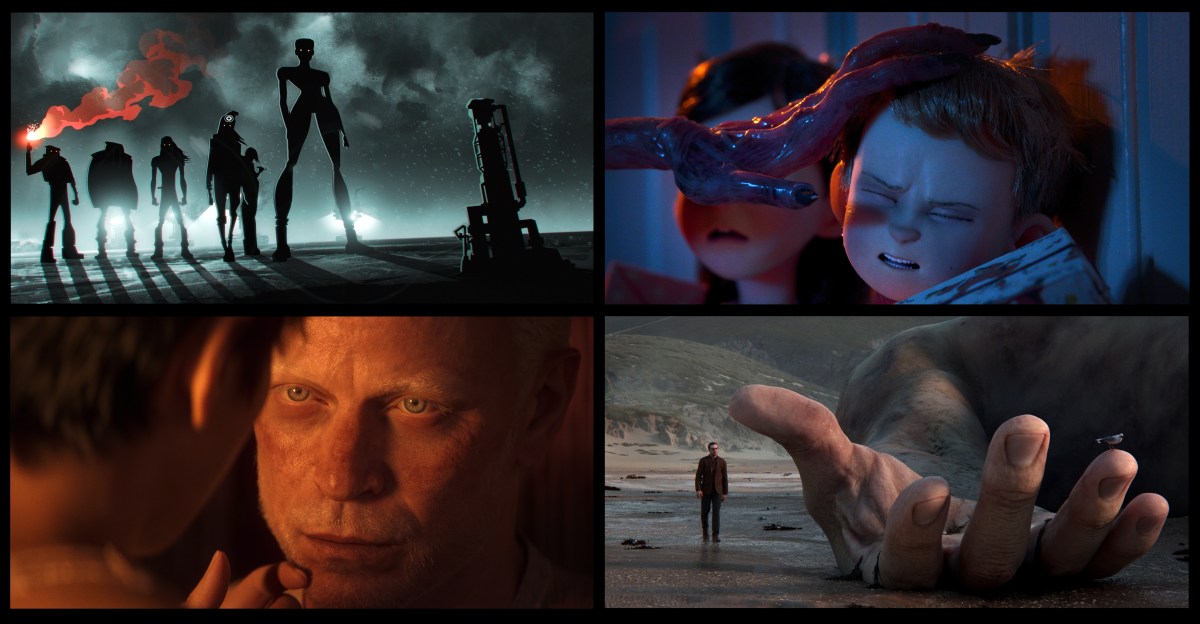
In Season 2 of Neflix’s “Love, Death & Robots,” the adult animated anthology from executive producers David Fincher and Tim Miller (“Deadpool”) continued its embrace of survival and immortality in strange dystopian environments. However, there were eight shorts instead of 18 and a greater emphasis on philosophizing, with some directors stepping out of their comfort zones.
Indeed, the sci-fi anthology, produced by Blur Studio for Netflix, so impressed the TV Academy that it was awarded four juried prizes on Wednesday: Robert Valley, production designer (“Ice”); Patricio Betteo, background artist (“Ice”); Dan Gill, stop-motion animator (“All Through the House”); and Laurent Nicholas, character designer (“Automated Customer Service”).
“We tried to elevate the stories further and to give deeper explorations of some of these adult themes,” said supervising director Jennifer Yuh Nelson (“The Darkest Minds” and the “Kung Fu Panda”sequels). “So it was very much like a curating process to go from finding these amazing stories and these amazing authors [including Harlan Ellison and J.G. Ballard] and then matchmaking really interesting and talented directors to let them do something [different].”
Chapters: 00:00 Intro — How David Fincher became a Filmmaker 02:01 Early Career & Return of the Jedi 03:18 Shot Composition and Blocking 06:19 “Relentless” Number of Takes 11:02 Directing with Precision 13:43 Color Theory & Creating the Look 15:48 Create a Feeling (Production Design & Music) 19:35 Final Takeaways
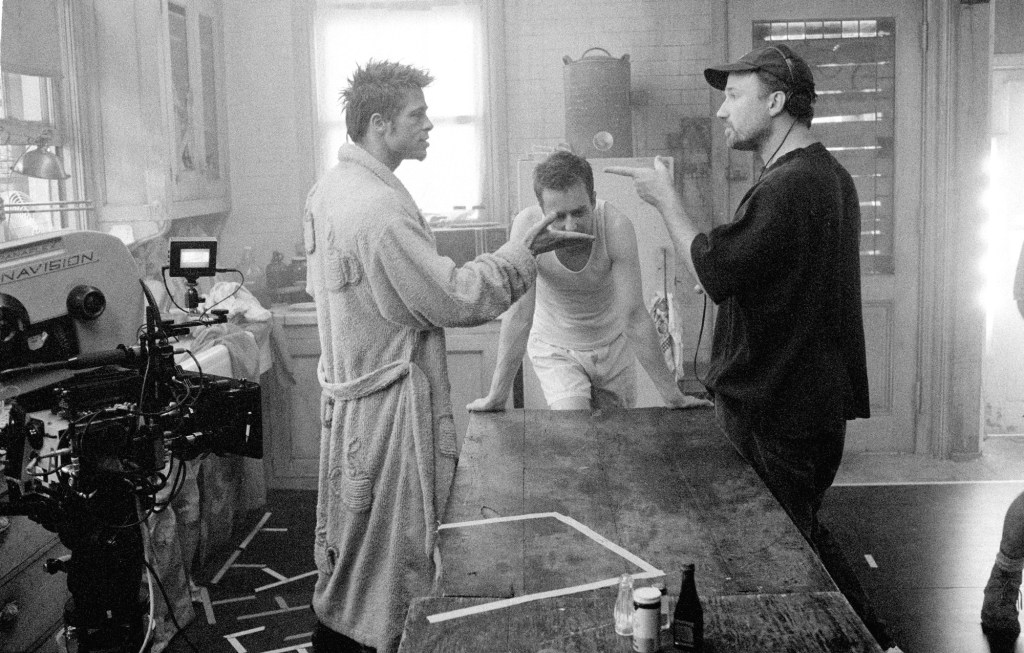
David Fincher is a director’s director. His reputation for having complete control over his work is well-known but many directors have had similar power. So, what makes his approach to film directing so captivating? In this David Fincher video essay, we’ll let the man speak for himself. Through a collection of interviews from throughout his career, Fincher guides us through some of the strongest characteristics of his directing style.
To date, over the past four decades, David Fincher has directed a plethora of music videos, commercials, and 11 feature films. Along the way, he has refined his directing style which can be summed up in two words: precise and purposeful. When watching any David Fincher movies, you would be hard-pressed to find an out-of-place camera movement, or a lazy frame composition. One lesson we learned from Fincher is how he balanced and imbalanced the frame during Nick and Amy’s first meeting in Gone Girl to show the “push and pull” of their flirting.
Another well-known staple of the David Fincher directing style is his predilection for shooting multiple takes. He famously shot 99 takes of the opening scene in The Social Network, for example. But there’s a method to his madness — he wants the actors to move “beyond muscle memory” especially in their domestic environments. In Fincher’s logic, when the actor sits on their couch, they need to have sat in it a hundred times to make it look like they’ve sat in it a hundred times.
Fincher also explains how he creates mood and tone with lighting, color, and music. With a darker frame, desaturated color, and the brooding tones of Atticus Ross and Trent Reznor, there certainly is a distinct experience watching David Fincher films. While all of this sounds extreme, the proof that he’s doing something right is visible on-screen.
♬ Songs used:
“Father / Son” — Makeup and Vanity Set “Subdivide” — Stanley Gurvich “Switchback” — Nu Alkemi$t “Battle in the Forest” — Charles Gerhardt – National Philharmonic Orchestra “Chasing Time” – David A. Molina “Sugar Storm” – Trent Reznor & Atticus Ross “Soul Sacrifice” – Santana “Graysmith Obsessed” – David Shire “Intriguing Possibilities” – Trent Reznor & Atticus Ross “Wendy Suite” – Jason Hill “Under the Midnight Sun” — Trent Reznor & Atticus Ross “14 – Ghosts II” – Nine Inch Nails “Corporate World” – The Dust Brothers “Appearances” – Trent Reznor & Atticus Ross “With Suspicion” – Trent Reznor & Atticus Ross “What Have We Done to Each Other” – Trent Reznor & Atticus Ross “Cowboys and Indians” – Trent Reznor & Atticus Ross “San Simeon Waltz” – Trent Reznor & Atticus Ross “Fool” – Ryan Taubert “Where Is My Mind” – The Pixies
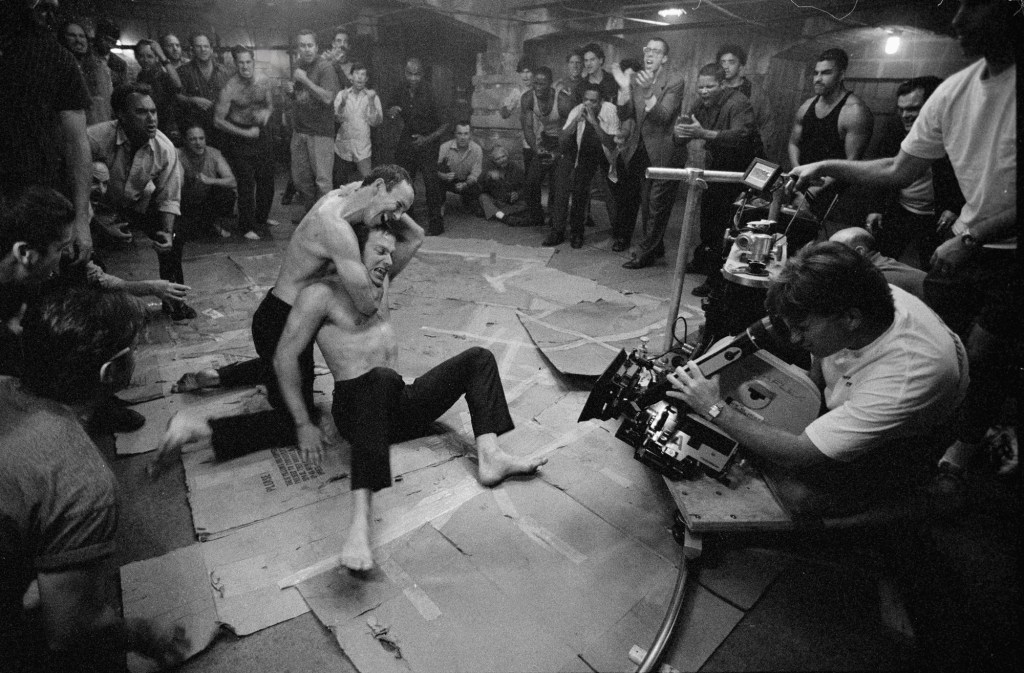
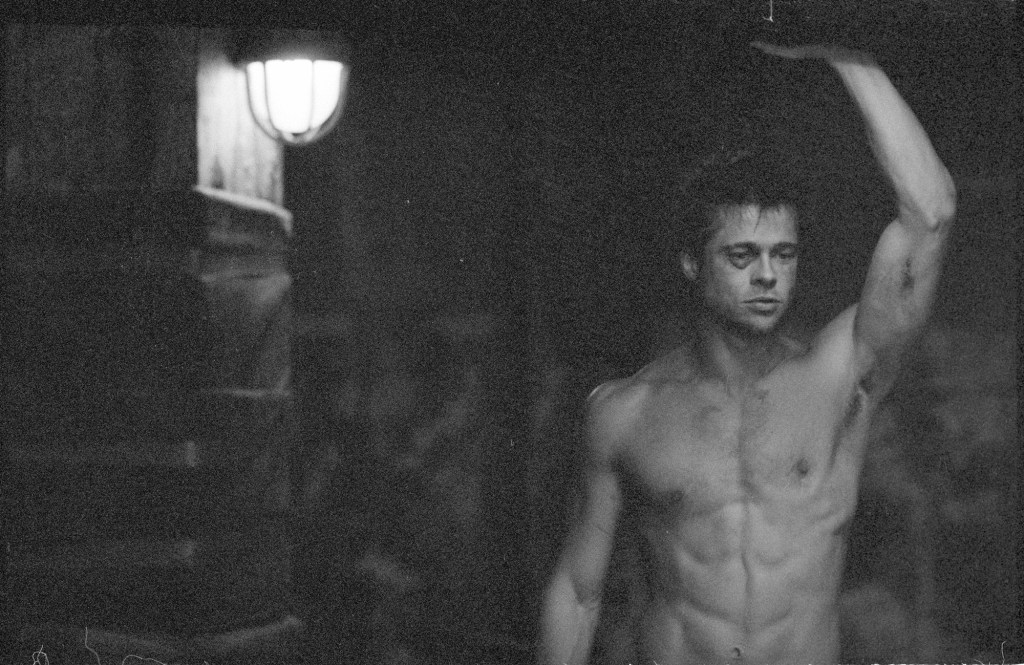
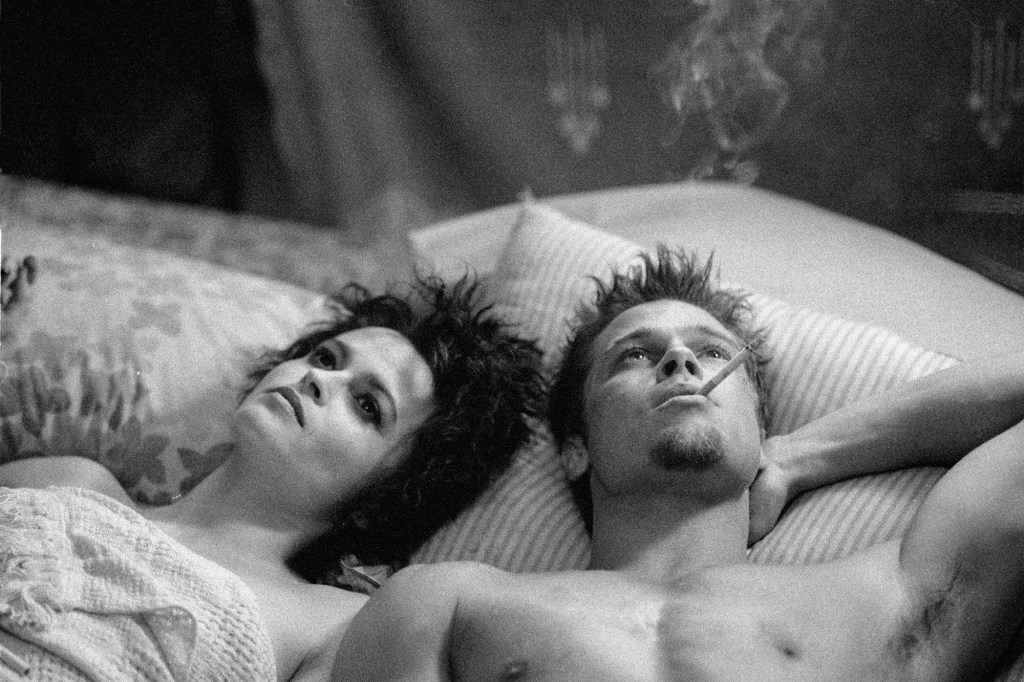
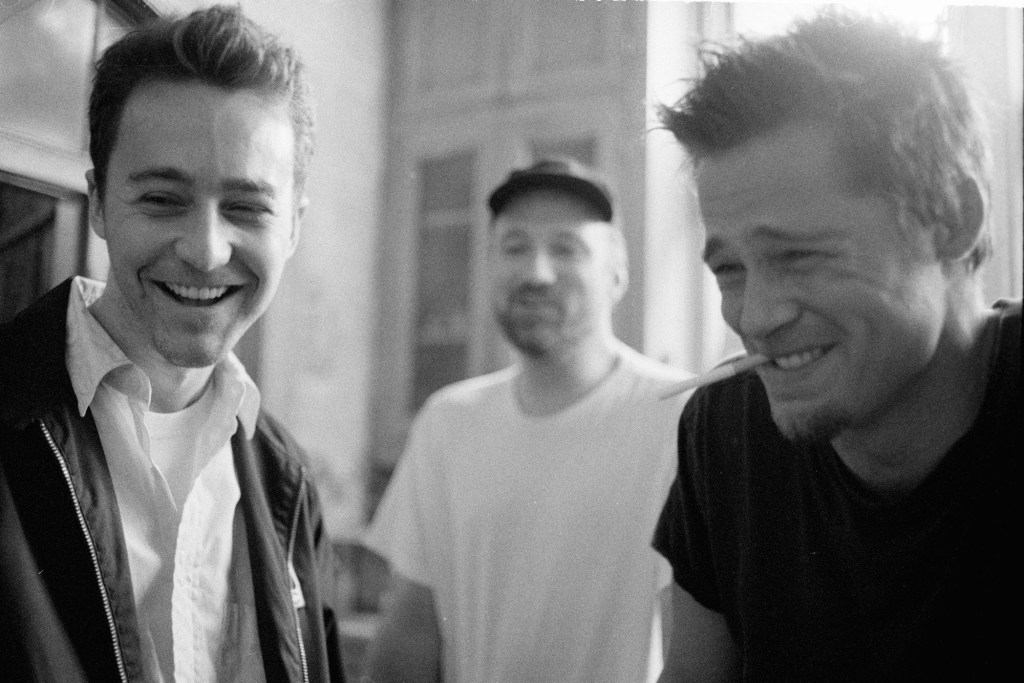
Let’s break all the rules, or at least rules one and two. Let’s talk about Fight Club. The movie, released in 1999, is directed by David Fincher and based on a novel, published in 1996, by Chuck Palahniuk. It stars Brad Pitt and Edward Norton playing, respectively, the id, named Tyler Durden, and the superego, named Jack (though that name is theoretical, as he’s never actually addressed by it), a man in the midst of an identity crisis; and Helena Bonham Carter, playing Marla Singer, the woman in love with them/him. I could tell you what Fight Club is about, but that would be like imposing a plot on a dream. And in any case, I don’t need to tell you, since Tyler Durden’s kiss—a soft press of lips followed by cooling saliva followed by burning lye—has been seared into our consciousness just as it’s been seared into Jack’s flesh: You already know it even if you haven’t seen it.
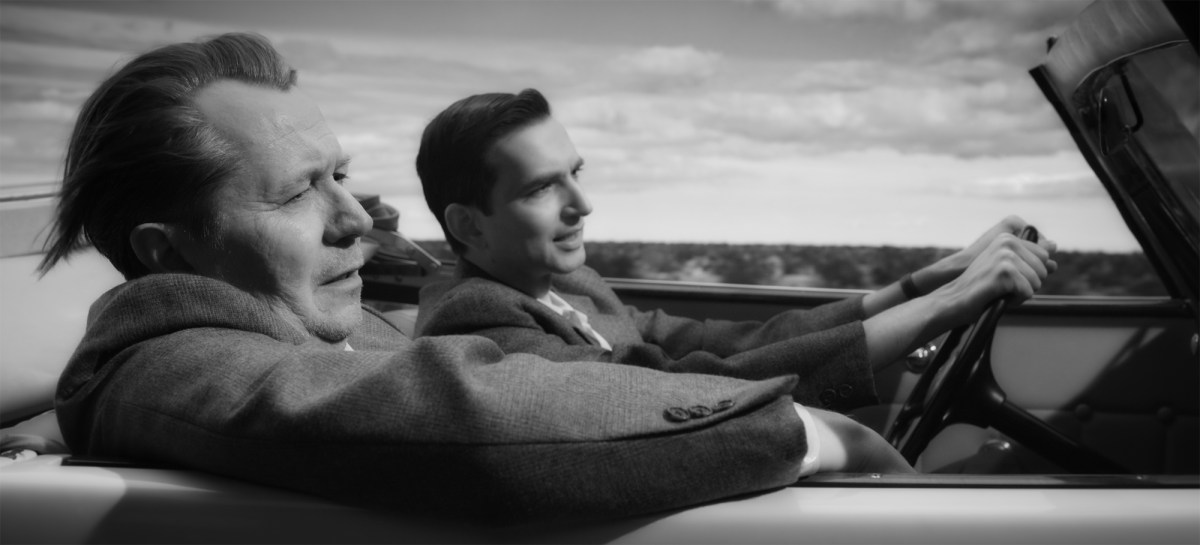
David Fincher’s Mank recreates 1930s Hollywood through the eyes of scathing wit and alcoholic screenwriter Herman J. Mankiewicz as he races to finish Citizen Kane. Starring Gary Oldman as Mankiewicz, Amanda Seyfried as Marion Davies, Charles Dance as William Randolph Hearst and Tom Burke as Orson Welles.
The Team Deakins podcast is an ongoing conversation between acclaimed cinematographer Roger Deakins and James Deakins, his collaborator, about cinematography, the film business and whatever other questions are submitted. We start with a specific question and end….who knows where! We are joined by guests periodically. Followup questions can be posted in the forums at rogerdeakins.com.
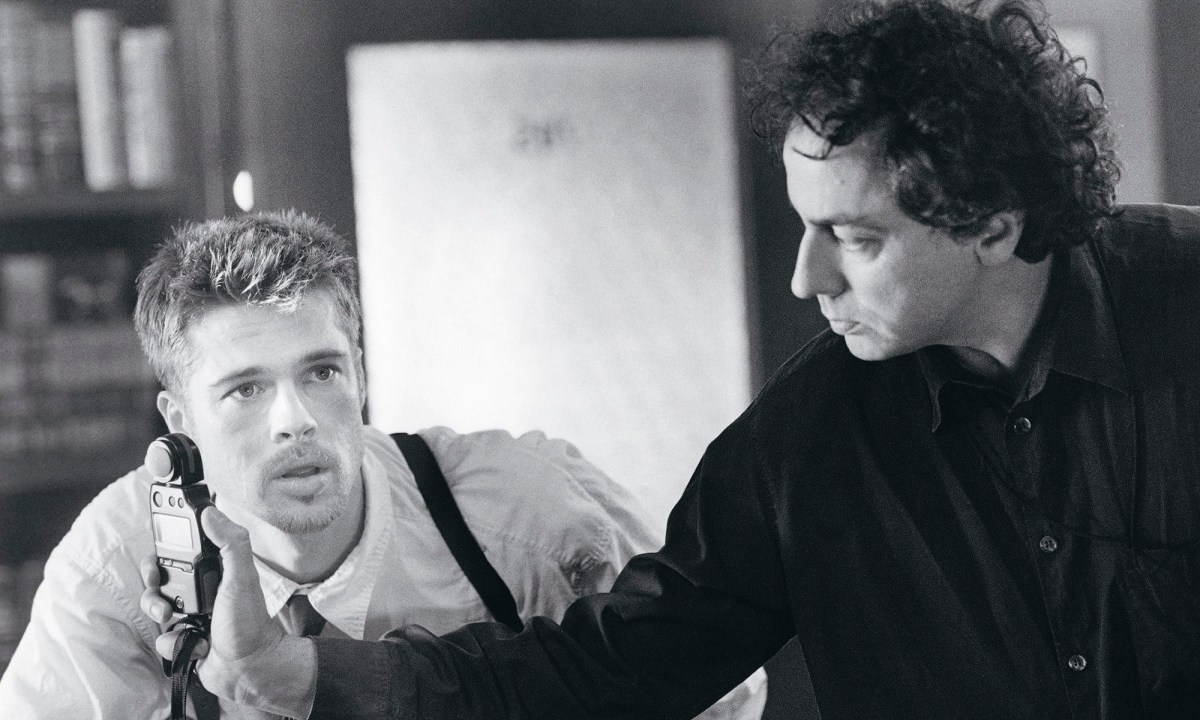
Team Deakins talks with cinematographer Darius Khondji(Uncut Gems, Alien Resurrection, Se7en). We talk a lot about light, specifically learning how to light and how he started to learn with natural light. He shares the experience of working with David Fincher on the film Se7en and how their collaboration allowed him to take risks. He speaks about how important it is to get to understand the director and how he sees visual style as a house that you have to find the key to unlocking and that he usually finds this key through the character. Darius tells us about working on the movies Lost City of Z, Uncut Gems, My Blueberry Nights, and Amour. He also shares his thoughts on working in features and television. A wonderful glimpse into the eye of a great cinematographer!
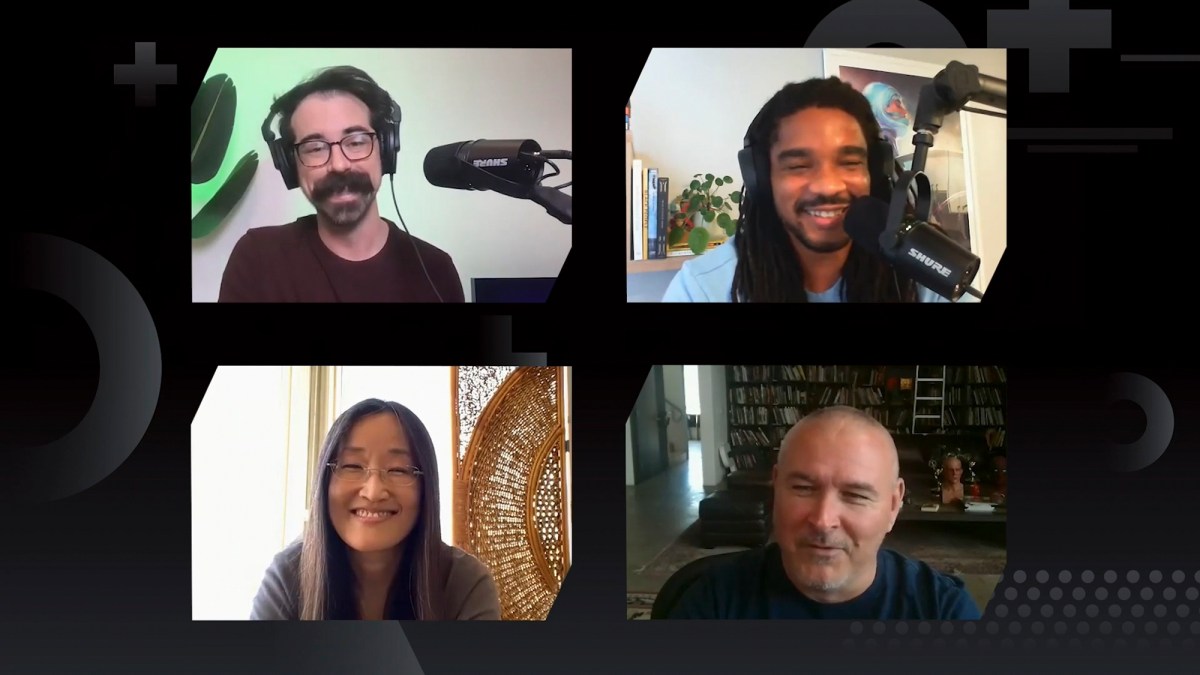
This month we’re joined by Netflix‘s Love, Death & Robots’ Executive Producer Tim Miller and Supervising Director Jennifer Yuh Nelson!
Learn about their journey from college illustration majors to sought-after filmmakers. They talk about the freedom granted with anthology storytelling and everything they read while working on the new volume of Love, Death & Robots. From priceless career advice and tales from the early days of computer animation, this is an episode you won’t want to miss.
We are so psyched to welcome transformational actor Damon Herriman to the show! Mr. In Between fans will know him as Freddy the Strip Club owner, but there rest of the world knows him for tons of other roles including playing Charles Manson (twice) in Mindhunter and Once Upon A Time in Hollywood, Dewey from Justified, Kim from Secret City and so many others. Damon talks about working with Scott Ryan and Nash Edgerton, about his background growing up in the business as a child actor and so much more!
Mank, director David Fincher’s much anticipated take on the behind-the-scenes drama that shaped the making of Citizen Kane, was released last November after a journey to get it made that began almost two decades ago.
Is there any reason to believe that a story about the making of a movie about the making of a movie is any less intriguing than that of its fabled subject?
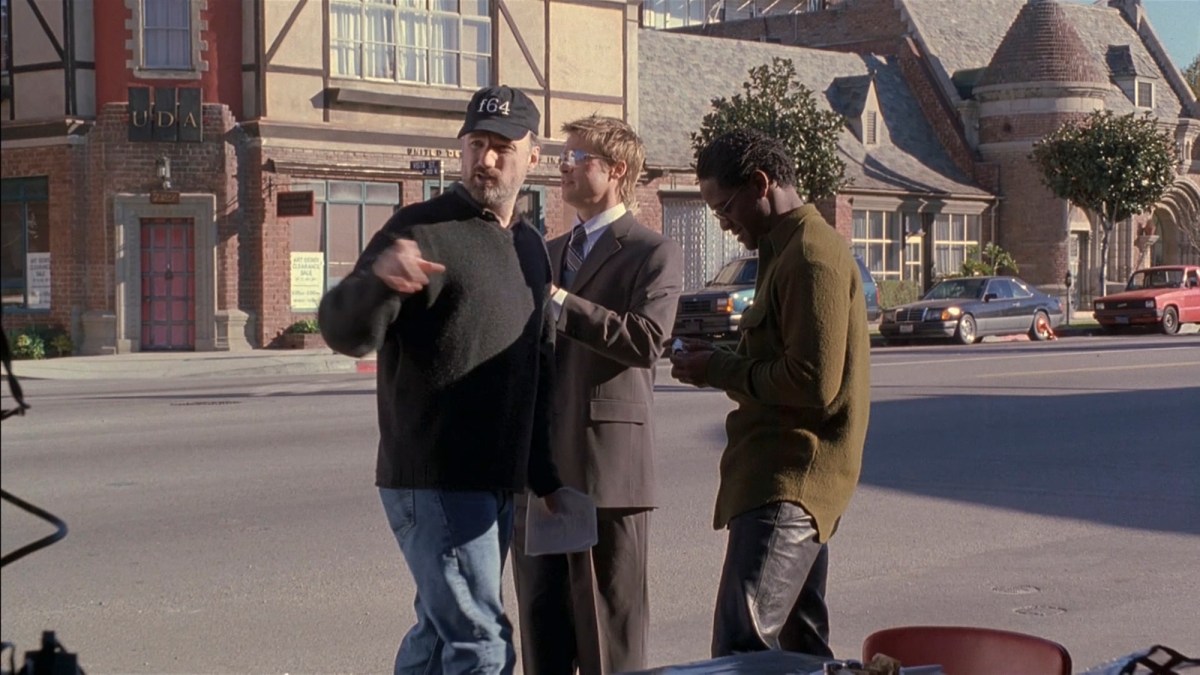
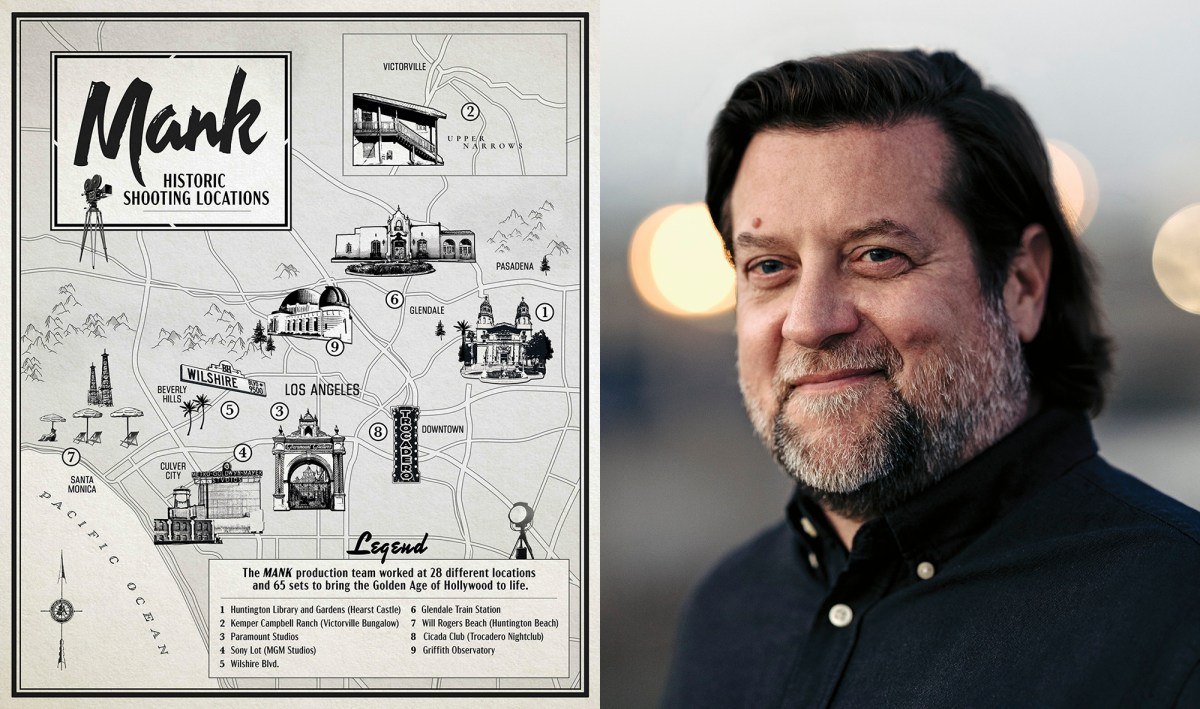
In terms of finding classic locations in Los Angeles that have survived the moving hands of time, Fincher couldn’t have found a better guy for the job than LM William “Bill” Doyle/LMGI. L.A. is a classic example of a city in a near-constant state of reinvention, but despite the years, some amazing original sites still remain, and Doyle knows most of them.
“I’ve always loved reading about how cities develop,” Doyle says. “Understanding a city… How it was developed or why it was founded, how it was built and when it expanded… Knowing how these things happened can help you make sense of any city anywhere in the world when you’re looking for something specific.”
Catch Ian, Liam, Ellie, Ethan, and Georgia (who was only in about 90% fangirl mode) as we were lucky enough to sit down with an extremely talented actor, writer, and producer whose credits range from Mank to Shipwrecked Comedy to podcasting and even all the way to Cougar Town. Revelations from the interview include:
Hearing how Sean got his start in Los Angeles
Sean talks about the development of the podcast he does with his sister, Sinead: Make Sean & Sinead Love Movie
Sean discussing the difference between being a producer on his own material and a day player on a big tv or film project
A small anecdote about what Gary Oldman is really like
Sean discusses his writing process and how it differs depending on the project
We learn about how to shoot in black and white
The BFE lot pitch their own film choices that most people hate but we can’t help but love
Sean reveals his best film ever and cuts down someone for hating a classic film
Whether Sean would turn down a call from Marvel boss, Kevin Feige
Pets on both side of the video call make their presence known
Sean teases a big announcement dropping for Shipwrecked Comedy on June 15th



 The Fincher Analyst