Director: David Prior Screenwriter: Sasha Stone Producers: David Prior and Sasha Stone Director of Photography: Martim Vian Editor: Keith Clark Production Designer: P.L. Jackson Cast: Eva Wild, Olive Bernadette Hoffman, Shannon Hayes, Molly Ann Grotha, Tea Jo Raza
102. Ethics of Revenge
Directors: Taylor Ramos and Tony Zhou Screenwriters: Taylor Ramos and Tony Zhou Producers: Taylor Ramos and Tony Zhou, and Nach Dudsdeemaytha Director of Photography: Alfonso Chin and Martim Vian
103. But I Don’t Like Him
Director: David Prior Screenwriter: Drew McWeeny Producers: David Prior and Drew McWeeny Director of Photography: Martim Vian
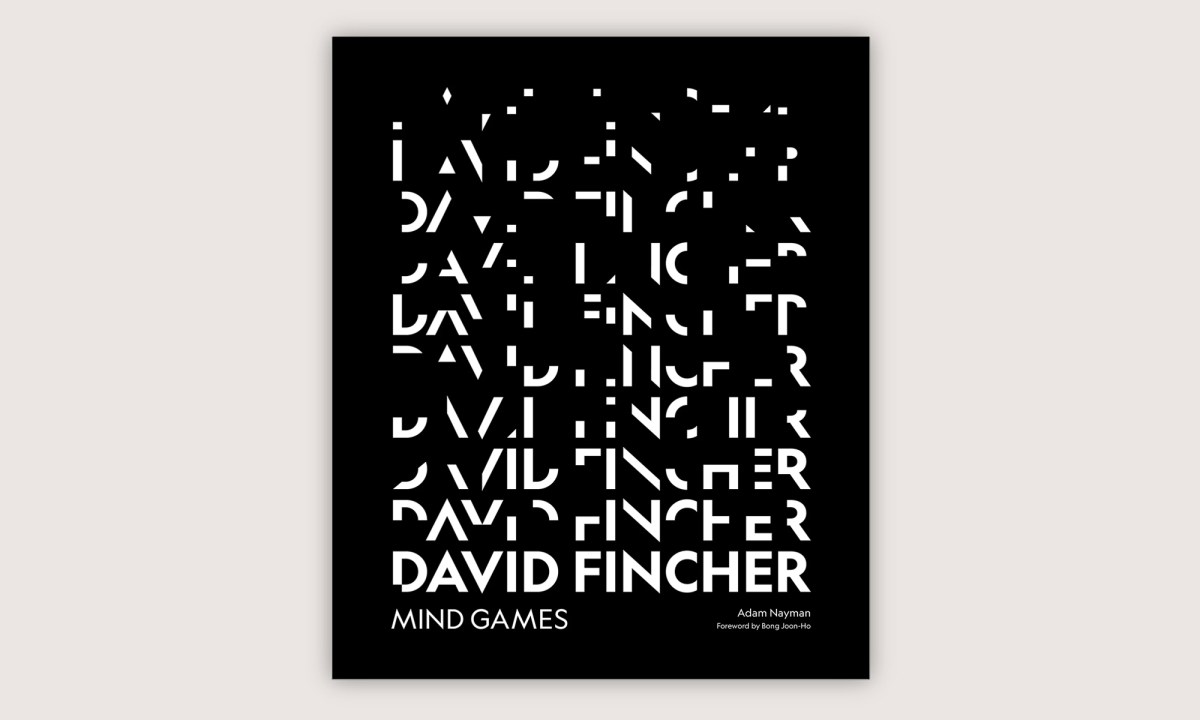
DAVID FINCHER: MIND GAMES By Adam Nayman Foreword by Bong Joon-ho Produced by Little White Lies
David Fincher: Mind Games is the definitive critical and visual survey of the Academy Award– and Golden Globe–nominated works of director David Fincher. From feature films Alien 3, Se7en, The Game, Fight Club, Panic Room, Zodiac, The Curious Case of Benjamin Button, The Social Network, The Girl With the Dragon Tattoo, Gone Girl, and Mank through his MTV clips for Madonna and the Rolling Stones and the Netflix series House of Cards and Mindhunter, each chapter weaves production history with original critical analysis, as well as with behind the scenes photography, still-frames, and original illustrations from Little White Lies’ international team of artists and graphic designers. Mind Games also features interviews with Fincher’s frequent collaborators, including Jeff Cronenweth, Angus Wall, Laray Mayfield, Holt McCallany, Howard Shore and Erik Messerschmidt.
Grouping Fincher’s work around themes of procedure, imprisonment, paranoia, prestige and relationship dynamics, Mind Games is styled as an investigation into a filmmaker obsessed with investigation, and the design will shift to echo case files within a larger psychological profile.
About The Author
Adam Naymanis the author of Paul Thomas Anderson: Masterworks (Abrams, 2020) and The Coen Brothers: This Book Really Ties the Films Together (Abrams, 2018) and is a contributing editor to Cinema Scope.
Little White Lies is one of the world’s pre-eminent film magazines, pairing a unique editorial angle with beautiful illustrations and world-class design.
Formats
Imprint: Abrams Books Publication Date: November 23, 2021 Rights: World/All
HARDCOVER ISBN-10: 141975341X ISBN-13: 9781419753411 Page Count: 304 Illustrations: Full-color photographs and illustrations throughout Dimensions: 9 x 10.88 inches Weight: 1.74 pounds Price: $45.00 ORDER, ORDER SIGNED Also available from: Amazon, IndieBound, Barnes & Noble, Powells, !ndigo, Bookshop
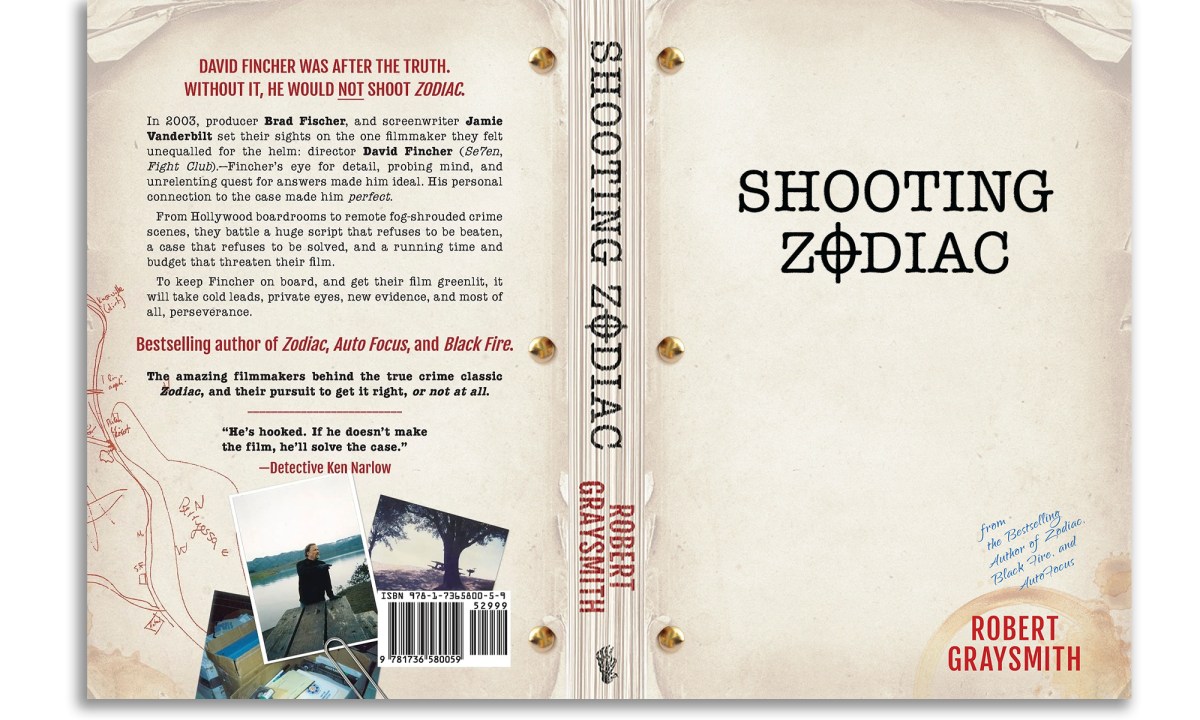
For nearly two decades, Hollywood had been trying to make a movie of Zodiac, and for nearly two decades, it had failed. In 2003, producer Brad Fischer, and screenwriter Jamie Vanderbilt attempted the undoable, and set their sights on the one filmmaker they felt unequalled for the helm: director David Fincher (Se7en, Fight Club). Fincher’s eye for detail, probing mind, and unrelenting quest for answers made him ideal. His personal connection to the case made him perfect.
Author Robert Graysmith, director David Fincher, producer Brad Fischer, and screenwriter James Vanderbilt: “The Untouchables” (Photo: Margot Graysmith)
From Hollywood boardrooms to remote fog-shrouded crime scenes, they battle a huge script that refuses to be beaten, a case that refuses to be solved, and a running time and budget that threaten their film. Follow as they track down missing witnesses, gather the original investigators, visit the original crime scenes, discover boxes of Zodiac case files from an attic, unearth new clues, a videotape of the prime suspect’s police interrogation, and a surviving victim who doesn’t want to be found. To keep Fincher on board, and get their film greenlit, it will take cold leads, private eyes, new evidence, and most of all, perseverance.
About The Author
Robert Graysmith in 2012. Photo: Russell Yip / The Chronicle
Robert Graysmith (Facebook) is an author and illustrator. He was the political cartoonist for the San Francisco Chronicle when the letters and cryptograms from the infamous Zodiac killer began arriving to the paper. He was present when they were opened in the morning editorial meetings, and has been investigating & writing ever since. He lives in San Francisco where he continues to write and illustrate. He is best known for his books “Zodiac” and “Zodiac Unmasked”.
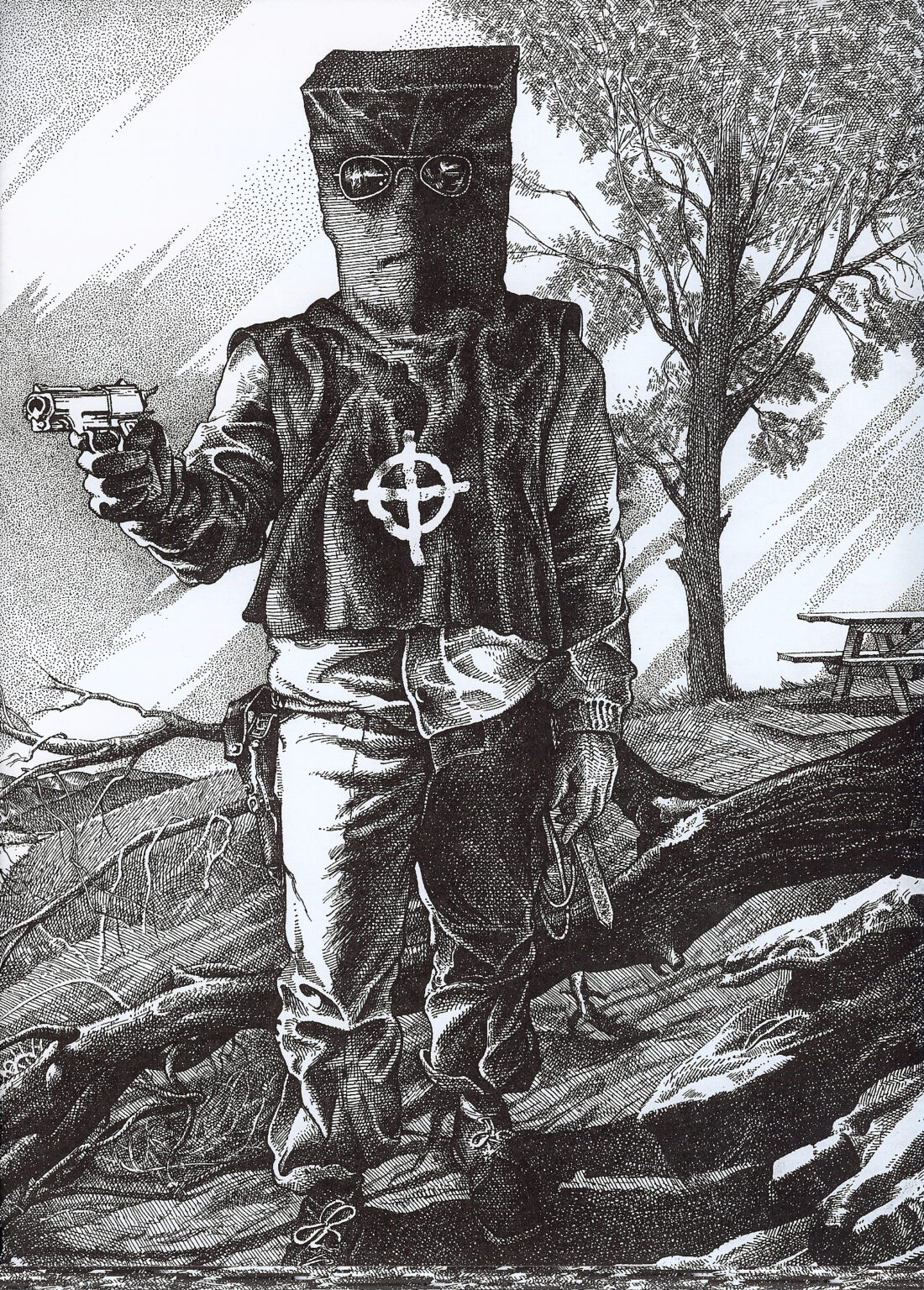
“Zodiac in Costume at Lake Berryessa,” by former Chronicle cartoonist Robert Graysmith. Surviving victim Bryan Hartnell personally described the costume in detail to Graysmith, after his, and Cecilia Shepherd’s, encounter with the Zodiac on Sept. 27, 1969. Photo: Robert Graysmith
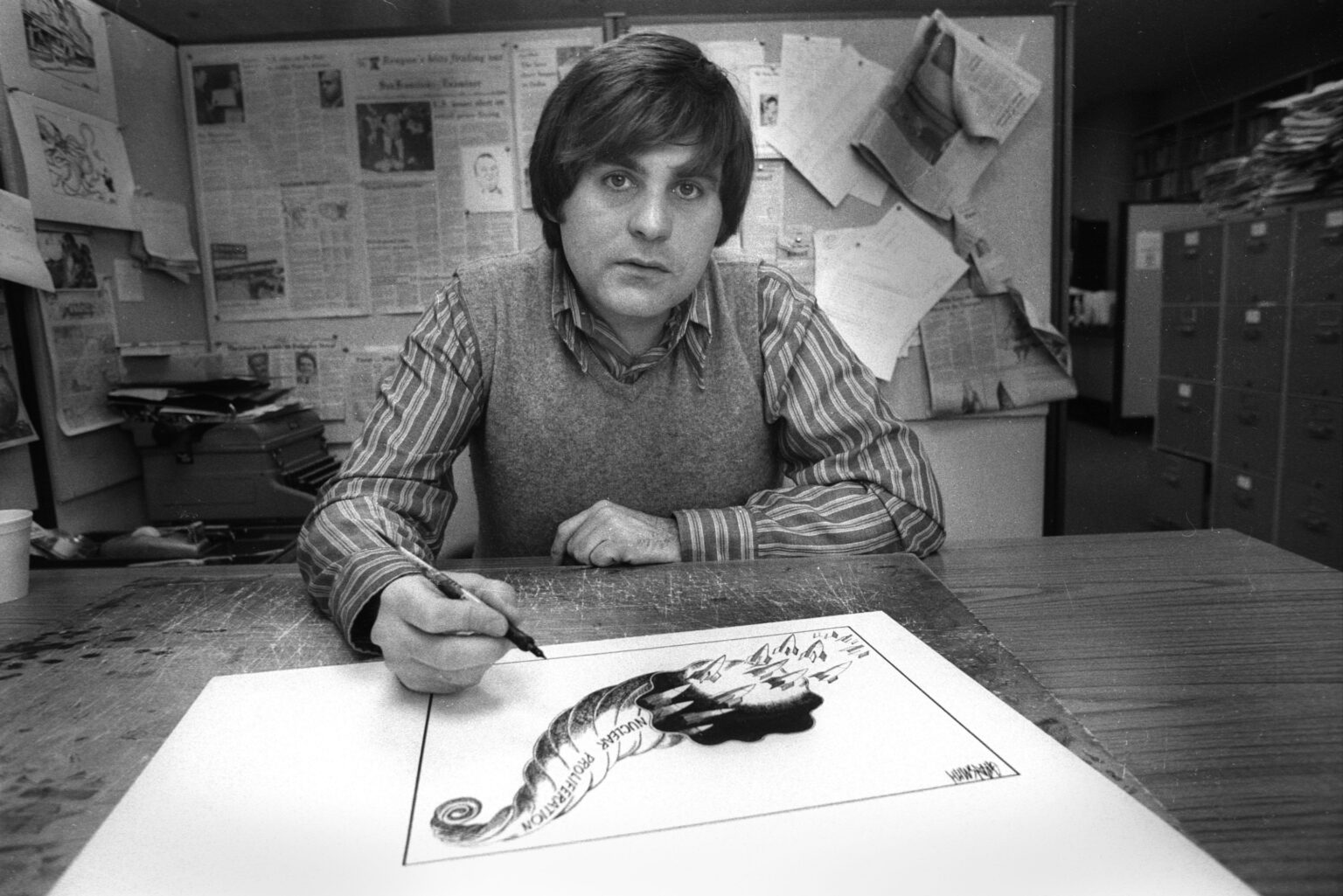
Robert Graysmith, political cartoonist for The San Francisco Chronicle, in 1977. Photo: Gary Fong / The Chronicle
BOOKS
Robert Graysmith wrote the definitive Zodiac Killer book. He breaks decade-long silence to tell us about his upcoming projects
For a fairly famous guy, author Robert Graysmith doesn’t get out much. He hasn’t been heard from in public for about a decade, and he rarely leaves his San Francisco home.
The 78-year-old Graysmith has been crafting manuscripts at such an astonishing pace, printing them out as he goes along, that they now stand in a 5-foot-high stack that breaks down into what he says will be 34 books, ranging from children’s tales and historical explorations to true crime and fictional legends. Most just need a few final touches and editing, he said.
These days, Graysmith is working with a new publisher he knows well: his 50-year-old son, Aaron Smith.
The first in this voluminous new string landed on online sites like Amazon at the end of August, the 383-page “Shooting Zodiac,” which documents the planning that went into making the movie “Zodiac.”
“It’s much more fun working with Aaron on these things, because he can put them out quickly,” Graysmith said. “I figured out you’re going to wait about three years to get a book done, and then you hand them the book, and they’re going to spend a lot of time and then they won’t do anything for another year or so. With Aaron, we can get the book edited and out there in a few months.”
Graysmith’s son — who uses the last name his dad used before he merged Gray and Smith — said he wasn’t really surprised when he realized how many pages his dad had in the hopper.
“Writing is pretty much all he does,” Smith said by phone from his home in Southern California, “and the illustrations.”
Graysmith said he started working on his engagingly told “Shooting Zodiac” before the movie came out, as he was being bowled over by the dedication director David Fincher, producer Brad Fischer and screenwriter Jamie Vanderbilt put into the project. They combed over the same material Graysmith had in his books “Zodiac” and “Zodiac Unmasked” to rebuild and advance his narrative around the only suspect ever named by police, Arthur Leigh Allen of Vallejo.
Watching them work was “a marvelous adventure,” Graysmith said.
The new book is as much about greenlighting the movie and hiring actors like Jake Gyllenhaal, who played Graysmith, as it is about how the three filmmakers did their research. It’s also probably the last thing Graysmith will write about the Zodiac, he and his son said.
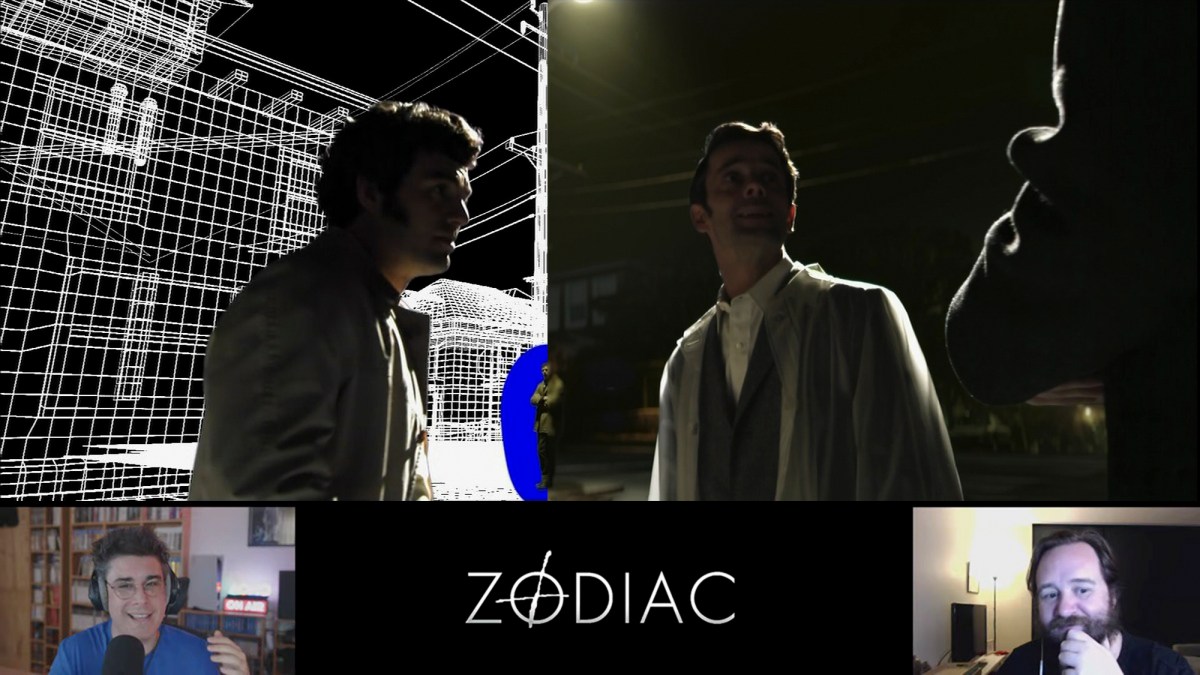
On this episode of VFX Notes, Hugo Guerra from Hugo’s Desk and Ian Failes from befores & afters dive deep into the visual effects in David Fincher films. We take an especially close look at Digital Domain‘s work for Zodiac and The Curious Case of Benjamin Button.
Chapters: 00:00:00 – Intro 00:04:20 – Zodiac and the rise of invisible VFX 00:09:09 – The rise of D2 and Foundry‘s Nuke 00:18:31 – David Fincher’s methods and Zodiac‘s murder scenes 00:30:03 – Environments by DD and Matte World 00:43:41 – The VFX of The Curious Case of Benjamin Button 00:57:27 – The VFX of The Social Network 01:03:15 – The VFX of Mindhunter 01:09:51 – Wrap up 01:12:45 – Patreon, YouTube members and Twitch Subs Credits
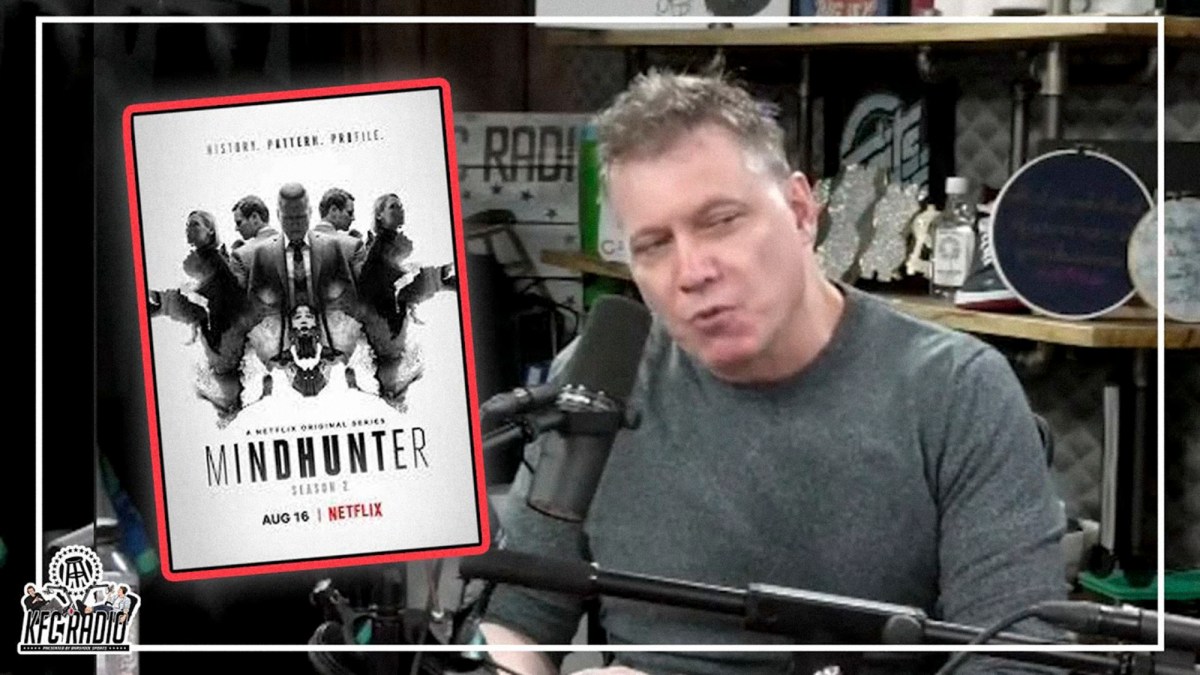
Holt McCallany stops by the show to talk about his role in Wrath of Man with Jason Statham. We discuss talk about his time playing Bill Tench in Mindhunter, how he got linked up with David Fincher, and whether or not he’d like to see Mindhunter return. (min. 1:18:54)
The Team Deakins podcast is an ongoing conversation between acclaimed cinematographer Roger Deakins and James Deakins, his collaborator, about cinematography, the film business and whatever other questions are submitted. We start with a specific question and end….who knows where! We are joined by guests periodically. Followup questions can be posted in the forums at rogerdeakins.com.
Team Deakins delves into the craft of production design with the great production designer, Donald Burt (The Curious Case of Benjamin Button, Hostiles, Mank). We loved hearing about his path to the film business! We talk about his first movie as production designer, Joy Luck Club – quite a film to start on! He shares his methods of working with a director and how he doesn’t want to draw attention to what he is doing and that he wants to be supportive and serve the story first. We also touch on how restrictions and limitations breed imagination, his approach to sets vs locations, and how you can’t be afraid of articulating a stupid idea. And, we also speak about the making of Mank, The Outlaw King, and Zodiac. As well as much, much more!
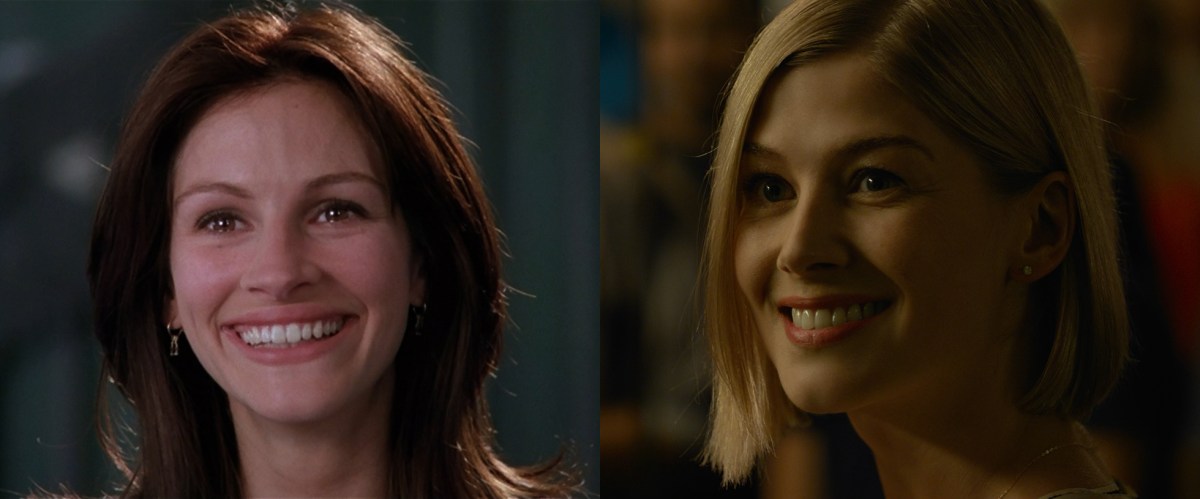
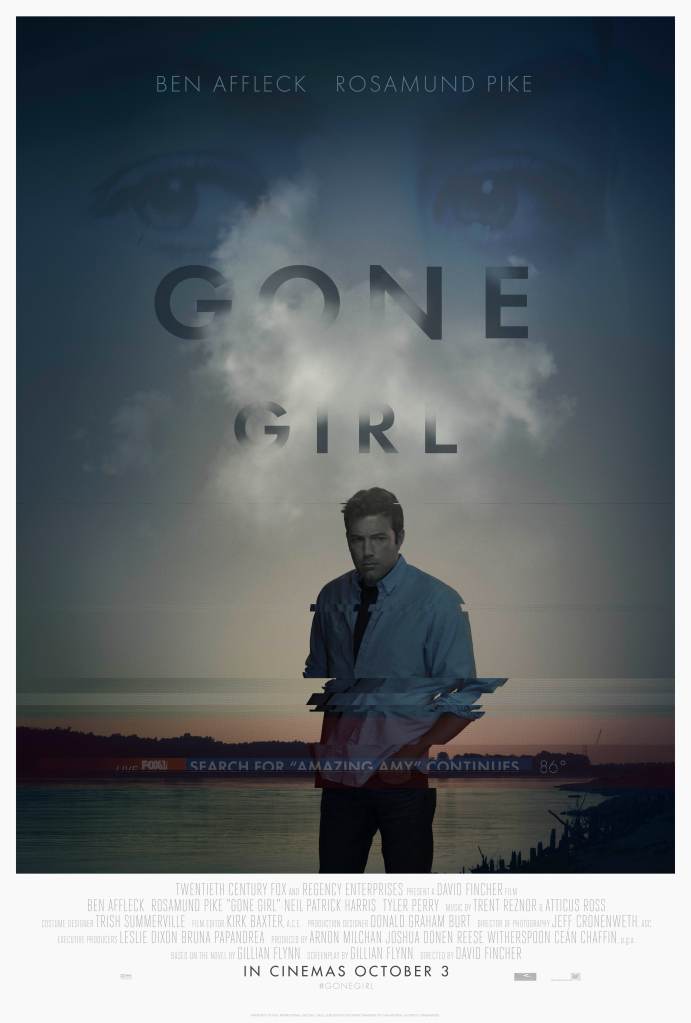
It’s safe to say that David Fincher‘s 2014 film Gone Girl surprised a lot of audiences (this means that if you haven’t seen the movie, beware of spoilers ahead). But even putting the twists and turns of the plot aside, there was an unexpected move in the promotional campaign that still stands out to me. The first trailer opened with some musical notes that any rom-com fan will recognize as the beginning to “She.”
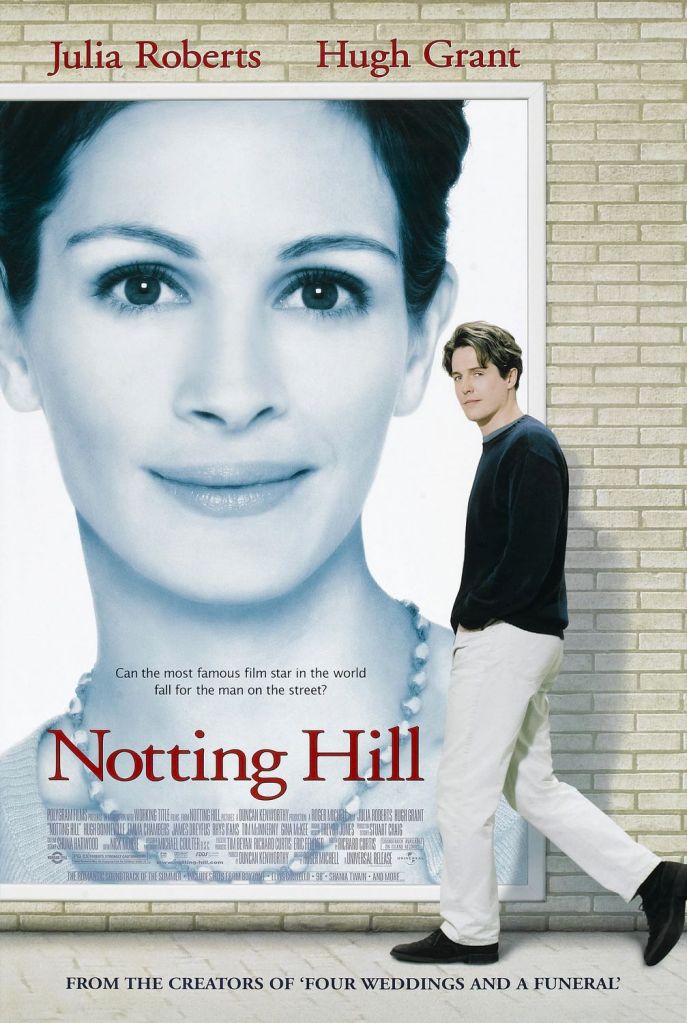
The song was originally composed and recorded by Charles Aznavour and then famously covered by Elvis Costello to serve as the theme for Roger Michell‘s 1999 film Notting Hill:
For the Gone Girl Teaser Trailer, the song was performed by Richard Butler, and produced, arranged, and mixed by Jason Hill (Mindhunter):







 The Fincher Analyst