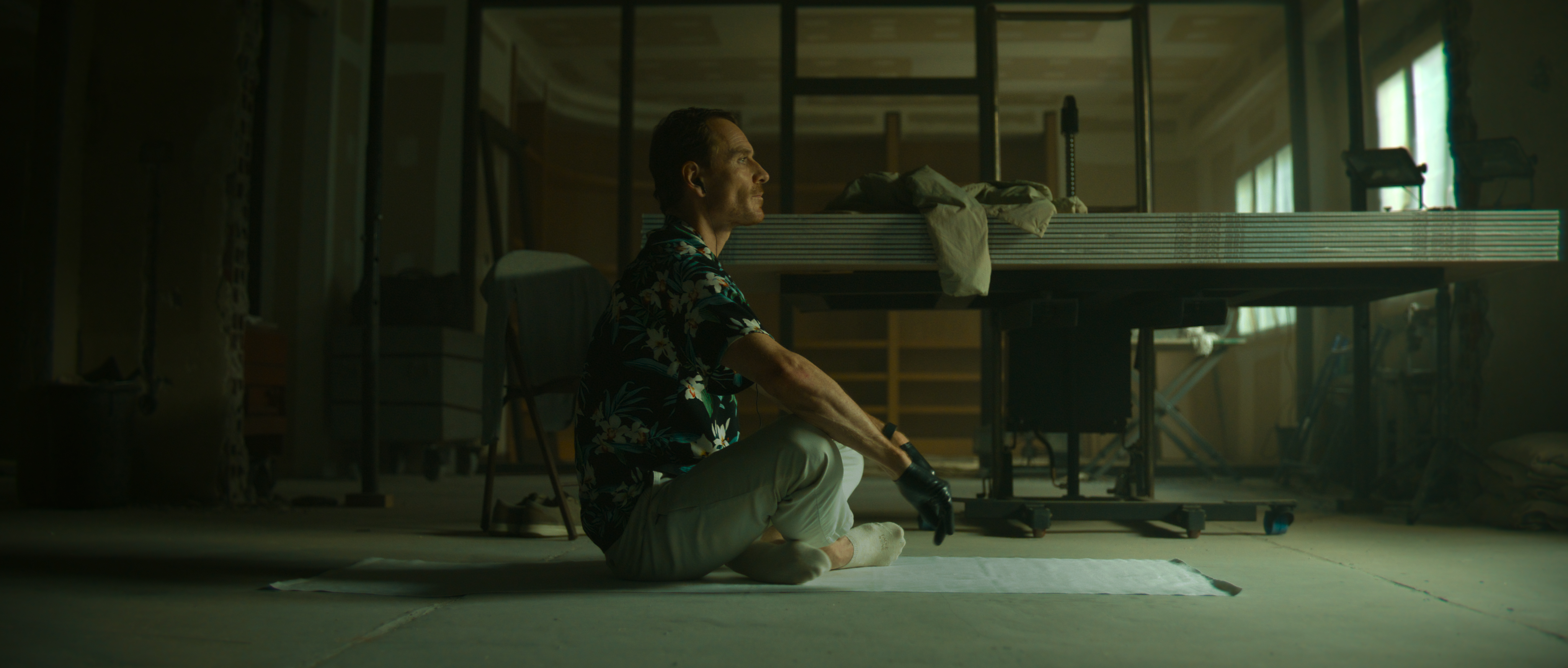
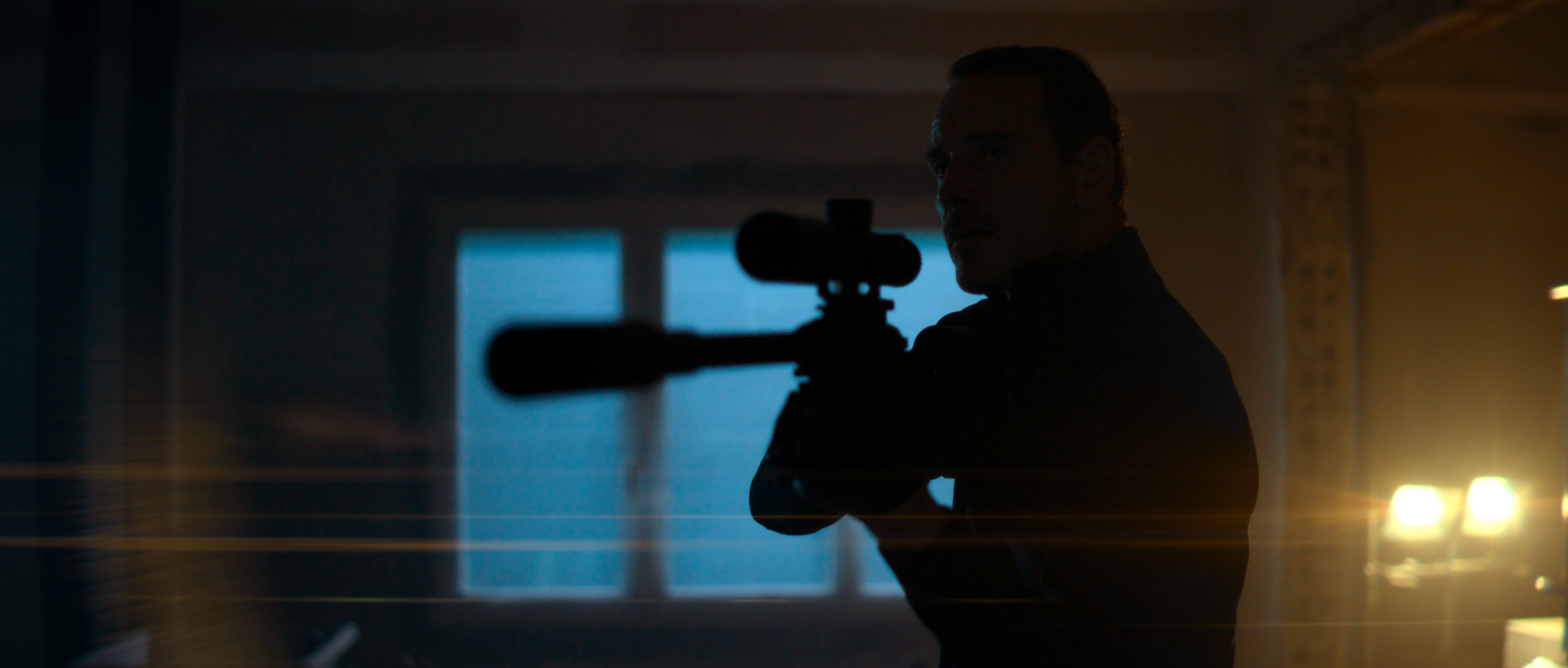
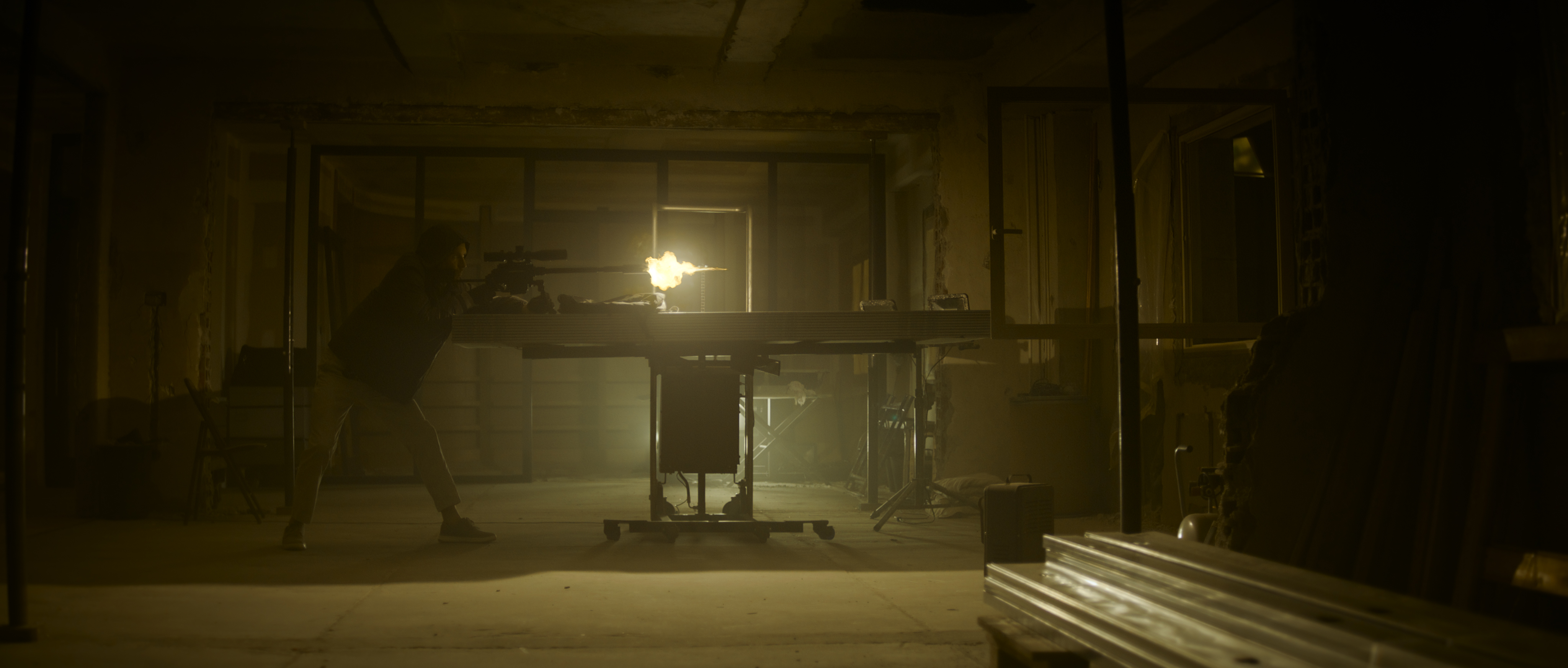
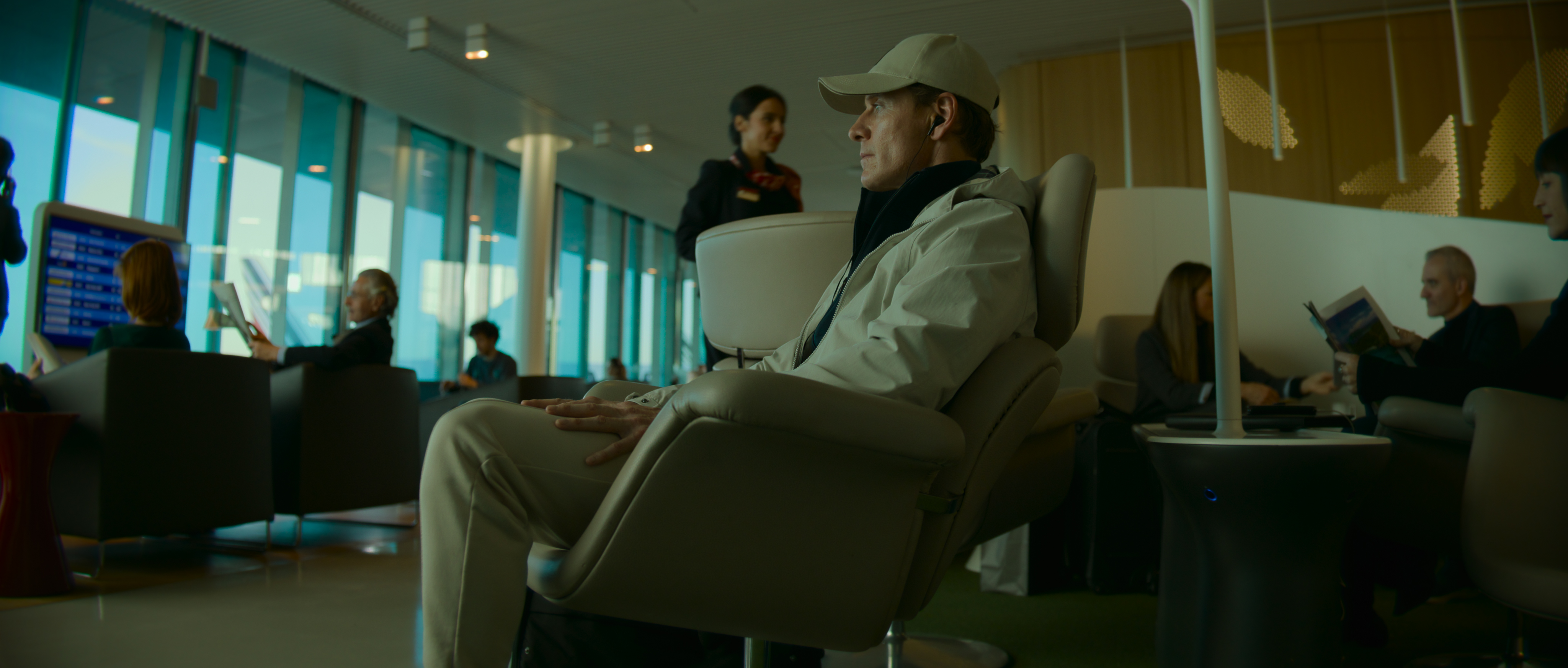
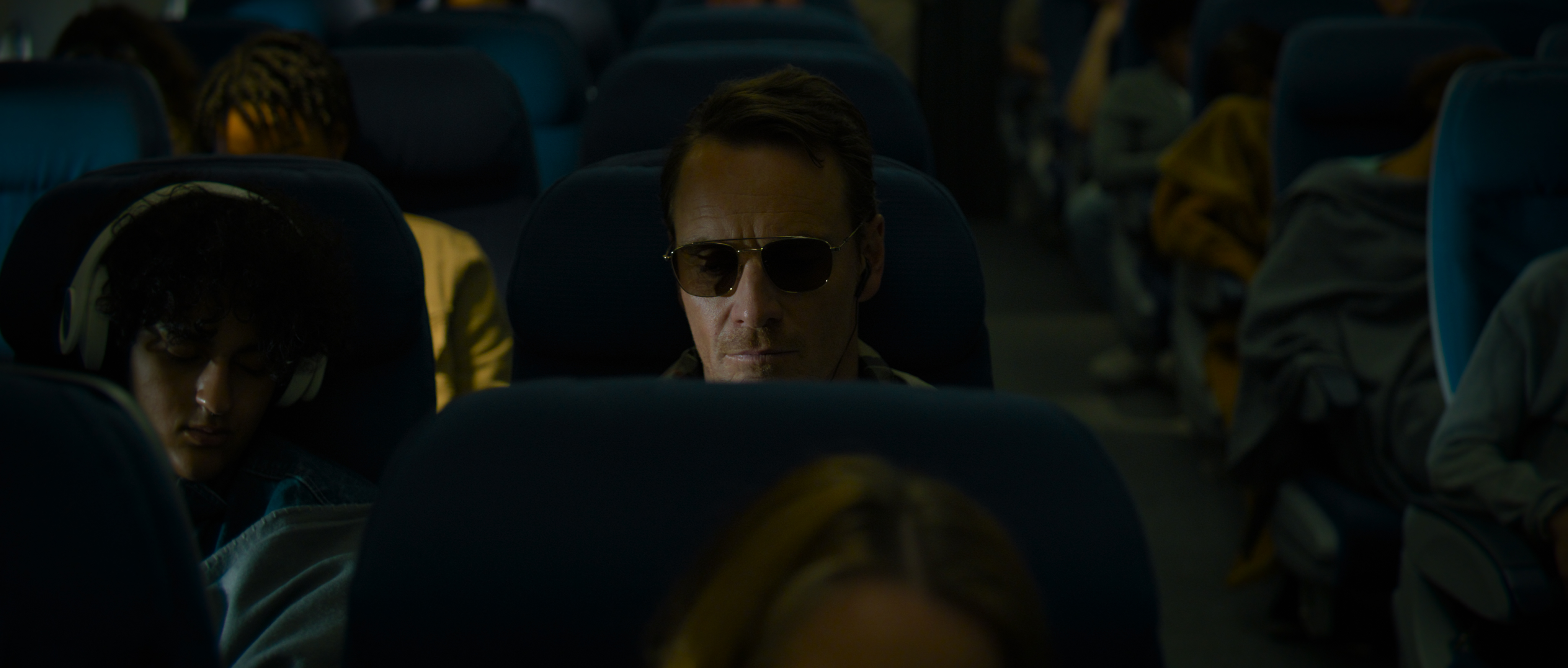
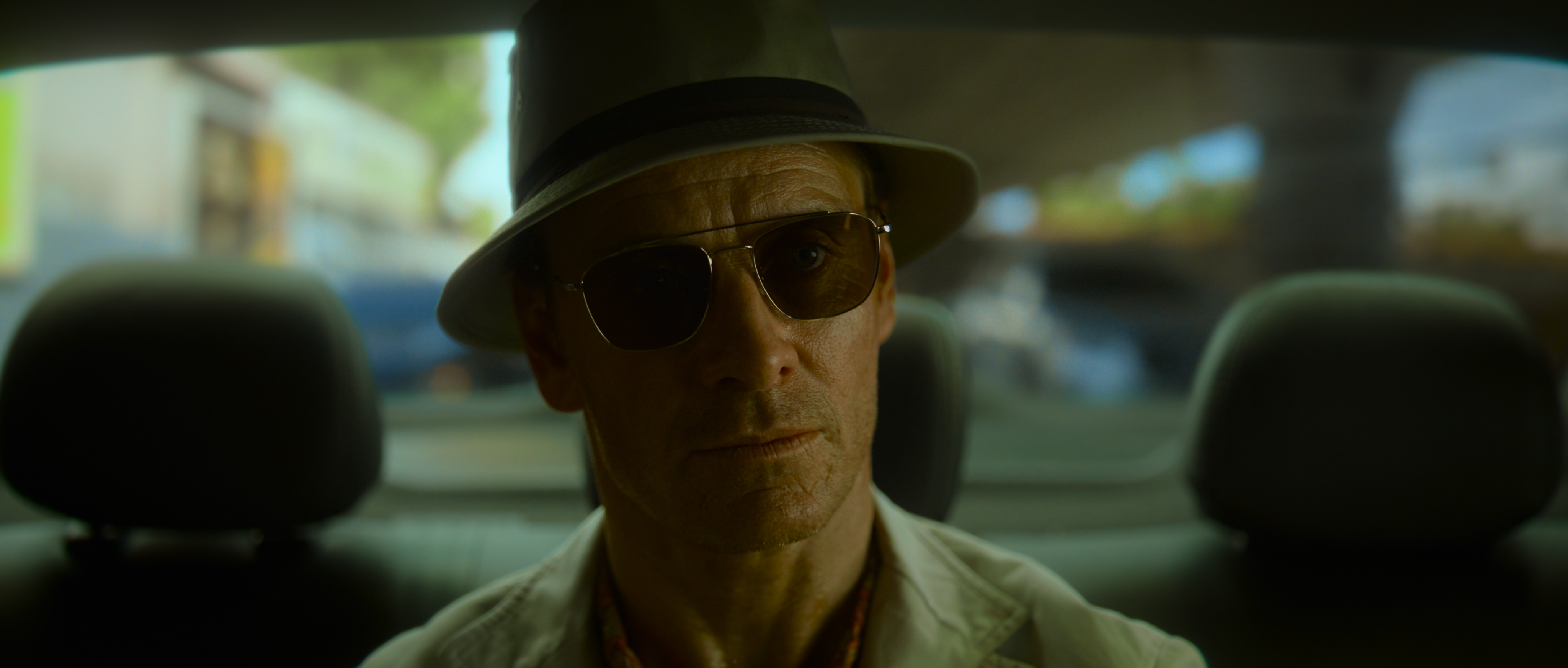
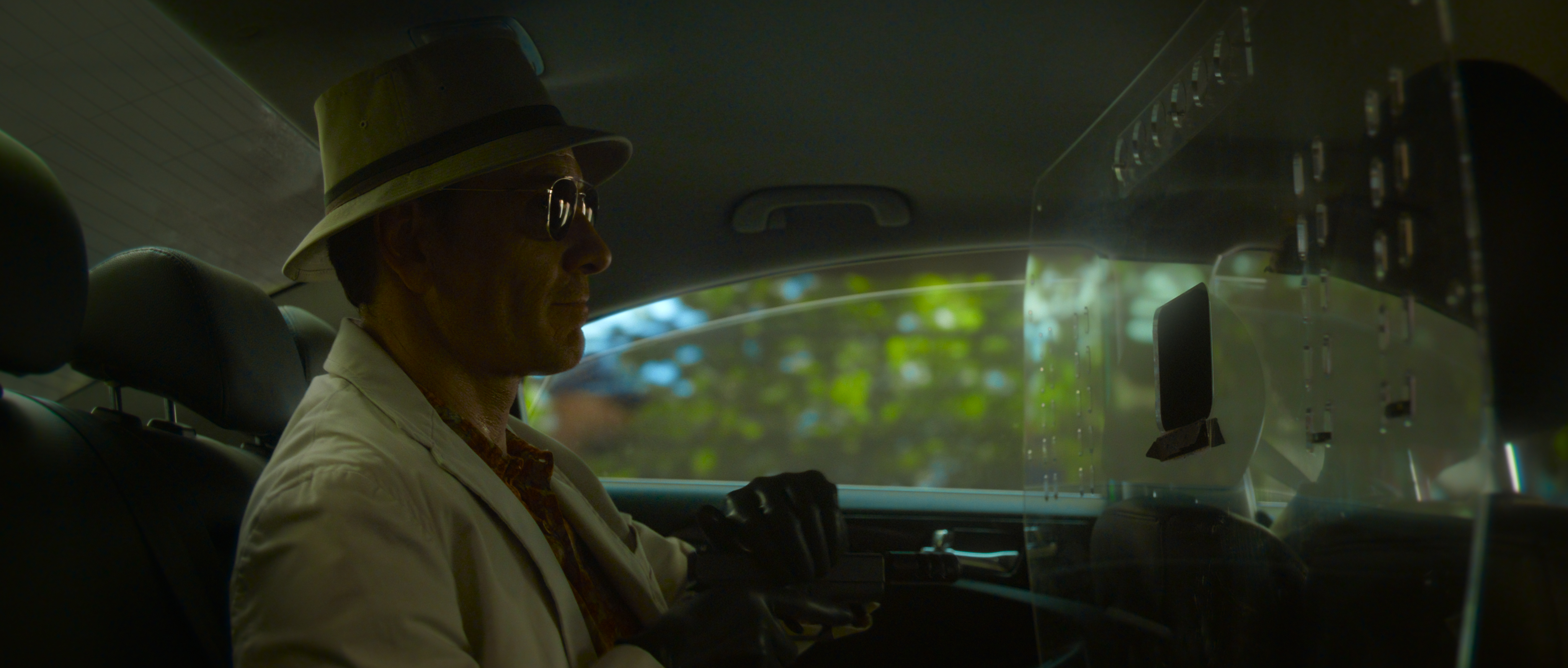
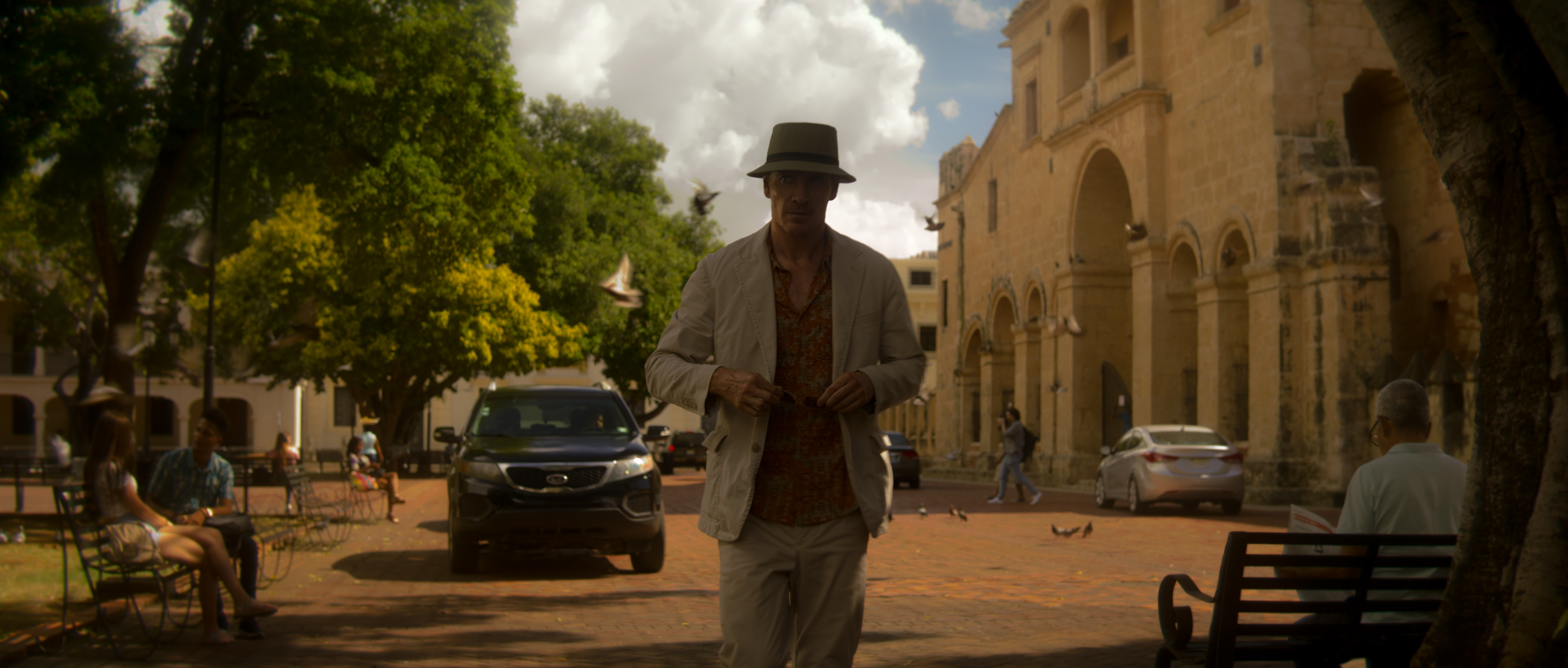
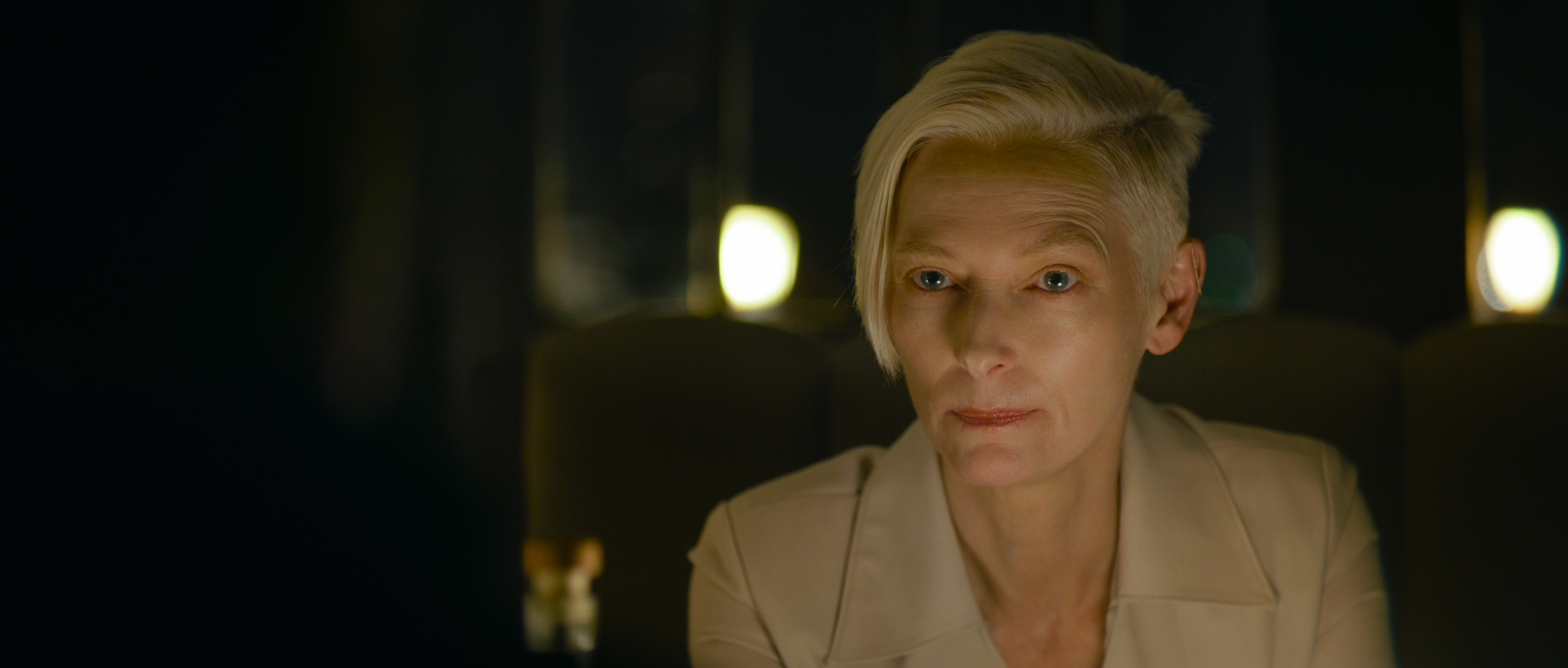
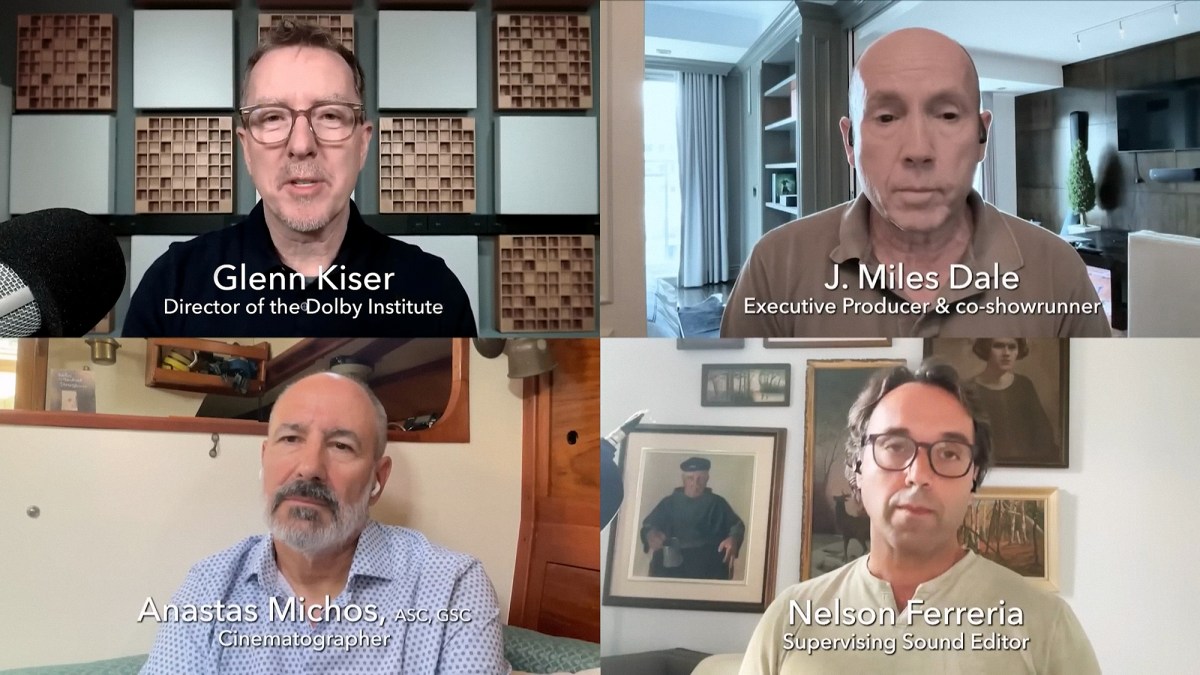
Cinematographer Anastas Michos, ASC, GSC, takes us into the thrilling world of Guillermo del Toro’s Cabinet of Curiosities with “The Autopsy.” Michos’ mastery weaved an emotive visual narrative through skillfully dark color palettes, dynamic lighting, and expert composition, turning settings into characters and creating an immersive, unforgettable experience. Go behind the look, and learn about the choices Anastas made on “The Autopsy” that earned him a well-deserved Emmy nomination for Outstanding Cinematography For A Limited Or Anthology Series Or Movie.
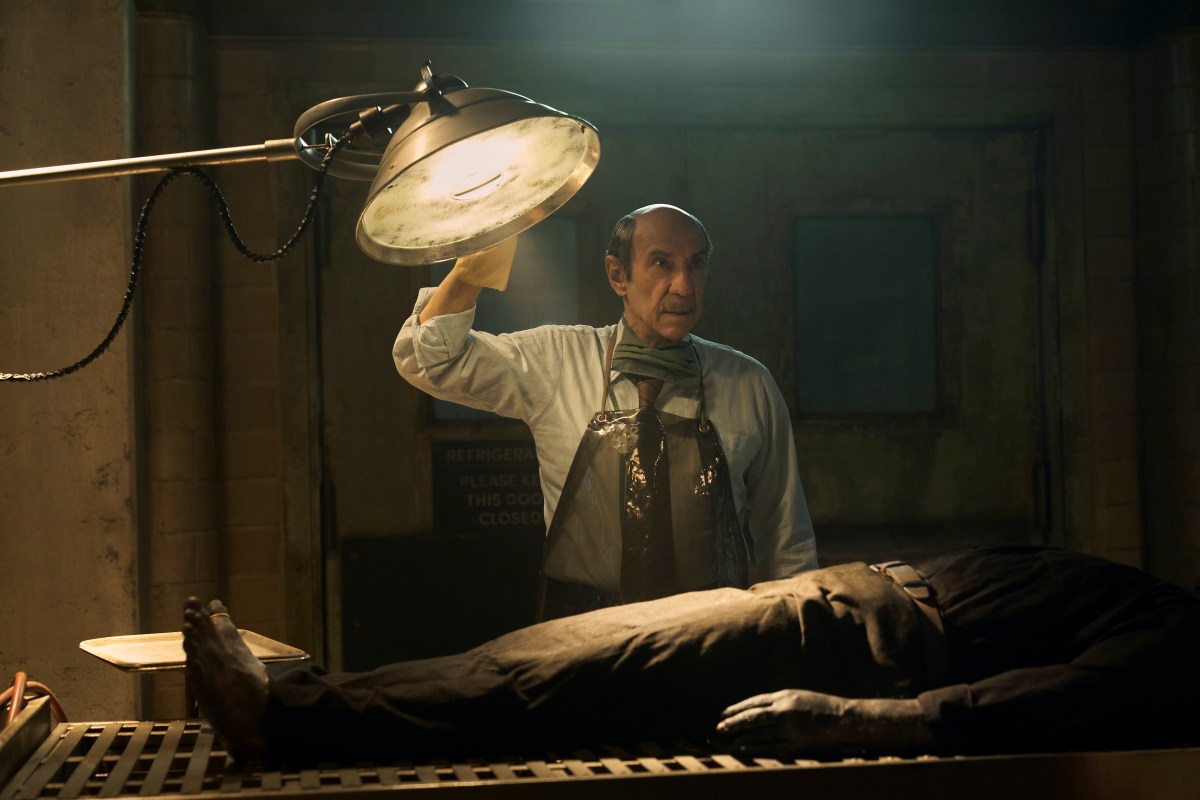
Michos takes us Behind The Look: THAT SHOT of his favorite sequence of “The Autopsy” starting in the morgue.
“The Autopsy” is the third episode of Netflix‘s Cabinet of Curiosities. A seasoned sheriff investigates a dead body in the woods and calls on an old pal, a medical examiner, to help piece together a series of chilling events.
Frame & Reference is a conversation between Cinematographers hosted by Kenny McMillan. Each episode dives into the respective DP’s current and past work, as well as what influences and inspires them. These discussions are an entertaining and informative look into the world of making films through the lens of the people who shoot them.
Step into the fascinating realm of cinematography with our special guest, Anastas Michos, ASC, GSC. A seasoned expert in the field, Anastas unlocks the mysteries of television and feature film cinematography, highlighting the way technology is reshaping these two distinct mediums. We navigate the landscape of artificial intelligence and its impact on the world of filmmaking, as well as the unique perspectives of different unions and guilds.
In this engaging discussion, we venture into the realm of personalized creativity in cinematography. We grapple with the thorny issue of image authorship and the absence of laws in the United States that safeguard the creators of these images. Anastas enlightens us on how he navigates projects without relying on the safe and familiar, and what elements give a project an organic feel. We also explore the role of lenses, both physical and virtual, in crafting the look of an image.
As the conversation evolves, we explore the creative process of filmmaking. Anastas shares his insights on the influence of nostalgia and artificial intelligence on new ideas. We touch on the unique work of filmmaker Guillermo del Toro, delve into the intriguing concept of Guillermo del Toro’s Cabinet of Curiosities, and discuss Anastas’ experience working with actor F Murray Abraham. Brace yourself for a riveting expedition into the world of film production, full of collaboration, innovation, and a dash of humor. Don’t miss out!
In this episode, cinematographer Anastas Michos, ASC, GSC is joined by interviewer Phedon Papamichael, ASC, GSC to discuss his work on Guillermo del Toro’s Cabinet of Curiosities— the Netflix horror-anthology series featuring eight macabre stories guest-directed by notable genre filmmakers.
Presented and “personally curated” by Guillermo del Toro, Cabinet of Curiosities offers an assortment of modern horror fare rooted in the traditions of gothic and grand-guignol storytelling. The series’ guest directors include Ana Lily Amirpour, Panos Cosmatos, Catherine Hardwicke, Guillermo Navarro, David Prior, Vincenzo Natali, and Keith Thomas. Michos shot Episode 3 — “The Autopsy,” directed by Prior — and earned ASC Award and Emmy Award nominations this year for his work on the installment.
In this interview, Michos discusses his approach to shooting his episode with minimal lighting; the importance of amping up contrast between colors to strengthen and maintain his palette’s intended effects; his personal philosophy on color association; and why cinematographers must follow their own instincts when making decisions on camera operating and movement.
Anastas Michos, ASC, GSC is a cinematographer whose credits include the features The Kissing Booth (2018), The First Purge (2018), The Empty Man (2020) and Vanquish (2021).
Phedon Papamichael, ASC, GSC first began working as photojournalist in New York, and has since served as director of photography on over 40 features, including Sideways (2004), Walk the Line (2005), The Descendants (2011) and Ford v Ferrari(2019). He is a two-time Academy Award nominee for his cinematography on Nebraska (2013) and The Trial of the Chicago 7(2020).
Cinematographer Anastas MichosASC, GSC humbly calls himself a journeyman cinematographer. However, after 25 years and multiple awards, Anastas possesses expert skill and versatility that can be seen across all genres. Most recently, Anastas was nominated for an Emmy for “The Autopsy,” an episode of Guillermo del Toro’s Cabinet of Curiosities anthology TV series on Netflix.
Del Toro selected the directors for each episode of Cabinet of Curiosities, and he chose idiosyncratic directors who brought their own sensibilities to each piece. Anastas had worked with “The Autopsy” director David Prior before on a horror film called The Empty Man, and they enjoyed collaborating together again. Anastas enjoyed working on Cabinet of Curiosities because it felt like making a short film rather than a TV show, with each piece a crafted short story rather than a serialization. For a consistent look, each episode used the same production designer, Tamara Deverell, who also did the production design for del Toro’s Nightmare Alley. While shooting the episode, Anastas was always conscious that “The Autopsy” should fall under the look of del Toro’s brand.
Anastas has always enjoyed shooting horror films because they explore the human condition in a very specific way. The cinematographer can creatively stretch the imagination and the image in a way that can’t be done as much in dramas, comedies, or romances, since they’re usually based on our day-to-day reality. But Anastas likes to switch around among genres- after working on an intense horror film such as Texas Chainsaw 3D, a light rom-com might sound really good. He’s interested in any project that has a great story, script, director, and crew.
Before finding his way behind a camera, Anastas thought he’d go into the music business since he grew up in a musical family. Instead, he became a news cameraperson, learning visual storytelling on the job. He’s found that his music background has actually served him well as a cinematographer- he feels musicality is very much a part of camera movement. One memorable time early in his career, Anastas was working Steadicam for Born on the Fourth of July. Director Oliver Stone pulled him aside and had Anastas put on a Walkman so that he could move the camera to the pace of the music Stone wanted.
After working as a camera and Steadicam operator for several years, Anastas got to shoot his first feature as a DP for Man on the Moon. Anastas found director Milos Forman to be simultaneously generous and demanding, with the capability of recognizing someone’s potential and holding them to it.
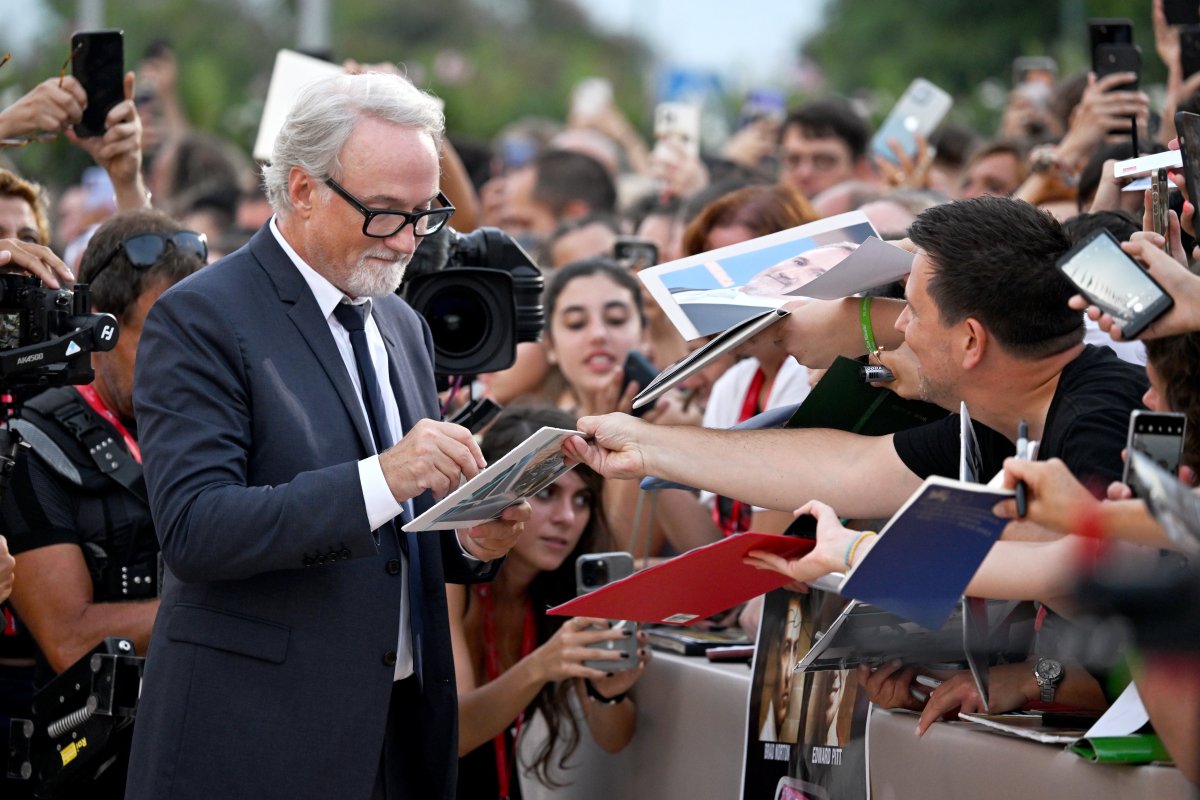
Ben Affleck, Director of Photography Jeff Cronenweth, Writer Kiva Reardon, Jesse Eisenberg, Robin Wright, and Director Tamra Davis, examine the films of David Fincher, whose mixture of craftsmanship and showmanship has created thrillers that cast a dark shadow over American cinema.
The retrospective supported by Netflix, Patron of the Cinémathèque Française (French Cinematheque), will open with a preview screening of The Killer followed by a discussion with Fincher. The next day, a screening of Zodiac will be followed by a Master Class with the director.
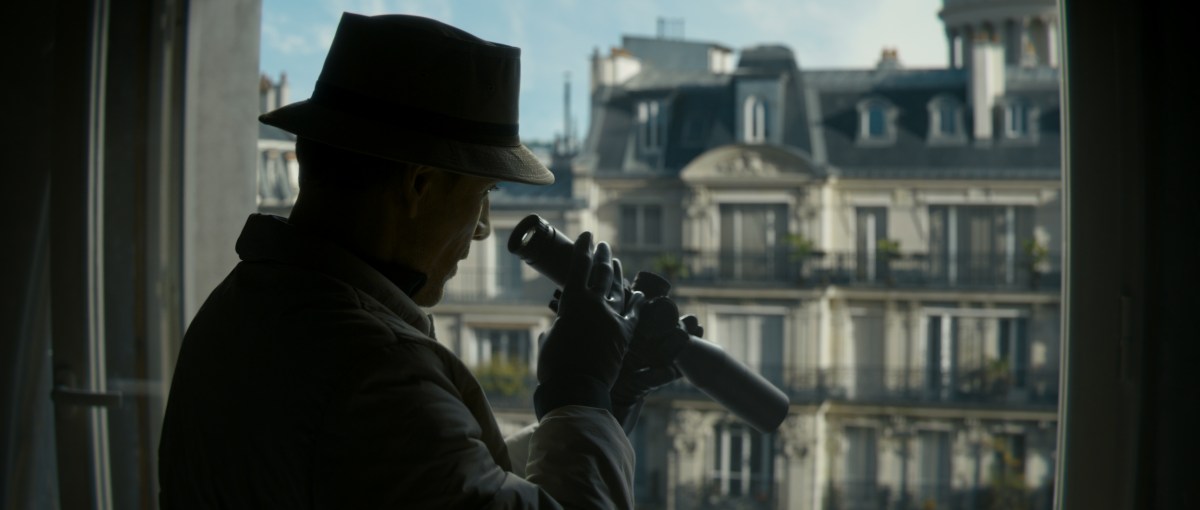
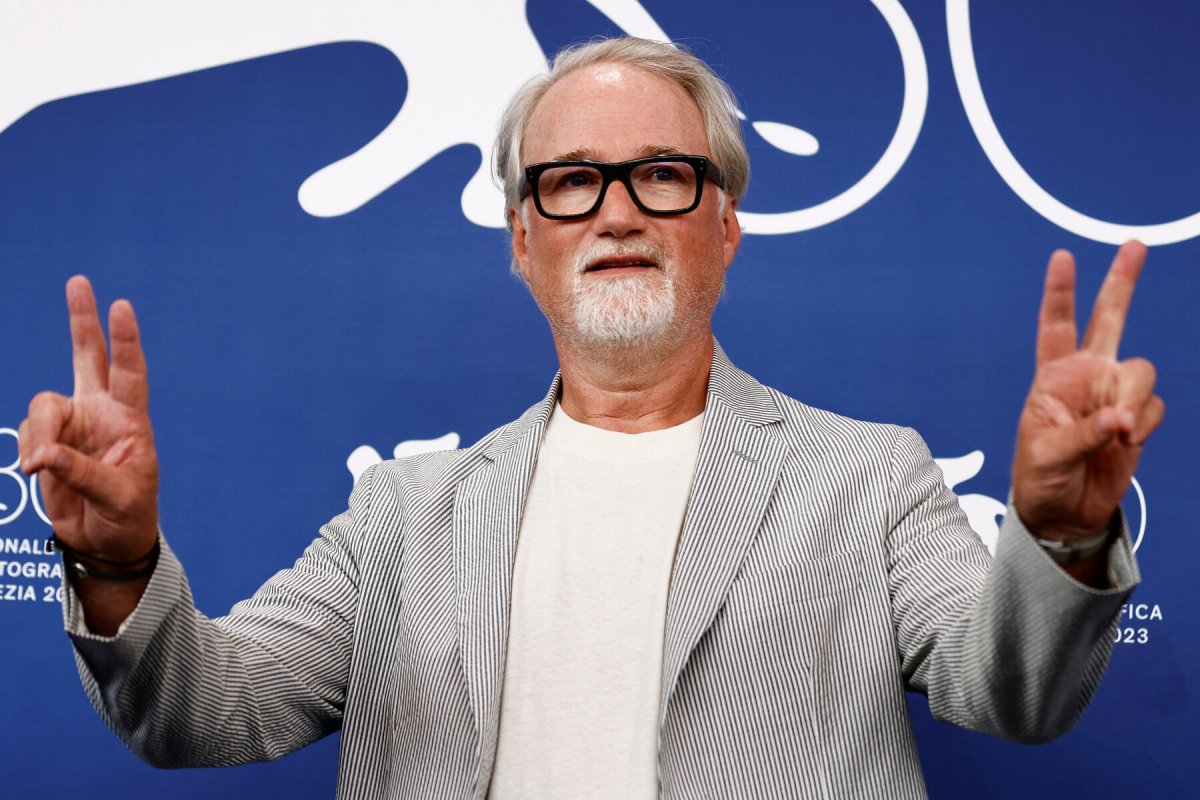
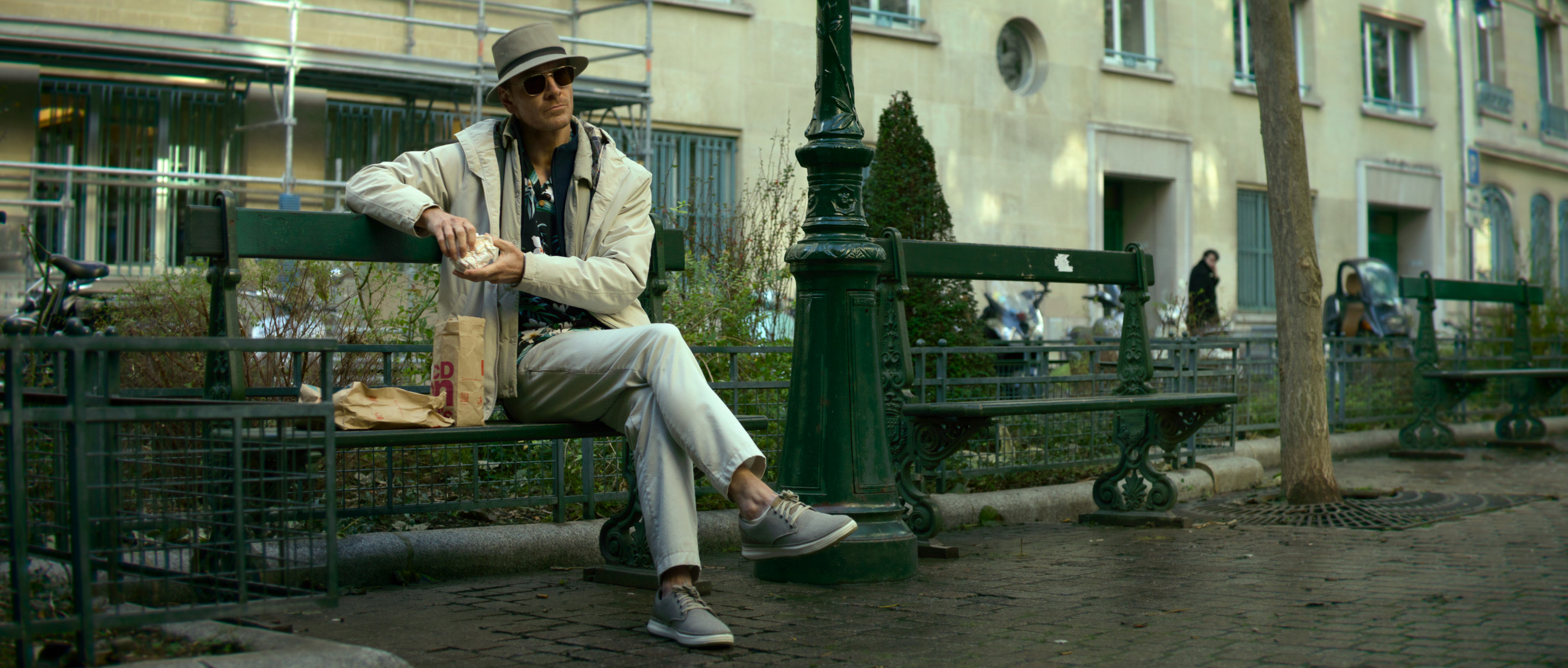
The Venice Film Festival has just announced its lineup for its upcoming 80th edition, running from August 30 to September 9. It includes the World Premiere in competition of David Fincher‘s upcoming film The Killer on Sunday, September 3, 7:30 pm CEST.
Logline: After a fateful near miss an assassin battles his employers, and himself, on an international manhunt he insists isn’t personal.
Cast: Michael Fassbender, Arliss Howard, Charles Parnell, Gabriel Polanco, Kerry O’Malley, Emiliano Pernía, Sala Baker, Sophie Charlotte, Tilda Swinton
Running Time: 1h 58m
Director’s Statement:
The Killer is my attempt to reconcile notions I’ve had for years about cinematic stories and their telling. I have always held: “What were you doing in Chinatown?… As little as possible”—to be the single greatest evocation of backstory I’ve ever heard. I was also playfully curious about the revenge genre as a tension delivery-system. So when Mr. Walker came aboard and fully embraced these notions/ questions about broad brushstrokes of understanding giving way to the blind-stitch of “moment expansion” – I felt we needed to try something. Mr. Fassbender’s 3-hour response time for: “Yes, let’s!” sealed it for us both and, of course, we all wanted Tilda (Mr. Walker wrote it with her in mind—but please don’t tell Ms. Swinton, she could become insufferable if she knows literally everyone feels this way about her.)
Frame & Reference is a conversation between Cinematographers hosted by Kenny McMillan. Each episode dives into the respective DP’s current and past work, as well as what influences and inspires them. These discussions are an entertaining and informative look into the world of making films through the lens of the people who shoot them.
Join me as I chat with Eigil Bryld, a hardworking Director of Photography, and we explore his recent projects – Extrapolations, The Machine, and No Hard Feelings, which had a very quick turnaround. Listen in as we share our thoughts on the writers’ strike against studios, its difference from the COVID-19 situation, and the luxury of being able to refuse work. We also discuss how saying no has sometimes led to even better opportunities.
We go on to discuss how Eigil’s background in documentaries has shaped his work in cinema, influencing his naturalistic approach to cinematography. His journey from documentary filmmaker to cinematographer is truly fascinating, as is his work on films like Wisconsin Death Trip. Hear about his approach to shooting films and the importance of placing the camera perfectly to capture the dynamics of a scene.
Bryld (left) operates one of the two cameras during the shot of a House of Cards Season 1 scene.
Finally, we spend a good chunk of time discussing his work with iconic director David Fincher and the lessons that came with it. Eigil shares his experience on House of Cards and the techniques he used to capture the perfect shot. We also discuss his approach to lighting, the importance of quick setup and breakdown of equipment, and the dance between the camera and the actors. All this and more in our enlightening conversation with Eigil Bryld!
Eigil Bryld won an Emmy Award for Outstanding Cinematography, for the episode “Chapter 1” of House of Cards (2013).