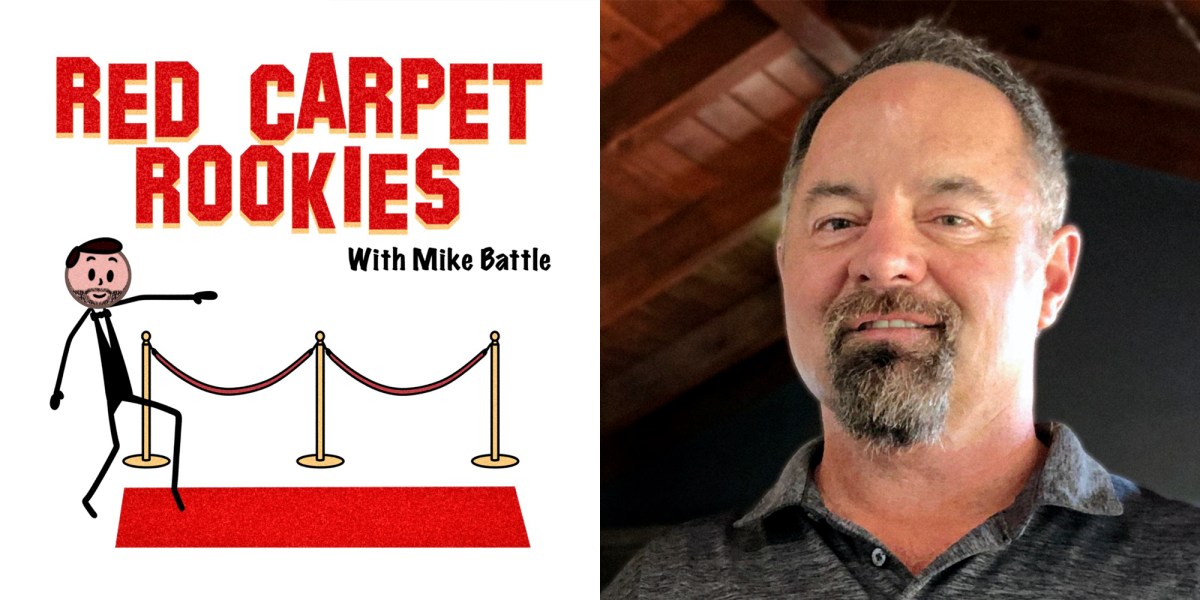
Red Carpet Rookies: Jeff Cronenweth. Cinematographer

Mike Battle
January 31, 2022
Red Carpet Rookies

In this episode, we’re joined by one of the world’s greatest Cinematographers, Jeff Cronenweth. Born into the film business, he grafted his way through the rungs of the camera department and music video scene of the 1990s, until he got the call from David Fincher to take the reins of Fight Club. From there it’s been a run of legendary movies including, One Hour Photo and Gone Girl, as well as The Social Network and The Girl With The Dragon Tattoo both of which he picked up Oscar nominations.

What you’ll learn from Jeff:

  • Jeff’s opinion on whether film school is still necessary
  • Whether music videos are still useful starting grounds for DPs
  • How Jeff get imposter syndrome on Fight Club
  • What it’s like to work with Aaron Sorkin
  • How does the DP Director relationship work
  • Jeff’s opinion on the film fanboys that constantly copy the ‘Fincher/Cronwneth aesthetic!’
  • Whether Jeff has taught David Fincher anything
  • What a day of prep is like for Fincher and Jeff

And of course in our quick-fire: Jeff’s no 1 piece of advice, favourite film, book to read, person to work with, and more.

Listen to the podcast:

Red Carpet Rookies (with a transcript)
Apple Podcast
Spotify
Google Podcasts
Follow Red Carpet Rookies: InstagramFacebookTwitter

Follow Mike: Instagram, Twitter

FilmLight Colour Awards: Eric Weidt with ‘Mank’

An interview with the winner for best colour grading in Theatrical Feature 2021

February 3, 2022
FilmLight

Presenting the winners of the FilmLight Colour Awards 2021.

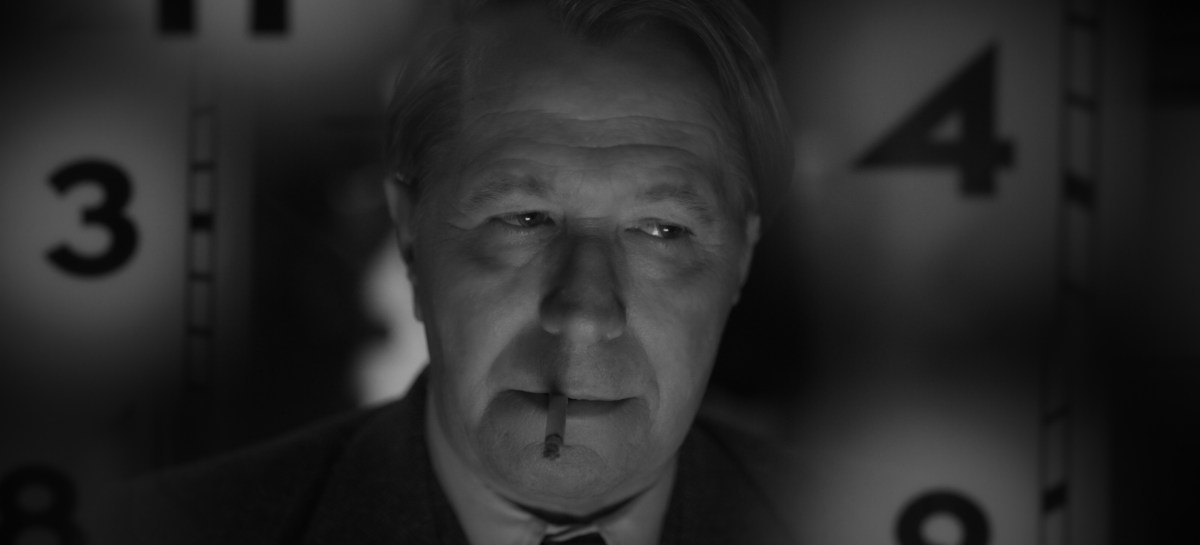
Winner, Theatrical Feature: Eric Weidt, for ‘Mank

The award for the grading of a theatrical feature went to Eric Weidt, who worked with DoP Erik Messerschmidt on ‘Mank’. Shot on an 8K RED camera, the movie is striking for its 30s Hollywood look combined with the crystal-sharp resolution.

Weidt also talks about his projects with Fincher for 2022.

Watch the video on YouTube

David Fincher’s “The Goon”. Development Hell

Andrew S. Baldwin
January 30, 2022
Supervoid Cinema (YouTube)

The Unmaking Of Movies. In-depth accounts of the ‘Greatest Movies Never Made’, Prominent ‘what ifs?’. Behind the scenes looks at canceled movies, lost projects, and the reasons why some projects went down in flames of development hell… Superman, Batman, Iron Man, Spider-Man, He-Man, Aliens, Hellboy, Robocop, and many more!

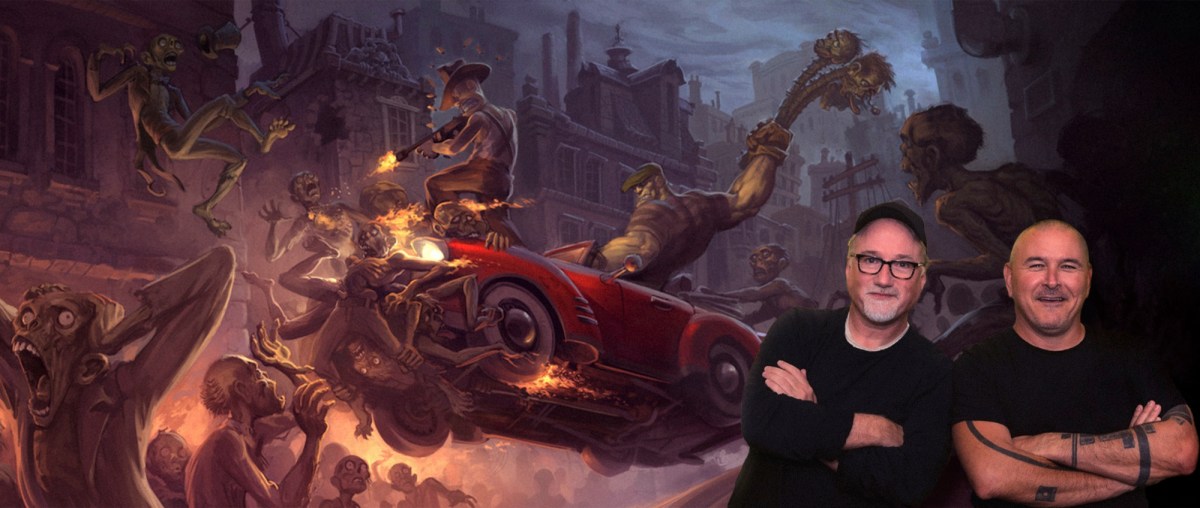
David Fincher has long been signed to produce a movie adaptation of Eric Powell‘s cult comic book: The Goon, published by Dark Horse, to be co-directed by Tim Miller and Jeff Fowler of Blur Studios with an original screenplay by Powell.

Video contains test animation for the David Fincher / Blur Studios / Dark Horse Entertainment produced film The Goon. Based on the Dark Horse Comic series by Eric Powell. Clancy Brown and Paul Giamatti provided the voices for this test. All artwork & footage belongs to its respective creators.

History of the 90s: David Fincher

Kathy Kenzora
January 26, 2022
History of the 90s (Twitter, Facebook, Instagram)

On History of the 90’s we’ll travel back in time through the stories that defined a decade. The last 10 years of the 20th century was a time like no other, from Columbine to Ruth Bader Ginsburg to Seinfeld, Air Jordan, and the Spice Girls… if it happened in the 90’s you’ll hear about it on this podcast. Join Kathy Kenzora as we journey through the History of the 90’s every other Wednesday.

In the 1990’s director David Fincher brought us classic movies like Seven and Fight Club, making his mark on the industry as one the best film makers of his generation.  But Fincher’s impact on the decade stretches beyond movies.  Through dozens of TV commercials and music videos Fincher helped style the 90s.

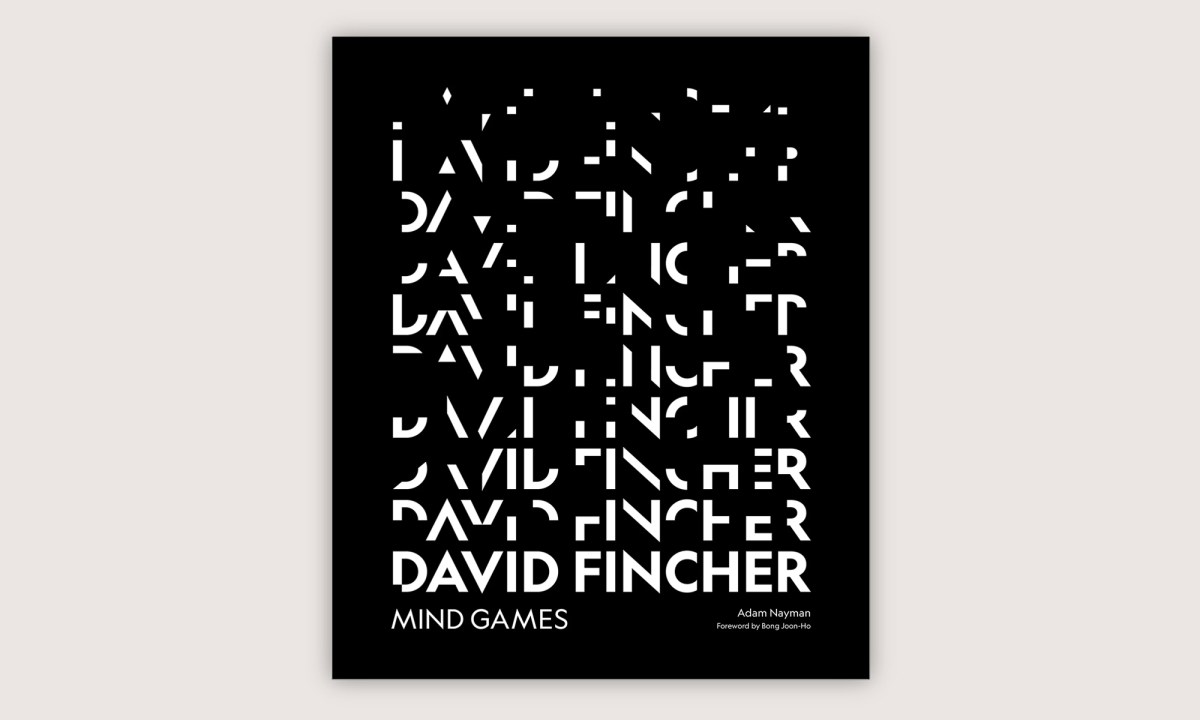
Guest: Adam Nayman, author of David Fincher: Mind Games

Listen to the podcast:

CuriousCast
Apple Podcasts
Spotify

The cinematography of “VOIR: Summer of the Shark”

January 2022: Weathering the storm

Mark London Williams
January 2022
British Cinematographer

We open this year’s column with a kind of meta reflection on cinematography itself, as contained in the recent Netflix series Voir.

Continentally savvy readers already know “voir” means “to see,” but this is a series about “seeing” movies, cinema, in the broadest sense, which is to say, what films mean, and what effect they have on both individuals, and the world at large. It’s done in a series of visual meditations, usually on the specific film in question which sent the various narrators into their respective futures as essayists, bloggers, reviewers, and makers of the medium. 

From producers David Fincher and David PriorVoir dropped with vastly less fanfare accorded to something like a new Cobra Kai or Witcher season, perhaps because it’s non-fiction, or more likely, because each episode averages about fifteen minutes. They are shorts in other words. About movies.

We caught up with cinematographer Martim Vian, who shot four of the series’ six episodes. The one we wanted to really talk to him about though, was the first one (if simultaneously dropped episodes can be said to have an order), called Summer of the Shark

Read the full article

Voir. Cr. Netflix © 2021

Cinematographer Martim Vian Shares the Importance of Eliciting Nostalgia in Netflix’s Voir

January 19, 2022
ProductionHUB

David Fincher and David Prior are producers on Netflix‘s latest upcoming series Voir— a series of visual essays celebrating Cinema and the personal connection we each have to the stories we see on the big screen.

Each episode celebrates various aspects of cinema through interviews and personal anecdotes from historians and filmmakers. The series’ cinematographer, Martim Vian, spoke exclusively to ProductionHUB about his specific vision for the series, the importance of personal and historical anecdotes, and the impact of Vior on the viewer. 

Read the full interview

Dakota Johnson and Andrew Garfield on What The Social Network Taught Them—And Where It Took Them

The stars of The Lost Daughter and Tick, Tick…Boom! also reflect on the weight of franchise fame: “It takes a lot to be private now.”

Rebecca Ford
January 18, 2022
Vanity Fair

In Reunited, Awards Insider hosts a conversation between two Oscar contenders who have collaborated on a previous project. Here, we speak with Lost Daughter actor Dakota Johnson and Tick, Tick…Boom! star Andrew Garfield, who previously appeared together in the 2010 drama The Social Network.

The Social Network, David Fincher’s 2010 drama about Mark Zuckerberg and the creation of Facebook, has remained firmly part of the cultural conversation—after all, the influence of the social media network on our lives and politics has only increased. But this year also brings an opportunity to celebrate two of its stars who are making their way through the awards circuit: Andrew Garfield, who played Eduardo Saverin, and Dakota Johnson, who, in her first film role, played Amelia Ritter.

The 32-year-old Johnson, who went on to lead the Fifty Shades franchise, plays a conflicted young mother in Maggie Gyllenhaal’s The Lost Daughter. And Garfield, 38, who went on to don the Spider-Man suit for two films before diving into more auteur-driven fare like Hacksaw Ridge and Silence, delivers a career-best performance as Rent creator Jonathan Larson in Lin-Manuel Miranda’s Tick, Tick…Boom!

Their current projects could not be more different, but their paths to get to them, from the early days of The Social Network to leading big franchises (and the fandom that comes with that), have been eerily similar. Vanity Fair reunited the two in Los Angeles for a conversation about filming with Fincher, dealing with the spotlight of fame, and the “rotten fish” of social media.

Read the full interview

Andrew Garfield & Dakota Johnson Reunite After 11 Years

David Fincher and the Cinema of Doomscrolling

A conversation with Adam Nayman about the filmmaker’s style and obsessions.

Alex Shephard
January 18, 2022
Critical Mass (The New Republic)

David Fincher’s films are full of doubles, puzzles, and tantalizing glimpses of the director himself. As Adam Nayman writes in his new book about Fincher’s films, Mind Games, “Fincher imposes his presence through the actions and psychologies of thinly veiled proxies: Clockmakers and safecrackers; hackers and terrorists; detectives and serial killers.” These are films that are, like their director, obsessed with procedure and appearance—and intent on puncturing both.

These films are, perhaps because of their complexity or their (at least outward) coldness—or perhaps because of Fincher’s own past as a director of music videos and advertisements—misunderstood or even dismissed. In the past decade alone, Fincher’s The Social Network and, especially, Gone Girl have received radical reappraisals, while Zodiac has been seen by many as one of the best films of the twenty-first century. Mind Games is particularly valuable in its willingness to critically engage with much of Fincher’s less-appreciated output—from his work in advertising to films like Benjamin Button and The Girl With the Dragon Tattoo. But Nayman, the author of similar studies of the Coen brothers and Paul Thomas Anderson, also deepens the understanding of films by situating them in an oeuvre that has been obsessively looking at many of the same themes for decades.

Read the full interview

Riverside Chats with Tom Knoblauch: Adam Nayman on “David Fincher: Mind Games”

Tom Knoblauch
January 16, 2022
Riverside Chats with Tom Knoblauch (Twitter, Facebook, Instagram)

Riverside Chats is a series of conversations hosted by Tom Knoblauch exploring culture of all kinds, broadcast from the Heartland. Listen on KIOS 91.5 Omaha Public Radio on Mondays and Saturdays or on your favorite podcast app.

Adam Nayman is a critic at The Ringer and Cinema Scope and he is also the author of The Coen Brothers: This Book Really Ties the Room Together and Paul Thomas Anderson: Masterworks, which he discussed in an earlier episode of this show.

His latest book, David Fincher: Mind Games is a critical and visual survey of the filmmaker behind incredibly influential works include Seven, Fight Club, The Curious Case of Benjamin Button, The Social Network, The Girl with the Dragon Tattoo, and Gone Girl, and more. Nayman gives context, analysis, links themes, and conducts interviews with various people involved across Fincher’s career, grouping Fincher’s work around themes of procedure, imprisonment, paranoia, prestige, and relationship dynamics. Today he talks about Fincher’s career and shifting place in the cinematic landscape.

Check out David Fincher: Mind Games wherever you get books.

Support the podcast

Listen to this episode:

Apple Podcasts
Spotify
Google Podcasts
RadioPublic

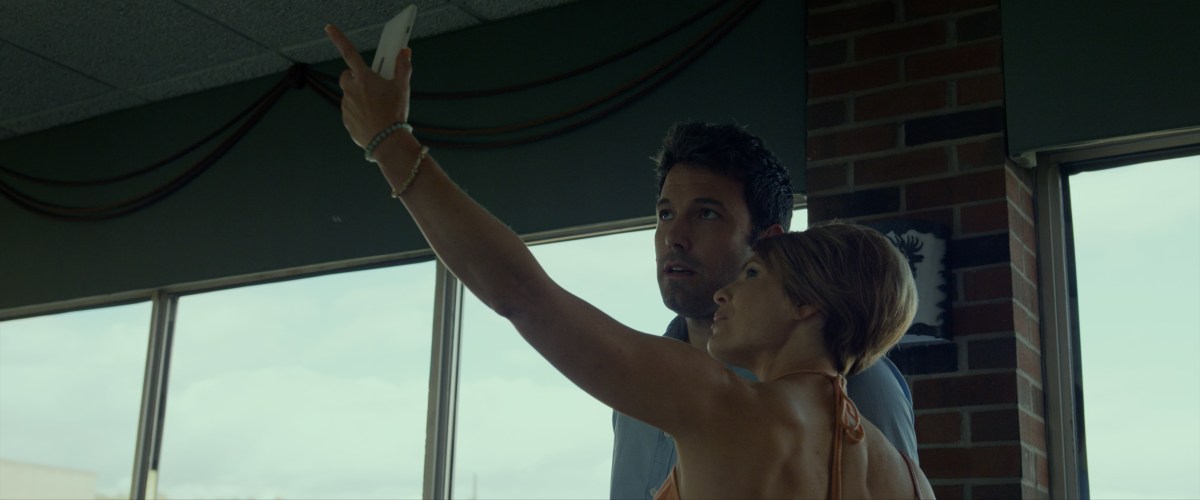
A short Q&A with “David Fincher: Mind Games” author Adam Nayman about “Gone Girl”

Gone Girl is really an iconic account of a woman sending her husband back to the streets, when you really think about it.

Hunter Harris
January 15, 2022
Hung Up

Leos think about other leos a lot, or at least that’s what I’m telling myself. Tonight, I wanted to think a little bit more about OOMF Back in his Gone Girl Era, or, that specific Ben Affleck quality/intonation/villainous chin that makes everything he says come out all wrong. What better movie is a case study for this than the movie in which it was deployed demonically and perfectly? I am speaking, of course, about Gone Girl.

Tonight: a short Q&A with David Fincher: Mind Games author Adam Nayman about the 2014 David Fincher, um, love story. “Gone Girl is a culmination of one of the things I really like about Fincher: it’s a movie about communication, the way that we kind of self mediate our images online. It was kind of ahead of the curve in that way. It still feels very state of the art — even though it’s not really a Twitter, Instagram movie, and some of the actual social media features on it date it to 2014 — it just feels really post-millennial and contemporary,” Nayman told me.

Devoted Hung Up readers will recall that Nayman and I previously talked about Phantom Thread and his Paul Thomas Anderson book, Masterworks.

Read the full interview