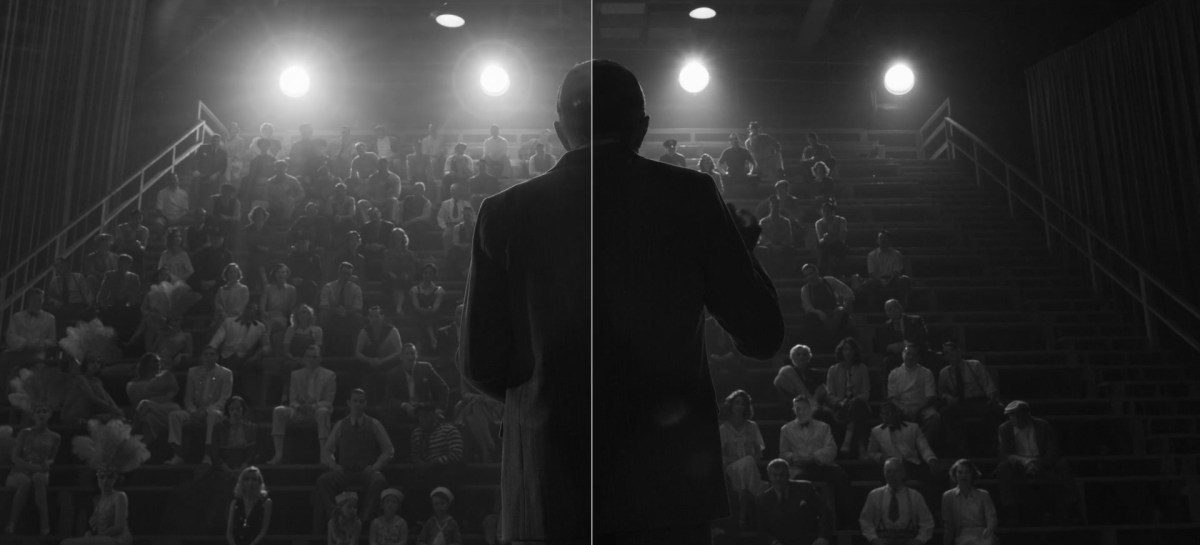
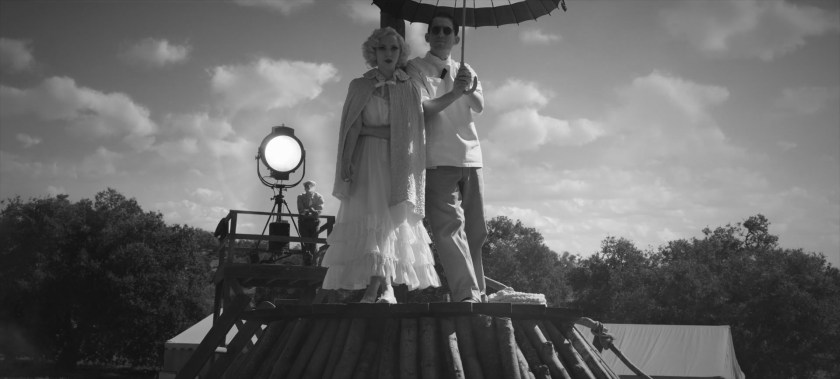
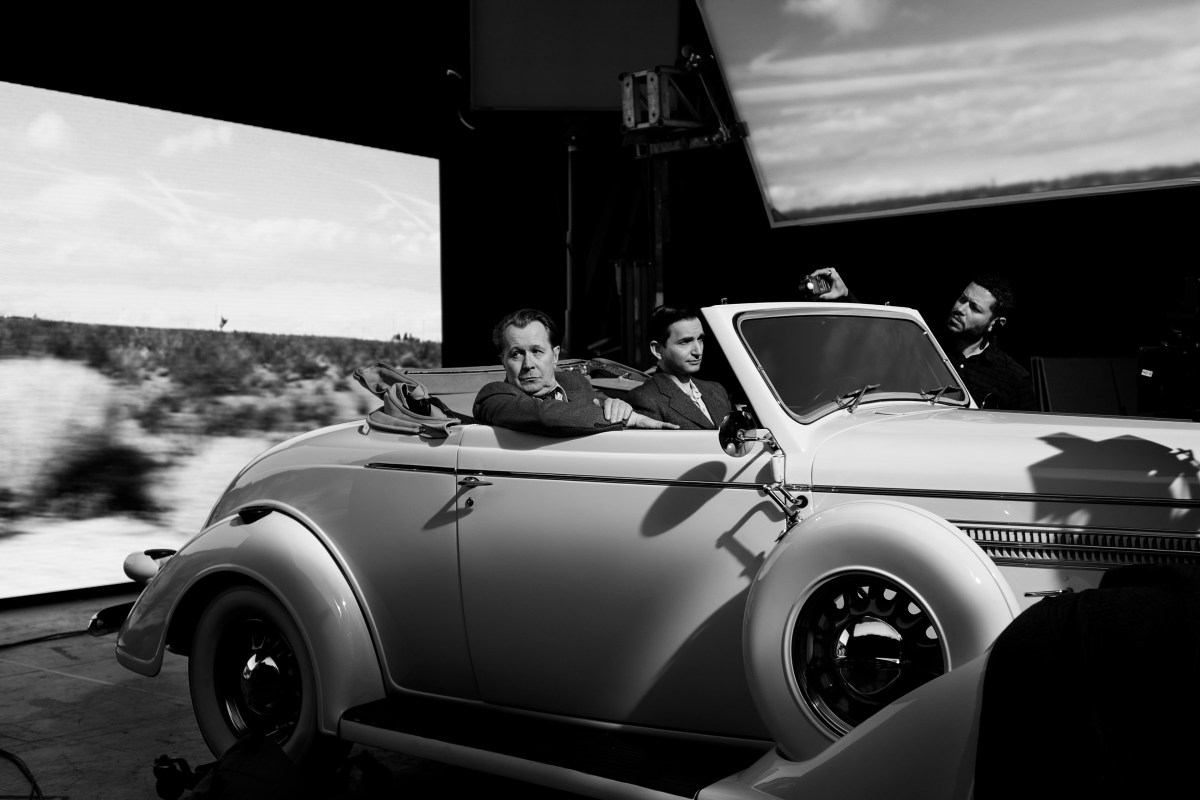
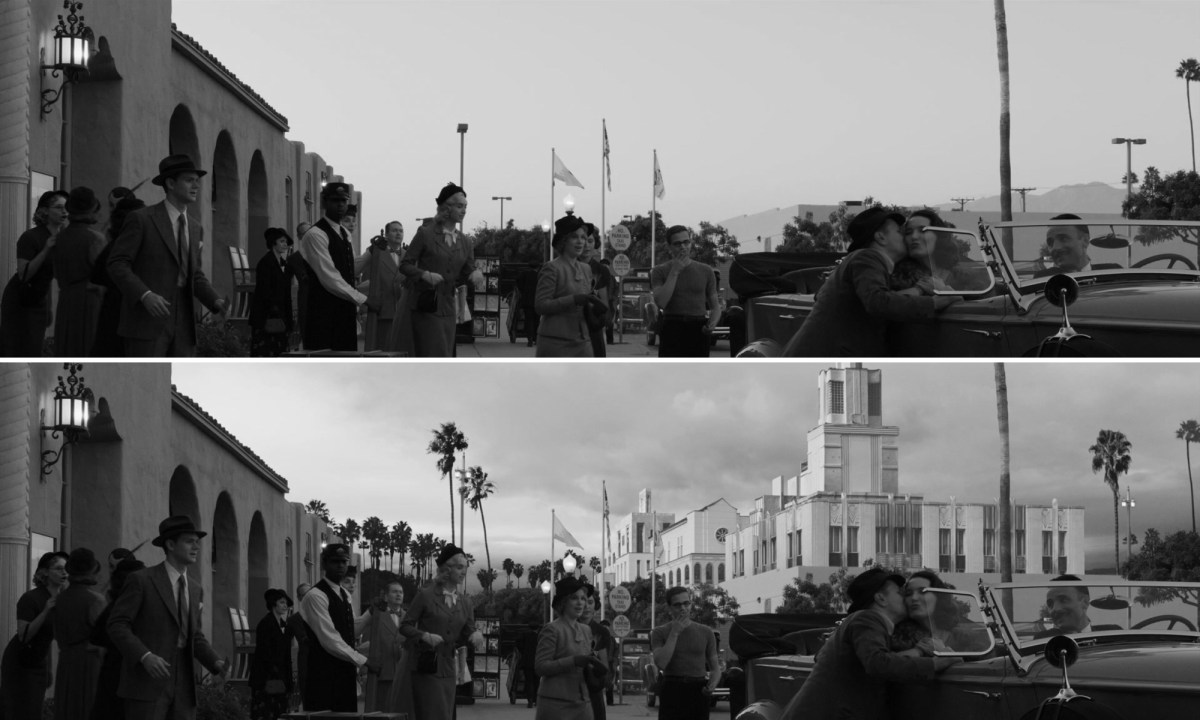
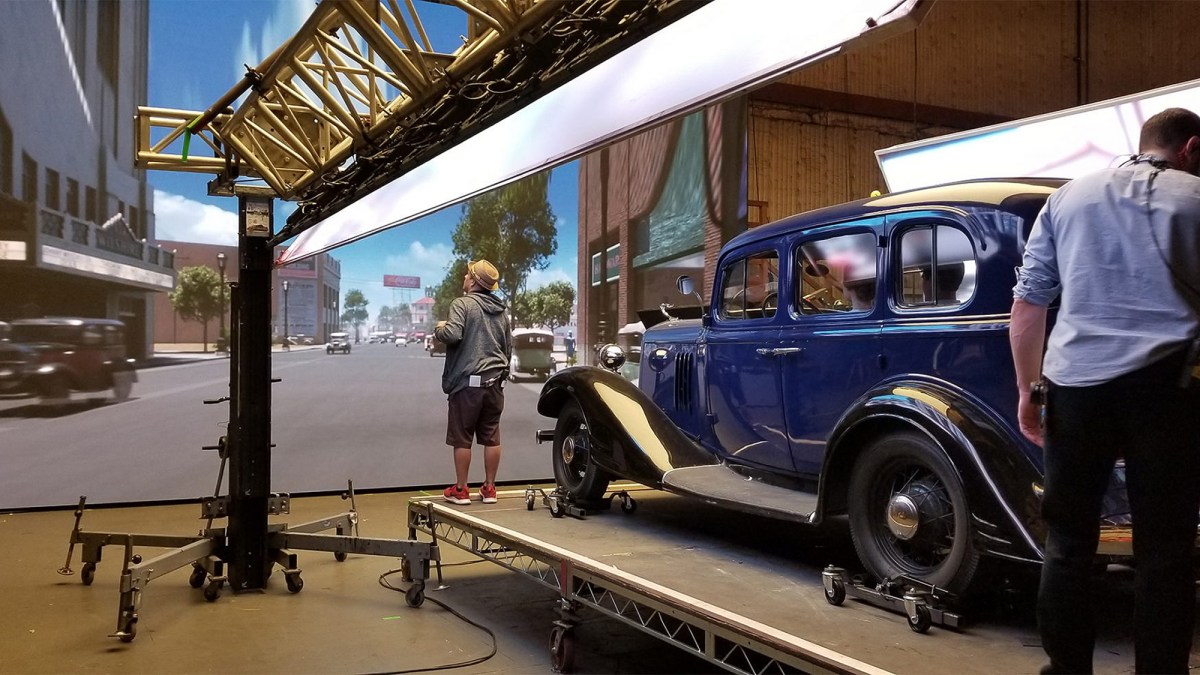
I recently had the chance to ask Territory Studio about their visual effects work for Mank, which involved the re-creation of Wilshire Blvd from the 1930s. Like those shots, so much of Mank’s VFX work was invisible, involving subtle augmentations to tell the period story.
Overseeing these visual effects shots was director David Fincher himself, alongside co-producer Peter Mavromates, and the film’s art department. Fincher and Mavromates co-ordinated an outside effort, also, led by four VFX supervisors at different studios: Artemple (Wei Zheng), Territory Studio (Simon Carr), Savage(John Pastorious) and ILM (Pablo Helman).
In this befores & afters conversation, Mavromates discusses the various VFX work—from sky replacements to matte paintings, to CG animals and what he calls ‘body-and-fender’ shots—that helped tell Mank’s tale.
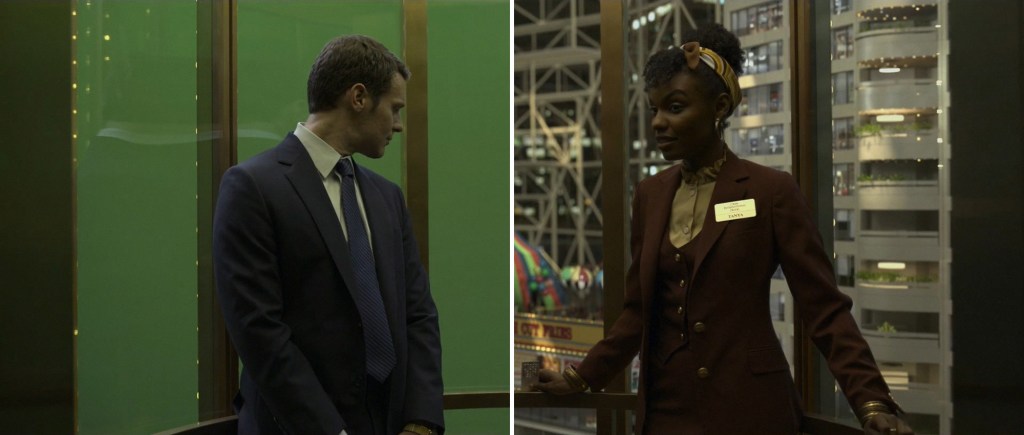
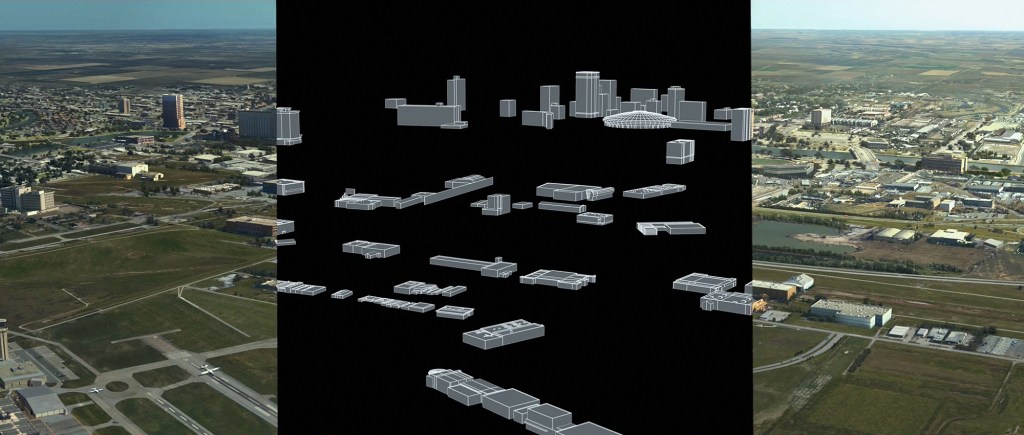
The brief was to recreate a section of 1930s Wilshire Boulevard to play on an LED rear projection behind Mank and his wife Sara. Authenticity was key, we wanted to ensure this recreation blended into the background seamlessly and convincingly. The final sequence feels very much as David described in our initial brief: “We’re making a 1930s style film with rear projection, but with the very latest digital technology we’ve been able to improve upon it and transport the audience back to Hollywood’s golden era.”
Simon Carr, VFX Supervisor at Territory Studio:
“It was a great privilege to work on such a visually stunning movie for an eminent director, and to be able to dive into recreating the period details of 1930’s Wilshire Boulevard. To see the sequence come together in-camera as a perfect blend of old style and new technique is the essence of how VFX should be used.”
Academy Award-nominated Cinematographer Jeff Cronenweth (Fight Club, The Social Network, The Girl with the Dragon Tattoo, Gone Girl) breaks down the visual decisions behind some of the most studied films of the past three decades, and what it actually takes to build imagery that lasts.
Cronenweth explains how he and David Fincher approached the unreliable narrator problem in Fight Club, why the opening scene of The Social Network was shot with crossing cameras instead of traditional coverage, and how shallow depth of field became the primary tool for conveying isolation in Tales from the Loop. He also gets into why fear is essential to staying sharp, and why fighting for every single shot matters more than most cinematographers realize.
If you have ever wondered how great cinematographers make technical decisions in service of emotion rather than spectacle, this conversation gets into the specifics.
Learn how the new movement toward reanimating camera movement, stabilizing, and reframing shots in post is taking shape! Chad Peter and Tai Logsdon have been on the forefront of this change and will discuss how it all began and how it’s being done today, with lots of details and examples from Mind Hunter, Bird Man, Homecoming & Mr. Robot.
Writer / Director (DGA) / VFX Supervisor originally from Colorado – Chad Peter has worked as VFX supervisor & additional director (inserts) on the final season of “Mr. Robot”, as well as VFX Super on Amazon’s “Homecoming” season 1. Previously, Chad had served as an in-house VFX on “Mindhunter” s1 & s2, “House of Cards” s2 thru s4, “Gone Girl” and more.
Tai Logsdon grew up in the Central Valley of California, graduated from Chapman University in 2006, and has worked as in-House VFX Manager for shows such as Amazon’s “Homecoming” and USA’s “Mr.Robot” (the final season).
If you’ve watched David Fincher’s Mindhunter series about the development of the FBI’s Behavioural Science Unit from the late 1970’s through to 1980s, then you’ll already know there’s a certain kind of meticulousness to the Netflix show in each episode.
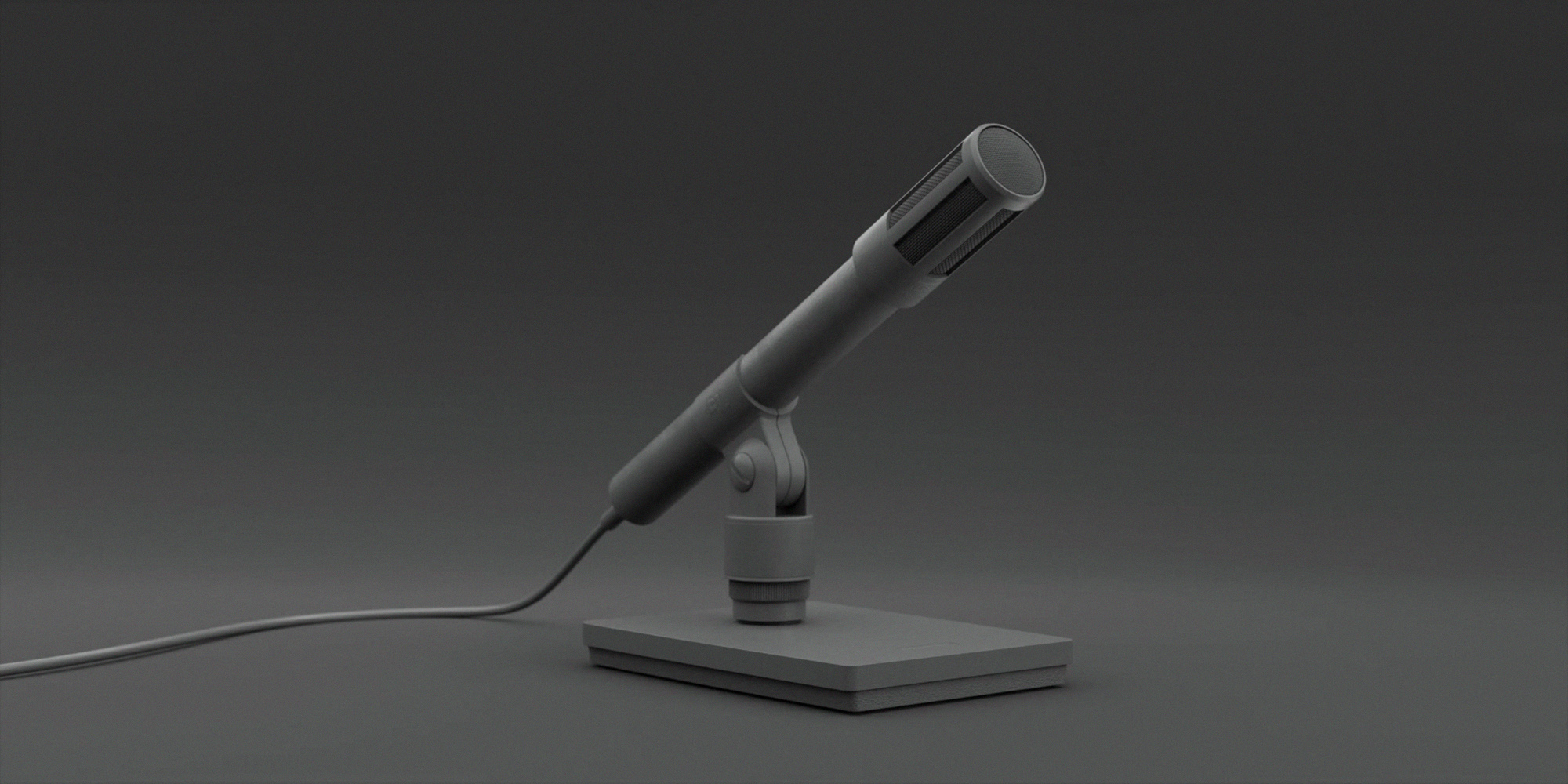
Well, that same kind of detail was added even to this promo for season 2 of series that got shown on social media. And it all revolved around…a microphone.
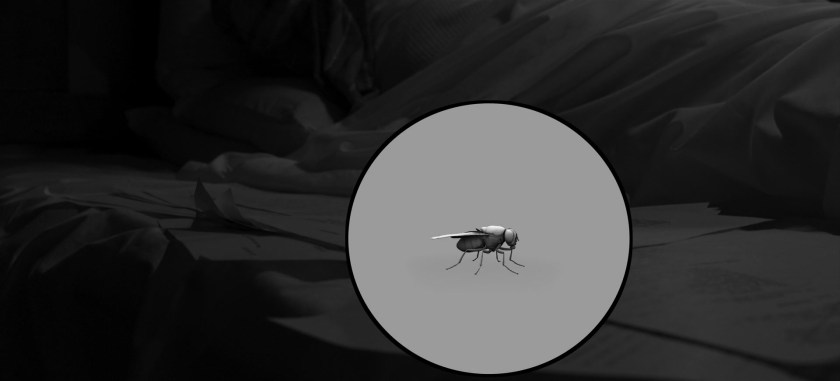
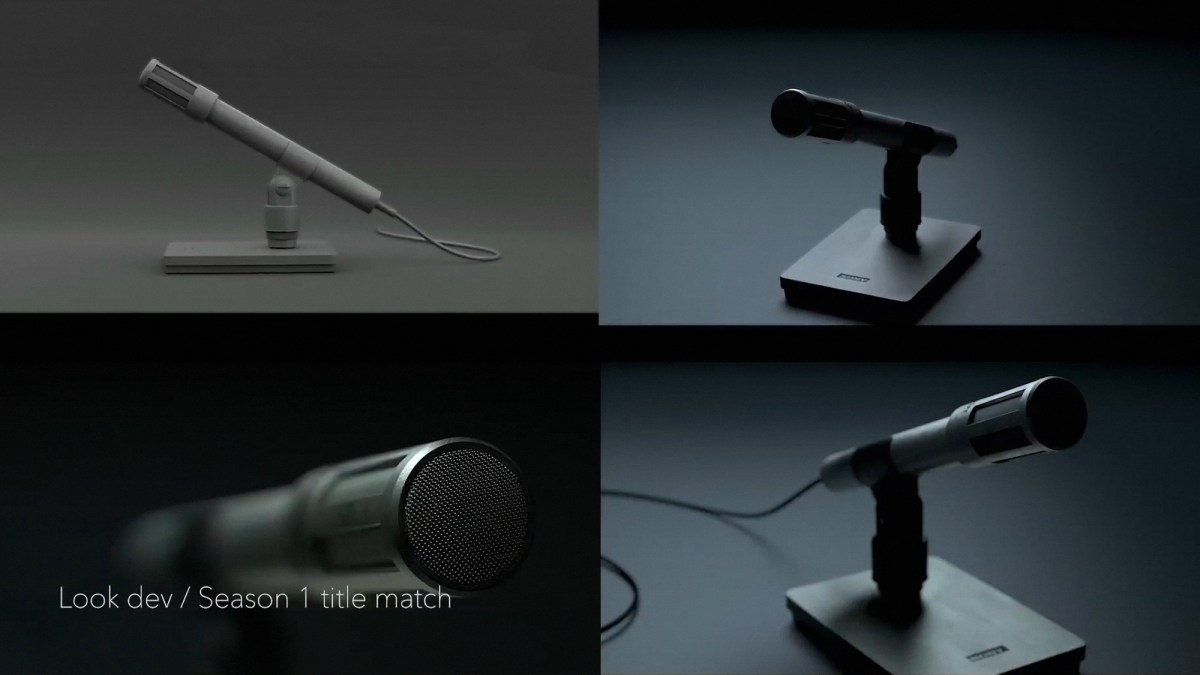
Tasked with creating a mic in between agents Ford and Tench in a police interrogation cell was Territory Studio, which also handled a few other clean-ups in the push-in shot.
Here’s the story, step-by-step, of how Territory – led by VFX Supervisor Simon Carr and VFX Producer Robin D’Arcy – researched the prop itself (even taking a used version apart), modeled it in CG and finished the shot.
Charting the development of the FBI’s behavioural science unit in late 1970’s USA, and based on the true-crime book ‘Mindhunter: Inside the FBI’s Elite Serial Crime Unit‘, Netflix‘s TV series required an effortless recreation of time and place.
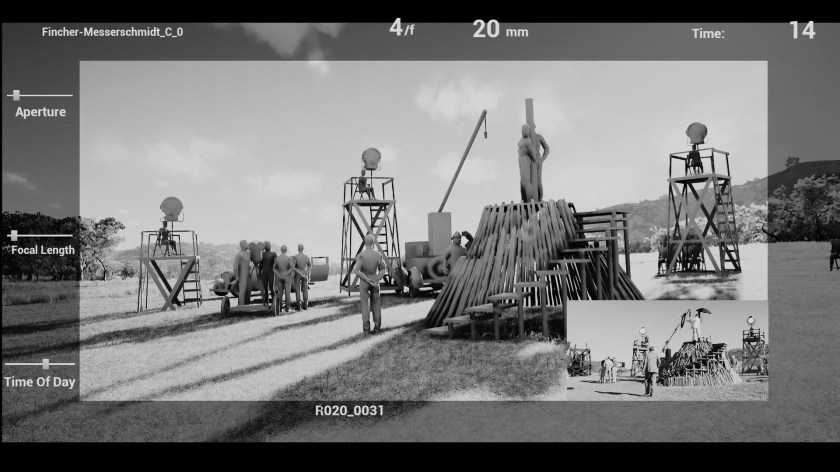
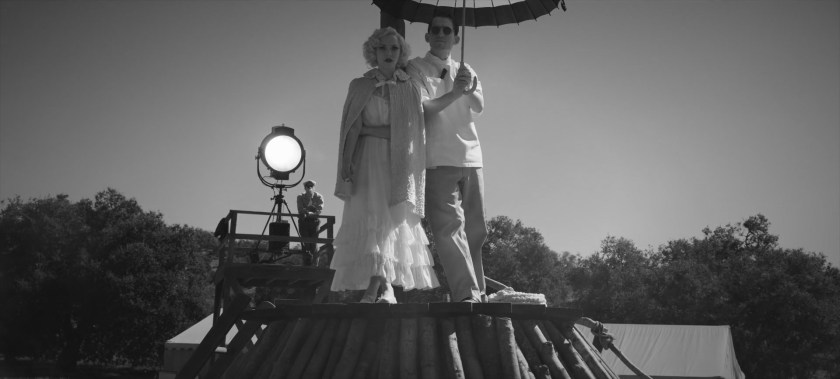
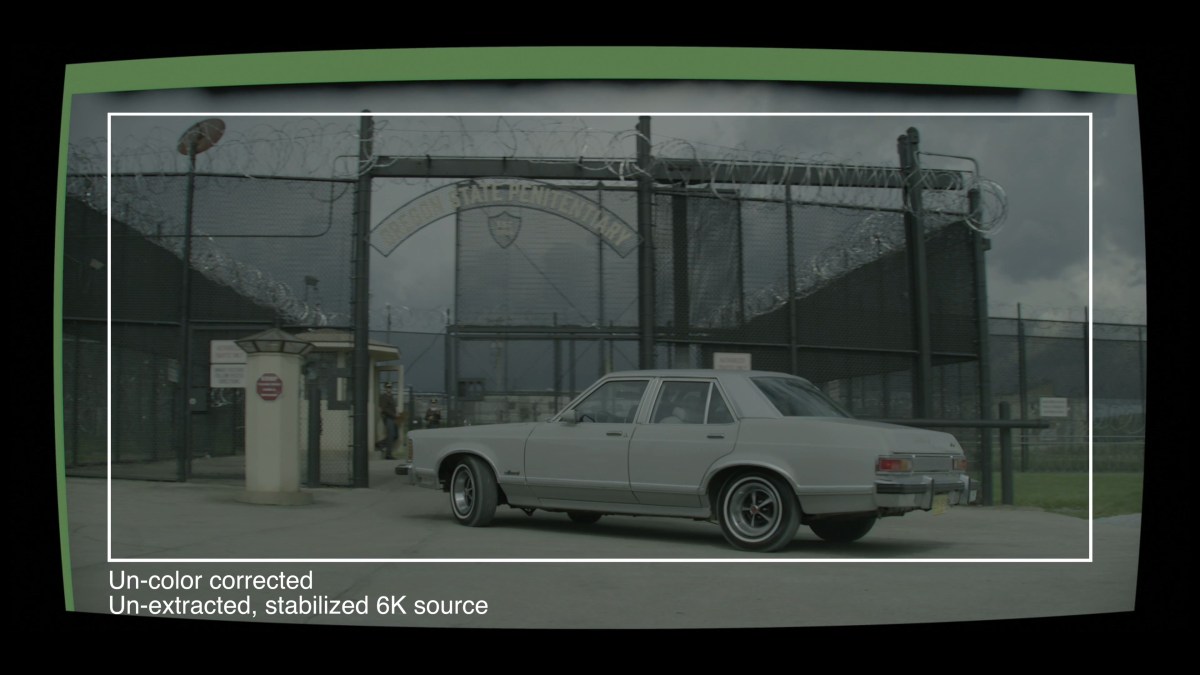
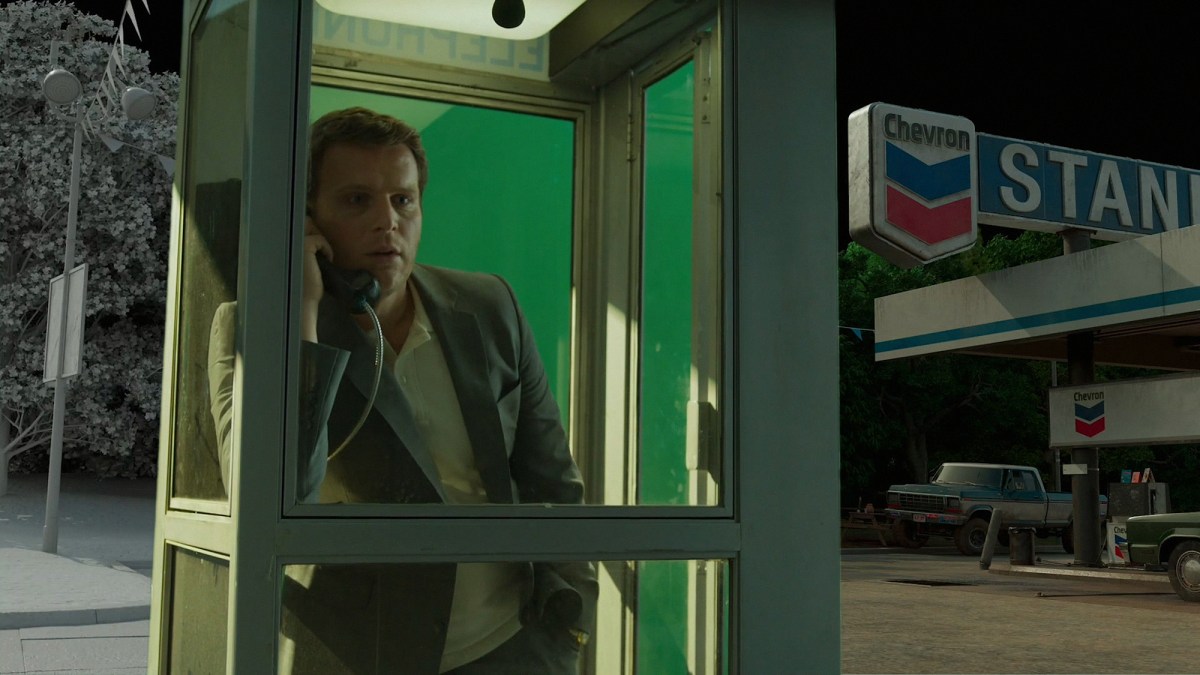
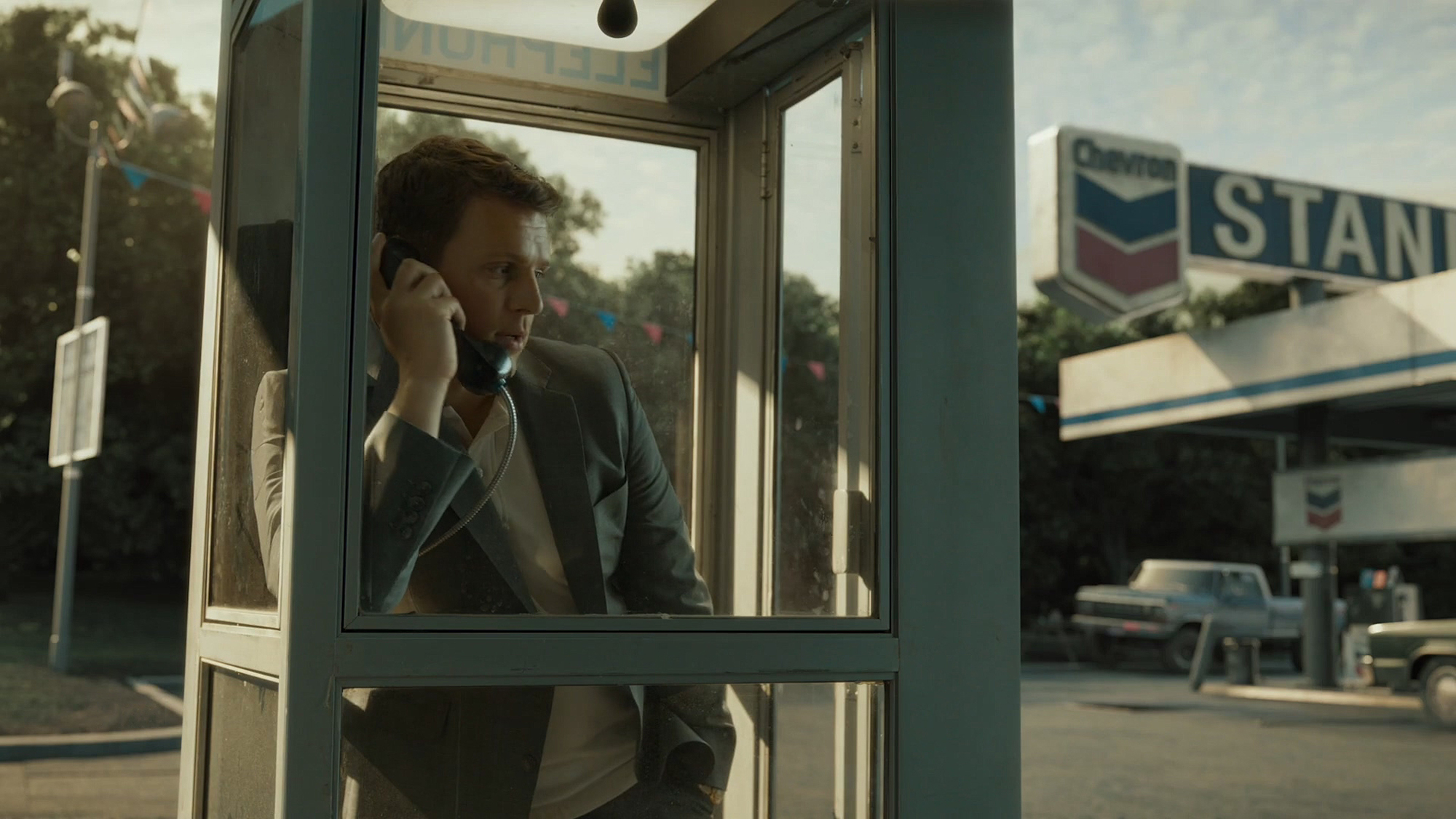
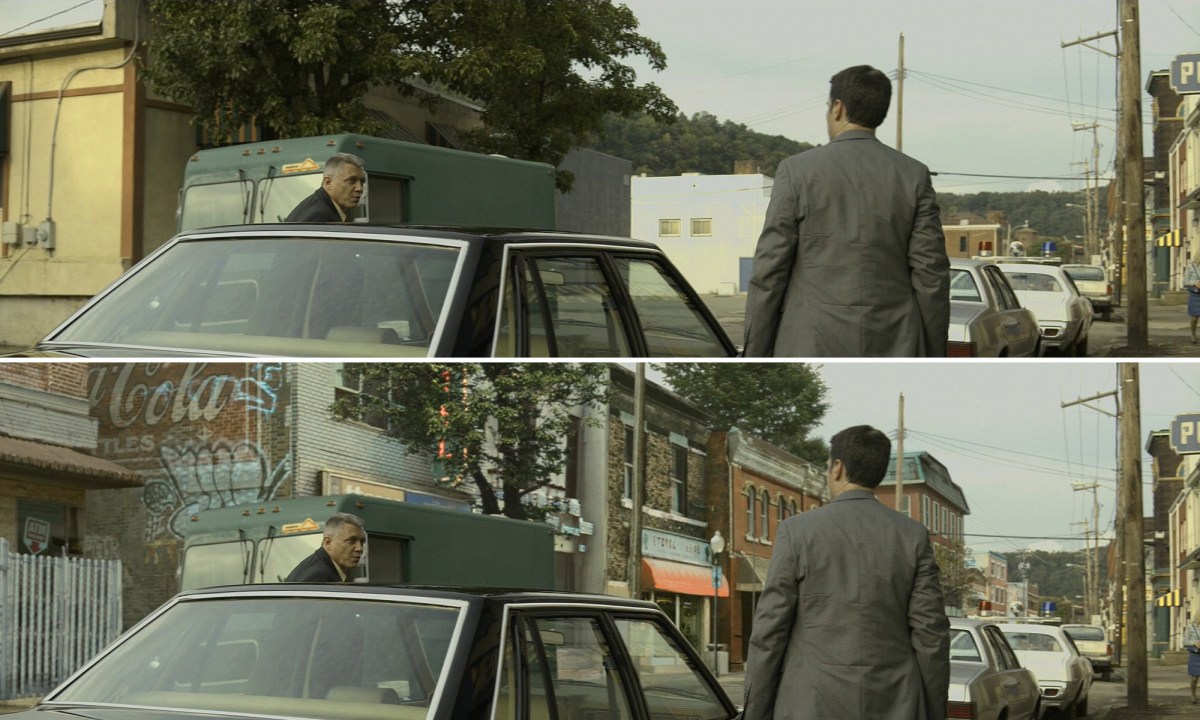
We worked with the production team behind Netflix’s second season of Mindhunter, initially to produce a promo shot which was published across their social media channels, and then to create some stand-alone VFX shots. The scene shots ranged from creating CG backdrops, torches and microphones, to recreating authentic vehicles and helicopters for search scenes. This fascinating series allowed us to become part of legendary Director, David Fincher’s world.
With microphones providing a pivotal accessory throughout both seasons, we were asked to create a teaser recreating their iconic first microphone, which also features in the opening credits, in CG. The teaser was used across their official Facebook, Twitter and Instagram channels before the launch of season 2, garnering hundreds of thousands of views.
… to final scene shots…
Providing final shots in 6K meant working in the finest of detail, at the highest quality. Working closely with Fincher, and the producer, Peter Mavromates, feedback was precise and invaluable, making for a smooth and speedy process. From researching types of trees for the woodland car scene, to playing with atmospheric lighting and weather conditions, we enjoyed this project from start to finish.
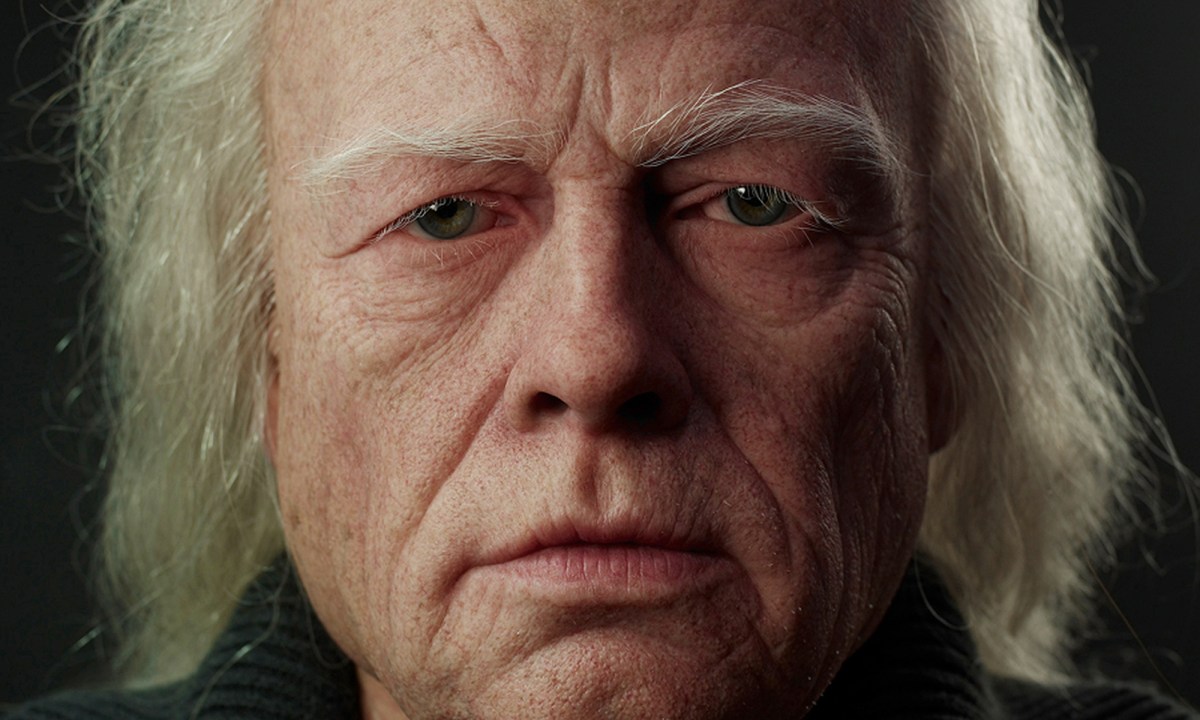
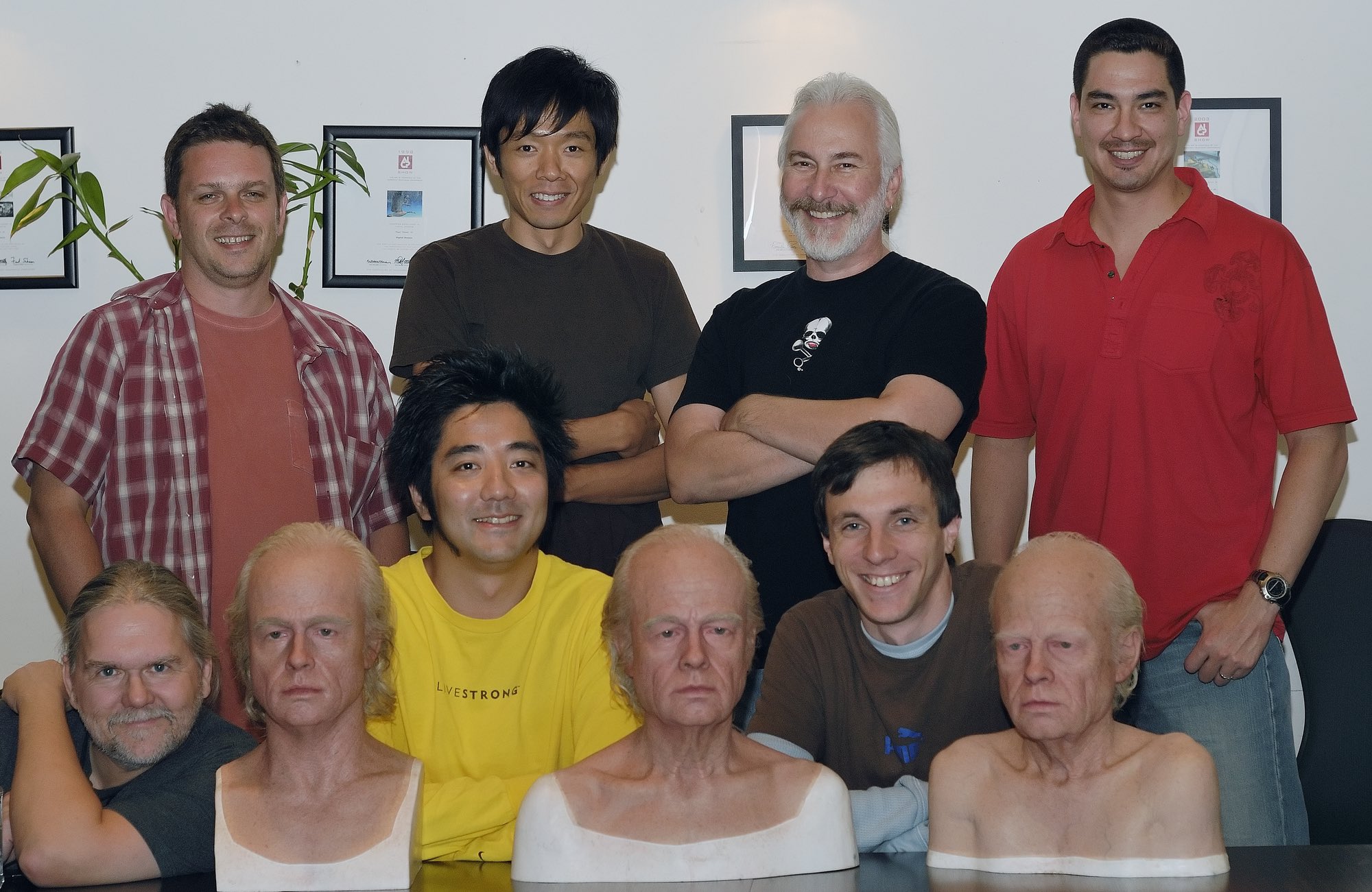
Rick Baker’s Cinovation Studios deliver the aged Brad Pitt silicone heads by Kazu Hiro to Digital Domain to be digitally scanned. Top center: Kazu Hiro and Rick Baker. Top right: Eric Barba, Visual Effects Supervisor for Digital Domain (Kazu Hiro, 2006)
Sculptor and Special Make-Up Effects Artist Kazu Hiro (Make-Up Artist Magazine, 2018)