Mank: Interviews. Amanda Seyfried

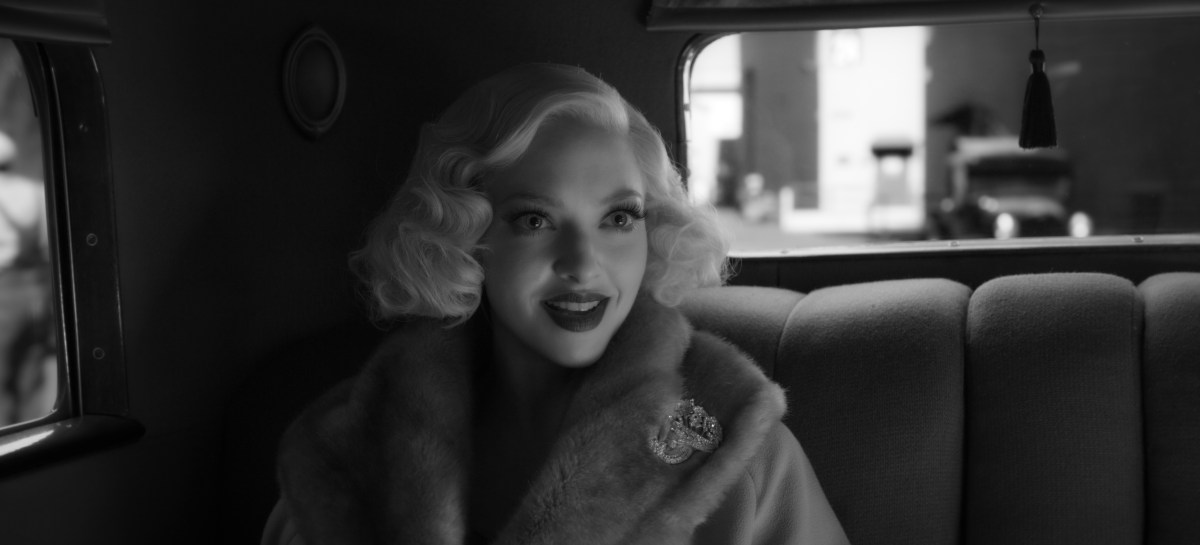
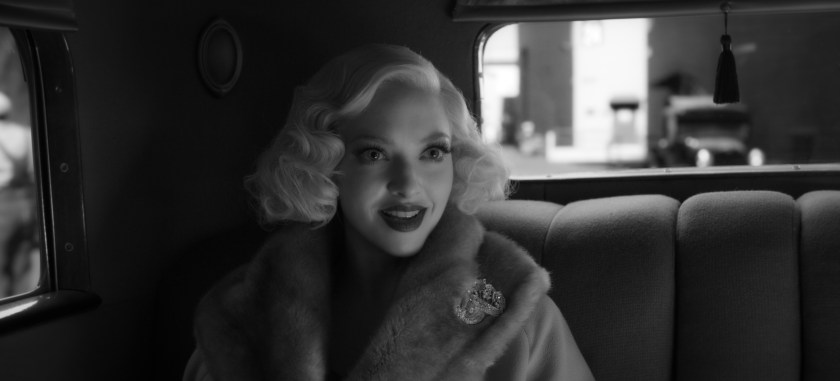
Amanda Seyfried plays actress Marion Davies, life partner of William Randolph Hearst, in Mank.

Amanda Seyfried, Mank, Best party, Dad’s response, fame & motherhood

Margaret Gardiner (YouTube)
October 31, 2020

Breaking Entertainment News: Amanda Seyfried on MANK

Golden Globes (YouTube)
November 13, 2020

Amanda Seyfried Talks MANK, Playing Marion Davies, Filming Multiple Takes with David Fincher

Jake’s Takes (YouTube)
November 19, 2020

Interview: Amanda Seyfried – Mank

CineXpress (YouTube)
November 23, 2020

Amanda Seyfried über “Mank”

CINEMA-Magazin (YouTube)
November 25, 2020

Amanda Seyfried: intervista ai protagonisti di Mank di David Fincher

Cinefilos_it (YouTube)
November 28, 2020

Could Amanda Seyfried bag an Oscar for Netflix movie Mank?

On Demand Entertainment (YouTube)
November 29, 2020

Amanda Seyfried On Netflix’s ‘Mank’: ‘It Just Couldn’t Get Any More Beautiful’

CBS Los Angeles (YouTube)
November 30, 2020

Nelson Aspen chats with Amanda Seyfried & Lily Collins about “Mank”

NelsonAspen (YouTube)
November 30, 2020

Amanda Seyfried Mank Interview

DE PELICULA (YouTube)
December 1, 2020

Amanda Seyfried MANK Interview | Netflix

kinowetter (YouTube)
December 2, 2020

Interview: Amanda Seyfried on working with David Fincher on Mank

Próxima Tanda (YouTube)
December 2, 2020

Amanda Seyfried Interview – “Mank”

Paul’s Trip to the Movies (YouTube)
December 2, 2020

MANK – AMANDA SEYFRIED INTERVIEW (2020)

Bonnie Laufer Krebs (YouTube)
December 2, 2020

Conversations: Amanda Seyfried

FilmGordon (YouTube)
December 2, 2020

Amanda Seyfried On The Dream She Never Thought She Had

Sarina Bellissimo (YouTube)
December 3, 2020

Interview: Amanda Seyfried star of ‘Mank’ (Netflix)

AwardsWatch (YouTube)
December 3, 2020

Amanda Seyfried on Oscar Buzz, Her Birthday & Scaring Her Husband

Jimmy Kimmel Live (YouTube)
December 3, 2020

Amanda Seyfried talks about jumping into history, Black & White cinema and working with Gary Oldman.

Review Nation (YouTube)
December 4, 2020

Amanda Seyfried discusses her character Marion Davie on Netflix’s MANK

Jana On Camera (YouTube)
December 4, 2020

Amanda Seyfried talks about playing Marion Davies In David Fincher’s Mank

blackfilmandtv (YouTube)
December 4, 2020

MANK: Hablamos con Amanda Seyfried

La Cosa Cine (YouTube)
December 4, 2020

Amanda Seyfried on Mank I Netflix Interview

Brief Take (YouTube)
December 4, 2020

Amanda Seyfried on The Graham Norton Show (2020)

The Graham Norton Show (YouTube)
December 4, 2020

MANK | AMANDA SEYFRIED REVELA CÓMO FUE HACER UNA PELÍCULA COMO SI HUBIERAN FILMADO EN LOS 1930’S.

Movies Con Jovanny (YouTube)
December 6, 2020

Amanda Seyfried Takes Us from Lessons Learned on Mean Girls to Making Mank with David Fincher

Collider (YouTube)
December 5, 2020

Conversations at Home with Amanda Seyfried of MANK

SAG-AFTRA Foundation (YouTube)
January 13, 2021

MANK | Entrevista a Amanda Seyfried, Lily Collins y Tom Pelphrey

SensaCine (YouTube)
December 2, 2020

‘Mank’ Interviews with Amanda Seyfried, Lily Collins, Tom Pelphrey

CinemaBlend (YouTube)
December 2, 2020

Cinema | Mank: il nostro incontro con Amanda Seyfried e Tom Pelphrey

BadTaste.it (YouTube)
December 3, 2020

Amanda Seyfried e Lily Collins: como foi desaparecer no mundo de ‘MANK’

UOL (YouTube)
December 3, 2020

Amanda Seyfried, Lily Collins, Tom Pelphrey – Mank | Röportaj #18

FilmLoverss (YouTube)
December 4, 2020

Amanda Seyfried Dishes on Her Farm Life

Late Night with Seth Meyers (YouTube)
December 16, 2020

Tackling an Ingenue | Amanda Seyfried on Marion Davis and Mank

Netflix (YouTube)
January 14, 2021

Amanda Seyfried reflects on her path to career-best notices for ‘Mank’

Riley Chow
January 21, 2021
Gold Derby

Actors on Actors: Amanda Seyfried and Vanessa Kirby

Kate Aurthur
January 29, 2021
Variety

Amanda Seyfried Reacts To ‘Mank’ Oscar Buzz

ET Canada (YouTube)
January 29, 2021

Amanda Seyfried on Oscar buzz, saying ‘no’ to superhero films

Associated Press (YouTube)
January 29, 2021

Amanda Seyfried talks her new film ‘Mank’ and farm life

Popcorn with Peter Travers (YouTube)
February 19, 2021

Amanda Seyfried talks about her new film, ‘Mank’

Good Morning America (YouTube)
February 19, 2021

Mank | Conversation with Amanda Seyfried and Vanessa Redgrave

Netflix (YouTube)
February 26, 202

Cher in Conversation with Amanda Seyfried

Netflix Awards FYC
March 4, 2021

A conversation with Actor Amanda Seyfried on behalf of MANK. Moderated by Cher.

Amanda Seyfried’s First Magazine Cover Was with Clay Aiken | The Tonight Show Starring Jimmy Fallon

The Tonight Show Starring Jimmy Fallon (YouTube)
March 6, 2021

MANK | Q&A with Amanda Seyfried

American Cinematheque
April 5, 2021

Amanda Seyfried Marks a Career High in David Fincher’s ‘Mank’

IndieWire (YouTube)
April 8, 2021

Mank: Academy Award Nominee Amanda Seyfried with Entertainment Weekly’s Leah Greenblatt

92nd Street Y (YouTube)
April 15, 2021

Amanda Seyfried reacts to Golden Globe nomination for ‘Mank’

Sam Rubin
February 3, 2021
KTLA5

Amanda Seyfried on the hit film ‘Mank’

Sam Rubin
March 5, 2021
KTLA5

Amanda Seyfried on ‘Mank’ Marion Davies and David Fincher

IMDb
April 15, 2021

Amanda Seyfried on “Mank”: “I have never seen myself dressed up that way.”

Scott Orlin
November 23, 2020
The Golden Globe (HFPA)

Amanda Seyfried and Lily Collins On Going Old-School in Mank

John Fardy
November 27, 2020
Screentime (Newstalk Podcast)

Present Company: Amanda Seyfried

Krista Smith
December 4, 2020
Present Company (Apple Podcasts)

Amanda Seyfried: Golden Age

Krista Smith
December 4, 2020
Netflix Queue

Amanda Seyfried Finally Stakes Her Claim

The “Mean Girls” and “Mamma Mia!” actress knows her performance as Marion Davies in“Mank” will be a turning point in her career. But first, she had to put some distance between herself and Hollywood.

Kyle Buchanan
November 29, 2020
The New York Times

Amanda Seyfried Finds the Nuances in Marion Davies in ‘Mank’

Frank J. Avella
December 2, 2020
Awards Daily

Amanda Seyfried on working with director David Fincher on ‘Mank’

Susan King
December 13, 2020
Gold Derby
Amanda Seyfried Talks ‘Mank,’ ‘Mean Girls,’ Working With David Fincher & The Benefits Of 100 Takes [Interview]

Rodrigo Perez
January 25, 2021
The Playlist

The 2015 Movie Draft. Plus: Amanda Seyfried!

Sean FennesseyAmanda Dobbins, and Chris Ryan
January 26, 2021
The Big Picture (The Ringer Podcasts)

Interview: Amanda Seyfried on Marion Davies, Old Hollywood and ‘Mank’

Karen M. Peterson
January 28, 2021
We Live Entertainment

Awards Daily Podcast: Amanda Seyfried on What Marion Davies Would Think of Her ‘Mank’ Triumph

Clarence Moye
January 29, 2021
Awards Daily

Amanda Seyfried is not taking this moment for granted

Lindsey Bahr
February 23, 2021
AP

Amanda Seyfried’s Golden Age

Katey Rich
February 23, 2021
Vanity Fair

Awards Spotlight: Amanda Seyfried Marks a Career High in David Fincher’s ‘Mank’ (Watch)

Anne Thompson
February 26, 2021
IndieWire

An Intimate Look at Amanda Seyfried’s Virtual Golden Globes Celebration

Erik Messerschmidt captured the night in a series of intimate photos for Vogue.

Sarah Spellings
March 1, 2021
Vogue

Amanda Seyfried on ‘Mank’

Alison Stewart
March 3, 2021
All Of It (WNYC)

Interview: Amanda Seyfried Talks ‘Mank’ and Being a Good Person

Joey Magidson
March 6, 2021
Awards Radar

The Next Best Picture Podcast: Interview With “Mank” Star, Amanda Seyfried

Daniel Howat
March 6, 2021
Next Best Picture

The Awardist podcast: How Amanda Seyfried pushed herself to new heights in Mank

David Canfield
March 08, 2021
Entertainment Weekly

The Jess Cagle Podcast w/ Julia Cunningham: Amanda Seyfrie‪d‬

Jess Cagle
March 11, 202
The Jess Cagle Podcast w/ Julia Cunningham (Apple Podcasts)

I Got You Babe

Amanda Seyfried Interviewed by Cher

March 25, 2021
Netflix Queue

The Envelope Podcast: Amanda Seyfrie‪d

Mark Olsen
April 14, 2021
The Envelope (Los Angeles Times)
David Fincher’s Impossible Eye

David Fincher by Jack Davison

With ‘Mank,’ America’s most famously exacting director tackles the movie he’s been waiting his entire career to make.

Jonah Weiner
November 19, 2020
The New York Times

Six years ago, after I contacted David Fincher and told him I wanted to write an article about how he makes movies, he invited me to his office to present my case in person and, while I was there, watch him get some work done. On an April afternoon, I arrived at the Hollywood Art Deco building that has long served as Fincher’s base of operations, where he was about to look at footage from his 10th feature film, Gone Girl,” then in postproduction. We headed upstairs and found the editor Kirk Baxter assembling a scene. Fincher watched it once through, then asked Baxter to replay a five-second stretch. It was a seemingly simple tracking shot, the camera traveling alongside Ben Affleck as he entered a living room in violent disarray: overturned ottoman, shattered glass. The camera moved at the same speed as Affleck, gliding with unvarying smoothness, which is exactly how Fincher likes his shots to behave. Except that three seconds in, something was off. “There’s a bump,” he said.

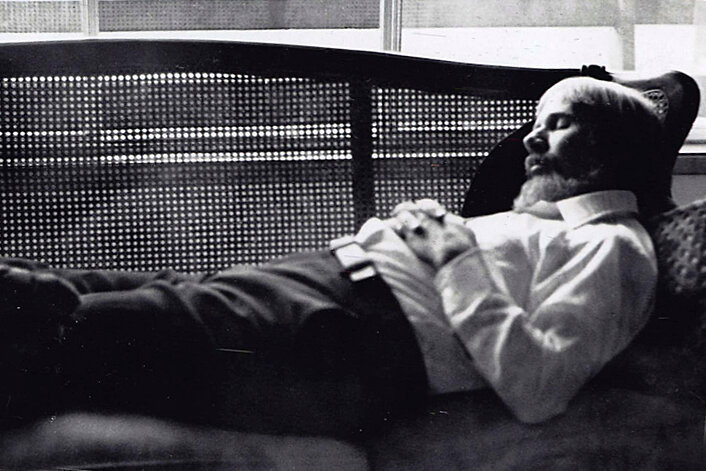
Jack Fincher photographed by David Fincher in 1976, when he was 14.
“That’s why it’s out of focus”.

No living director surpasses Fincher’s reputation for exactitude. Any account of his methods invariably mentions how many takes he likes to shoot, which can annoy him, not because this is inaccurate but because it abets a vision of him as a dictatorially fussy artiste. Fincher, who is 58, argues that this caricature misses the point: If you want to build worlds as engrossing as those he seeks to construct, then you need actors to push their performances into zones of fecund uncertainty, to shed all traces of what he calls “presentation.” And then you need them to give you options, all while hitting the exact same marks (which goes for the camera operators too) to ensure there will be no continuity errors when you cut the scene together. Getting all these stars to align before, say, Take No. 9 is possible but unlikely. “I get, He’s a perfectionist,” Fincher volunteered. “No. There’s just a difference between mediocre and acceptable.”

Read the full profile

Mank director David Fincher breaks down a pivotal scene in the Hollywood drama

In telling the story of screenwriter Herman J. Mankiewicz, Mank director David Fincher worked from a script by his late father, Jack Fincher.

Maureen Lee Lenker
November 19, 2020
Entertainment Weekly

The project had been in the family for decades: Jack conceived of the script in the late 1980s, and his son has been emotionally tied to the material since his father first showed him Citizen Kane at age 12. “It was only over time and with many, many conversations that we agreed there was something in this idea of a man finding his voice,” Fincher, 58, tells EW. “His voice was his entrée into Hollywood, and his voice was the thing that he was convinced didn’t really matter. How do we dramatize for the audience this dawning awareness of somebody who is self-immolating? That seemed like a ripe area of the garden to plant in.”

Fincher worked on the project with his father on and off for many years before his death in 2003, as can be seen in this exclusive annotated story sequence outline that arose from their countless conversations. “The pages are pre the draft,” the director says. “This is the outline from 1990 and has all of Jack’s scribblings on it as we were talking on the phone once a week and saying, ‘Well, what about if this happened?’ You can see the story was very different. It was a more complicated thing.”

Read the full scene breakdown

How Mank costume designer Trish Summerville recreated classic Hollywood

Recreating the look of Hollywood’s golden age was far from black-and-white for costume designer Trish Summerville.

Maureen Lee Lenker
November 20, 2020
Entertainment Weekly

For David Fincher‘s new movie Mank — which chronicles screenwriter Herman J. Mankiewicz‘s efforts to craft Citizen Kane, as well as the personal baggage behind the film — Summerville was tasked with bringing the Tinseltown of the 1930s and ’40s back to life.

In some cases, she was recreating the looks of classic stars, including Marion Davies (Amanda Seyfried) and Orson Welles (Tom Burke). But for the most part, the film (and Summerville) opted for grit over glitz. “It’s not super-glamorous,” she tells EW. “We’re really focused on the daily life of Mank [played by Gary Oldman]. So we were looking for authentic pieces and nothing too over-the-top. We want it to be authentic in the shapes, what fabrics were used, the silhouettes, the colors, that kind of thing — and then translate that into black and white. It has to be subtle.”

On the surface, it was a perfect fit for Summerville, who previously worked with Fincher on projects like Gone Girl and The Girl With the Dragon Tattoo. “Normally I don’t use a lot of color; I use a really muted palette,” she says. “For Dave’s films, it is always pretty muted.”

Read the full profile

How the Mank cast tackled the behind-the-scenes story of Citizen Kane

Gary Oldman, Amanda Seyfried, Lily Collins, and Charles Dance break down their Old Hollywood epic Mank.

Devan Coggan
November 18, 2020
Entertainment Weekly

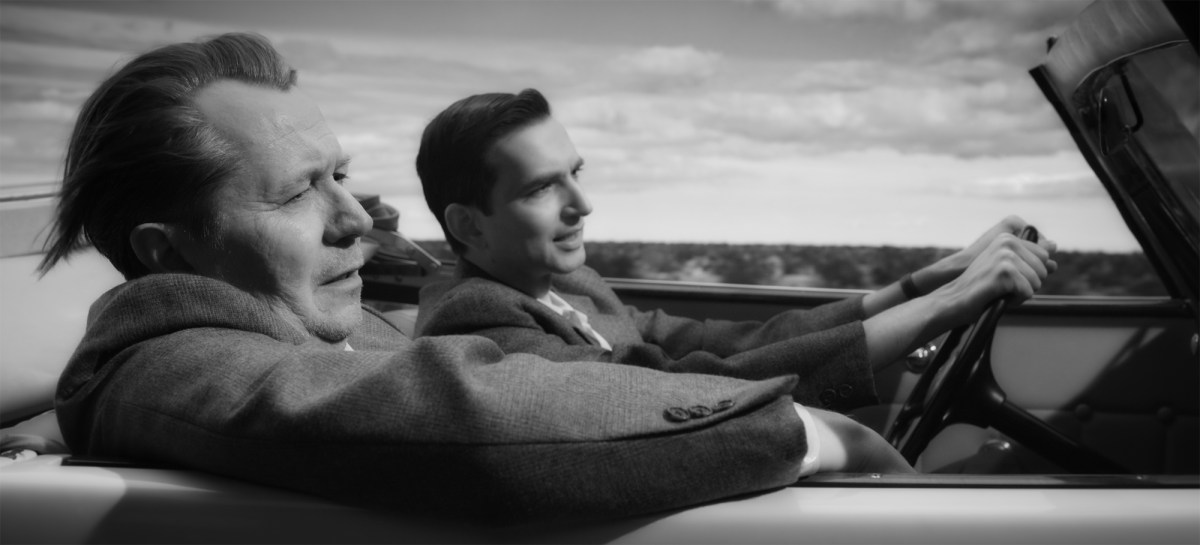
There’s a moment in MankDavid Fincher’s incisive portrait of Herman J. Mankiewicz, where the irascible Hollywood genius is weighing the task before him. Already an accomplished screenwriter, Mankiewicz (played by Gary Oldman) has been tapped to script Orson Welles’ first film, an ambitious screenplay about newspaper titan William Randolph Hearst — the basis for Citizen Kane, now widely considered the greatest film of all time. “You cannot capture a man’s entire life in two hours,” Mankiewicz muses. “All you can hope is to leave the impression of one.”

It’s an apt commentary on Hearst and Kane, of course — but it’s also a mission statement for Mank itself: How do you tell the story of one of the greatest storytellers in Hollywood history?

Fincher’s sweeping black-and-white epic attempts just that, starting with its stylistic homage to the era. The long-gestating script, by Fincher’s late father, Jack Fincher (who worked as a journalist and died in 2003), follows the acerbic and alcoholic screenwriter throughout his career. And it was up to Oldman to breathe life into Mankiewicz’s story. “There is not a lot to work with in bringing Herman to life,” Oldman, 62, says. “However, we knew two things: We knew what he did, and we knew what others thought of him. Here was a man regarded as the smartest, the wittiest, and the best writer by the most notable writers of his day.”

Mank follows its protagonist as he struggles to complete what would become his Oscar-winning magnum opus, assisted by stenographer Rita Alexander (Lily Collins). As he writes, he reflects on his career throughout the 1930s, with flashbacks detailing his meetings with Hearst himself (Charles Dance) and Hearst’s longtime mistress Marion Davies (Amanda Seyfried).

Read the full profile

Magnificent Obsession: David Fincher on His Three-Decade Quest to Bring ‘Mank’ to Life

Brent Lang
November 18, 2020
Variety

Mank” is the gripping story of the brilliant but troubled artist behind “Citizen Kane,” often considered to be the greatest movie ever made.

No, it’s not about director Orson Welles. Instead, it pushes Herman J. Mankiewicz, the alcoholic writer for hire who is responsible for bringing the film’s revolutionary, non-linear narrative structure and corrosive portrait of wealth and power, to the center of the frame.

“He was one of those voices that charted the way,” says David Fincher, the director who labored for nearly 30 years to bring “Mank” to life. “My hope is that people will be entertained watching a generational wit, who is in some ways forgotten and never got his due.”

Gatefold print cover designed by Dan Benesch

Mank,” which Netflix will debut Dec. 4, is also likely to reignite a fierce debate around the concept of auteurism. If film is truly a director’s medium, then who gets the credit for a masterpiece? It’s an argument about authorship that has swirled around “Citizen Kane” almost from the time it hit theaters in 1941. That’s largely due to the fact that Welles not only starred in the movie: He also directed, produced and co-wrote it while still just a 24-year-old wunderkind.

Others disagree about the extent of Welles’ contributions. As Pauline Kael’s controversial 1971 essay “Raising Kane” and now “Mank” make clear, “Citizen Kane” was greatly informed by Mankiewicz’s friendship with William Randolph Hearst (the newspaper baron who inspired Kane), as well his personal experience with media and politics.

You might think that Fincher, a revered visual stylist, whose perfectionism can drive film crews and actors to the breaking point, would be a subscriber to the Great Man theory at the heart of auteurism — the idea that some talents are so outsize they seep into every shot or beat of a movie. You’d be wrong though.

Read the full profile

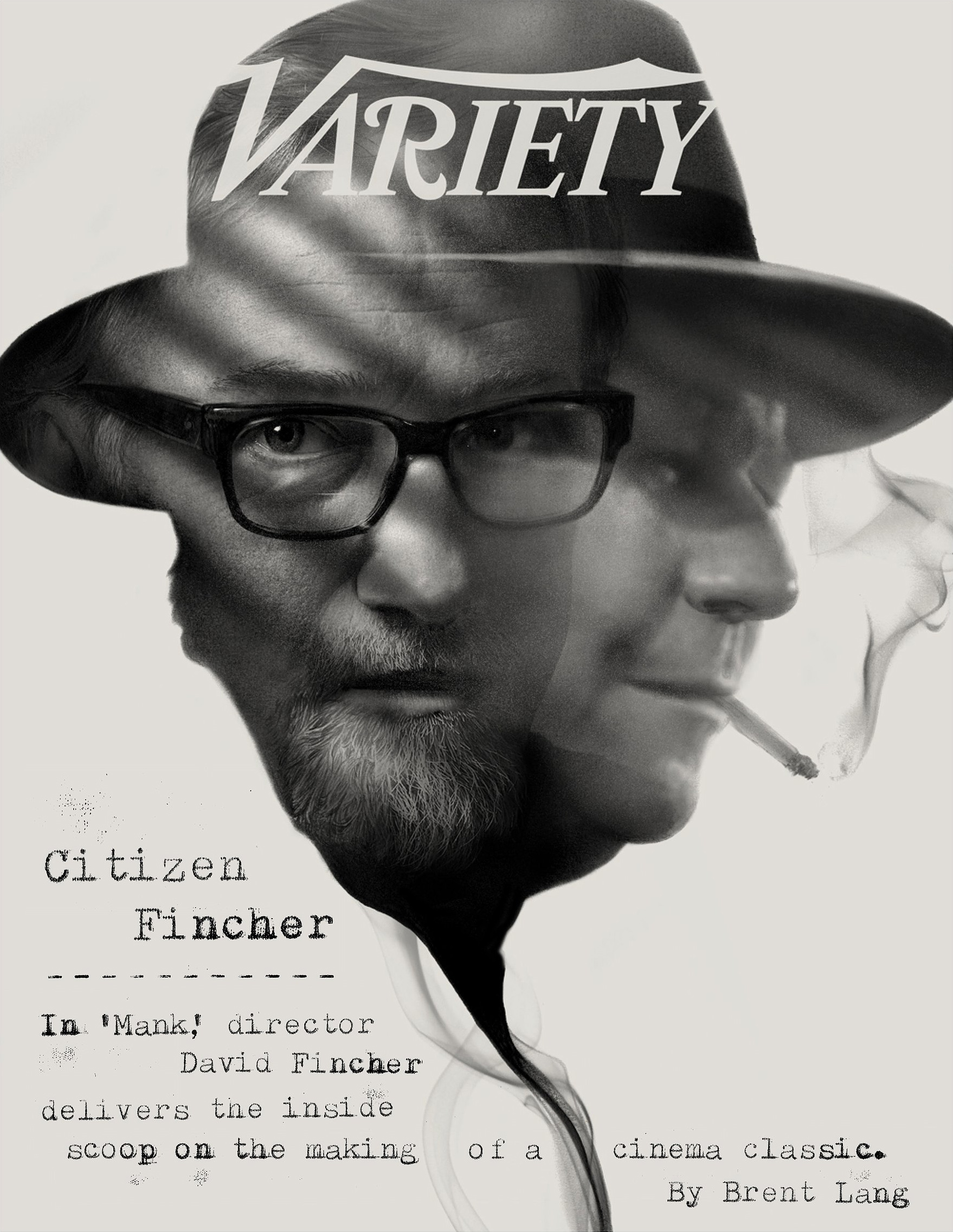
Cover illustration by Greg Ruth; Fincher image reference by Frank Ockenfels

David Fincher on ‘Mindhunter’: ‘I Don’t Know if It Makes Sense to Continue’

Brent Lang
November 18, 2020
Variety

How Variety Covered the Era of ‘Citizen Kane’ and Herman J. Mankiewicz

Tim Gray
November 18, 2020
Variety

‘Mindhunter’: Expanding the Visual Aesthetic for Season 2’s Atlanta Child Murders

Cinematographer Erik Messerschmidt earned his first Emmy nomination for visualizing a wider range of locations with unsettling moods.

Bill Desowitz
Aug 21, 2020
IndieWire

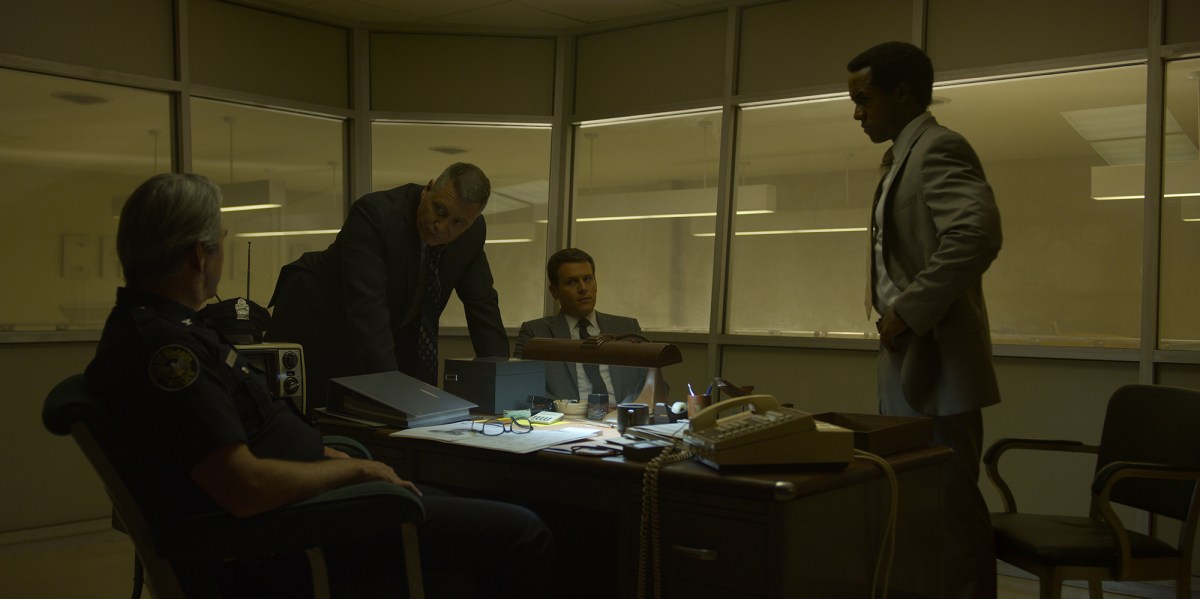
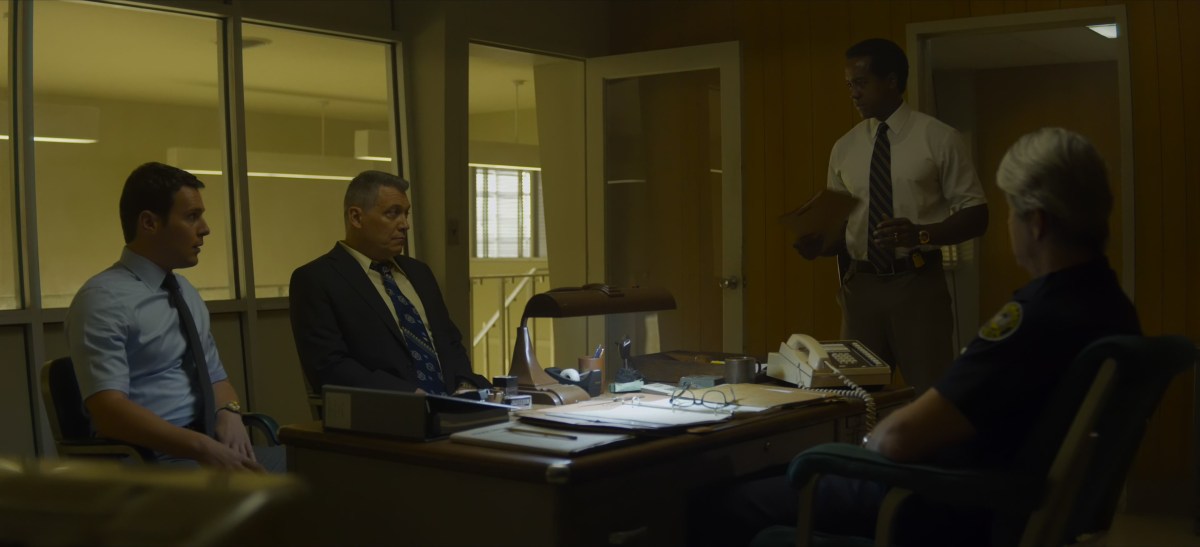
Cinematographer Erik Messerschmidt expanded the visual aesthetic of David Fincher’s “Mindhunter” in Season 2, as FBI profilers Bill Tench (Holt McCallany) and Holden Ford (Jonathan Groff) investigate the notorious Atlanta Child Murders, and, as a result, he earned his first Emmy nomination.

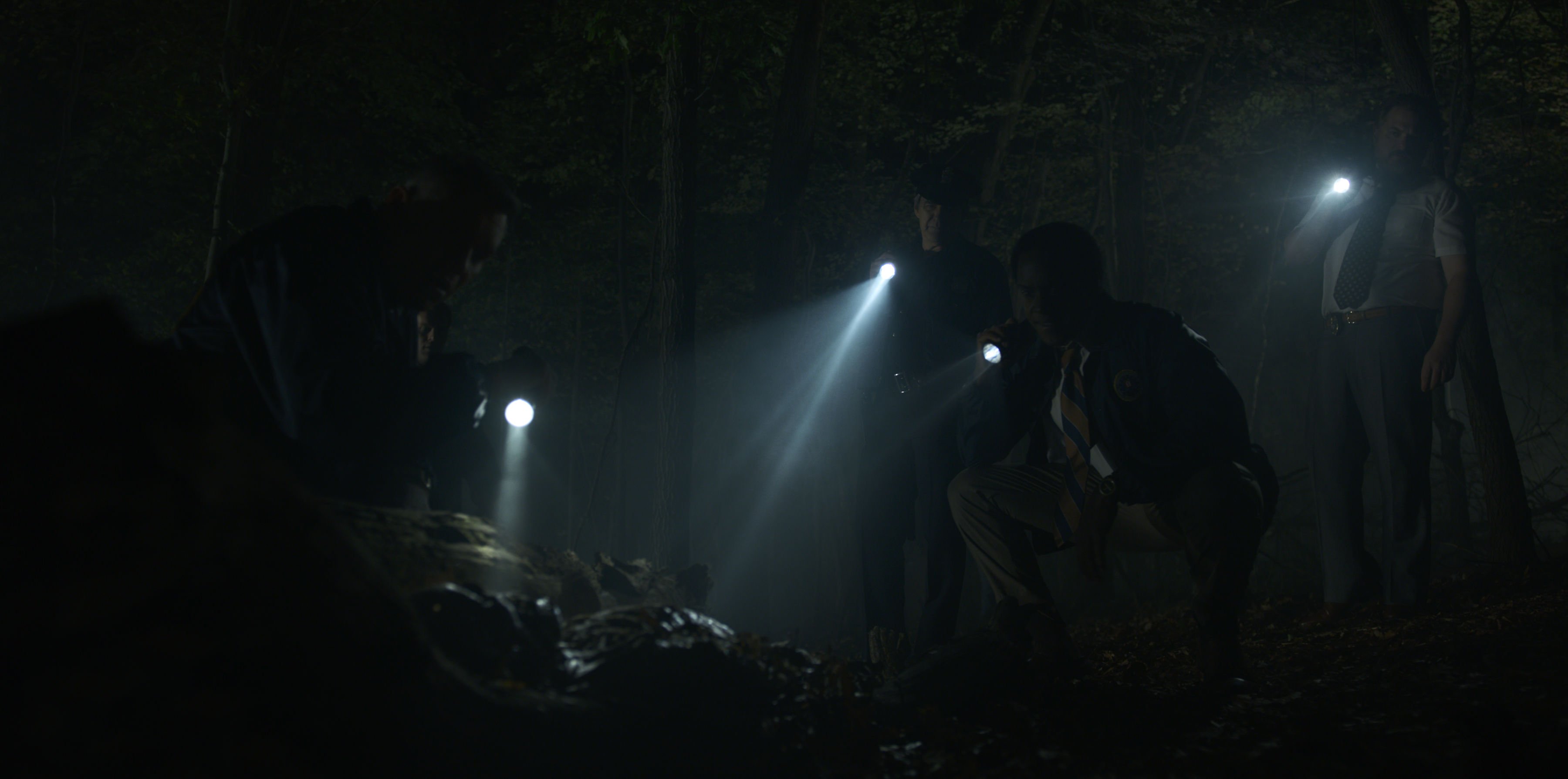
“Our aim was to continue what we had developed in Season 1 while considering location with a bit more depth,” said Messerschmidt, who also shot Fincher’s “Mank,” the Netflix black-and-white biopic about “Citizen Kane” screenwriter Herman J. Mankiewicz (Gary Oldman). “David expressed to me in the beginning to never forget what Atlanta is like in the summer. I tried hard to consider that whenever we were telling that part of the story.

“We really wanted our agents to be visualized with location in mind,” he said, “so I used more hard sunlight, atmosphere, and contrast to contribute to that hot, muggy feel. I think you could make the case that the lighting of Season 2 has a bit more gesture and shape to it, in part, because I used more contrast, which was a conscious choice. With that in mind, however, it was always a top priority to make sure the look and camera style of the series not take centerstage. I wanted the photography to be as non-invasive and invisible as possible so the audience could fully appreciate the story.”

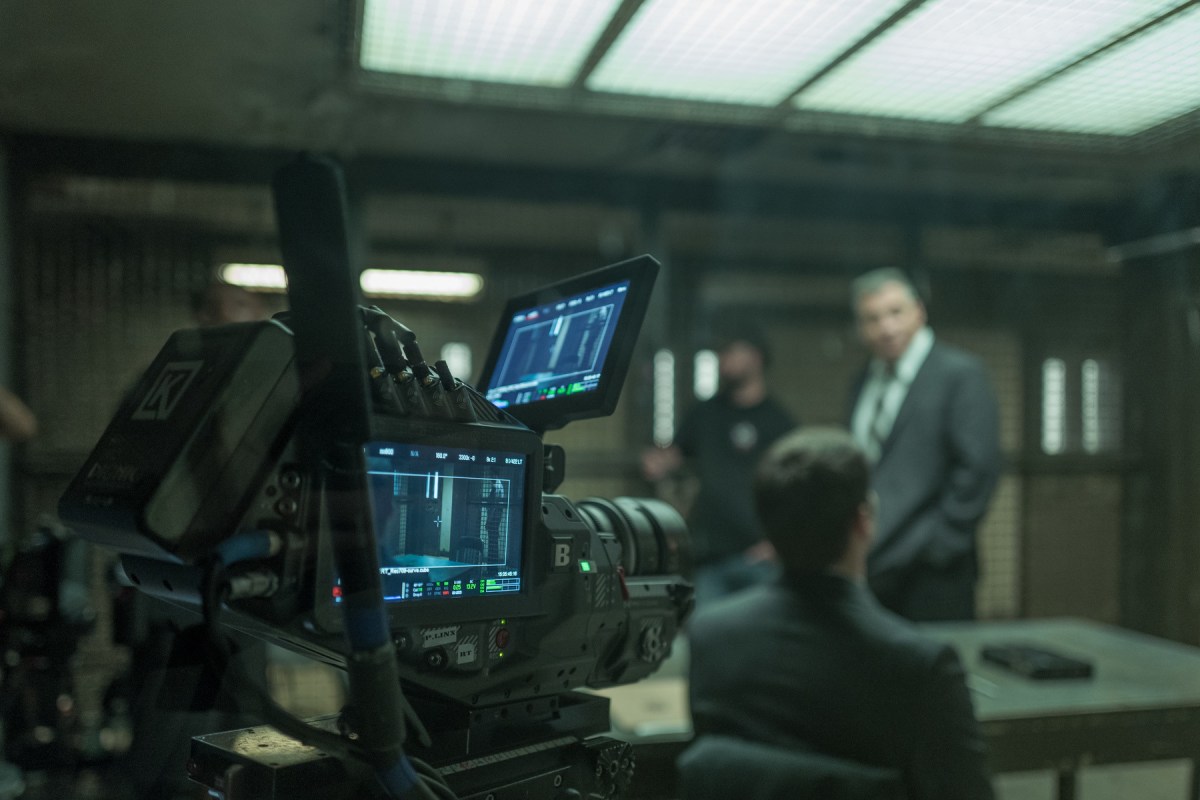
Messerschmidt upgraded to the 8K RED Helium sensor for Season 2 after testing a prototype in the first season. This provided better sensitivity and higher color fidelity for the new Dolby Vision HDR workflow. “I found I could be much more minimal with my use of artificial light even at relatively low ISO ratings,” he said. “The intention was to consider every lighting choice with motivation in mind and use as much natural light and practical light as possible.”

Read the full profile

Here Are the Cameras and Lenses that Shot the Year’s Best TV Shows

17 Emmy-nominated cinematographers on how they created their shows’ unique looks, and the gear they chose to pull it off.

Chris O’Falt
August 20, 2020
IndieWire

Mindhunter

Nominated Episode: “Episode 6”

Format: Redcode RAW .r3d in 8k
Camera: Custom Red Xenomorph Mk2 designed by the team at RED. The camera uses an 8k RED Helium sensor.
Format: Both seasons of “Mindhunter” were shot using Leica Summilux-C series Prime lenses. The majority of the show was shot using only three focal lengths, the 29mm, 40mm and 65mm.

Erik Messerschmidt: The visual style of “Mindhunter” is really about restraint and nuance. We wanted the storytelling to be very objective and simple with a limited use of POV. I think limiting ourselves to these focal lengths forced us to be meticulous with our coverage. All of our visual choices revolved around camera direction, blocking, and composition. David [Fincher] and I built the visual language around three distinct types of shots; wide masters, overs and singles; we moved the camera very little. This type of methodical camera direction lead to the rhythmic cutting sequence of the interview scenes which is really the visual foundation of the show. Shooting on prime lenses requires a bit more discipline than zooms when you’re lining up a shot, as you have to consider camera placement as it relates and composition.

Read the full article

How Crafts Amplified Berkowitz, Watson, & Manson Scenes in ‘Mindhunter’ Season 2

A look at the crafts behind the killer interrogations, including cinematography, sound editing, prosthetics, editing, and rerecording mixers.

Megan McLachlan
June 20, 2020
Awards Daily

Awards Daily’s Megan McLachlan and the technical team behind Netflix’s Mindhunter Season 2 (cinematography, sound editing, editing, prosthetics, and rerecording mixers) break down why each killer interview is completely different.

Mindhunter Season 2 starts with a “doozy” of a sequence.

“You’re not sure where you are,” said Mindhunter re-recording mixer Scott Lewis.

The opening sequence reacquaints us with the mind of a killer—in this case, specifically the BTK Killer (Sonny Valicenti), who we’ve been following in Season 1 through vignettes. BTK’s wife comes home to discover him tying himself up in the bathroom while wearing a mask. Lewis and his re-recording mixer partner Stephen Urata went back and forth about how the sound of the door, bumping from BTK’s aggression, was supposed to sound from down the hall.

“[Director] David [Fincher] gave some vague directions for that,” said Urata. “We tried to keep it really mysterious. We started with really dreamy, big reverb, did some fabbing, and [the wife] starts picking up on those knocking sounds. We took our liberties with it. The knocking sounds probably wouldn’t be that loud.”

It had to compete with Roxy Music’s “In Every Dream Home a Heartache,” something they had to find the right timing for with the knocks. When it came to editing the sequence with the music, editor Kirk Baxter felt like he was working on a music video.

“The track was predetermined, so I could plot everything to the music, when it was gonna hit,” said Baxter. “So much of the reaching, the hand, it was based around being stretched so the door opened at the exact beat I needed it to. To me, it was like a Christmas present. When you’ve got all of the angles and coverage, you can expand the tension and manipulate the hell out of it.”

The Crafts Behind the Madness of Mindhunter Season 2

It’s specific technical details like this that take Mindhunter to a new level of creepy with each episode. And though these elements are subtle, they add so much to each and every scene, especially when Holden (Jonathan Groff) and Tench (Holt McCallany) interview the killers.

While they might seem like they’re similar in format, each interrogation scene is completely different and tells you so much about the killer they’re questioning, with precise engineering and great care that goes into them. Let’s look at how Berkowitz, Tex Watson, and Manson are all completely different from each other.

Featured crafts:

Kirk Baxter, editing
Kazu Hiro, prosthetics
Scott Lewis & Stephen Urata, rerecording mixers
Erik Messerschmidt, cinematographer
Jeremy Molod, sound editor

Read the full profile

Fincher’s ‘Zodiac’: A Suspenseful and Thrilling Combination of Police Procedural and Newspaper Film That Masterfully Chronicles the Progression of Obsession

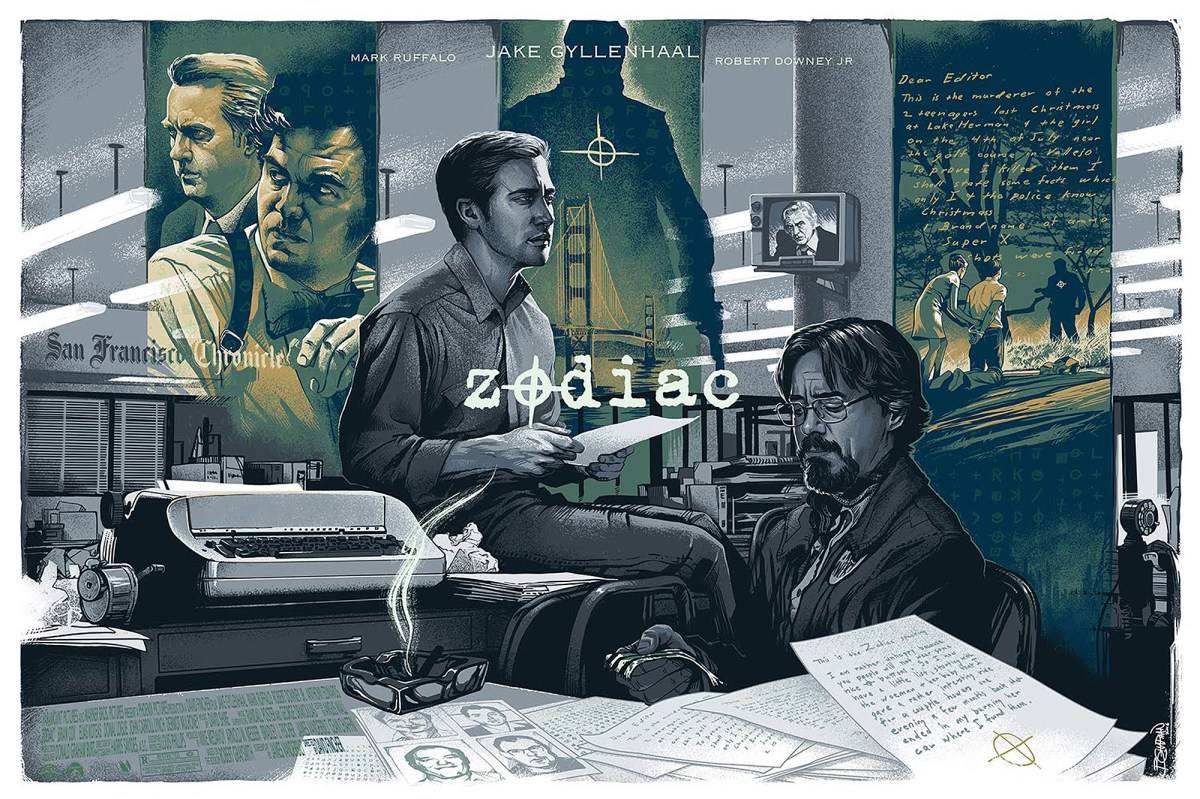
Zodiac poster by Barret Chapman

Koraljka Suton
January 24, 2020

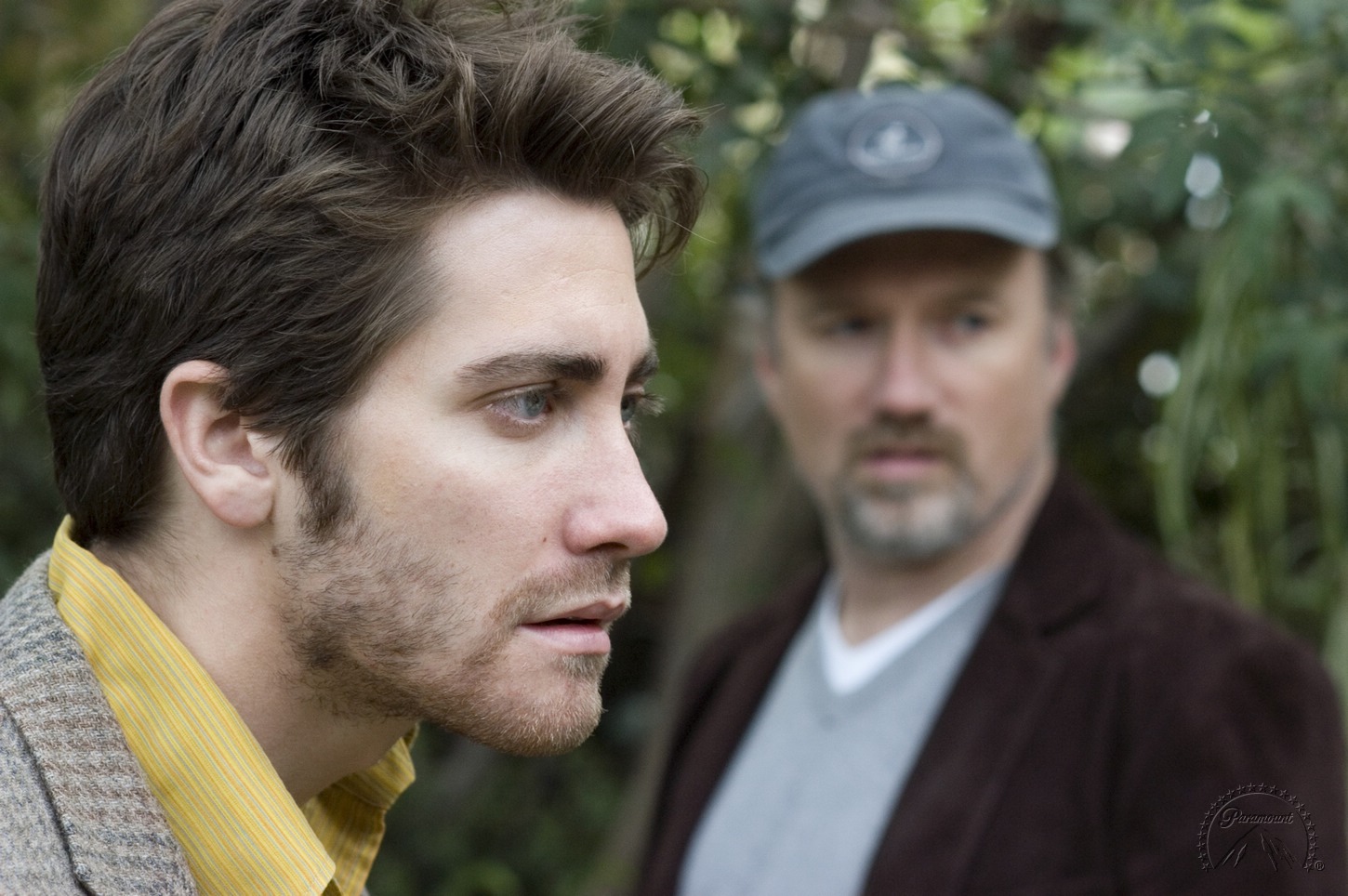
If you asked David Fincher about the childhood years he spent in San Anselmo in Marin County during the 1960s, the topic that would undoubtedly pop up would be that of an infamous serial killer who, in the director’s eyes, was “the ultimate boogeyman.” For it was precisely that time and that general area that saw the rise of the Zodiac, a murderer who frequently wrote letters and sent coded messages to local newspapers, gleefully taking credit for the gruesome killing sprees that would inevitably trigger waves of paranoia across the West Coast. As Fincher recalls: “I remember coming home and saying the highway patrol had been following our school buses for a couple weeks now. And my dad, who worked from home, and who was very dry, not one to soft-pedal things, turned slowly in his chair and said: ‘Oh yeah. There’s a serial killer who has killed four or five people, who calls himself Zodiac, who’s threatened to take a high-powered rifle and shoot out the tires of a school bus, and then shoot the children as they come off the bus.’” Fincher’s fascination with the mystery man who wreaked havoc in Northern California during the late 60s and early 70s, claiming to have taken the lives of thirty-seven people (out of which only five were confirmed as being his victims), ultimately resulted in the director gladly accepting to work on Zodiac, a 2007 movie written by James Vanderbilt. The screenwriter had read a 1986 non-fiction book of the same name while he was still in high school, years before pursuing his eventual career. After getting into screenwriting, he had the chance to meet Zodiac author Robert Graysmith, a cartoonist who had been working for one of the newspapers the killer wrote to during the 1960s, and decided to make a screenplay based on the information-packed book. Having creative control over the material was of the utmost importance to Vanderbilt, given the fact that the endings of his previous scripts had been altered. Together with producers from Phoenix Pictures, Vanderbilt bought the rights to both Zodiac and its follow-up, entitled Zodiac Unmasked, after which the Seven director was asked to come on board.

Apart from having a personal attachment to the story of the notorious serial killer who was never brought to justice, what drew Fincher to work on the project was also the fact that the ending of Vanderbilt’s script was left unresolved, thereby staying true to real-life events. But Fincher’s perfectionism and his wish to depict the open case as accurately as possible led to him asking that the screenplay be rewritten, for the wanted to research the original police reports from scratch. He also decided that he, Vanderbilt and producer Bradley J. Fischer should personally interview the people who were involved in the case so that they could discern for themselves whether the testimonies were to be believed or not. The people they spent months interviewing were family members of suspects, the Zodiac killer’s two surviving victims, witnesses, investigators both current and retired, as well as the mayors of Vallejo and San Francisco. As Fincher elaborated: “Even when we did our own interviews, we would talk to two people. One would confirm some aspects of it and another would deny it. Plus, so much time had passed, memories are affected and the different telling of the stories would change perception. So when there was any doubt we always went with the police reports.” They also hired a forensic linguistics expert to analyze the killer’s letters, with the expert’s focus being on how the Zodiac spelled words and structured sentences, as opposed to the emphasis that was put on the Zodiac’s handwriting by document examiners in the 1970s.

Read the full article

Film stills by Merrick Morton (Paramount Pictures)

Other in-depth articles on films by David Fincher on Cinephilia & Beyond:

Alien3: “Take all of the responsibility, because you’re going to get all of the blame”

Se7en: A Rain-Drenched, Somber, Gut-Wrenching Thriller that Restored David Fincher’s Faith in Filmmaking

Downwards Is the Only Way Forwards: Welcome to David Fincher’s The Game

Fight Club’: David Fincher’s Stylish Exploration of Modern-Day Man’s Estrangement and Disillusionment

Fincher’s Zodiac As Easily One Of The Best Thrillers Of The Millennium So Far

From Facebook to ‘Fuck-You Flip-Flops’: How Aaron Sorkin and David Fincher Made ‘The Social Network’ a Fiery Word-Off

Netflix Helps Drive the Creative Vision with High-Dynamic-Range Content

Jay Holben
December 22, 2019
American Cinematographer

Some might consider high-dynamic-range (HDR) displays a technology of the future, but the reality is it’s here now and very much a contemporary delivery format. At the forefront of this delivery is Netflix, the streaming and production giant, which reports that roughly a quarter of the devices used to access its service monthly — more than 165 million — are configured for HDR. As a result, Netflix is making a concerted effort to provide HDR content and currently has more than 1,000 hours of such programming available.

One of these titles is David Fincher’s gritty, period procedural Mindhunter, which earned Christopher Probst, ASC an ASC Award nomination for its pilot in 2017. The series is photographed by Erik Messerschmidt, who notes that production incorporated HDR into the second season. “With Mindhunter, we try to be very subtle with the photography,” says Messerschmidt. “The story and themes of the show are complex and nuanced, so it’s really important that the photography never draws attention to itself. HDR helps because it enables me to be very subtle in my use of color and contrast, particularly in the toe of the exposure. Everyone likes to talk about the bright whites in HDR, but I think perhaps the added range in the shadows is more interesting and more important than added range in the highlights.

“I think cinematographers have always advocated for a better experience for the audience, whether it’s fast film stocks with tighter grain, better projection technology, or higher quality digital-capture and display technologies,” he continues. “HDR is just another step in that direction. Standard-dynamic-range video distribution can only show a narrow exposure band of the modern digital sensor’s dynamic range. The opportunity to use more of the sensor’s range when we want to is a very exciting development.”

Read the full profile