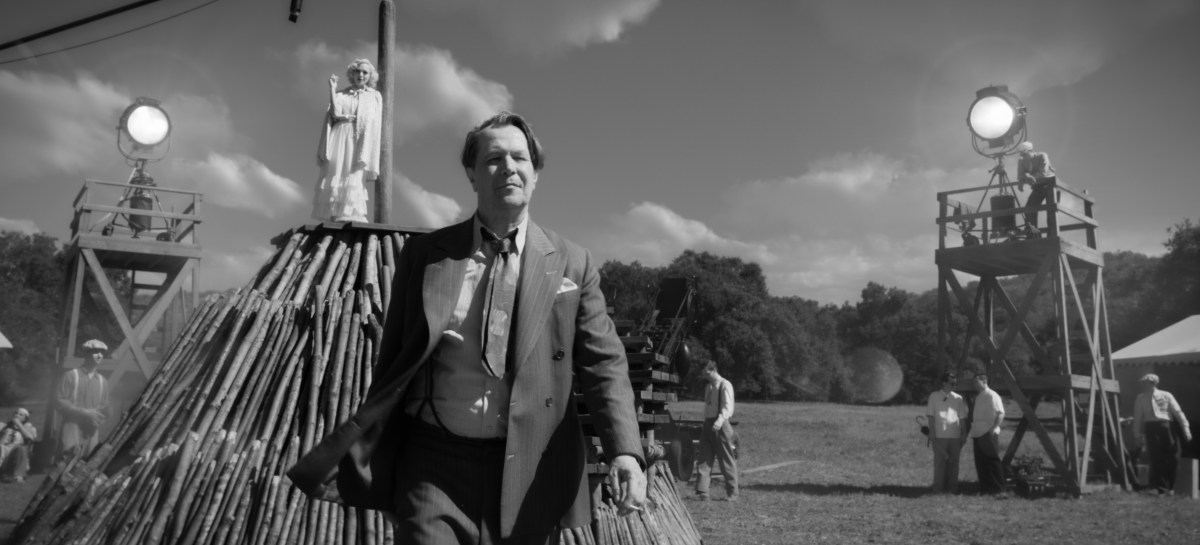
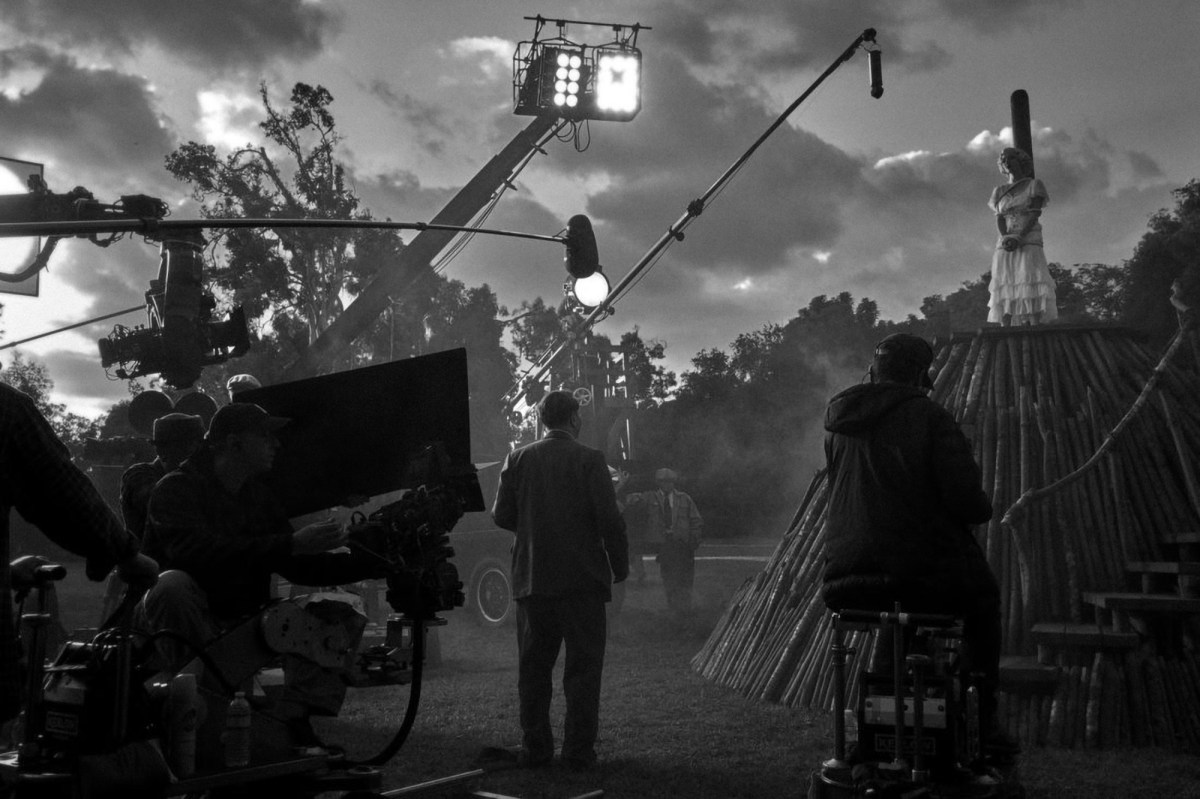
Early in Netflix’s Mank, the screenwriter Herman J. Mankiewicz (played by Gary Oldman) ambles onto an outdoor movie set, where he bumps into an array of glamorous characters. In a scene full of repartee with real-life figures such as the actor Marion Davies, the film honcho Louis B. Mayer, and the mogul William Randolph Hearst, the visual details of the environment might seem unimportant. But to Mank’s director, David Fincher, they mattered. “The grass was not to David’s liking, and the sky was not to his liking, so all that’s been replaced,” Peter Mavromates, his co-producer, told me. When making a movie, Fincher literally controls heaven and earth.
That example sums up the capricious-sounding, godlike power of a director, especially in the age of digital filmmaking, which allows for total command of every frame. But as with all of his movies, Fincher’s vision for Mank was realized by a group of dedicated collaborators, most of whom have worked with the director for many years across projects. This film, which Fincher mulled for nearly three decades, is unlike anything he has made before. An unusual-looking-and-sounding film set in the Golden Age of Hollywood, Mank reflects the aesthetic of the 1930s with its black-and-white cinematography; an echoey, old-fashioned sound mix; and a brassy, orchestral score. But Fincher also wanted it to be a distinctly modern film, which posed many unique and fascinating technical challenges to the creators charged with bringing his lofty ideas to life.
How will filmmaking adapt in the post-Covid era? A glimpse into the future is afforded by Mank, the forthcoming Netflix feature project directed by David Fincher and spearheaded by producer Ceán Chaffin. More than a love letter to a catalog title, Mank is a glimpse of the complex interplay of human creativity and the filmmaking process as practiced in Hollywood’s golden era.
Fincher is known for working in the vanguard of filmmaking technology. Examples include a very early digital intermediate on Panic Room – the first ever in a facility designed for the purpose – and Zodiac, one of the first major features to be shot almost entirely digitally. The remote collaboration envisioned by futurists at the dawn of the internet era was already common practice for his team long before the pandemic.
“Fortunately, we have not missed a beat,” says Chaffin. “We are working now exactly how we mostly could have been working the past ten years, which is working from home during post.”
But the virus and its requirement to remain physically apart may constitute a final push for the industry at large. All the attributes of true remote connectivity – reduced travel time and its attendant benefits in terms of stress, pollution and time savings, enhanced with rapid feedback, superior organization and a centralized database – will still be applicable when health concerns subside.
A canvas of the top pros on David Fincher’s team indicates that while the pandemic naturally raises stress levels, the need to work separately has been essentially a non-factor in terms of their ability to collaborate efficiently and keep the production on track.
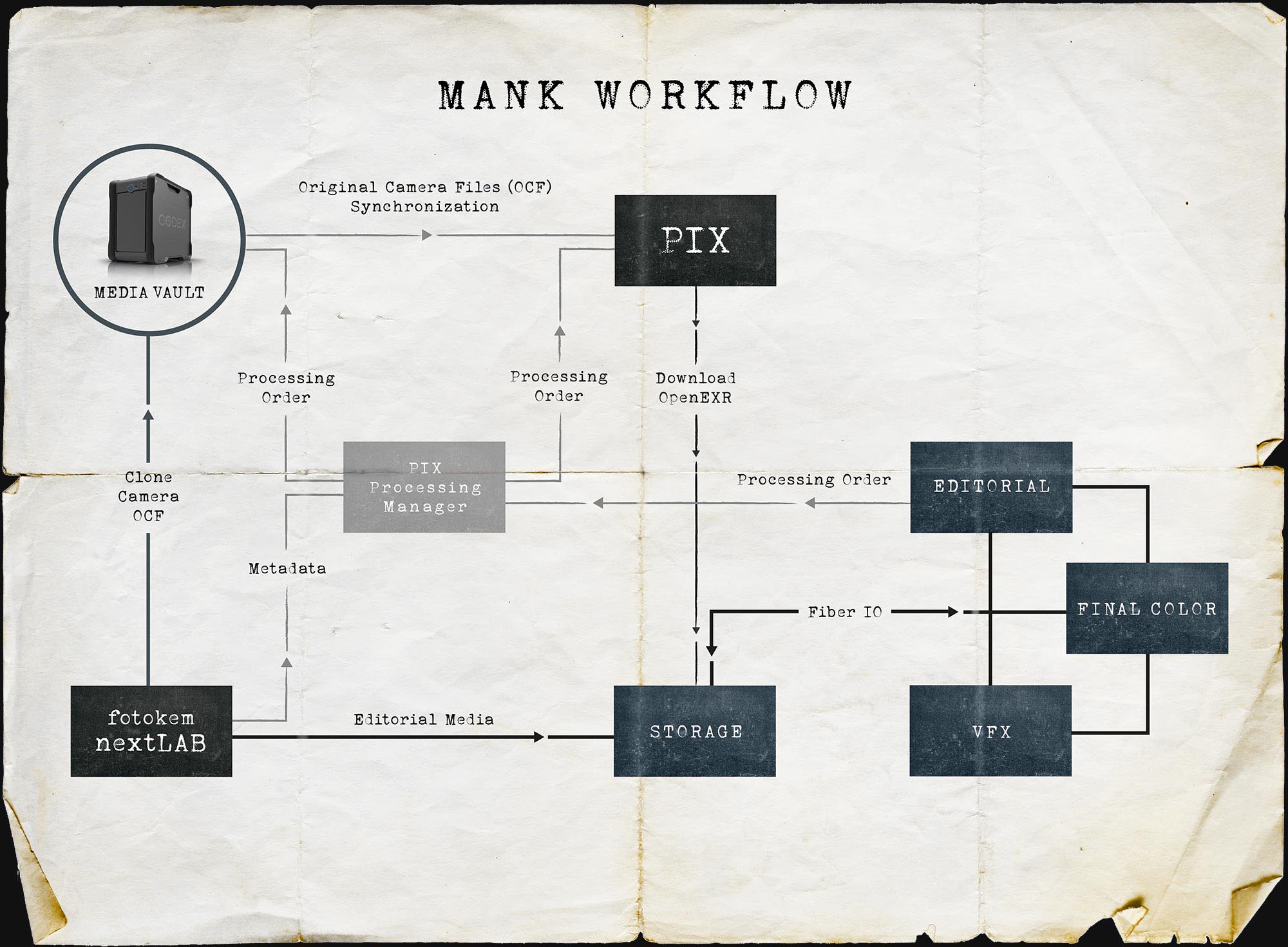
Fincher came to the project with a mandate that the production work with the PIX production hub. Chaffin, who has made nine films with Fincher, says that the system is an essential tool for collaboration and input.
“This is how we have worked for a long time.” says Chaffin. “David feels the team is making the film with him, sharing in the problem-solving. Even when we were in the same building, David was often responding exclusively through PIX. His preferences and concerns are there for everyone to refer to. You don’t have to go find that one email, or remember a comment someone made on their way out the door.
Jennifer Chung, Assistant Editor Ben Insler, First Assistant Editor Peter Mavromates, Post Producer
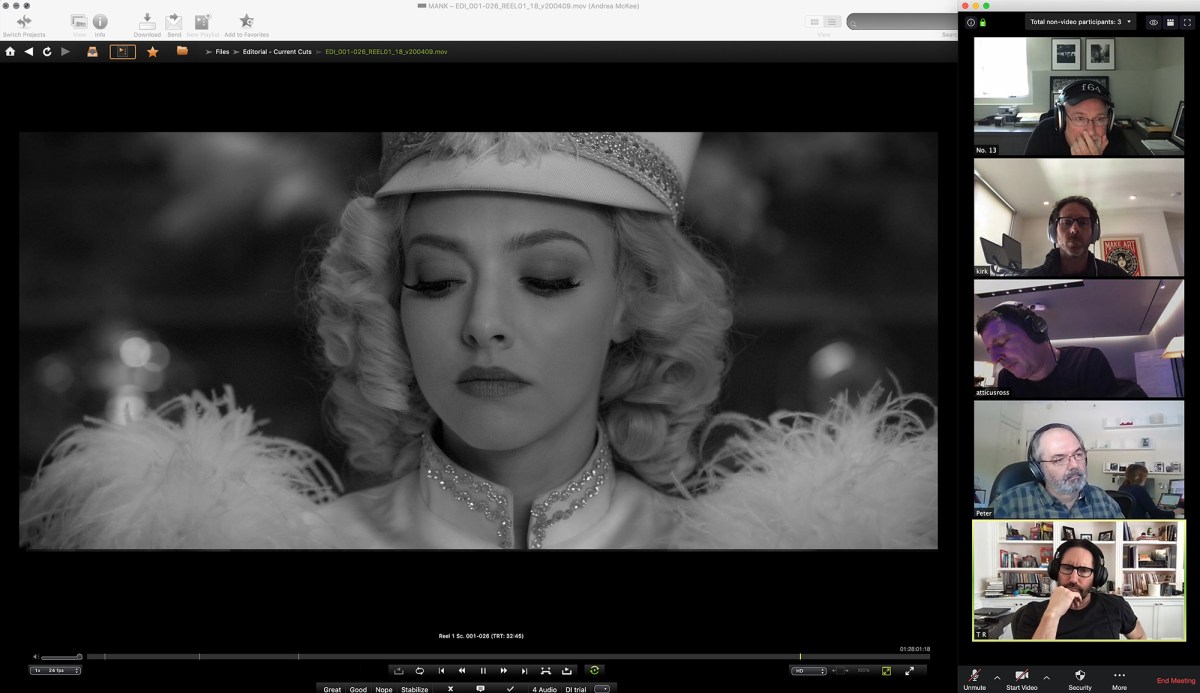
In this panel, you’ll hear Team Fincher discuss their TV and feature film workflows and see how they used the new Productions feature in Premiere Pro along with After Effects in a completely remote scenario during the pandemic.
They’ll also discuss their career paths and give advice on how to succeed as a professional editor.
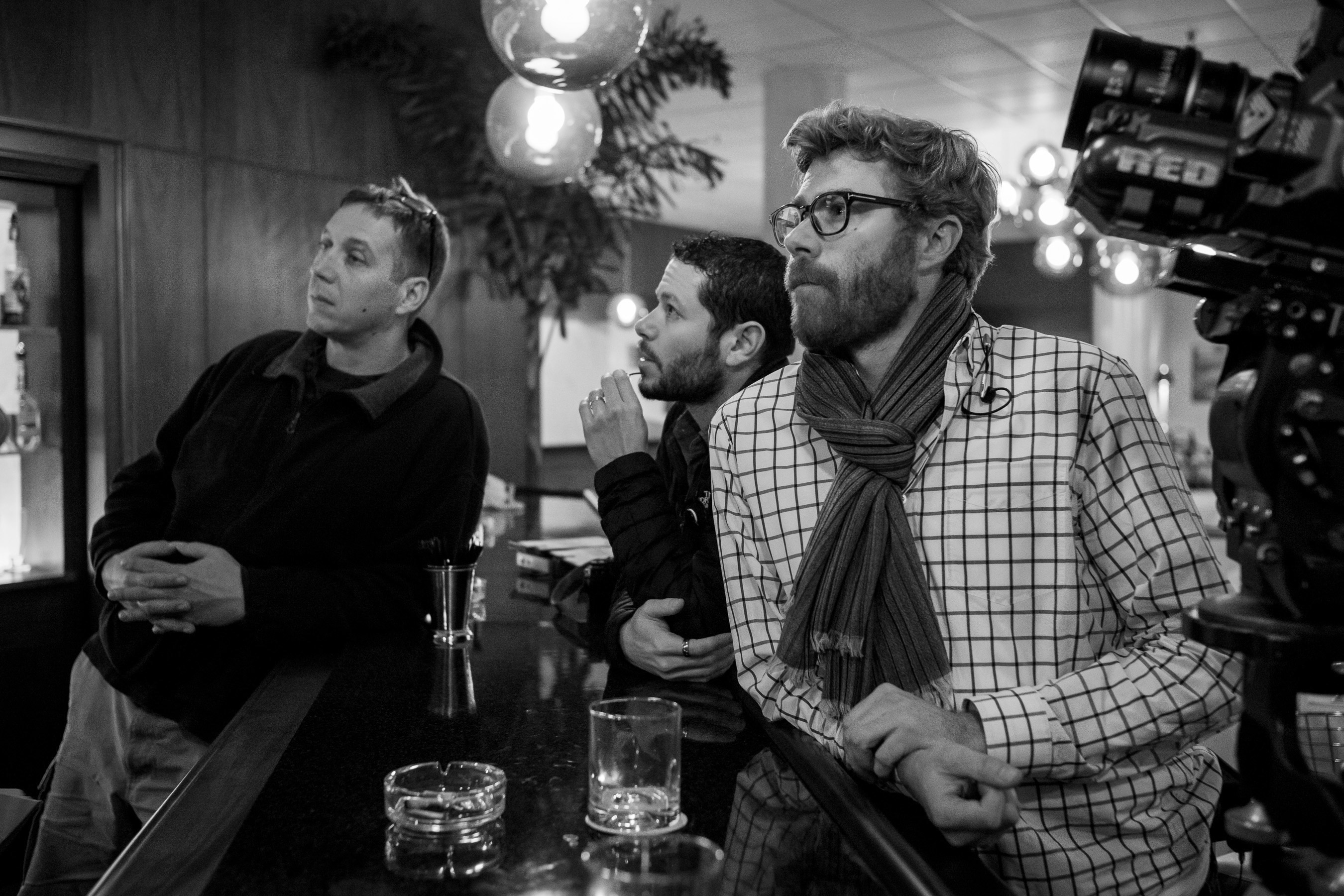
Six years ago, after I contacted David Fincher and told him I wanted to write an article about how he makes movies, he invited me to his office to present my case in person and, while I was there, watch him get some work done. On an April afternoon, I arrived at the Hollywood Art Deco building that has long served as Fincher’s base of operations, where he was about to look at footage from his 10th feature film, “Gone Girl,” then in postproduction. We headed upstairs and found the editor Kirk Baxter assembling a scene. Fincher watched it once through, then asked Baxter to replay a five-second stretch. It was a seemingly simple tracking shot, the camera traveling alongside Ben Affleck as he entered a living room in violent disarray: overturned ottoman, shattered glass. The camera moved at the same speed as Affleck, gliding with unvarying smoothness, which is exactly how Fincher likes his shots to behave. Except that three seconds in, something was off. “There’s a bump,” he said.
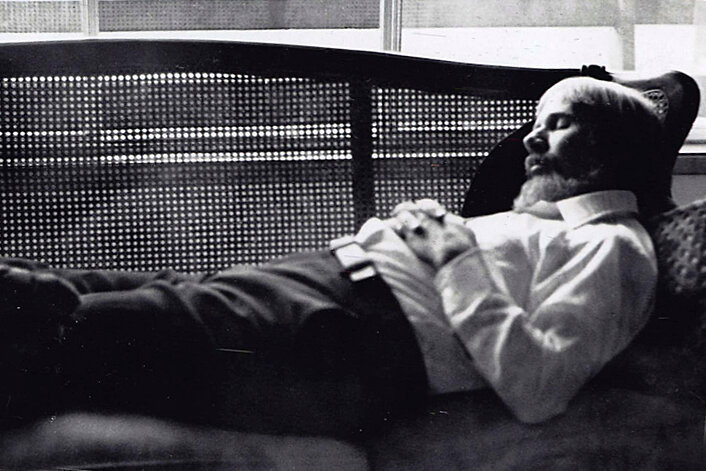
Jack Fincher photographed by David Fincher in 1976, when he was 14. “That’s why it’s out of focus”.
No living director surpasses Fincher’s reputation for exactitude. Any account of his methods invariably mentions how many takes he likes to shoot, which can annoy him, not because this is inaccurate but because it abets a vision of him as a dictatorially fussy artiste. Fincher, who is 58, argues that this caricature misses the point: If you want to build worlds as engrossing as those he seeks to construct, then you need actors to push their performances into zones of fecund uncertainty, to shed all traces of what he calls “presentation.” And then you need them to give you options, all while hitting the exact same marks (which goes for the camera operators too) to ensure there will be no continuity errors when you cut the scene together. Getting all these stars to align before, say, Take No. 9 is possible but unlikely. “I get, He’s a perfectionist,” Fincher volunteered. “No. There’s just a difference between mediocre and acceptable.”
Necessity is the mother of invention, and nothing proves this proverb more true than the evolution of film and television production technology in the age of COVID-19. While the field has always changed rapidly even in normal times, the pace of change and adaptation has accelerated over the past six months.
This adjustment has posed many questions. Beyond personal protective equipment, mandatory testing, on-set safety monitors, walking lunches and corona contingency fees, will the pandemic have enduring effects in the creative, collaborative endeavor that is filmmaking? The technology to work remotely has essentially been in place for some time, but will the pandemic finally push us over into a new normal?
Numerous existing technology trends are being suddenly supercharged by the necessities imposed by the coronavirus. Shooting close to home has never been more appealing, and that impulse aligns neatly with ongoing advancements in LED backings and virtual production. In the world of image processing, connectivity solutions such as those offered by Moxion, Frame.io and Sohonet were already bringing immediacy and super-high resolution to a wide variety of devices without regard to location — and now those virtues are suddenly in much higher demand. And remote collaboration solutions including PIX are looking positively prescient.
Director David Fincher’s team found that the PIX production backbone, a tool they’ve helped develop over the years, facilitated safe group creativity but also enhanced efficiency on the forthcoming Mank.
“A place to unload all my cinematic truths.” —Newton Thomas Sigel, ASC
How do you cultivate a career in Hollywood? What does it take to make iconic work? There’s an art to everything in life and the Art of the Shot explores the answers to those questions and more through deep-dives into the minds of master filmmakers. Join host Derek Stettler, young filmmaker and writer for the ASC and SOC magazines since 2016, as he learns from the artists behind today’s most strikingly-shot projects. Enjoy compelling conversations on the craft, insights from successful careers, tips, techniques + more!
In this episode, you’ll hear from both the cinematographer and the “A” camera operator of Mindhunter, who worked together throughout Season 1 and 2 to shoot every single episode. Please enjoy this exclusive interview with Erik Messerschmidt, ASC and Brian Osmond, SOC!
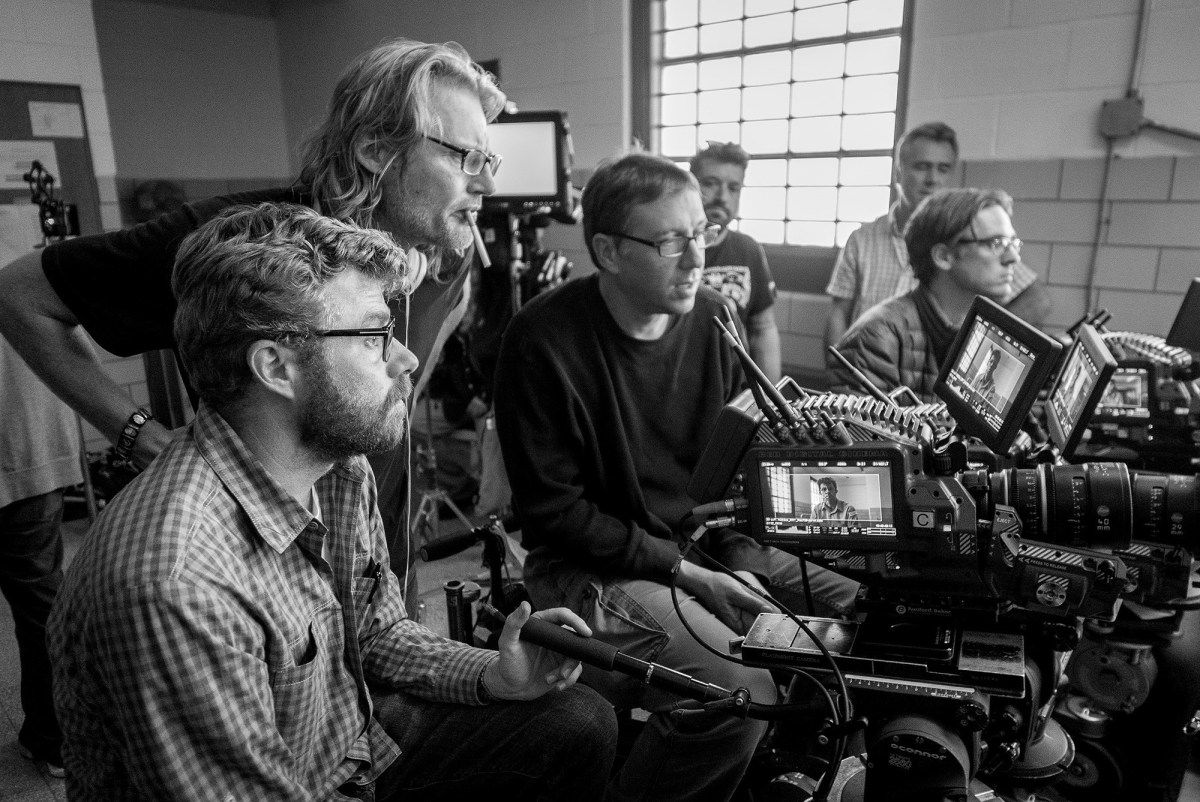
Brian Osmond, Gaffer Danny Gonzalez, and Erik Messerschmidt (Nikolai Loveikis)
In this episode, you’ll learn:
– Erik’s career path (00:04:06) – Erik’s favorite part of the job (00:06:42) – What DP’s should know to best work with their gaffers, from Erik’s experience working as a gaffer before becoming a DP (00:07:02) – Unique skills Erik gained from his experience as a gaffer (00:07:56) – How Brian got his career started (00:11:19) – Brian’s favorite part of his job (00:12:19) – What other directors can learn from how David Fincher treats his crew (00:18:39) – The thought process & techniques behind Mindhunter‘s precise camera movement (00:22:50) – The strategic use of handheld camera operating (00:34:27) – The collaborative nature of the Mindhunter set (00:37:34) – The importance of having a dedicated camera operator on set, especially on a David Fincher set (00:41:19) – Erik’s role as “quality control supervisor” (00:44:21) – Why a monitor on a David Fincher set is covered in smudges (00:46:57) – Why there’s no such thing as a B camera “bonus shot” on Mindhunter & how shots are planned out for multiple cameras (00:48:23) – What Erik thinks is the hardest shot to do well (00:52:04) – How Erik lights & shoots with 2 cameras simultaneously (00:53:41) – Erik’s approach to lighting Mindhunter & techniques used (00:56:55) – Erik’s preference for real fluorescent lighting (01:03:30) – Mindhunter‘s production design and how much of the locations were built (01:05:01) – Favorite set of Season 2 (01:06:26) – How getting scripts in advance helps them work better (01:10:44) – The innovative car process shooting on Mindhunter & how it works (01:12:38) – How virtual production helps realize every filmmaker’s dream, stopping time, & how Erik used that to shoot a 9-minute dialog scene at dawn (01:18:02) – How the car process shooting on Mindhunter evolved from Season 1 (01:22:37) – How the custom RED digital cinema camera, dubbed the Xenomorph, evolved from Season 1 (01:27:22) – Why Brian prefers a fluid head over a geared head to achieve those smooth, precise shots David Fincher loves (01:37:34) – How to shoot a scene & why “Fix it in prep!” should be every filmmaker’s mantra (01:42:08) – All about the lenses used on Mindhunter & how Erik art directed the artifacts & nuances of every optical aberration (01:48:10) – Tips from Brian on getting really precise shots with a fluid head, what operating technique Erik has learned from Brian, & how being self-critical is a key to his success (01:56:42) – What Erik & Brian feel is the most rewarding part of working on Mindhunter (02:02:47)
If you haven’t yet, please be sure to subscribe to be notified of future episodes, and share this podcast with others to help grow the show and spread the knowledge!
The Art of the Shot podcast is brought to you by Evidence Cameras, an outstanding rental house in Echo Park specializing in high-end digital cinema camera packages, lenses, support, and accessories.
Cinema director David Fincher created one of the first original streaming series with House of Cards, and his innovative spirit infuses the Netflix original series Mindhunter, now in its second season.
In this podcast episode, the sound team discuss Fincher’s unique approach to the sound of serial killer interrogation scenes, a hallmark of this fascinating, dark series. The team discuss setting the acoustic tone of the series, including the oppression of the FBI agents’ basement office (and a very special door), why it was important to Fincher to always hear trainee agents at Quantico at target practice, and the joy of receiving Fincher’s incredibly detailed mix notes.
Steve Bissinger – Sound Effects Editor Scott Lewis – Re-Recording Mixer Stephen Urata – Re-Recording Mixer
Director David Fincher’s Mindhunter series on Netflix is as calculated as the serial killers it fictionalizes. Fincher locks down all the details on a nanoscopic level, including the sound. Here, Skywalker Sound supervising sound editor Jeremy Molod talks about his collaboration with Fincher and how they deliver a finely-crafted show.
Having spent so much time as a Foley editor in his early career, award-winning supervising sound editor Jeremy Molod, at Skywalker Sound, appreciates the value of that performance art, as does his long-time collaborator director David Fincher. So much so, that Fincher even requests samples of potential footstep sounds for his characters before the Foley is shot. With all the details that a director has to attend to, it’s rare that one allocates so much attention to sound — even down to the Foley footsteps.
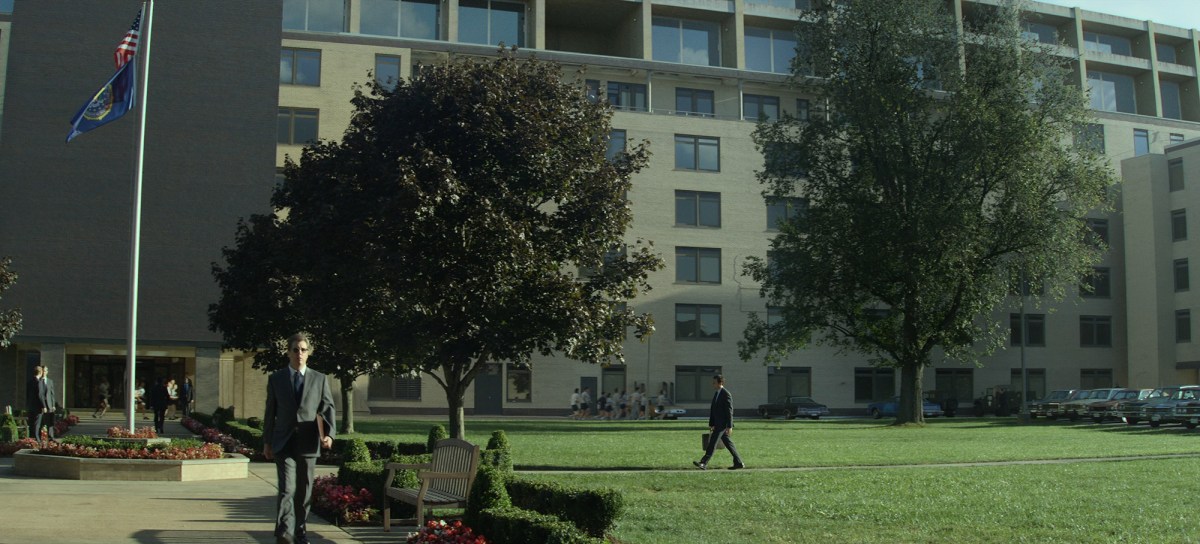
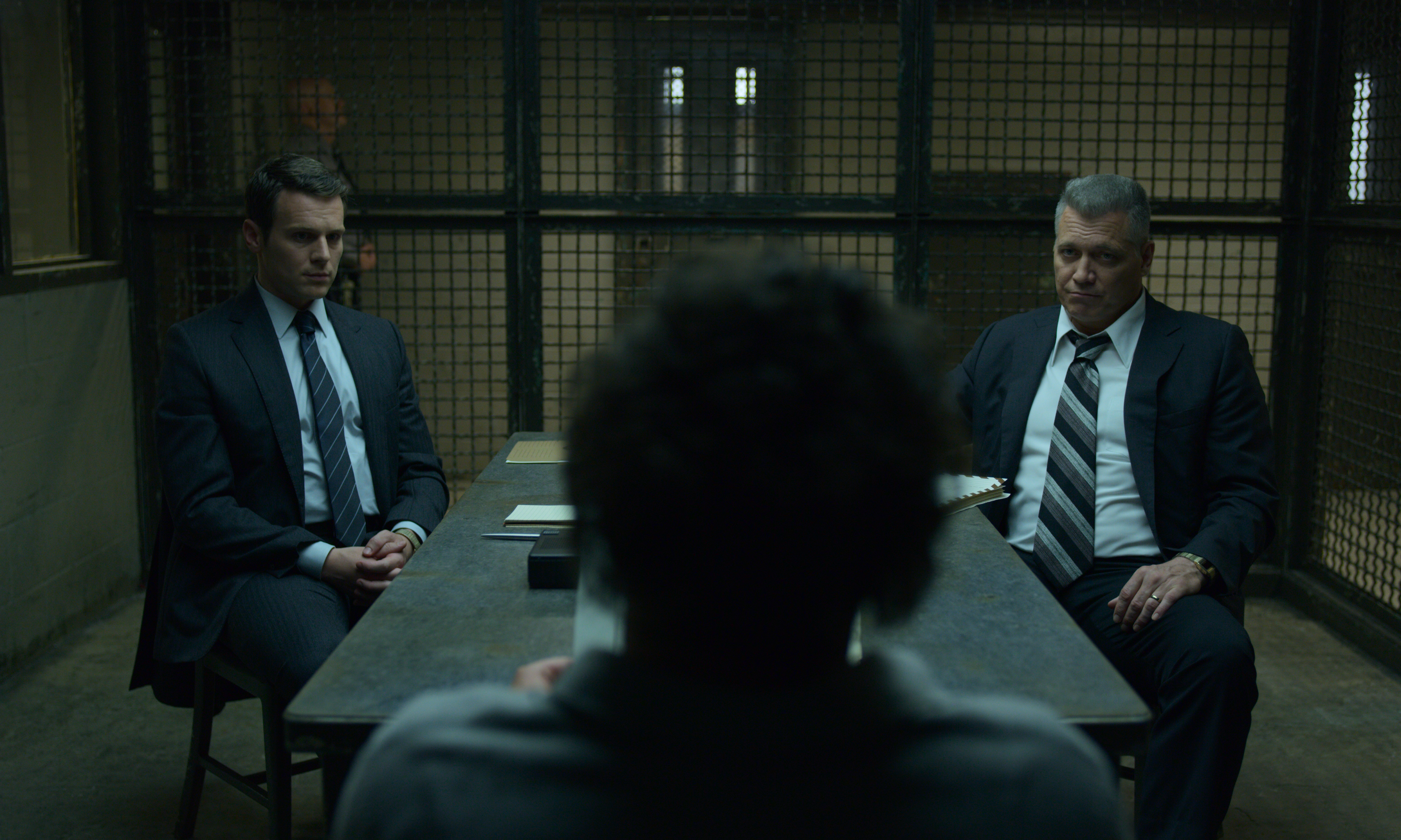
In Season 2, Ep. 2 of Netflix’s Mindhunter series — which is up for Emmy consideration for sound editing and mixing — Fincher and Molod used Foley and sound design to communicate the nervousness and discomfort of BTK-survivor Kevin Bright (Andrew Yackel) as he recounts details of the attack to detectives Tench (Holt McCallany) and Drowatzky (Jeb Kreager). Kevin is in the backseat of Drowatzky’s truck, and because of the camera angle and depth-of-field, he’s not clearly seen by the audience. His movements are implied through Foley, and those increasingly agitated movements reflect Kevin’s emotional state.
Here, Molod discusses the sound team’s work on Mindhunter, focusing on several key scenes in Season 2, Ep. 2, and their use of Foley and loop group as a storytelling tool that adds unique detail to the soundtrack.
How has your experience of working on Mindhunter Season 1 impacted your approach to Season 2? Any lessons learned on that first season that sparked ideas for this new season?
Jeremy Molod (JM): Once we got through the first season, our crew had a rhythm down. That made things a lot easier for Season 2 just in terms of our workflow and how we do it.
We didn’t take a new approach to the second season. We treated Season 1 and Season 2 as one long, huge movie. We continued exactly what we were doing before. David [Fincher] would give us his spotting notes and we’d work on it and then he would give us notes on what he liked and didn’t like. We just proceeded that way.
Since you’ve worked with David Fincher before, did he just give you general notes and let you do your thing?
JM: No. He’s very hands-on, more so than any other director I’ve worked with. He cares about every little aspect. Before we start working on it, he’ll tell us what he has in mind sound-wise, but every single day he is chiming in with more information, more detailed notes, and more ideas of things he’d like us to try. It’s a back-and-forth all the time. I send things to David almost every day for him to listen to and make notes on. It’s a very collaborative effort.
Often directors are so busy handling everything else that they don’t have time for sound collaboration. It’s good to hear he’s very involved in that…
JM: Absolutely. It’s a rare thing for a director to be this involved in sound, but that’s one of the reasons his movies are so good. He cares about every little aspect of it.
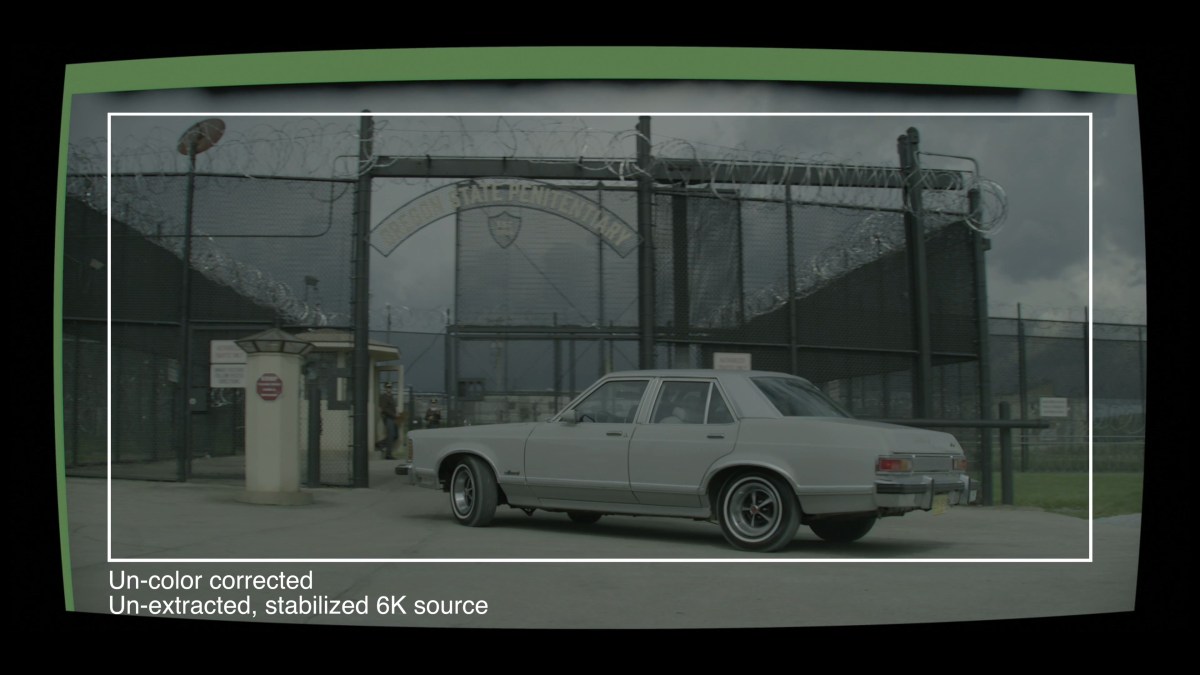
Learn how the new movement toward reanimating camera movement, stabilizing, and reframing shots in post is taking shape! Chad Peter and Tai Logsdon have been on the forefront of this change and will discuss how it all began and how it’s being done today, with lots of details and examples from Mind Hunter, Bird Man, Homecoming & Mr. Robot.
Writer / Director (DGA) / VFX Supervisor originally from Colorado – Chad Peter has worked as VFX supervisor & additional director (inserts) on the final season of “Mr. Robot”, as well as VFX Super on Amazon’s “Homecoming” season 1. Previously, Chad had served as an in-house VFX on “Mindhunter” s1 & s2, “House of Cards” s2 thru s4, “Gone Girl” and more.
Tai Logsdon grew up in the Central Valley of California, graduated from Chapman University in 2006, and has worked as in-House VFX Manager for shows such as Amazon’s “Homecoming” and USA’s “Mr.Robot” (the final season).
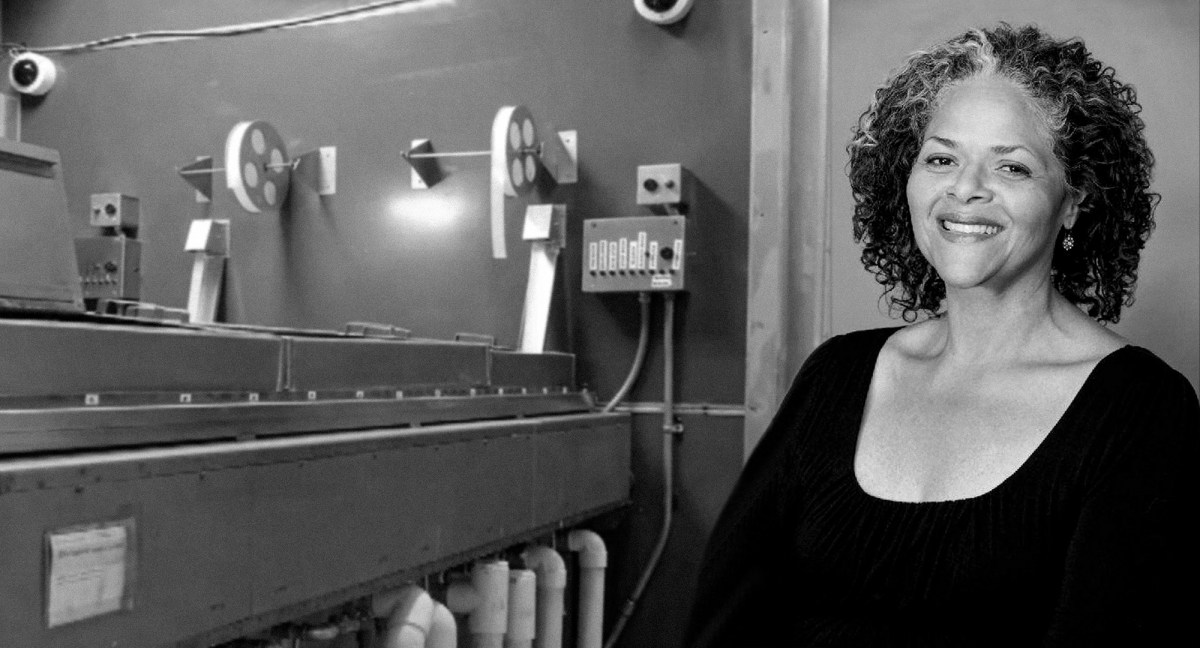
We speak with Beverly Wood, former Executive VP at Deluxe and Managing Director at eFilm. We discuss the transition in Hollywood from Film to Digital with one of the industries foremost experts on the science behind it all. We discuss how film emulsion actually works, color science, her work with Roger and James, and films like SkyFall, O Brother, Where Art Thou and more.
She’s been with us through our journey from film to digital and is a great source of information in general!
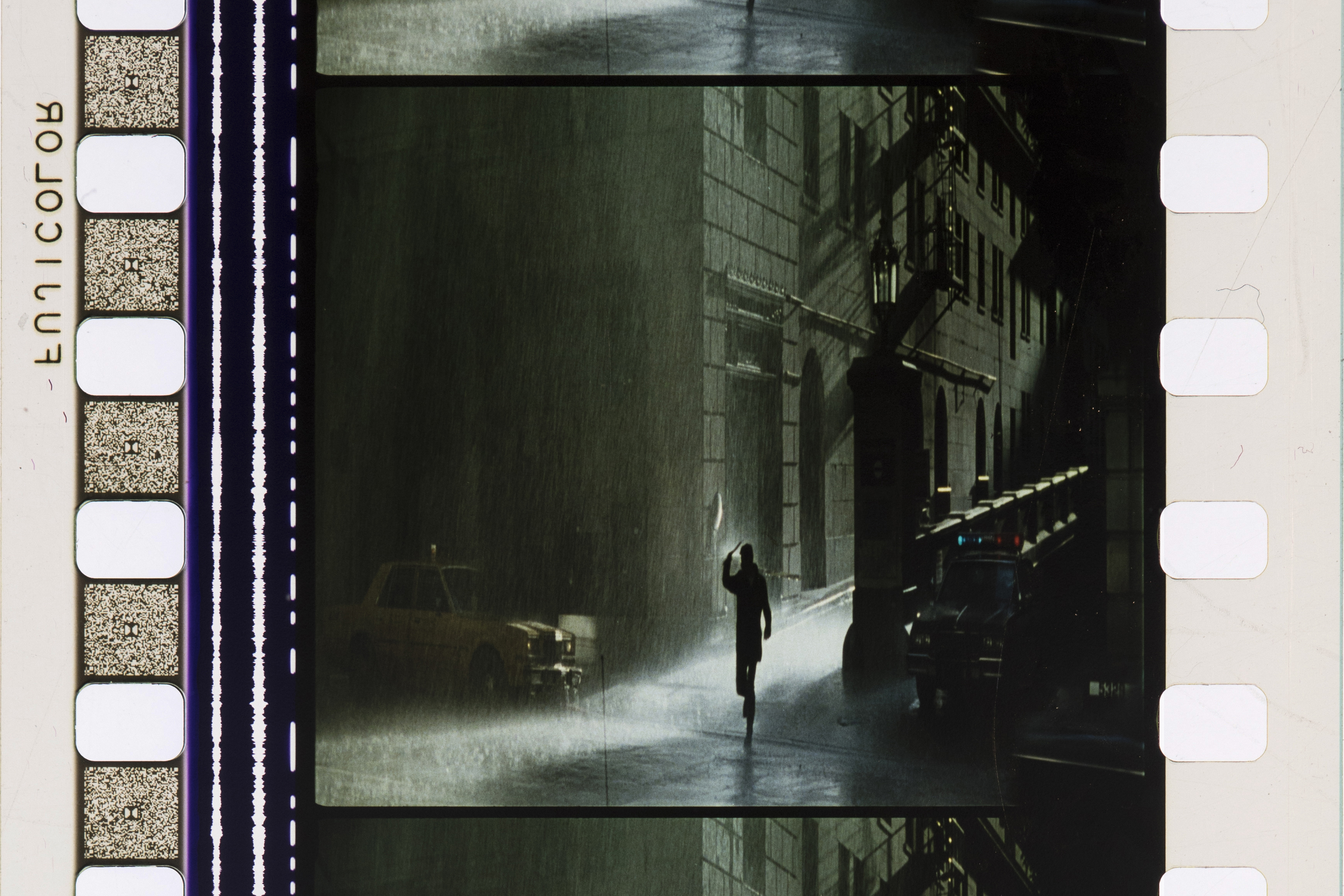
Although mainstream audiences may not be consciously aware of the use of special processes when they watch a film in a theater, they certainly felt the effect while watching David Fincher‘s horrific thriller Seven (AC Oct. ’95), which was photographed by Darius Khondji. A number of the film’s release prints were treated with Deluxe‘s Color Contrast Enhancement (CCE) process to heighten the film’s blacks and add a palpable texture and tonality.
Color Contrast Enhancement (CCE) was a silver retention process used at Deluxe Laboratories in the late 1990s that provided an extreme gritty look, with a muted color palette and increased contrast. Its companion process, Adjustable Contrast Enhancement (ACE), allowed for scalable control of contrast and black levels without impairing color saturation.
On David Fincher’s Se7en(1995), a small number of 35mm show prints were made for big city engagements using Deluxe’s Color Contrast Enhancement silver retention process. This enhanced the film’s noirish visual style with heightened contrast, desaturated colors and rich blacks.




 The Fincher Analyst