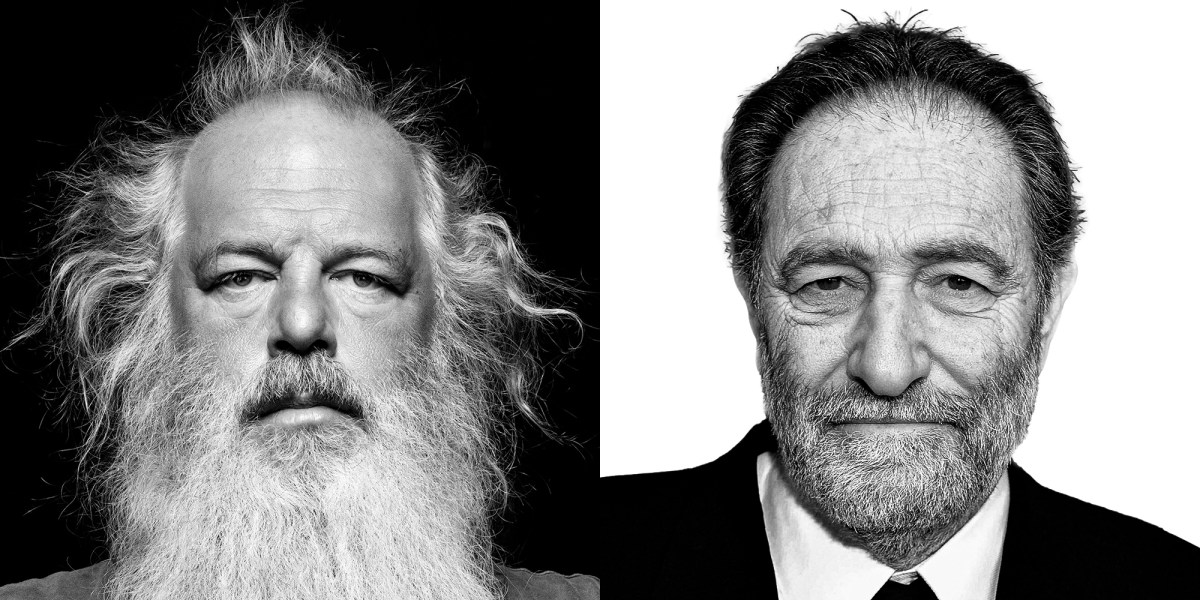
Eric Roth is an Academy Award-winning screenwriter best known for adapting Forrest Gump, for which he won the Oscar for Best Adapted Screenplay. He has received additional Academy Award nominations for The Curious Case of Benjamin Button, A Star Is Born, and Dune: Part One, and is widely regarded as one of Hollywood’s most sought-after writers. Roth co-wrote Killers of the Flower Moon with Martin Scorsese. He continues to work in films as both writer and executive producer. His latest project, the 2025 film The President’s Cake, is now playing in theaters.
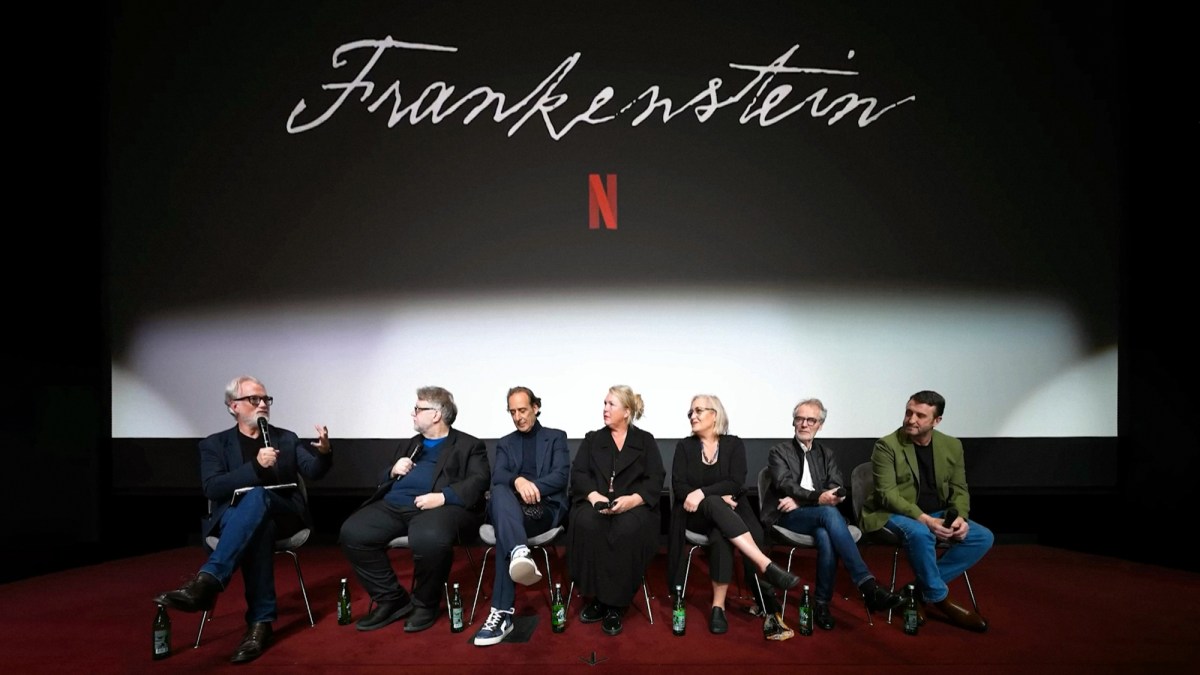
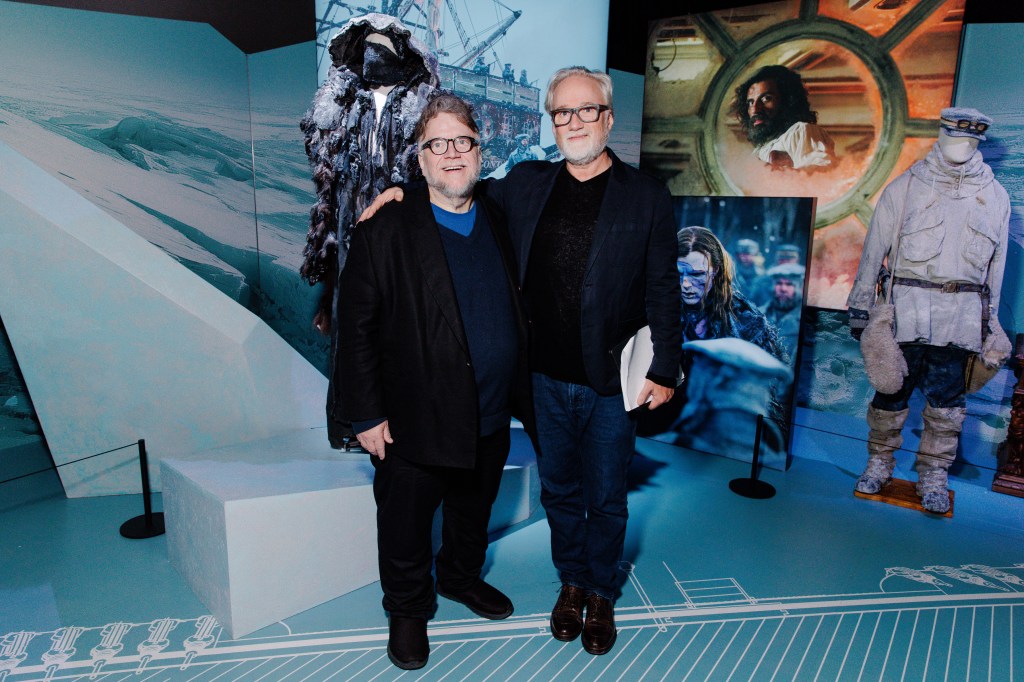
Writer/Director Guillermo del Toro, and Costume Designer Kate Hawley, Composer Alexandre Desplat, Production Designer Tamara Deverell, Cinematographer Dan Laustsen, and Creature Design/Character Prosthetic Makeup FX Mike Hill discuss the making of Frankenstein with moderator David Fincher.
“The movie is exquisite. But it’s not just beautiful. Because “just beautiful” is a cop-out. You have a film that is an example of a hand-crafted personal expression. It is outstanding in that respect.”
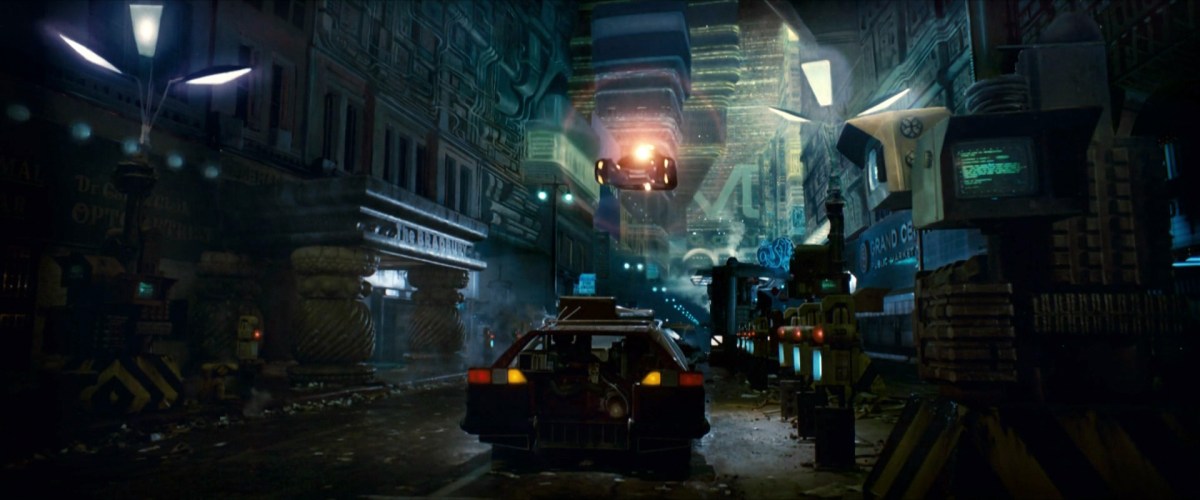
Cinematographer Jeff Cronenweth joins Movies We Like hosts Andy Nelson and Pete Wright to explore Ridley Scott’s groundbreaking 1982 film Blade Runner. As the son of the film’s original cinematographer, Jordan Cronenweth, Jeff brings a unique perspective on both the technical achievements and lasting influence of this sci-fi noir masterpiece. With his recent work on Tron: Ares hitting theaters, Cronenweth reflects on how Blade Runner continues to inspire filmmakers and cinematographers four decades later.
From early experiences on film sets with his father to becoming David Fincher’s go-to cinematographer on films like Fight Club, The Social Network, and The Girl with the Dragon Tattoo, Cronenweth has built a career focused on visual storytelling that serves character and narrative. He describes his approach as seeking human stories within any genre, whether period drama or science fiction. His transition from film to digital cinematography reflects broader industry changes, while maintaining his commitment to thoughtful, story-driven imagery.
The conversation explores how Blade Runner created its influential neo-noir aesthetic with remarkably limited technical resources, including just three xenon lights for its iconic beam effects and borrowed neon lights from Francis Ford Coppola’s One from the Heart set. Cronenweth shares insights into the film’s production challenges and creative solutions, from practical lighting techniques to Ridley Scott’s visionary production design. The discussion examines how the film balances its high-concept science fiction premise with intimate character moments, creating a template for genre storytelling that continues to resonate. Cronenweth also offers a perspective on the various cuts of the film and its 2017 sequel.
Through this engaging conversation, Cronenweth illuminates not just the technical mastery behind Blade Runner, but its enduring impact on cinema. His unique connection to the film through his father, combined with his own distinguished career, offers viewers fresh insights into this landmark work of science fiction and its continuing influence on visual storytelling.
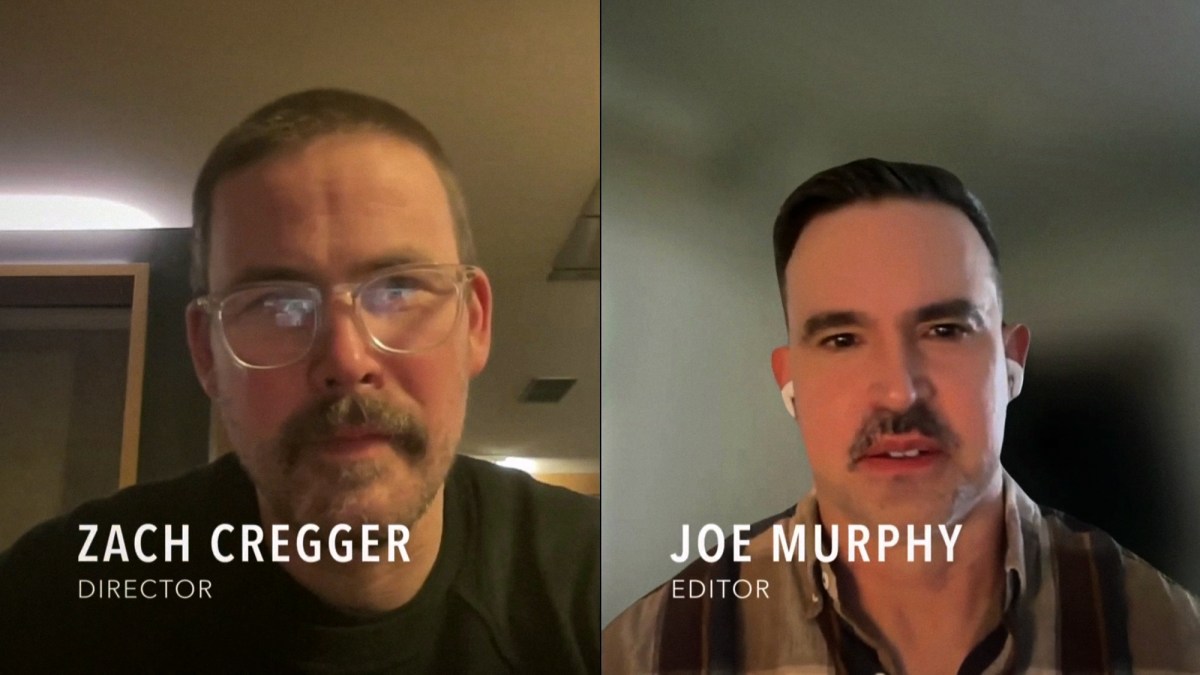
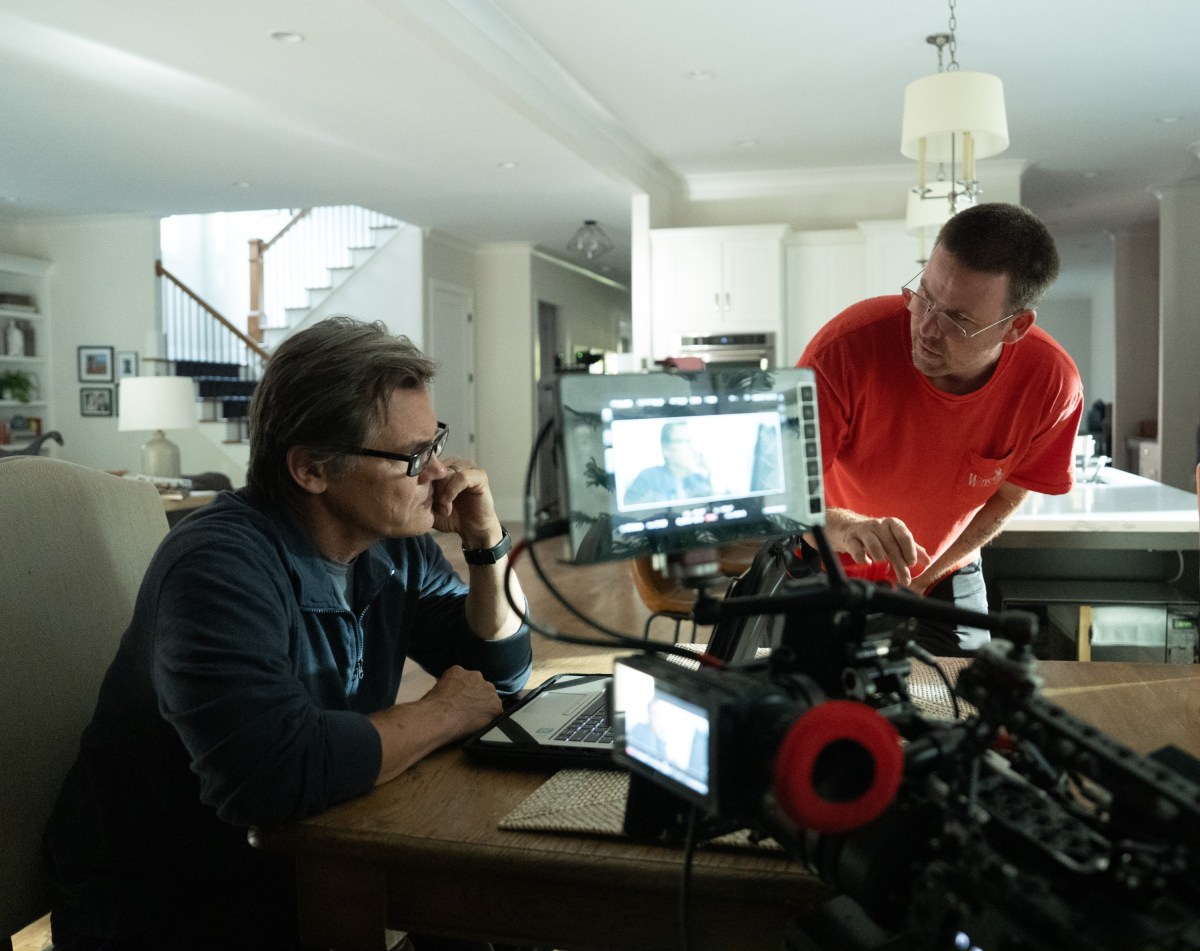
Cinematographer Oren Soffer sits down with director Zach Cregger and editor Joe Murphy for an in-depth conversation about Weapons. From Zach’s meticulous pre-planning with photoboards, to Joe’s work shaping the tone of Gladys in the edit, to the rare opportunity to receive feedback from David Fincher, the duo breaks down the creative process behind the acclaimed supernatural horror film.
Along with the interview, we’re also releasing a bunch of great shots from the film, so you can start adding them to your decks and getting inspired right away!
But before you dive in and watch the filmmaking mini-masterclass above… make sure to go check out Weapons, streaming now on HBO Max.
Sign up for an account at ShotDeck, the world’s first fully-searchable film image database. It’s an invaluable research and educational resource that makes life easier for anyone in Film, Media, Advertising, and Education.
If you are creative, Shotdeck is the place to get inspired and discover new films and talented artists through our meticulously tagged database of still images, all while saving you time.
Search by film title, keyword, location, color, or a dozen other criteria to quickly find the exact “shots” you need to communicate your vision for your next project.
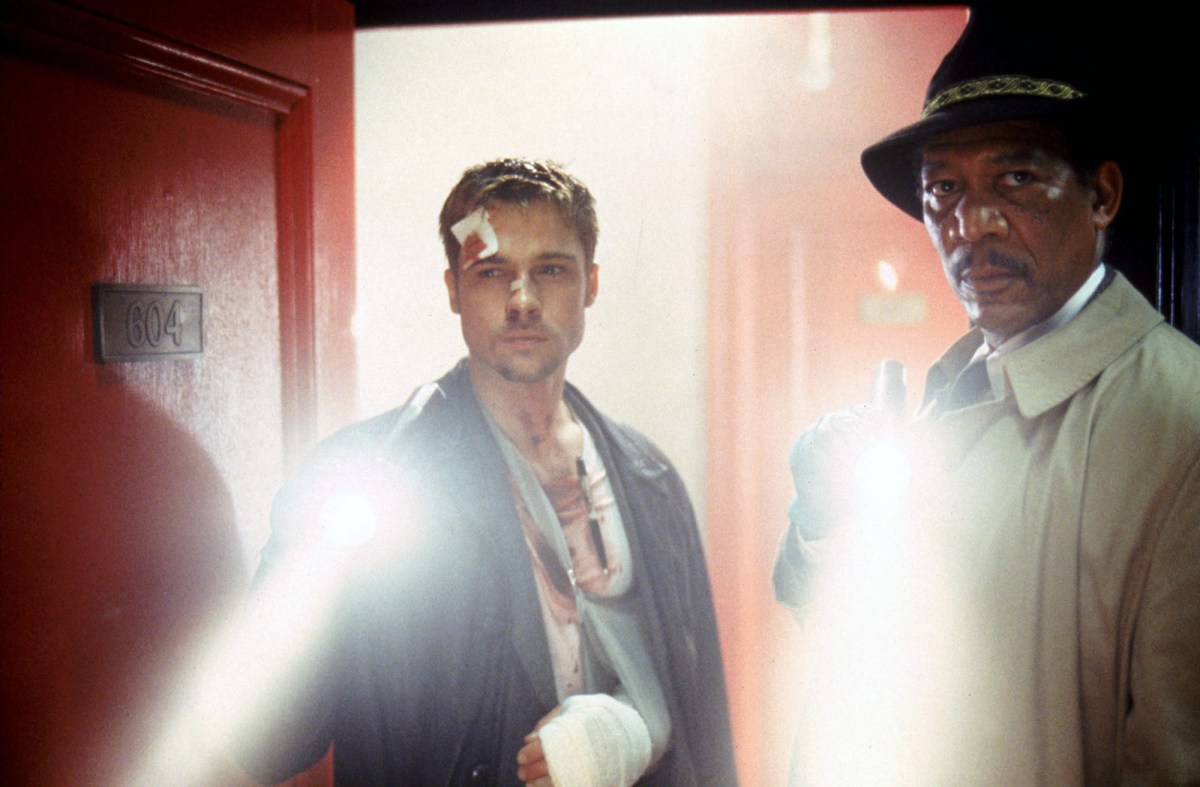
David Fincher’s gritty thriller commented on the urban blight and religious conservatism of the Reagan era. But it also predicted our obsession with true crime today.
Thirty years after its release, David Fincher‘s Seven is now celebrated as the zenith of neo-noir crime thrillers. It raked in a whopping $327m (£250m) at the box office on a $34m (£26m) budget and earned raves from most critics when it came out in 1995. Still, the persistent argument against the film is that it relies too heavily on shock-and-awe gruesomeness to distract from its paper-thin ideas and shopworn crime tropes. A Washington Postcritic lambastedSeven for disguising “formulaic writing” with gratuitous “bloodletting”, while a New York Times reviewer lamented that “not even bags of body parts… keep it from being dull”.
Three decades on, however, it’s clear that some critics missed a different layer to the film – namely, how it interpreted the US’s social crises of the 1980s. There was a worldwide recession at the start of the decade, and this coincided with high urban crime rates, a crack cocaine epidemic and the spread of Aids. The US’s new president, Ronald Reagan, responded to these issues with talk of being “tough on crime”, and his high-profile supporters included various influential Christian figures – leaders of what was known as the Christian right or the religious right – who preached the importance of traditional family values.
All of this fed into Seven. On one level, the film is an exquisitely well-made thriller about a psychopathic serial killer, but beneath its noir-style veneer lies a fascinating take on the way the US responded to some of its most divisive social issues.
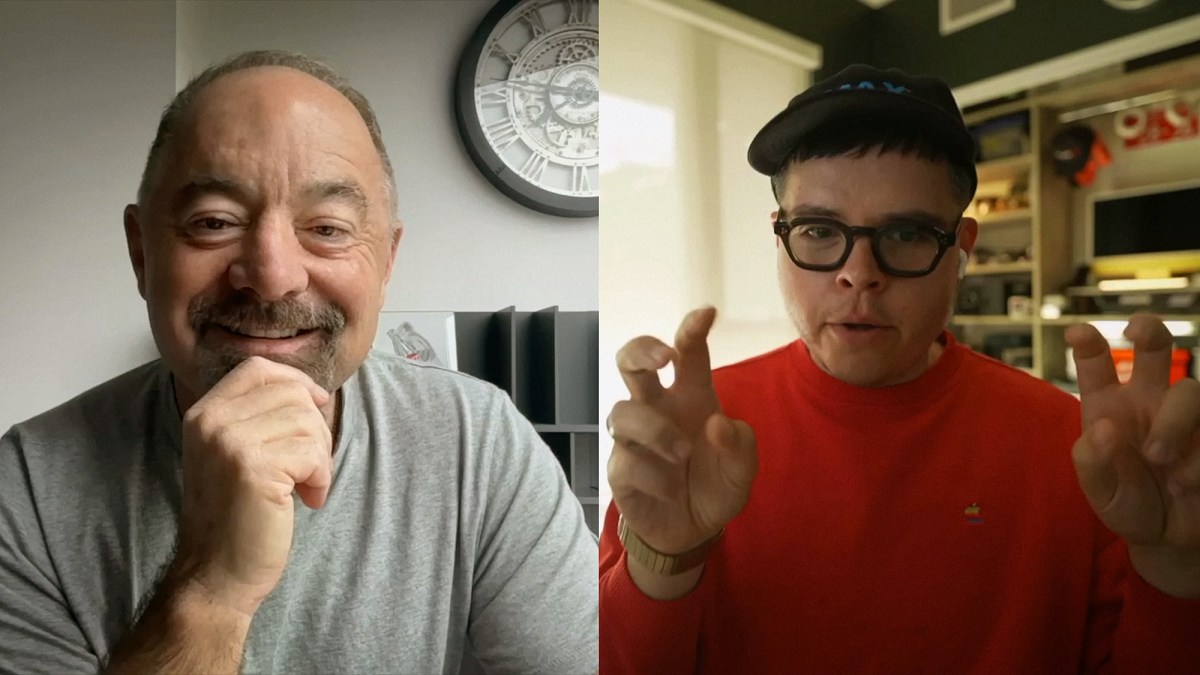
In this episode, we welcome two-time Oscar-nominated cinematographer Jeff Cronenweth, ASC. Jeff has shot films including Fight Club, One Hour Photo, The Social Network, The Girl with the Dragon Tattoo, Hitchcock, Gone Girl, Being the Ricardos, and Tron: Ares. In our chat, Jeff shares his origin story, experiences working with David Fincher — and all about his latest movie, Tron: Ares. He also offers extensive insights and recommendations for today’s cinematographers and filmmakers.
Go behind the visuals of TRON: ARES with cinematographer Jeff Cronenweth, ASC – the mind behind the camera for films like The Social Network, The Girl with the Dragon Tattoo, and Gone Girl. We talk about the look of the new TRON film, his collaboration with director Joachim Rønning, shooting digitally on RED cameras, and how his decades-long partnership with David Fincher shaped his approach to modern cinematography.
If you’re into camera tech, lighting, or just want to know why TRON: ARES looks so good, this one’s for you.
After Reznor brought industrial grind into the mainstream, he became an in-demand film composer—and from Natural Born Killers to Tron: Ares, he’s done some of his best, most adventurous work for the screen. A definitive guide to Nine Inch Nails on film.
Nine Inch Nails founder Trent Reznor can’t have known how different a line like “I don’t believe in your institutions” would sound decades later. Nine Inch Nails have been inducted into the Rock and Roll Hall of Fame; Reznor and his composing partner Atticus Ross have an Emmy, a Bafta, two Grammies, three Golden Globes, two Oscars (they’re just a Tony away from an EGOT), and a Country Music Award. In some ways Reznor is now the kind of establishment figure he always despised, a respected elder statesman to goths and queers everywhere. With Nine Inch Nails, he married industrial aesthetics to pop instincts; Prince and Bowie were always more important to the recipe than Skinny Puppy. Reznor and Ross won their second Oscar for a Disney movie, and might win for another one at next year’s ceremony. The institutions believe in them.
It makes a lot of sense that someone whose audience is wide enough to include every strain of angry queer teen and the staff of Pixar would embrace these contradictions as he got older, got sober, had children, and became close friends with the people he grew up admiring (Bowie, David Lynch, John Carpenter). There is something in Reznor’s voice that speaks to millions of people, something indefinable that has nothing to do with hooks or record-label muscle behind him. The subject matter has always been lacerating and bleak. On his albums, Reznor was a one-man band plus hired hands until around 2016, where he officially made Atticus Ross a full member. Contradictorily, when he was inducted into the Hall of Fame he submitted every single touring musician as a band member and was forced to negotiate down to 7.
The Tron: Ares soundtrack, released a few weeks ago in advance of the Jared Leto-led threequel, is the first Nine Inch Nails album in five years credited to the band (as opposed to Reznor and Ross) and the first NIN release with sung vocals since 2018’s excellent but brief Bad Witch. It comes on the heels of a tour that everyone you know and admire went to, featuring startling production and the seamless incorporation of acoustic pianos and new collaborator Boys Noize. The pair have announced upcoming projects ranging from a new Naughty Dog video game to starting a production company that wants to branch into film production and fashion. Tron Ares, out today, isn’t even the only movie with a Reznor/Ross soundtrack in theaters right now—they also scored Luca Guadagnino‘s After The Hunt.
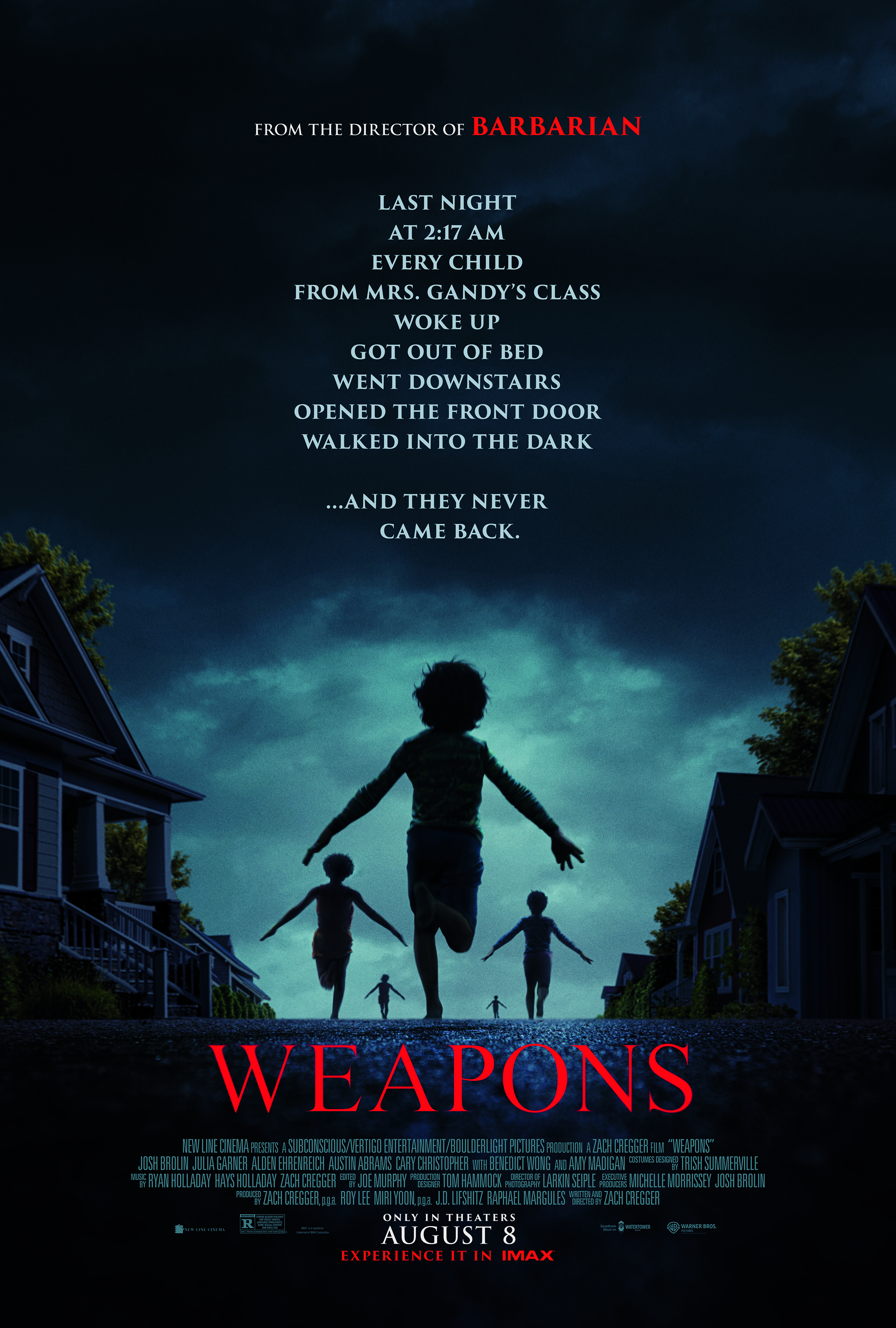
You can finally take writer/director Zach Cregger’s Weapons home.
The horror epic, about a classroom full of kids that mysteriously vanish at 2:17 a.m., was released in theaters this summer, where it promptly became a huge hit. It made more than $267 million worldwide, which is even more impressive when you consider that it was an original concept, not based on a preexisting property. There are even rumblings that the movie, which stars Julia Garner, Josh Brolin and Alden Ehrenreich, could be a low-key Oscar contender. (Amy Madigan should be a shoo-in for Best Supporting Actress.)
And if you wanted to further explore its mysteries over and over again, now is your chance, with the film available on digital (on Apple TV, Prime Video, Fandango on Demand and other platforms) and physical media (DVD, Blu-ray and 4K UHD).
TheWrap spoke to Cregger about some of the things everyone has been talking about since the release of Weapons. “You hope people are going to respond to it and try and keep your expectations low and but that’s a hard thing to do,” Cregger said about the oversized response to Weapons. “But I was very pleasantly surprised.”
Read on for Cregger’s breakdown of some of Weapons most talked-about moments. But a massive spoiler warning should be issued ahead.
The Church of Tarantino is a podcast channel with weekly shows dedicated to discussing every and anything related to the films of Quentin Tarantino. One of our 4 unique monthly series drop an episode every Friday. Ranking Tarantino (1st Friday of the month), The Bible Study (2nd Friday of the month), Inglourious Blue Balls (3rd Friday of the month) & Tarantinoesque Film Review (4th Friday of the month). Whether we’re ranking various aspects of his films, dissecting his scenes, discussing all the projects he’s announced, or reviewing films that are like his, there’s something for every QT fan.
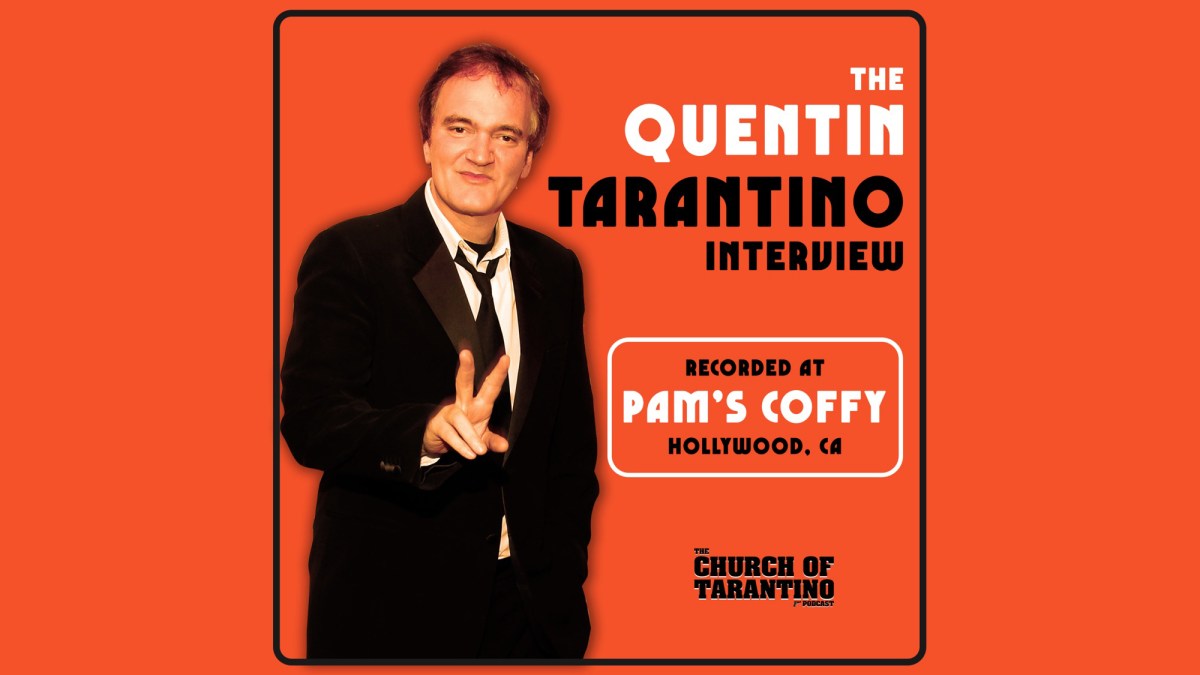
For this episode, join the Reverend inside Pam’s Coffy, for his first ever sit down with Mr. Quentin Tarantino, as they discuss the cancellation of The Movie Critic, the origin of The Adventures of Cliff Booth, why he handed it to Brad Pitt and David Fincher, his “favorite director”, what his next project is going to be, why Kill Bill: The Whole Bloody Affair is still unavailable to the public, the brilliance of the late great Michael Madsen and so much more, including the question he’s been dying to ask for over 2 and a half years: “What ever happened to the Untitled TV Series?” This is a must-listen for true Tarantino fans.


 The Fincher Analyst