In this episode, we welcome two-time Oscar-nominated cinematographer Jeff Cronenweth, ASC. Jeff has shot films including Fight Club, One Hour Photo, The Social Network, The Girl with the Dragon Tattoo, Hitchcock, Gone Girl, Being the Ricardos, and Tron: Ares. In our chat, Jeff shares his origin story, experiences working with David Fincher — and all about his latest movie, Tron: Ares. He also offers extensive insights and recommendations for today’s cinematographers and filmmakers.
In David Fincher’s Netflix darkly comic thriller The Killer, Michael Fassbender is the nameless assassin who goes on an international hunt for revenge while insisting to himself that it isn’t personal.
The film marks the second Fincher-directed feature shot by Erik Messerschmidt ASC, following the Citizen Kane drama Mank, for which he won the 2020 Academy Award for Best Cinematography.
It is also the latest in a long line of Fincher movies since The Social Network to be shot on RED.
“There was not a conversation about using another camera system – there never is with David,” Messerschmidt says. “RED as a partner have been enormously collaborative with us in terms of helping us develop new ideas and solve problems. RED is absolutely creative partners to David’s process and certainly to me.”
Meet Beverly Wood, an innovator in color technologies for major motion pictures. She began working as an analytical chemist in the early 1980s before moving from the east coast of the U.S. to the west coast—a move which greatly influenced the trajectory her work. Her specialized knowledge of chemistry, engineering, and filmmaking led to her award-winning contributions to the creation and development of Color Contrast Enhancement (CCE) and Adjustable Contrast Enhancement (ACE) motion picture processes.
During this live online interview, you will be inspired by the story of Wood’s career, helping cinematographers, like Darius Khondji and Roger Deakins, to achieve their visual goals, and guiding them through the transition from chemical to digital technology, which changed how we see films today.
Frame & Reference is a conversation between Cinematographers hosted by Kenny McMillan. Each episode dives into the respective DP’s current and past work, as well as what influences and inspires them. These discussions are an entertaining and informative look into the world of making films through the lens of the people who shoot them.
In this episode, we’re joined by my friend Michael Cioni to talk about his new company Strada (YouTube).
Michael is a serial entrepreneur whose career includes numerous awards for his creative work and technical achievements. He is an accomplished director, cinematographer, musician, four-time Emmy winner, member of the Motion Picture Academy, and Associate Member of the American Society of Cinematographers.
A U.S. patent holder of digital cinema technology, Michael was the founder and CEO of the post house Light Iron where he pioneered tools and techniques that emerged as global workflow industry standards. After Light Iron was acquired by Panavision, Michael served as product director for Panavision’s Millennium DXL 8K camera ecosystem.
He then joined the cloud startup company Frame.io where he served as Senior Vice President of Global Innovation. After Frame.io was acquired by Adobe, Michael led numerous workflow innovations including the breakthrough Camera to Cloud technology program as Senior Director of Global Innovation.
He continues to be motivated by the desire to democratize professional workflows and focuses his efforts on inventing new ways for filmmakers to create through his technology. Michael is a well-known and gifted speaker, advocate for the community, and serves as a mentor and educator throughout the global media industry.
Producer and long-time David Fincher collaborator Peter Mavromates extend their partnership in The Killer where an assassin seeks revenge after a botched assignment. The Netflix feature consists of 900 digitally-augmented shots that range from shortening the tail of a dog to CG airplanes, tasked to a vendor list that includes Ollin VFX, Artemple-Hollywood, Savage VFX, and Wylie Co. as well as an in-house team. “Visual Effects Compositor Christopher Doulgeris and I will go into the color bay with [Colorist] Eric Weidt and talk about some issue that we had,” Mavromates explains. “Even sometimes if it’s an outside vendor, we’ll focus to help problem-solve. It’s this wonderful and fluid atmosphere, and it works for David Fincher because he’s always got ideas flowing. He doesn’t want to be on a clock at a facility where you’ve got from 2 p.m. to 5 p.m. and then it’s overtime. There’s none of that. David will walk the halls and stop in on people to check on stuff.”
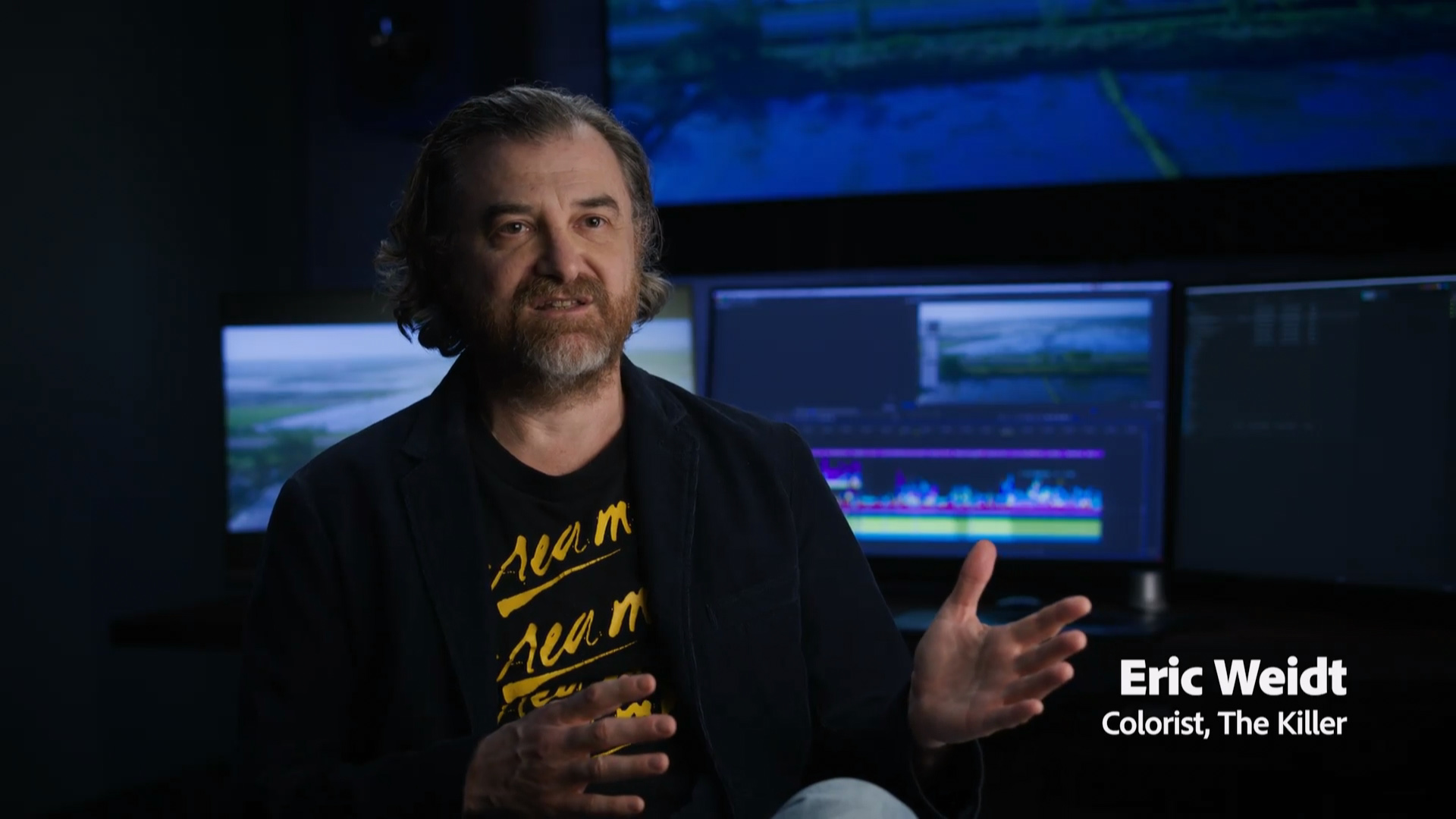
With six unique locations, grading The Killer was never going to be simple. Colourist Eric Weidt shares how he captured David Fincher’s meticulous hitman.
The latest film from David Fincher, The Killer, sees Michael Fassbender play the titular assassin – a Smiths-loving cynic who embarks on an international chase after a high-profile job goes awry. The story takes our anti-hero from hazy Paris to humid Florida to wintry New York, with each location taking on its own challenge – both for the Killer and the film’s colourist Eric Weidt.
GOING INTERNATIONAL
Based on Alexis Matz Nolent’s graphic novel series and inspired by Jean-Pierre Melville’s Le Samourai, The Killer combines a fast-paced plot with moody yet bold colours. “I think Fincher is a big comic book fan,” begins Weidt, “especially in the art of framing to impart the beats of a story. Working in film, he brings that to movement as well – he’s seeking a visual rhythm that makes you forget it is highly constructed.
“David likes to push and pull colours, but always strikes an unconscious balance,” he continues. Weidt began working on The Killer while it was still at the pre-production stage, developing lookup tables alongside cinematographer Erik Messerschmidt ASC, who had previously worked with Fincher on Mank, for which he won an Academy Award.
A pair of films shot by Erik Messerschmidt, ASC premiered at the Venice International Film Festival last August, and both were collaborations with leading directors: David Fincher’s The Killer and Michael Mann’s Ferrari. Messerschmidt recently spoke with AC from Spain about his work on each production.
The Killer | A Devil of a Job
Fincher and Messerschmidt didn’t discuss the look of The Killer as much as its tempo and structure.
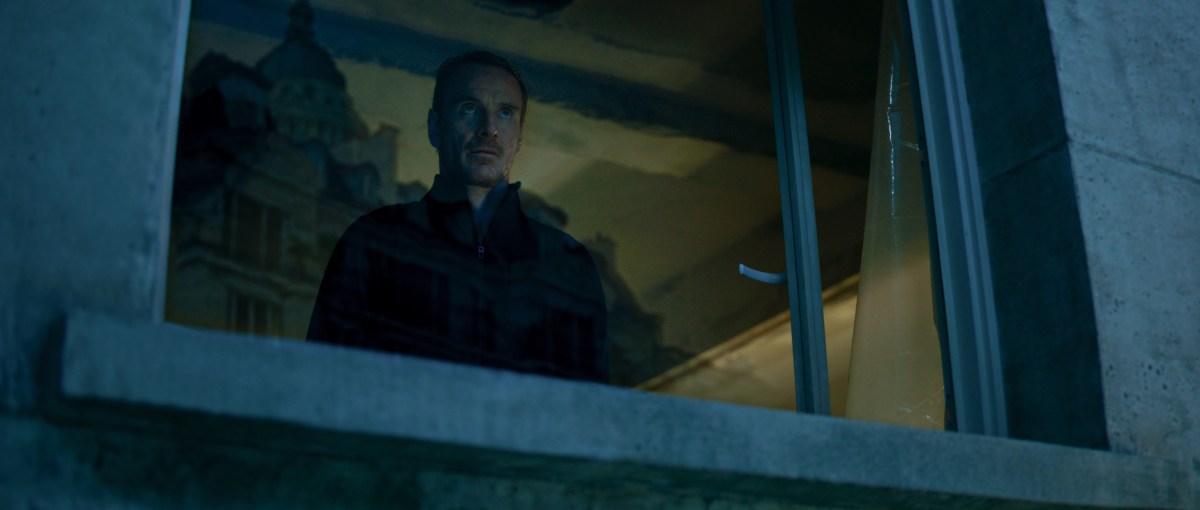
Adapted from a graphic-novel series, the film follows a methodical, nameless assassin (played by Michael Fassbender) whose life spirals out of control after a job goes horribly wrong in Paris. He tries to restore a sense of order by punishing those responsible.
Messerschmidt won an Academy Award for Fincher’s Mank (AC Feb.’21), and his collaborations with the director span the Netflix series Mindhunter and the feature Gone Girl — with Messerschmidt serving as gaffer for Jeff Cronenweth, ASC (AC Nov. ’14) on the latter.
“David is fastidious,” he says. “He is very prepared, but very collaborative and considerate of what it is everyone’s bringing to the project. He shares his goals for the film with you, and he shares the techniques that he wants to use in a really elegant way. So, you begin to understand quite quickly what he’s looking to achieve on a given shot, a given scene or even on a given film.
“On this film, David was particularly interested in exploring The Killer’s state of mind through the camera’s perspective,” recalls Messerschmidt. “The Killer in his natural state is very much in control of his environment — nothing surprises him, and we wanted the audience to immediately connect to his confidence.”
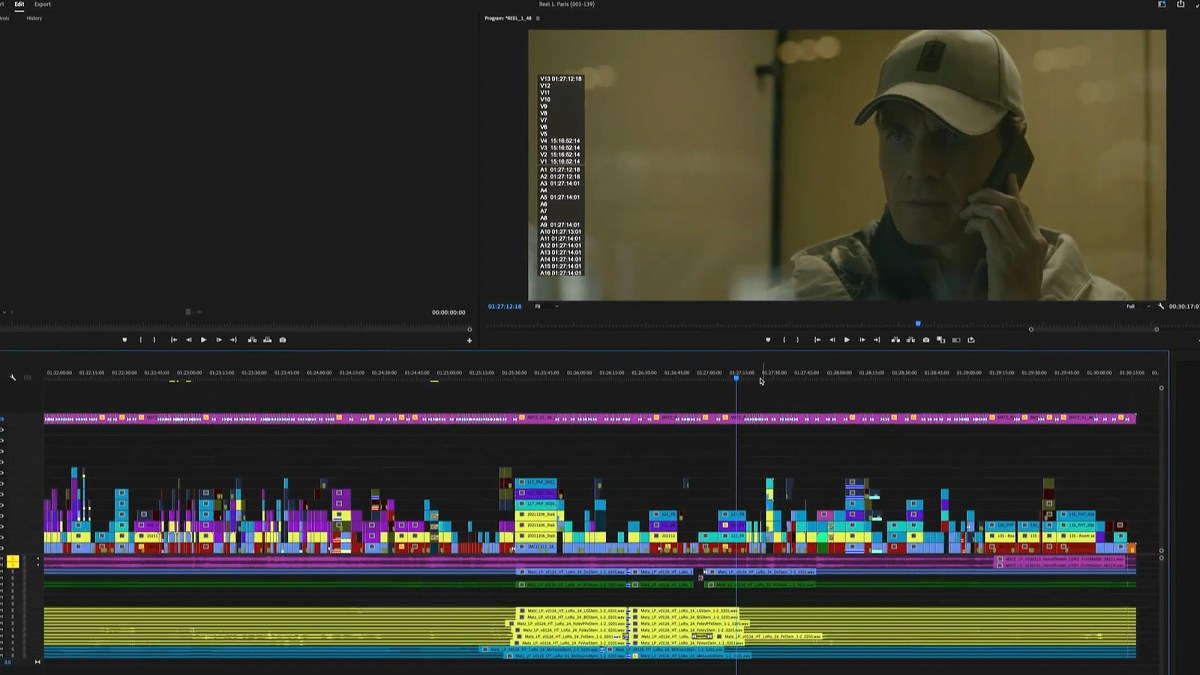
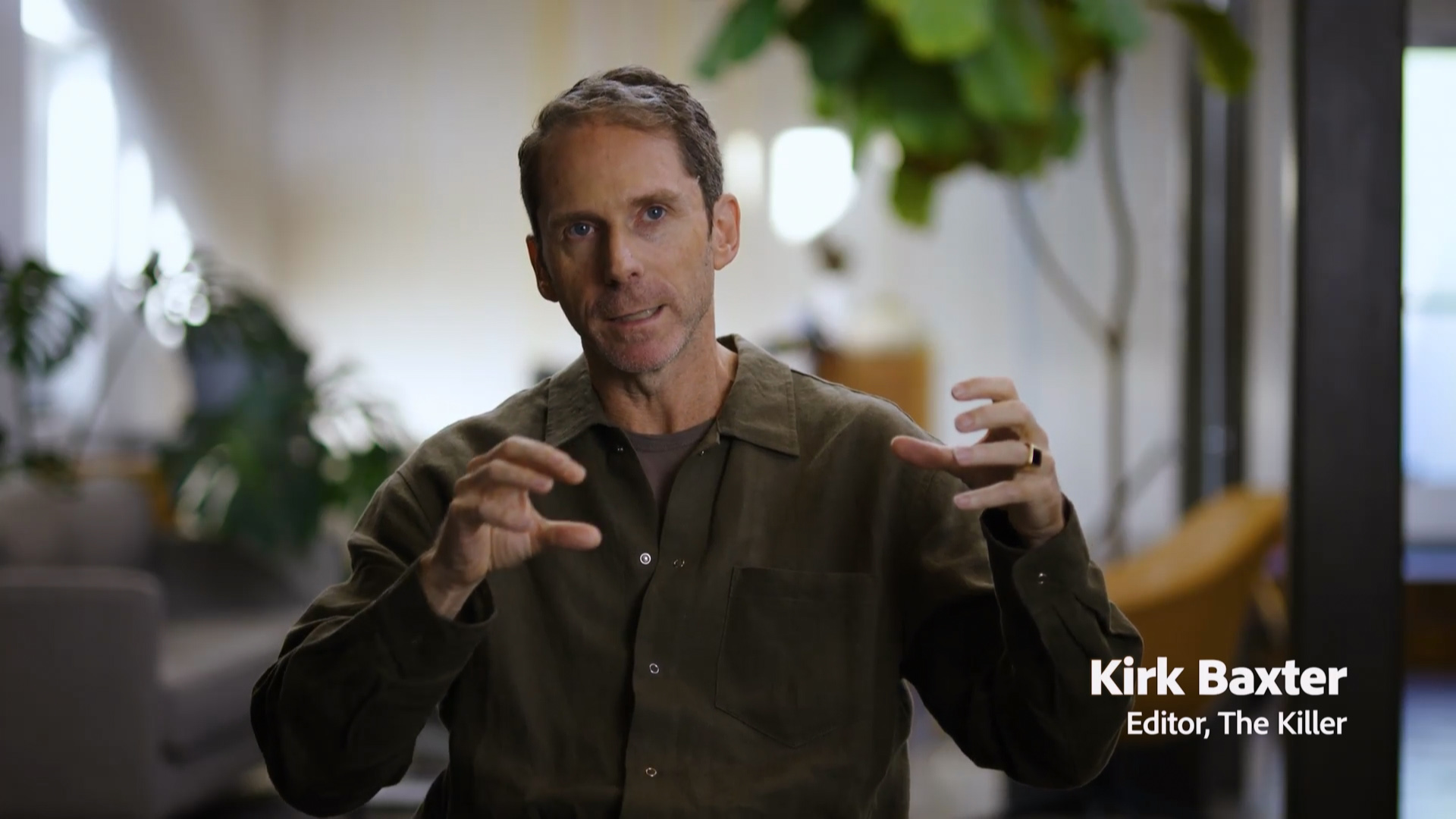
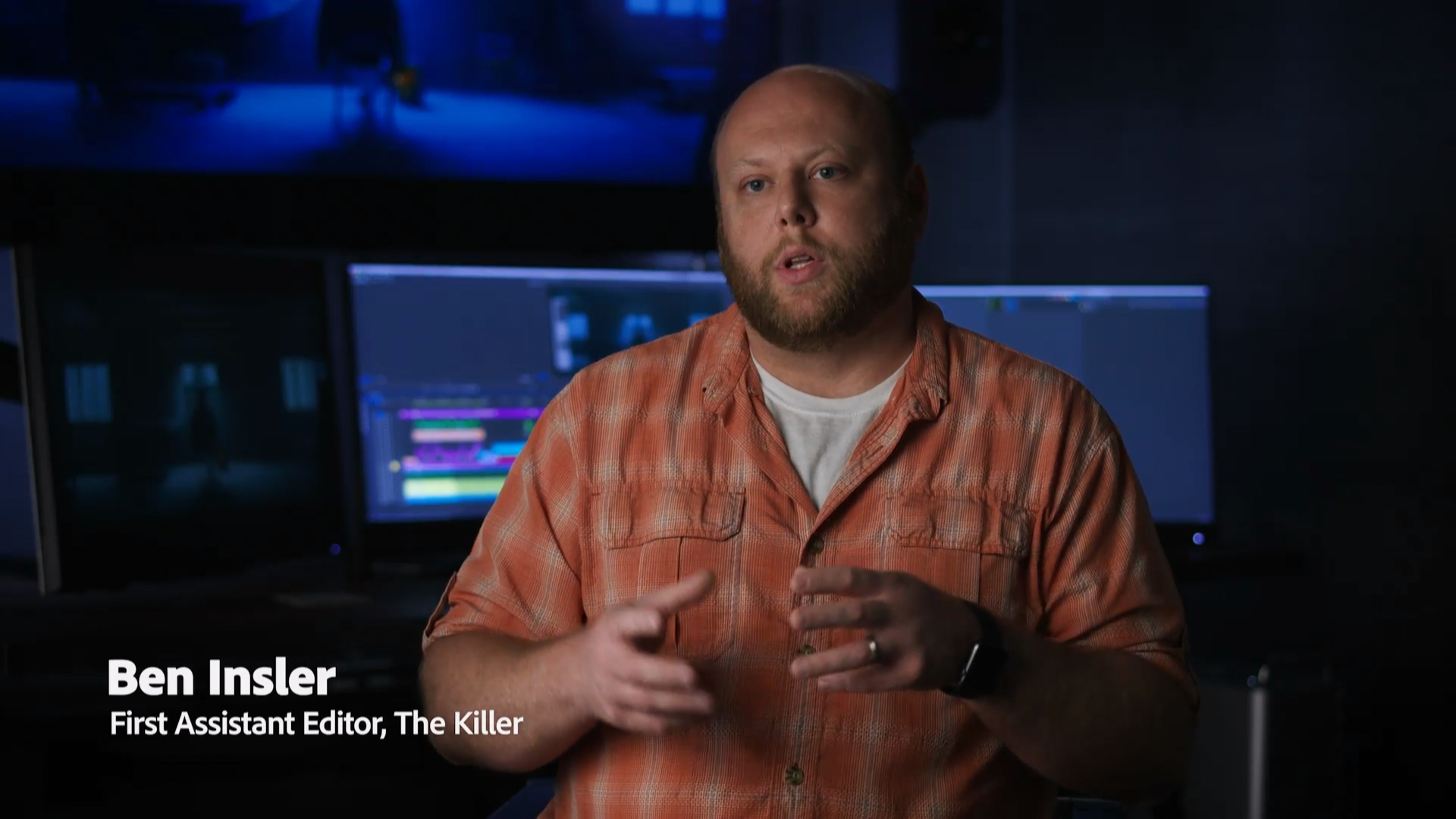
See how award-winning editor Kirk Baxter and his team, First Assistant Editor Ben Insler, and Colorist Eric Weidt, used Adobe Premiere Pro to break the rules of traditional editing in The Killer, a neo-noir thriller directed by David Fincher.
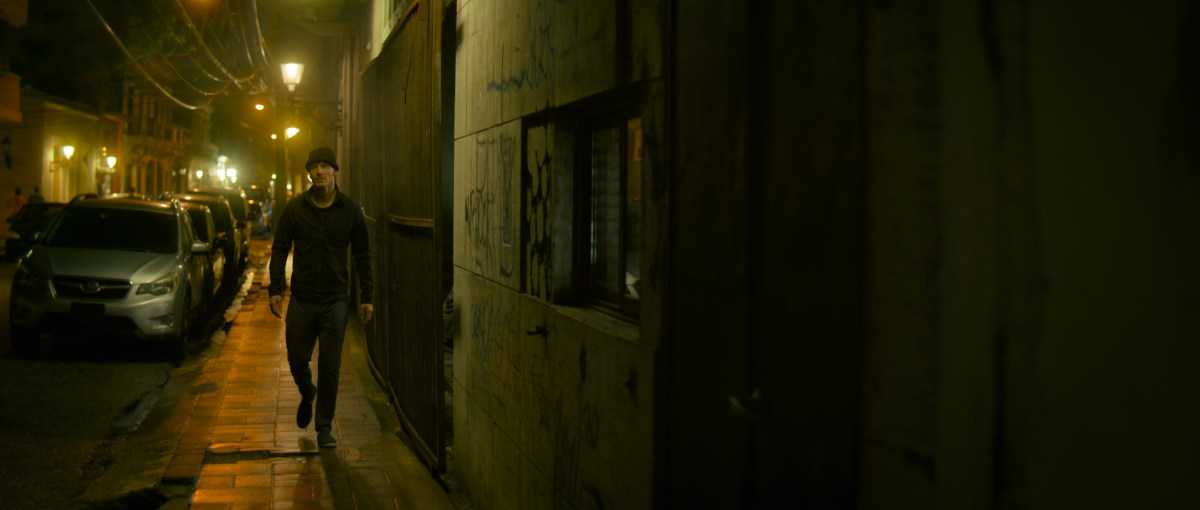
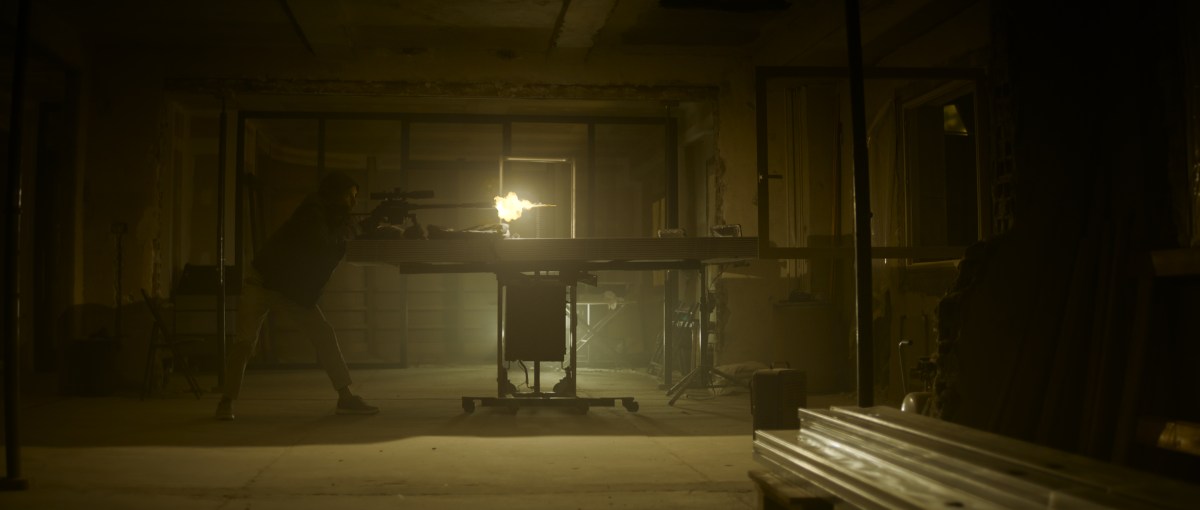
The film reflects the muted yellow and green colour palette of its graphic novel inspiration.
Oscar-winning DP Erik Messerschmidt ASC reteams with David Fincher for a live-action comic book adaptation that required a meticulous approach to its cinematography.
When Erik Messerschmidt ASC got the call from David Fincher to work on his new film The Killer, it was an offer that arrived almost as stealthily as its lethal protagonist. “He only ever [asks] once he knows he’s going to make the film,” says the American-born cinematographer, who previously collaborated with Fincher across two seasons of the Netflix series Mindhunter (2017-2019) and the acclaimed Hollywood-set period tale Mank (2020), which won Messerschmidt an Academy Award for Best Cinematography. The Killer, an adaptation of the French graphic novel, written by Alexis “Matz” Nolent, offered a whole different set of challenges, however.
This tense, taut thriller follows a nameless assassin, played by Michael Fassbender, who is fighting for his life after a job he undertakes in Paris goes disastrously wrong. “When I first read it, I was so excited about how little dialogue is in the film. It’s all voiceover,” explains Messerschmidt. “Normally, when you shoot a scene in a narrative film, you’re shooting actors predominantly talking to each other. And this film… on the set it was quite a quiet place. Which is really, really interesting. And it changes the dynamic enormously.”
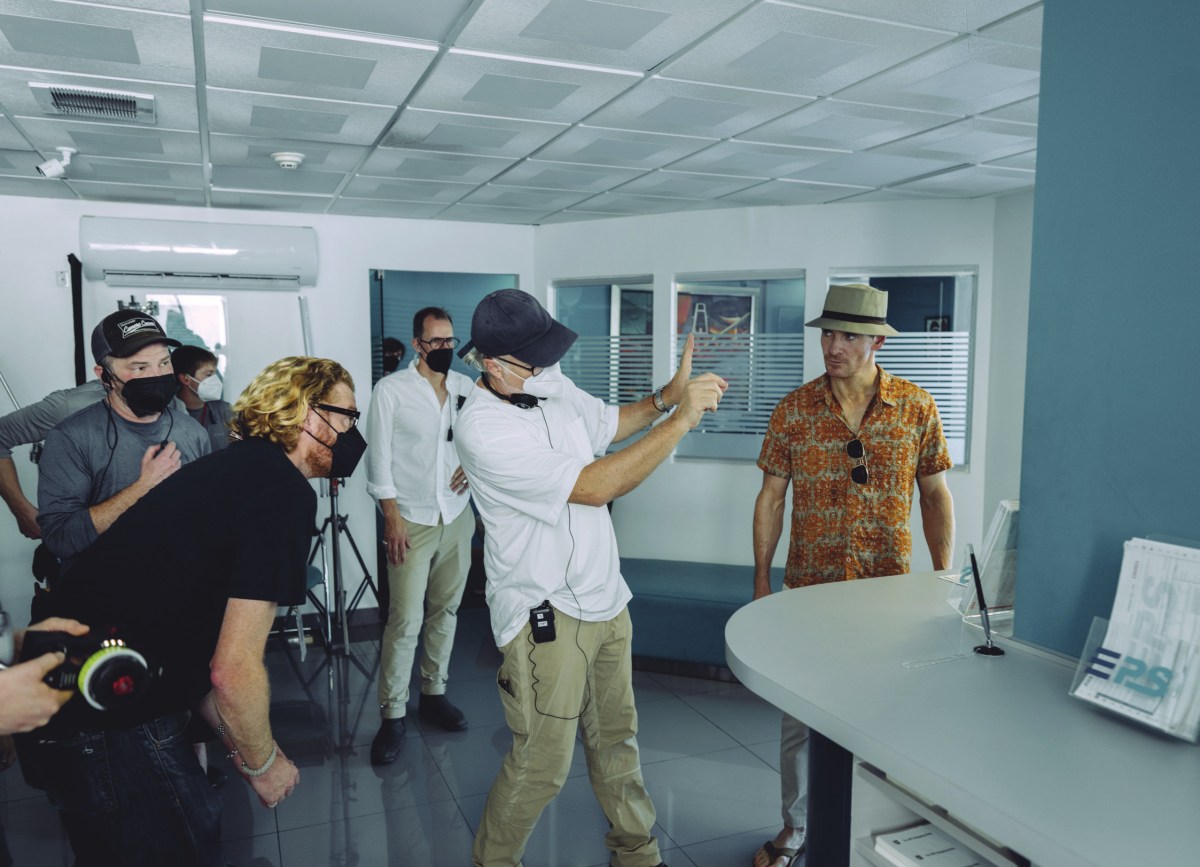
To borrow the film’s cunning tagline, “Execution is everything”, and making The Killer became a meticulous experience for Messerschmidt and his team. Choreographing the camera to reflect the perspective of Fassbender’s killer, as he watches from the shadows, required absolute perfection. “It became very much about precision,” he says. “It’s an enormous amount of pressure on the camera operator [Brian S. Osmond] on this film.” Every step of the background artists was accounted for, like an elaborate dance. “So, it’s all sort of in concert…[that] is the intention most of the time.”
The Killer is David Fincher’s latest action/thriller movie based on the French graphic novel series of the same name, by Alexis “Matz” Nolent. Starring Michael Fassbender and Tilda Swinton, the film follows an assassin who gets embroiled in an international manhunt after a hit goes wrong.
The movie, which made its premiere at the 80th annual Venice Film Festival and will be available on Netflix from 10 November, saw another successful collaboration between cinematographer Erik Messerschmidt ASC, director David Fincher and colourist Eric Weidt. Weidt has been working with David Fincher since 2014 and the trio previously joined forces on Mank (2020) and the Mindhunter series (2017-2019).
A US and French citizen, Weidt is a renowned freelance colourist who spent 15 years in Paris working with fashion photographers and filmmakers (Vogue, Bazaar, Pop).
“I began with Fincher doing beauty work in Nuke in 2014,” explains Weidt. “I showed him a reel of colour work I’d done working in fashion in Paris, and I think he figured that squared perfectly with the kind of precision he wanted to get into by grading his own projects in-house.”




 The Fincher Analyst