The Cinematography Podcast: Erik Messerschmidt

Erik Messerschmidt, ASC: Mank, Mindhunter, Legion, Raised By Wolves, working with David Fincher.

Ben Rock & Illya Friedman
December 30, 2020
The Cinematography Podcast (Cam Noir)

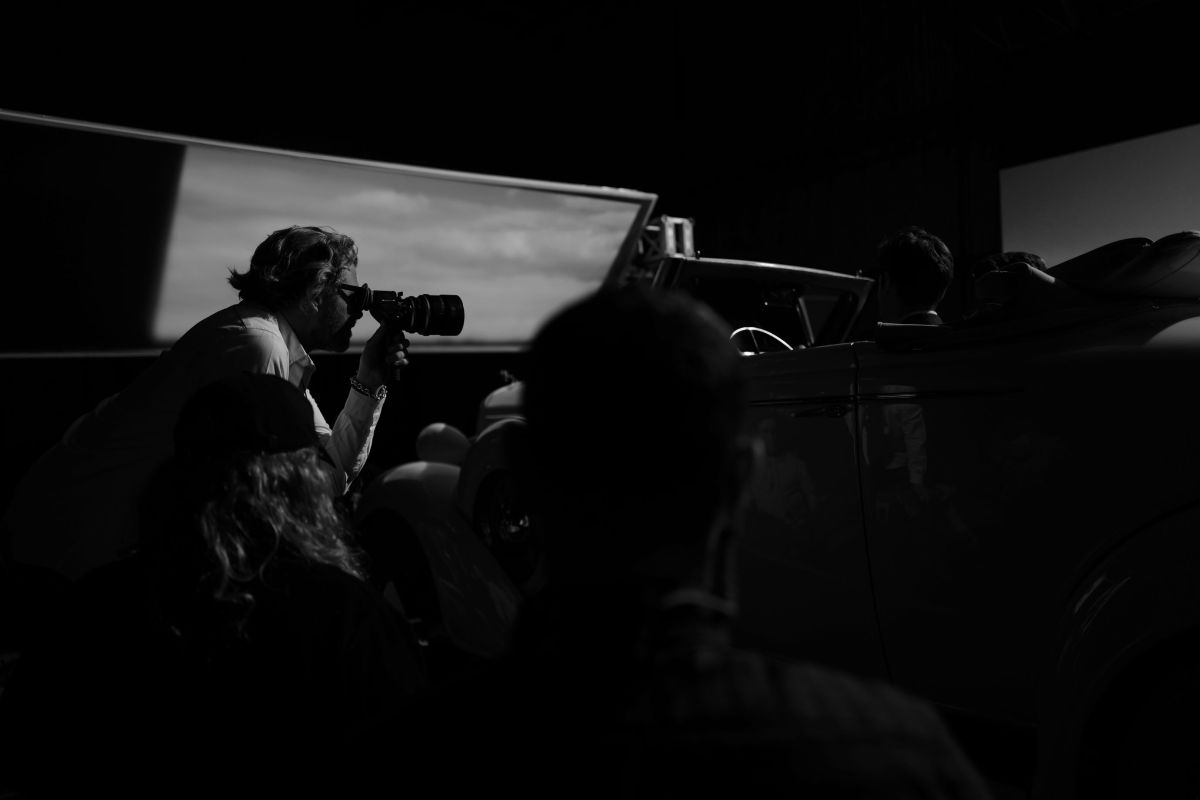
Erik Messerschmidt, ASC believes that cinematographers get too much credit for how a movie looks and not enough for how the story is told. When you break a scene apart and assemble a sequence, the cinematographer has a huge part to play in the process of deciding when to move the camera, what lenses are used, how it flows and when it moves. Erik thinks when you look at it that way, cinematography has a lot more in common with editing rather than photography.

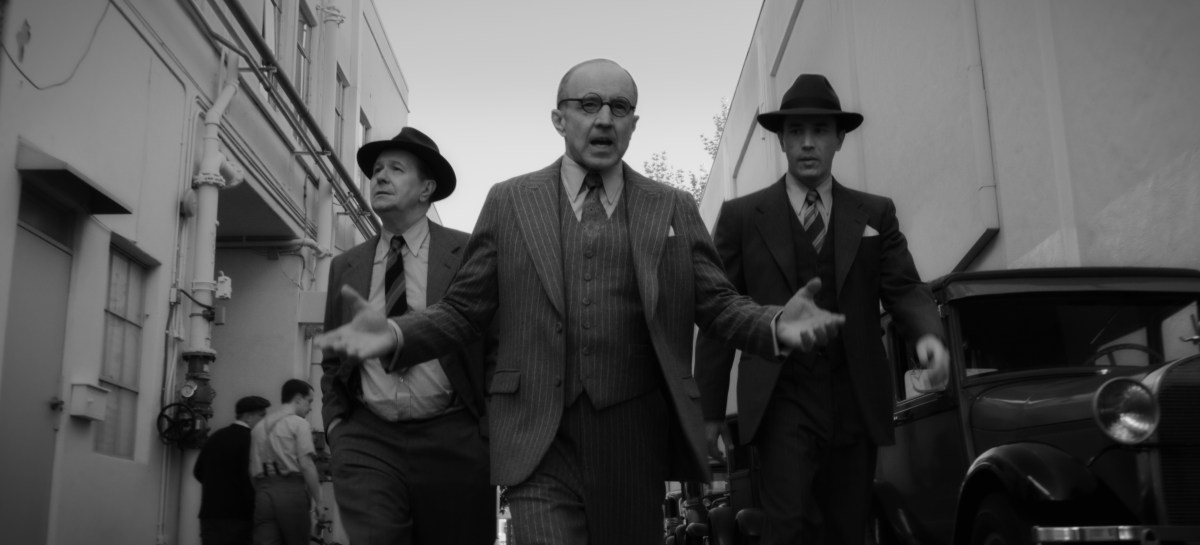
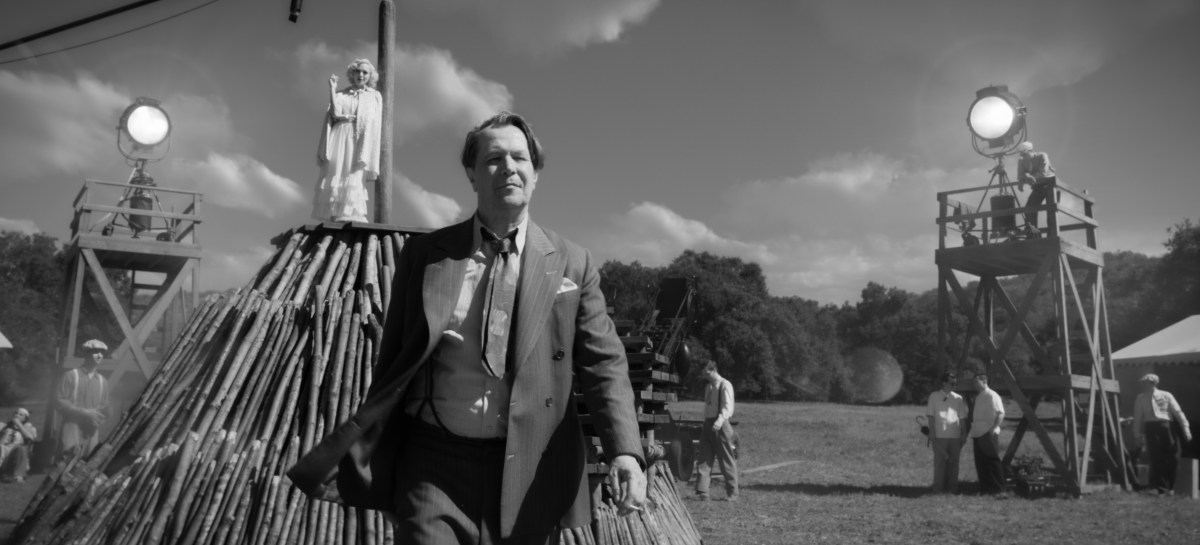
Erik’s most recent project, Mank– which is currently streaming on Netflix- was shot entirely in black and white. The look was the result of lots of conversations with director David Fincher. They both had a clear idea of what they wanted it to look like and also exactly what they did not want- too much heavy handed, contrast-heavy black and white cinematography in a film-noir style would take the viewers out of the experience, so it needed a lighter touch. Erik used fine art photography from the ’30’s to the mid ’40’s as a reference, and he and David Fincher wanted an homage to Citizen Kane without it actually looking like the film. Fincher was clear that he wished to transport the audience so they would lose their awareness of watching a black and white movie, and feel as though they are in the world of Herman J. Mankiewicz as he writes the script for Citizen Kane in the 1940’s.

Erik has worked with director David Fincher on several projects, first working as a gaffer on Gone Girl, then moving into the camera department on the series MindhunterErik and David have become very close collaborators, and he enjoys working with him. Fincher likes a sense of hyper reality to his movies, and Erik sees it as his job as the cinematographer to learn what the director responds to, figure out how best to support their process and bring something to the party.

Before moving into the camera department, Erik worked for several years as a gaffer. After working with David Fincher on two seasons of Mindhunter, Erik needed more work since he was a newly minted director of photography. He got the opportunity to shoot second unit on Sicario: Day of the Soldado with cinematographer Dariusz Wolski as the lead DP. He then worked on a few episodes of the TV series Legion with producer/director Noah Hawley and DP-turned-director Dana Gonzales, which was visually fun to work on. Legion’s look was whimsical yet dark, as it explored the main character’s mental illness and possible superpowers. He had the opportunity to work with Dana again on the finale of season four of Fargo. Erik also shot several episodes of the Ridley Scott series, Raised By Wolves, splitting the series with DP Ross Emery.

Listen to the podcast:

Cam Noir
Apple Podcasts
Spotify

Mank is available to watch right now on Netflix.
Find Erik Messerschmidt: Instagram

LIKE AND FOLLOW US, send fan mail or suggestions!: editor@camnoir.comFacebookInstagramTwitter

Podcast Credits:

Sponsored by Hot Rod Cameras (Instagram)
Editor in Chief: Illya Friedman (Instagram)
Ben Rock (TwitterInstagram)
Producer: Alana Kode
Editor: Ben Katz
Composer: Kays Alatractchi
“We Don’t Find Shots, We Build Them”: DP Erik Messerschmidt on Mank, Lens Flare Painting and Native Black and White

Matt Mulcahey
December 22, 2020
Filmmaker

In 1941, a 25-year-old Orson Welles made one of cinema’s most auspicious debuts by directing, co-writing, starring in and producing Citizen Kane. With Mank—David Fincher’s look at the evolution of Kane’s screenplay—cinematographer Erik Messerschmidt makes an impressive feature bow of his own. 

After working his way up through the ranks of grip and electric and earning DP credits on the shows LegionMindhunter and Fargo, Messerschmidt’s very first fiction feature has landed him in the midst of Oscar conversation. With Mank now streaming on Netflix, Messerschmidt spoke with Filmmaker about deep focus, high ISOs and painting in lens flares; and how even when working with David Fincher you “start compromising when you get out of bed in the morning.”

Read the full interview

‘Mank’: How the Cinematography of David Fincher’s Film Took Inspiration From ‘Citizen Kane’

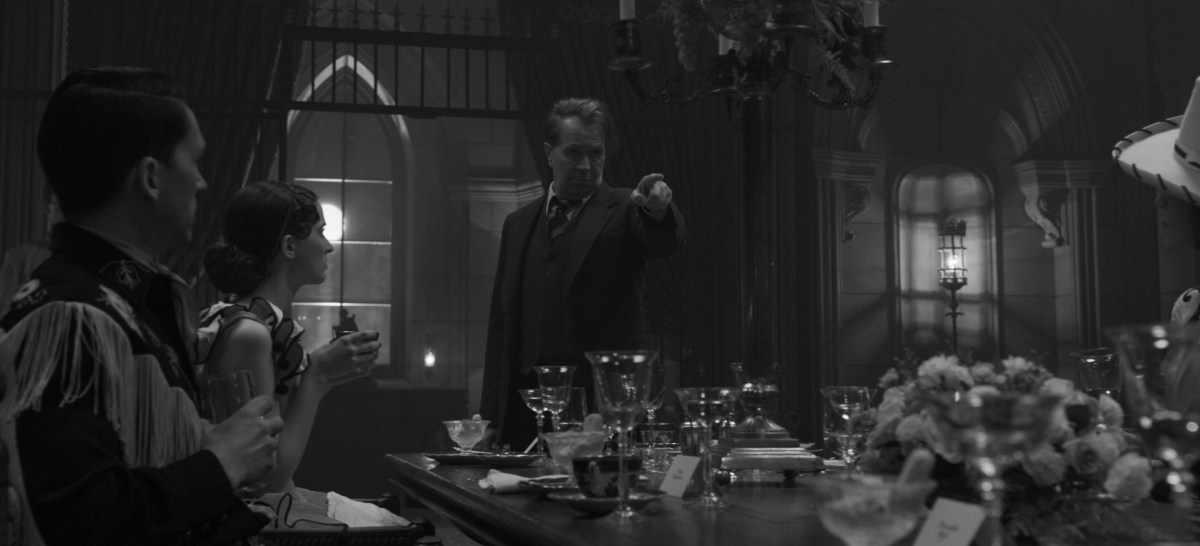
Gary Oldman, as Herman J. Mankiewicz, holds forth at a dinner party at William Randolph Hearst’s San Simeon home, created at Los Angeles Center Studios. “The room is dark and it’s made to look musty and cold,” says cinematographer Erik Messerschmidt.

While legendary DP Gregg Toland and the indelible images he created for Orson Welles’ masterpiece inspired the new movie, the director and cinematographer Erik Messerschmidt aimed for a look that suggests an echo, not a copy.

Carolyn Giardina
December 22, 2020
The Hollywood Reporter

Gregg Toland is one of the most influential cinematographers of all time, and his work on Orson Welles‘ Citizen Kane (1941) — with innovations including deep focus, which keeps the foreground, middle ground and background all looking sharp — is iconic. So when director David Fincher and cinematographer Erik Messerschmidt set out to make Mank, the Netflix drama that stars Gary Oldman as screenwriter Herman J. Mankiewicz in the throes of writing Kane, Toland’s efforts had to be carefully considered.

“David and I talked at length about it. That was something we wanted to echo and reference and pay homage to, but we weren’t really trying to emulate it,” says Messerschmidt, who earned an Emmy nomination this year for Fincher’s Netflix crime series Mindhunter. “We didn’t want people to necessarily look at the film and be like, ‘Oh, it’s Gregg Toland’s work.’ We were trying to keep the photography story-driven and within the narrative of what we were trying to translate to the audience.”

Read the full profile

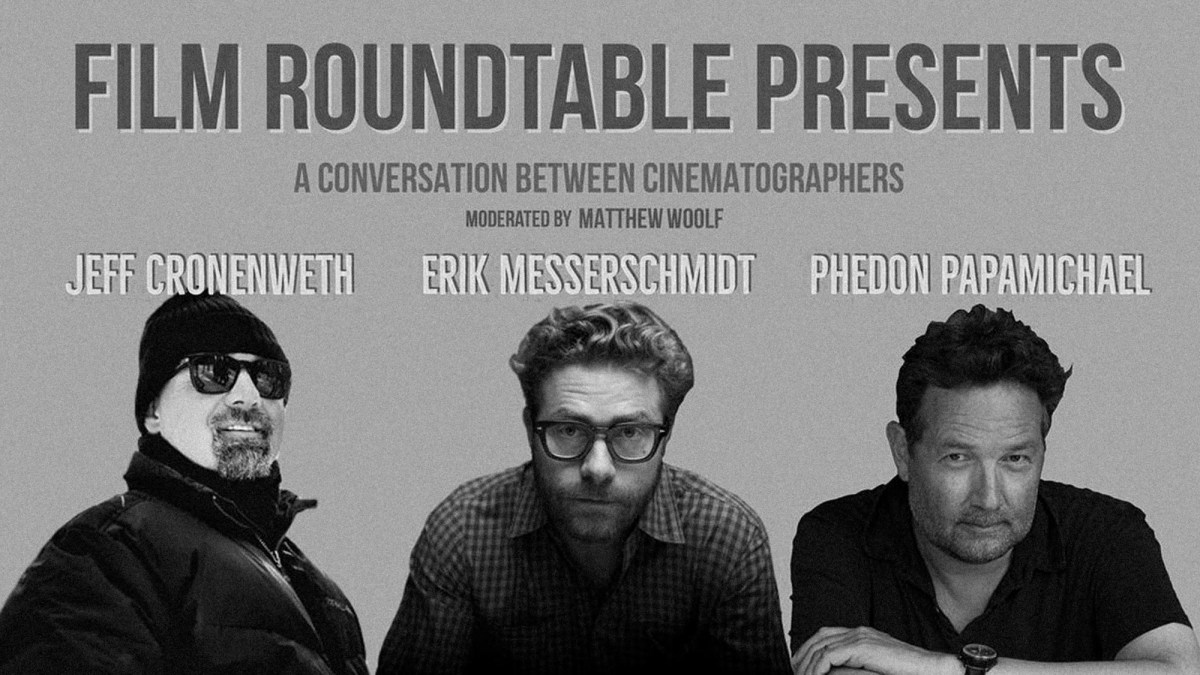
Film Roundtable: Jeff Cronenweth, Erik Messerschmidt, and Phedon Papamichael

Matthew Woolf
December 18, 2020
Film Roundtable (Instagram)

In our latest Film Roundtable discussion we talked with Jeff Cronenweth, Erik Messerschmidt, and Phedon Papamichael about how the love of the image fosters the collaborative relationship amongst Cinematographers.

Listen to the podcast

Mank Cinematography with Erik Messerschmidt ASC

Ben Consoli
December 18, 2020
Go Creative Show

David Fincher’s highly-anticipated Netflix film MANK is here! Cinematographer Erik Messerschmidt ASC explains how modern equipment and techniques were used to create an authentic-looking 1930s black and white film.

Erik and Go Creative Show host, Ben Consoli, discuss why they chose not to shoot on film, how shooting & lighting black and white is different than color, Erik’s philosophy on camera coverage, and so much more!

What you will learn in this episode:

  • Prep and working with David Fincher (03:31)
  • Authentic black and white visual approach (16:02)
  • Shooting with deep focus (21:44)
  • Lighting for black and white (23:15)
  • Lighting dissolve transitions in Mank (26:24)
  • Transforming 8K footage to look like film (30:43)
  • Why shooting on film was never considered (35:43)
  • Filtration used on Mank (40:30)
  • Philosophy on camera coverage (44:40)
  • Filming and lighting the election party (53:12)
  • Using ND filter contacts for actor eyes (57:40)
  • Production design in black and white (01:04:24)
  • And more!

Listen to the audio or video podcast

Show Links:

The Go Creative Show is supported by:

MZed: Education for Creatives
PostLab: Collaborative Editing for Final Cut Pro and Premiere Pro

Go Creative Show is now on Patreon! Get access to exclusive content, become a show co-host, vote on future guests, receive executive producer credit, and more!

Mank Cinematographer Erik Messerschmidt on Why He Didn’t Shoot on Celluloid, Classic Influences, and Modern Touches

Joshua Encinias
December 17, 2020
The Film Stage

Beginning his collaboration with David Fincher as a gaffer on Gone Girl, cinematographer Erik Messerschmidt’s third collaboration with the director has now arrived nearly a decade later. Mank follows alcoholic screenwriter Herman J. Mankiewicz in his mad dash to finish the script for Citizen Kane, and Messerschmidt’s playful interpolation of Gregg Toland’s iconic cinematography is a sight to behold in every frame.

I spoke with Messerschmidt about his work with Fincher on Mindhunter organically leading to Mank, how Fincher doesn’t accept “much of anything he can’t control,” emulating the look of 1940s cinema without trying to perfectly recreate it, and he provides a list of movies he studied in preparation for Mank

Read the full interview

Front Row: David Fincher

John Wilson
December 17, 2020
Front Row (BBC, Radio 4)

Visionary director David Fincher on Mank, his new film about 1930s Hollywood, as seen through the eyes of screenwriter Herman J. Mankiewicz (Gary Oldman) as he races to finish Citizen Kane with Orson Welles.

Mank‘s screenplay is by Fincher’s father Jack Fincher, who started writing it in the early 1990s and died in 2003.

David Fincher’s other films, which have earned thirty Oscar nominations, include Fight Club, Se7en, The Zodiac, The Social Network, The Curious Case of Benjamin Button, Gone Girl, and Panic Room.

Fincher also talks about the future of cinema, streaming, and his early career as a director of iconic music videos such as Madonna‘s Vogue and George Michael‘s Freedom.

Mank is released on Netflix.

Presenter: John Wilson
Producer: Timothy Prosser
Studio Manager: Emma Harth

Listen to the podcast:

Front Row (BBC, Radio 4)
BBC Sounds

Recreating 1930s Hollywood for ‘Mank’, the new Netflix film from David Fincher

December 15, 2020
FilmLight

Mank is the highly anticipated Netflix biopic directed by David Fincher. The movie is told through the eyes of alcoholic Hollywood screenwriter, Herman J. Mankiewicz, as he battles with personal demons to finish the screenplay for Orson Welles’ renowned Citizen Kane.

While Fincher and his team have worked with FilmLight’s Baselight colour grading system since the 2008 film The Curious Case of Benjamin Button and the Netflix TV series House of Cards, it was with Netflix’s Mindhunter that the director established his own in-house DI facility in Hollywood. Colourist Eric Weidt was brought on to lead colour development on the facility’s Baselight X system.  Weidt had previously developed custom film emulation profiles for traditional film photographers, and brought his considerable experience in post-production for fashion stills and films to the grading suite.

Entirely shot in black and white, Mank has a 1930s Hollywood feel. Many tests were done before shooting – cameras, lenses, even light bulbs – before Eric developed the HDR, SDR and day-for-night LUTs alongside the project’s DoP Erik Messerschmidt. Fincher wanted to re-create certain period elements in post, for example “black blooming” in the shadows.

Read the full case study

The People Who Can See Inside David Fincher’s Head

The famously meticulous Mank director is surrounded by collaborators tasked with turning his most ambitious ideas into reality.

David Sims
December 9, 2020
The Atlantic

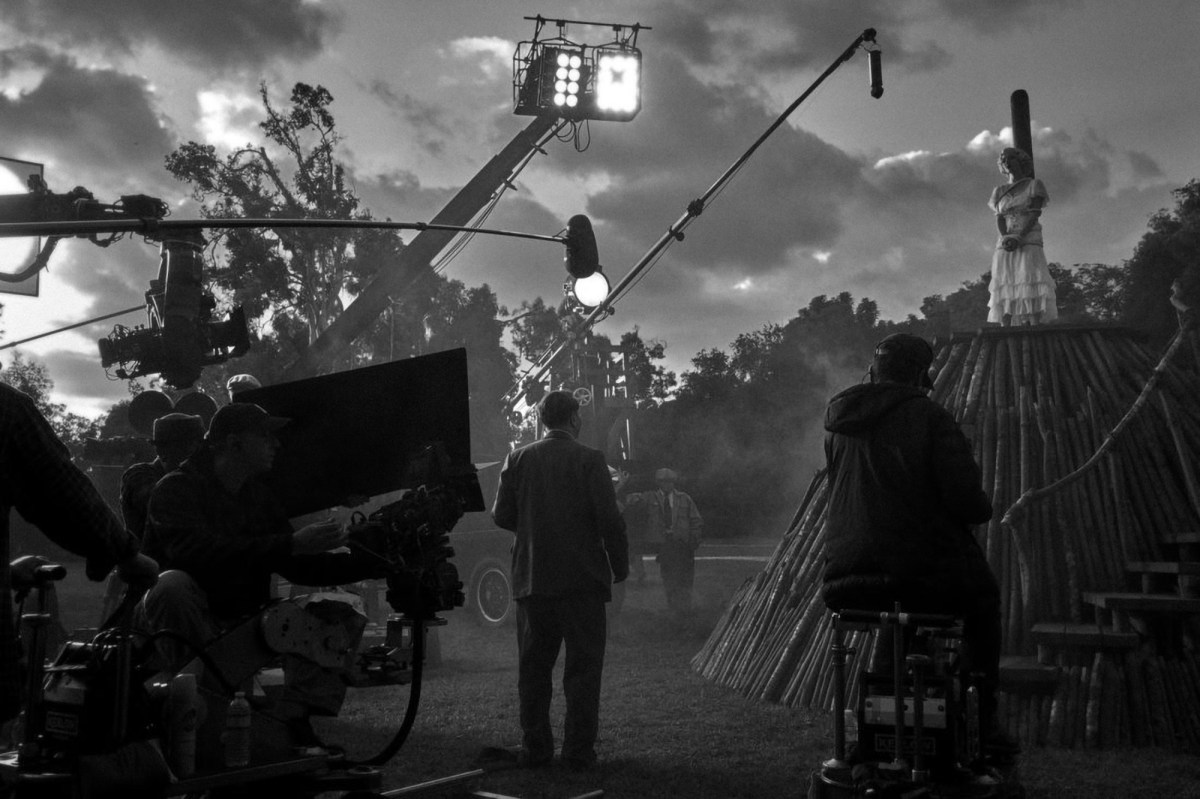
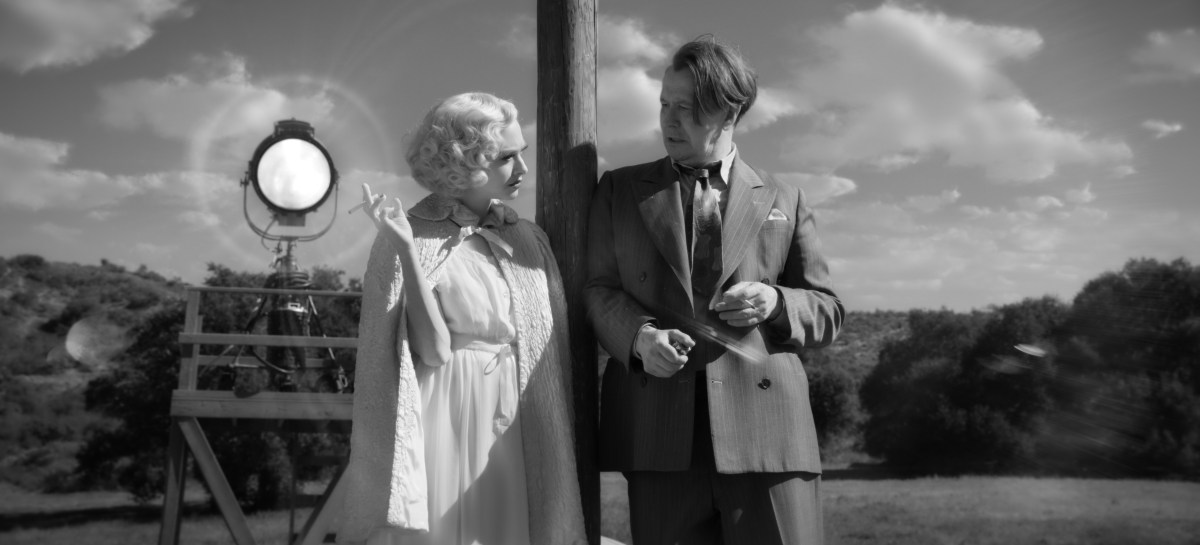
Early in Netflix’s Mank, the screenwriter Herman J. Mankiewicz (played by Gary Oldman) ambles onto an outdoor movie set, where he bumps into an array of glamorous characters. In a scene full of repartee with real-life figures such as the actor Marion Davies, the film honcho Louis B. Mayer, and the mogul William Randolph Hearst, the visual details of the environment might seem unimportant. But to Mank’s director, David Fincher, they mattered. “The grass was not to David’s liking, and the sky was not to his liking, so all that’s been replaced,” Peter Mavromates, his co-producer, told me. When making a movie, Fincher literally controls heaven and earth.

That example sums up the capricious-sounding, godlike power of a director, especially in the age of digital filmmaking, which allows for total command of every frame. But as with all of his movies, Fincher’s vision for Mank was realized by a group of dedicated collaborators, most of whom have worked with the director for many years across projects. This film, which Fincher mulled for nearly three decades, is unlike anything he has made before. An unusual-looking-and-sounding film set in the Golden Age of Hollywood, Mank reflects the aesthetic of the 1930s with its black-and-white cinematography; an echoey, old-fashioned sound mix; and a brassy, orchestral score. But Fincher also wanted it to be a distinctly modern film, which posed many unique and fascinating technical challenges to the creators charged with bringing his lofty ideas to life.

Read the full profile

X2X: Glimpse into Future Filmmaking with Mank

How will filmmaking adapt in the post-Covid era? A glimpse into the future is afforded by Mank, the forthcoming Netflix feature project directed by David Fincher and spearheaded by producer Ceán Chaffin. More than a love letter to a catalog title, Mank is a glimpse of the complex interplay of human creativity and the filmmaking process as practiced in Hollywood’s golden era.

December 9, 2020
X2X

Fincher is known for working in the vanguard of filmmaking technology. Examples include a very early digital intermediate on Panic Room – the first ever in a facility designed for the purpose – and Zodiac, one of the first major features to be shot almost entirely digitally. The remote collaboration envisioned by futurists at the dawn of the internet era was already common practice for his team long before the pandemic.

“Fortunately, we have not missed a beat,” says Chaffin. “We are working now exactly how we mostly could have been working the past ten years, which is working from home during post.”

But the virus and its requirement to remain physically apart may constitute a final push for the industry at large. All the attributes of true remote connectivity – reduced travel time and its attendant benefits in terms of stress, pollution and time savings, enhanced with rapid feedback, superior organization and a centralized database – will still be applicable when health concerns subside.

A canvas of the top pros on David Fincher’s team indicates that while the pandemic naturally raises stress levels, the need to work separately has been essentially a non-factor in terms of their ability to collaborate efficiently and keep the production on track.

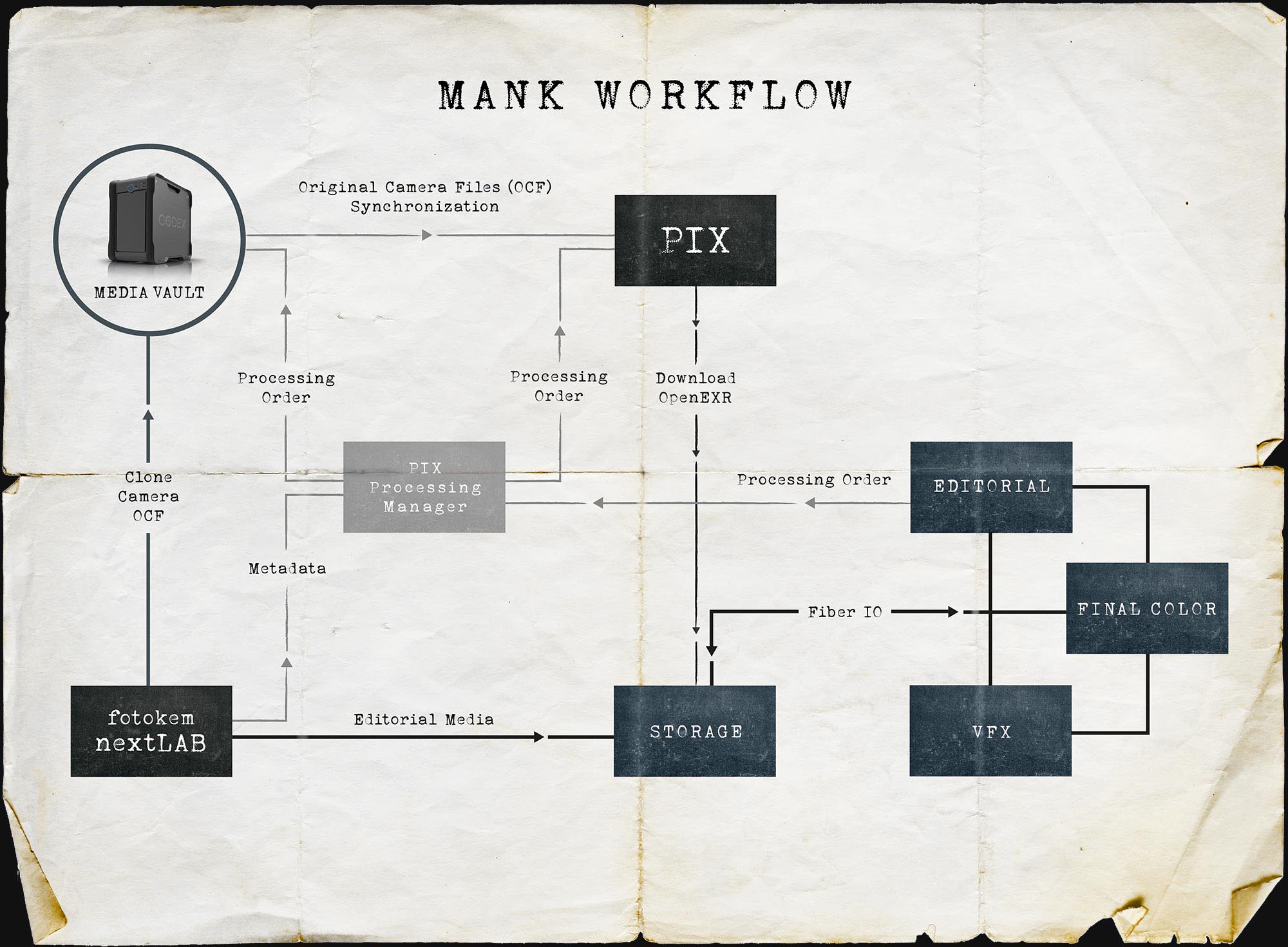
Fincher came to the project with a mandate that the production work with the PIX production hub. Chaffin, who has made nine films with Fincher, says that the system is an essential tool for collaboration and input.

“This is how we have worked for a long time.” says Chaffin. “David feels the team is making the film with him, sharing in the problem-solving. Even when we were in the same building, David was often responding exclusively through PIX. His preferences and concerns are there for everyone to refer to. You don’t have to go find that one email, or remember a comment someone made on their way out the door.

Read the full case study