Artist Spotlight: Mank Cinematographer Erik Messerschmidt’s Black and White World

Edward Douglas
February 5, 2021
Below the Line

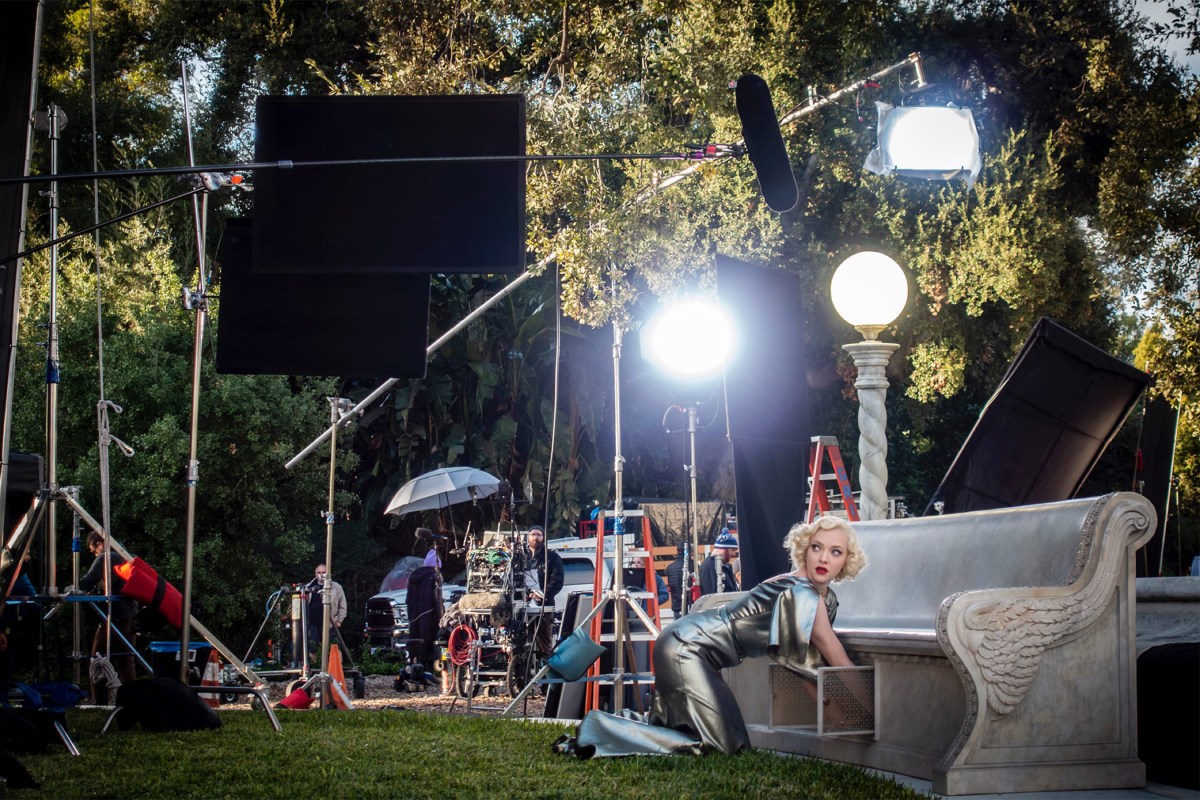
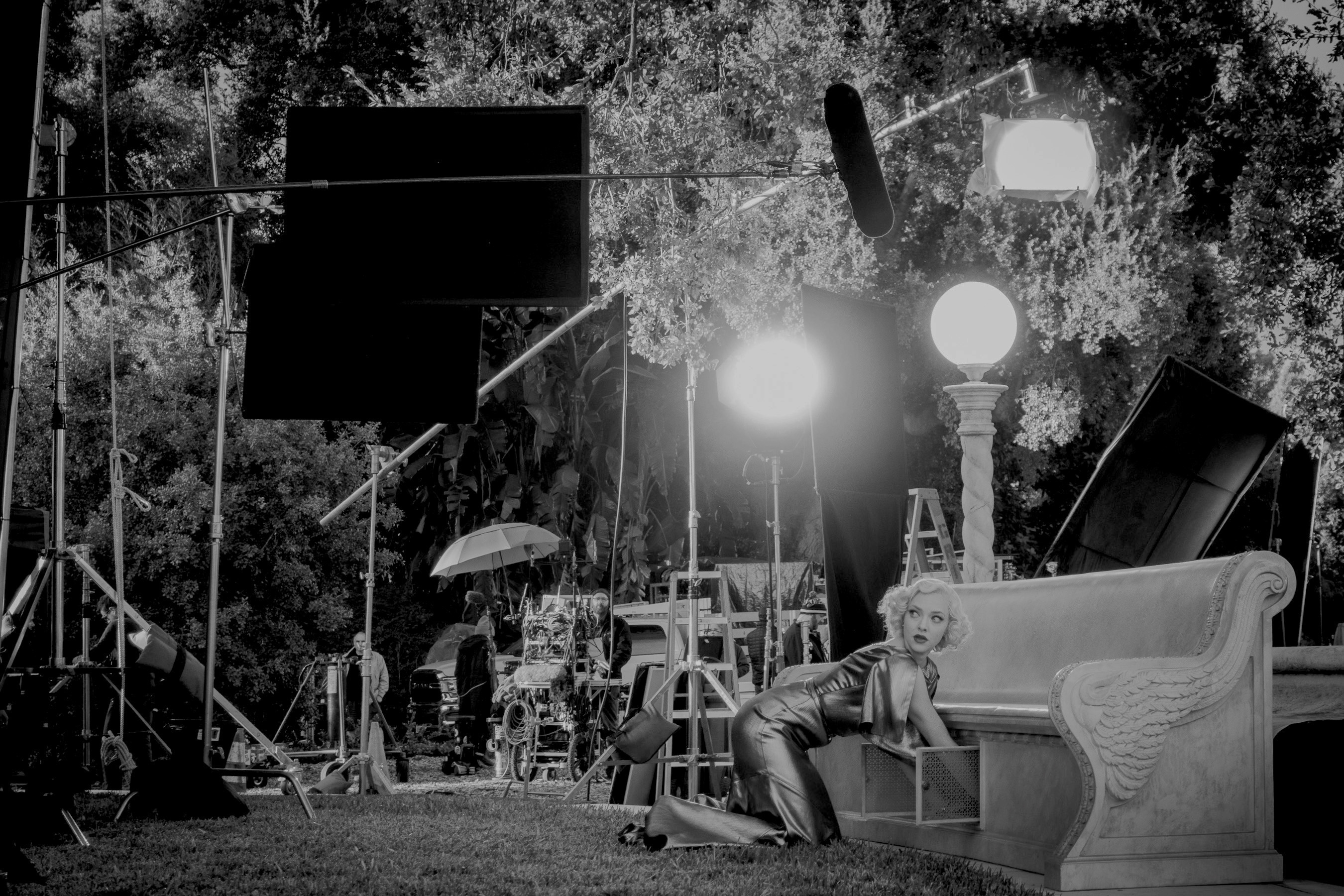
Whenever David Fincher releases a new film, it’s a joy for cinephiles and filmmakers alike to see how the Oscar-nominated filmmaker has stretched the boundaries of filmmaking. His latest Netflix film Mank is no exception.

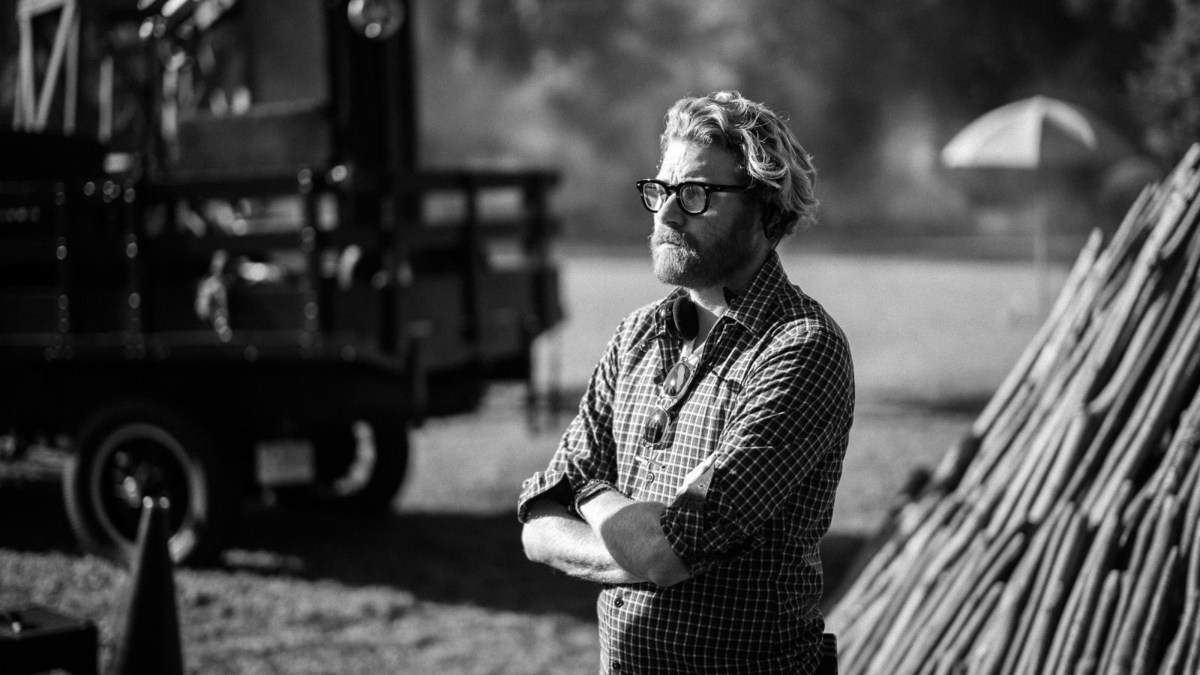
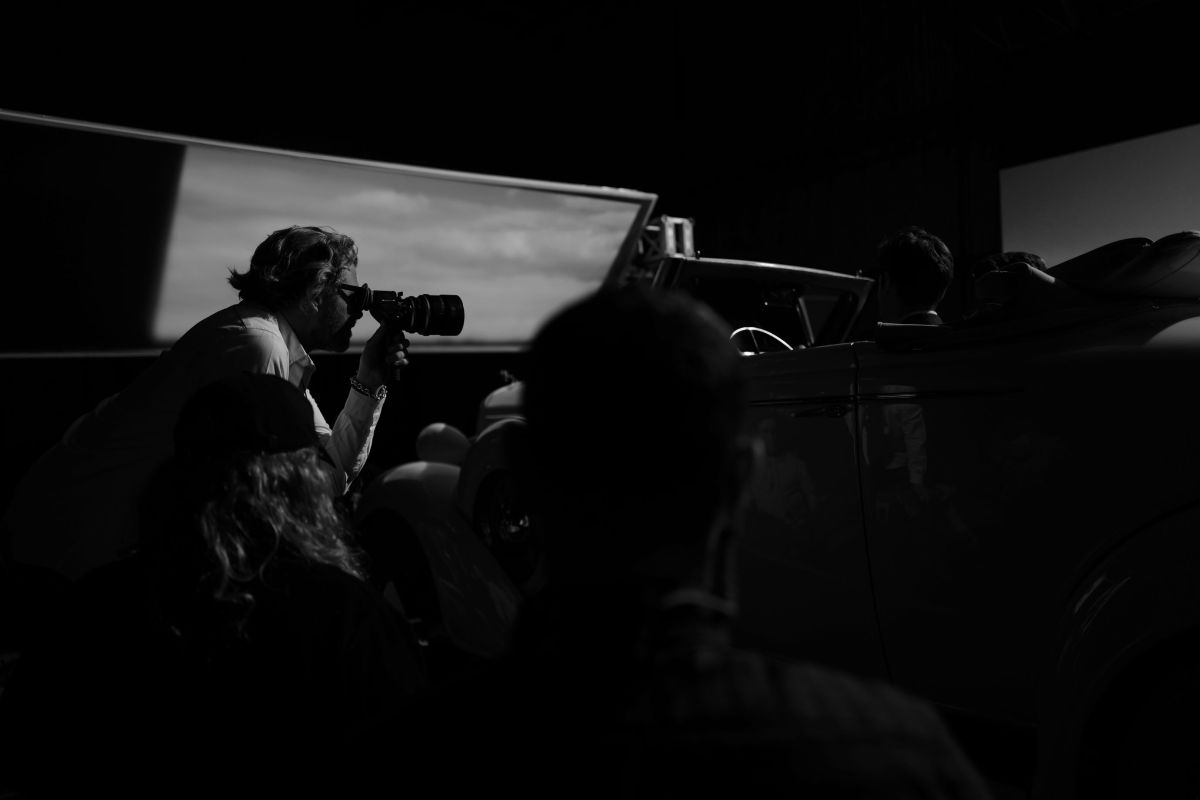
For the film shot all in black and white, Fincher teamed with his Mindhunter Cinematographer Erik Messerschmidt, and people have been quite awed by his camera and lighting work being that it’s his first film credited as a Cinematographer. That’s only part of the story – we’ll let him tell the rest – but the young DP has paid his dues by rising up the ranks through the electrical side of things.

Either way, the results are amazing as Fincher works from a script written by his late father, Jack Fincher, to tell the presumably fictionalized story of Herman Mankiewicz (Gary Oldman), the well-regarded Hollywood screenwriter whose many relationships during the ‘30s, led to the initial script that would eventually become Orson Welles’ Citizen Kane. Fincher’s film explores the way Mank viewed the relationship between mogul William Randolph Hearst (Charles Dance) and his girlfriend and ingenue Marion Davies (Amanda Seyfried) and molded that into Kane, all while battling his demons in a bottle with the help of his helper Rita (Lily Collins).

Below the Line got on Zoom with Mr. Messerschmidt a few weeks back to talk to him about what went into making such a gorgeous black and white film that stands next to Welles’ great cinematic masterpiece.
Read the full interview

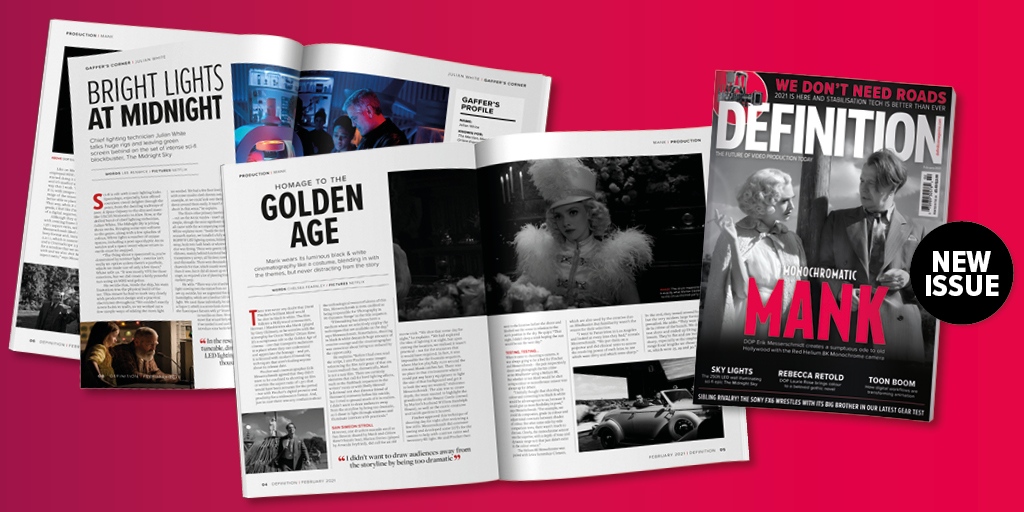
Homage to the Golden Age

Mank wears its luminous black & white cinematography like a costume, blending in with the themes, but never distracting from the story

Chelsea Fearnley
February, 2021
Definition Magazine

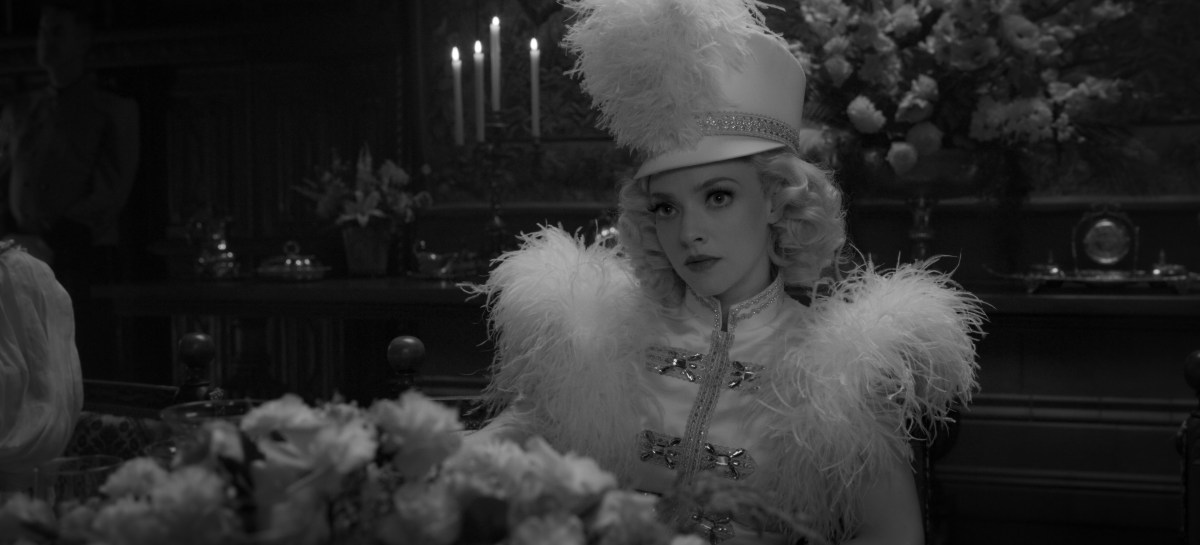
There was never any doubt that David Fincher’s brilliant Mank would be shot in black & white. The film follows a Hollywood screenwriter, Herman J Mankiewicz aka Mank (played by Gary Oldman), as he wrestles with the screenplay for Orson Welles’ Citizen Kane. It’s a sumptuous ode to the Golden Age of cinema – one that transports audiences to a place where they can understand and appreciate the homage – and yet, it is littered with modern filmmaking techniques that aren’t fooling anyone about its release date.

Fincher and cinematographer Erik Messerschmidt agreed that they didn’t want to be confined to shooting on film or within the aspect ratio of 1.37:1 that would have been accurate for the period – not with Fincher’s digital prowess and proclivity for a widescreen format. And, just in case there was any confusion about the technological resourcefulness of this film, Messerschmidt is even credited as being responsible for ‘Photography in Hi-Dynamic Range’ in the title sequence.

“Filmmaking has always been a medium where we selectively employ the techniques that are available on the day,” says Messerschmidt. Nonetheless, shooting in black & white demands huge amounts of creative courage and the cinematographer was conscious about being too seduced by the opportunity.

He explains: “Before I had even read the script, I sent Fincher some images referencing the film noir genre of that era. I soon realised that, thematically, Mank is not a noir film. There are certainly elements that call for hard lighting effects, such as the flashback sequences in the writers’ room or with Shelly Metcalf [a fictional test shot director friend of Herman’s] moments before his suicide, but I tried to ground much of it in realism. I didn’t want to draw audiences away from the storyline by being too dramatic, so I chose to light through windows and illuminate interiors with practicals.”

Read the full magazine

Right On Hue

Photo by Nikolai Loveikis

David Fincher’s black-and-white tribute to Old Hollywood took a radically different approach to the role of color in design.

January 29, 2021
Netflix Queue

In the annals of Hollywood, Herman Mankiewicz will forever be remembered as the screenwriter of Orson Welles’s towering classic Citizen Kane, but his impact on the history of cinema doesn’t stop there. Mankiewicz also served as an early, uncredited writer on The Wizard of Oz. His contribution? Suggesting that once Dorothy Gale travels over the rainbow, the film transitions from black and white to glorious Technicolor. “He walked away from that [project] saying, ‘This is all I can come up with,’” laughs director David Fincher. “It might be the greatest special effect in the history of the movies.”

For Mank, Fincher’s backstage drama about the screenwriter’s life and his work on Kane, the director and his creative team journeyed from a world of color to one rendered entirely in black and white, shooting eye-catching sets and costumes with the RED 8K Helium Monochrome camera. That created an interesting artistic puzzle for Fincher and his collaborators to solve. From cinematography and production design to costumes and hair and makeup, each department needed to determine the best way to manipulate color to achieve the proper register of lights and darks onscreen.

“We had to train our senses to see through a lens of black and white,” explains Oscar-winning production designer Donald Graham Burt (The Curious Case of Benjamin Button). “It mandated a palette based on tone and contrast.”

Fortunately, they proved more than up to the challenge.

Read the full article

The Hollywood Reporter: Cinematographers Roundtable

Carolyn Giardina
January 22, 2021
The Hollywood Reporter

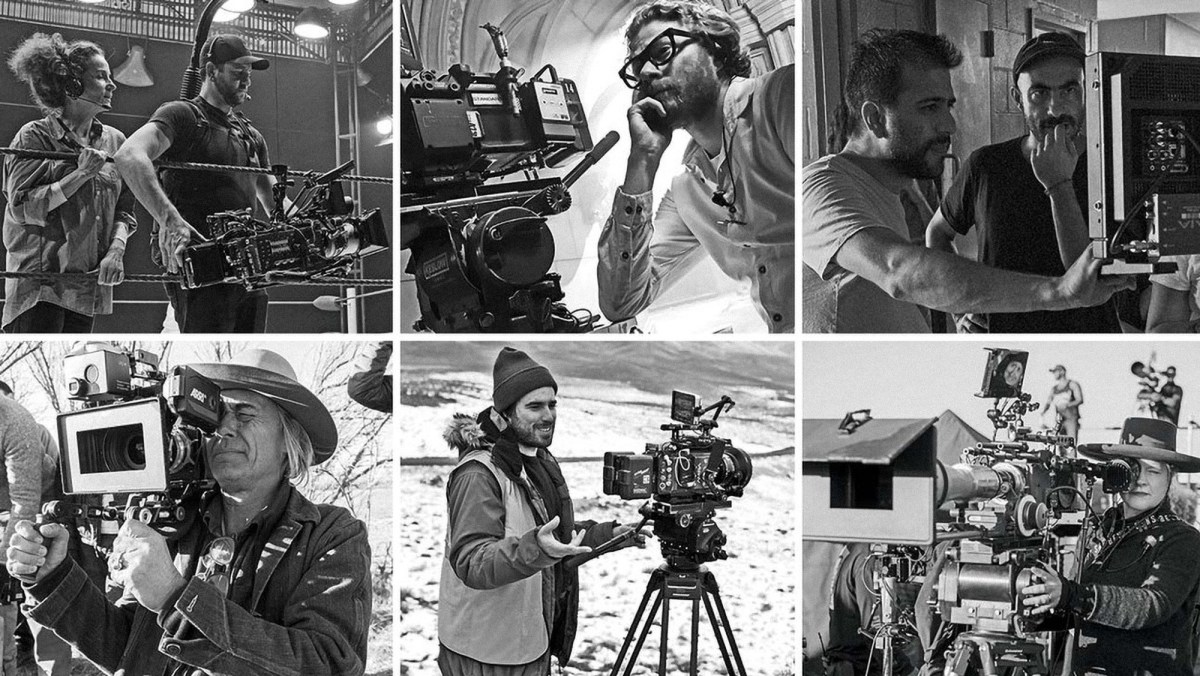
The DPs of ‘News of the World,’ ‘One Night in Miami’, ‘Mulan,’ ‘Nomadland,’ ‘Mank’ and ‘I’m No Longer Here’ on What Hollywood Gets Wrong About Their Jobs. They also share their inspirations and who drives diversity the most on productions.

“When I wanted to be a cinematographer, somebody said to me, ‘Girls don’t do that job,’ ” Disney’s Mulan director of photography Mandy Walker admits, adding that she’s recently seen an uptick in representation. “It’s a little slower in our world, but it’s definitely changing.” Agreeing with Walker at THR‘s virtual Cinematographer Roundtable on Dec. 12 were DPs Damian Garcia of Netflix‘s I’m No Longer Here; Erik Messerschmidt of Netflix’s Mank; Tami Reiker of Amazon‘s One Night in Miami and Netflix‘s The Old Guard; Joshua James Richards of Searchlight’s Nomadland; and Dariusz Wolski of Universal‘s News of the World. Inspiration, diversity and the future of theatrical exhibition drove the conversation. “Seeing people congregate together wearing masks in the middle of a plague … was one of those moments for me where I was just like, ‘I’m a filmmaker for life now.’ It made me realize I’m kind of ready to go down with the ship, to be honest,” recalls Richards of Nomadland‘s drive-in premiere in September. “If filmmaking stops being about that, people coming together, congregating for an experience that’s awe-inspiring, I might prefer to do something else.”

Read the full roundtable

How an iPhone filter came to the rescue for ‘Mank’ set decorator Jan Pascale

Joyce Eng
January 29, 2021
Gold Derby

“Mank” set decorator Jan Pascale is no stranger to black-and-white films: She received an Oscar nomination for George Clooney‘s “Good Night, and Good Luck” (2005). But those two monochrome films couldn’t be more different.

“When I first met with [‘Mank’ production designer Donald Graham Burt] about it, I said, ‘I’ve done black and white. I can do this.’ And Don said, ‘No, no, no, this is different.’ The way the images were captured was quite different,’” Pascale tells Gold Derby at our Meet the BTL Experts: Film Production Design panel. “On ‘Good Night, and Good Luck,’ we shot on film … and we had a really limited budget on that one — $7 million the whole movie — so I couldn’t paint anything or really paint anything, so everything was shot as is. But it sort of worked.”

“Mank,” however, was shot in black and white on a RED digital camera, completely changing the way images and details came off onscreen. But Pascale got some very modern assistance to help her do color-testing. “David [Fincher] and Don had done some testing with the camera that we were going to be using. And they discovered if we used our iPhones with the noir filter and photographed everything, that’s how it would appear in our movie,” she shares.

Read the full article

Film Production Design Panel: David Crank, Jan Pascale, Mark Ricker, Barry Robison

Joyce Eng
January 29, 2021
Gold Derby

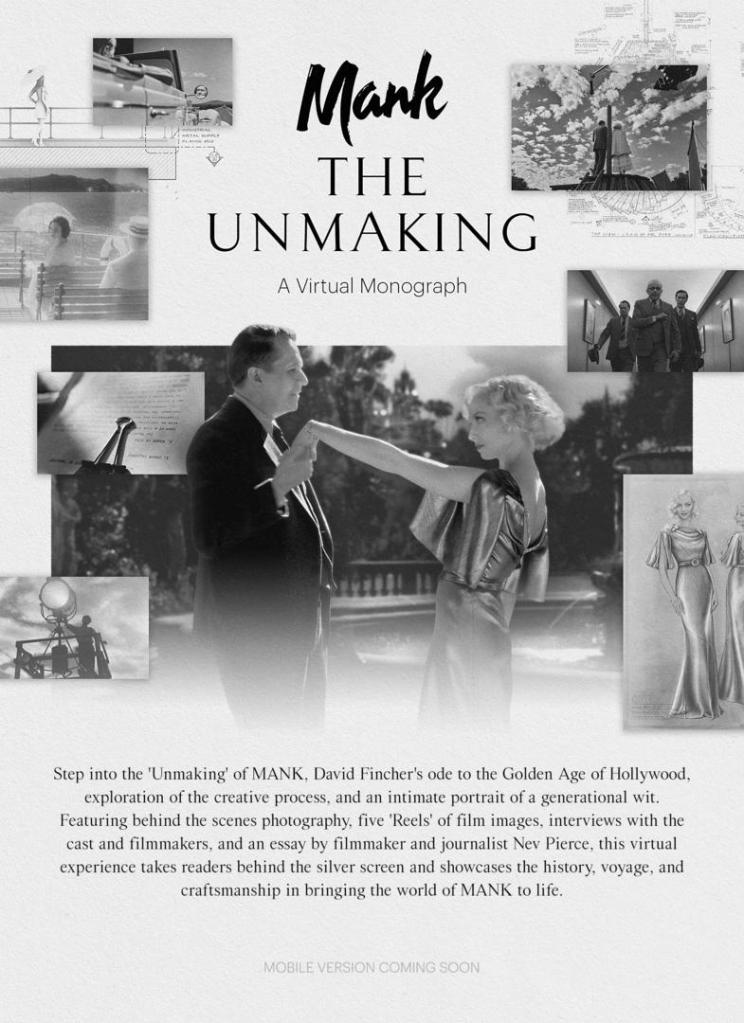
Mank, The Unmaking

January 28, 2021
Netflix

manktheunmaking.com [Old Domain]

mank.aristidebenoist.com

Text by:

Nev Pierce

Photography by:

Erik Messerschmidt
Miles Crist
Gisele Schmidt-Oldman
Gary Oldman
Ceán Chaffin
Nikolai Loveikis

Design and development by:

Watson Design Group, Inc.
Aristide Benoist

Mank: Method to the Monochrome

January 26, 2021
Netflix Film Club (YouTube)

Mank director David Fincher, cinematographer Erik Messerschmidt and costume designer Trish Summerville detail the approach to shooting the acclaimed slice of Hollywood history in black and white. How does the absence of color distill the visual storytelling? How do different colors in the costume and production design read when captured in black and white? Learn about all of that and more.

‘Mank’ Cinematographer Talks Bringing Black and White Film to the 21st Century

Casey Mink
January 21, 2021
Backstage

“Mank,” David Fincher’s new Hollywood film about old Hollywood, pays homage to its source material by shooting in black and white. But if you ask its cinematographer, Erik Messerschmidt, the Netflix feature is anything but a throwback. 

How was it that you came to work on “Mank”? 

I have worked with David Fincher for several years. We had done the television show “Mindhunter” together. We had developed a really good working relationship and a friendship. I met him on the film “Gone Girl”; I was the gaffer on “Gone Girl,” and I initially met David there. After we did “Mindhunter” together, we had a really good shorthand, and I made it my business to really align myself and try to figure out what it was that David wanted, and try to support him as best as I could. He and I see the world, I think, in a very similar way, at least visually. So it was very easy to be in sync in terms of which decisions are needed. We’re very rarely in opposition, and when we are, it’s a constructive one. I was so thrilled to be invited; it was like a dream.

Read the full interview

‘Mank’ costume designer Trish Summerville: It’s not just black-and-white, it’s ‘Fincher-vision’

Daniel Montgomery
January 20, 2021
Gold Derby

“I keep making this joke that it’s Fincher-vision because it’s not just black-and-white, it’s this really specific way that he’s going to light the film,” says costume designer Trish Summerville about the unique visual style of “Mank,” directed by David Fincher. The film tells the story of “Citizen Kane” writer Herman Mankiewicz, and it’s shot to resemble films of the 1930s and 1940s. That presented Summerville with equally unique challenges and opportunities. We spoke with her as part of our “Meet the Experts” costume designers panel. Watch our interview above.

“The black-and-white was the most challenging thing: figuring out how we wanted to make that work, doing different testing on clothing and fabrics … so we could see how it would read,” Summerville explains. “Even though you think you don’t need a color palette, you really do, because if not, when you’re looking at it with your naked eye on set, it becomes very jarring.” And understanding color was crucial for achieving the right effect in the finished product “so that when it read in black-and-white on the screen and on the monitors it didn’t just all come across as flat, it had dimension to it, sheens and tones.”

It helped that the film was portraying so many well-known figures with documented looks and styles — not just Mankiewicz, but Marion Davies, William Randolph Hearst, Louis B. Mayer, and more. “We could find things of [Mank] at work, on sound stages, and also at home,” Summerville says. “We even at one point found these images of him at one of his kids’ bar mitzvahs, so that was great, it was a whole family photo.”

But in a film with so many male characters, it was also important “to give each one of the men their own kind of characteristics and dress them towards who those characters really were … so that not everybody read as a navy suit in a room.” That research and detail, in collaboration with Fincher’s direction, Donald Graham Burt‘s production design and Erik Messerschmidt‘s cinematography, “all of it has these special touches that make you feel you’re transported to the 1930s.”

Cinematographer Erik Messerschmidt on Mank and Collaborating with David Fincher

J.D. Connor
January 13, 2021
Film at Lincoln Center

With his transfixing digital black-and-white cinematography, DP Erik Messerschmidt, ASC, breathes gorgeous life into the world of 1930s Hollywood in Mank, David Fincher’s vivid retelling of the genesis of Citizen Kane and the tumultuous partnership between screenwriter Herman J. Mankiewicz and director-star Orson Welles.

Messerschmidt joined us for an extended conversation to discuss the craft behind Mank, the legacy of Citizen Kane, and the work of visualizing Hollywood’s ideas of itself. The discussion will be moderated by J.D. Connor, Associate Professor of Cinematic Arts at the University of Southern California.

Film at Lincoln Center Talks are presented by HBO.

Film at Lincoln Center on: YouTube, Facebook, Twitter, Instagram

Support our work