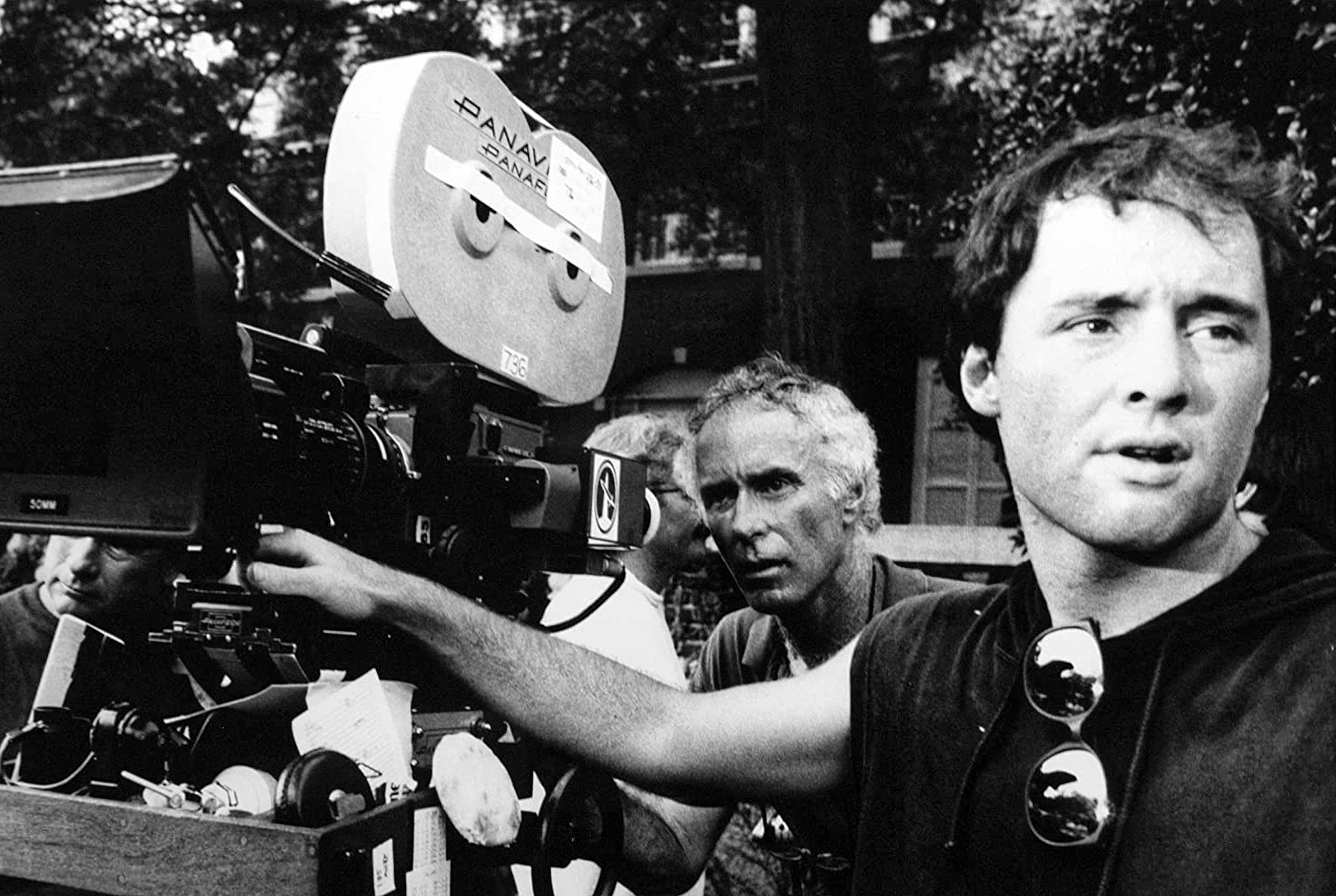
Has there ever been a movie director who has taken more advantage of new technology than David Fincher? We look back on how digital production benefitted his movies so much.
When digital cinematography was in its infancy, around 2005, it was like the Wild West; new cameras were appearing seemingly every week, whether from University’ concept’ programs or start-ups with a movie making a revolution on their minds.
In this white heat of technology, director David Fincher started to craft his movie-making skills. He was a risk taker with new technology but driven by the promise it gave him. As much as Fincher and his crew were proud of the films they made, they were also proud of how they made them.
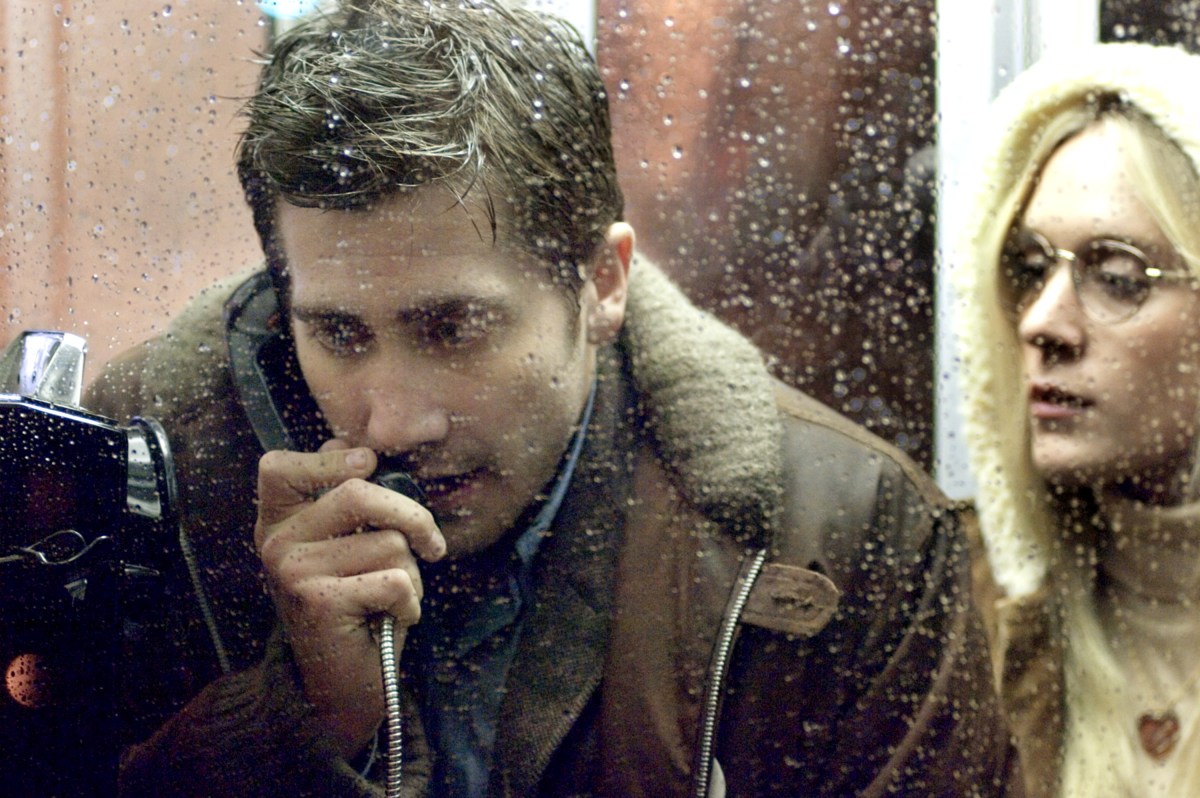
Zodiac’s Digital Gamble
Fincher had already used digital cinematography for his commercials and decided to commit early to this technology for his movies. But his long-time producer Ceán Chaffin brought some hard business sense to brace against his pioneering creative decisions.
Ceán had been involved more in costing this digital workflow out and had looked at introducing digital for a feature before Zodiac but found that it wasn’t cost-efficient at that time; Zodiac was different. “At the moment of Zodiac, storage was so cheap that we could push it; it was also about the savings at that point. The sticking point was really about storage for us up to Zodiac.”
Has any cinematographer had so fast an ascendancy as Erik Messerschmidt? While no newcomer—his IMDb dates back to 2001, his first cinematography credit from 2003—work on Gone Girl earned the attention of David Fincher, by whom Messerschmidt was then enlisted to shoot his Netflix series Mindhunter. (Impressive then, all the more sterling since as an example of streaming television that doesn’t look or move like streaming television.) Which led into Mank which led into The Killer, Fincher’s much-anticipated thriller arriving next year.
Somewhere along the way Michael Mann called. I talked to Messerschmidt at ENERGACamerimage, where he was promoting the new feature Devotion and mere weeks from wrapping Ferrari, Mann’s first feature in longer than you’d believe and a passion project of equal gestation—nothing you leave in the hands of an amateur. Certainly not if you’re as obsessive, fastidious, demanding as Michael Mann. Meeting in Toruń’s CKK Jordanki, we were quick to start.
“The Empty Man” director discusses his masterful entry in Netflix’s “Cabinet of Curiosities” anthology series and its creative debts to Guillermo Del Toro, “The Exorcist,” and H.R. Giger.
[Editor’s Note: The following interview contains spoilers for “Guillermo Del Toro’s Cabinet of Curiosities” Episode 3, “The Autopsy.”]
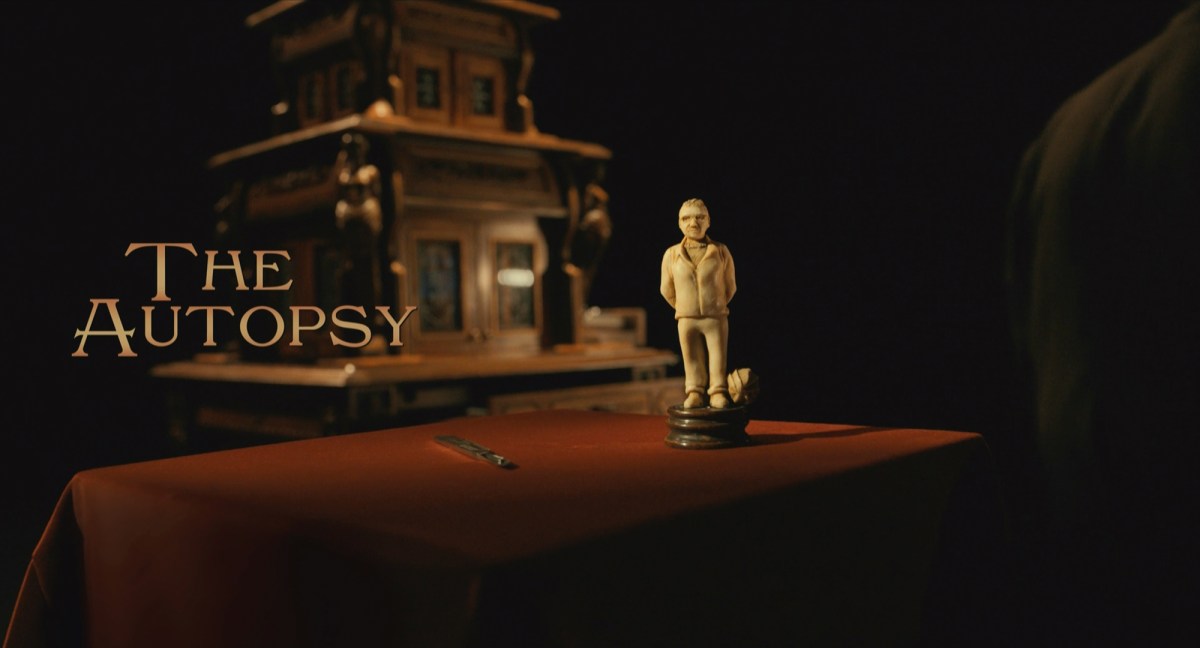
A little while ago, director David Prior got an unexpected gift. A package showed up in the mail. Inside was a tiny figurine of a bearded man.
“I got it in the mail before I even knew what it was. I thought, ‘Oh, that’s nice. A little souvenir. Did Guillermo whittle this himself?’” Prior said. “I assumed it was Dr. Winters when I got it.”
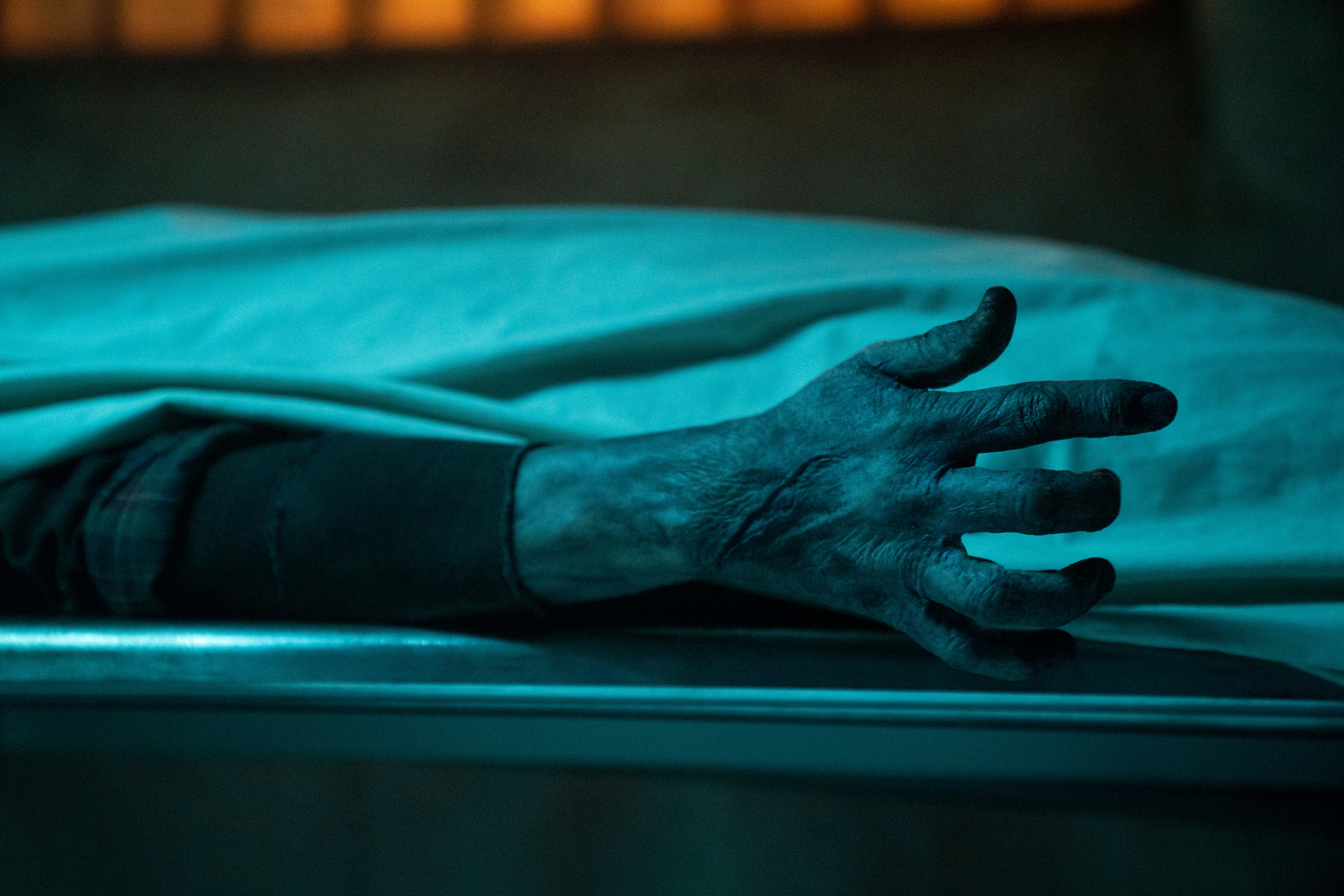
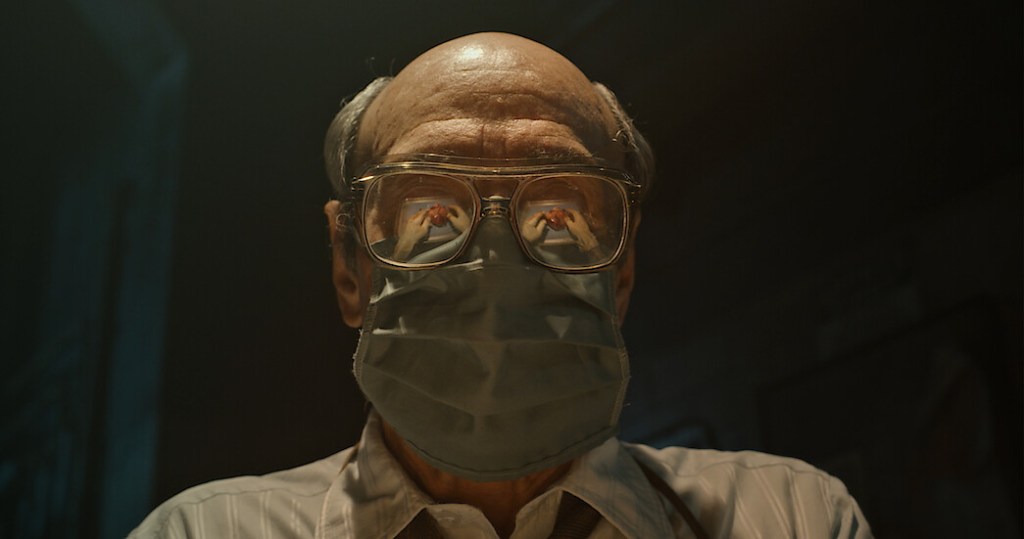
Dr. Winters is the main character in “The Autopsy,” the episode of the Netflix series “Guillermo Del Toro’s Cabinet of Curiosities” that Prior directed. In this version of Michael Shea’s short story, adapted with the help of screenwriter David S. Goyer, Winters is called on to help an investigation into what local police believe is a tragic mining explosion. By the time he gets a chance to examine the bodies pulled from the wreckage, Winters discovers that something about those deaths wasn’t exactly natural.
But as Prior discovered when he watched the completed episode, the small statue was of him, not his protagonist. In each of the “Cabinet of Curiosities” installments, Del Toro continues in the tradition of past anthology hosts with a short introduction. Each ends with him tipping his hat to the director of the episode audiences are about to see, with their figurine likeness front and center.
That kind of onscreen salute is far from the support that Prior’s debut feature, “The Empty Man,” got when it was released almost exactly two years before. A victim of studio merger jockeying, a theatrical distribution model in chaos, and a whole host of marketing bungles, “The Empty Man” took a groundswell of devoted fan support to gradually reach the audience it deserved.
“The Autopsy” doesn’t have quite the immense and global scope of that debut feature, but the same meticulous, precise spirit of Prior’s visual storytelling comes through. It’s a detective story of a different kind, with Winters (played by F. Murray Abraham) bringing a key emotional match to the jargon-heavy work of his profession. What this doctor finds is beyond the anatomical puzzle he expected.
And it’s another story that marries the technical craft of unsettling audiences (split fingernails! corpses in bags covered in insects!) with heady thematic ideas about what life is worth and how to spend it. From the mine explosion set piece to the insert shot of whiskey splashing into a coffee mug, everything in “The Autopsy” serves a purpose. Prior spoke with IndieWire about the process of joining a horror playground in progress and adding another impressive tale to his own collection.
Love Death & Robots’ “Bad Travelling” gave Blur Studio a chance to work alongside legendary director David Fincher. Find out what they learned in the process.
Cinema is often referred to as painting with light — but it could be said that David Fincher’s movies paint with darkness. Beginning with Alien 3, and moving on through Se7en, Fight Club, Zodiac, Mank, and the TV series Mindhunter, the acclaimed director has made use of low-key lighting and anemic palettes to explore the darker recesses of the human mind.
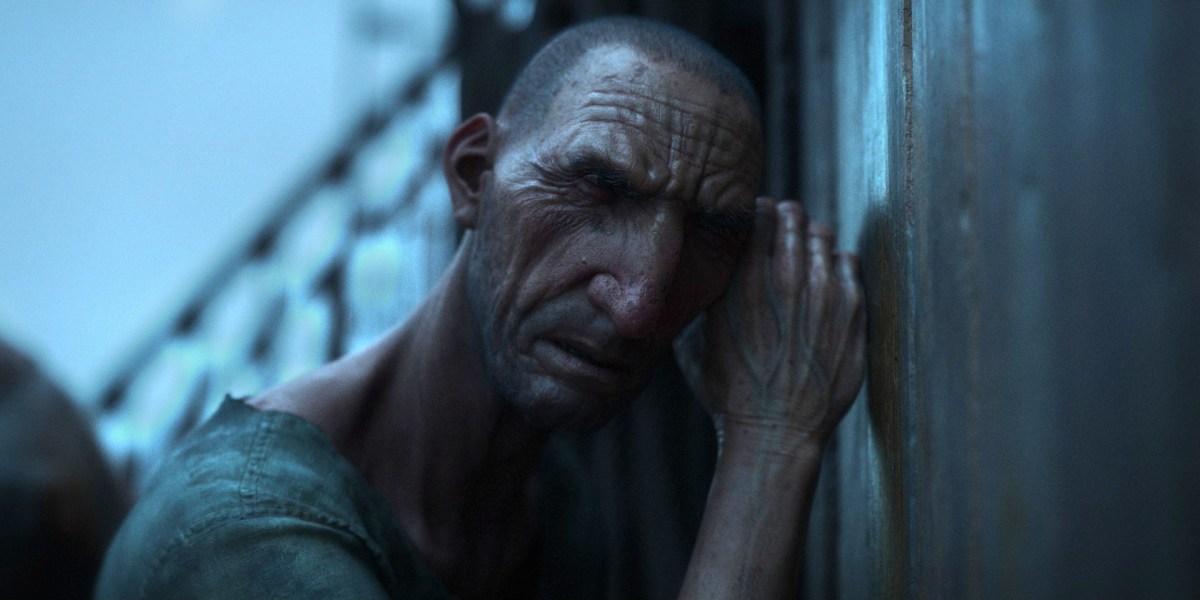
Now, Fincher has taken his characteristic chiaroscuro to “Bad Travelling,” a grisly maritime adventure involving a dishonest, paranoid crew — and a giant crustacean lurking below decks. The Love, Death & Robots episode marks Fincher’s first completely computer-animated short film, as well as his first directorial contribution to the Netflix anthology series he executive produces alongside fellow director Tim Miller.
To create the nautical world of “Bad Travelling,” Fincher teamed up with Blur Studio, the animation and VFX production company founded by Miller. We spoke to Compositing Supervisor Nitant Ashok Karnik and Co-CG Supervisor Jean Baptiste Cambier about working with a living legend of modern cinema, and how V-Ray’s lighting tools helped Fincher embrace the darkness.
It’s easy to see why David Fincher chose “Bad Travelling” as his first foray into directing animation. He made his feature debut with the ill-fated “Alien 3,” after all, and the premise of this third-season episode of “Love, Death + Robots” is a bit like setting the plight of the Nostromo on the high seas: A giant, slimy crab devours the crew of a shark-hunting vessel, with only the cunning navigator surviving to battle the beast. (It also makes up for Fincher’s aborted take on “20,000 Leagues Under the Sea” at Disney.)
Fincher also likens “Bad Travelling” to “Ten Little Indians” meets “Deadliest Catch,” with the ship’s navigator, Torrin (Troy Baker), contending with mutiny, betrayal, and a starving Thanapod crustacean that bizarrely communicates through ventriloquism.
“You don’t necessarily want to see them come to unnatural ends,” Fincher said about the crew in the production notes. “The idea was not to make them despicable, but self-serving. That’s the thing I always loved about Harry Dean Stanton and Yaphet Kotto in ‘Alien’….”
Jarred Land has spent his career in close collaboration and connection with filmmakers, supporting the execution of their vision with powerful and ground-breaking tools.
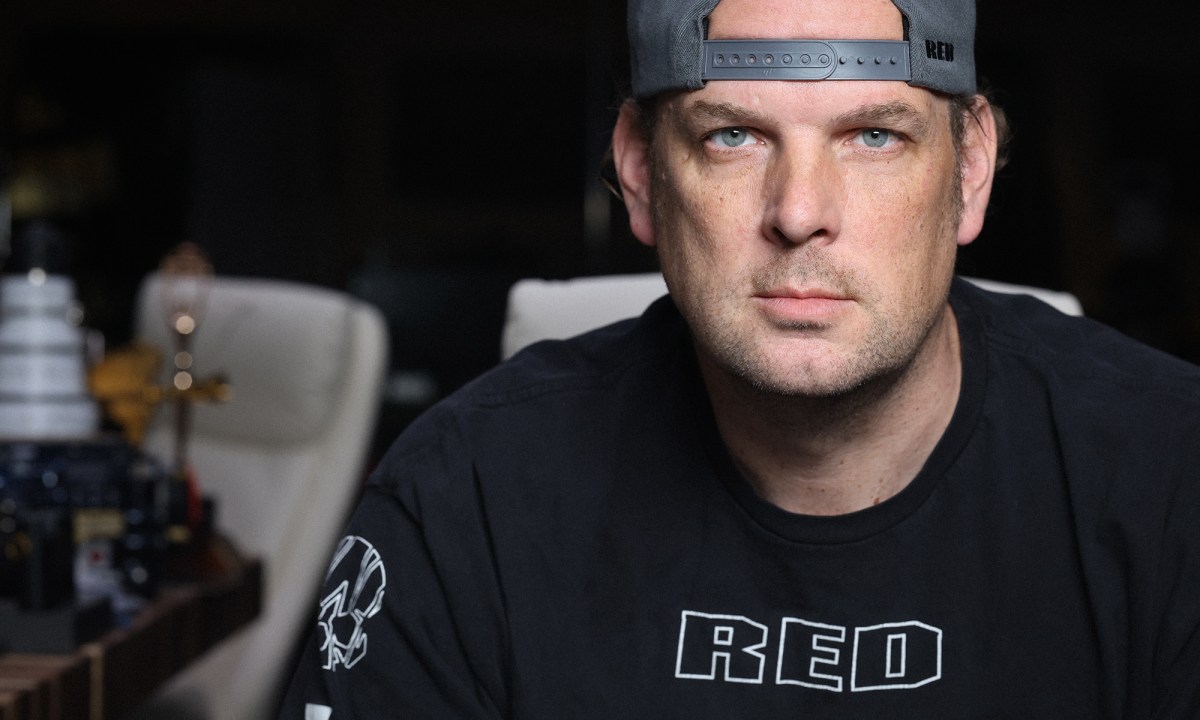
Jarred Land runs RED Digital Cinema, the company whose 4K camera went from scepticism to admiration on a run of prestige movies like David Fincher’s Oscar-winning Mank and series like The Queen’s Gambit. Since 2013, Land has led a team focused on precedent-setting technology for filmmakers.
Land didn’t found RED but joined Jim Jannard before the launch of the first camera and during the hardcore, technology banging sleepless nights part of the story, where a small group failed, learned, succeeded. From the first conversation Land had with Jannard and still today, the focus is on providing a more complete tool for filmmakers.
Born in Edmonton, Canada, Land’s father ran gas stations and shopping malls, imbuing in him an entrepreneurial spirit. The teenage Land’s passion was mountain biking which he segued into his own bike courier company in Vancouver.
A chance encounter with a client inspired him to take up videography using the Panasonic tape camcorder DVX100. “I couldn’t go to film school because I was running my company and biking 100km a day, so I set up a bulletin board for help,” he says.
Frame & Reference is a conversation between Cinematographers hosted by Kenny McMillan. Each episode dives into the respective DP’s current and past work, as well as what influences and inspires them. These discussions are an entertaining and informative look into the world of making films through the lens of the people who shoot them.
In this episode, Kenny talks with legendary cinematographer Jeff Cronenweth, ASC about the Oscar Nominated film “Being the Ricardos.” You likely know Jeff from his work on films such as “Fight Club“, “Gone Girl“, “The Social Network” & “The Girl with the Dragon Tattoo.”
It’s Showtime! When Steven Soderbergh joins Rob, the two friends get to ask the questions they’ve never asked one another. In this episode find out about Steven’s new film Kimi, and how he thinks Sex, Lies, and Videotape now feels like a Jane Austen novel.
This week marks 15 years since “Zodiac” was released in theaters, and save for the actors looking 15 years younger than they do now, the film still feels like it could be released today. If anything, “Zodiac” feels more like a product of 2022 than 2007. The country is more obsessed with serial killers than ever before, with true crime podcasts and documentaries continuing to draw massive ratings, Zodiac killer memes being used in presidential primaries, and the latest Batman movie taking the form of a serial killer drama.
That makes it a great time to revisit “Zodiac,” as well as a good opportunity to take a deep dive into the making of the film. “Zodiac” attracted as much attention for its painstaking production process as it did for the finished product, as the always detail-oriented David Fincher went above and beyond to make sure everything in his film was historically accurate. Sometimes his methodical process hurt his relationships with the cast, but one thing is for certain: They made a great movie.
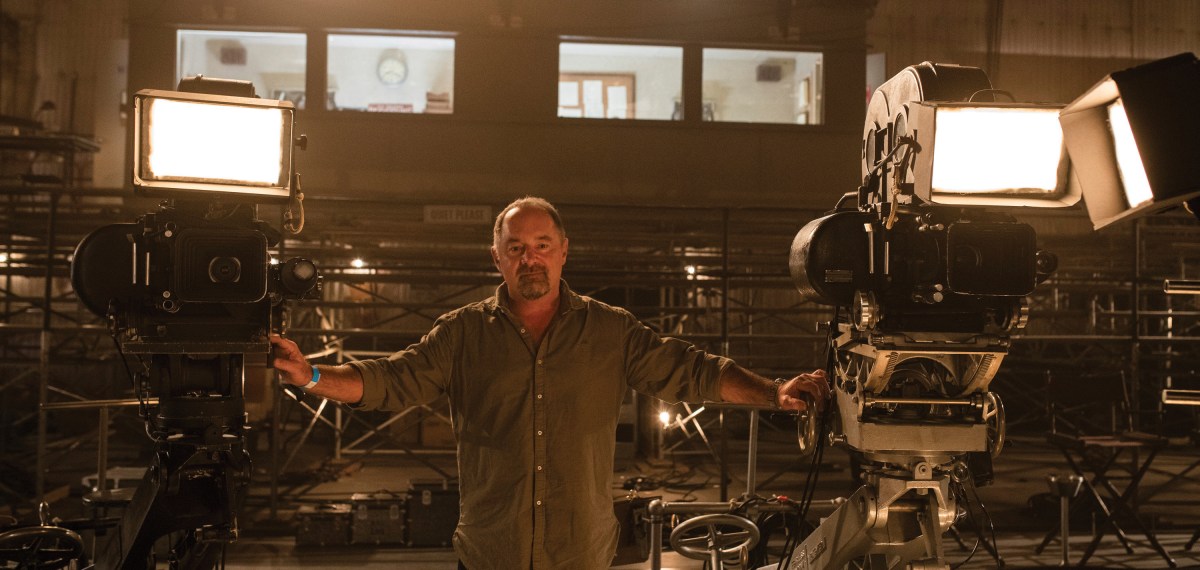
Directors who have worked with Jeff Cronenweth, ASC observe that he is quiet, centered, and possesses a very dry sense of humor. Working in an eclectic mix of genres and styles, he quickly zeroes in on central concepts, often exceeding expectations with the results. His career as a feature cinematographer began auspiciously with David Fincher’s eye-popping Fight Club (AC Nov. ’99), and his filmography since then includes The Social Network (AC Oct. ’10), Gone Girl (AC Nov. ’14), One Hour Photo (AC Aug. ’02) and the Amazon miniseries Tales From the Loop (AC April ’20). Cronenweth has also shot stylistically bold, groundbreaking music videos for David Bowie, Taylor Swift, Janet Jackson, Nine Inch Nails and many other top artists.
Jeff with his father, Jordan Cronenweth, ASC.
It wouldn’t be at all hyperbolic to say Cronenweth was born into filmmaking. His great-grandfather owned and operated a photographic-equipment store in Wilkinsburg, Pa.; his grandfather Edward worked as a portrait photographer for Hollywood studios during the peak of that unique specialty, earning an Academy Award for his work; his grandmother Rosita was a Busby Berkeley dancer; and his father, renowned ASC member Jordan Cronenweth, served as director of photography on Blade Runner (AC July ’82), Peggy Sue Got Married (AC April ’87), Altered States (AC March ’81), Gardens of Stone (AC May ’87), and many classic music videos for leading artists of the 1980s and ’90s.
Taking this lineage a step further, Jeff Cronenweth has also collaborated with his brother Tim, a successful commercial director, on more than 500 spots.
“A storyteller doesn’t want to tell the same story over and over, and I don’t want to, either. I always want to find something new and challenging to work on.” — Jeff Cronenweth, ASC