EXCLUSIVE: Speaking to ‘The Independent’, the filmmaker also revealed the hilariously blunt response he received from Gene Hackman after he offered the veteran actor a part in the film
David Fincher has revealed secrets from behind the scenes of his 1995 thriller SE7EN as it’s re-released in an eye-popping new remastered edition.
Speaking to The Independent, the filmmaker discussed some of the actors he initially hoped to cast in the film, poured cold water on a long-standing rumour about its shocking ending, and his memories of how Denzel Washington was initially approached to star in the movie.
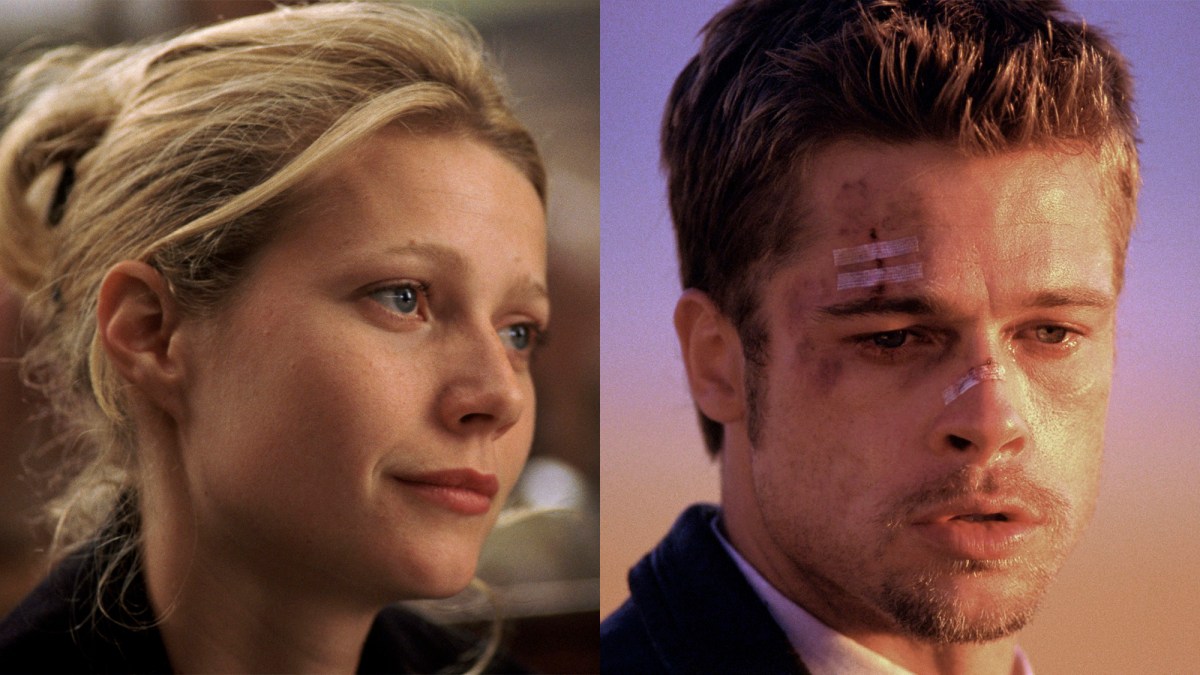
Morgan Freeman and Brad Pitt ultimately led the film as Detectives Somerset and Mills, who are tasked with investigating a serial killer modelling his crimes after the seven deadly sins. Gwyneth Paltrow was cast as Mills’s doomed wife Tracy, while Kevin Spacey starred as the killer John Doe. All four parties collide in the film’s famed climax, which has birthed a particular urban legend linking SE7EN with Steven Soderbergh’s 2011 pandemic thriller Contagion.
*Spoiler warning* Before you read any further, be aware that this article discusses the final scenes of SE7EN and a specific plot point in Contagion.
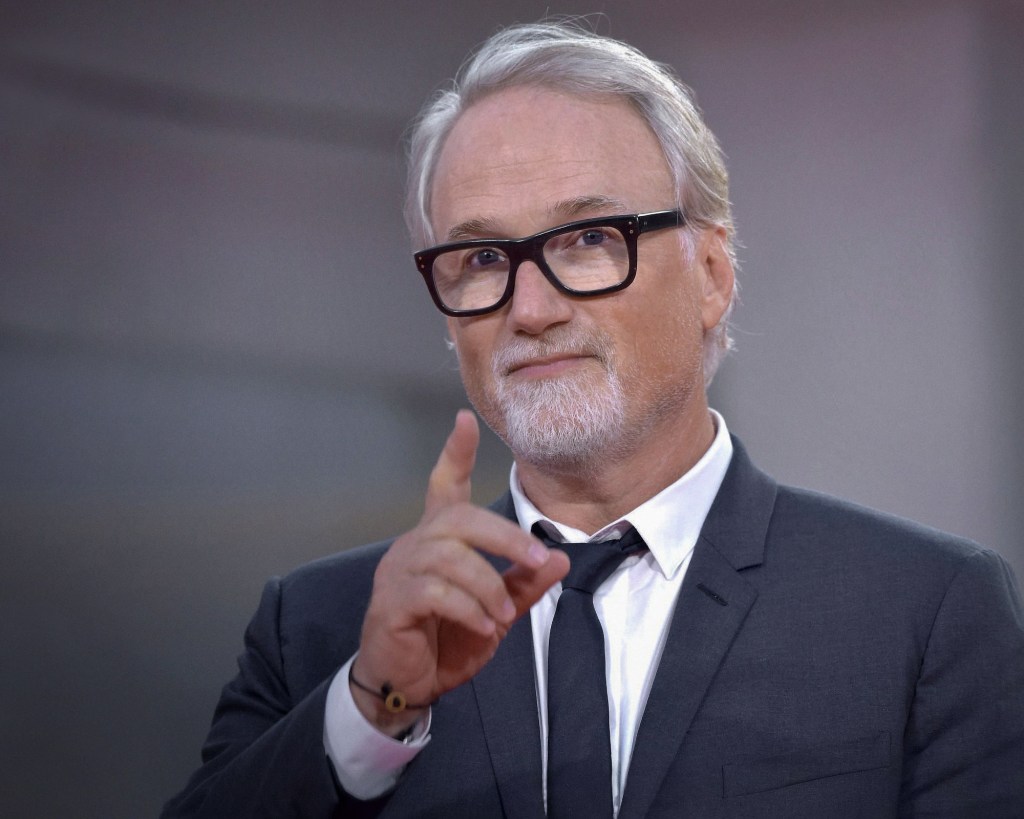
David Fincher bristles at being labeled a perfectionist.
He makes an unconvincing case in the shadow of his filmography, which includes “Fight Club,” “Zodiac” and “The Social Network” among several other films marked by a meticulous and unerring technical precision. But Fincher’s objections ring especially hollow when it comes in the midst of an explanation — involving corrections to emulsion caused by the device that perforated the original celluloid — why a new 4K version of “SE7EN” took a year to complete. Yet even if one were inclined to describe his approach merely as a “passionate attention to detail,” that attention has nevertheless resulted in some of the most unforgettable cinematic images of the last 30 years — and now, one of the most beautiful restorations produced in the high-definition era.
Perhaps ironically, “SE7EN,” the film that marked his Hollywood breakthrough, was by his description inspired by “movies with dirt under their fingernails.” Following its premiere at the 2024 TCM Film Festival, the upgraded transfer will be released in theaters (including IMAX) Jan. 3, to be followed on 4K UHD Jan. 7. Fincher recently spoke with Variety about the film, describing his approach to the project after the critical and commercial underperformance of his debut feature, “Alien 3;” revealing details about key casting and creative choices in bringing to life the story of a serial killer inspired by the seven deadly sins; and reflecting on its legacy as a film that both inspired countless imitators and defined his reputation — be it as a perfectionist or just a filmmaker who learned to ask for forgiveness instead of permission.
David Fincher:
I bristle at that idea of perfectionism because if you look at an image and you can see that there’s something going on on the left side of it, I’ll admit it was a big problem for me when I moved to high definition because now I could finally see all of the background actors looky-looing and counting, and you go, “Wow, what is this behavior that’s in the background?” So the more you see, the more I feel it’s my responsibility to make sure that the only thing that’s documented is the stuff that focuses your attention on what you need to walk away with.
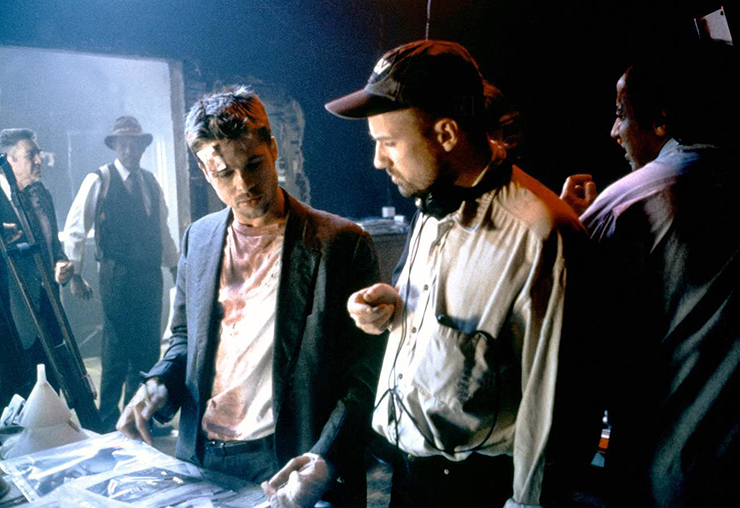
Rain drenches an anonymous street in Los Angeles, which is standing in for an anonymous city that won’t be named. Two A-list actors, playing polar opposite detectives assigned to a frightening and ominous case, stand around and wait for their turn to step on set, where they’re poised to discover the next atrocity left for them by a mysterious serial killer named John Doe.
But in this specific moment, director David Fincher is just trying to figure out how to get the body of character actor Michael Reid McKay, transformed into the victim we’ll come to know as Sloth, onto the set without disrupting the man’s intricate makeup job.
That’s just one of many unexpected challenges facing David Fincher (Fight Club, The Social Network, Zodiac) as he labored on SE7EN, the mesmerizing dark-noir thriller that cast Brad Pitt and Morgan Freeman as cops tracking a killer whose victims are modeled after the Seven Deadly Sins. It’s an ingenious hook, designed by screenwriter Andrew Kevin Walker. But it was Fincher’s meticulous execution of the crimes that burrowed under the skin of moviegoers back in 1995, and helped make SE7EN an unforgettable achievement that earned its place in the pop-culture pantheon of contemporary masterpieces.
I’m not sure Fincher knew he was creating a masterpiece at the time of filming. The former music-video director was coming off of a disastrous shoot with Alien 3, was focused on establishing himself and his own voice, and had to deal with a difficult schedule attached to one of his leading men. (More on that in a second). And then, there was this damn Sloth body… the one that wakes up mid-investigation, and scares the daylights out of John C. McGinley (Scrubs).
Speaking with CinemaBlend on behalf of a 30th anniversary 4K UHD release of SE7EN (which arrives on January 7), Fincher started reminiscing about that particular Deadly Sin.
By Roxana Hadadi, a Vulture TV critic who also covers film and pop culture October 16, 2024 Vulture
Holt McCallany can talk for a long time about filmmaker David Fincher, with whom he’s worked three times. On the beloved crime-thriller series Mindhunter, which was unexpectedly canceled by Netflix after its second season. On Alien 3, the prison-planet sequel that was Fincher’s directorial debut and so plagued with interference from 20th Century Fox that Fincher wouldn’t talk about the movie for years. And on Fight Club, the cult classic that has been misinterpreted in bad faith since it came out 25 years ago. McCallany can mimic Fincher’s tone and jokingly recites his advice from years on set together. And he can just as vividly recall a grudge he’s harbored since the movie’s release.
“I remember sitting in a dentist’s office, and the TV happened to be The Rosie O’Donnell Show. She’s talking about Fight Club and she says, ‘Whatever you do, don’t see Fight Club. It’s demented, it’s depraved. I don’t think I’ve ever hated a movie more.’ I’m thinking, Gee, Rosie. Do we go on TV and bad-mouth your show?Is this really necessary, this kind of abuse?” McCallany says. “It angered me. I won’t pretend otherwise, because we were very proud of the film, we had worked very hard on the film, and we were very loyal to David.”
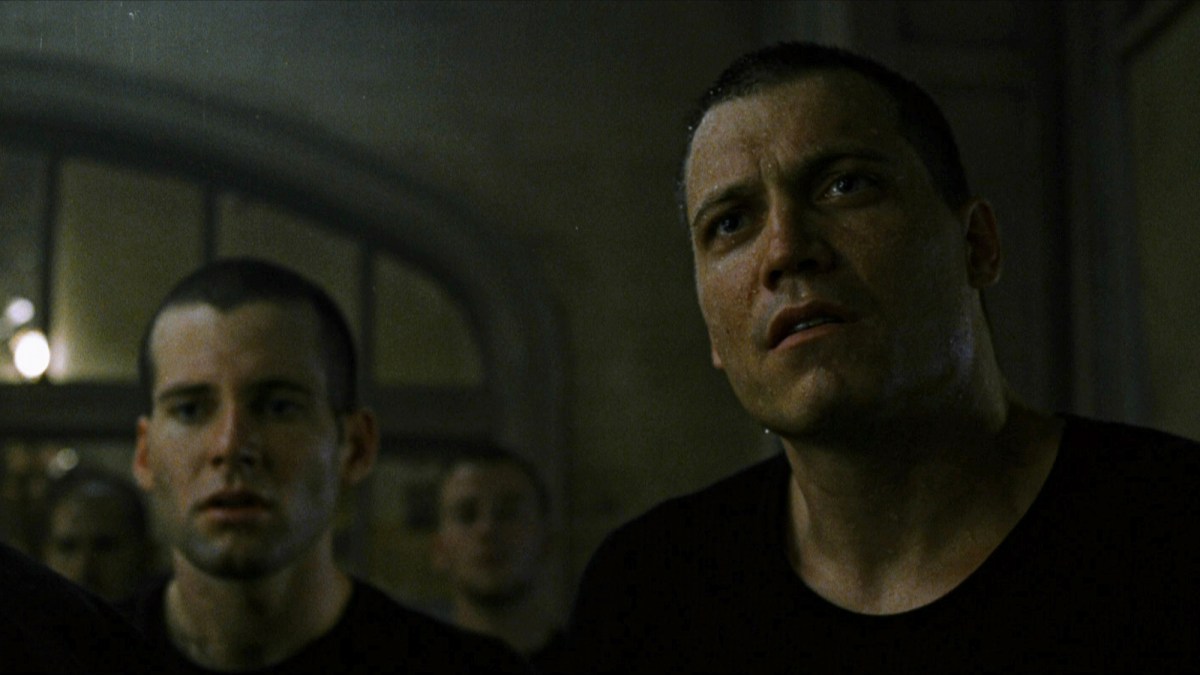
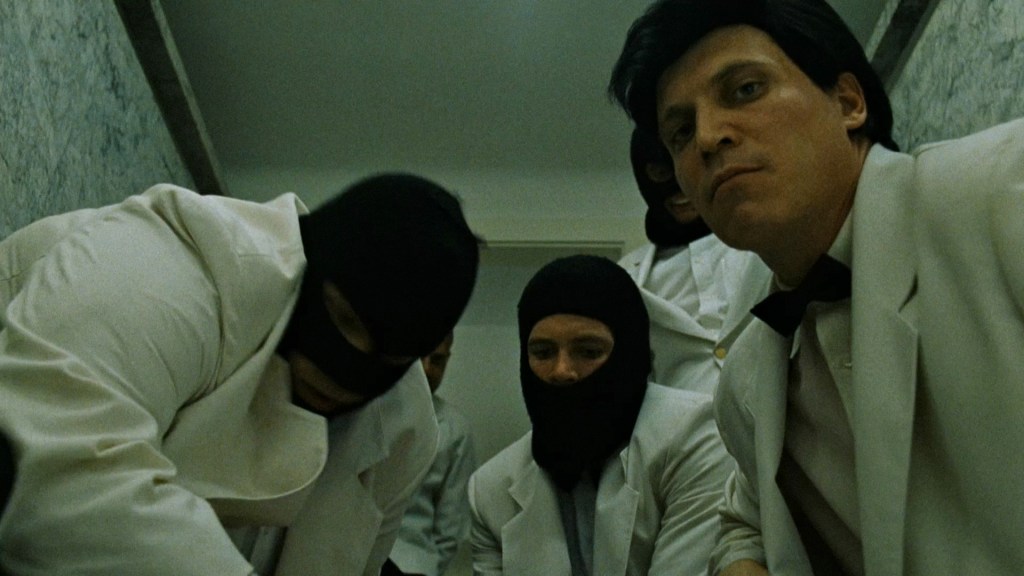
In Fincher’s adaptation of Chuck Palahniuk’s novel, McCallany plays The Mechanic, a devoted follower of anarchist philosopher Tyler Durden (Brad Pitt) whose unflinching glare and menacing physicality are always in service of Durden’s anti-consumerist ideas. McCallany exudes such certainty of self that once you notice the Mechanic cheering in the background of fight scenes, doing chores in The Narrator (Edward Norton) and Durden’s dilapidated mansion, or threatening to “take” a police commissioner’s testicles with a knife, you’ll keep looking for him, wondering what those wild eyes and set jaw are getting up to. The Mechanic tightened McCallany’s relationship with Fincher (who had previously wanted him for a small role in Se7en), and his melancholy-yet-adamant delivery of the film’s iconic mantra — “His name was Robert Paulson” — indicated how fully he could inhabit heavies with a heart.
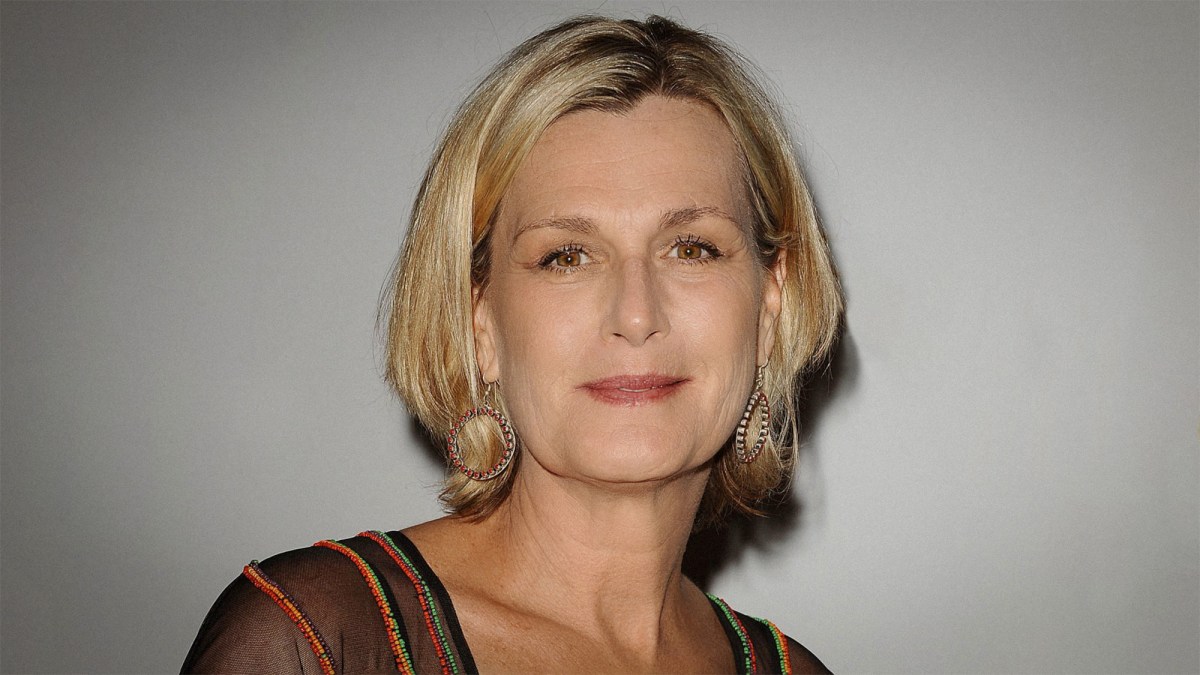
Laray Mayfield got into casting the way a lot of other professionals got into it, by accident.
She was doing another job and someone said, “Hey, you should do this,” and once she did, it stuck. That’s not an unusual story. What makes this unusual is that the person who told her is arguably the best American filmmaker working today, David Fincher, with whom she’s been working for nearly 40 years.
Mayfield has since built an impressive career, with an Emmy award for the first season of House of Cards and two Artios awards —the highest honor the Casting Society offers— to her name. Her latest collaboration with Fincher, The Killer, is streaming on Netflix. She spoke with us from her home in Nashville.
Press conference featuring Director of Photography Erik Messerschmidt ASC, Sound Designer Ren Klyce, Director David Fincher, and Editor Kirk Baxter ACE.
Red Carpet featuring Producer Peter Mavromates, Director of Photography Erik Messerschmidt ASC, Writer of the original “The Killer” (“Le tueur”) comic Alexis “Matz” Nolent, Editor Kirk Baxter ACE, Sound Designer Ren Klyce, Director David Fincher. The original stream has the ambient sound turned down to a minimum because it is too busy and noisy, and only barely intelligible in the close-ups.
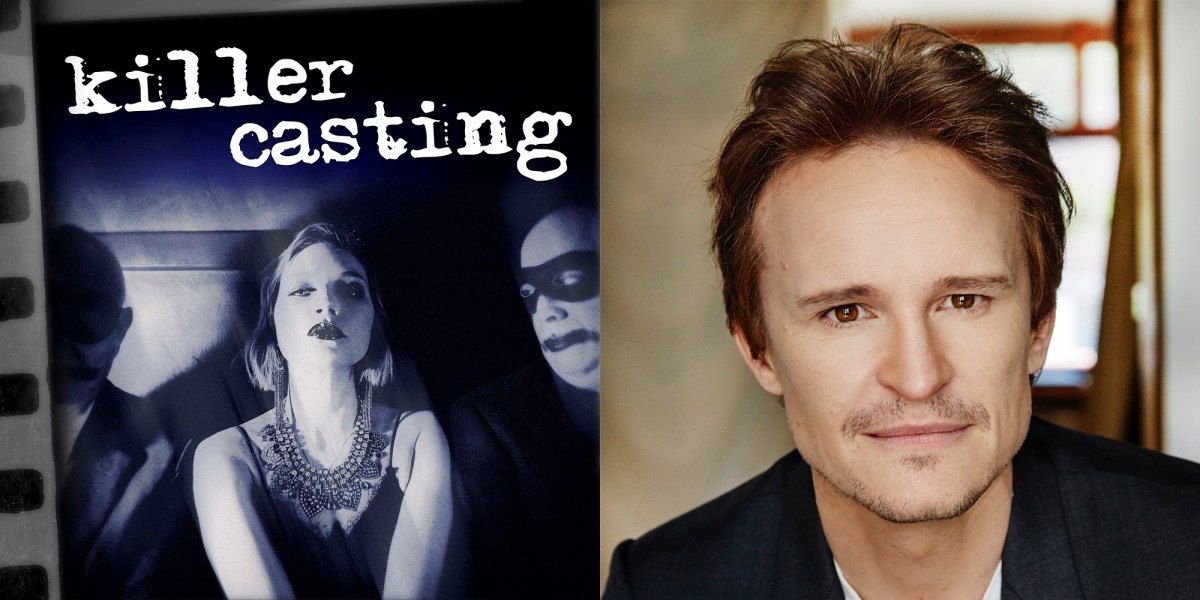
We are so psyched to welcome transformational actor Damon Herriman to the show! Mr. In Between fans will know him as Freddy the Strip Club owner, but there rest of the world knows him for tons of other roles including playing Charles Manson (twice) in Mindhunter and Once Upon A Time in Hollywood, Dewey from Justified, Kim from Secret City and so many others. Damon talks about working with Scott Ryan and Nash Edgerton, about his background growing up in the business as a child actor and so much more!
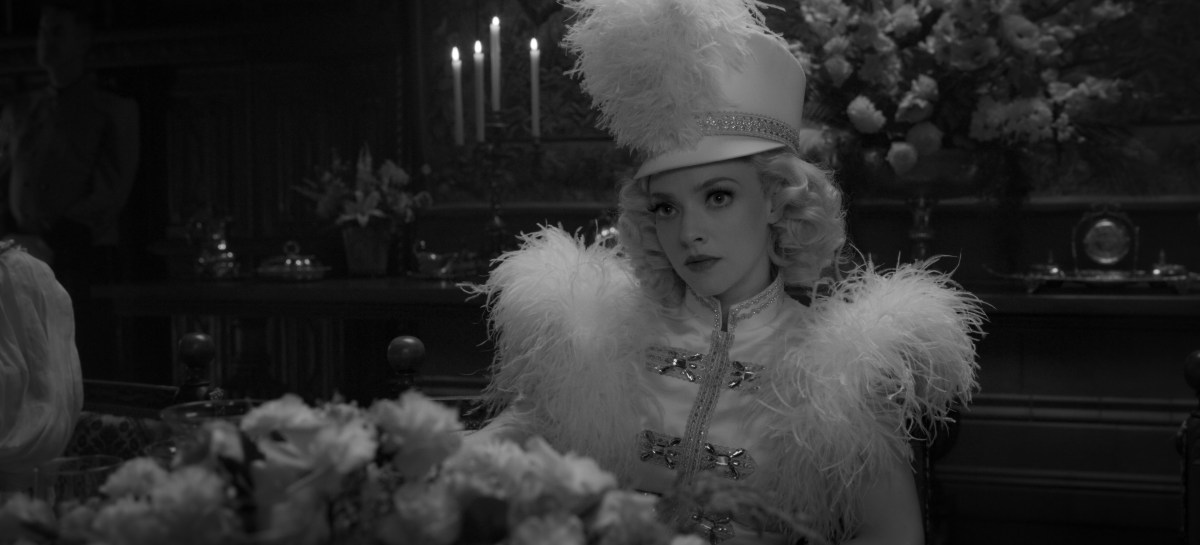
Citizen Kane is often regarded as the greatest film ever made. The fictionalized story of newspaper tycoon William Randolph Hearst didn’t win a Best Picture Oscar in 1942, but it did win a Best Original Screenplay award. Hollywood still loves a story about itself, and this year, Mank, a film about Citizen Kane‘s screenwriter, Herman Mankiewicz, earned 10 Oscar nominations, including Best Picture. It also received a nomination for Amanda Seyfried for Best Supporting Actress for her portrayal of Marion Davies.
In real life, as in Mank, Davies was a starlet who lived a life of luxury with Hearst. She was born in Brooklyn and went from the Ziegfeld Follies to Hollywood. She became a siren of the silent movies in the 1920s, and ironed out her accent as she moved into talking pictures.
“Marion was a really talented actor, she had incredible range, she was really funny, and she was able to lighten any scene that she was in,” says Seyfried. “She was very unfiltered like I am, and she was very allergic to being dishonest, which I am absolutely. You know, the Brooklynese was kind of, just, at the end of the day, when she took her shoes off and she grabbed her bottle of gin. She was exactly who she was and you know, she had no shame from where she came from.”
Nobody but Laray Mayfield could have cast Netflix’s “Mank.” She saw the first version of the script back in the late ’90s thanks to her long-standing working relationship with director David Fincher, which dates back to making music videos in the ’80s. Her work in film alongside Fincher and beyond has earned Mayfield both critical and popular acclaim. An expert at building ensembles and finding new faces, she again worked her magic on “Mank,” which chronicles Herman J. Mankiewicz’s writing of “Citizen Kane.” Here, she shares her advice for actors and illuminates how she works with Fincher after all these years.
How did the ensemble for “Mank” come together?
We spent a lot of time reading and meeting actors. Of course, we offered it to Gary [Oldman] first, and that was a pivotal piece of our casting. And then we went to Charles Dance. For everything else, we jumped in and started doing lots of auditions, running lists, and talking to David about different actors. We did that for seven months.
“If somebody really wants to be an actor, they should take acting classes. They should go to school for it. It’s a training. It’s like dancing, it’s like painting, it’s like playing football, it’s like playing guitar. You don’t just decide one day you’re going to be an actor.”
A disillusioned screenwriter in old Hollywood gets a shot at redemption in Director David Fincher’s biographical comedy-drama, Mank.
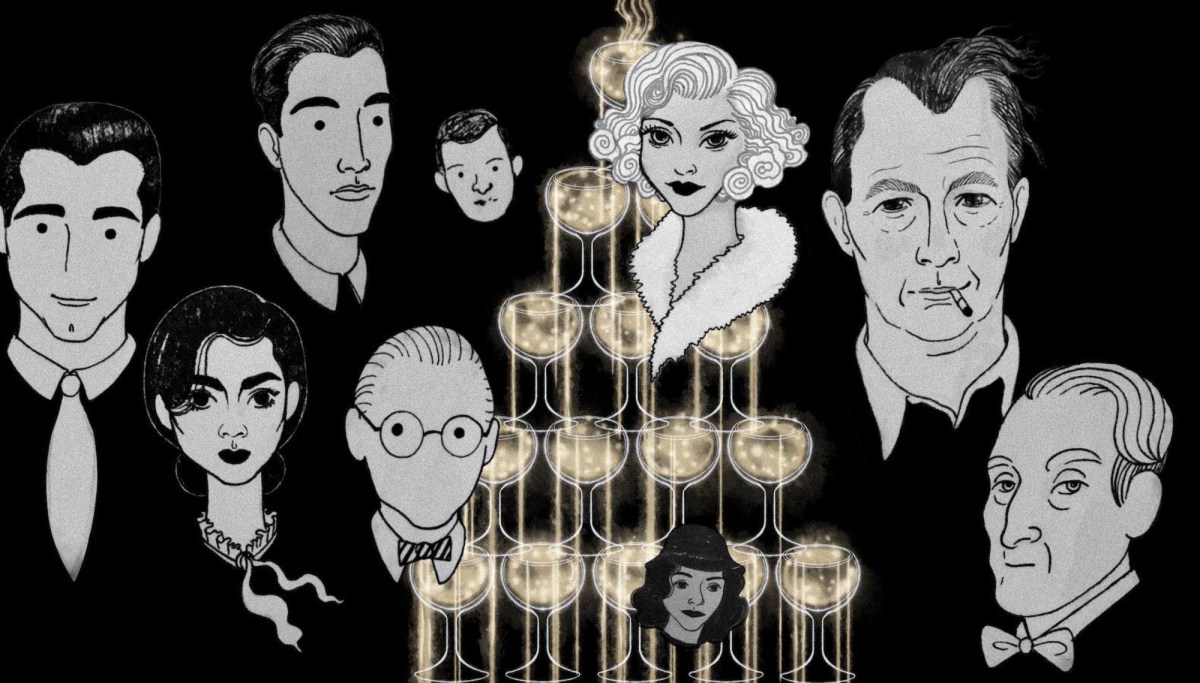
Fincher’s film takes place as film 24-year-old wunderkind Orson Welles hires scathing social critic and alcoholic screenwriter Herman J. Mankiewicz to write the screenplay for his masterpiece, Citizen Kane.
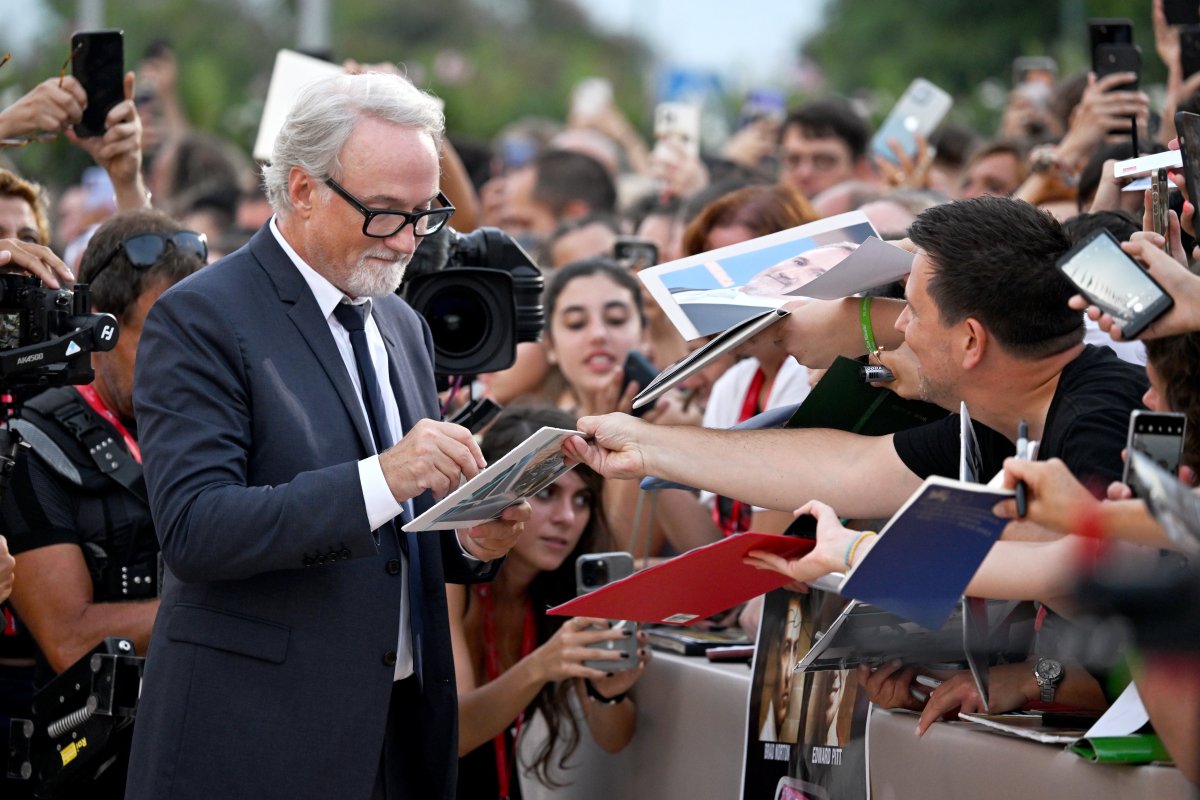
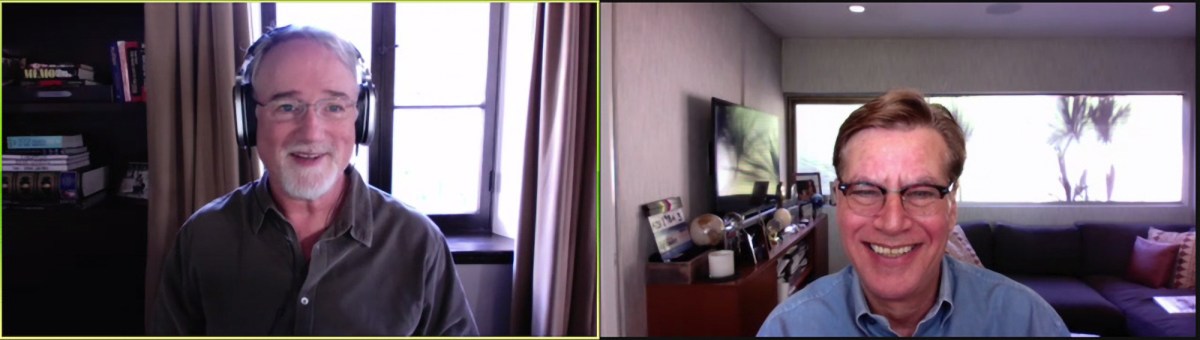
On February 6, Fincher discussed the making of Mank in a DGA Virtual Q&A moderated by Director Aaron Sorkin (The Trial of the Chicago 7).
During their conversation, Fincher spoke about his love for “the altar of cinema,” the communal aspect that can come through film. “For me, what I love about cinema is going into a big dark room with 700 people and through their laughter and through their surprise and through their shock and through their reactions you realize, I’m not alone. I’m the same. I’m wired into this group in the same way just organically and I’m picking up on all these other cues. That is what makes the cinema, or a great grand theater, an almost cathedral-like experience.”
Fincher’s other directorial credits include the feature films Se7en, The Game, Panic Room, Zodiac, Gone Girl; episodes of the television series House of Cards and Mindhunter; and countless commercials and music videos. He has been nominated for the DGA Award for Outstanding Directorial Achievement in Theatrical Feature Film for The Curious Case of Benjamin Button, The Social Network and The Girl with the Dragon Tattoo. In 2013, he was nominated for the DGA Award for Dramatic Series for House of Cards, “Chapter 1” and has twice been nominated for the DGA Award for his Commercial work with Anonymous Content in 2003 and 2008, winning the Award in 2003 for Beauty for Sale (Xelibri Phones), Gamebreakers (Nikegridiron.Com) and Speed Chain (Nike).

 The Fincher Analyst