So, Why Does Bill Nye Play Upton Sinclair in Mank?

Nate Jones
December 16, 2020
Vulture

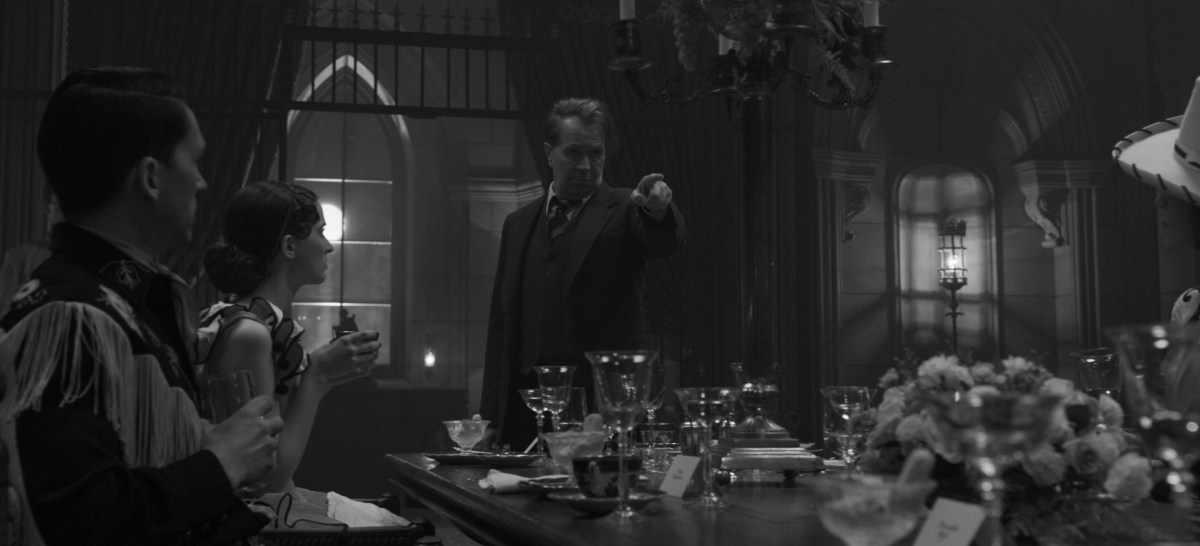
One of the big surprises of David Fincher’s Mank is that it turns out to be just as much about Upton Sinclair as it is about Herman Mankiewicz. In this version of Hollywood history, Mankiewicz was spurred to write Citizen Kane due to his guilt over the Hollywood dirty-tricks campaign that sank Sinclair’s 1934 campaign for governor of California. The Jungle author makes a brief appearance at a rally in Mank, at which point we get another of the film’s big surprises: Sinclair is played by none other than Bill Nye. Yes, the Science Guy. It’s unconventional casting, but it works. Stripped of his lab coat and bow tie, Nye is a little hard to place. He comes off as an avuncular, trustworthy orator; it’s only afterward when you realize, Wait, was that Bill Nye?

We naturally had some questions about how the whole thing came out. Luckily, Nye was happy to jump on a Zoom call and discuss the story behind his cameo.

Read the full interview

‘Mank’ Costume Designer Trish Summerville on Designing for Real-Life Old Hollywood Figures

L’OFFICIEL speaks to the costume designer about outfitting characters like Orson Welles, Marion Davies, and more Hollywood figures in David Fincher’s ‘Mank.’

Sophie Shaw
December 8, 2020
L’Officiel

In Netflix’s newly released Mank, Hollywood’s latest movie about the movies, glimpses of the era’s glitz and glamour are thrown amidst the alcohol-sodden life of screenwriter Herman J. Mankiewicz (Gary Oldman), or Mank, as he works on what would become his and Orson Welles’ magnum opus, Citizen KaneFor Costume Designer Trish Summerville, she wanted to show a piece of Hollywood history through an honest portrayal. “I don’t want to do a pretend version of what Hollywood should be,” Summerville tells L’OFFICIEL

Like many buzz-worthy films in history, excitement for Oscar-contender Mank built thanks to a key name tied to the project: David Fincher. The exacting director was a draw for Summerville, who previously worked with him on Gone Girl and The Girl With the Dragon Tattoo. Everything else—like doing a period piece, filming in black and white, and working with an all-star cast—was a plus from there, according to the designer.

Read the full profile

Netflix Playlist: Trent Reznor and Atticus Ross “Anatomy of a Score”

Netflix
December 9, 2020

Composers Trent Reznor and Atticus Ross discuss the unique style, sound, and authenticity of the music in Mank and their approach in tackling the unique challenges presented while scoring during the COVID-19 pandemic.

𝙸𝚗 𝚜𝚎𝚕𝚎𝚌𝚝 𝚝𝚑𝚎𝚊𝚝𝚎𝚛𝚜 𝙽𝚘𝚟𝚎𝚖𝚋𝚎𝚛 𝚊𝚗𝚍 𝚘𝚗 Netflix 𝙳𝚎𝚌𝚎𝚖𝚋𝚎𝚛 𝟺

Recreating 1930s Hollywood for ‘Mank’, the new Netflix film from David Fincher

December 15, 2020
FilmLight

Mank is the highly anticipated Netflix biopic directed by David Fincher. The movie is told through the eyes of alcoholic Hollywood screenwriter, Herman J. Mankiewicz, as he battles with personal demons to finish the screenplay for Orson Welles’ renowned Citizen Kane.

While Fincher and his team have worked with FilmLight’s Baselight colour grading system since the 2008 film The Curious Case of Benjamin Button and the Netflix TV series House of Cards, it was with Netflix’s Mindhunter that the director established his own in-house DI facility in Hollywood. Colourist Eric Weidt was brought on to lead colour development on the facility’s Baselight X system.  Weidt had previously developed custom film emulation profiles for traditional film photographers, and brought his considerable experience in post-production for fashion stills and films to the grading suite.

Entirely shot in black and white, Mank has a 1930s Hollywood feel. Many tests were done before shooting – cameras, lenses, even light bulbs – before Eric developed the HDR, SDR and day-for-night LUTs alongside the project’s DoP Erik Messerschmidt. Fincher wanted to re-create certain period elements in post, for example “black blooming” in the shadows.

Read the full case study

‘Mank’ VFX: ‘Body-and-Fender’ Work and So Much More

Behind Mank‘s Invisible Visual Effects

Ian Failes
December 14, 2020
befores & afters

I recently had the chance to ask Territory Studio about their visual effects work for Mank, which involved the re-creation of Wilshire Blvd from the 1930s. Like those shots, so much of Mank’s VFX work was invisible, involving subtle augmentations to tell the period story.

Overseeing these visual effects shots was director David Fincher himself, alongside co-producer Peter Mavromates, and the film’s art department. Fincher and Mavromates co-ordinated an outside effort, also, led by four VFX supervisors at different studios: Artemple (Wei Zheng), Territory Studio (Simon Carr), Savage (John Pastorious) and ILM (Pablo Helman).

In this befores & afters conversation, Mavromates discusses the various VFX work—from sky replacements to matte paintings, to CG animals and what he calls ‘body-and-fender’ shots—that helped tell Mank’s tale.

Read the full interview

Art Of The Cut Podcast: “Mank” First Assistant Editor Ben Insler

Steve Hullfish (Twitter)
December 9, 2020
Art Of The Cut Podcast (ProVideo Coalition)

The Art of the Cut podcast brings the fantastic conversations that Steve Hullfish has with world renowned editors into your car, living room, editing suite and beyond. In each episode, Steve talks with editors ranging from emerging stars to Oscar and Emmy winners. Hear from the top editors of today about their careers, editing workflows and about their work on some of the biggest films and TV shows of the year.

On this episode of the Art of the Cut Podcast, Steve talks with editor Ben Insler about his work on the new Netflix Film “Mank.” Ben has edited multiple series including the Netflix series “Mindhunter.” In this episode Steve dives deep into the work flows and technology used to cut this film including the challenges of finishing a film remotely due to COVID-19.

On a future episode, Steve will also be talking with editor Kirk Baxter about leading the “Mank” editing team. Make sure to keep a look out for that episode!

This episode of the Art of the Cut Podcast is brought to you by Filmtools.com, Hollywood’s trusted one-stop shop for all things production and post.

Want to read/ listen to more interviews from Steve Hullfish? Check out The Art of the Cut Archive for more than 200 interviews with some of the top film and TV editors of today!

The Art of the Cut podcast is available on:

ProVideo Coalition
Apple Podcasts
Spotify
Anchor
Google Podcasts
Breaker
Pocket Casts
Overcast
Radio Public

If you like the podcast, make sure to subscribe so you don’t miss future episodes and tell an editor friend.

Read the transcription of this interview:

ART OF THE CUT on the workflows and methods for editing “Mank”

Steve Hullfish
December 9, 2020
ProVideo Coalition

The Fincher Takes It All: Mank with Nev Pierce

The Fincher Takes It All is a limited series podcast reflecting on and celebrating the filmography of director David Fincher ahead of the release of his next film, Mank.

Emily Murray
December 9, 2020
The Fincher Takes It All

Film journalist and filmmaker Nev Pierce joins me to discuss Mank, David Fincher’s latest film which is now available to watch on Netflix and in select cinemas.

Following screenwriter Herman J. Mankiewicz as he races to finish the screenplay for Citizen Kane, the film takes a look at Hollywood and politics.

Me and Nev discuss the film’s analysis of Hollywood liberalism, what it has to say about the idea of the auteur, how Fincher made it feel like an old classic and whether it really does have anything to do with Citizen Kane.

Listen to the complete podcast series

The People Who Can See Inside David Fincher’s Head

The famously meticulous Mank director is surrounded by collaborators tasked with turning his most ambitious ideas into reality.

David Sims
December 9, 2020
The Atlantic

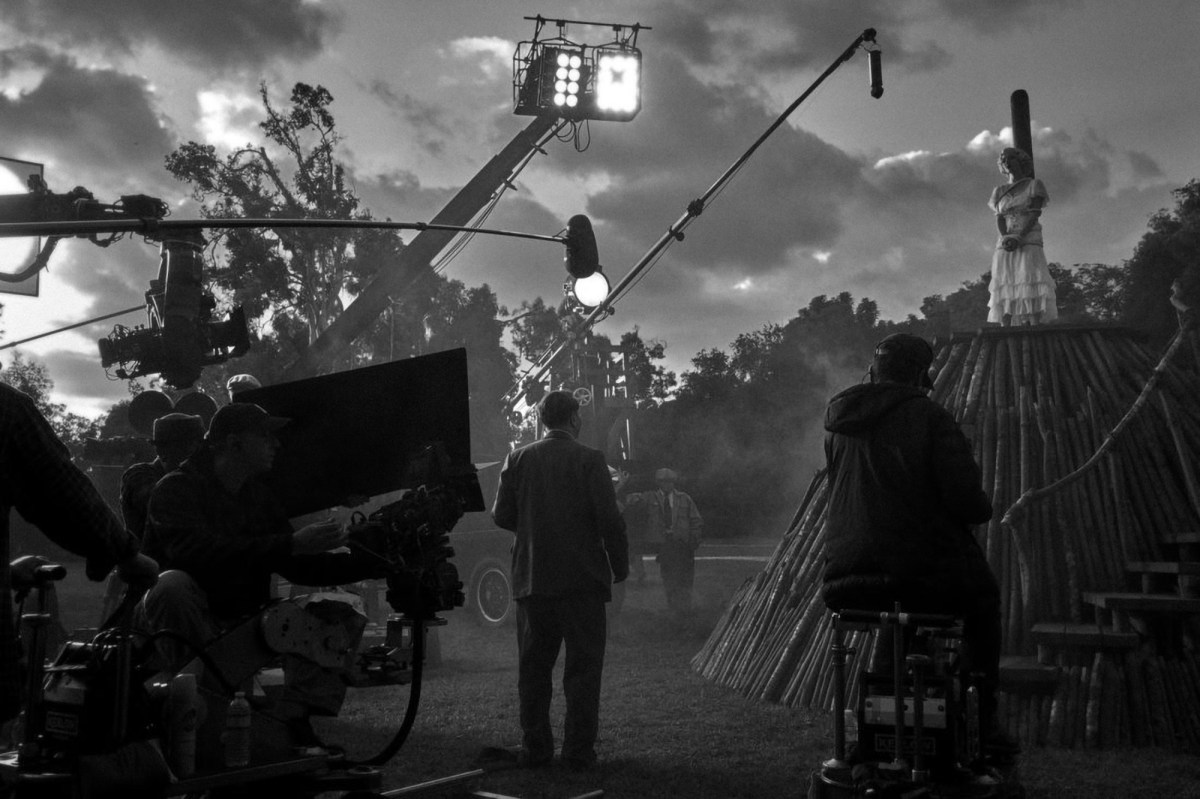
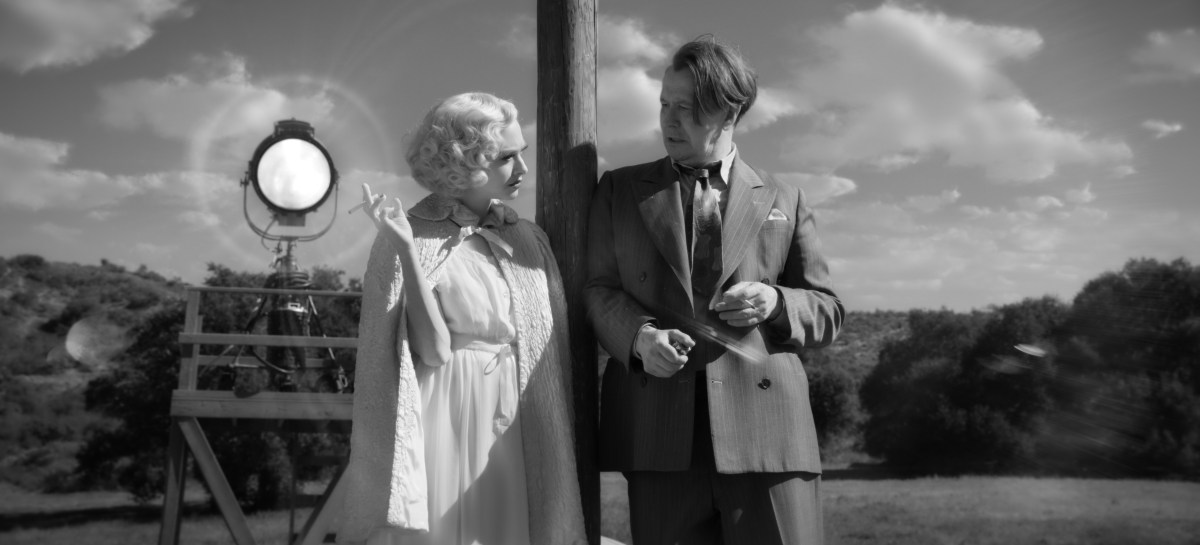
Early in Netflix’s Mank, the screenwriter Herman J. Mankiewicz (played by Gary Oldman) ambles onto an outdoor movie set, where he bumps into an array of glamorous characters. In a scene full of repartee with real-life figures such as the actor Marion Davies, the film honcho Louis B. Mayer, and the mogul William Randolph Hearst, the visual details of the environment might seem unimportant. But to Mank’s director, David Fincher, they mattered. “The grass was not to David’s liking, and the sky was not to his liking, so all that’s been replaced,” Peter Mavromates, his co-producer, told me. When making a movie, Fincher literally controls heaven and earth.

That example sums up the capricious-sounding, godlike power of a director, especially in the age of digital filmmaking, which allows for total command of every frame. But as with all of his movies, Fincher’s vision for Mank was realized by a group of dedicated collaborators, most of whom have worked with the director for many years across projects. This film, which Fincher mulled for nearly three decades, is unlike anything he has made before. An unusual-looking-and-sounding film set in the Golden Age of Hollywood, Mank reflects the aesthetic of the 1930s with its black-and-white cinematography; an echoey, old-fashioned sound mix; and a brassy, orchestral score. But Fincher also wanted it to be a distinctly modern film, which posed many unique and fascinating technical challenges to the creators charged with bringing his lofty ideas to life.

Read the full profile