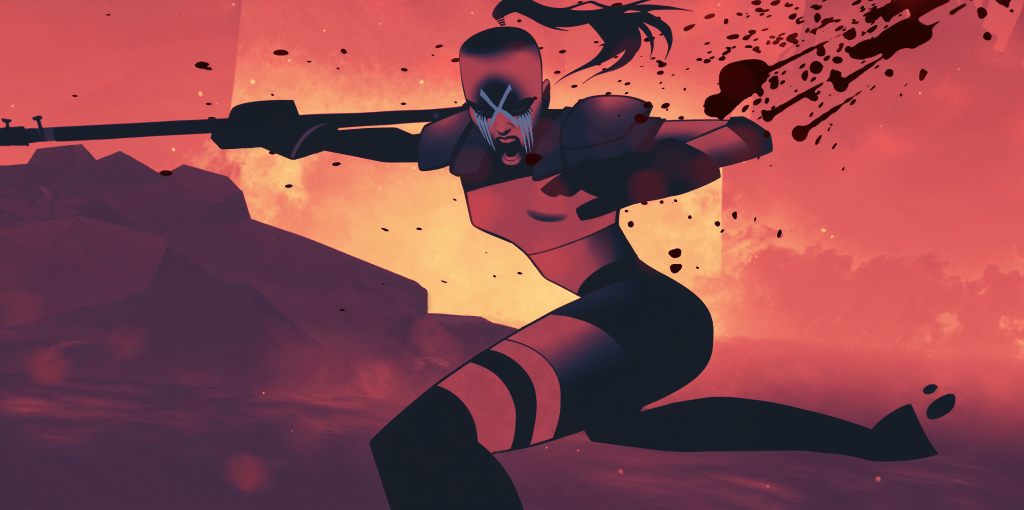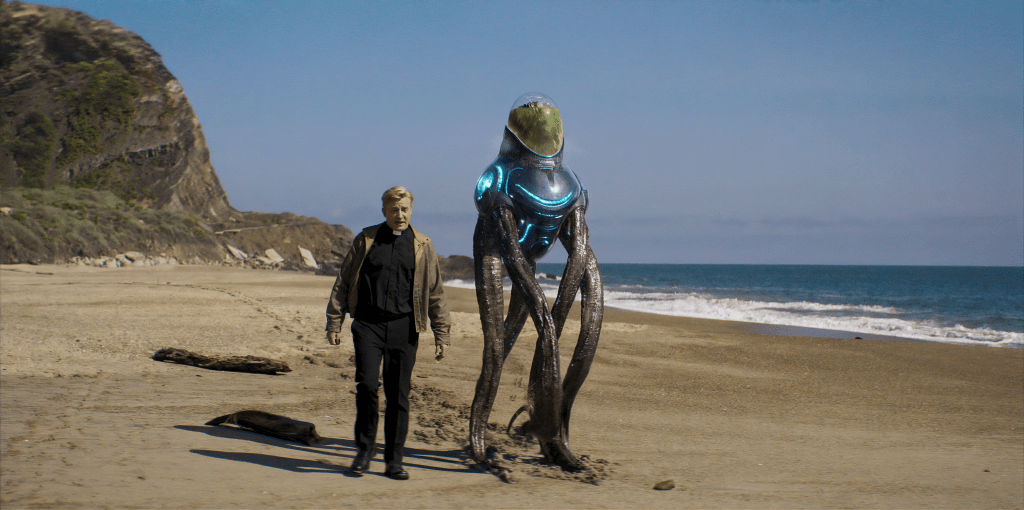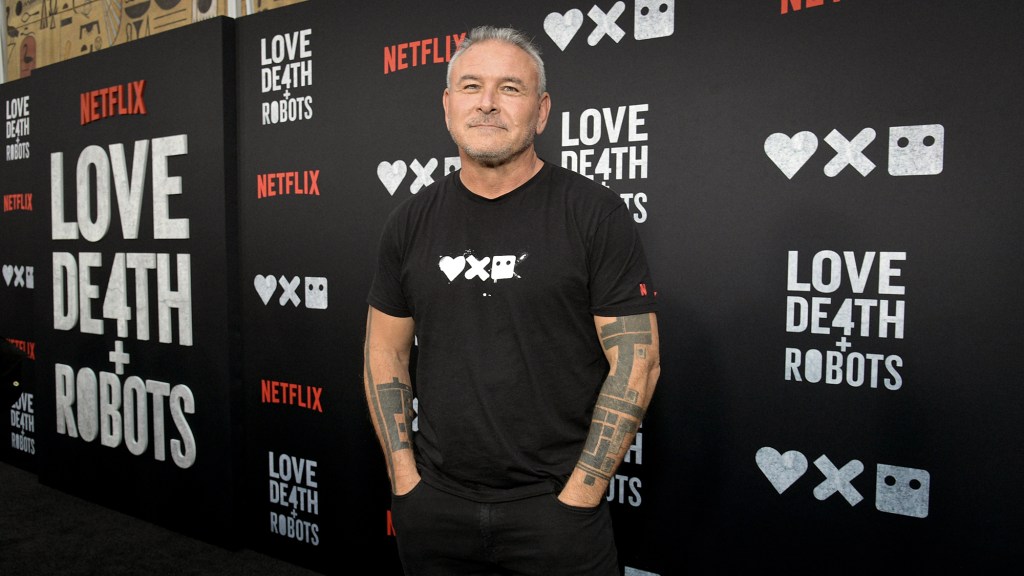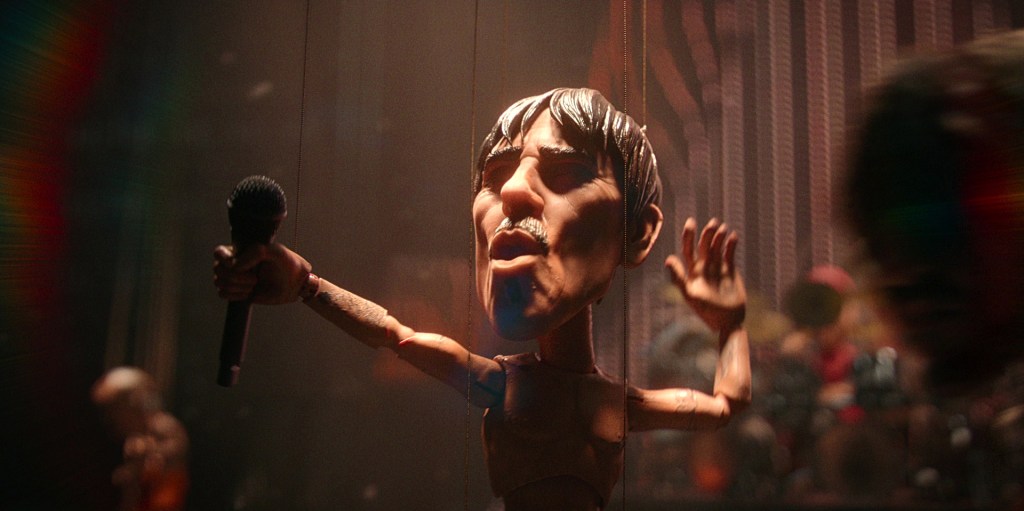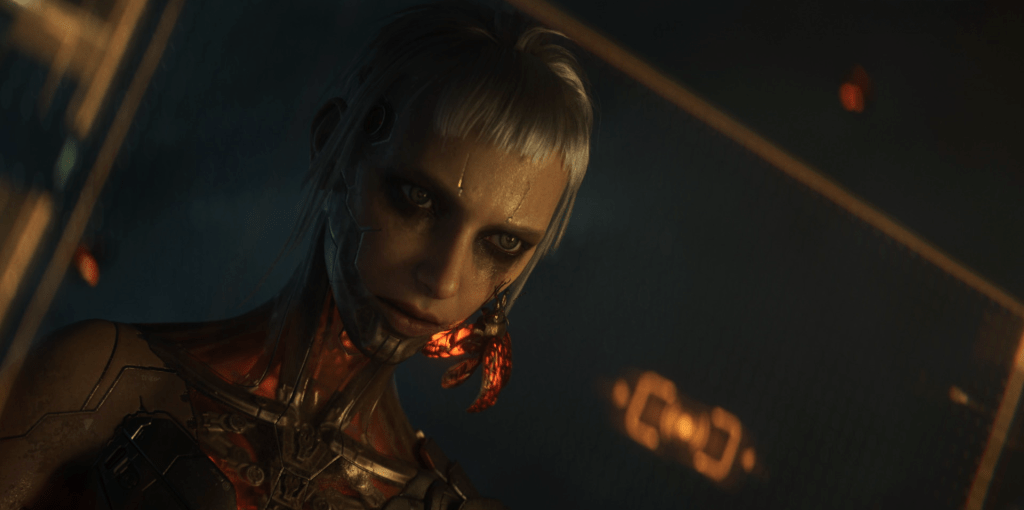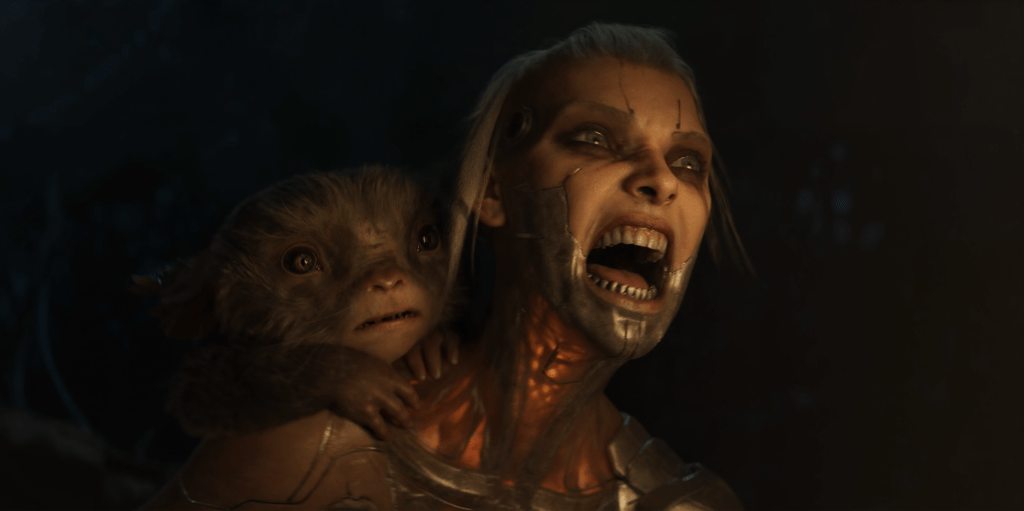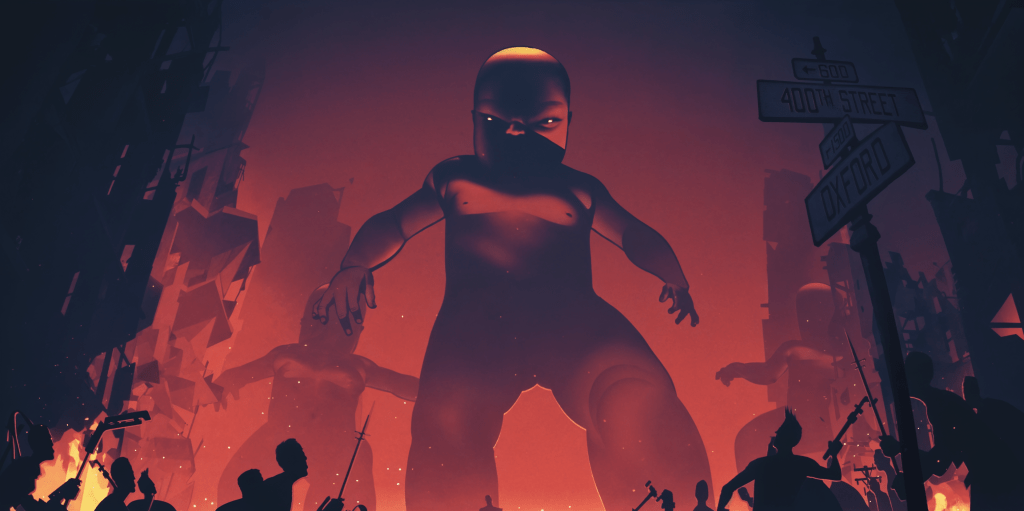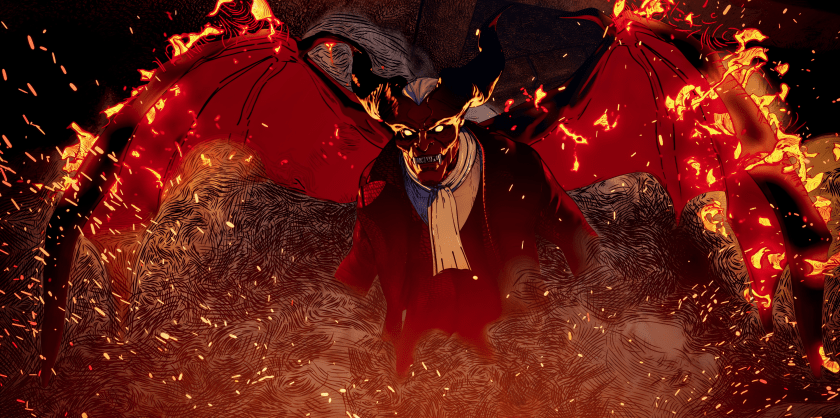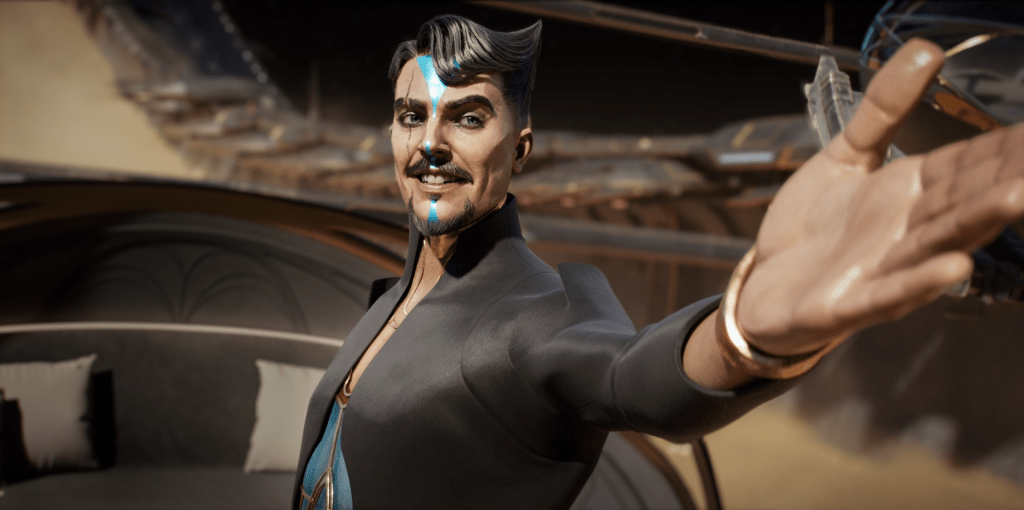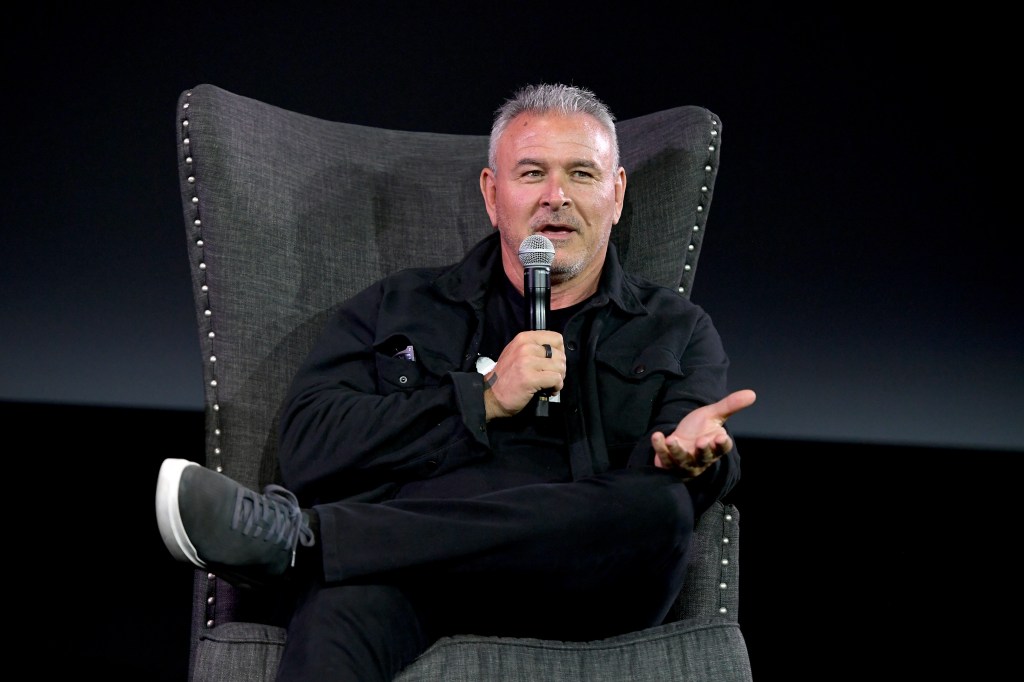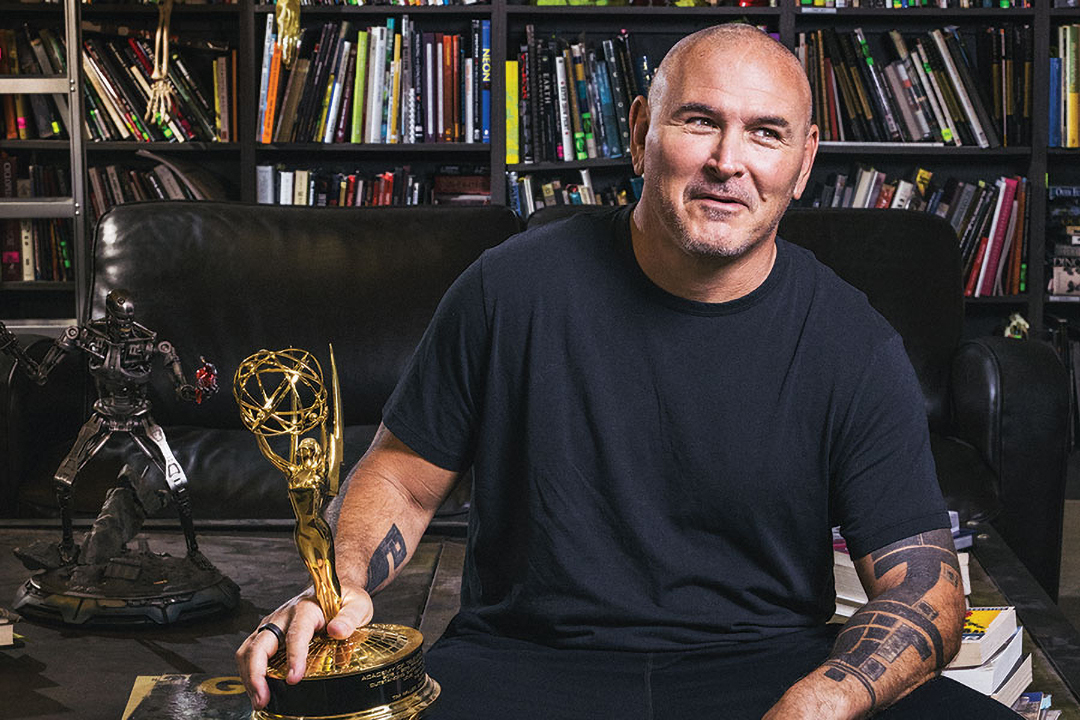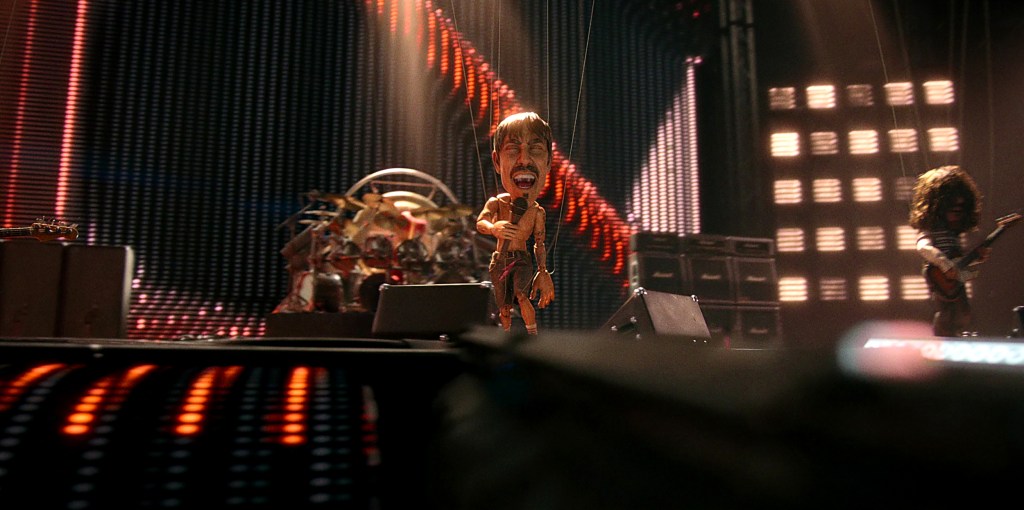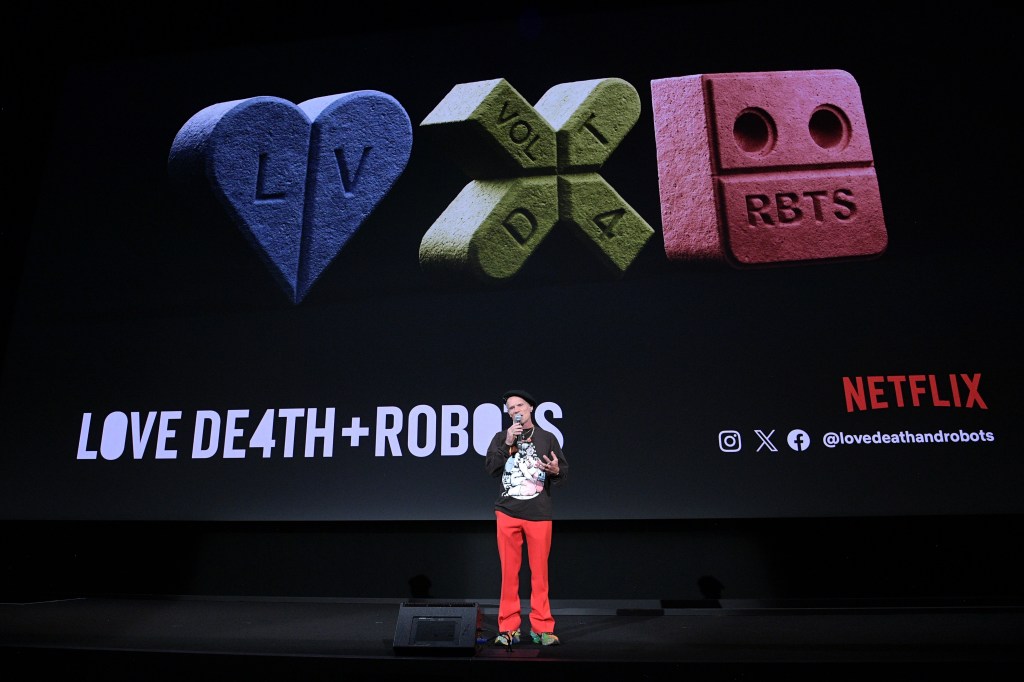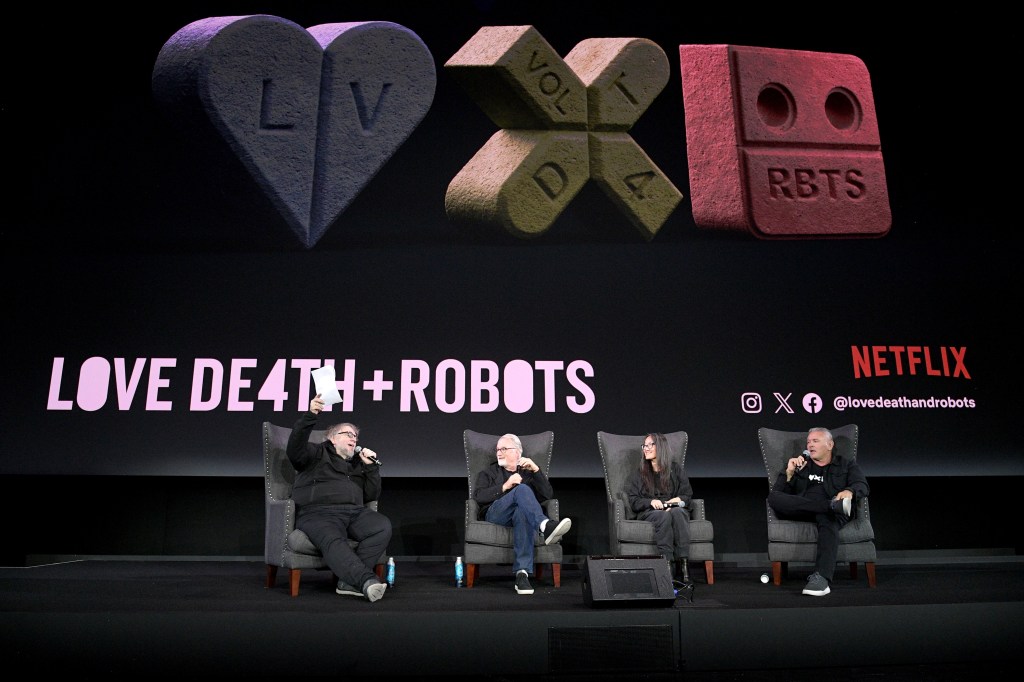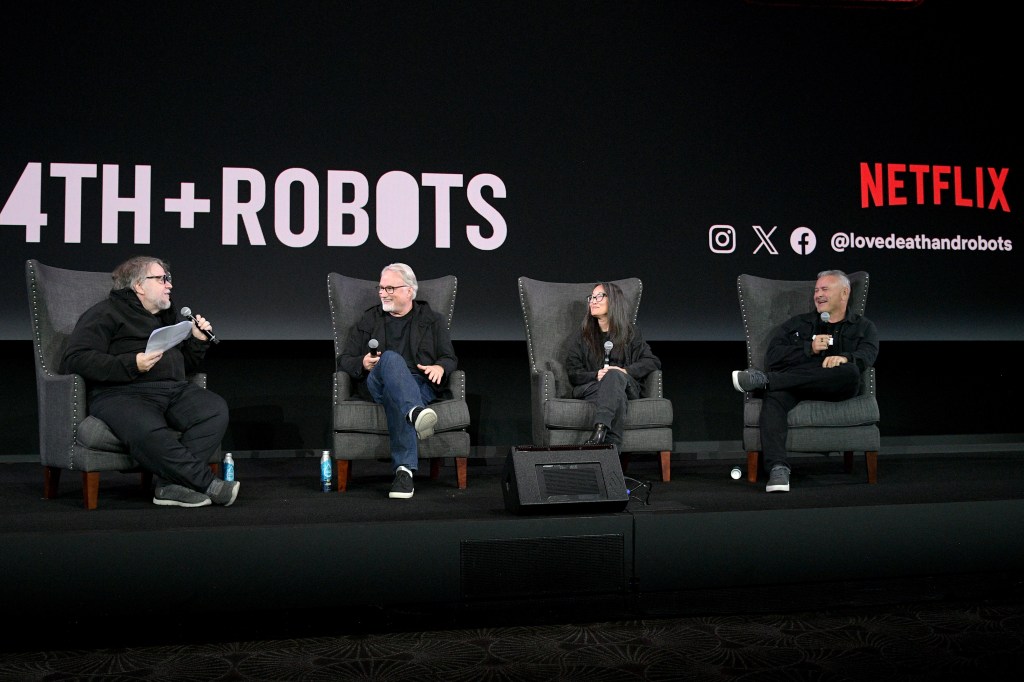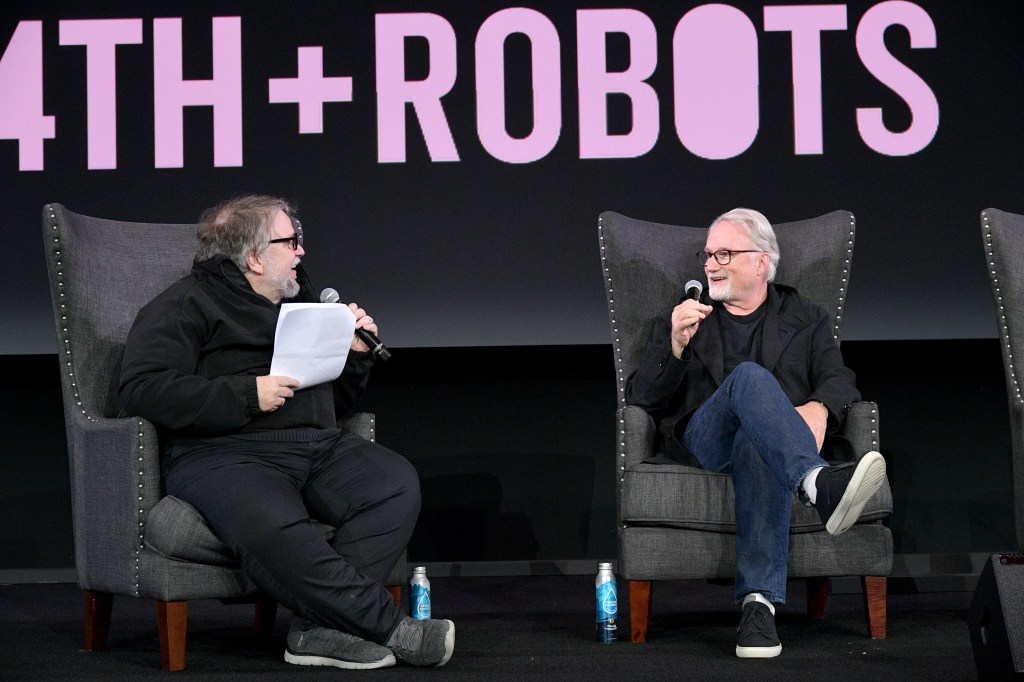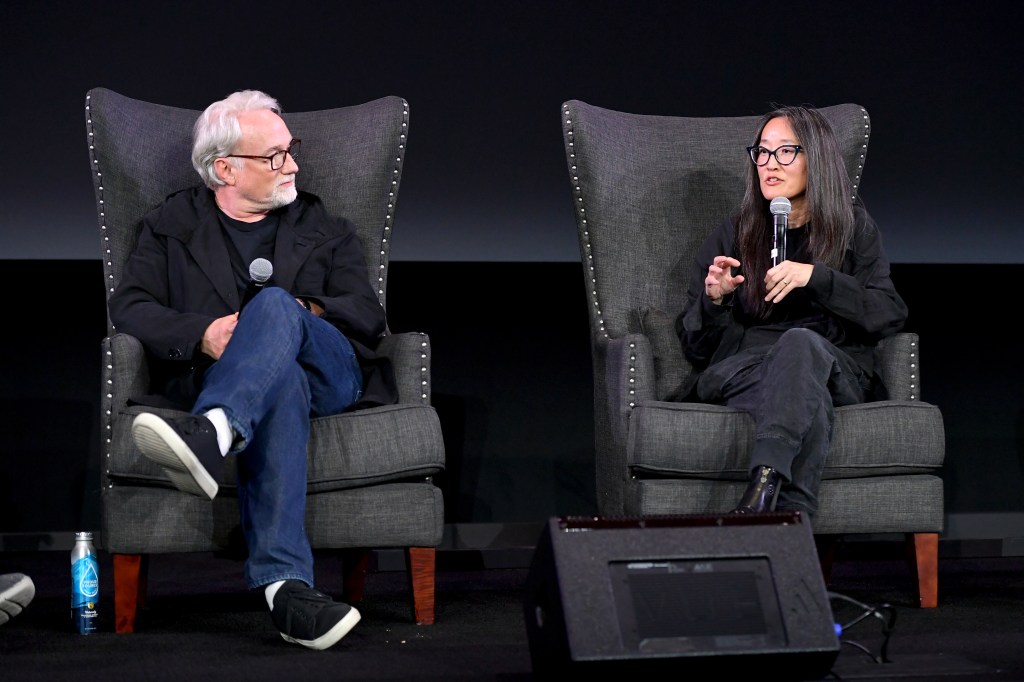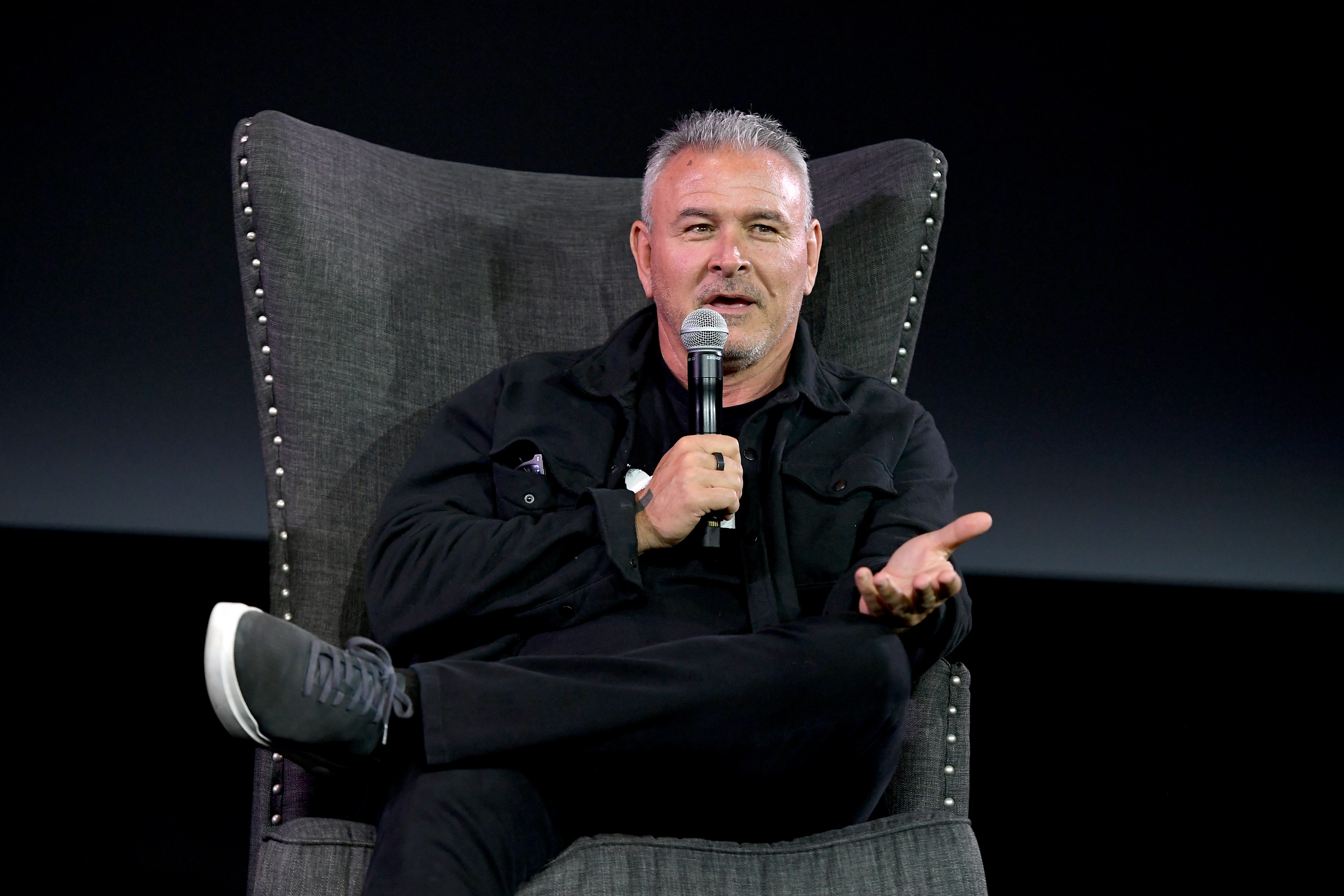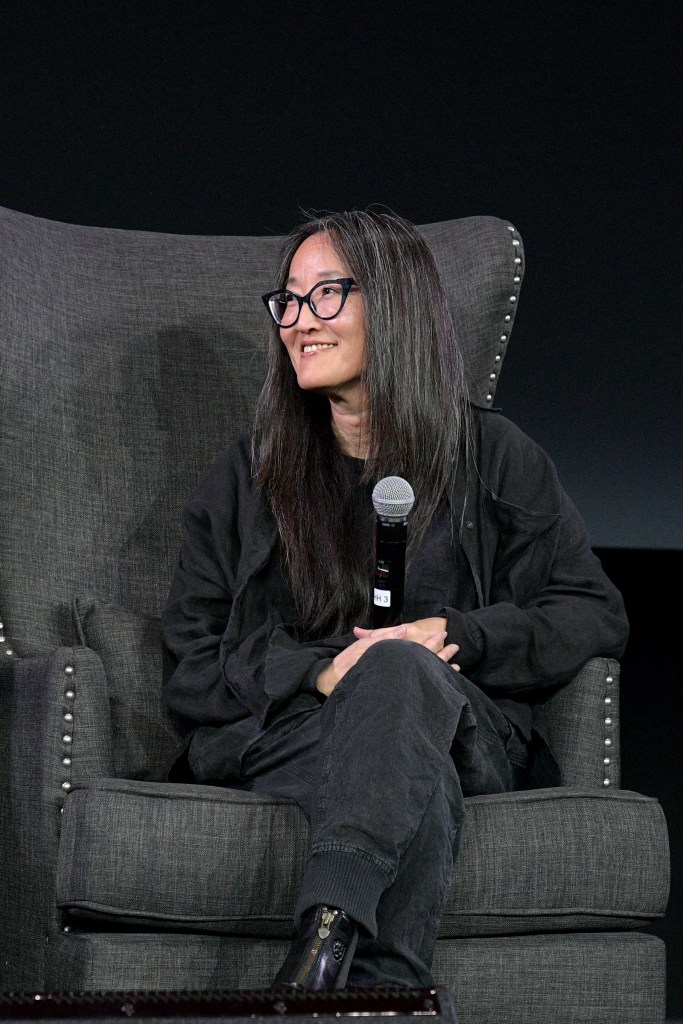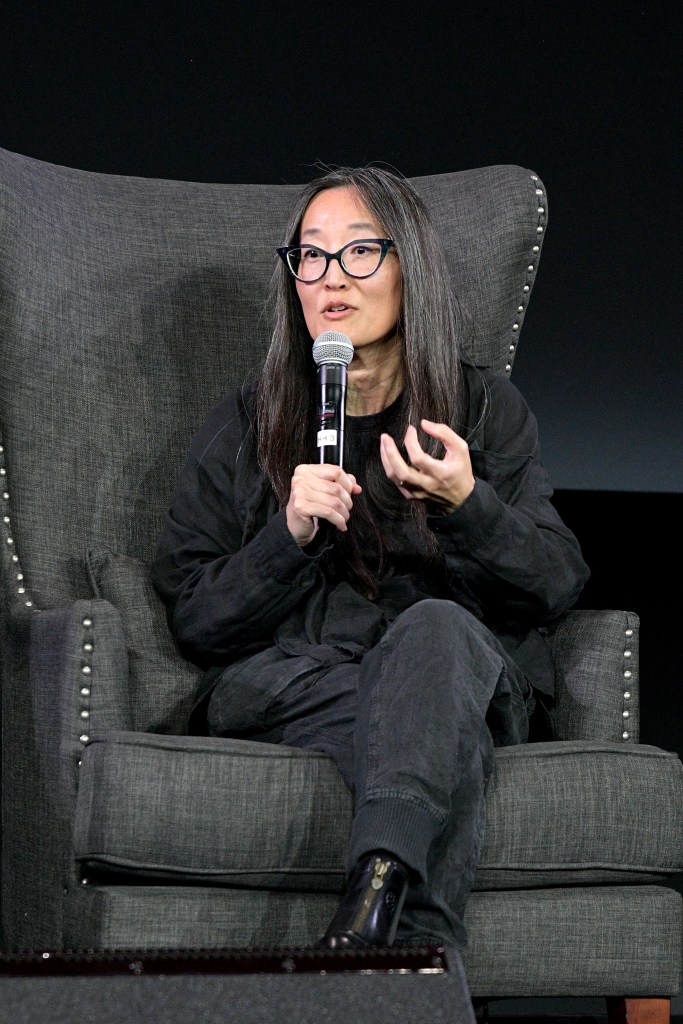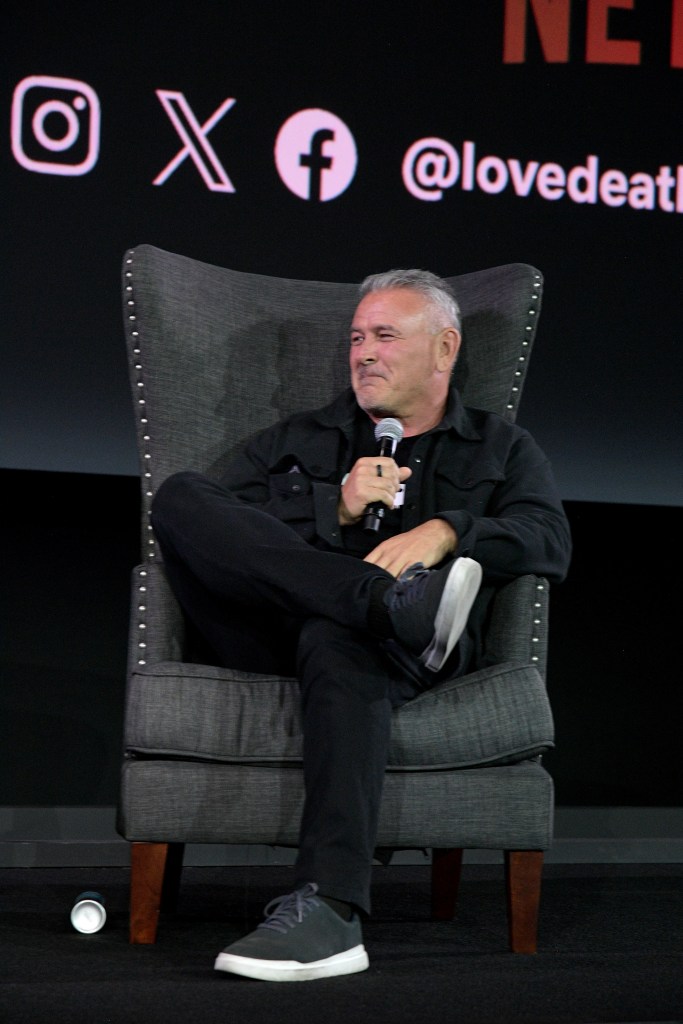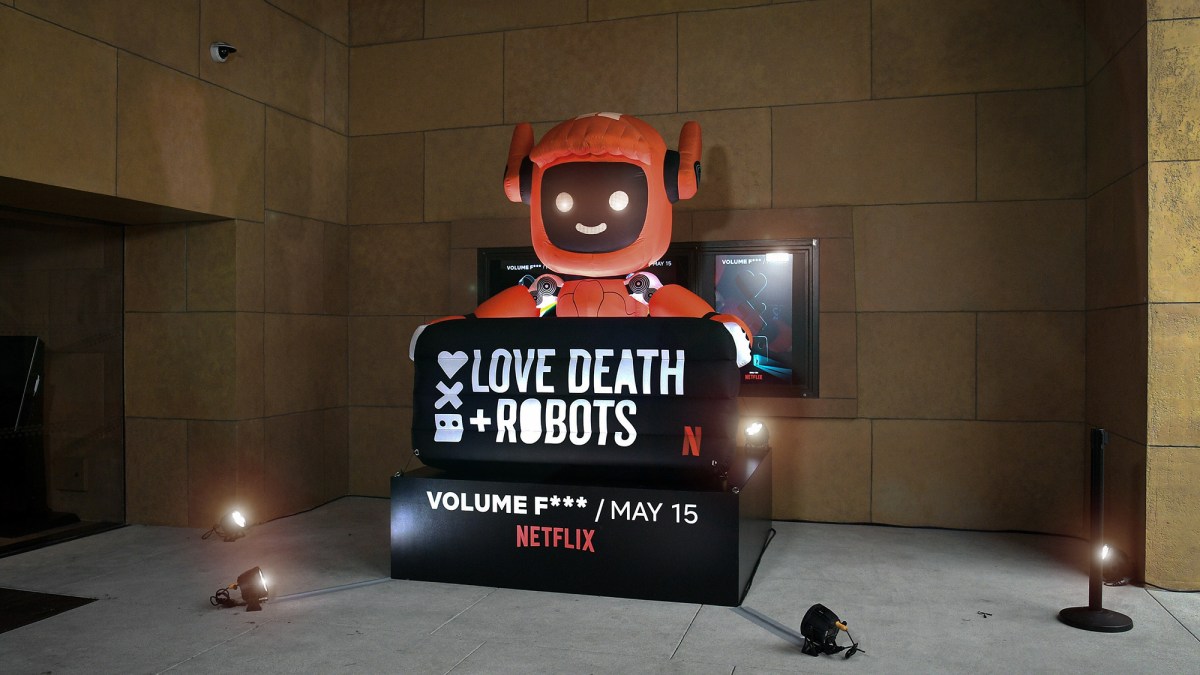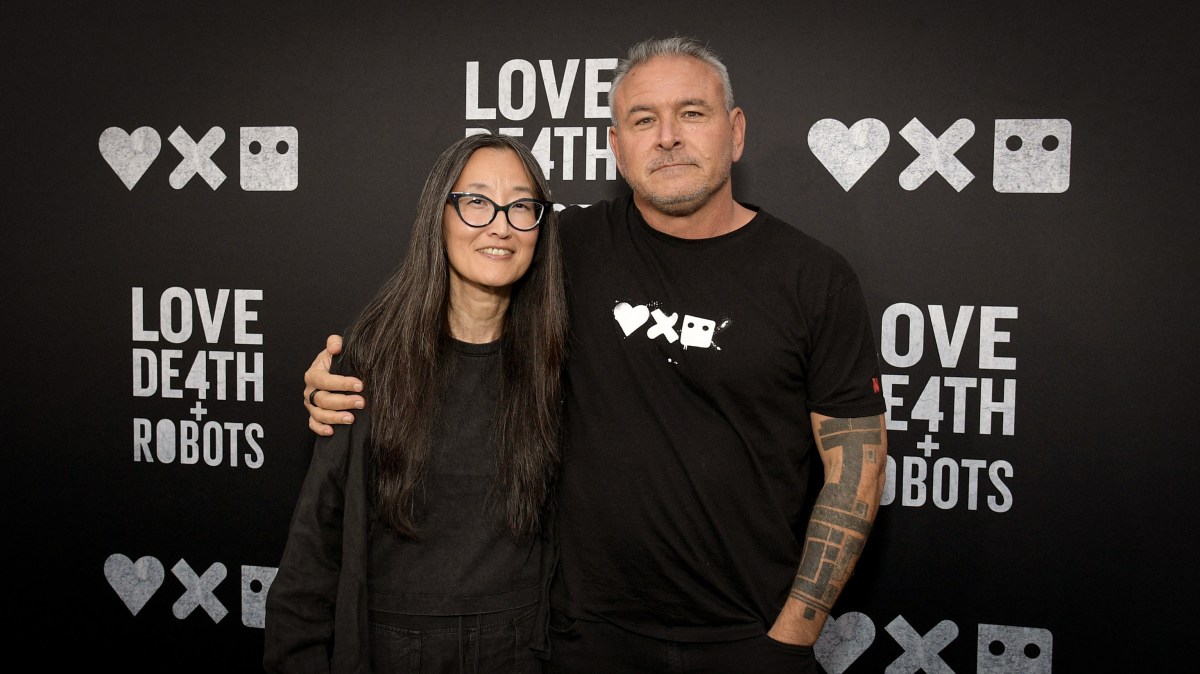
Featuring Directors Till Miller, Jennifer Yuh Nelson, Patrick Osborne, Emily Dean, Robert Bisi & Andy Lyon, and Voice Actors Emily O’Brien, and Sumalee Montano.
LOVE, DEATH + ROBOTS Vol. 4 Red Carpet Interview The Movie Couple
LOVE, DEATH + ROBOTS VOLUME IV Premiere! Tim Miller, Emily O’Brien, Sumalee Montano, and more! Temple of Geek
LOVE, DEATH + ROBOTS Vol. 4 Premiere: MR. BEAST’s Episode (Snyder Connection & Sonic 4)! Mama’s Geeky
LOVE, DEATH + ROBOTS Season 4 Cast and Creatives on AI & How They’d Expand the Title The Direct Extras
LOVE, DEATH + ROBOTS: Tim Miller & Cast Break Down Epic Volume 4 Episodes Screen Rant Plus
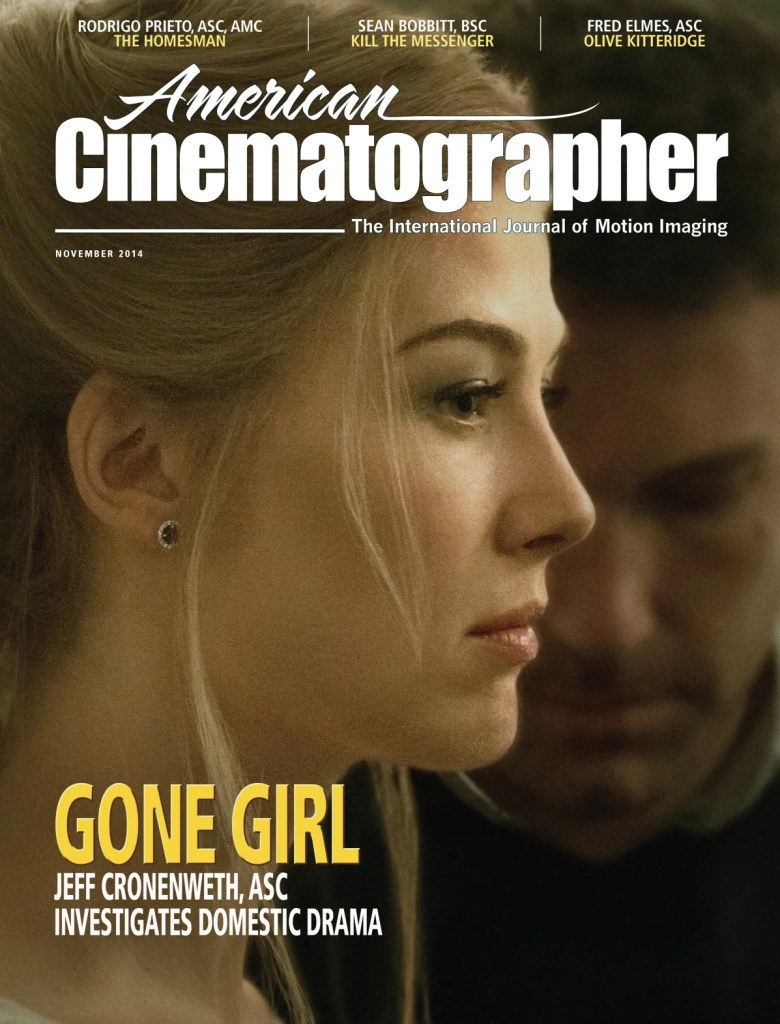
Gone Girl was the fourth feature collaboration between director David Fincher and cinematographer Jeff Cronenweth, ASC since 1999;Fight Club, The Social Network and The Girl with the Dragon Tattoo being the other three. Additionally the pair worked together on multiple commercials and music videos, creating a working chemistry.
Their 2014 feature Gone Girl, for which Rosamund Pike earned a Best Actress nomination from the Academy, was deftly shot and flowed quicker than its 149-minute runtime would suggest, resulting in one of the best psychological thrillers of the 2000s.
The film was shot digitally on Red Dragon cameras, using Leitz Summilux-C lenses and “a fairly comprehensive lighting package,” which included ETC Source Fours, Mole-Richardson incandescents, and Arri M Series HMIs. Further details can be found in our cover story published in AC Nov. 2014.
In addition to Pike, the filmmakers rounded out the cast with Ben Affleck, Carrie Coon, Neil Patrick Harris, Tyler Perry, Kim Dickens, Patrick Fugit, Missi Pyle, Emily Ratajkowski, Casey Wilson, Boyd Holbrook, and Scoot McNairy.
Cronenweth’s chief lighting technician on this show was Erik Messerschmidt — now an ASC member whose feature credits as a cinematographer include Fincher’s Mank and The Killer.
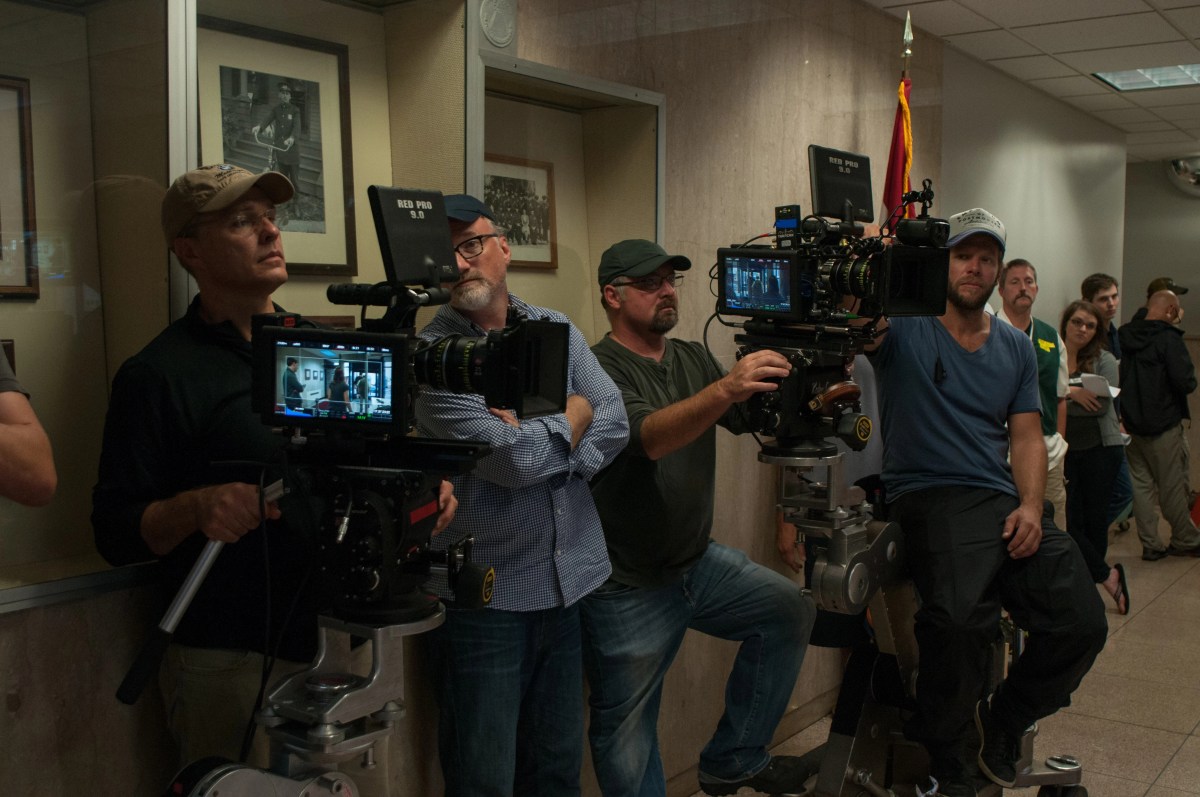
What follows is a curated collection of unit photography by Merrick Morton, a founding member of the SMPSP who also shot stills for features including L.A. Confidential, Fight Club, Zodiac, and The Bad Batch, and the series Mindhunter.
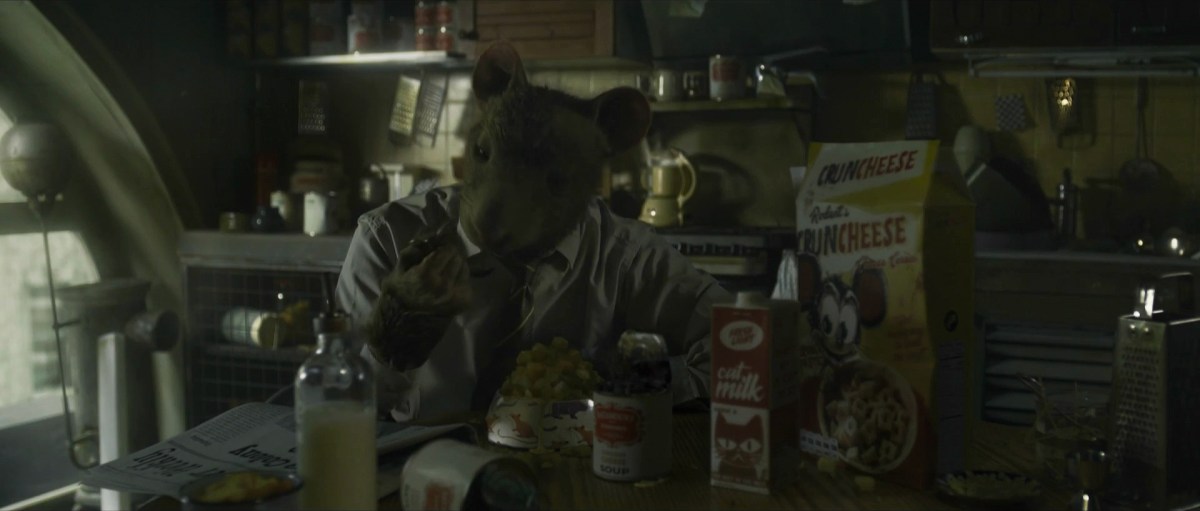
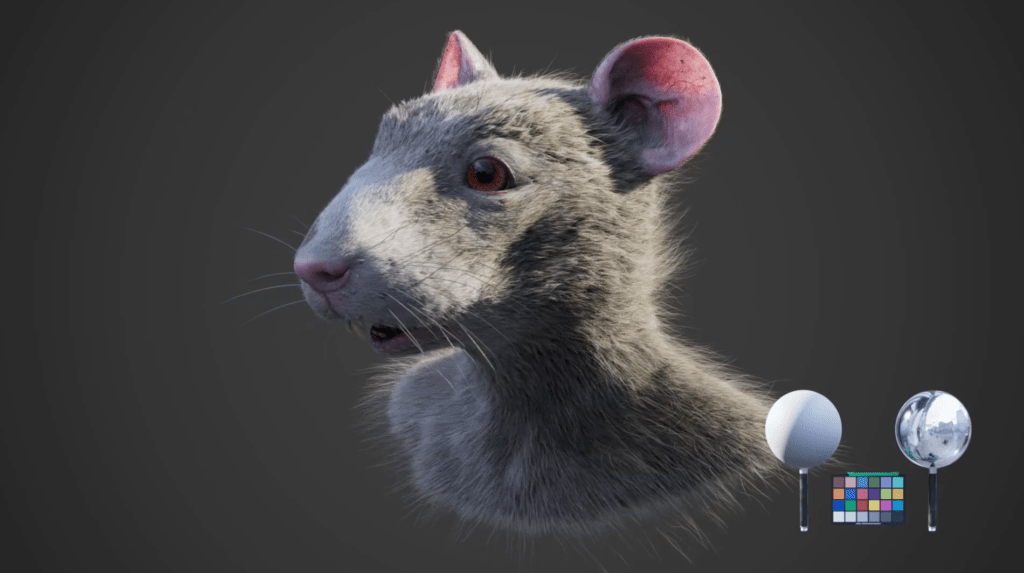
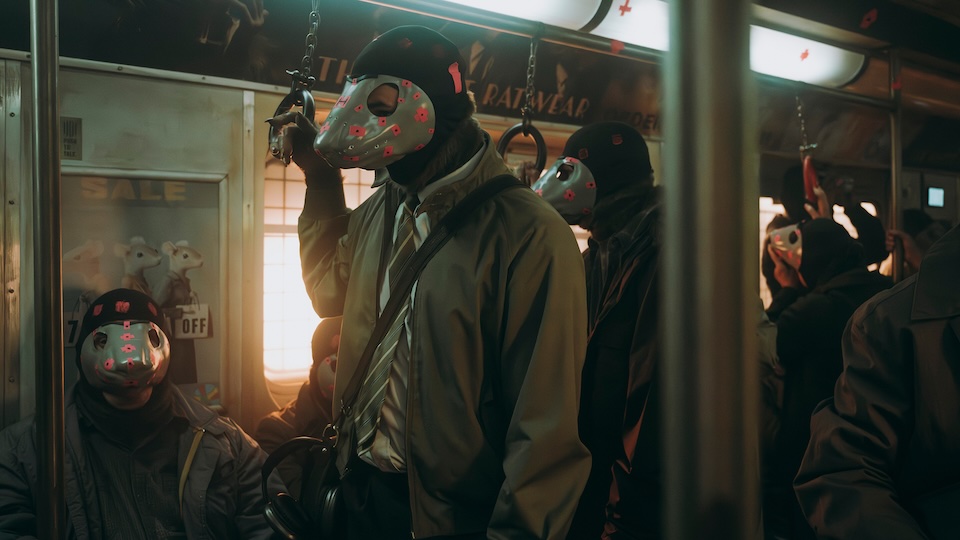
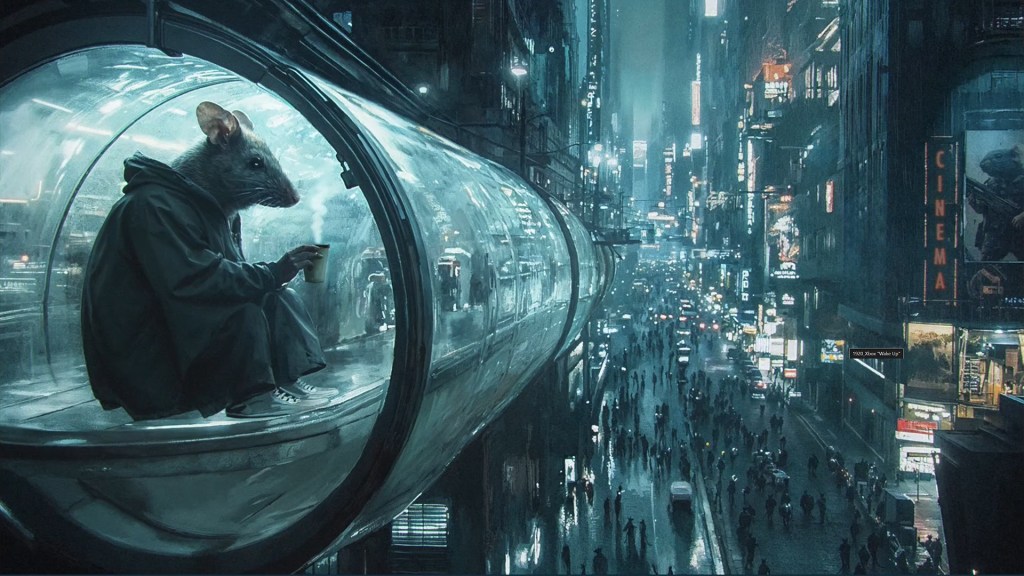
In Xbox’s Wake Up, directed by Romain Chassaing and Co-Directed by David Fincher, a wonderfully off-beat fairy tale unfolds: Horatio, a rat, rekindles his humanity through the joy of gaming. We follow Horatio through a day in the rat race: a packed commute, the drudgery of the office, a rushed lunch at his desk. The mundanity is interrupted by glimpses of mysterious gamers—the only humans we see amongst the rats. After a long day, Horatio powers on his Xbox on his Samsung OLED TV and connects with his friends. A much-needed dose of fun transforms him into the human he always was.
VFX Supervisors Ryan Hadfield, Chris King, Jorge Montiel Meurer, Chris Gill
VFX Artists Adam Gramlick, Ahmed Ugas, Alejandro Marzo, Alex Rumsey, Andrea Umberto Origlia, Andreas Georgiou, David Rencsenyi, Eva Bennet, Joe Baker, Juan Francisco Saravi Migliore, Klaudia Skalska, Lewys Rhodes, Lucas Warren, Mattias Lullini, Miles Tomalin, Monika Lesiecka, Robert Lilley, Ross Gilbert, Sergio García Castro, Taylor Webber, Tom Cowlishaw, Joe Baker
VFX Producer Ross Culligan
VFX Co-Ordinator Lena Almeida
Digital Matte Painter Artists Jordan Haynes, Carlos Nieto, Grant Bonser
When Netflix launched as a DVD rental service in 1998, that was its most effective pitch to potential customers — an unmistakable reference to the thing that people hated the most about Blockbuster. With more than 9,000 locations, Blockbuster was the biggest video rental chain in the world, but it was alienating members because its profits came from charging hefty fines for movies that weren’t returned on time.
“It was an obvious sore spot,” Reed Hastings, Netflix’s co-founder, says. “People loved renting movies and watching them at home, but the late fee became the symbol of everything painful about that model. So we decided to create something different.”
Netflix didn’t just do away with late fees by allowing customers to keep movies for as long as they wanted. It offered subscribers unlimited rentals for a monthly flat fee. As a bonus, it delivered DVDs directly to customers’ homes, eliminating the hassle of having to drive to the local Blockbuster to scour aisle after aisle of movies in search of something to watch.
That gamble paid off. Twenty-eight years after it debuted with little fanfare, Netflix, now under the leadership of Hastings’ successors, Ted Sarandos and Greg Peters, dominates Hollywood. Its market cap of $392.68 billion surpasses those of Disney, Warner Bros., Discovery, Paramount Global, and Comcast combined.
Reed Hastings on Ted Sarandos committing to spending $100 million on House of Cards, picking the show up for an unheard-of two seasons, before a pilot had even been shot, and agreeing not to give David Fincher any notes and guaranteeing him full creative control:
“I wasn’t comfortable with it. It seemed perilously aggressive to me, just on the edge of reckless. We’d been working together for a decade, so I’d come to trust Ted’s instincts. But they were definitely not my instincts.”
David Fincher bristles at being labeled a perfectionist.
He makes an unconvincing case in the shadow of his filmography, which includes “Fight Club,” “Zodiac” and “The Social Network” among several other films marked by a meticulous and unerring technical precision. But Fincher’s objections ring especially hollow when it comes in the midst of an explanation — involving corrections to emulsion caused by the device that perforated the original celluloid — why a new 4K version of “SE7EN” took a year to complete. Yet even if one were inclined to describe his approach merely as a “passionate attention to detail,” that attention has nevertheless resulted in some of the most unforgettable cinematic images of the last 30 years — and now, one of the most beautiful restorations produced in the high-definition era.
Perhaps ironically, “SE7EN,” the film that marked his Hollywood breakthrough, was by his description inspired by “movies with dirt under their fingernails.” Following its premiere at the 2024 TCM Film Festival, the upgraded transfer will be released in theaters (including IMAX) Jan. 3, to be followed on 4K UHD Jan. 7. Fincher recently spoke with Variety about the film, describing his approach to the project after the critical and commercial underperformance of his debut feature, “Alien 3;” revealing details about key casting and creative choices in bringing to life the story of a serial killer inspired by the seven deadly sins; and reflecting on its legacy as a film that both inspired countless imitators and defined his reputation — be it as a perfectionist or just a filmmaker who learned to ask for forgiveness instead of permission.
David Fincher:
I bristle at that idea of perfectionism because if you look at an image and you can see that there’s something going on on the left side of it, I’ll admit it was a big problem for me when I moved to high definition because now I could finally see all of the background actors looky-looing and counting, and you go, “Wow, what is this behavior that’s in the background?” So the more you see, the more I feel it’s my responsibility to make sure that the only thing that’s documented is the stuff that focuses your attention on what you need to walk away with.
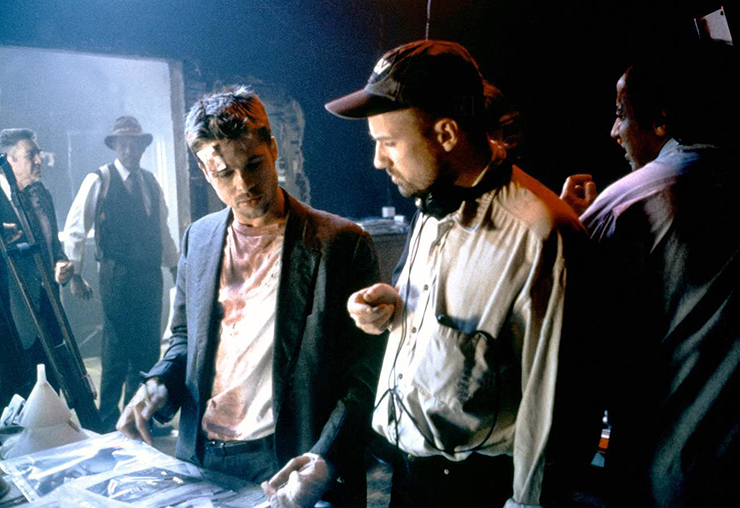
Rain drenches an anonymous street in Los Angeles, which is standing in for an anonymous city that won’t be named. Two A-list actors, playing polar opposite detectives assigned to a frightening and ominous case, stand around and wait for their turn to step on set, where they’re poised to discover the next atrocity left for them by a mysterious serial killer named John Doe.
But in this specific moment, director David Fincher is just trying to figure out how to get the body of character actor Michael Reid McKay, transformed into the victim we’ll come to know as Sloth, onto the set without disrupting the man’s intricate makeup job.
That’s just one of many unexpected challenges facing David Fincher (Fight Club, The Social Network, Zodiac) as he labored on SE7EN, the mesmerizing dark-noir thriller that cast Brad Pitt and Morgan Freeman as cops tracking a killer whose victims are modeled after the Seven Deadly Sins. It’s an ingenious hook, designed by screenwriter Andrew Kevin Walker. But it was Fincher’s meticulous execution of the crimes that burrowed under the skin of moviegoers back in 1995, and helped make SE7EN an unforgettable achievement that earned its place in the pop-culture pantheon of contemporary masterpieces.
I’m not sure Fincher knew he was creating a masterpiece at the time of filming. The former music-video director was coming off of a disastrous shoot with Alien 3, was focused on establishing himself and his own voice, and had to deal with a difficult schedule attached to one of his leading men. (More on that in a second). And then, there was this damn Sloth body… the one that wakes up mid-investigation, and scares the daylights out of John C. McGinley (Scrubs).
Speaking with CinemaBlend on behalf of a 30th anniversary 4K UHD release of SE7EN (which arrives on January 7), Fincher started reminiscing about that particular Deadly Sin.
SE7EN turns 30 this year, and to commemorate the anniversary, director David Fincher has overseen the 4K remaster of the seminal crime drama.
The serial killer mystery — which stars Morgan Freeman, Brad Pitt, Gwyneth Paltrow, and Kevin Spacey — first shook up the crime genre in 1995 with propulsive, precise craft and unprecedentedly nasty crime scenes that have influenced everything from Saw to The Batman. The film now has a higher-resolution look that will debut on IMAX screens on Jan. 3 before releasing on 4K UHD Blu-ray Discs and on digital Jan. 7. Fincher and his team painstakingly recreated the film as it was originally printed in 1995, utilizing some AI tools to enhance the image and fix visual mistakes that weren’t visible in previous scans of the film.
Entertainment Weekly chatted with Fincher to discuss the new version of SE7EN and reflect on his memories of helming his feature directorial breakout 30 years later — including what’s really in the box.
It’s officially 2025, and that makes it the year of SE7EN’s 30th anniversary. Released in theaters on September 22, 1995, David Fincher’s second feature film enjoyed a successful run at the box office, scored an Academy Award nomination for Best Film Editing, a BAFTA nomination for Best Original Screenplay, and is still revered as top-tier cinema to this day.
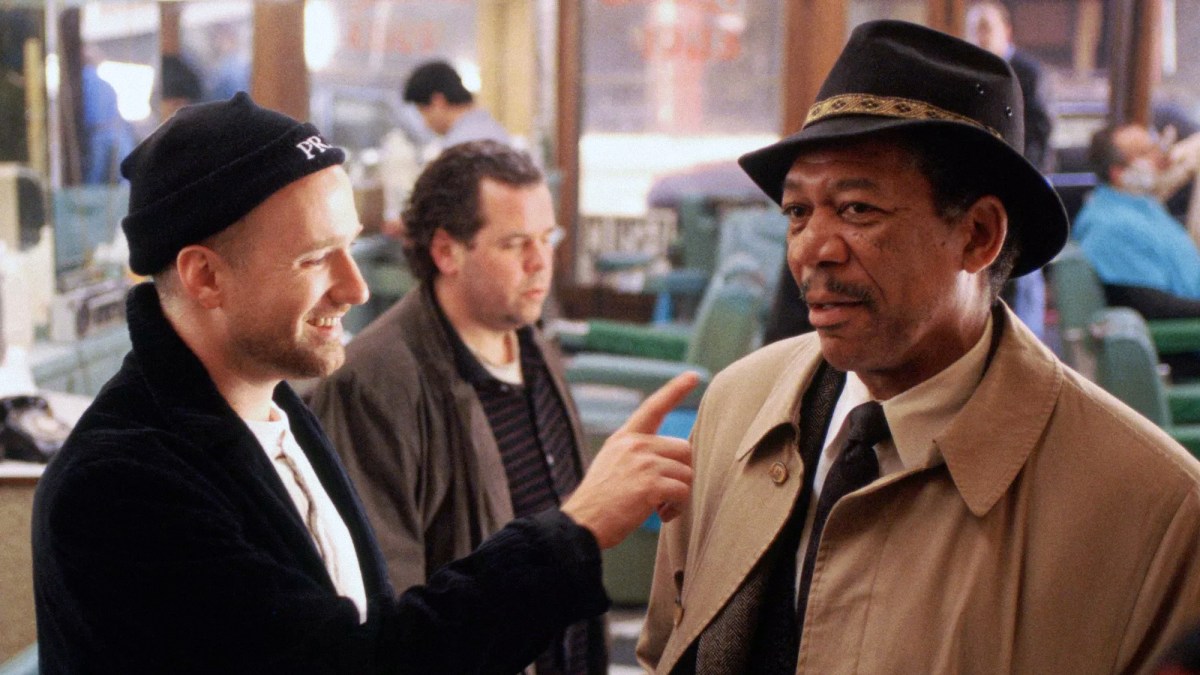
The movie stars Morgan Freeman and Brad Pitt as detectives. Freeman’s William Somerset is a respected veteran on the verge of retirement, while Pitt’s David Mills is a recently transferred detective with loads of confidence, but lots to learn from Somerset. The pair is assigned to investigate a string of elaborate and ruthless murders, each one connected to one of the seven deadly sins.
In celebration of SE7EN’s release on 4K UHD on January 7, and also its first-ever IMAX release on January 3, I got the opportunity to get a peek behind the curtain of the restoration process courtesy of Fincher himself. He broke down the factors he must consider when choosing which of his films to restore, where he draws the line when making changes to the original film during this restoration process, how he used AI to pull off “the most thrillingly stupid fix in the world,” and loads more. You can read about all of that and his thoughts on his Netflix projects getting physical releases in the interview below.
Sony Pictures Home Entertainment has officially announced the long-awaited UHD HDR release of Panic Room, featuring the new remaster in 4K supervised by David Fincher.
It will be available as a limited edition Steelbook on February 18, 2025.
Trapped in their New York brownstone’s panic room, a hidden chamber built as a sanctuary in the event of break-ins, newly divorced Meg Altman (Jodie Foster) and her daughter, Sarah (Kristen Stewart), play a deadly game of cat-and-mouse with three intruders—Burnham (Forest Whitaker), Raoul (Dwight Yoakam) and Junior (Jared Leto)—during a brutal home invasion. But the room itself is the focal point because what the intruders really want is inside it.
Directed by: David Fincher Produced by: Ceán Chaffin, Gavin Polone, Judy Hofflund, David Koepp Written by: David Koepp
Run Time: 112 minutes Rating: R for violence and language
4K ULTRA HD Disc
Feature presented in 4K resolution with Dolby Vision
English Dolby Atmos + English 5.1
Optional English subtitles
Blu-Ray Disc
Feature presented in HD resolution, sourced from the 4K remaster
English 5.1
Optional English subtitles for the main feature
Commentary 1 by David Fincher
Commentary 2 by Jodie Foster, Forest Whitaker, and Dwight Yoakam
Commentary 3 by writer David Koepp and special guest
Blu-Ray Disc with Special Features
All previously available Special Features produced by David Prior.
Pre-Production:
– Six featurettes on the prep phase, from pre-visualization through testing. – Interactive previsualization: Compare the pre-visualization, storyboards, dailies and final film in a multi-angle, multi-audio feature with optional commentary.
Production:
– Shooting Panic Room: An hour-long documentary on the principal photography phase. – Makeup effects featurette with Alec Gillis and Tom Woodruff Jr. – Sequence breakdowns: An interactive look at the creation of four separate scenes in the film
Post-Production:
– 21 documentaries and featurettes on the visual effects. – On Sound Design with Ren Klyce. – Digital Intermediate and other featurettes dealing with the post-production phase. – A multi-angle look at the scoring session conducted by Howard Shore.
This edition will include the fantastic Teaser Trailer narrated by Linda Hunt, edited by Angus Wall, and with Sound Design by Ren Klyce, previously only available in the “SuperBit” Edition and worldwide standard edition DVDs:
Fight Club is a cinematic time machine. The film captured the essence of 1999, and, 25 years later, filmmaker David Fincher‘s vision for Chuck Palahniuk‘s novel continues to resonate, cranking up its unsettling relevance in a commercialized and violent world.
The movie hits just as hard today as it did back then.
Fight Club remains as overwhelming as the narrator’s life. The sound is relentless; the world almost never quiets down. It’s a controlled yet unrelenting experience for the eyes and ears. Much of the credit goes to sound designer Ren Klyce, who is once again working on the film, remastering it with Fincher & Co. Before attending MPSE Presents: Fight Club 25th AnniversaryScreening, Klyce spoke with Immersive Media about his past and present experiences with Fight Club.